Create Your Garden

Best Plants for Clay Soils in Texas

Stuck with Texas clay soil? Discover native perennials, shrubs, vines, and grasses that love clay, stay colorful, and thrive in heat and drought.

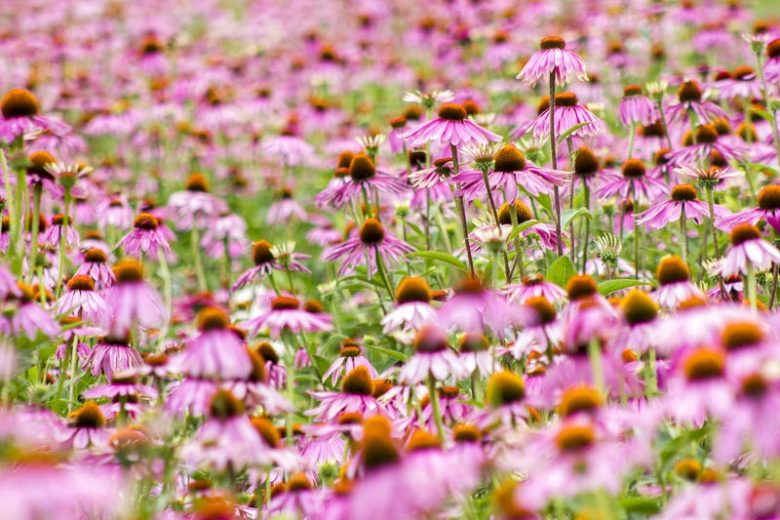
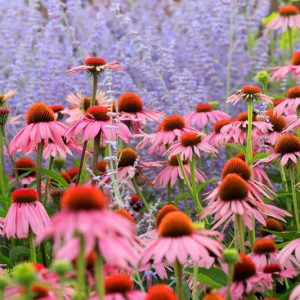
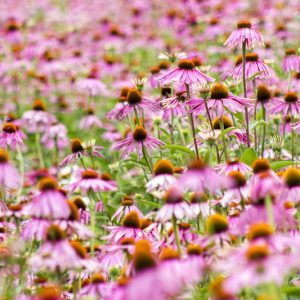
Echinacea Purpurea 'Magnus', Coneflower 'Magnus', Echinacea 'Magnus', Purple Coneflower, Purple Echinacea, Echinacea Purpurea

Best Plants for Clay Soil in Texas

Clay soil in Texas can feel like gardening in brick. It stays sticky when wet, hard as concrete when dry, and loves to hold water around roots. The good news: many of the best Texas native plants actually evolved in this heavy Blackland and prairie clay. Once you match your plant list to your soil, you can turn that tough clay into an asset instead of a headache.

This guide focuses on Texas natives and well adapted U.S. natives that truly thrive in clay soil so you can build resilient, water wise gardens that shrug off heat, drought, and downpours while feeding pollinators, birds, and other wildlife.

Quick Start – Clay Soil Gardening in Texas

  • Do not fight all the clay – you do not need to remove it. Improve the top 6 to 8 inches with compost and plant species that already thrive in clay soil.
  • Prioritize clay tolerant natives – prairie perennials, grasses, shrubs, and vines with deep roots are built for heavy soil and Texas drought.
  • Mind drainage, not perfection – shape gentle berms or raised areas for plants that hate soggy feet. Leave level spots for true clay lovers.
  • Water deeply, not often – heavy soil holds moisture. Long, infrequent soakings encourage deep roots and reduce rot risk.
  • Mulch smart – a 2 to 3 inch layer of shredded bark or native wood chips softens the surface and keeps summer cracks from baking roots.
  • Plant in groups – drifts of the same clay tolerant plant look intentional, stabilize soil, and help pollinators find flowers more easily.

Where You Will Find Clay Soils in Texas

Clay soil is common across many Texas regions, especially:

  • Blackland Prairie and North Central Texas – heavy, shrinking black clays that crack in summer and stick to your shovel after rain.
  • Parts of Central Texas – clay over limestone, often shallow but still dense and slow draining.
  • Urban fill soils – new subdivisions often have compacted clay or clay subsoil with thin layers of topsoil on top.

If you can roll your damp soil into a long ribbon between your fingers and it stays together, you are probably working with significant clay. That is not a curse. It just means you should lean into plants that love clay instead of fighting your site.

Top Picks at a Glance – Plants for Clay Soils in Texas

Short on time? Here are some dependable native and well-adapted plants from this guide that handle Texas clay,
organized by sun and moisture conditions.

Full Sun · Average to Dry Clay

  • Little bluestem (Schizachyrium scoparium) – Warm-season bunchgrass for prairies, borders, and dry clay slopes.
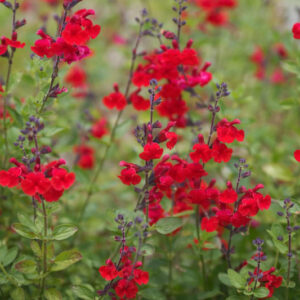
  • Autumn sage (Salvia greggii) – Long-blooming, shrub-like sage that feeds hummingbirds and thrives in hot, dry sites.
  • Black-Eyed Susan (Rudbeckia hirta) – Tough, sun-loving perennial or biennial for bright summer color in clay.
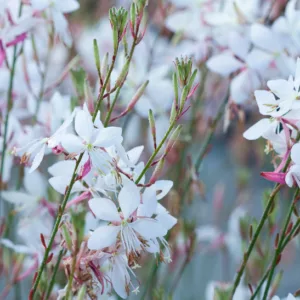
  • White gaura / Lindheimer’s beeblossom (Gaura lindheimeri) – Airy, drought-tolerant bloomer that floats above clay-based plantings.

Full Sun · Occasionally Wet / Heavy Clay

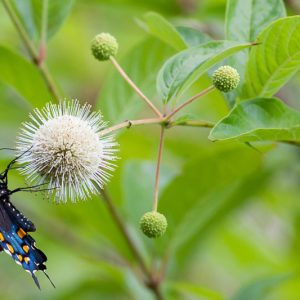
  • Buttonbush (Cephalanthus occidentalis) – Superb shrub for swales, pond edges, and rain gardens in heavy clay.
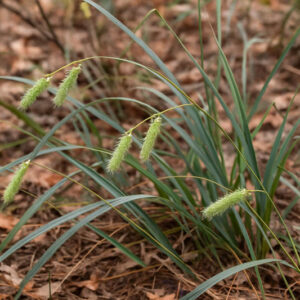
  • Eastern gamagrass (Tripsacum dactyloides) – Bold native grass for low spots and moist clay meadows.
  • Swamp sunflower (Helianthus angustifolius) – Tall, late-season sunflower that loves wet or occasionally flooded clay.
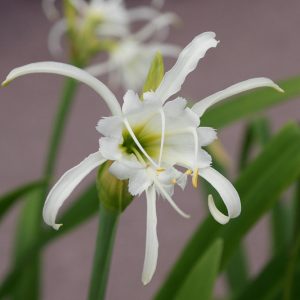
  • Western marsh spider lily (Hymenocallis liriosme) – Fragrant white bulbs for sunny, seasonally moist clay.

Part Shade · Moist to Average Clay

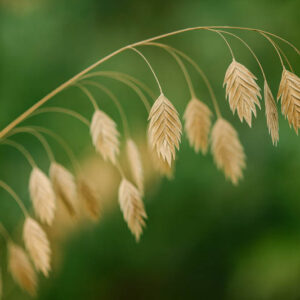
  • Northern sea oats (Chasmanthium latifolium) – Graceful woodland grass for dappled shade and heavier soils.
  • American beautyberry (Callicarpa americana) – Arching shrub with glowing purple berries for wildlife-friendly shade edges.
  • Virginia sweetspire (Itea virginica) – Fragrant white tassel blooms and rich fall color in moist clay.
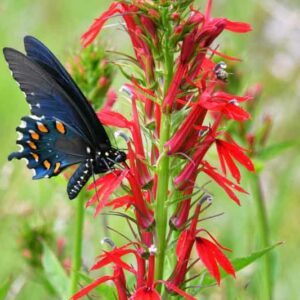
  • Cardinal flower (Lobelia cardinalis) – Brilliant red spikes for moist, partly shaded clay near downspouts or swales.

Slopes, Banks & Erosion Control on Clay

  • Indian grass (Sorghastrum nutans) – Deep-rooted prairie grass that anchors sunny clay slopes.
  • Side-oats grama (Bouteloua curtipendula) – Clump-forming grass with distinctive oat-like seedheads for banks and berms.
  • Fragrant sumac (Rhus aromatica) – Spreading shrub ideal for stabilizing dry, sunny embankments.
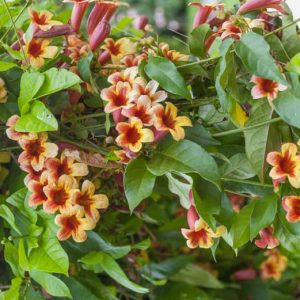
  • Crossvine (Bignonia capreolata) – Climbing vine to cloak fences or walls above clay slopes with spring trumpet flowers.

Guide Information

Hardiness 6 - 10
Plant Type Climbers, Ornamental Grasses, Perennials, Shrubs, Trees
Soil Type Clay
Native Plants United States, Southwest, Texas

Best Perennials for Clay Soil in Texas

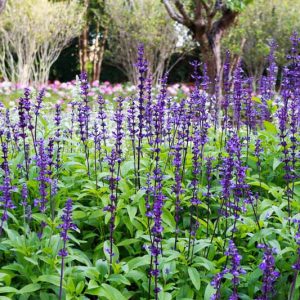
Salvia farinacea (Mealy Sage)
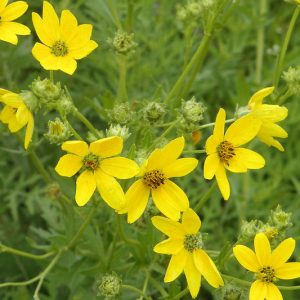
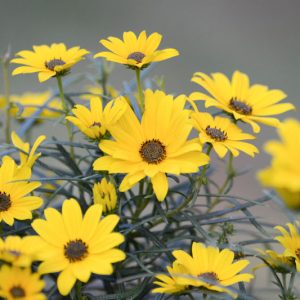
Engelmannia peristenia (Engelmann Daisy)
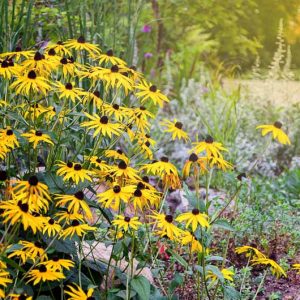
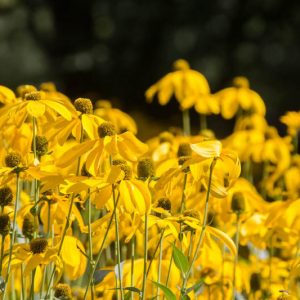
Rudbeckia hirta (Black-Eyed Susan)
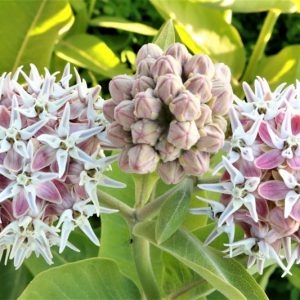
Asclepias speciosa (Showy Milkweed)
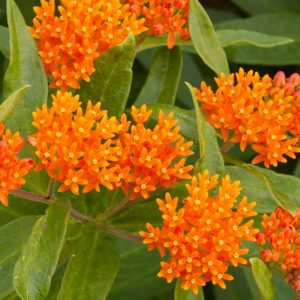
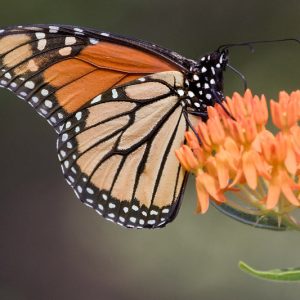
Asclepias tuberosa (Butterfly Milkweed)
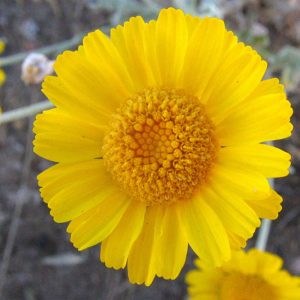
Baileya multiradiata (Desert Marigold)
Borrichia frutescens (Sea Ox-Eye)
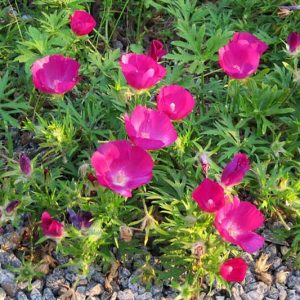
Callirhoe involucrata (Purple Poppy Mallow)
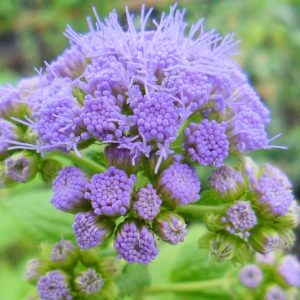
Conoclinium coelestinum (Blue Mistflower)
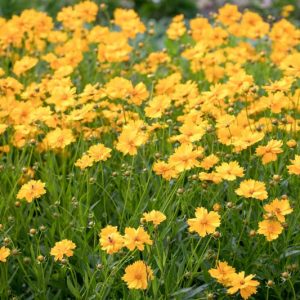
Coreopsis grandiflora (Large Flower Tickseed)
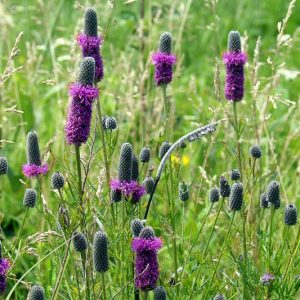
Dalea purpurea (Purple Prairie Clover)
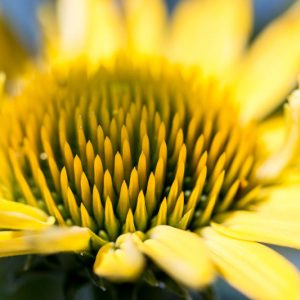
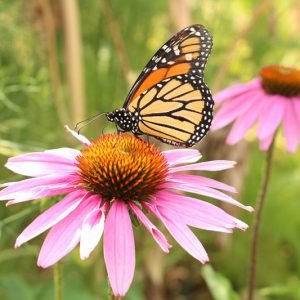
Echinacea purpurea (Purple Coneflower)
Echinacea angustifolia (Narrow-leaf Coneflower)
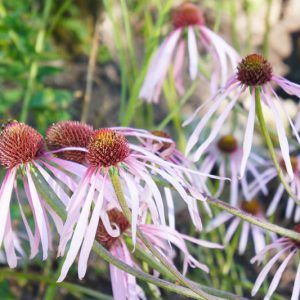
Echinacea pallida (Pale Purple Coneflower)
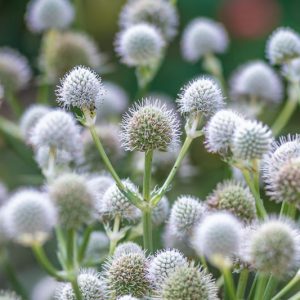
Eryngium yuccifolium (Rattlesnake Master)
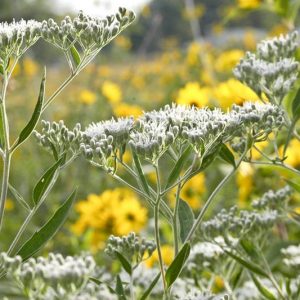
Eupatorium serotinum (Late Boneset)
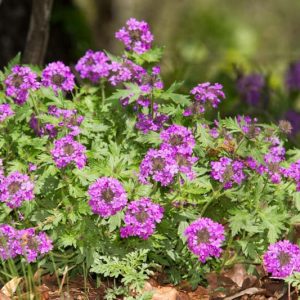
Glandularia bipinnatifida (Prairie Verbena)
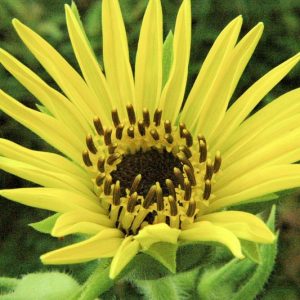
Helianthus angustifolius (Swamp Sunflower)
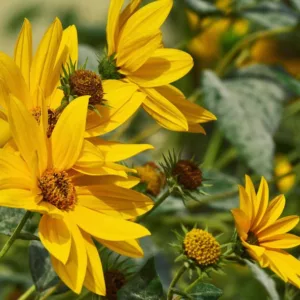
Helianthus maximiliani (Maximilian Sunflower)
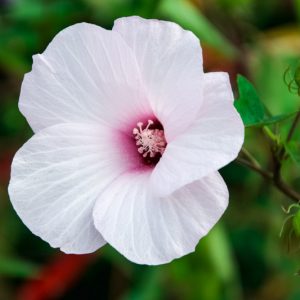
Hibiscus laevis (Halberd-Leaved Rose Mallow)
Hymenocallis liriosme (Western Marsh Spider Lily)
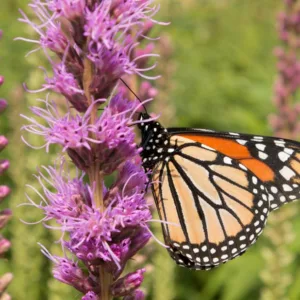
Liatris aspera (Rough Blazing Star)
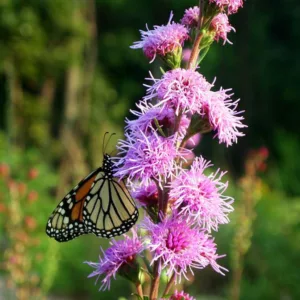
Liatris pycnostachya (Prairie Blazing Star)
Lobelia cardinalis (Cardinal Flower)
Monarda citriodora (Lemon Bee Balm)
Gaura lindheimeri (White Gaura)
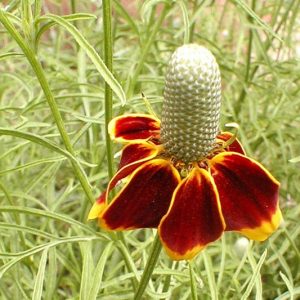
Ratibida columnifera (Mexican Hat Plant)
Rudbeckia grandiflora (Tall Coneflower)
Rudbeckia subtomentosa (Sweet Coneflower)
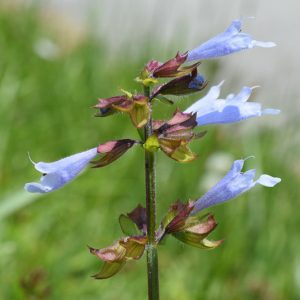
Salvia azurea (Blue Sage)
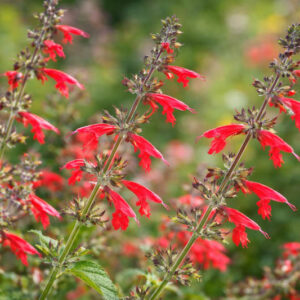
Salvia coccinea (Scarlet Sage)
Salvia lyrata (Lyreleaf Sage)
Silphium laciniatum (Compass Plant)
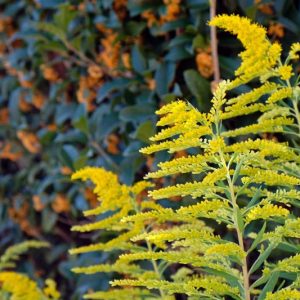
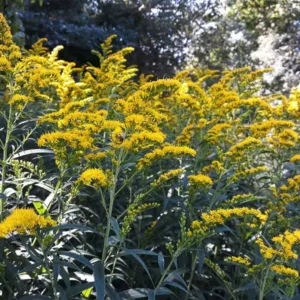
Solidago altissima (Tall Goldenrod)
Solidago nemoralis (Gray Goldenrod)
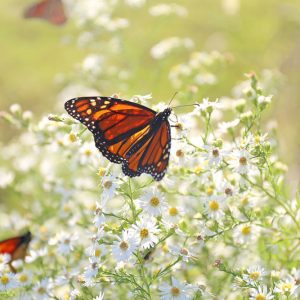
Aster ericoides (Heath Aster)
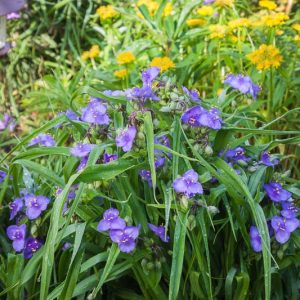
Tradescantia occidentalis (Prairie Spiderwort)
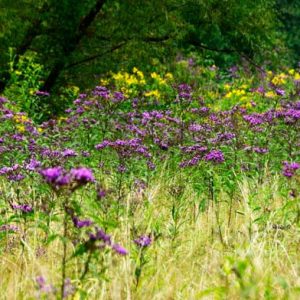
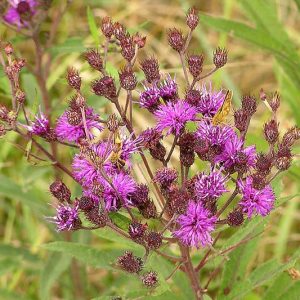
Vernonia baldwinii (Western Ironweed)
Vernonia missurica (Missouri Ironweed)
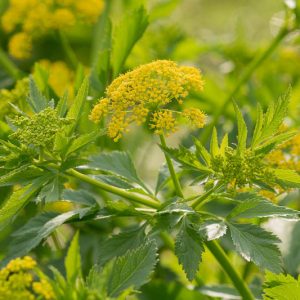
Zizia aurea (Golden Alexanders)
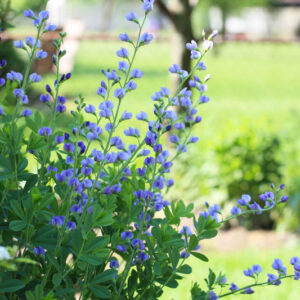
Baptisia australis (False Indigo)
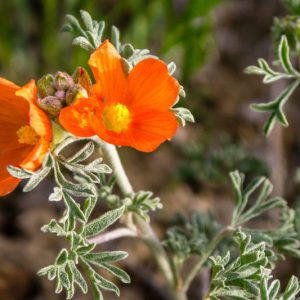
Sphaeralcea coccinea (Scarlet Globemallow)

Best Grasses for Clay Soil in Texas

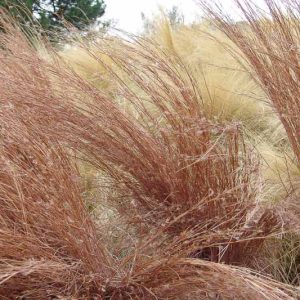
Schizachyrium scoparium (Little Bluestem)
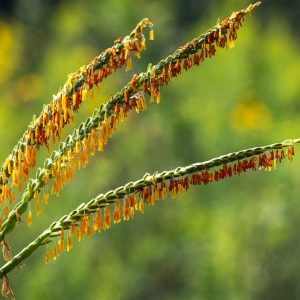
Tripsacum dactyloides (Eastern Gamma Grass)
Bouteloua hirsuta (Hairy Grama)
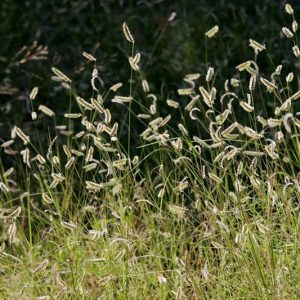
Bouteloua dactyloides (Buffalo Grass)
Bouteloua curtipendula (Side-Oats Grama)
Chasmanthium latifolium (Northern Sea Oats)
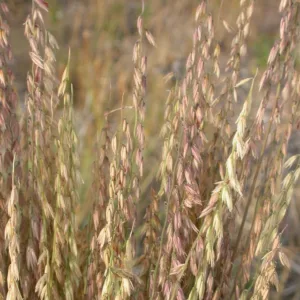
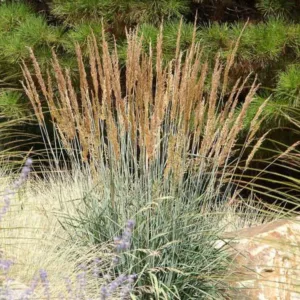
Sorghastrum nutans (Indian Grass)
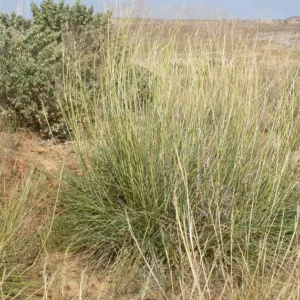
Sporobolus airoides (Alkali Sacaton)
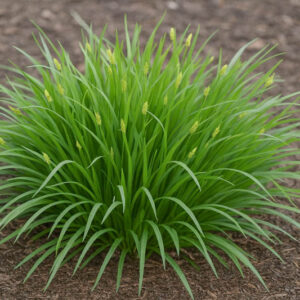
Carex blanda (Common Wood Sedge)
Carex leavenworthii (Leavenworth’s Sedge)
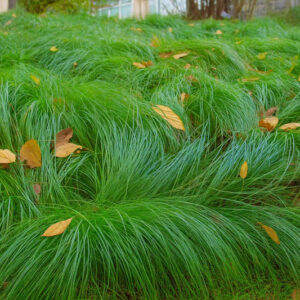
Carex glaucescens (Southern Waxy Sedge)
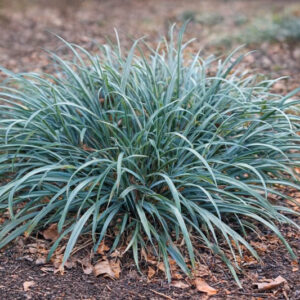
Carex flaccosperma (Blue Wood Sedge)

Best Shrubs and Small Trees for Clay Soil in Texas

Cephalanthus occidentalis (Buttonbush)
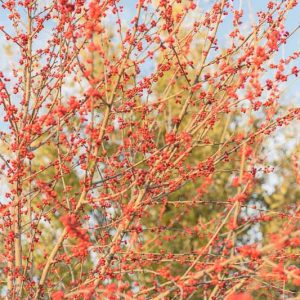
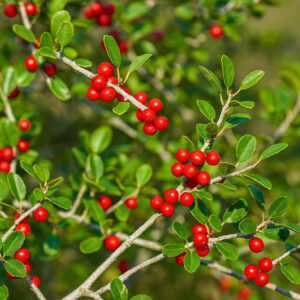
Ilex decidua (Possumhaw)
Rhus aromatica (Fragrant Sumac)
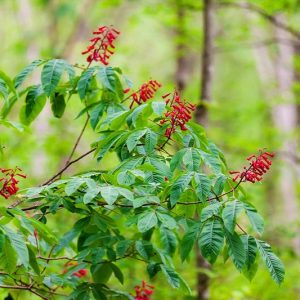
Aesculus pavia (Red Buckeye)
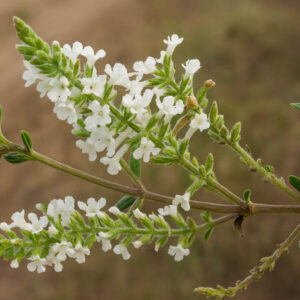
Aloysia gratissima (Whitebrush)
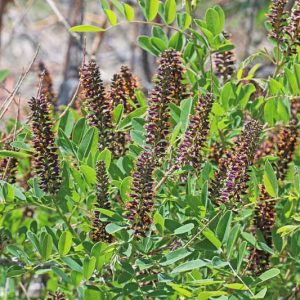
Amorpha fruticosa (Indigo Bush)
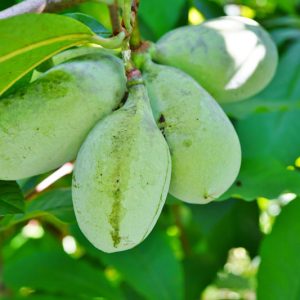
Asimina triloba (Pawpaw)
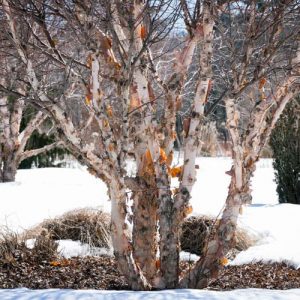
Betula nigra (River Birch)
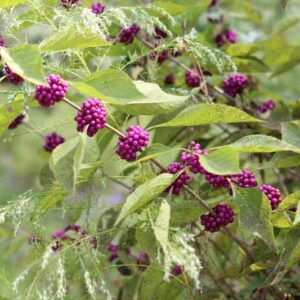
Callicarpa americana (American Beautyberry)
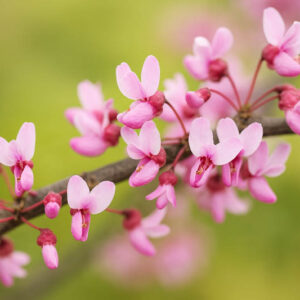
Cercis canadensis var. texensis (Texas Redbud)
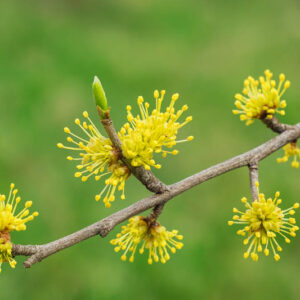
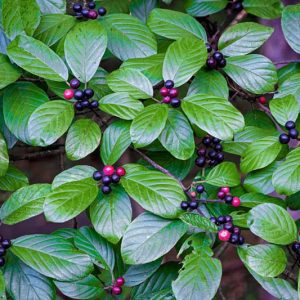
Cornus drummondii (Roughleaf Dogwood)
Crataegus marshallii (Parsley Hawthorn)
Crataegus crus-galli (Cockspur Hawthorn)
Dalea formosa (Indigobush)
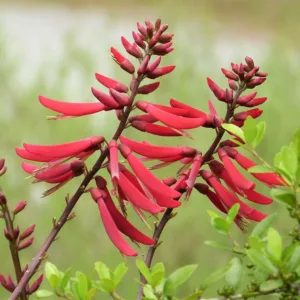
Erythrina herbacea (Coralbean)
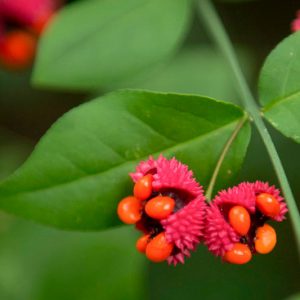
Euonymus americanus (American Strawberry Bush)
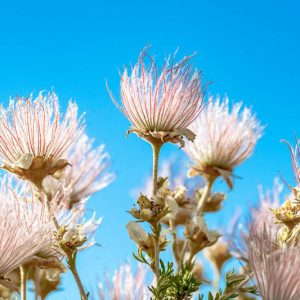
Fallugia paradoxa (Apache Plume)
Forestiera pubescens (Desert Olive)
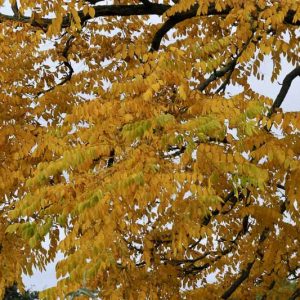
Gymnocladus dioica (Kentucky Coffee Tree)
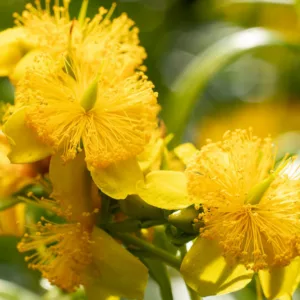
Hypericum prolificum (Shrubby St. John’s Wort)
Ilex vomitoria (Yaupon Holly)
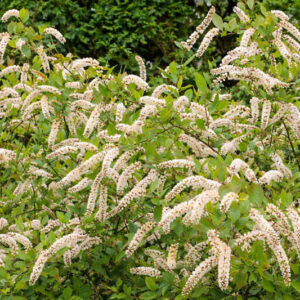
Itea virginica (Virginia Sweetspire)
Juniperus scopulorum (Rocky Mountain Juniper)
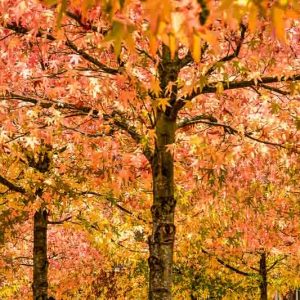
Liquidambar styraciflua (Sweet Gum)
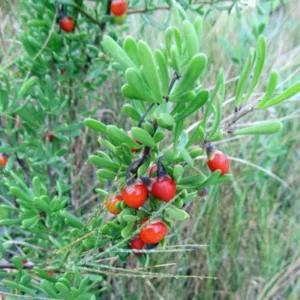
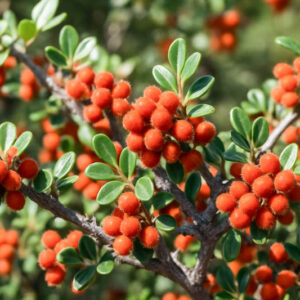
Lycium carolinianum (Christmas Berry)
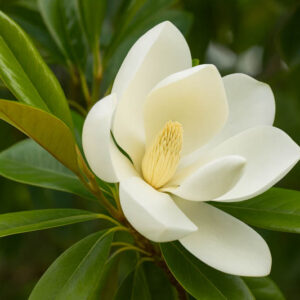
Magnolia virginiana (Sweet Bay Magnolia)
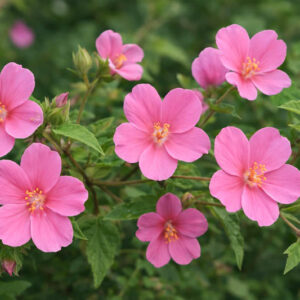
Pavonia lasiopetala (Texas Rock Rose)
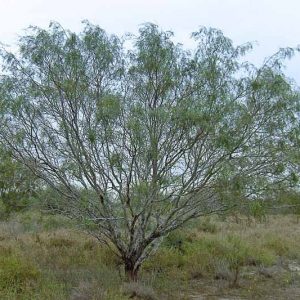
Prosopis glandulosa (Honey Mesquite)
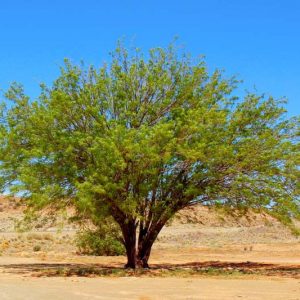
Prosopis pubescens (Screwbean Mesquite)
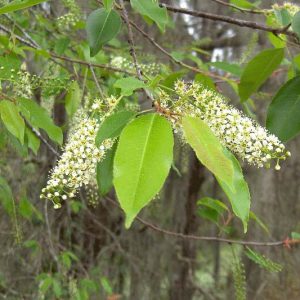
Prunus caroliniana (Carolina Cherry Laurel)
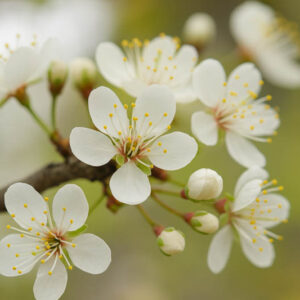
Prunus mexicana (Mexican Plum)
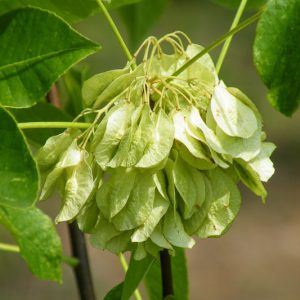
Ptelea trifoliata (Hop Tree)
Frangula caroliniana (Carolina Buckthorn)
Rhus microphylla (Littleleaf Sumac)
Sophora tomentosa (Necklace Pod)
Ungnadia speciosa (Mexican Buckeye)
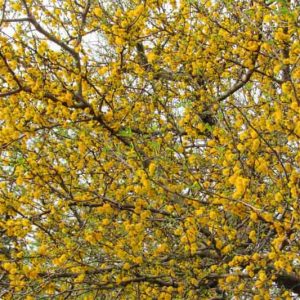
Acacia farnesiana (Sweet Acacia)
Viburnum rufidulum (Southern Blackhaw)
Salvia greggii (Autumn Sage)

Best Vines for Clay Soil in Texas

Bignonia capreolata (Crossvine)
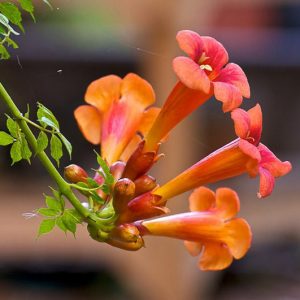
Campsis radicans (Trumpet Vine)
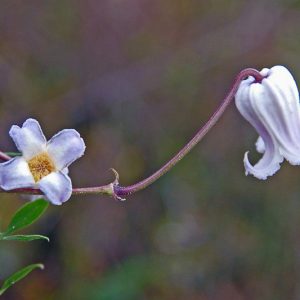
Clematis crispa (Viorna Group)
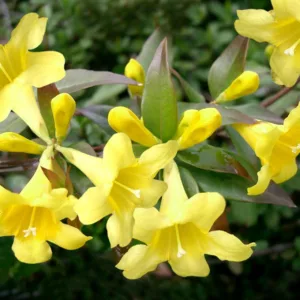
Gelsemium sempervirens (Carolina Jessamine)
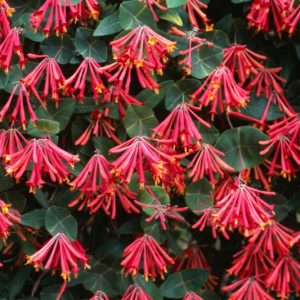
Lonicera sempervirens (Coral Honeysuckle)
Parthenocissus quinquefolia (Virginia Creeper)
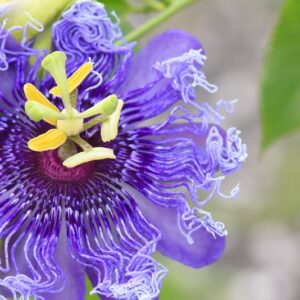
Passiflora incarnata (Maypop)

Design Ideas for Clay Soil Gardens in Texas

Instead of hiding your clay, design with it. Here are simple pattern recipes you can copy and tweak for your own yard using plants that show up again and again on clay-tolerant Texas lists.

Front Yard Prairie for Clay

In a sunny front yard with heavy soil, combine:

  • Little bluestem (Schizachyrium scoparium) clumps for vertical structure and winter color.
  • Drifts of Engelmann daisy (Engelmannia peristenia) and black eyed Susan (Rudbeckia hirta) for spring and early summer bloom.
  • Mealy blue sage (Salvia farinacea) and autumn sage (Salvia greggii) for long-season flowers and hummingbirds.

This mix looks natural in North and Central Texas, stays upright in clay, and needs very little irrigation once established.

Clay Swale Pollinator Strip

For a shallow drainage swale or low spot that stays wet after storms, try:

  • Buttonbush (Cephalanthus occidentalis) and eastern gamagrass (Tripsacum dactyloides) in the wetter center.
  • Black eyed Susan and blue mistflower (Conoclinium coelestinum) along the shoulders.
  • Little bluestem on the drier upper slopes.

You get storm water management, erosion control, and a continuous buffet for bees and butterflies.

Clay Slope Wildlife Hedgerow

On a back property line with heavy clay, plant:

  • Fragrant sumac (Rhus aromatica) and possumhaw holly (Ilex decidua) as the backbone shrubs.
  • Pockets of little bluestem and Indian grass (Sorghastrum nutans) for cover, fall color, and movement.

This creates a soft, native screen that supports birds, pollinators, and beneficial insects while holding that clay bank in place.

Simple Clay Soil Care Tips

  • Amend beds, not holes – mix 2 to 3 inches of compost into the whole bed instead of backfilling individual holes with rich mix that can trap water.
  • Avoid working wet clay – digging or tilling when soil is very wet destroys structure and creates long lasting clods.
  • Mulch every year – a thin layer of organic mulch breaks down into the top of the clay, slowly improving tilth.
  • Do not overwater – most clay tolerant Texas natives prefer to dry a bit between soakings.
  • Plant in fall – especially in North and Central Texas, fall planting lets roots explore the clay over winter before summer heat hits.

Why Grow These Clay-Loving Natives?

  • Salvia farinacea (Mealy Blue Sage) – A classic Texas perennial that shrugs off heavy soil, blooms for months, and keeps bees and butterflies busy.
  • Engelmannia peristenia (Engelmann Daisy) – Deep-rooted, clay-tolerant sunshine in flower form, ideal for Blackland Prairie yards and roadsides.
  • Rudbeckia hirta (Black Eyed Susan) – Fast to establish in clay, filling new beds with golden daisies while slower shrubs and grasses catch up.
  • Helianthus maximiliani (Maximilian Sunflower) – Tall late-season color and bird seed on tough stems that handle sticky soils and wind.
  • Baptisia australis (False Indigo) – A long-lived, deep-rooted legume that fixes nitrogen, loves heavy soil, and carries showy blue flower spikes.
  • Schizachyrium scoparium (Little Bluestem) – A signature prairie grass for clay, offering blue summer blades and copper winter foliage.
  • Tripsacum dactyloides (Eastern Gamagrass) – A bold, fountain-like grass that thrives in moist clay swales and low spots.
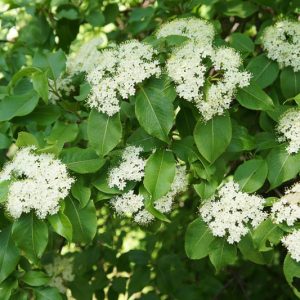
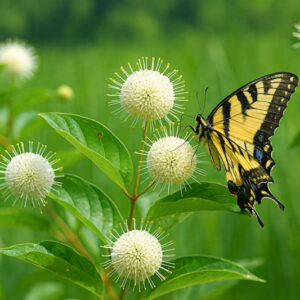
  • Cephalanthus occidentalis (Buttonbush) – Clay-tolerant shrub for rain gardens and pond edges, covered in white, globe-shaped flowers loved by pollinators.
  • Ilex decidua (Possumhaw Holly) – Handles heavy soils and rewards you with masses of red berries for winter birds.
  • Rhus aromatica (Fragrant Sumac) – A fragrant, erosion-fighting shrub that anchors clay slopes and glows with fall color.
  • Bignonia capreolata (Cross Vine) – A native vine with trumpet flowers for hummingbirds that climbs fences and arbors in clay-based gardens.
  • Gelsemium sempervirens (Carolina Jessamine) – Evergreen vine with fragrant yellow blooms that tolerates both clay and Texas heat.

Bringing It All Together – A Clay-Tolerant Texas Plant Palette

Whether you are in the pineywoods, on a Blackland Prairie lot, on a rocky Hill Country slope, or under big High Plains sky, there are native and well adapted perennials, grasses, shrubs, and vines that can handle Texas clay with far less water and fuss than typical ornamentals. Start with your region, then pick a mix of structural grasses and shrubs, long-blooming perennials, and a few well-behaved vines. Let them weave together to create a living, cooling, weed-smothering landscape that works with your soil instead of fighting it.

How to Use These Best Texas Plant Lists

  • Start with your region, then choose a few “workhorse” clay-tolerant plants to carry most of the visual weight. Add seasonal bloomers and specialty species for extra color and habitat.
  • Think in layers. Use taller grasses and shrubs at the back or center of beds, mid-height perennials in the middle, and shorter species along paths and edges.
  • The more your landscape echoes your local ecoregion, the more resilient it becomes. Native Texas plants for clay soils help cool the ground, soak up stormwater, feed pollinators and birds, and give your garden that unmistakable sense of place.
  • Always check local plant lists and nurseries for the exact species and varieties best suited to your site. When in doubt, choose the species that is most native to your county; it usually loves your conditions the most.

Discover More Beautiful Texas Native Plants

Texas Native Plant Guides: Design, Soil & Wildlife

Frequently Asked Questions

What is “clay soil” and why is it so common in Texas?

Clay soil is soil made of very small, tightly packed particles. It holds water and nutrients well but drains slowly and compacts easily. Much of Texas, especially North, Central, and parts of East Texas, sits on ancient marine and river sediments that weathered into clay-rich soils, so heavy clay is normal in many neighborhoods, especially newer subdivisions.

How can I tell if I have clay soil?

Simple tests:
– When wet, the soil feels very sticky and can be rolled into a long “snake” that holds together.
– When dry, it gets very hard, sometimes with deep cracks.
– Digging a hole is noticeably more difficult than in crumbly loam or sandy soil.
If you want certainty, you can send a soil sample to Texas A&M AgriLife or another lab for a texture and pH test.

Do I need to amend clay soil before planting?

For most gardens, yes, at least in the planting area. Texas A&M AgriLife and other experts commonly recommend:
– Mixing in 2–3 inches of organic matter (finished compost, rotted manure, shredded leaves) into the top 6–10 inches of soil to improve drainage and structure.
– In some heavy clays, adding gypsum can help loosen the soil structure.
– Avoid adding only fine sand to clay; that can create a brick-like mix. If sand is used, it should be coarse (“sharp sand”) and combined with plenty of organic matter.
For many woody plants, you don’t heavily amend just the planting hole; instead, you improve a broad area or use raised beds so roots aren’t trapped in a “pot” of soft soil surrounded by hard clay.

Can I grow vegetables in Texas clay soil?

Yes, but vegetables are more sensitive to poor drainage than many native perennials and grasses.
Texas A&M AgriLife recommends that vegetable beds have deep, well-drained soil with plenty of organic matter. In heavy clay areas, most gardeners build raised beds or form raised rows filled with a looser mix of compost and native soil sitting above the clay. This keeps roots from sitting in saturated soil, reduces the risk of root rot, and makes planting and harvesting much easier.

How should I water plants in clay soil?

Clay holds water well but drains slowly, so the key is to water deeply but less often.
Irrigate long enough to moisten the soil 6–8 in (15–20 cm) deep, then allow the upper few inches to dry slightly before watering again. Avoid frequent, shallow watering, which encourages weak surface roots and runoff. Drip irrigation or soaker hoses are ideal for clay soils because they deliver water slowly, giving the soil time to absorb it without puddling. Always adjust your schedule for local rainfall and heat.

Are there plants that usually struggle in heavy clay?

Plants that demand very sharp drainage often struggle in heavy clay, especially where water lingers after rain. Many rock-garden plants, desert succulents, and some Mediterranean herbs (including certain lavenders and rosemaries) are more prone to rot in poorly drained clay.
If you want these plants in a clay-heavy garden, grow them in raised beds, berms, or containers filled with a very well-drained mix instead of planting directly into native
clay.

References

Texas A&M AgriLife Extension – Practical, research-based guidance on managing Texas soils, improving heavy clay, and growing vegetables and ornamentals statewide. Key resources include:

Lady Bird Johnson Wildflower Center – A comprehensive native plant database for North America, with detailed profiles for thousands of Texas-native grasses, perennials, shrubs, vines, and trees.

Native Plant Society of Texas (NPSOT) – Regional native plant lists, chapters, and programs that help you refine plant choices for your specific part of Texas.

Updated: November 2025 Reviewed by Gardenia Editors

Garden Examples

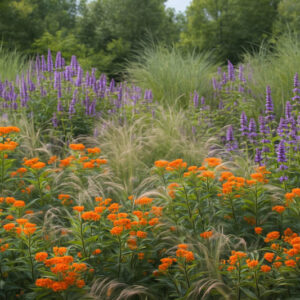
Pollinator Drift: Asclepias, Agastache & Flowing Grasses
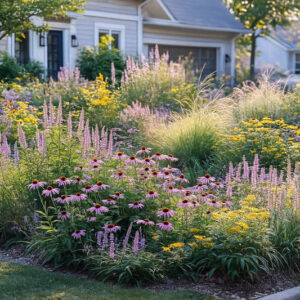
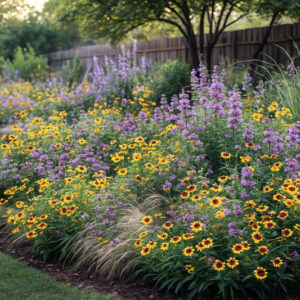
Front-Yard Prairie Drift: Airy Color, Native Texture
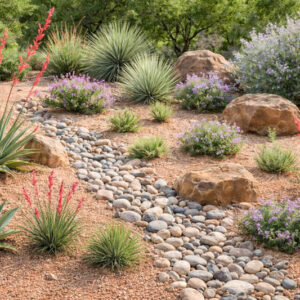
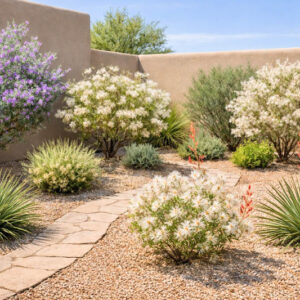
Desert Dry Creek Border – Agave, Red Yucca & Texas Sage
Desert Courtyard Border – Texas Sage & Apache Plume
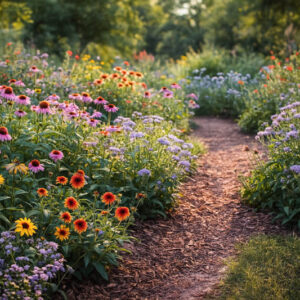
A Pollinator Wildflower Garden Idea
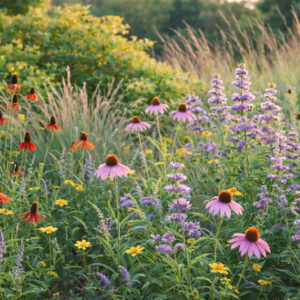
Wildflower Prairie with Monarda, Mexican Hat & Blue Sage
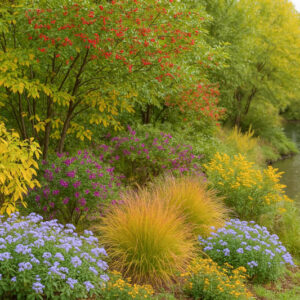
Bird-Friendly Creekside Border
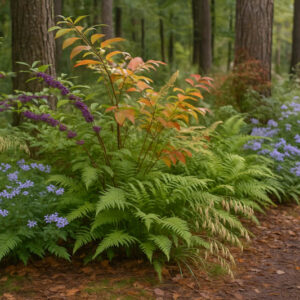
Shaded Woodland Border with Ferns & Beautyberry
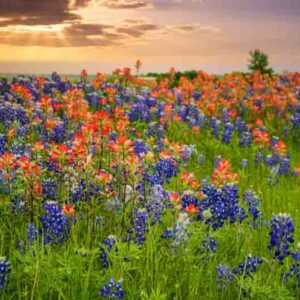
Texas Wildflower Prairie Border with Coreopsis and Beebalm

Recommended Guides

50 Texas Wildflowers to Brighten Your Garden
Monarch Nectar Plants for Texas
Great Pollinator Plants for Texas
Texas Butterfly Host Plants
Texas Bird-Friendly Plants
Best Texas Plants for Hummingbirds
Best Texas Fragrant Plants
Best Shade Plants for Texas
Best Drought-Tolerant Plants for Texas
Best Plants for Wet Areas in Texas
Best Plants for Sandy Soils in Texas
Best Plants for Clay Soils in Texas
Best Groundcovers for Texas Gardens
Best Perennials for Texas Gardens
Best Shrubs for Texas Gardens
Best Trees for Texas Gardens
Best Native Plants for Texas Gardens
Desert Trees: Stunning and Resilient Trees for Your Garden
Desert Shrubs: Essential Plants for Dry Gardens
Desert Flowers: Bringing Color to Dry Gardens
Desert Plants: Discover 50 Stunning Varieties to Grow
Hedgehog Cactus: A Desert Survivor with Spectacular Blooms
Barrel Cactus: An Iconic Desert Plant for Water-Wise Gardens
Cholla Cactus: Iconic Desert Plants
Invasive Plants in Texas – And Their Best Native Alternatives
Explore Great Plant Combination Ideas
Texas
Guides with
Texas Texas
While every effort has been made to describe these plants accurately, please keep in mind that height, bloom time, and color may differ in various climates. The description of these plants has been written based on numerous outside resources.

Guide Information

Hardiness 6 - 10
Plant Type Climbers, Ornamental Grasses, Perennials, Shrubs, Trees
Soil Type Clay
Native Plants United States, Southwest, Texas
Explore Great Plant Combination Ideas
Texas
Guides with
Texas Texas

Related Items

Please Login to Proceed

You Have Reached The Free Limit, Please Subscribe to Proceed

Subscribe to Gardenia

To create additional collections, you must be a paid member of Gardenia
  • Add as many plants as you wish
  • Create and save up to 25 garden collections
Become a Member

Plant Added Successfully

Your garden is taking shape. Unlock full planning.

You’ve reached the free limit. Upgrade for $25/year to add as many plants as you wish and save up to 25 garden collections. Unlock Annual Membership

Update Your Credit
Card Information

Cancel

Create a New Collection

Sign Up to Our Newsletter

    You have been subscribed successfully

    Join Gardenia.net

    Create a membership account to save your garden designs and to view them on any device.

    Becoming a contributing member of Gardenia is easy and can be done in just a few minutes. If you provide us with your name, email address and the payment of a modest $25 annual membership fee, you will become a full member, enabling you to design and save up to 25 of your garden design ideas.

    Join now and start creating your dream garden!

    Join Gardenia.net

    Create a membership account to save your garden designs and to view them on any device.

    Becoming a contributing member of Gardenia is easy and can be done in just a few minutes. If you provide us with your name, email address and the payment of a modest $25 annual membership fee, you will become a full member, enabling you to design and save up to 25 of your garden design ideas.

    Join now and start creating your dream garden!

    Find your Hardiness Zone

    Find your Heat Zone

    Find your Climate Zone