Stretchberry, Desert Olive, Tanglewood, Devil's Elbow, Elbow Bush, Spring Goldenglow, Spring Herald, New Mexico Privet, Texas Forsythia, New Mexican Privit, Forestiera neomexicana.
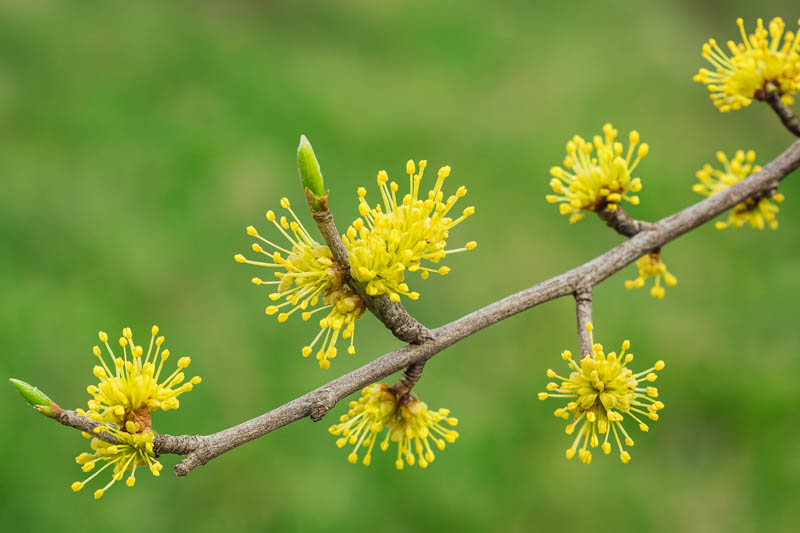
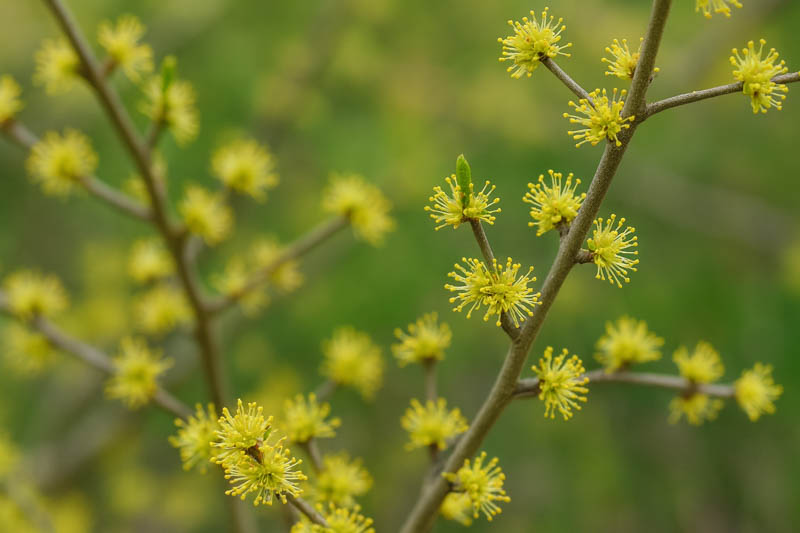


If you want an easygoing native shrub that wakes up the garden in late winter, feeds birds, and handles heat and drought without fuss, Forestiera pubescens is one to know. Often called desert olive, elbowbush, spring herald, or Texas forsythia, this adaptable shrub covers its bare stems in tiny yellow flowers just as winter loosens its grip, then leafs out into a fine textured green cloud that fits beautifully in southwestern native gardens, prairie style plantings, and low water landscapes across the Southwest.
Summary: Native deciduous shrub for Texas, the Southern Plains, and the desert Southwest. Tiny early yellow flowers, fine textured foliage, and excellent drought tolerance.
Use: Front yard accent, wildlife friendly hedgerows, prairie and chaparral plantings, erosion control on slopes, and low water mixed borders.
Highlight: Masses of early yellow bloom on bare stems, attractive blue black fruit on female plants, and great toughness in heat and poor soils.
Note: A resilient native alternative to non native forsythia and privet for Texas and Southwestern gardens, with real value for birds and pollinators.
| Botanical Name | Forestiera pubescens |
|---|---|
| Family | Oleaceae (olive family) |
| Common Names | Elbowbush, spring herald, desert olive, Texas forsythia, New Mexico privet, tanglewood, stretchberry |
| Native Range | South central and southwestern United States and northern Mexico – especially Kansas, Missouri, Oklahoma, Texas, New Mexico, Arizona, Colorado, Utah, and adjacent regions. |
| Plant Type and Habit | Deciduous large shrub, sometimes a small multi-stemmed tree, with dense, twiggy, rounded form |
| Hardiness (USDA) | Roughly Zones 5 to 9, depending on local provenance and exposure |
| Size | Typically 8 to 15 ft tall and 6 to 8 ft wide, occasionally larger in favored sites |
| Sun and Exposure | Full sun to light shade; best flowering in full sun |
| Soil | Adaptable to rocky, sandy, or clay soils if drainage is decent; tolerant of alkaline and limestone based soils |
| Seasonal Interest | Yellow flowers on bare stems in late winter to early spring, fine textured green canopy in summer, bluish fruit, and twiggy winter silhouette |
| Primary Uses | Native shrub borders, wildlife and pollinator gardens, xeric landscapes, ranch and roadside plantings, erosion control, screens and informal hedges |
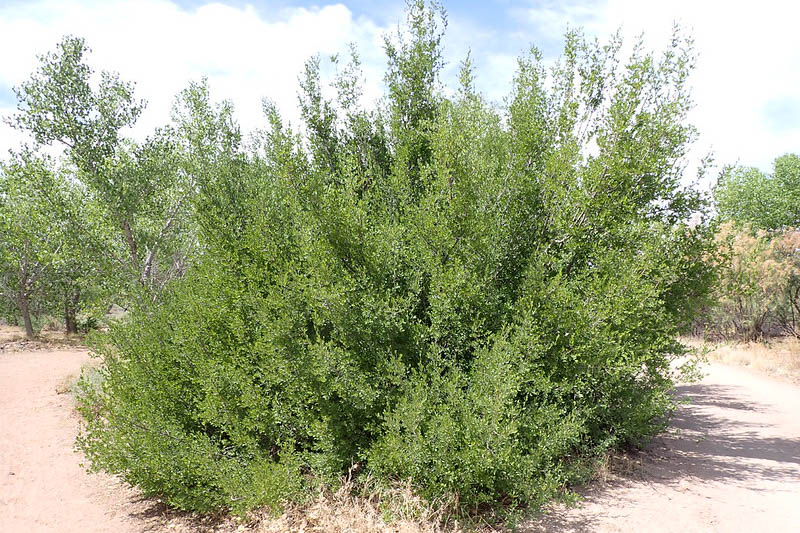
Desert olive is one of those shrubs that quietly does a lot of work. It is a deciduous native shrub, typically rounded and twiggy, that can be kept in the 6 to 10 ft range in gardens. In late winter to early spring, when most of the landscape is still bare, its branches are dusted with tiny yellow flowers that glow in low light and buzz with early pollinators.
Once flowering wraps up, the shrub leafs out with small opposite leaves that are usually gray green to medium green and sometimes softly pubescent, giving a slightly matte, drought adapted look. The overall effect in leaf is light and airy, so desert olive pairs well with prairie grasses and perennials instead of forming a heavy block of green.
Forestiera pubescens is native to a broad swath of the south central and southwestern United States and northern Mexico. It occurs from Kansas and Missouri south through Oklahoma and Texas into northern Mexico, and west into New Mexico, Colorado, Utah, and Arizona, in habitats ranging from brushy slopes to canyon edges and stream terraces with well drained soil.
This wide native range means desert olive is comfortable with hot summers, periodic drought, alkaline soils, and big temperature swings. It feels right at home in Texas Hill Country, Edwards Plateau, West Texas, and many Southern Plains and desert edge landscapes.
In gardens, desert olive usually matures around 8 to 15 ft tall and 6-8 ft wide. It tends to grow with many slender stems from the base, forming a dense, bushy outline that can be used for screens and wildlife cover. Growth rate is generally moderate once established, not as fast as many invasive shrubs but steady enough to fill a planting space in a few seasons.
You can keep it shrubby by letting many stems remain, or gradually thin to highlight a few main trunks and let the plant read more like a small multi-stemmed tree. Either way, the branching earns the name elbowbush, since stems often angle and zigzag in interesting ways.
The bark of desert olive is subtle but attractive. Young stems are usually smooth and gray to olive brown. With age, trunks become slightly rougher and more furrowed. In winter, especially when backlit by low sun, the tangle of fine twigs and angled branches gives the plant a distinctive profile that works beautifully against native grasses or stone walls.
Flowers are the big horticultural surprise with desert olive. In late winter or very early spring, before the leaves emerge, the bare stems are dotted with clusters of tiny yellow flowers. Individual blossoms are small, but they are produced in such numbers that the shrub seems lightly frosted in gold.
These early flowers provide an important nectar and pollen source for bees and other pollinators just as they begin to fly for the season. In some gardens, desert olive receives the nickname “spring herald” because its bloom is a signal that the growing season is about to begin.
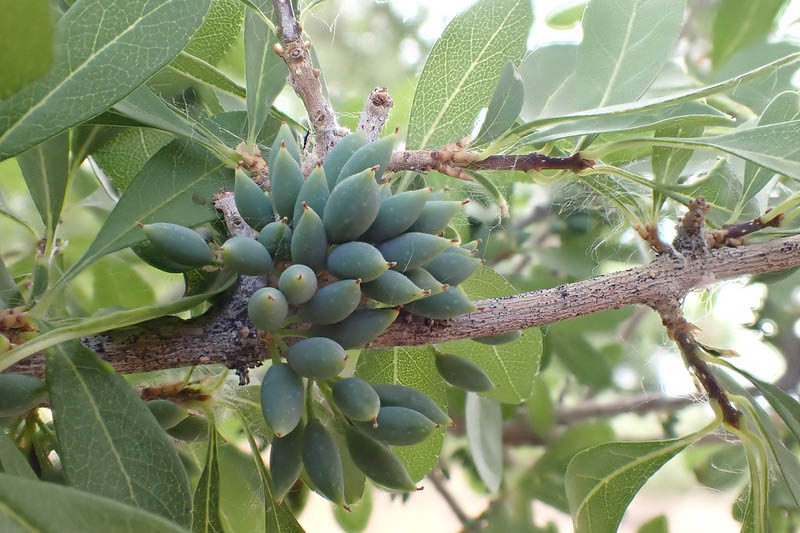
Forestiera species are typically dioecious, which means individual plants are male or female. Male plants produce pollen, while female plants produce the fruit. In landscapes where female plants are present and pollinated, desert olive will set small oval drupes that ripen from green to bluish black.
The fruit is not grown for human use, but it is appreciated by birds and small wildlife. The berries add a small ornamental bonus and strengthen the shrub’s role in a wildlife garden or native hedgerow.
The leaves of desert olive are usually small, simple, and opposite, with a shape from oval to somewhat lanceolate. They often have a subtle pubescence that inspired the species name pubescens. The foliage creates a fine textured canopy that produces light, dappled shade rather than deep, heavy shade.
Color is generally gray green to medium green, reading as very natural next to prairie grasses, yucca, and other drought adapted plants. Fall color is not the primary show, but foliage may shift to yellowish tones in a good autumn.
Desert olive is hardy in roughly USDA Zones 5 to 9, depending on origin and exposure. It is especially well suited to Texas, New Mexico, and surrounding states, including areas with hot summers, low to moderate rainfall, and alkaline soils.
Once established, it tolerates heat, sun, and reflected light better than many imported shrubs. This makes it a good candidate for urban front yards, roadside plantings, ranch entries, and xeric gardens.
You can plug desert olive into many roles in a native or low water garden:
Desert olive is a strong contributor to wildlife friendly plantings. The early yellow flowers support pollinators at a time when choices are limited, and the dense branching offers nesting and cover for small birds. Female shrubs with fruit provide seasonal food for birds and small mammals.
Because it is native to the region, desert olive fits naturally into local food webs and plant communities, especially when planted alongside native grasses, wildflowers, and other shrubs.
Desert olive is often reported as moderately resistant to browsing once it has some size, though deer may sample new growth when food is scarce. Livestock may nibble foliage when other forage is limited, but this shrub is not typically a favored browse plant compared with grasses and forbs in good condition.
In areas with heavy pressure, simple cages or temporary fencing will protect young plants until they are established and can better tolerate occasional browsing.
Drought tolerance is one of desert olive’s best traits. In the wild it often grows in dry canyons, brushy slopes, and rocky uplands where water is intermittent. Once roots are established, it can maintain healthy foliage with very modest supplemental water.
In the garden, plan on regular deep watering during the first one to two growing seasons. After that, desert olive usually needs additional water only during prolonged droughts or extreme heat, making it a great choice for low water and climate conscious landscapes.
There is limited information on toxicity of Forestiera pubescens in ornamental settings, and it is not widely listed as a poisonous shrub in home landscape references. As with many non edible native shrubs, it is best treated as an ornamental and habitat plant rather than a food crop.
Encourage children and pets to admire the shrubs rather than chew on leaves, twigs, or fruit. For grazing animals, good pasture management and forage diversity are more important than the presence of a few desert olive plants in the landscape.
Within its native and regionally appropriate range, desert olive is considered a well behaved native shrub. It may seed lightly into nearby natural areas, where it belongs as part of the local flora, but it is not known as an aggressively spreading invasive plant.
In gardens, occasional volunteer seedlings can be pulled or transplanted easily while small.
For best flower production and dense growth, plant desert olive in full sun, aiming for at least six hours of direct light per day. It will tolerate light or dappled shade, especially in very hot climates, but heavy shade will reduce flowering and make the shrub more open and leggy.
Desert olive is quite flexible about soil as long as it drains reasonably well. It will accept:
If you garden on tight clay that holds water after storms, consider planting on a slight mound or berm so the root zone does not sit in stale water. This is especially helpful in climates with occasional heavy downpours.
A simple watering plan keeps desert olive happy:
Like many natives, desert olive is not a heavy feeder. In average soils, it often thrives with no fertilizer at all. If your soil is very poor or disturbed, you can:
Mulch is extremely helpful in hot, dry climates. Apply a 2 to 3 inch layer of organic mulch such as shredded bark, wood chips, or native leaf litter over the root zone.
Pull mulch a few inches back from the base of the stems to avoid trapping moisture against the bark.
Desert olive does not require heavy pruning but benefits from light touch up:
Desert olive can be grown from seed gathered from ripe fruit in late summer or fall. Seeds typically need cleaning and some cold stratification to break dormancy. Seed grown plants will show some natural variation but are excellent for restoration projects and habitat plantings.
Nurseries sometimes propagate Forestiera species from cuttings under controlled conditions. In home gardens, the most practical path is to purchase container grown plants from a native plant nursery or regionally focused garden center rather than trying to dig wild plants.
One of the desert olive’s attractions is that it is generally a low maintenance, trouble free native shrub in appropriate conditions.
Planting in full sun with good drainage is the single biggest step toward keeping desert olive healthy for the long term.
Forestiera pubescens is a deciduous native shrub in the olive family (Oleaceae), commonly called elbowbush, spring herald, or stretchberry. It grows as a dense, many-stemmed shrub with zigzag ‘elbowed’ branches, small leaves, and tiny yellowish flowers that appear very early in spring, often before the foliage. It is valued for drought tolerance, wildlife habitat, and use in low-water native landscapes.
Forestiera pubescens is native to the south-central United States and northern Mexico. In the U.S. it is most often found in Texas, Oklahoma, New Mexico, and Arizona, with scattered populations in parts of Colorado and Kansas, typically in dry woodlands, brushy slopes, canyon edges, and along seasonal streams with well-drained soils.
In the landscape, elbowbush usually grows 8-15 ft tall and 6-8 ft wide. It forms a rounded to irregular mound of many arching stems. With light pruning, it can be kept in the 4–6 ft range for foundation plantings, or allowed to reach full size for screening and habitat edges.
Elbowbush thrives in full sun to light shade and well-drained soils. It is highly tolerant of calcareous, rocky, or sandy soils and performs well in neutral to alkaline conditions that challenge many ornamentals. Once established, it is very drought tolerant and fits perfectly into xeric, low-water, and Texas-style native plantings.
Yes. Forestiera pubescens is naturally drought tolerant once established. Its native habitats include rocky slopes and dry thickets in arid and semi-arid regions. Deep, regular watering during the first one to two growing seasons helps build a strong root system. After that, most plants only need occasional deep watering during extended droughts.
In late winter to very early spring, elbowbush produces small yellowish flowers along bare stems, often before many other shrubs leaf out. In spring and summer, it carries small, opposite leaves that create a fine-textured, muted green canopy. In late summer to fall, female plants bear small bluish to black fruit that attract wildlife. In winter, the zigzag branching pattern provides interesting structure in the garden.
Elbowbush is excellent for wildlife. Early flowers provide nectar and pollen for bees and other pollinators at a time when few shrubs are blooming. The fruit on female plants offers food for birds and small mammals, and the dense branching structure gives cover and nesting sites. Its role as a native shrub makes it valuable in restoring and supporting local ecosystems.
Forestiera pubescens is deciduous, meaning it drops its leaves in winter. In warmer parts of its range it may hold leaves a bit longer into fall, but it should still be considered a deciduous shrub that provides textural winter interest through its branching rather than foliage.
Elbowbush has a moderate growth rate. With good establishment care, it typically adds a foot or more of growth per year until it reaches a comfortable mature size. It is not as fast as some weedy shrubs but grows quickly enough to become a useful screen or habitat plant within a few seasons.
Updated: November 2025 • Reviewed by Gardenia Editors
| Hardiness |
5 - 9 |
|---|---|
| Plant Type | Shrubs |
| Plant Family | Oleaceae |
| Exposure | Full Sun, Partial Sun |
| Season of Interest | Spring (Early, Mid, Late), Summer (Early, Mid, Late), Fall |
| Height | 8' - 15' (240cm - 4.6m) |
| Spread | 6' - 8' (180cm - 240cm) |
| Spacing | 72" - 96" (180cm - 240cm) |
| Maintenance | Low |
| Water Needs | Low |
| Soil Type | Clay, Loam, Sand |
| Soil pH | Alkaline, Neutral |
| Soil Drainage | Well-Drained |
| Characteristics | Showy, Fruit & Berries |
| Native Plants | United States, Kansas, Midwest, Nebraska, Southwest, Texas, Arizona, New Mexico, Oklahoma, Colorado, Rocky Mountains, Utah |
| Tolerances | Drought |
| Attracts | Bees, Birds |
| Garden Uses | Beds And Borders |
| Garden Styles | Informal and Cottage |
| Toxic to Humans | No known toxicity |
| Toxic to Cats | No known toxicity |
| Toxic to Dogs | No known toxicity |
| Toxic to Horses | No known toxicity |


| Hardiness |
5 - 9 |
|---|---|
| Plant Type | Shrubs |
| Plant Family | Oleaceae |
| Exposure | Full Sun, Partial Sun |
| Season of Interest | Spring (Early, Mid, Late), Summer (Early, Mid, Late), Fall |
| Height | 8' - 15' (240cm - 4.6m) |
| Spread | 6' - 8' (180cm - 240cm) |
| Spacing | 72" - 96" (180cm - 240cm) |
| Maintenance | Low |
| Water Needs | Low |
| Soil Type | Clay, Loam, Sand |
| Soil pH | Alkaline, Neutral |
| Soil Drainage | Well-Drained |
| Characteristics | Showy, Fruit & Berries |
| Native Plants | United States, Kansas, Midwest, Nebraska, Southwest, Texas, Arizona, New Mexico, Oklahoma, Colorado, Rocky Mountains, Utah |
| Tolerances | Drought |
| Attracts | Bees, Birds |
| Garden Uses | Beds And Borders |
| Garden Styles | Informal and Cottage |
| Toxic to Humans | No known toxicity |
| Toxic to Cats | No known toxicity |
| Toxic to Dogs | No known toxicity |
| Toxic to Horses | No known toxicity |
How many Forestiera pubescens (Desert Olive) do I need for my garden?
| Plant | Quantity | |
|---|---|---|
| Forestiera pubescens (Desert Olive) | N/A | Buy Plants |
Create a membership account to save your garden designs and to view them on any device.
Becoming a contributing member of Gardenia is easy and can be done in just a few minutes. If you provide us with your name, email address and the payment of a modest $25 annual membership fee, you will become a full member, enabling you to design and save up to 25 of your garden design ideas.
Join now and start creating your dream garden!
Create a membership account to save your garden designs and to view them on any device.
Becoming a contributing member of Gardenia is easy and can be done in just a few minutes. If you provide us with your name, email address and the payment of a modest $25 annual membership fee, you will become a full member, enabling you to design and save up to 25 of your garden design ideas.
Join now and start creating your dream garden!