Discover the sweetest white peach varieties for every climate and craving. Compare flavor, chill hours, ripening windows, and freestone versus clingstone picks. Get buying tips, care basics, and serving ideas—from bellinis to grilled halves. Choose your perfect tree and turn summer into dripping, fragrant, slice-over-the-sink bliss every single sunny day.
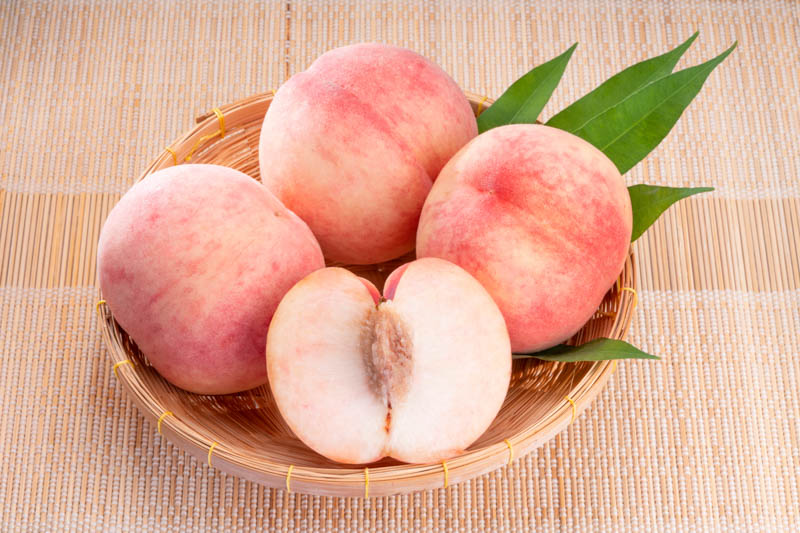


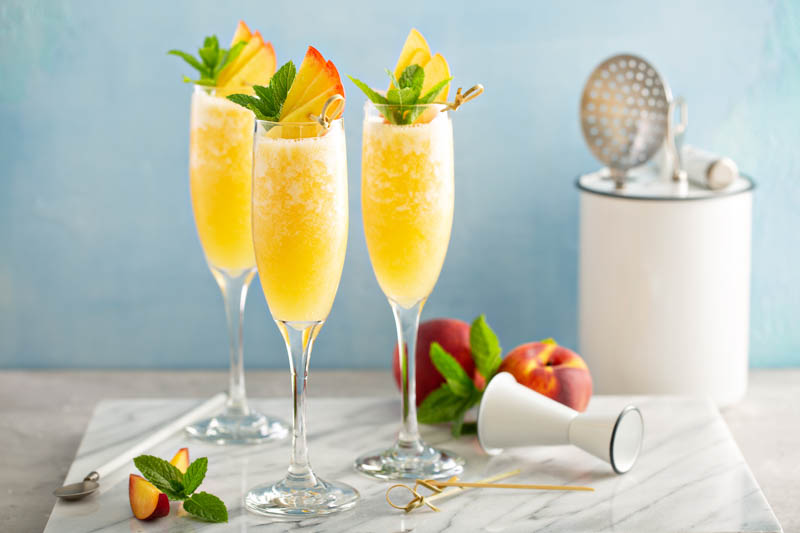
If you’ve ever bitten into a white peach and thought, “Wow—how is this so sweet without being sugary?”, you’ve met the magic of low-acid stone fruit. White peaches deliver floral fragrance, syrupy juices, and a candy-like sweetness that shines fresh, in chilled desserts, and even in a sparkling bellini. This guide zeroes in on the most popular white-fleshed peaches—what makes them special, how to choose the right tree for your climate, and how to keep those perfumed globes coming year after year.
| Botanical Name | Prunus persica (white-fleshed cultivars) |
| Flavor Profile | Low-acid, sweet, floral; often perceived as sweeter than yellow peaches at the same sugar level |
| Zones & Chill | USDA 5–9 typical; match cultivar to chill band (low <~400, mid ~400–700, high ~700–900+ hours) |
| Pit Type | Freestone, semi-freestone, or clingstone depending on variety and ripeness |
| Main Uses | Fresh eating, fruit platters, chilled desserts, freezer jam, bellinis; many grill well when barely ripe-firm |
White peaches are simply cultivars with pale flesh—ranging from cream to faint rose—rather than the deeper golden color found in yellow peaches. The difference most people notice is acidity. With less acid, white peaches taste sweeter and more perfumed at the same sugar level. That’s why they’re the darlings of fruit salad bowls, cheese boards, and anything you plan to serve fresh.
Good news: you don’t have to choose. Many home orchards plant one of each to cover every craving.
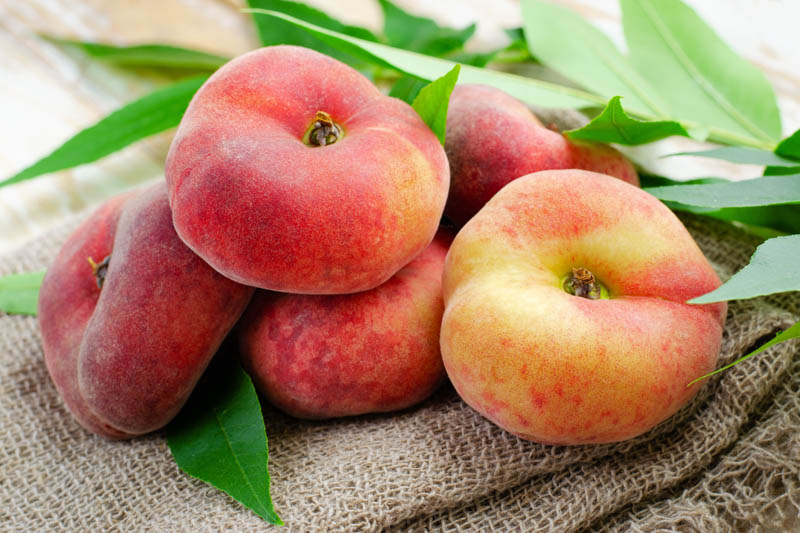
Donut Peach – Prunus persica ‘Saturn’
Below you’ll find well-loved white peaches organized into low-, mid-, and high-chill groups with quick notes on ripening and use. Availability varies by region and nursery; use this list as a smart shortlist to start your search.
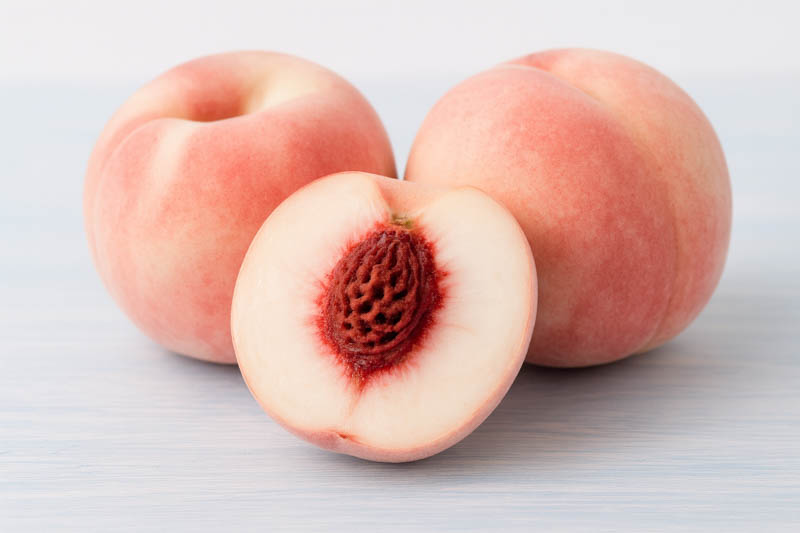
Babcock Peach – Prunus persica ‘Babcock’
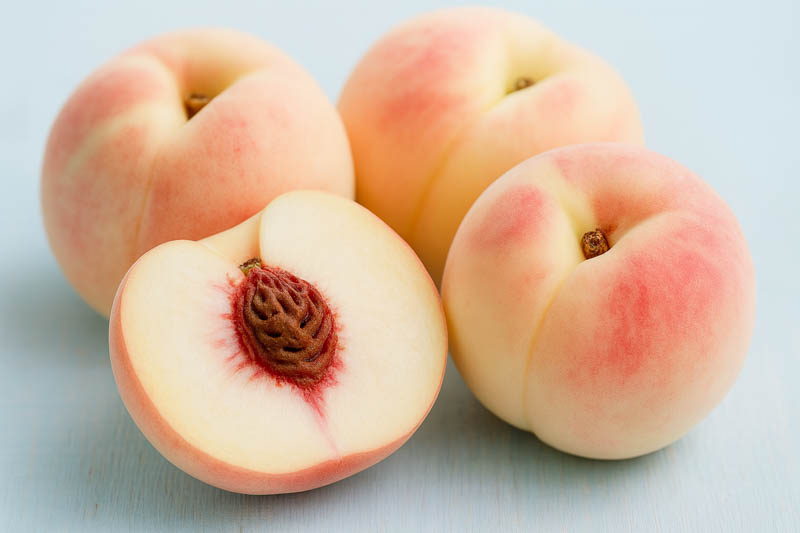
White Lady Peach – Prunus persica ‘White Lady’
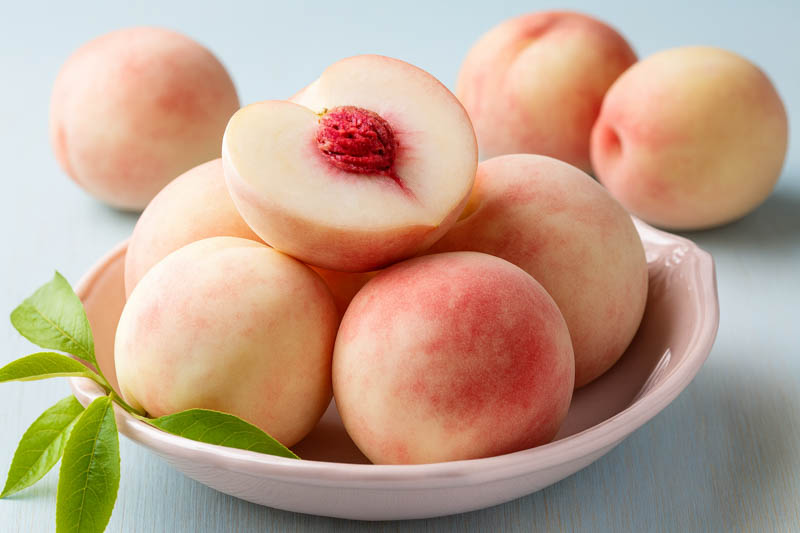
China Pearl Peach – Prunus persica ‘China Pearl’
| Variety | Season | Pit | Chill Band | Notes |
|---|---|---|---|---|
| Tropic Snow | Early–mid | Freestone (ripe) | Low | Warm-winter favorite; intensely sweet and fragrant |
| Babcock | Early | Semi- to freestone | Low | Classic low-acid white; compact tree |
| Saturn (donut) | Early–mid | Semi-freestone | Low–mid | Flat, snack-able fruit; huge kid appeal |
| White Lady | Mid | Freestone | Mid | Widely planted; superb dessert quality |
| Raritan Rose | Mid | Freestone | Mid | Heirloom character; floral aroma |
| Champion | Mid | Freestone | Mid–high | Reliable, richly flavored white peach |
| Oldmixon Free | Mid–late | Freestone | Mid–high | Heirloom aroma; luscious texture |
| Belle of Georgia | Mid–late | Freestone | High | Heirloom, ornamental bloom, superb fresh flavor |
| Polly White | Mid | Freestone | High | Cold-tolerant; northern favorite |
| China Pearl | Mid | Freestone | High | Bred for humid regions; clean, sweet finish |
Chill bands are typical guidelines only. For the most reliable advice, cross-check with regional nurseries or your county extension office.
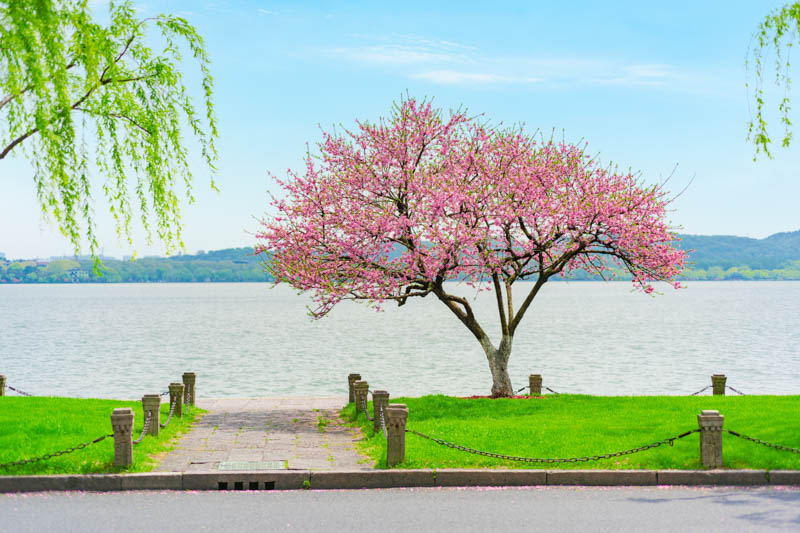
White peaches grow just like other peaches—match the chill, give full sun, and prune to a vase-shaped open center.
Use the classic open-center system with three to four well-spaced scaffolds. Winter pruning shapes structure; summer touch-ups keep the center bright and airy.
Once fruits reach marble size, thin to one fruit every four to six inches of branch. This one habit transforms size, sweetness, and branch safety.
The National Center for Home Food Preservation (UGA)
does not recommend canning white-fleshed peaches because their acidity can be too low for safe water-bath processing.
Freeze them instead for safe long-term storage (white peaches aren’t recommended for water-bath canning).
No. They’re still Prunus persica, just cultivars with pale, low-acid flesh.
No. Pit behavior varies. Some are clingstone early and loosen at full ripeness; many popular dessert types are freestone when ripe.
White peaches are not recommended for canning by NCHFP because their acidity can be too low; freeze them instead. Use tested canning guidance for yellow peaches.
Look for low-chill selections such as ‘Tropic Snow’, ‘Babcock’, ‘Saturn’, and ‘Galaxy’. Protect early blossoms from unexpected cold snaps.
‘Belle of Georgia’, ‘Polly White’, and ‘China Pearl’ suit colder, high-chill regions. Mid-chill stalwarts like ‘White Lady’ also perform where winters still accumulate plenty of chill. Always confirm with local nurseries.
White peaches don’t need much to sing. Try these quick combos:
The edible flesh is safe, but the pit (seed) contains the cyanogenic glycoside amygdalin. Poison severity is medium: accidentally swallowing one or two intact pits is unlikely to cause poisoning, but chewing/crushing the seeds—or blending unpitted fruit into a smoothie—can release cyanide. Signs of significant exposure include gasping, weakness, excitement, dilated pupils, spasms, convulsions, coma, and respiratory failure.
The seeds are a problem for cats, dogs, and horses. Do not chew or ingest pits; keep seeds away from pets and livestock; and dispose of pits and processing waste responsibly. This plant does not typically cause contact dermatitis.
White peaches are the dessert wines of the orchard—perfumed, gentle, and unforgettable when tree-ripe. Whether your climate favors low-chill toppers like ‘Tropic Snow’ and ‘Babcock’ or you garden where ‘White Lady’ and ‘Belle of Georgia’ flourish, there’s a white peach ready to turn summer mornings into habit. Match the chill, prune for sunshine, thin for flavor, and enjoy that first bite over the sink—the truest test of a perfect peach.
| Hardiness |
5 - 9 |
|---|---|
| Heat Zones |
1 - 8 |
| Climate Zones | 3, 3A, 3B, 4, 5, 6, 7, 8, 9, 10, 11, 12, 13, 14, 15, 16, 17, 18, 19, 20, 21, 22, 23, 24 |
| Plant Type | Fruits, Trees |
| Plant Family | Rosaceae |
| Genus | Peaches, Prunus - Fruit Tree |
| Exposure | Full Sun |
| Season of Interest | Spring (Early, Mid, Late), Summer (Early, Mid, Late), Fall |
| Height | 12' - 25' (3.7m - 7.6m) |
| Spread | 12' - 25' (3.7m - 7.6m) |
| Maintenance | High |
| Water Needs | Average |
| Soil Type | Chalk, Clay, Loam, Sand |
| Soil pH | Acid, Neutral |
| Soil Drainage | Moist but Well-Drained |
| Characteristics | Showy, Fruit & Berries |
| Attracts | Bees, Butterflies, Birds |
| Toxic to Humans | No known toxicity |
| Toxic to Cats | No known toxicity |
| Toxic to Dogs | No known toxicity |
| Toxic to Horses | No known toxicity |
| Hardiness |
5 - 9 |
|---|---|
| Heat Zones |
1 - 8 |
| Climate Zones | 3, 3A, 3B, 4, 5, 6, 7, 8, 9, 10, 11, 12, 13, 14, 15, 16, 17, 18, 19, 20, 21, 22, 23, 24 |
| Plant Type | Fruits, Trees |
| Plant Family | Rosaceae |
| Genus | Peaches, Prunus - Fruit Tree |
| Exposure | Full Sun |
| Season of Interest | Spring (Early, Mid, Late), Summer (Early, Mid, Late), Fall |
| Height | 12' - 25' (3.7m - 7.6m) |
| Spread | 12' - 25' (3.7m - 7.6m) |
| Maintenance | High |
| Water Needs | Average |
| Soil Type | Chalk, Clay, Loam, Sand |
| Soil pH | Acid, Neutral |
| Soil Drainage | Moist but Well-Drained |
| Characteristics | Showy, Fruit & Berries |
| Attracts | Bees, Butterflies, Birds |
| Toxic to Humans | No known toxicity |
| Toxic to Cats | No known toxicity |
| Toxic to Dogs | No known toxicity |
| Toxic to Horses | No known toxicity |
Create a membership account to save your garden designs and to view them on any device.
Becoming a contributing member of Gardenia is easy and can be done in just a few minutes. If you provide us with your name, email address and the payment of a modest $25 annual membership fee, you will become a full member, enabling you to design and save up to 25 of your garden design ideas.
Join now and start creating your dream garden!
Create a membership account to save your garden designs and to view them on any device.
Becoming a contributing member of Gardenia is easy and can be done in just a few minutes. If you provide us with your name, email address and the payment of a modest $25 annual membership fee, you will become a full member, enabling you to design and save up to 25 of your garden design ideas.
Join now and start creating your dream garden!