Create Your Garden

Best Drought-Tolerant Plants for Texas

Beat Texas heat with bold drought-tolerant landscaping. Discover native flowers, grasses, shrubs, and succulents that look amazing on almost no watering. Design colorful xeriscape beds, meadow-style corners, and dry shade retreats that attract pollinators, slash your water bill, and stay vibrant through brutal, endless summers across hot, sunny, radiant Texas.

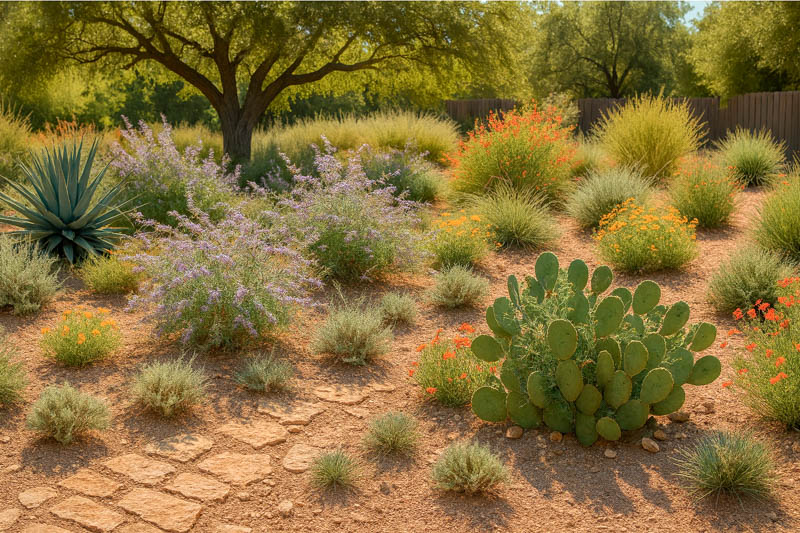
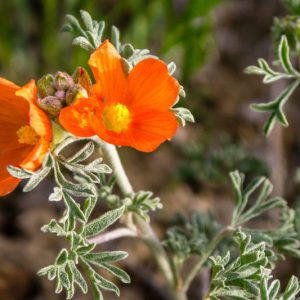
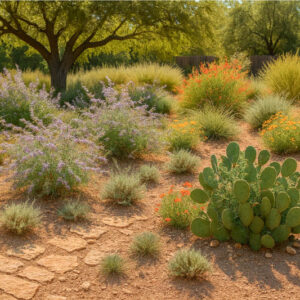
Drought tolerant plants in Texas Garden, Xericascape in Texas with agave, prckly pear cactus, Texas sage, Globemallow, Flame acanthus

Best Plants for Drought Tolerant Gardens in Texas

Dry, sun baked soil in Texas can feel like gardening on a parking lot. It bakes hard in summer, sheds water in a flash thunderstorm, and leaves thirsty plants wilting by noon. The good news: many of the best Texas native plants actually evolved in rocky hillsides, desert flats, thin limestone soils, and gritty prairies that get long dry spells between rains. When you match your plant list to your climate and soil, those hot dry areas turn from problem zones into beautiful, low maintenance xeriscapes.

This guide focuses on Texas natives and well adapted U.S. natives that thrive in drought and heat so you can build water wise beds, gravel gardens, and low water landscapes that handle blazing sun, hose bans, and long dry summers while still feeding pollinators, birds, and other wildlife. All the highlight plants below are drawn from your curated lists of drought tolerant perennials, shrubs, trees, grasses, cacti, succulents, and vines for Texas landscapes.

Quick Start – Drought Tolerant Gardening in Texas

  • Stop trying to grow thirsty plants – you do not have to fight your climate. Design for heat and drought instead of forcing high water plants to struggle.
  • Choose true dry climate natives – prairie perennials, desert shrubs, cacti, and tough grasses evolved to handle long dry spells and intense Texas sun.
  • Think “driest to less dry” – put the toughest, most drought tolerant plants on the hottest, rockiest spots and slightly less tough species where they get a bit more moisture.
  • Use mulch and gravel smartly – organic mulch in beds slows evaporation; gravel or decomposed granite around agaves, yuccas, and cactus keeps crowns dry.
  • Water deeply, not often – long, infrequent soaks encourage deep roots that can ride out drought instead of shallow roots that fry in heat.
  • Avoid over fertilizing – many drought tolerant plants are adapted to lean, rocky soils; too much fertilizer makes them floppy and short lived.

Where You Will Find Dry Soils in Texas

Dry and drought prone soils show up in every Texas region, not just the desert west. Watch for:

  • Hill Country limestone slopes – thin, rocky soils over limestone that drain fast, heat up quickly, and stay dry between rains.
  • West Texas and High Plains – sandy or gravelly soils and low rainfall that favor deep rooted grasses, small leafed shrubs, and tough wildflowers.
  • South Texas brush country – caliche and sandy loams that bake hard in the sun and dry quickly in hot winds.
  • Urban front yards – builder fill, compacted subsoil, and reflected heat from streets and driveways that create mini deserts.
  • Slopes, berms, and raised beds – anywhere water runs off or drains quickly, leaving roots to fend for themselves between storms.

If an area of your yard dries out fast, sheds water instead of puddling, or leaves you constantly dragging hoses, you are looking at a drought prone microhabitat. That is not a flaw. It simply means choosing plants that love heat and dry soil instead of trying to grow thirsty woodland or bog species in a Texas oven.

Top Picks at a Glance – Drought Tolerant Plants for Texas

Short on time? Here are dependable native and well adapted plants from your lists that handle dry or very low water Texas conditions, organized by plant type.

Flowering Perennials for Color

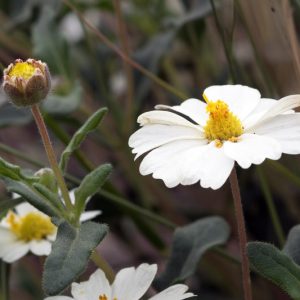
  • Melampodium leucanthum (Blackfoot Daisy) – Low, mounding daisy that blooms for months in blazing sun and lean soil.
  • Engelmannia peristenia (Engelmann Daisy) – Tough prairie perennial with long lasting yellow blooms for meadows and borders.
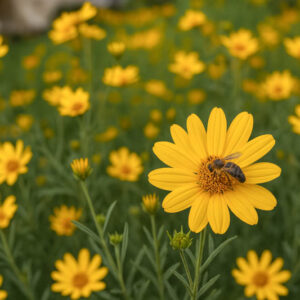
  • Tetraneuris scaposa (Four Nerve Daisy) – Compact native with cheerful yellow flowers that shine in gravel and rock pockets.
  • Ratibida columnifera (Mexican Hat Plant) – Distinctive cone shaped flowers that thrive in hot, dry prairies.

Shrubs for Structure and Screening

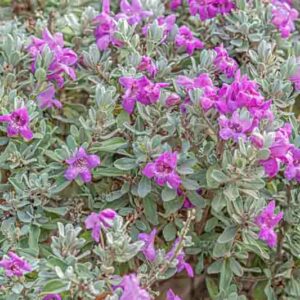
  • Leucophyllum frutescens (Texas Sage) – Iconic silver leaved shrub that bursts into purple bloom after summer rains.
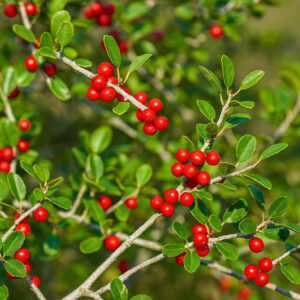
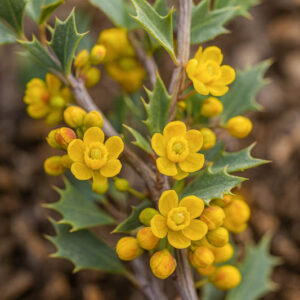
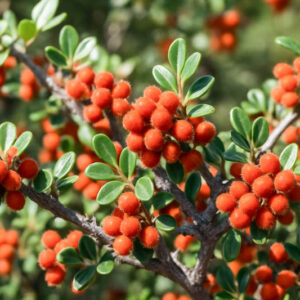
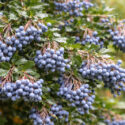
  • Mahonia trifoliolata (Agarita) – Spiny evergreen with yellow flowers and red berries for birds and wildlife.
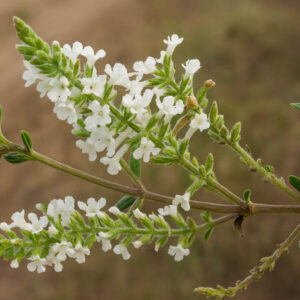
  • Aloysia gratissima (Whitebrush) – Fragrant white blooms that lure pollinators and tolerate thin, rocky soil.
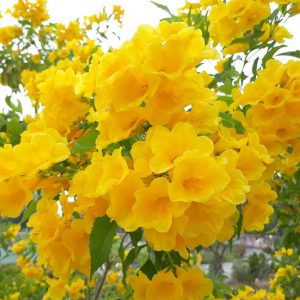
  • Tecoma stans (Yellow Bells) – Bright yellow trumpets on a heat loving shrub that flowers over a long season.

Grasses for Meadows and Lawns

  • Bouteloua dactyloides (Buffalo Grass) – Native low grass for sun baked, low mow, low water lawns.
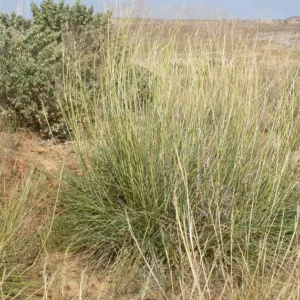
  • Bouteloua gracilis (Blue Grama) – Fine textured bunchgrass that handles drought and poor soils.
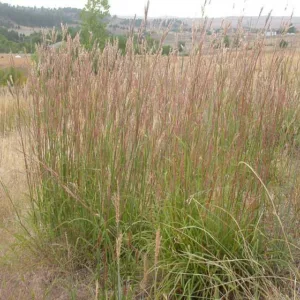
  • Andropogon gerardii (Big Bluestem) – Tall warm season grass for prairie style plantings and wildlife cover.
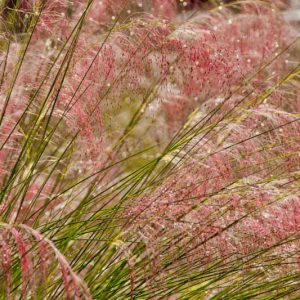
  • Muhlenbergia capillaris (Pink Muhly Grass) – Airy pink seed heads that glow in fall and love well drained soil.

Cacti and Succulents for Hot Spots

  • Agave americana (Century Plant) – Architectural rosette for focal points and slopes with excellent drought tolerance.
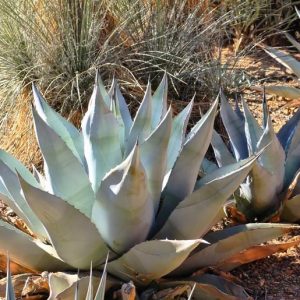
  • Agave havardiana (Harvard Agave) – Cold hardy agave for West Texas style rock gardens.
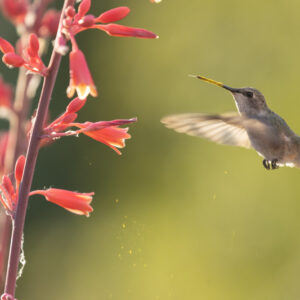
  • Hesperaloe parviflora (Red Yucca) – Grass like succulent with coral flower spikes that hummingbirds love.
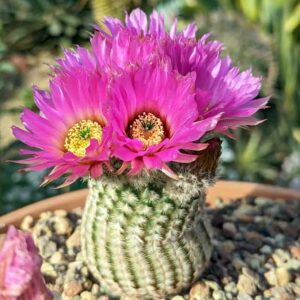
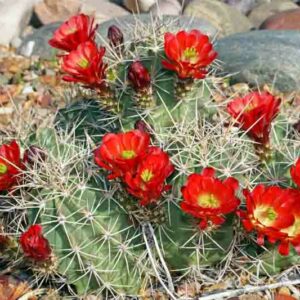
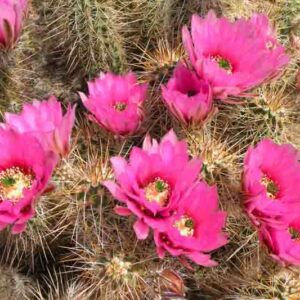
  • Echinocereus reichenbachii (Lace Cactus) – Compact cactus with intricate ribs and showy flowers for gravel beds.

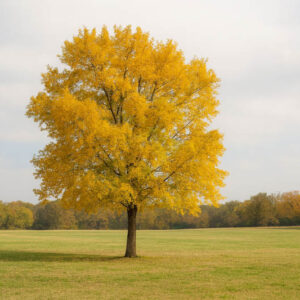
Trees for Shade and Long Term Bones

Vines for Fences, Arbors and Walls

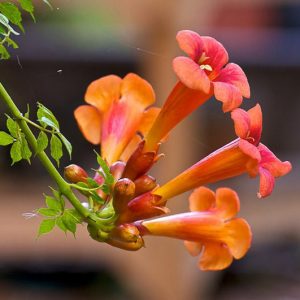
  • Campsis radicans (Trumpet Vine) – Vigorous vine with orange trumpets that hummingbirds swarm.
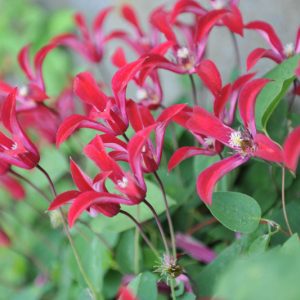
  • Clematis texensis (Texensis Group) – Red, bell shaped clematis that can take heat in well drained soil.
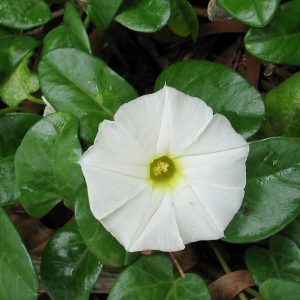
  • Ipomoea imperati (Beach Morning Glory) – Ground hugging vine for coastal sand and blazing sun.
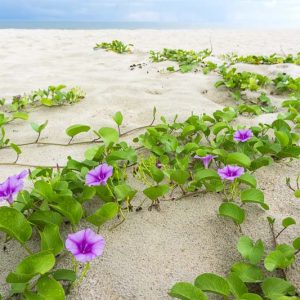
  • Ipomoea pes-caprae (Railroad Vine) – Spreading vine for dunes, banks, and hot slopes.

Guide Information

Hardiness 6 - 10
Plant Type Cactus & Succulents, Climbers, Ornamental Grasses, Perennials, Shrubs, Trees
Native Plants United States, Southwest, Texas
Tolerance Drought

Best Drought-Tolerant Perennials for Texas Landscapes

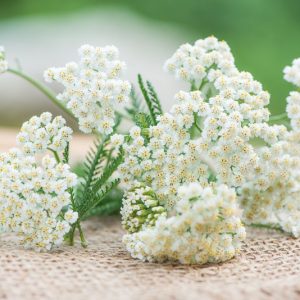
Achillea millefolium (White Yarrow)
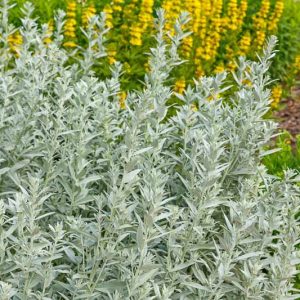
Artemisia ludoviciana (White Sage)
Asclepias asperula (Antelope-Horns Milkweed)
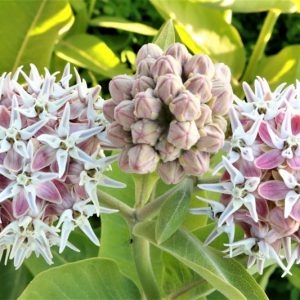
Asclepias speciosa (Showy Milkweed)
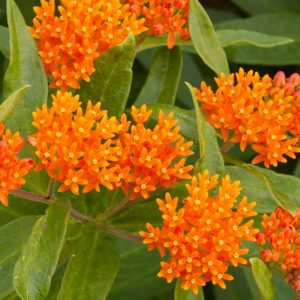
Asclepias tuberosa (Butterfly Milkweed)
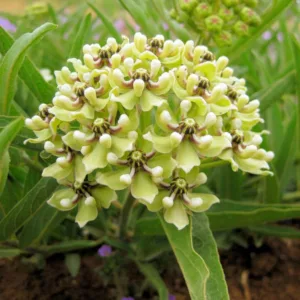
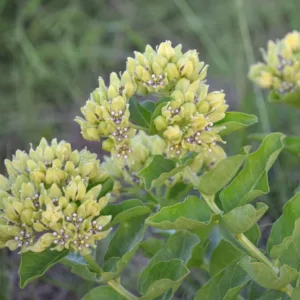
Asclepias viridis (Green Milkweed)
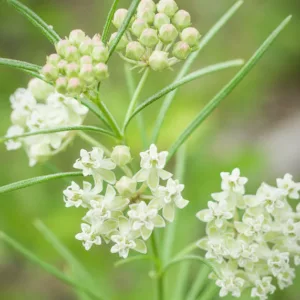
Asclepias verticillata (Whorled Milkweed)
Aster ericoides (Heath Aster)
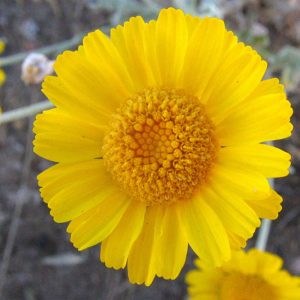
Baileya multiradiata (Desert Marigold)
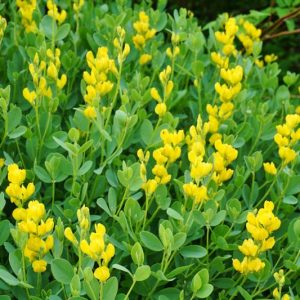
Baptisia sphaerocarpa (Yellow Wild Indigo)
Borrichia frutescens (Sea Ox-Eye)
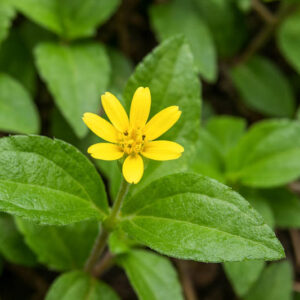
Calyptocarpus vialis (Horseherb)
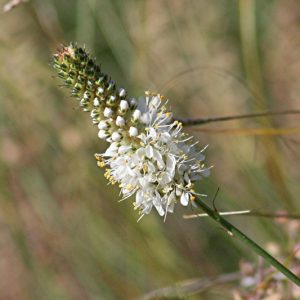
Dalea candida (White Prairie Clover)
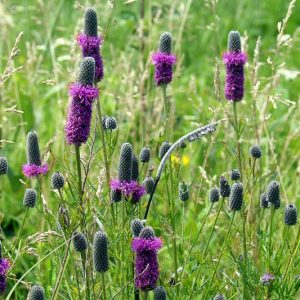
Dalea purpurea (Purple Prairie Clover)
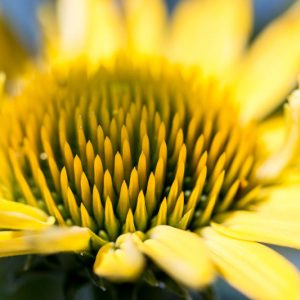
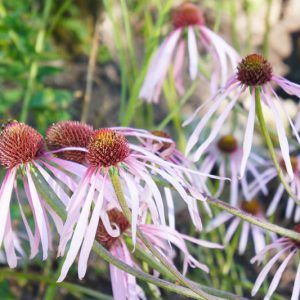
Echinacea pallida (Pale Purple Coneflower)
Engelmannia peristenia (Engelmann Daisy)
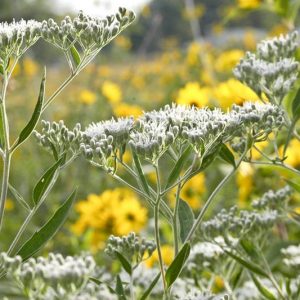
Eupatorium serotinum (Late Boneset)
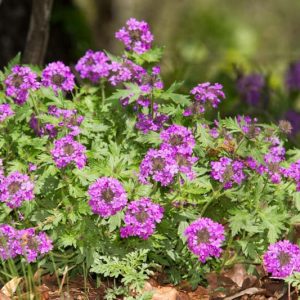
Glandularia bipinnatifida (Prairie Verbena)
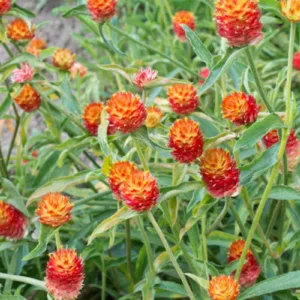
Gomphrena haageana (Rio Grande Globe Amaranth)
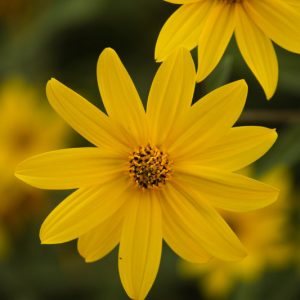
Helianthus occidentalis (Western Sunflower)
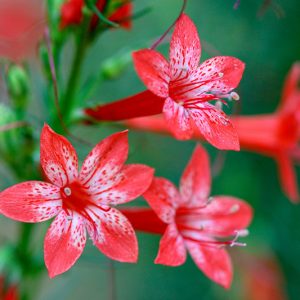
Ipomopsis rubra (Standing Cypress)
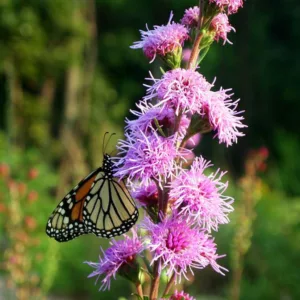
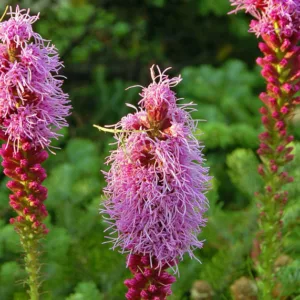
Liatris aspera (Rough Blazing Star)
Liatris punctata (Dotted Blazing Star)
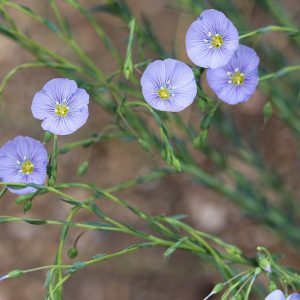
Linum lewisii (Prairie Flax)
Melampodium leucanthum (Blackfoot Daisy)
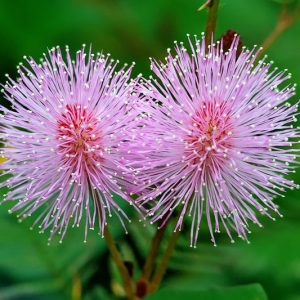
Mimosa strigillosa (Sunshine Mimosa)
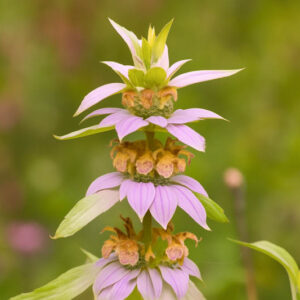
Monarda punctata (Spotted Bee Balm)
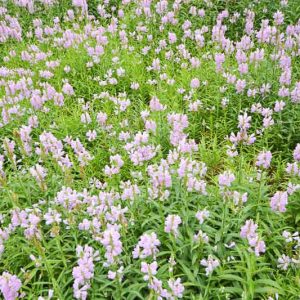
Physostegia virginiana (Obedient Plant)
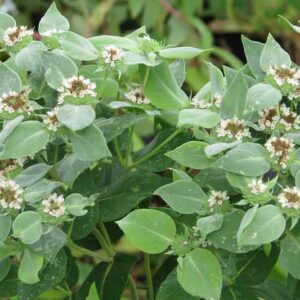
Pycnanthemum muticum (Blunt Mountain Mint)
Ratibida columnifera (Mexican Hat Plant)
Rivina humilis (Bloodberry)
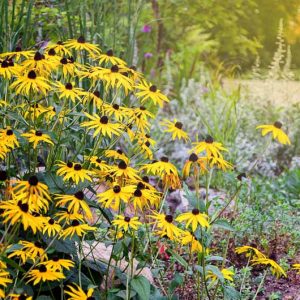
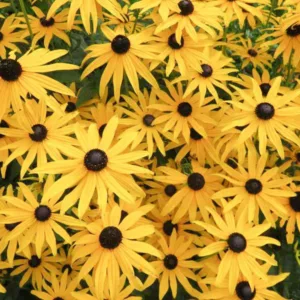
Rudbeckia fulgida (Black-Eyed Susan)
Rudbeckia grandiflora (Tall Coneflower)
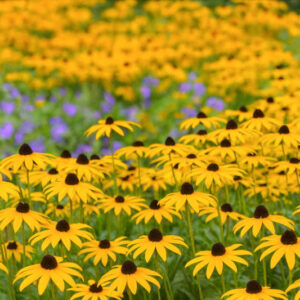
Rudbeckia hirta (Black-Eyed Susan)
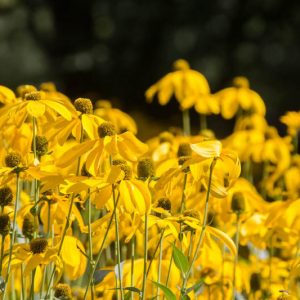
Rudbeckia subtomentosa (Sweet Coneflower)
Rudbeckia triloba (Brown-Eyed Susan)
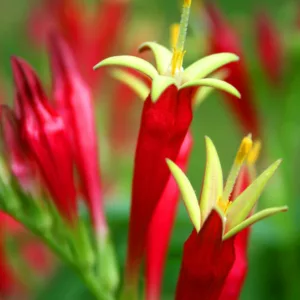
Spigelia marilandica (Indian Pink)
Salvia farinacea (Mealy Sage)
Salvia lyrata (Lyreleaf Sage)
Salvia roemeriana (Cedar Sage)
Solidago altissima (Tall Goldenrod)
Sphaeralcea coccinea (Scarlet Globemallow)
Tetraneuris acaulis (Angelita Daisy)
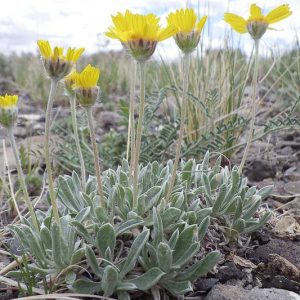
Tetraneuris scaposa (Four-Nerve Daisy)
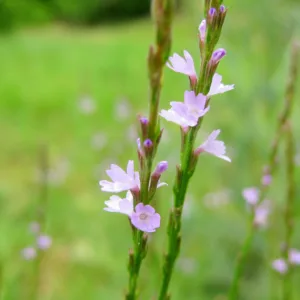
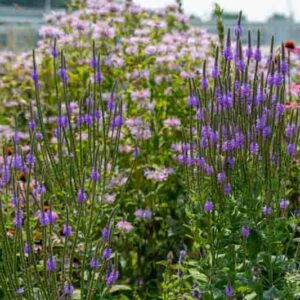
Verbena halei (Texas Vervain)
Verbena stricta (Hoary Vervain)
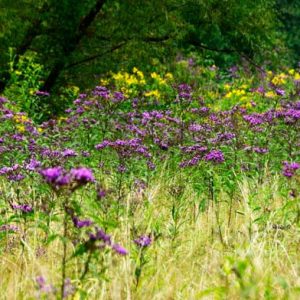
Vernonia baldwinii (Western Ironweed)

Best Drought-Tolerant Cacti and Succulents for Texas Landscapes

Agave americana (Century Plant)
Agave havardiana (Harvard Agave)
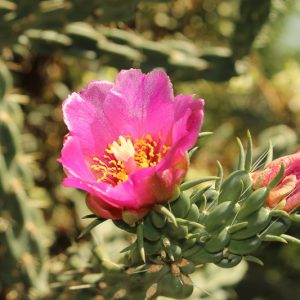
Cylindropuntia imbricata (Tree Cholla)
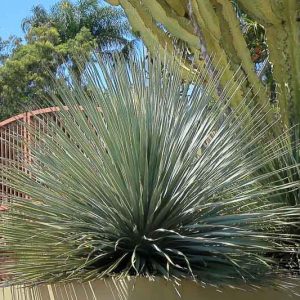
Dasylirion wheeleri (Desert Spoon)
Echinocereus reichenbachii (Lace Cactus)
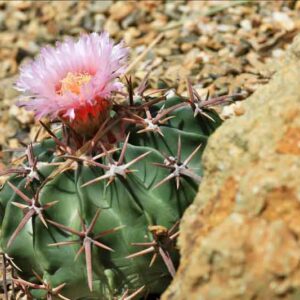
Echinocactus texensis (Horse Crippler Cactus)
Echinocereus triglochidiatus (Claret Cup Cactus)
Hesperaloe parviflora (Red Yucca)

Best Drought-tolerant Shrubs for Texas Landscapes

Aloysia gratissima (Whitebrush)
Anisacanthus quadrifidus var. wrightii (Desert Honeysuckle)
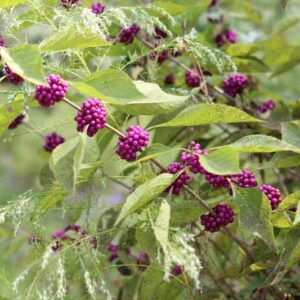
Callicarpa americana (American Beautyberry)
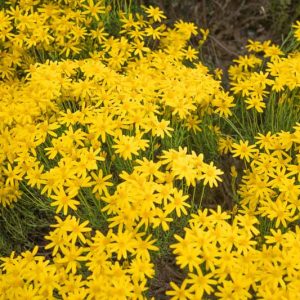
Chrysactinia mexicana (Damianita)
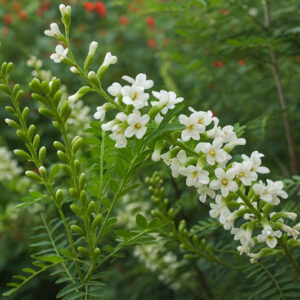
Eysenhardtia texana (Texas Kidneywood)
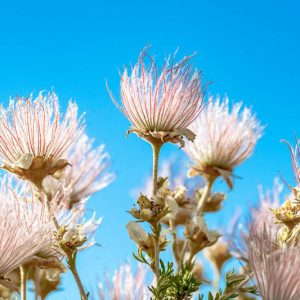
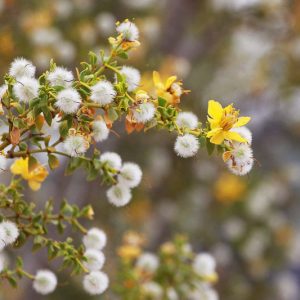
Fallugia paradoxa (Apache Plume)
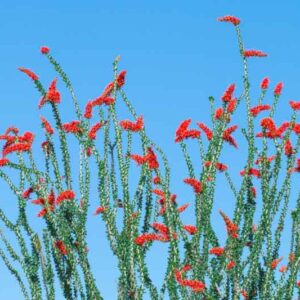
Fouquieria splendens (Ocotillo)
Ilex vomitoria (Yaupon Holly)
Larrea tridentata (Creosote Bush)
Leucophyllum frutescens (Texas Sage)
Mahonia trifoliolata (Agarita)
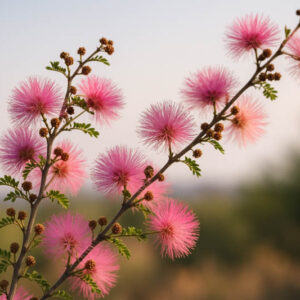
Mimosa borealis (Fragrant Mimosa)
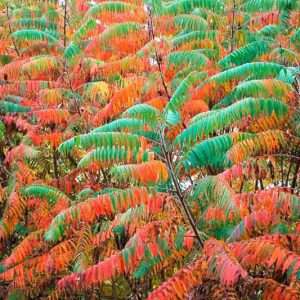
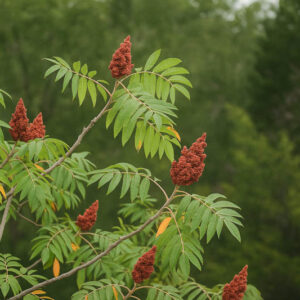
Rhus aromatica (Fragrant Sumac)
Rhus glabra (Smooth Sumac)
Rhus microphylla (Littleleaf Sumac)
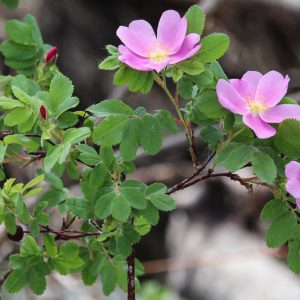
Rosa arkansana (Arkansas Rose)
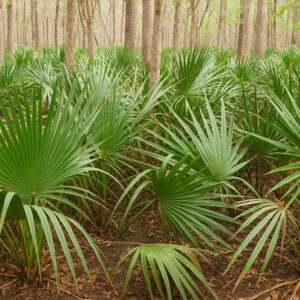
Sabal minor (Dwarf Palmetto)
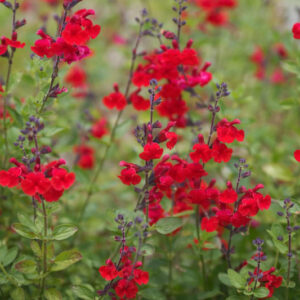
Salvia greggii (Autumn Sage)
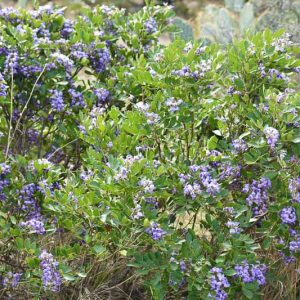
Sophora secundiflora (Texas Mountain Laurel)
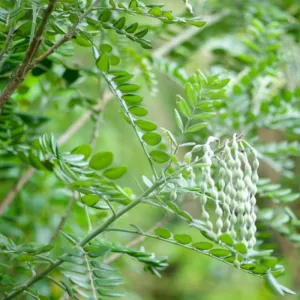
Sophora tomentosa (Necklace Pod)
Tecoma stans (Yellow Bells)
Viguiera stenoloba (Skeleton-Leaf Goldeneye)
Rhus lanceolata (Flameleaf Sumac)
Diospyros texana (Texas Persimmon)

Best Drought-tolerant Trees for Texas Landscapes

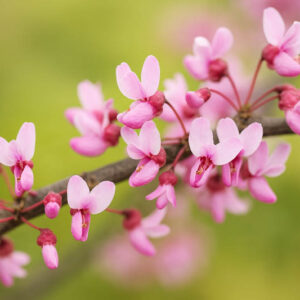
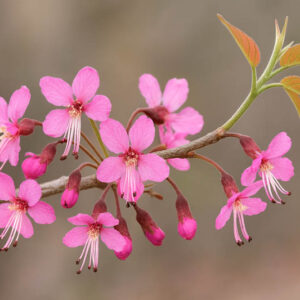
Cercis canadensis var. texensis (Texas Redbud)
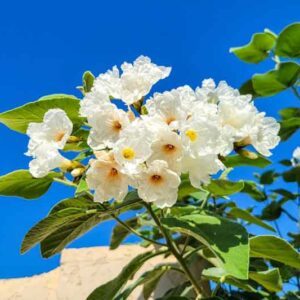
Cordia boissieri (Texas Olive)
Cotinus obovatus (American Smoke Tree)
Crataegus marshallii (Parsley Hawthorn)
Gymnocladus dioica (Kentucky Coffee Tree)
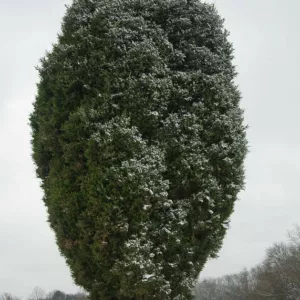
Juniperus scopulorum (Rocky Mountain Juniper)
Juniperus virginiana (Eastern Red Cedar)
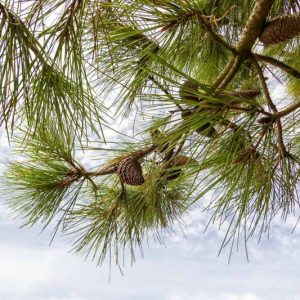
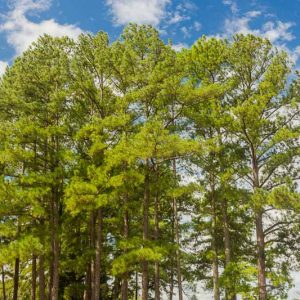
Pinus echinata (Shortleaf Pine)
Pinus taeda (Loblolly Pine)
Prosopis pubescens (Screwbean Mesquite)
Prosopis glandulosa (Honey Mesquite)
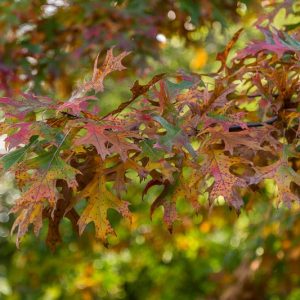
Quercus shumardii (Shumard Oak)
Quercus stellata (Post Oak)
Quercus macrocarpa (Bur Oak)
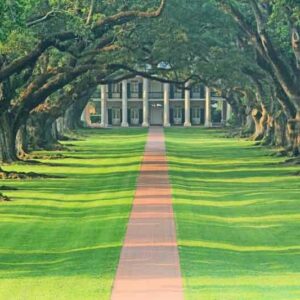
Quercus virginiana (Live Oak)
Frangula caroliniana (Carolina Buckthorn)
Ulmus crassifolia (Cedar Elm)
Ungnadia speciosa (Mexican Buckeye)
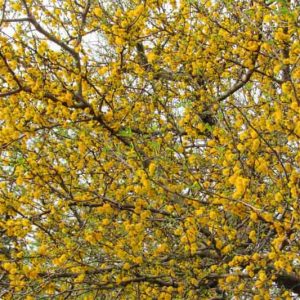
Acacia farnesiana (Sweet Acacia)

Best Drought-tolerant Grasses for Texas Landscapes

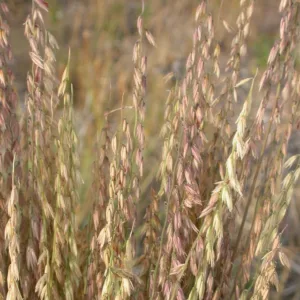
Andropogon gerardii (Big Bluestem)
Bouteloua dactyloides (Buffalo Grass)
Bouteloua curtipendula (Side-Oats Grama)
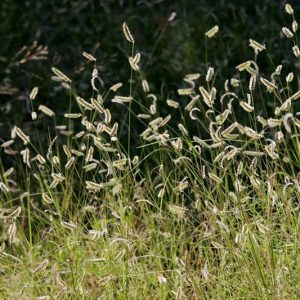
Bouteloua gracilis (Blue Grama)
Bouteloua hirsuta (Hairy Grama)
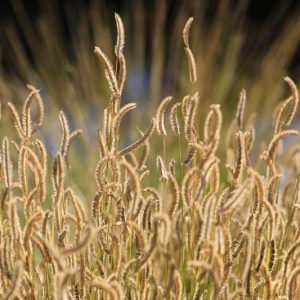
Muhlenbergia capillaris (Pink Muhly Grass)
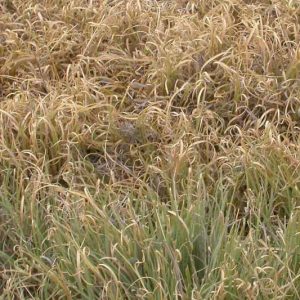
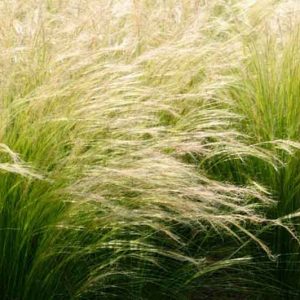
Stipa tenuissima (Mexican Feather Grass)
Sporobolus airoides (Alkali Sacaton)
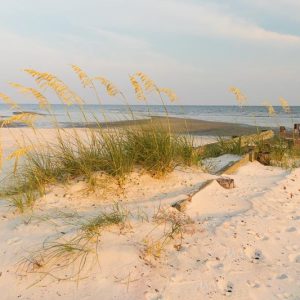
Uniola paniculata (Sea Oats)
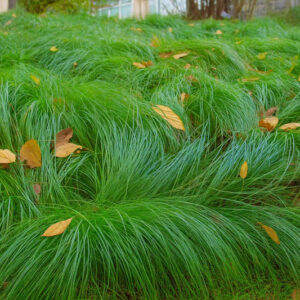
Carex leavenworthii (Leavenworth’s Sedge)

Best Drought-tolerant Vines for Texas Landscapes

Campsis radicans (Trumpet Vine)
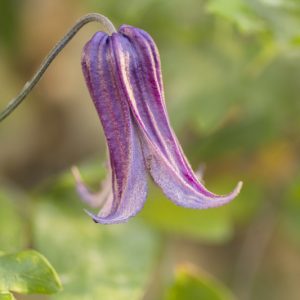
Clematis pitcheri (Viorna Group)
Clematis texensis (Texensis Group)
Ipomoea imperati (Beach Morning Glory)
Ipomoea pes-caprae (Railroad Vine)

Best Drought-tolerant Groundcovers for Texas Landscapes

Calyptocarpus vialis (Horseherb)
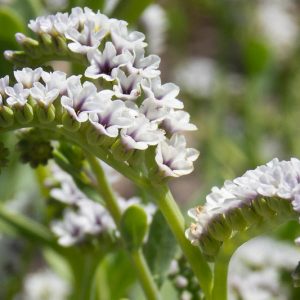
Heliotropium curassavicum (Salt Heliotrope)
Mimosa strigillosa (Sunshine Mimosa)

Design Ideas for Drought Tolerant Gardens in Texas

Dry soils give you the chance to create colorful xeriscapes, gravel gardens, and wildlife friendly prairies that most gardeners in wetter climates envy. Here are simple pattern recipes you can adapt to your own Texas yard using plants drawn directly from your perennial, shrub, tree, grass, cactus, and vine lists.

Front Yard Xeriscape Makeover

Replace a thirsty front lawn or a sad strip of grass with a low water, curb friendly planting:

  • Leucophyllum frutescens (Texas Sage) and Tecoma stans (Yellow Bells) as evergreen and flowering anchor shrubs.
  • Melampodium leucanthum (Blackfoot Daisy), Tetraneuris scaposa (Four Nerve Daisy), and Engelmannia peristenia (Engelmann Daisy) in drifts for months of color.
  • A ribbon of Bouteloua dactyloides (Buffalo Grass) or Bouteloua gracilis (Blue Grama) instead of traditional turf.
  • Hesperaloe parviflora (Red Yucca) near the curb and mailbox for architectural form and hummingbird flowers.
  • Mulch with crushed stone or decomposed granite for paths, and use a 2 to 3 inch layer of bark mulch in planting pockets to hold moisture.

This mix shrinks your water bill, cuts mowing to almost zero, and still delivers flowers, fragrance, and pollinator activity all season.

Hill Country Style Rock Garden

On a slope or rocky area that will not hold moisture, lean into the stone and build a Texas style rock garden:

  • Use flat limestone or local rock to create small terraces and planting pockets filled with coarse, well drained soil.
  • Plant Chrysactinia mexicana (Damianita), Tetraneuris acaulis (Angelita Daisy), and Baileya multiradiata (Desert Marigold) in sunny crevices.
  • Add clumps of Agave havardiana (Harvard Agave), Dasylirion wheeleri (Desert Spoon), and Echinocereus triglochidiatus (Claret Cup Cactus) for bold texture.
  • Tuck in Stipa tenuissima (Mexican Feather Grass) and Bouteloua gracilis (Blue Grama) to soften rock edges and sway in the breeze.
  • Top dress with gravel to keep crowns dry, reflect light, and suppress weeds.

This type of planting looks natural in Central and West Texas, resists erosion, and thrives on neglect once established.

Low Water Prairie or Meadow Corner

In a sunny side yard or back corner, create a mini prairie that handles drought and still buzzes with life:

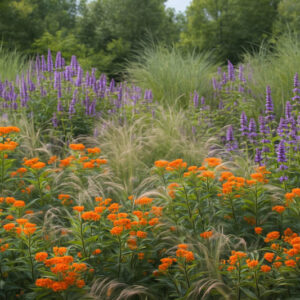
  • Mix Andropogon gerardii (Big Bluestem), Bouteloua curtipendula (Side Oats Grama), Bouteloua gracilis (Blue Grama), and Sporobolus airoides (Alkali Sacaton) as the grass backbone.
  • Add wildflowers such as Engelmannia peristenia (Engelmann Daisy), Echinacea pallida (Pale Purple Coneflower), Liatris aspera and Liatris punctata (Blazing Stars), and Ratibida columnifera (Mexican Hat Plant).
  • Include Solidago altissima (Tall Goldenrod) and Vernonia baldwinii (Western Ironweed) for late season nectar and bold vertical accents.
  • Edge the meadow with Fallugia paradoxa (Apache Plume) or Eysenhardtia texana (Texas Kidneywood) as airy, wildlife friendly shrubs.

This meadow style planting thrives on low water once established, provides cover and seed for birds, and gives your yard a natural Texas prairie feel.

Dry Shade Wildlife Strip Under Trees

Under mature oaks or other trees where grass dies and sprinklers do more harm than good, try:

  • Callicarpa americana (American Beautyberry) and Ilex vomitoria (Yaupon) on the outer edges where they can catch a bit more light and moisture.
  • Calyptocarpus vialis (Horseherb) as a tough, low groundcover that tolerates foot traffic.
  • Spigelia marilandica (Indian Pink), Salvia roemeriana (Cedar Sage), and Salvia lyrata (Lyreleaf Sage) in clumps for bursts of color in dappled shade.
  • Use a winding path of mulch or gravel through the area so people stay off tree roots during wet weather.

This design protects tree roots, saves water, and turns a trouble spot into a shady retreat full of berries, blooms, and visiting birds.

Simple Drought Tolerant Care Tips

  • Improve drainage, not richness – in most Texas xeriscapes, breaking up compaction and adding coarse material helps more than heavy composting.
  • Group plants by water use – keep the thirstiest plants near the hose or downspouts and the toughest ones farthest away.
  • Plant small, water smart – 1 gallon or smaller plants establish faster and need less water up front than huge container specimens.
  • Mulch correctly – 2 to 3 inches of mulch in beds reduces evaporation, but keep it pulled back from agaves, cacti, and woody trunks.
  • Time planting wisely – fall and very early spring are best in most of Texas so roots can grow before summer heat hits full force.
  • Wean plants off irrigation – after the first growing season, slowly stretch time between watering so roots dive deeper.

Why Grow These Drought Tolerant Natives?

  • Leucophyllum frutescens (Texas Sage) – Classic Texas shrub with silvery foliage and purple blooms that appear after humidity and summer rains; thrives in hot, dry sites and needs little water once established.
  • Tecoma stans (Yellow Bells) – Fast growing shrub with bright yellow trumpets that flower for months and handle reflective heat near walls and driveways.
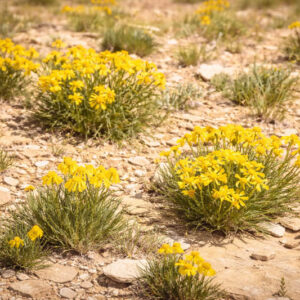
  • Chrysactinia mexicana (Damianita) – Aromatic, evergreen shrublet with needle like foliage and golden daisies; perfect for rock gardens, walls, and hot slopes.
  • Melampodium leucanthum (Blackfoot Daisy) – Low, rounded plant covered in white daisies most of the growing season; loves reflected heat from rock and pavement.
  • Tetraneuris scaposa (Four Nerve Daisy) – Cheerful yellow flowers and tidy mounds for the front of dry borders, gravel paths, and containers.
  • Andropogon gerardii (Big Bluestem) – Tall prairie grass that anchors low water meadows, supports wildlife, and stays attractive into winter.
  • Bouteloua dactyloides (Buffalo Grass) – Fine textured native grass that forms a soft, drought tolerant turf using a fraction of the water of traditional lawn species.
  • Agave americana (Century Plant) – Sculptural succulent with huge blue green leaves; thrives in full sun and poor soil and needs almost no irrigation once rooted in.
  • Hesperaloe parviflora (Red Yucca) – Tough succulent with narrow leaves and tall coral or red flower stalks that hummingbirds visit all summer; ideal for medians, parkways, and containers.
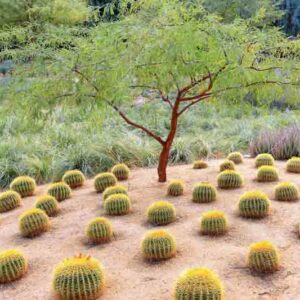
  • Echinocactus texensis (Horse Crippler Cactus) – Low growing barrel cactus with dramatic spines and flowers, perfect for very hot, exposed sites.
  • Prosopis glandulosa (Honey Mesquite) – Deep rooted tree that provides light shade and wildlife habitat while tolerating extreme heat and drought.
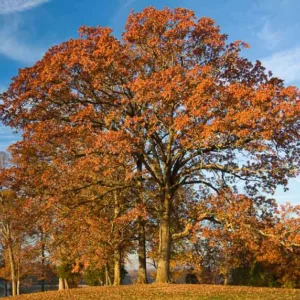
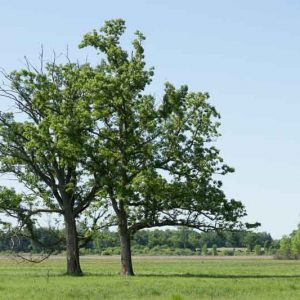
  • Quercus macrocarpa (Bur Oak) – Large, long lived oak that handles many soils and offers strong drought tolerance once established.
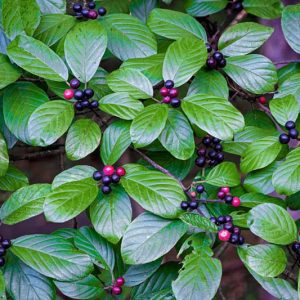
  • Callicarpa americana (American Beautyberry) – Wildlife friendly shrub for part shade that bears bright purple berries in late summer and fall.
  • Campsis radicans (Trumpet Vine) – Vigorous, sun loving vine covered in orange trumpets that attract hummingbirds and can cloak fences or arbors with minimal watering.

Bringing It All Together – A Texas Drought Tolerant Plant Palette

Drought and heat in Texas do not have to mean gravel only yards or lifeless rockscapes. From Hill Country limestone ridges to West Texas mesas, Blackland Prairie slopes, and urban parkways, you can turn dry spots into vibrant, low water gardens using native and adapted drought tolerant plants from your perennial, shrub, tree, grass, cactus, succulent, and vine lists. Start by mapping where sun is hottest and soil drains fastest, then choose a mix of shrubs, grasses, perennials, succulents, and a few small trees that match your light and moisture levels. Let the toughest, most drought proof plants occupy the hottest, rockiest zones, stage slightly less rugged species in beds that get a bit more moisture, and save your highest water plants for small, easy to irrigate focal areas near the house. Over time, deep roots will build soil, shade the ground, and create habitat, while you enjoy flowers, texture, and wildlife in an area that used to feel like a burden.

How to Use These Drought Tolerant Plant Lists

  • Begin with your region and site type: rocky Hill Country slope, urban front yard, West Texas style gravel bed, coastal dune, or dry shade under oaks, then choose plants adapted to that heat and water level.
  • Plan in layers. Use small trees and structural shrubs sparingly as anchors, then fill around them with medium height perennials and grasses, and finally add low groundcovers and accent cacti or agaves near paths and edges.
  • Match plant drought tolerance to micro zones. The hottest, most exposed areas get your toughest desert style plants, while slightly cooler or deeper soils get species that like just a little more moisture.
  • Whenever possible, choose species native to your county or ecoregion so they already match your rainfall patterns, soil chemistry, and seasonal temperature swings.
  • Let these drought tolerant plantings connect to the rest of your landscape with broad drifts instead of isolated dots. The result looks natural, is easier to maintain, and provides better habitat for pollinators and birds.

Discover More Beautiful Texas Native Plants

Texas Native Plant Guides: Design, Soil & Wildlife

Frequently Asked Questions

What are drought tolerant plants in Texas?

In Texas, drought tolerant plants are species that can survive and look good with minimal supplemental watering once established. Common examples include Texas sage, desert willow, lantana, Mexican feathergrass, blackfoot daisy, buffalo grass, agaves, yuccas, and many native wildflowers and shrubs. These plants are adapted to Texas heat, seasonal drought, and local soils.

Why are native and adapted plants recommended for Texas drought tolerant landscapes?

Native and well-adapted plants are recommended because they evolved in Texas climates and soils, so they generally need less water, fertilizer, and pest control than exotic species. Extension guides note that many Texas natives naturally have lower water demands and fewer pest problems, making them ideal for water-wise, low-maintenance yards. Using regionally adapted plants also supports local wildlife and reduces the risk of invasive behavior.

Do drought tolerant plants in Texas still need watering?

Yes. Even drought tolerant plants usually need regular watering during their first growing season so they can develop deep root systems. After establishment, they typically need far less water than traditional landscape plants, often only deep, infrequent irrigation during extended dry spells. Overwatering can actually harm many xeric plants by causing root rot and weak growth.

Are drought tolerant plants just cactus and succulents?

No. While cactus and succulents are classic drought tolerant choices, Texas gardeners can also use many shrubs, grasses, perennials, trees, and groundcovers that handle heat and dry spells. Examples include Texas sage, desert willow, evergreen sumac, autumn sage, blackfoot daisy, buffalo grass, and blue grama grass, along with various native wildflowers. A diverse mix usually performs better and looks more natural than using only cactus

What are some good drought tolerant shrubs for Texas?

Popular drought tolerant shrubs for Texas include Texas sage (Leucophyllum frutescens), evergreen sumac, yaupon holly, agarita, desert willow (a small tree-like shrub), and various lantana species. These shrubs are widely recommended in Texas xeriscape and wildscape lists for their ability to tolerate heat and low water while providing flowers, berries, or evergreen structure. Many also attract birds, bees, and butterflies.

What are good drought tolerant grasses and groundcovers for Texas lawns and meadows?

For turf-like areas, buffalo grass and blue grama are native warm-season grasses that stay attractive with far less water than St. Augustine or Bermuda lawns. For ornamental or meadow plantings, Mexican feathergrass, muhly grasses, and other native bunchgrasses offer texture and movement while handling heat and drought. Many local utilities and energy providers highlight these grasses as key components of water-saving landscapes.

Can you have a colorful flower garden and still be drought tolerant in Texas?

Yes. Many Texas-friendly perennials and wildflowers bloom heavily on low to moderate water once established. Examples include blackfoot daisy, autumn sage, Texas lantana, black-eyed Susan, desert marigold, and various salvias and native coneflowers. Regional guides for Houston, Central Texas, and South Texas all showcase combinations of drought tolerant bloomers that provide long-season color without constant irrigation.

How do I start a drought tolerant or xeriscape yard in Texas?

Creating a Texas xeriscape starts with planning, improving soil where needed, and grouping plants by water needs. State conservation programs recommend choosing mostly native or adapted plants, using efficient irrigation, mulching to reduce evaporation, and replacing high-water turf with drought tolerant grasses or planting beds. Starting with a small section—such as a front bed or side yard—and expanding over time is often easiest.

Are there drought tolerant plants for shade in Texas?

True deep-shade, drought tolerant plants are limited, but several native and adapted species handle partial shade and low water once established. Regional plant lists suggest options like inland sea oats, some native sedges, certain hollies, and shade-tolerant perennials in protected sites where soil stays slightly cooler. Matching light levels and drainage is just as important as choosing drought tolerant species.


References

Texas A&M AgriLife Extension – Practical, research-based guidance on managing Texas soils, improving heavy clay, and growing vegetables and ornamentals statewide. Key resources include:

Lady Bird Johnson Wildflower Center – A comprehensive native plant database for North America, with detailed profiles for thousands of Texas-native grasses, perennials, shrubs, vines, and trees.

Native Plant Society of Texas (NPSOT) – Regional native plant lists, chapters, and programs that help you refine plant choices for your specific part of Texas.

Updated: November 2025 Reviewed by Gardenia Editors

Garden Examples

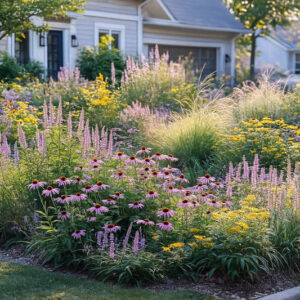
Pollinator Drift: Asclepias, Agastache & Flowing Grasses
Front-Yard Prairie Drift: Airy Color, Native Texture
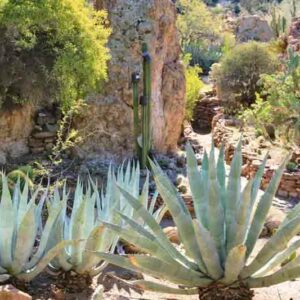
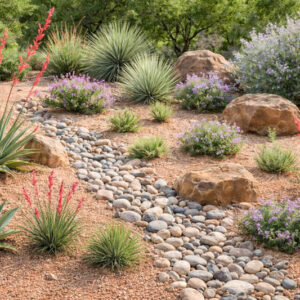
Desert Dry Creek Border – Agave, Red Yucca & Texas Sage
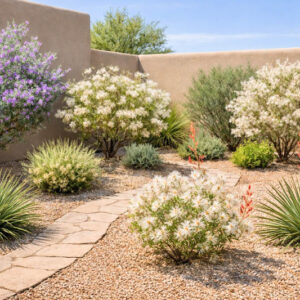
Desert Courtyard Border – Texas Sage & Apache Plume
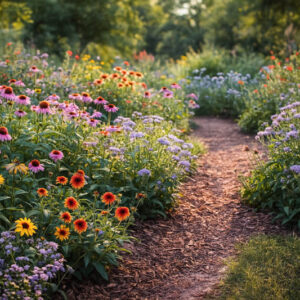
A Pollinator Wildflower Garden Idea
Wildflower Prairie with Monarda, Mexican Hat & Blue Sage
Bird-Friendly Creekside Border
Shaded Woodland Border with Ferns & Beautyberry
Texas Wildflower Prairie Border with Coreopsis and Beebalm

Recommended Guides

50 Texas Wildflowers to Brighten Your Garden
Monarch Nectar Plants for Texas
Great Pollinator Plants for Texas
Texas Butterfly Host Plants
Texas Bird-Friendly Plants
Best Texas Plants for Hummingbirds
Best Texas Fragrant Plants
Best Shade Plants for Texas
Best Drought-Tolerant Plants for Texas
Best Plants for Wet Areas in Texas
Best Plants for Sandy Soils in Texas
Best Plants for Clay Soils in Texas
Best Groundcovers for Texas Gardens
Best Perennials for Texas Gardens
Best Shrubs for Texas Gardens
Best Trees for Texas Gardens
Best Native Plants for Texas Gardens
Desert Trees: Stunning and Resilient Trees for Your Garden
Desert Shrubs: Essential Plants for Dry Gardens
Desert Flowers: Bringing Color to Dry Gardens
Desert Plants: Discover 50 Stunning Varieties to Grow
Hedgehog Cactus: A Desert Survivor with Spectacular Blooms
Barrel Cactus: An Iconic Desert Plant for Water-Wise Gardens
Cholla Cactus: Iconic Desert Plants
Invasive Plants in Texas – And Their Best Native Alternatives
Explore Great Plant Combination Ideas
Texas
Guides with
Texas Texas
While every effort has been made to describe these plants accurately, please keep in mind that height, bloom time, and color may differ in various climates. The description of these plants has been written based on numerous outside resources.

Guide Information

Hardiness 6 - 10
Plant Type Cactus & Succulents, Climbers, Ornamental Grasses, Perennials, Shrubs, Trees
Native Plants United States, Southwest, Texas
Tolerance Drought
Explore Great Plant Combination Ideas
Texas
Guides with
Texas Texas

Related Items

Please Login to Proceed

You Have Reached The Free Limit, Please Subscribe to Proceed

Subscribe to Gardenia

To create additional collections, you must be a paid member of Gardenia
  • Add as many plants as you wish
  • Create and save up to 25 garden collections
Become a Member

Plant Added Successfully

Your garden is taking shape. Unlock full planning.

You’ve reached the free limit. Upgrade for $25/year to add as many plants as you wish and save up to 25 garden collections. Unlock Annual Membership

Update Your Credit
Card Information

Cancel

Create a New Collection

Sign Up to Our Newsletter

    You have been subscribed successfully

    Join Gardenia.net

    Create a membership account to save your garden designs and to view them on any device.

    Becoming a contributing member of Gardenia is easy and can be done in just a few minutes. If you provide us with your name, email address and the payment of a modest $25 annual membership fee, you will become a full member, enabling you to design and save up to 25 of your garden design ideas.

    Join now and start creating your dream garden!

    Join Gardenia.net

    Create a membership account to save your garden designs and to view them on any device.

    Becoming a contributing member of Gardenia is easy and can be done in just a few minutes. If you provide us with your name, email address and the payment of a modest $25 annual membership fee, you will become a full member, enabling you to design and save up to 25 of your garden design ideas.

    Join now and start creating your dream garden!

    Find your Hardiness Zone

    Find your Heat Zone

    Find your Climate Zone