Black-eyed Susan, Yellow Ox-eye Daisy, Brown-Eyed Susan, Brown Betty, Golden Jerusalem, English Bull's Eye, Yellow Daisy
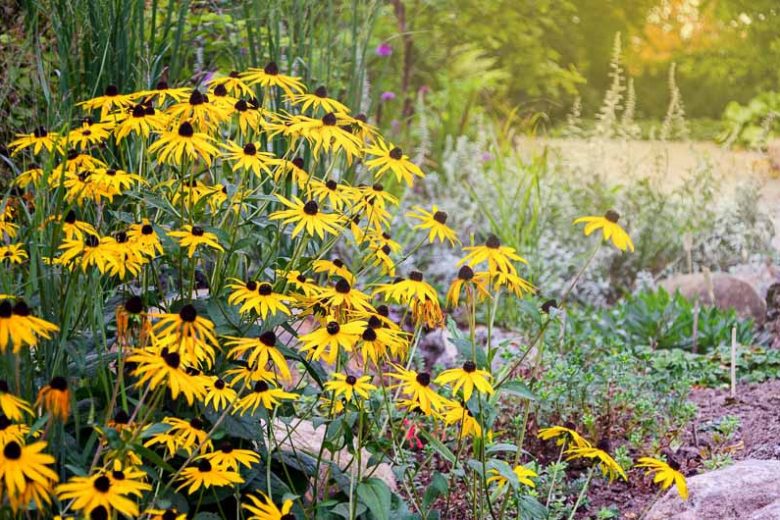


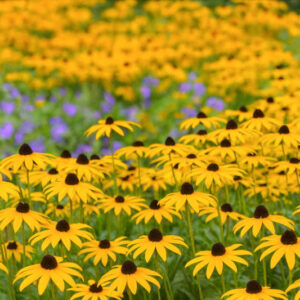
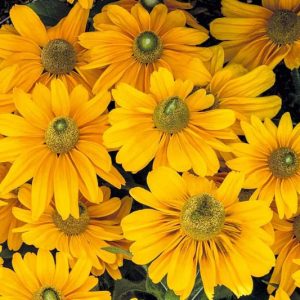
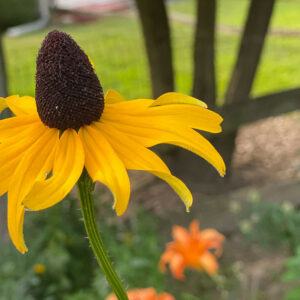
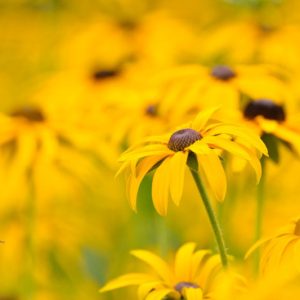
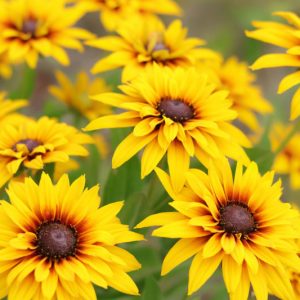
Looking for a cheerful, no fuss perennial style wildflower that lights up the garden for months, draws in butterflies and bees, and shrugs off heat and poor soil? Say hello to Rudbeckia hirta, commonly known as the Black eyed Susan. Those golden yellow daisy like petals surrounding a dark chocolate cone are practically the definition of a classic summer wildflower.
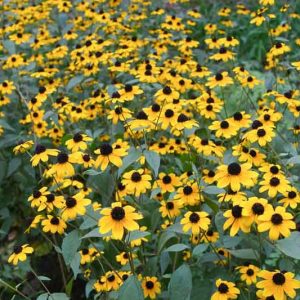
This beloved native prairie wildflower is at home in meadows, cottage borders, naturalistic plantings, and wildlife gardens. Often grown as a biennial or short lived perennial, Rudbeckia hirta forms leafy rosettes its first year, then explodes with flowers the second year and beyond, especially where it can self sow. With bright blooms from early summer into fall, it is a star in Texas wildflower meadows, pollinator patches, and low water landscapes.
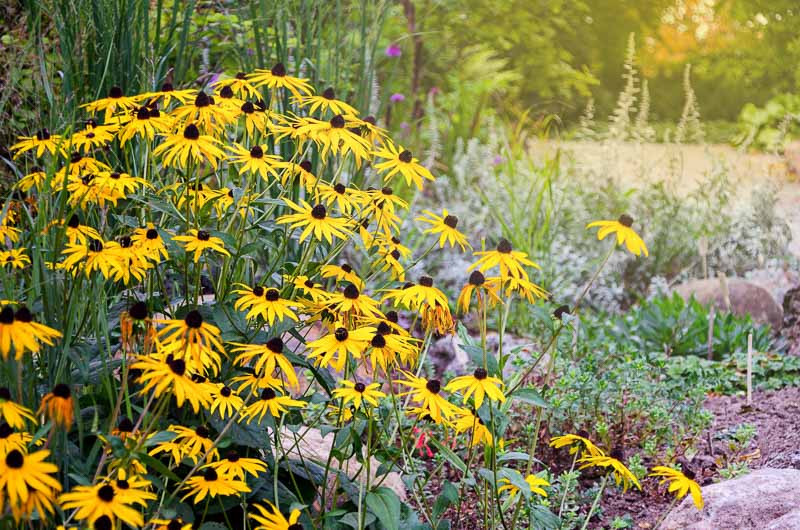
Summary: Upright, clump forming biennial or short lived perennial wildflower with rough, hairy foliage and bright yellow daisies with a dark brown central cone.
Use: Perfect for prairie plantings, meadows, borders, cottage gardens, pollinator patches, and naturalized landscapes where it can self sow.
Highlight: Long blooming, drought tolerant, heat tolerant, and easy from seed, Black eyed Susan is a staple in low maintenance, wildlife friendly gardens.
Note: Freely self sows and maintains a colorful presence in the garden year after year when seedheads are allowed to mature.
| Botanical Name | Rudbeckia hirta |
|---|---|
| Family | Asteraceae (aster or daisy family) |
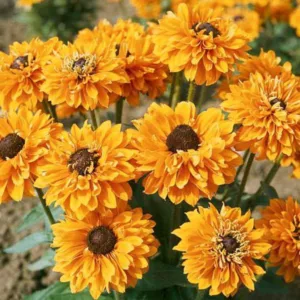
| Common Names | Black eyed Susan, Black eyed Susan daisy, brown eyed Susan, gloriosa daisy (for some cultivars) |
| Native Range | Native to Eastern and Central North America, especially prairies, open woods, and roadsides. |
| Plant Type and Habit | Biennial or short lived perennial that forms rosettes of basal leaves and upright flowering stems, spreading by self seeding. |
| Hardiness (USDA) | Generally hardy in USDA Zones 3 to 9, depending on climate and cultivar. |
| Size | Typically 2 to 3 feet tall and 1 to 2 feet wide (60 to 90 cm tall, 30 to 60 cm wide). |
| Sun and Exposure | Full sun is best for abundant blooms and sturdy stems. Tolerates light shade but flower count may decrease. |
| Soil | Prefers average, dry to moist, well drained soils. Handles poor or clay soils if not constantly wet. |
| Seasonal Interest | Profuse yellow blooms from early summer into fall, plus ornamental seedheads that provide winter interest and bird food. |
| Primary Uses | Wildflower meadows, native gardens, Texas landscapes, pollinator borders, mixed perennial beds, and cut flower gardens. |
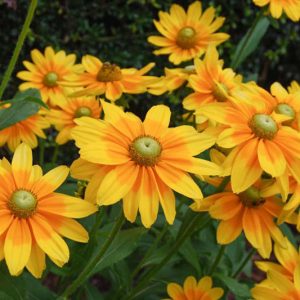
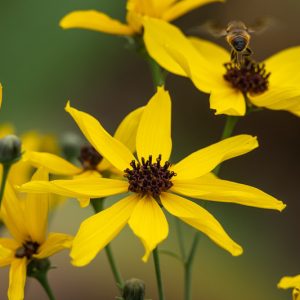
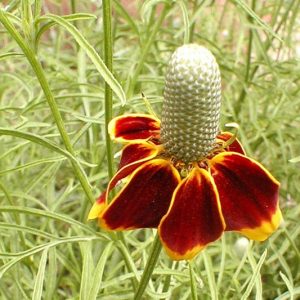
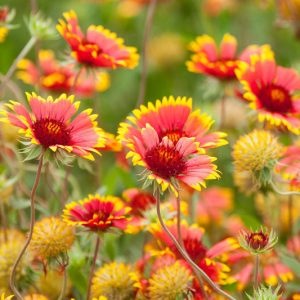
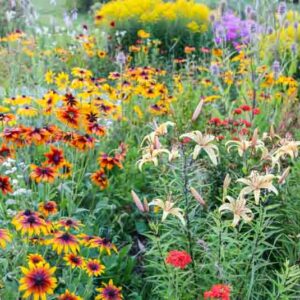
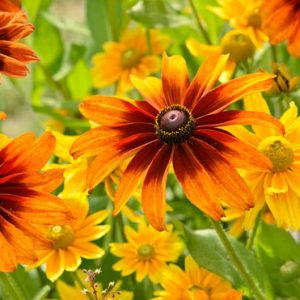
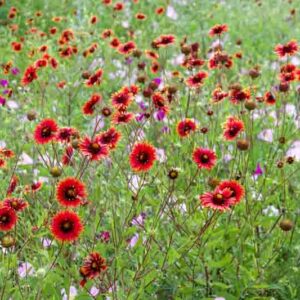
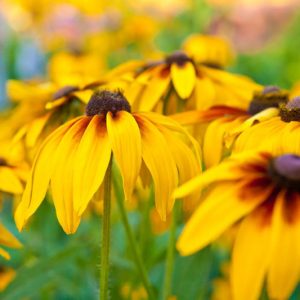
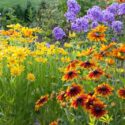
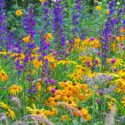
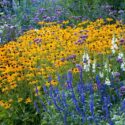
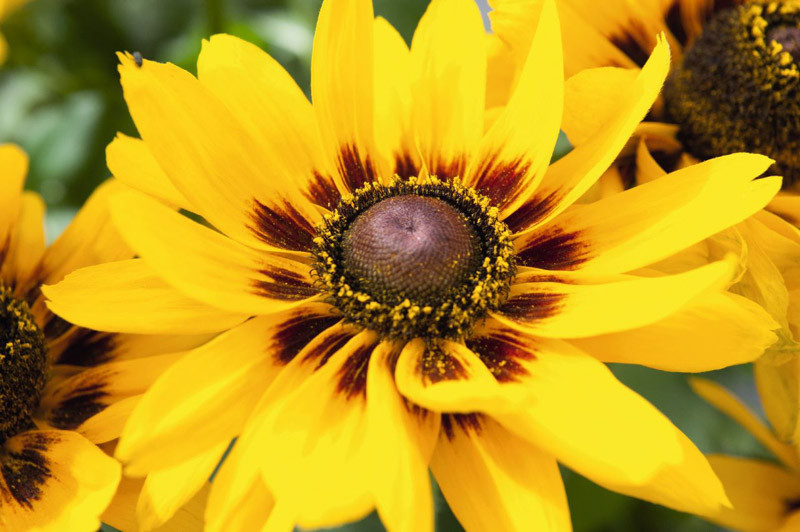
Rudbeckia hirta is an upright, clump forming wildflower boasting brilliant yellow, daisy like flowers about 3 inches wide, each with a dark brown to almost black central cone. Flowers appear from early summer through fall on stiff, hairy stems above rough, lance shaped leaves.
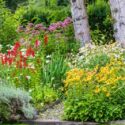
The blooms have a bold, classic look that stands out in mixed borders, prairie gardens, and naturalistic plantings. Black eyed Susan flowers are excellent as cut flowers, last well in the vase, and combine beautifully with other summer wildflowers featured in collections like stunning summer wildflower guides.
This species is native to Eastern and Central North America. In the wild, you will often find Rudbeckia hirta in:
Because of this broad native range, Black eyed Susan is a natural fit for regional plantings such as Texas native plant gardens as well as other North American prairie style landscapes.
Black eyed Susan typically grows at a moderate to fast rate. Plants often form basal rosettes in their first year, then send up multiple flowering stems the following season. In many gardens, Rudbeckia hirta behaves as a short lived perennial, with new seedlings taking over as older plants fade.
Because it self sows freely in open or lightly mulched soil, you can expect it to reappear in slightly different spots every year, creating a relaxed, natural look. Thin seedlings where necessary if you prefer a more orderly planting.
The flowers are the main attraction. Each bloom features:
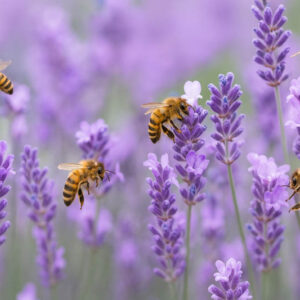
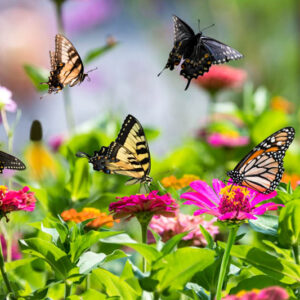
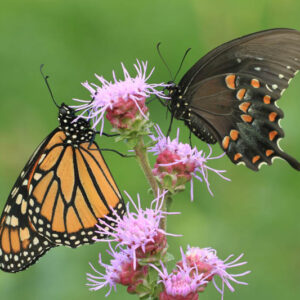
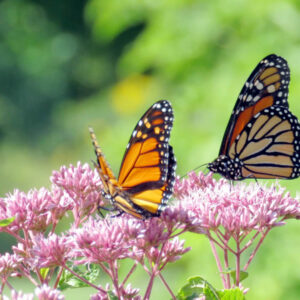
Pollinators adore these blooms. Butterflies, native bees, and a wide range of other beneficial insects flock to Black eyed Susan plantings. As flowers fade, the cones develop into seedheads that are relished by finches and other seed eating birds.
The foliage of Rudbeckia hirta is coarse and slightly bristly, giving the plant a rugged, prairie look. Leaves are:
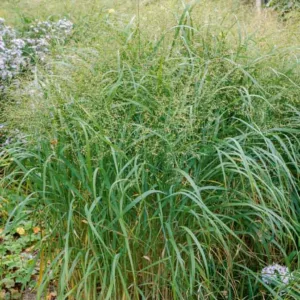
This texture contrasts nicely with finer grasses and airy perennials, making Black eyed Susan a great anchor plant in informal borders and wildflower meadows.
Rudbeckia hirta is adaptable and tough. It performs well in climates with:
This flexibility makes it highly suitable for water-wise gardens, prairie plantings, and resilient Texas landscapes, especially when paired with other drought tolerant natives from lists like Best Drought Tolerant Texas Plants for Truly Stunning Xeriscapes.
Rudbeckia hirta is incredibly versatile. Use Black eyed Susan for:
Black eyed Susan is a cornerstone plant for pollinator and wildlife gardens:
Rudbeckia hirta is generally considered deer-resistant. The rough, hairy foliage is not very appealing to most browsing animals, although hungry deer may sample it. In many regions it persists well in mixed plantings of deer resistant native perennials.
One of the many reasons gardeners love Black eyed Susan is its excellent drought tolerance once established. It thrives in dry to medium soils and is a superb choice for xeriscapes and low irrigation landscapes. For Texas gardeners, it pairs beautifully with other tough species highlighted in drought tolerant Texas plant guides.
Black eyed Susan is typically treated as a decorative ornamental wildflower rather than an edible plant. As with most ornamentals, discourage pets and children from chewing on foliage or stems and consult reliable sources if ingestion is suspected.
Within its native and adapted ranges, Rudbeckia hirta is usually viewed as a well behaved self seeder. It can move around gently in prepared beds and meadows, forming attractive drifts. If you prefer a more controlled look, thin or remove unwanted seedlings and deadhead before seedheads shatter.
Overall, Black eyed Susan care is refreshingly simple: provide full sun, reasonably well drained soil, and modest water after establishment.
Plant Rudbeckia hirta where it receives:
Black eyed Susan is surprisingly forgiving about soil type:
Fertilizing is rarely needed:
Mulch can help with establishment but should be used thoughtfully:
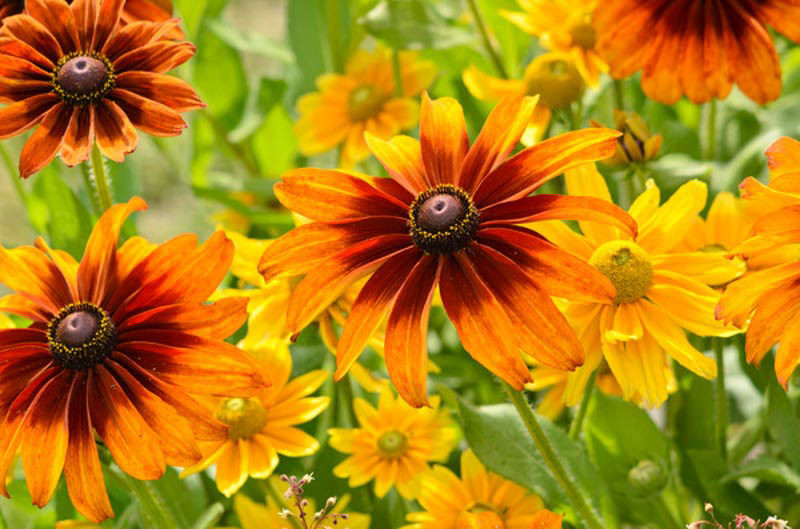
Rudbeckia hirta maintenance is minimal, making it a favorite for low care landscapes.
In suitable conditions, Rudbeckia hirta is a reliable, low maintenance wildflower with few serious issues.
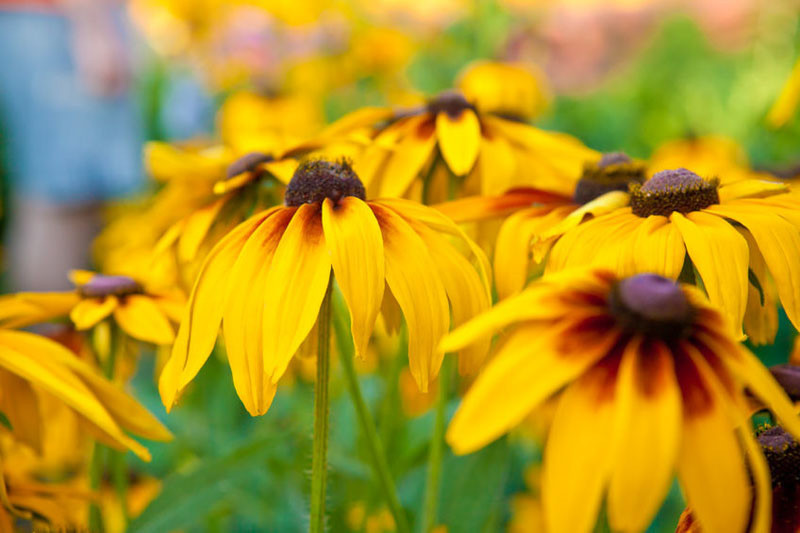
Rudbeckia hirta is a North American native wildflower usually called Black eyed Susan. It forms clumps of rough, hairy foliage topped with bright yellow, daisy like flowers surrounding a dark brown to black central cone. Gardeners value it as a long blooming, drought tolerant, and wildlife friendly plant for meadows, borders, and pollinator gardens.
In the wild, Black eyed Susan grows in prairies, fields, sunny roadsides, and open woodland edges across much of Eastern and Central North America. It thrives in full sun with well drained soil and is well suited to regions with warm to hot summers, cool or cold winters, and moderate to relatively low rainfall.
A typical Rudbeckia hirta plant reaches about 2 to 3 feet tall and around 1 to 2 feet wide. Individual plants may be shorter or taller depending on soil fertility and moisture, but they generally stay compact enough to fit comfortably into mixed borders and wildflower plantings.
Rudbeckia hirta is quite drought tolerant once established. During the first growing season, it benefits from occasional deep watering to develop a strong root system. After that, most plants only need supplemental water during prolonged dry spells, especially in very hot climates or sandy soils.
Black eyed Susan prefers full sun and average, well drained soil. It performs best with at least six hours of direct sun per day and tolerates a broad range of soils, including clay and sandy soils, as long as they do not remain soggy. Lean to moderately fertile soils are often ideal for sturdy growth and abundant bloom.
Yes, Rudbeckia hirta is excellent for wildlife. Its daisy like flowers provide nectar and pollen for bees, butterflies, and other beneficial insects, while the seed filled cones feed finches and small songbirds through fall and winter. Leaving some seedheads standing increases its value in bird and pollinator friendly gardens.
Black eyed Susan self sows readily, especially in open, lightly mulched soil, and can form attractive drifts over time. In most gardens it is not considered invasive, but it will move around. If you want to keep it in specific areas, thin unwanted seedlings or deadhead before seeds mature.
Black eyed Susan typically blooms from early or mid summer into fall. With deadheading and good growing conditions, the flowering season can be very long compared to many perennials, providing a steady supply of color and nectar for pollinators.
Yes, Rudbeckia hirta is an outstanding choice for low maintenance, water wise gardens. It thrives in full sun, needs little to no fertilizer, tolerates heat and periods of drought, and often returns by self seeding. It fits perfectly into xeriscapes, native prairies, cottage style borders, and informal wildlife friendly plantings where minimal care is a priority.
Lady Bird Johnson Wildflower Center – Rudbeckia hirta (Black-eyed Susan)
USDA Plants Database – Rudbeckia hirta
Updated: November 2025 • Reviewed by Gardenia Editors
| Hardiness |
3 - 9 |
|---|---|
| Heat Zones |
1 - 7 |
| Climate Zones | 1, 1A, 1B, 2, 2A, 2B, 3, 3A, 3B, 4, 5, 6, 7, 8, 9, 10, 11, 12, 13, 14, 15, 16, 17, 18, 19, 20, 21, 22, 23, 24 |
| Plant Type | Annuals, Perennials |
| Plant Family | Compositae |
| Genus | Rudbeckia |
| Common names | Black-eyed Susan, Brown Betty, Yellow Daisy |
| Exposure | Full Sun |
| Season of Interest | Summer (Early, Mid, Late), Fall |
| Height | 2' - 3' (60cm - 90cm) |
| Spread | 1' - 2' (30cm - 60cm) |
| Spacing | 24" (60cm) |
| Maintenance | Low |
| Water Needs | Low, Average |
| Soil Type | Clay, Loam, Sand |
| Soil pH | Acid, Alkaline, Neutral |
| Soil Drainage | Moist but Well-Drained, Well-Drained |
| Characteristics | Cut Flowers, Showy |
| Native Plants | United States, Pennsylvania, Rhode Island, Connecticut, Delaware, Maine, Massachusetts, Maryland, New Hampshire, New Jersey, New York, Northeast, Midwest, Pacific Northwest, Southeast, Southwest, Rocky Mountains, Illinois, Indiana, Iowa, Kansas, Michigan, Minnesota, Missouri, Nebraska, North Dakota, Ohio, South Dakota, Wisconsin, Idaho, Oregon, Washington, Louisiana, Mississippi, North Carolina, South Carolina, Tennessee, Virginia, West Virginia, Alabama, Arkansas, Florida, Georgia, Kentucky, Texas, New Mexico, Oklahoma, Colorado, Utah, Wyoming |
| Tolerances | Drought, Deer, Dry Soil, Clay Soil, Heat, Poor Soil, Fire |
| Attracts | Bees, Birds, Butterflies |
| Garden Uses | Beds And Borders |
| Garden Styles | Informal and Cottage, Prairie and Meadow |
| Toxic to Humans | No known toxicity |
| Toxic to Cats | No known toxicity |
| Toxic to Dogs | No known toxicity |
| Toxic to Horses | No known toxicity |


| Hardiness |
3 - 9 |
|---|---|
| Heat Zones |
1 - 7 |
| Climate Zones | 1, 1A, 1B, 2, 2A, 2B, 3, 3A, 3B, 4, 5, 6, 7, 8, 9, 10, 11, 12, 13, 14, 15, 16, 17, 18, 19, 20, 21, 22, 23, 24 |
| Plant Type | Annuals, Perennials |
| Plant Family | Compositae |
| Genus | Rudbeckia |
| Common names | Black-eyed Susan, Brown Betty, Yellow Daisy |
| Exposure | Full Sun |
| Season of Interest | Summer (Early, Mid, Late), Fall |
| Height | 2' - 3' (60cm - 90cm) |
| Spread | 1' - 2' (30cm - 60cm) |
| Spacing | 24" (60cm) |
| Maintenance | Low |
| Water Needs | Low, Average |
| Soil Type | Clay, Loam, Sand |
| Soil pH | Acid, Alkaline, Neutral |
| Soil Drainage | Moist but Well-Drained, Well-Drained |
| Characteristics | Cut Flowers, Showy |
| Native Plants | United States, Pennsylvania, Rhode Island, Connecticut, Delaware, Maine, Massachusetts, Maryland, New Hampshire, New Jersey, New York, Northeast, Midwest, Pacific Northwest, Southeast, Southwest, Rocky Mountains, Illinois, Indiana, Iowa, Kansas, Michigan, Minnesota, Missouri, Nebraska, North Dakota, Ohio, South Dakota, Wisconsin, Idaho, Oregon, Washington, Louisiana, Mississippi, North Carolina, South Carolina, Tennessee, Virginia, West Virginia, Alabama, Arkansas, Florida, Georgia, Kentucky, Texas, New Mexico, Oklahoma, Colorado, Utah, Wyoming |
| Tolerances | Drought, Deer, Dry Soil, Clay Soil, Heat, Poor Soil, Fire |
| Attracts | Bees, Birds, Butterflies |
| Garden Uses | Beds And Borders |
| Garden Styles | Informal and Cottage, Prairie and Meadow |
| Toxic to Humans | No known toxicity |
| Toxic to Cats | No known toxicity |
| Toxic to Dogs | No known toxicity |
| Toxic to Horses | No known toxicity |
How many Rudbeckia hirta (Black-Eyed Susan) do I need for my garden?
| Plant | Quantity | |
|---|---|---|
| Rudbeckia hirta (Black-Eyed Susan) | N/A | Buy Plants |
Create a membership account to save your garden designs and to view them on any device.
Becoming a contributing member of Gardenia is easy and can be done in just a few minutes. If you provide us with your name, email address and the payment of a modest $25 annual membership fee, you will become a full member, enabling you to design and save up to 25 of your garden design ideas.
Join now and start creating your dream garden!
Create a membership account to save your garden designs and to view them on any device.
Becoming a contributing member of Gardenia is easy and can be done in just a few minutes. If you provide us with your name, email address and the payment of a modest $25 annual membership fee, you will become a full member, enabling you to design and save up to 25 of your garden design ideas.
Join now and start creating your dream garden!