Quick Definitions For Wet Soil And Rain Garden Topics
Short, stand alone definitions help clarify key ideas for new gardeners and make your guide easier for search engines and AI tools to quote.
- Texas rain garden: A Texas rain garden is a shallow, planted basin that temporarily holds stormwater and slowly lets it soak into the ground instead of running off.
- Wet soil in Texas: Wet soil in Texas is ground that stays saturated or puddled for longer than surrounding areas after rain, often in low spots, swales, and along creeks.
- Seasonally wet site: A seasonally wet site is an area that floods or turns soggy after storms but can dry to normal moisture between rainy periods.
- Emergent aquatic plant: An emergent aquatic plant grows with its roots underwater or in saturated soil while its stems and leaves rise above the surface.
- Rain garden basin: The rain garden basin is the lowest part of the planting where water collects first and drains away last after a storm.
- Lower slope rain garden zone: The lower slope rain garden zone is the band of soil above the deepest basin that stays moist but not flooded between rains.
- Upper slope rain garden zone: The upper slope rain garden zone is the rim and outer edge of a rain garden that drains quickly and behaves like normal garden soil.
Design Ideas for Wet Soil Gardens in Texas
Wet soils give you the chance to create rain gardens, marshy borders, and lush wildlife zones that most gardeners only dream about. Here are simple pattern recipes you can adapt to your own Texas yard using plants that welcome wet feet.
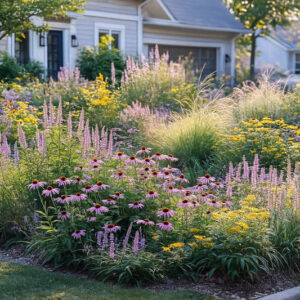
Front Yard Rain Garden Basin
In a low spot that collects downspout or driveway runoff, plant:
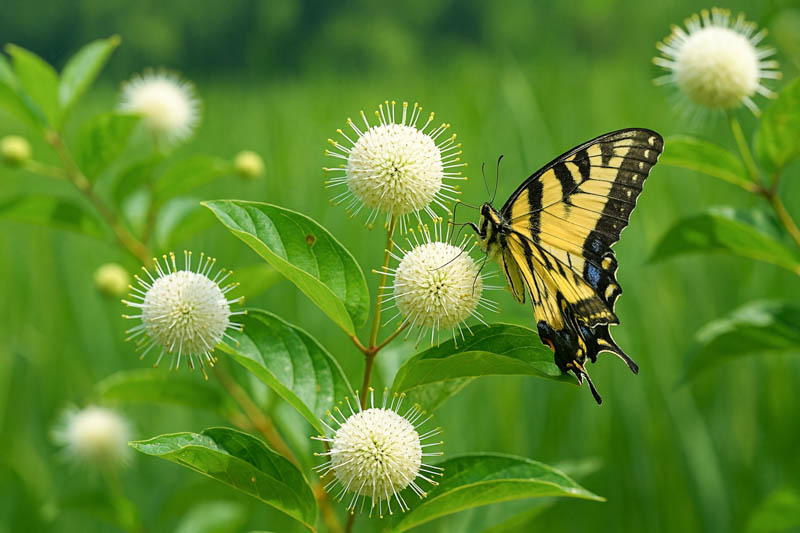
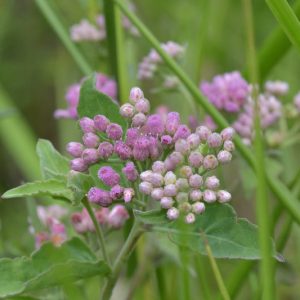
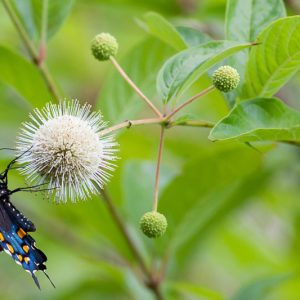
- Buttonbush (Cephalanthus occidentalis) as a focal shrub near the deepest point.
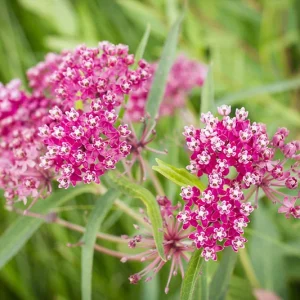
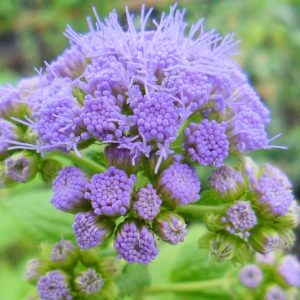
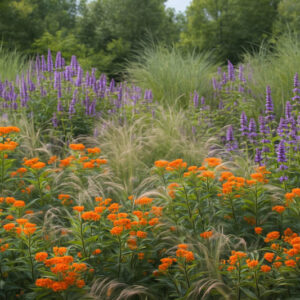
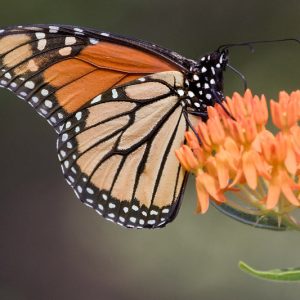
- Swamp milkweed (Asclepias incarnata) and blue mistflower (Conoclinium coelestinum) in the seasonally wet center.
- Switchgrass (Panicum virgatum) and eastern gamagrass (Tripsacum dactyloides) on the shoulders for structure and erosion control.
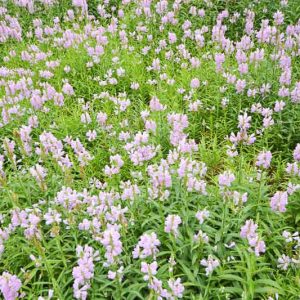
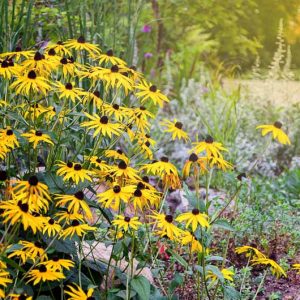
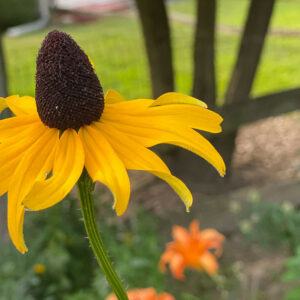
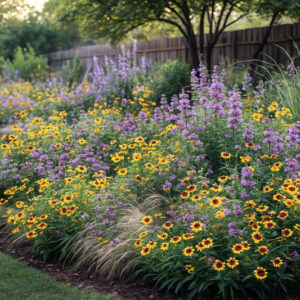
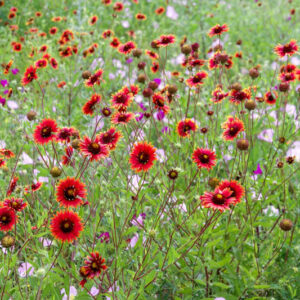
- Black eyed Susan (Rudbeckia hirta) and obedient plant (Physostegia virginiana) to add long season color.
This mix slows and filters runoff, supports monarchs, bees, and birds, and turns a muddy problem area into a flower filled feature.
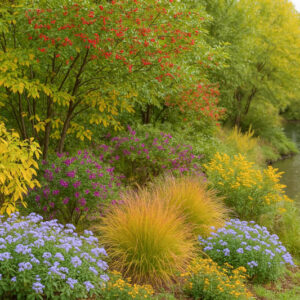
Creekside or Drainage Swale Ribbon
Along a natural creek, roadside ditch, or backyard swale, try:
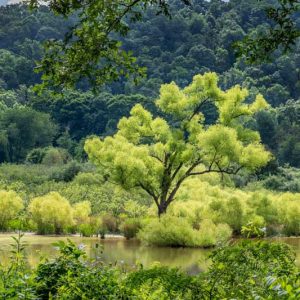
- Bald cypress (Taxodium distichum) or black willow (Salix nigra) spaced as long lived shade trees.
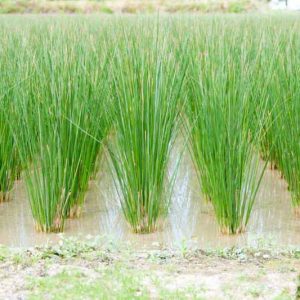
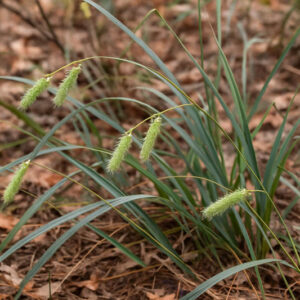
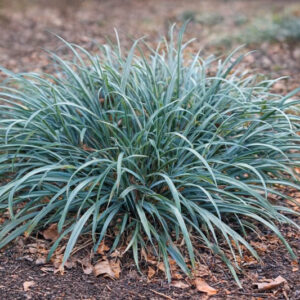
- Soft rush (Juncus effusus) and sedges (Carex species) along the water line for a green edge that traps sediment.
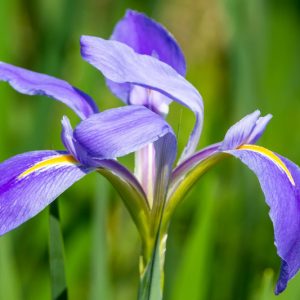
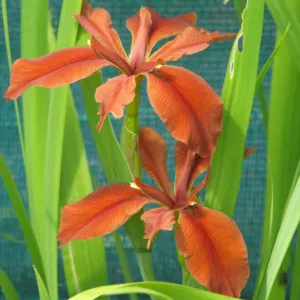
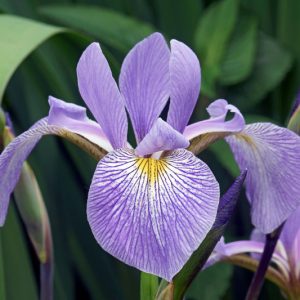
- Cardinal flower (Lobelia cardinalis) and blue flag iris (Iris virginica) in moist pockets for spring and summer color.
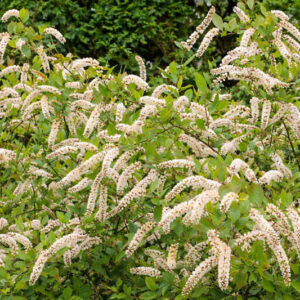
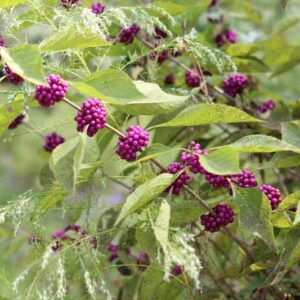
- Virginia sweetspire (Itea virginica) and American beautyberry (Callicarpa americana) on slightly higher ground.
This layered planting stabilizes banks, filters pollutants, and gives birds, amphibians, and pollinators a continuous habitat corridor.
Wet Meadow Wildlife Corner
In a back corner that stays moist or periodically floods, design a mini wet prairie with:
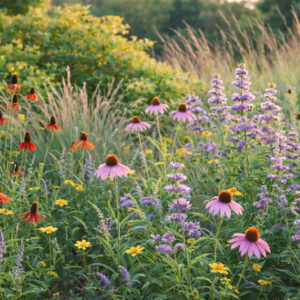
- Swamp sunflower (Helianthus angustifolius) and ironweed (Vernonia species) for tall late season color.
- Switchgrass and big bluestem (Andropogon gerardii) for tall grasses and winter structure.
- Smooth beggartick (Bidens laevis) and blue mistflower for pollinators and fall nectar.
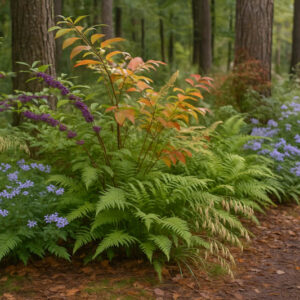
- River fern and moisture loving goldenrods (Solidago species) tucked into shadier spots.
This kind of planting handles flood pulses, feeds birds and pollinators, and gives your garden a naturalized, Texas wetland feel.
Simple Wet Soil Care Tips
- Work with natural grades – let low spots stay low and use them as rain gardens or wet meadows rather than trying to fill and fight them.
- Avoid compaction – stepping on wet soil squeezes out air and hurts roots. Use stepping stones or paths, and stay off saturated beds.
- Plant in bands – line up species by wetness tolerance from deepest basin to outer edge so each plant gets the moisture it prefers.
- Use appropriate mulch – in constantly wet areas, keep mulch thin so crowns do not rot; in seasonally wet sites, a normal layer helps prevent cracking when soil dries.
- Time planting wisely – fall and early spring planting give roots time to establish before summer heat and thunderstorm season.
Why Grow These Wet Soil Natives?
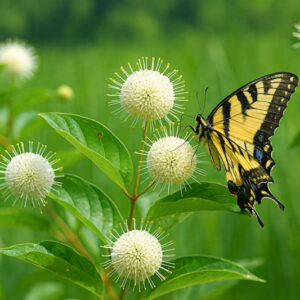
- Cephalanthus occidentalis (Buttonbush) – A signature Texas rain-garden and pond-edge shrub with white, spherical “pin cushion” flowers that draw bees, butterflies, and hummingbirds.
- Asclepias incarnata (Swamp Milkweed) – A monarch host plant that actually prefers moist to wet soil, perfect for low spots, rain-garden basins, and wet ditches.
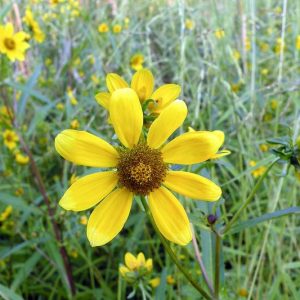
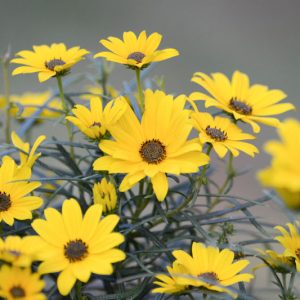
- Helianthus angustifolius (Swamp Sunflower) – Tall, glowing yellow daisies in late summer and fall that thrive in wet, sandy or clay soils and feed birds with seed.
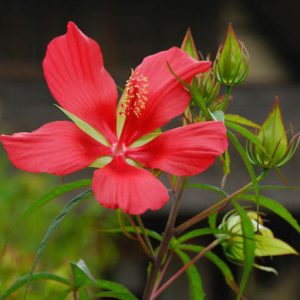
- Hibiscus coccineus (Texas Star Hibiscus) – Dramatic, star-shaped red blooms on tall stems that love the heat and stand happily in boggy beds and pond margins.
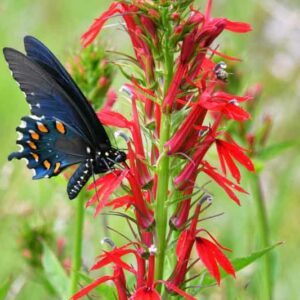
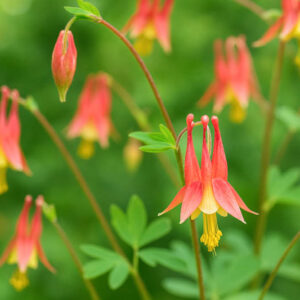
- Lobelia cardinalis (Cardinal Flower) – Brilliant red flower spikes that hummingbirds flock to, ideal for stream edges, seeps, and consistently moist beds.
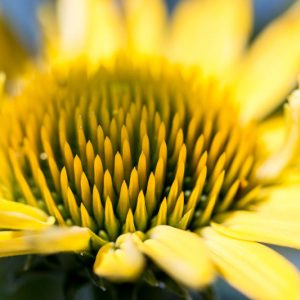
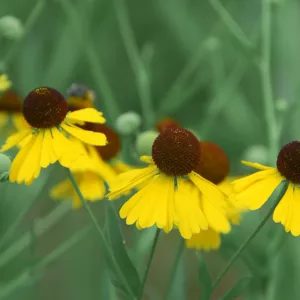
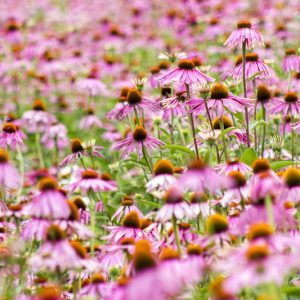
- Rudbeckia maxima (Giant Coneflower) – Huge blue-green leaves and towering cone-flowers that relish damp soil and create instant vertical drama in wet meadows.
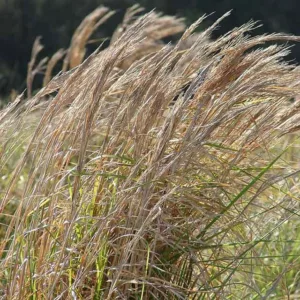
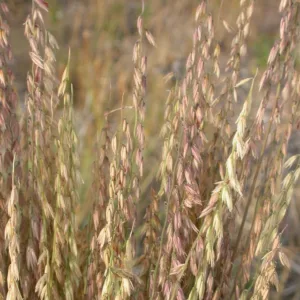
- Andropogon glomeratus (Bushy Bluestem) – A handsome native grass with fluffy bronze seedheads that anchors wet swales and roadside ditches.
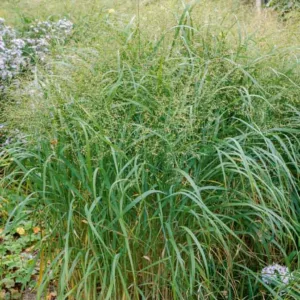
- Panicum virgatum (Switchgrass) – Deep-rooted warm-season grass that handles wet to average soils, stabilizes banks, and provides excellent wildlife cover.
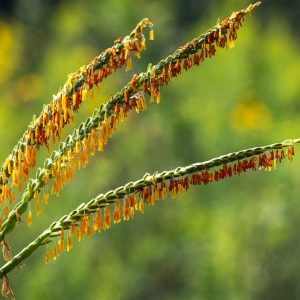
- Tripsacum dactyloides (Eastern Gamagrass) – Bold, fountain-like clumps for moist clay and wet swales, combining erosion control with strong architectural presence.
- Itea virginica (Virginia Sweetspire) – A shrub for moist shade or sun with fragrant spring flowers, rich fall color, and a strong tolerance for periodically flooded soils.
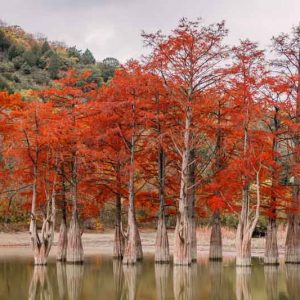
- Taxodium distichum (Bald Cypress) – Iconic Texas wetland tree that thrives along creeks, ponds, and lakes, shrugging off seasonal flooding and providing habitat for countless species.
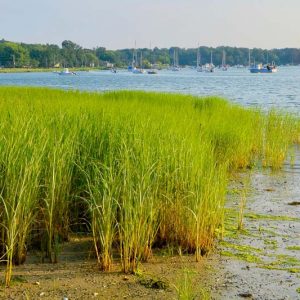
- Spartina alterniflora (Smooth Cordgrass) – Foundation grass for coastal marshes and brackish shorelines, ideal for stabilizing tidal edges and bioswales on the Gulf Coast.
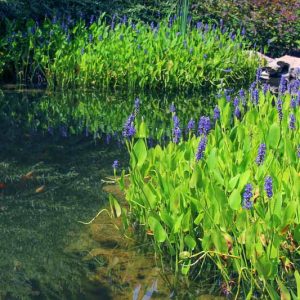
- Pontederia cordata (Pickerelweed) – A handsome aquatic with broad leaves and purple flower spikes that sits happily in shallow water and wet pond shelves.
- Thalia dealbata (Powdery Alligator-Flag) – Striking, tall foliage with purple flower spikes for the warmest pond margins and wetland plantings in East and Southeast Texas.
Bringing It All Together – A Wet Soil Texas Plant Palette
Wet soils in Texas do not have to be wasted space or constant muddy headaches. From East Texas bayous to Gulf Coast marsh fringes, Blackland Prairie swales, and Hill Country seeps, you can turn low spots into vibrant, living rain gardens and wet meadows using native wetland plants. Start by mapping where water naturally collects, then choose a mix of shrubs, grasses, perennials, ferns, and a few trees that match your light and moisture levels.
Let the most flood tolerant plants occupy the deepest zones, stage moisture loving but not flood dependent species on the shoulders, and use more average soil natives to transition into the rest of your yard. Over time, roots will stabilize soil, capture runoff, and create habitat, while you enjoy flowers, foliage, and wildlife action in an area that once felt unusable.
How to Use These Wet Soil Plant Lists
- Begin with your region and site type: bayou edge, urban swale, pond margin, or low backyard basin, then choose plants adapted to that moisture and light.
- Plan in layers. Use trees and tall shrubs sparingly as anchors, then fill around them with medium height perennials and grasses, and finally add low groundcovers and sedges near the water line.
- Match plant wetness tolerance to micro zones. The deepest part of a rain garden gets your most flood tolerant species, while upper edges get those that prefer just moist soil.
- Whenever possible, choose species native to your county or ecoregion so they already match your rainfall patterns, soil chemistry, and temperature swings.
- Let these wet soil plantings connect to the rest of your landscape with broad drifts rather than isolated clumps. The result looks natural, is easier to maintain, and provides better habitat.
Frequently Asked Questions
What counts as “wet soil” in Texas gardens?
In Texas gardening, “wet soil” usually means ground that stays saturated for days after rain, holds standing water in low spots, or lies along creeks, ponds, or seeps. These areas may dry between droughts but are routinely waterlogged in winter and during heavy thunderstorms. Many standard landscape plants decline or rot there, so you need species adapted to low oxygen, fluctuating water levels, and, in some regions, periodic flooding.
Which Texas regions are most likely to have wet or seasonally wet soils?
Wet soils are most common in the East Texas Pineywoods, along the Gulf Coast and Coastal Bend, in bottomland woods and river floodplains across Central and North Texas, and around stock tanks, ponds, and drainage swales statewide. Any low-lying clay basin, creekside terrace, or poorly drained urban lawn can function as “wet soil,” even in otherwise dry regions.
What are some of the best Texas native perennials for wet or seasonally wet soil?
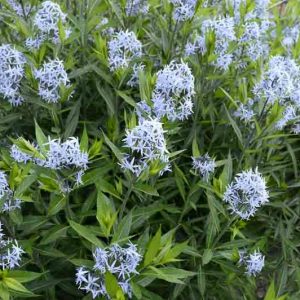
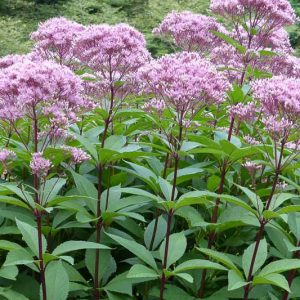
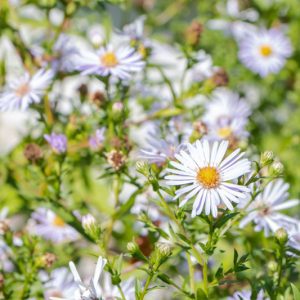
Reliable wet-soil perennials include swamp milkweed (Asclepias incarnata), blue star (Amsonia tabernaemontana), Joe-Pye weed (Eutrochium fistulosum), swamp sunflower (Helianthus angustifolius), Texas star hibiscus (Hibiscus coccineus), smooth beggartick (Bidens laevis), giant coneflower (Rudbeckia maxima), obedient plant (Physostegia virginiana), stiff goldenrod (Oligoneuron rigidum), white panicle aster (Symphyotrichum lanceolatum), and cardinal flower (Lobelia cardinalis). These tolerate periodic flooding yet handle summer heat when soils recede to merely moist.
Which grasses and grass-like plants thrive in wet Texas soils?
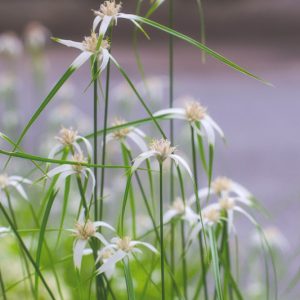
For soggy sites, look to bushy bluestem (Andropogon glomeratus), Eastern gamagrass (Tripsacum dactyloides), switchgrass (Panicum virgatum), smooth cordgrass (Spartina alterniflora) in brackish coastal areas, side-oats grama (Bouteloua curtipendula) on seasonally wet to moist slopes, and star rush (Rhynchospora colorata) at pond edges and in marshy spots. These deep-rooted grasses stabilize soil, slow runoff, and create habitat for wildlife.
What native shrubs are good choices for consistently moist or wet ground?
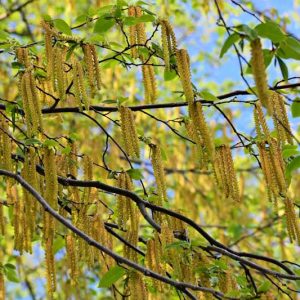
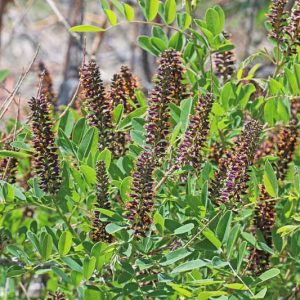
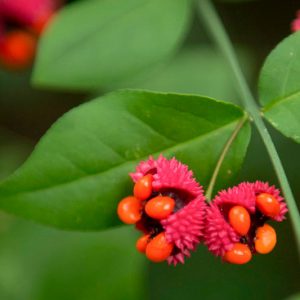
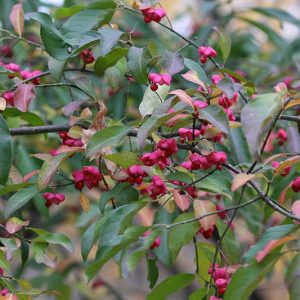
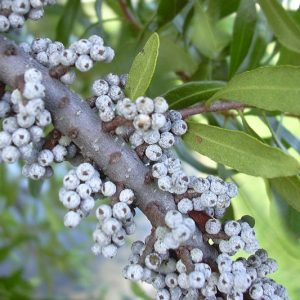
Excellent shrubs for wet soils include buttonbush (Cephalanthus occidentalis), smooth alder (Alnus serrulata), indigo bush (Amorpha fruticosa), American strawberry bush (Euonymus americanus), Eastern wahoo (Euonymus atropurpureus), Virginia sweetspire (Itea virginica), and wax myrtle (Morella cerifera). Most tolerate occasional flooding yet also survive summer dry-downs, making them ideal for rain gardens and stream banks.
Which native trees handle wet feet in Texas?
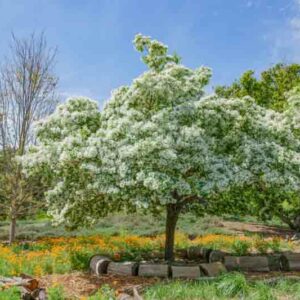
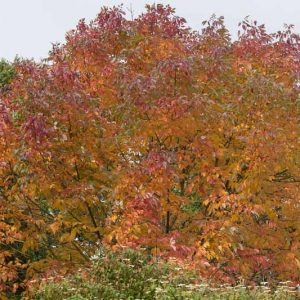
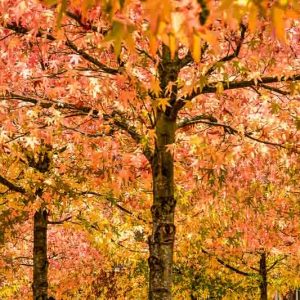
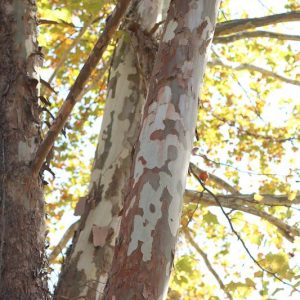
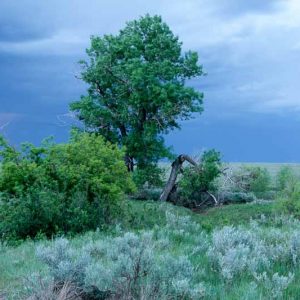
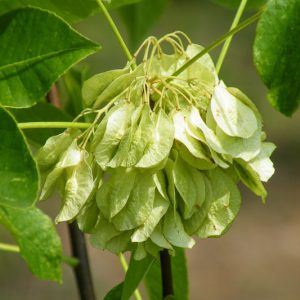
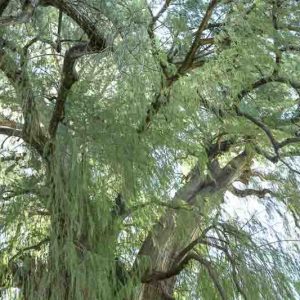
For wet sites, consider bald cypress (Taxodium distichum), Montezuma cypress (Taxodium mucronatum) in warmer areas, black willow (Salix nigra), American sycamore (Platanus occidentalis), Eastern cottonwood (Populus deltoides), pecan (Carya illinoinensis), American elm (Ulmus americana), fringe tree (Chionanthus virginicus), white ash (Fraxinus americana), hop tree (Ptelea trifoliata), and sweet gum (Liquidambar styraciflua). These species evolved in bottomlands, river terraces, and swamps across the state.
What plants work directly in shallow water, pond shelves, or marshy edges?
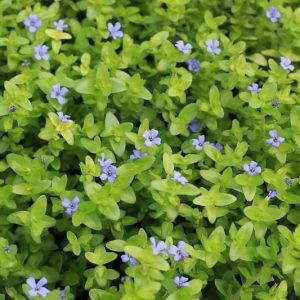
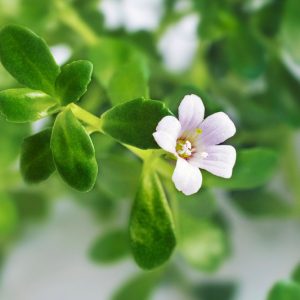
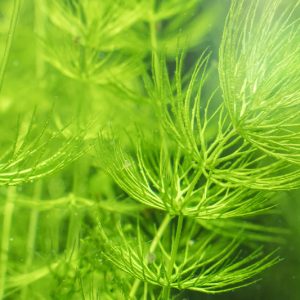
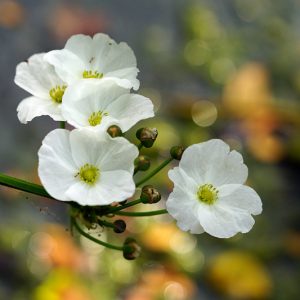
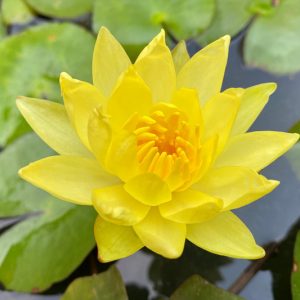
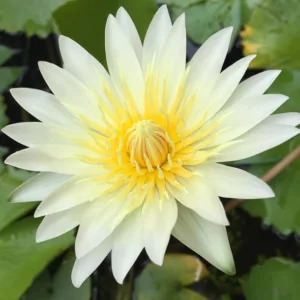
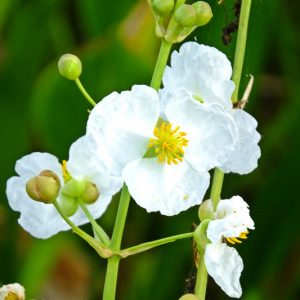
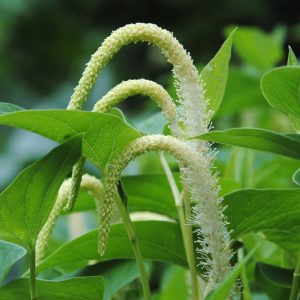
Many Texas natives are true aquatic or emergent species. Good options include swamp milkweed (Asclepias incarnata), pickerelweed (Pontederia cordata), fragrant water lily (Nymphaea odorata), yellow water lily (Nymphaea mexicana), American arrowhead (Sagittaria latifolia), powdery alligator-flag (Thalia dealbata), lizard’s tail (Saururus cernuus), water hyssop (Bacopa monnieri), lemon bacopa (Bacopa caroliniana), creeping burhead (Echinodorus cordifolius), coon’s tail (Ceratophyllum demersum), and star rush (Rhynchospora colorata). Most prefer 1–8 inches of standing water during part or all of the growing season.
I only have seasonally wet soil, not standing water. What plants are best for rain gardens and swales?
For sites that flood after storms but dry between rains, choose flexible species such as buttonbush, Eastern gamagrass, switchgrass, obedient plant, Joe-Pye weed, swamp sunflower, smooth beggartick, stiff goldenrod, white panicle aster, cardinal flower, and Virginia sweetspire. Place the most flood-tolerant plants at the basin bottom and slightly less tolerant shrubs and perennials on the sloping shoulders.
Are there flowering plants for wet shade or part shade in Texas?
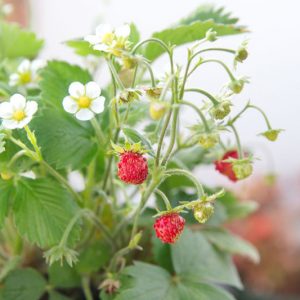
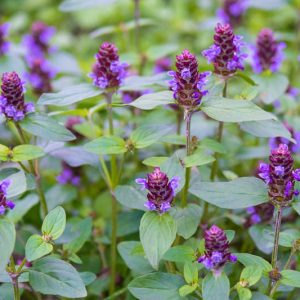
Yes. Cardinal flower (Lobelia cardinalis), Virginia sweetspire (Itea virginica), wild strawberry (Fragaria vesca), selfheal (Prunella vulgaris), partridge berry (Mitchella repens), zigzag iris (Iris brevicaulis), southern blue flag iris (Iris virginica), and American strawberry bush all tolerate moist to wet soils in dappled light. In very wet, bright shade near water, combine these with star rush, lizard’s tail, and river-edge ferns.
Do I need to add gravel or drains to improve wet soil before planting?
In most cases you do not need to “fix” wet soil; you simply need plants adapted to it. French drains and gravel backfill can move water away from foundations, but in landscape beds it is usually better to embrace the wetness and build a small rain garden, wet meadow, or pond edge planting. Over-amending with coarse material in a clay basin can actually create a bathtub effect that traps water. Focus on contouring the site and matching species to natural wetness zones.
Are any wet-soil natives suitable for small urban yards or containers?
Yes. Swamp milkweed, cardinal flower, obedient plant, Joe-Pye weed, blue star, giant coneflower, dwarf pickerelweed, and star rush all adapt well to large containers or small rain gardens, provided they receive consistent moisture. For balcony or patio ponds, plant water lilies, American arrowhead, lizard’s tail, and water hyssop in submerged pots. Containers let you enjoy wetland plants even if your in-ground soil drains quickly.
References
Texas A&M AgriLife Extension – Practical, research-based guidance on managing Texas soils, improving heavy clay, and growing vegetables and ornamentals statewide. Key resources include:
Lady Bird Johnson Wildflower Center – A comprehensive native plant database for North America, with detailed profiles for thousands of Texas-native grasses, perennials, shrubs, vines, and trees.
Native Plant Society of Texas (NPSOT) – Regional native plant lists, chapters, and programs that help you refine plant choices for your specific part of Texas.
Updated: November 2025 Reviewed by Gardenia Editors