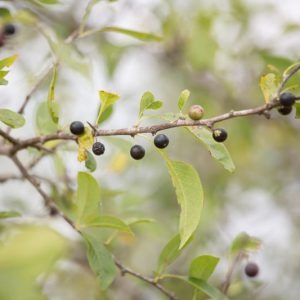
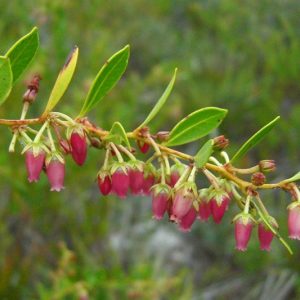
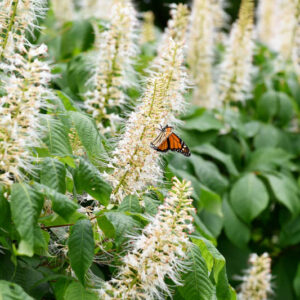
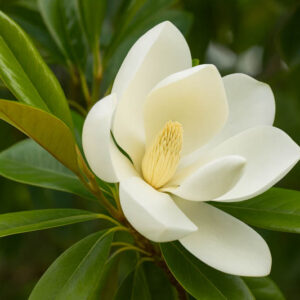
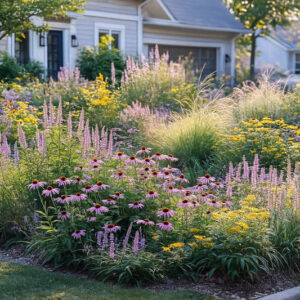
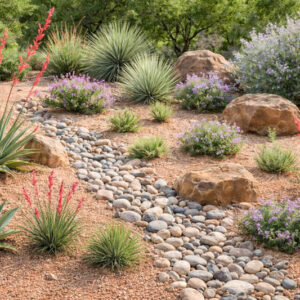
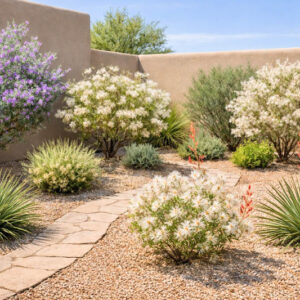
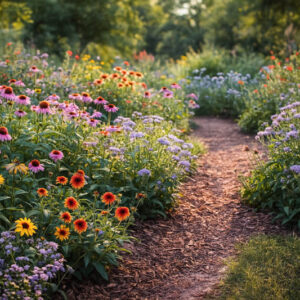
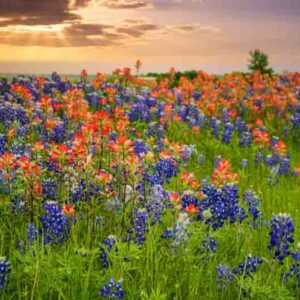
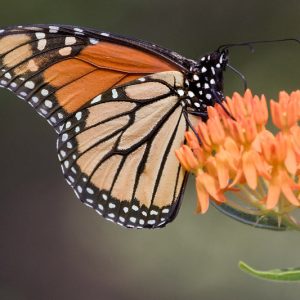
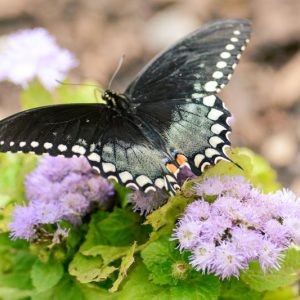
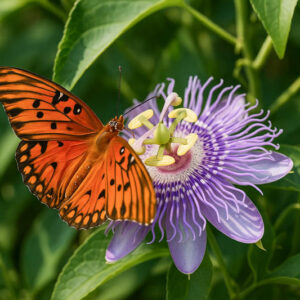
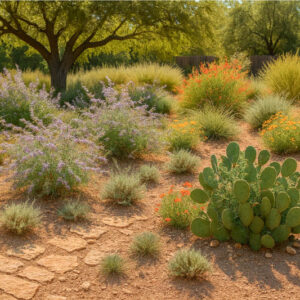
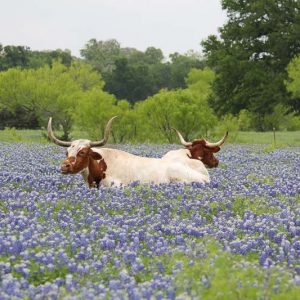
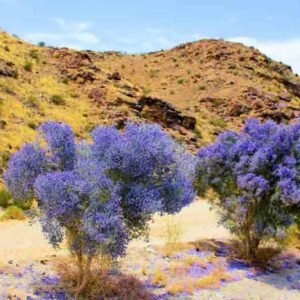
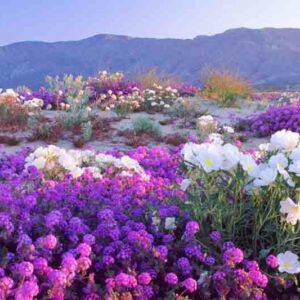
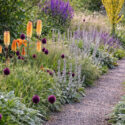
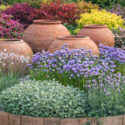
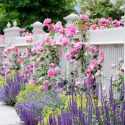
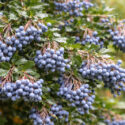
Design a Texas landscape that actually loves your climate. This guide to the best native shrubs by region helps you choose drought tolerant, low maintenance plants for privacy, color and wildlife. From pineywoods to West Texas, build layered borders that stay beautiful in heat, clay, limestone and wild weather.
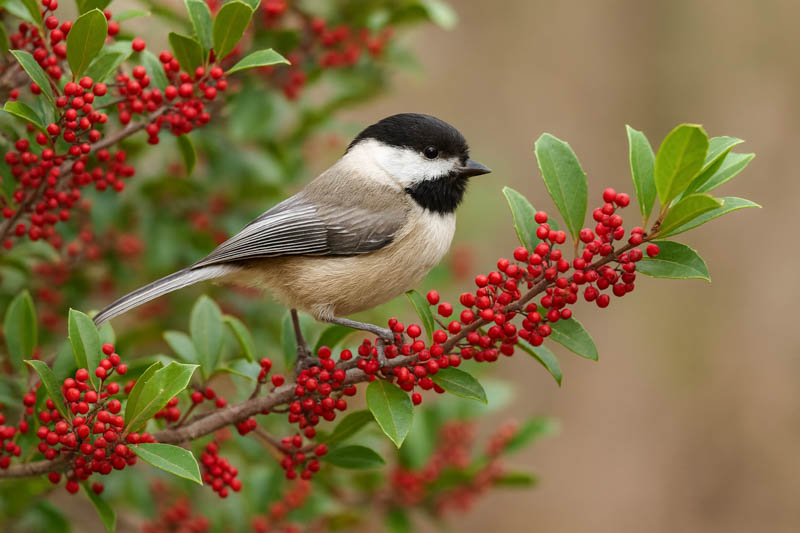


Texas is big, bold and full of wildly different landscapes – pine forests and coastal marshes in the east, blackland prairies and canyons in the middle, high plains and desert further west. The best shrubs for Texas are the ones that already know how to live here. Native Texas shrubs handle searing summer heat, sudden cold snaps and yo yo rainfall while still giving you flowers, berries, fragrance and year-round structure in your garden.
This guide highlights some of the best native and well adapted shrubs for four broad Texas regions so you can match your planting list to your local climate and soils. Use it as a menu to choose long lived evergreen screens, colorful flowering shrubs and wildlife friendly hedges that will really earn their keep in your Texas landscape.
To keep things simple, this guide groups Texas into four broad gardening regions:
You do not have to treat these boundaries as hard lines. Many native shrubs overlap across regions. Use these groups as a starting point, then fine tune with local advice or ecoregion lists.
| Hardiness |
6 - 10 |
|---|---|
| Plant Type | Shrubs |
| Native Plants | United States, Southwest, Texas |
| Toxic to Humans | No known toxicity |
| Toxic to Cats | No known toxicity |
| Toxic to Dogs | No known toxicity |
| Toxic to Horses | No known toxicity |
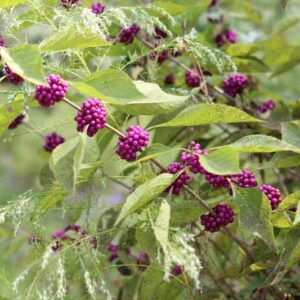
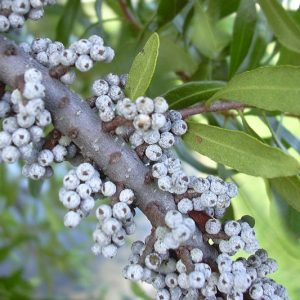
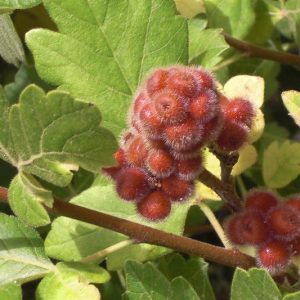
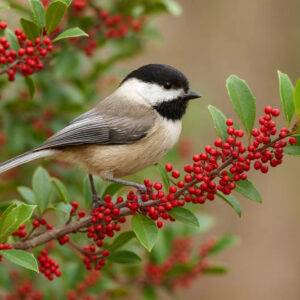
Low, Bird-Friendly Hedge: Combine American Beautyberry, Possumhaw, and Wax Myrtle for a layered hedge that offers berries, evergreen structure, and excellent wildlife value.
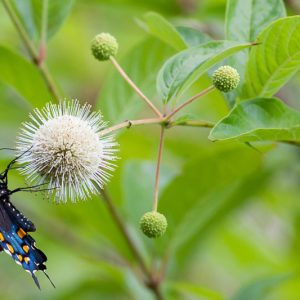
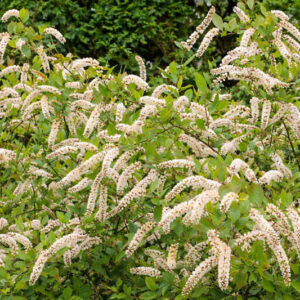
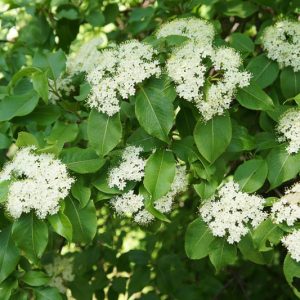
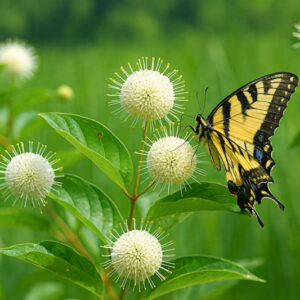
Rain Garden Edge: Plant Buttonbush, Virginia Sweetspire, and Summersweet to transform wet areas into habitat-rich garden features.
From Dallas – Fort Worth across the Blackland Prairie, gardeners deal with heavy clays, hot summers and quick swings between drought and deluge. Native prairie shrubs and adaptable hedging plants that handle sticky soil and full sun are your best allies here for low maintenance Texas landscapes.
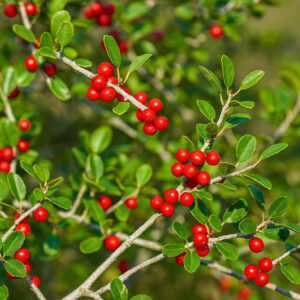
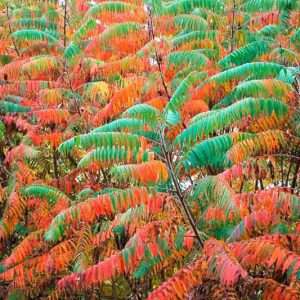
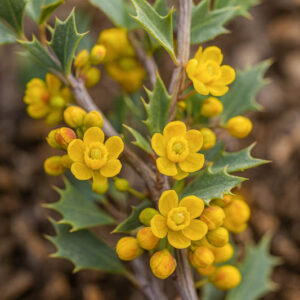
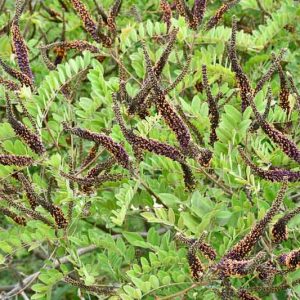
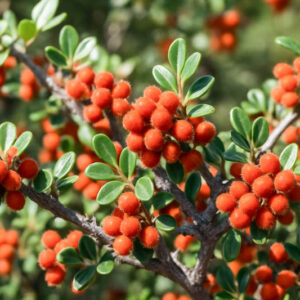
Blackland Prairie & North Central – Dry Clay Bank: For harsh, sunny slopes, use drifts of Fragrant Sumac and accents of Leadplant for drought-proof structure. Add Agarita for evergreen form.
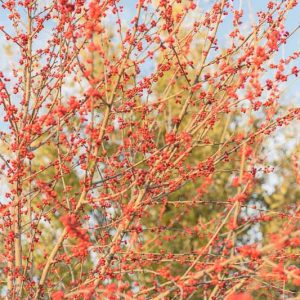
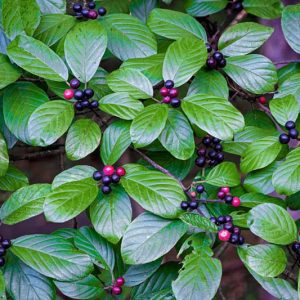
Blackland Prairie & North Central – Wildlife Hedge: Alternate Elbowbush, Roughleaf Dogwood, and Possumhaw to create a loose, natural hedge with four-season wildlife value.
Here limestone rules. Soils are thin and rocky, rainfall is variable and slopes shed water in a hurry. Native shrubs that evolved on these rugged hills have deep roots, leathery foliage and serious drought savvy. Many Hill Country shrubs are evergreen or semi evergreen and provide year round structure and shelter for wildlife.
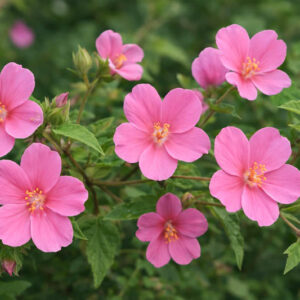
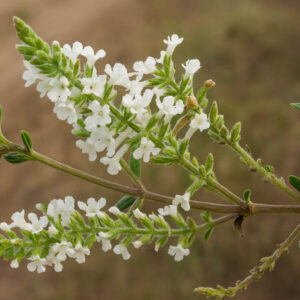
Hill Country & Edwards Plateau – Drought-Proof Border: Mix Agarita, Texas Sage, Pavonia, and Whitebrush for nonstop bloom, structure, and extreme drought tolerance.
High plains and far West Texas gardens face stronger sun, more wind and lower humidity. Rain comes in bursts and soils can be sandy, gravelly or very alkaline. Shrubs here must be truly drought tough, wind firm and comfortable in blazing sun. Many of the best West Texas shrubs come from desert or shortgrass prairie communities and fit beautifully into xeriscapes and rock gardens.
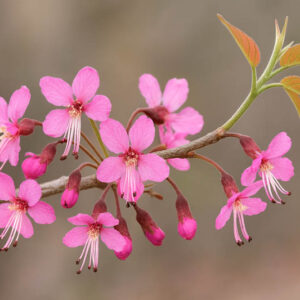
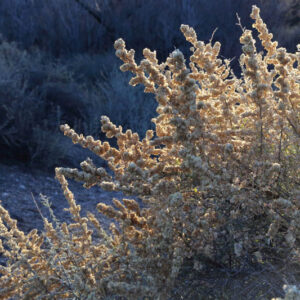
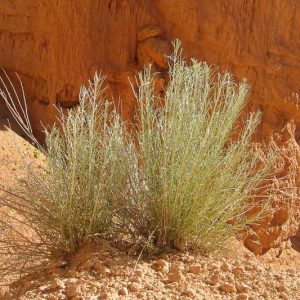
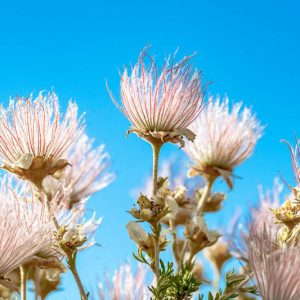
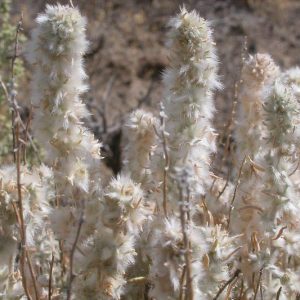
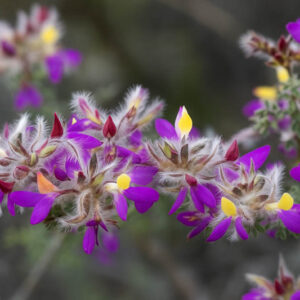
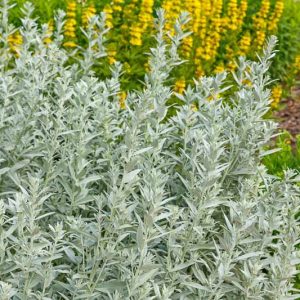
High Plains & West Texas – Desert-Style Foundation Planting: Pair Apache Plume, Four-wing Saltbush, and Winterfat for an ultra-tough, sculptural planting that thrives in heat, wind, and extreme drought.
Many common landscape shrubs in Texas—such as ligustrum, nandina, boxwood, loropetalum, and glossy abelia— offer evergreen structure but provide limited ecological value and may even escape into natural areas. Several, including ligustrum and nandina, are documented invasives in Texas woodlands and riparian corridors.
By contrast, native shrubs are adapted to Texas soils, rainfall, and heat cycles. They support local birds, pollinators, and beneficial insects while reducing irrigation and fertilizer needs.
When a non-native shrub is widely used, this guide offers native “look-alike” options that serve the same landscape function without the ecological drawbacks.
Whether you are in the pineywoods, on a Blackland Prairie lot, on a rocky Hill Country slope or under wide high plains sky, there are native shrubs that will thrive with less water and less fuss. Start with your region, pick a mix of evergreen screens, flowering shrubs and low mounding forms, and then weave in native trees, grasses and wildflowers to complete the picture.
Some widely recommended, tough shrubs for much of Texas include Texas sage (Leucophyllum frutescens), yaupon holly (Ilex vomitoria and dwarf cultivars), wax myrtle (Morella cerifera), various ligustrums (privets), and Loropetalum (“Purple Diamond” types). These are commonly used by Texas landscapers because they tolerate heat, many types handle drought, and most are easy to maintain when properly sited.
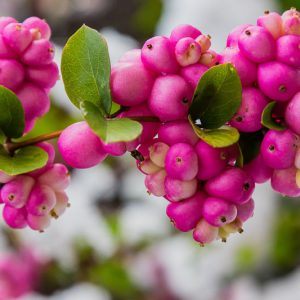
Popular native shrubs include Texas sage, American beautyberry (Callicarpa americana), coralberry (Symphoricarpos orbiculatus), possumhaw holly (Ilex decidua), yaupon holly, and wax myrtle. These appear on city and extension “native plant” lists and in native-plant databases for Texas.
Native shrubs are adapted to Texas heat, drought, and local soils, so they usually need less water, fertilizer, and pest control. They also provide food and shelter for native birds, butterflies, and other wildlife. Gardening articles and the Native Plant Society of Texas emphasize natives for more sustainable, low-maintenance landscapes in the state.
Common evergreen choices include yaupon holly (and dwarf yaupon holly), ligustrums (such as wax-leaf ligustrum and “Sunshine” ligustrum), junipers (like ‘Spartan’), wax myrtle, boxwoods, and some nandinas (especially newer, non-invasive cultivars). These are repeatedly recommended by Texas nurseries and lawn services for North and Central Texas landscapes.
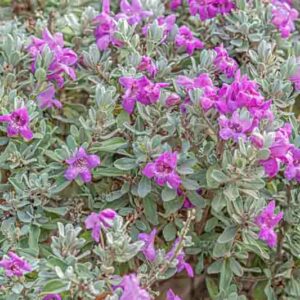
Texas sage is one of the classic drought-tolerant Texas shrubs; it’s native to the Chihuahuan Desert and is prized for silvery foliage and purple, pink, or white flowers that often appear after rain. Other drought-tolerant shrubs frequently recommended for Texas include rosemary, dwarf yaupon holly, some junipers, and certain salvias and sages.
For shady or part-shade spots, local guides often list aucuba, American beautyberry, coralberry, boxwood, azalea, Chinese fringe flower (Loropetalum), and some gardenias as reliable shrubs.
For evergreen screening, Texans often use wax-leaf ligustrum, ‘Spartan’ juniper, various hollies (like yaupon or Nellie Stevens types), wax myrtle, and sometimes tall nandinas or cherry laurel where they’re not invasive or restricted. These shrubs form dense foliage and are marketed specifically for privacy in North Texas landscape guides
Flowering standouts include Texas sage (purple / pink / white blooms), American beautyberry (purple berry clusters after pale flowers), many roses suited to the region, various salvias, and some azaleas in areas with more acidic soil. Texas sage in particular is highlighted as both ornamental and tough in recent drought-tolerant plant lists
Dwarf yaupon holly (often 2–4 feet tall depending on cultivar), ‘Micron’ yaupon holly (around 2 × 2 feet), compact nandina varieties, and dwarf ligustrums are frequently promoted for low hedges and small spaces. Extension-oriented resources describe dwarf yaupon holly as a compact, drought-tolerant Texas native well suited to foundation plantings.
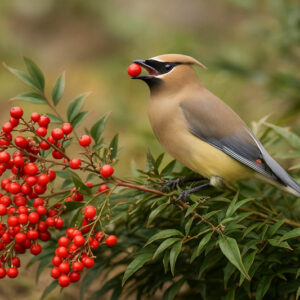
American beautyberry and possumhaw holly provide berries for birds; wax myrtle also offers food and cover. Flowering shrubs like Texas sage, salvias, and native wildflower-type subshrubs (such as Blackfoot daisy) attract bees, butterflies, and other pollinators. Recent articles on water-wise gardening in West Texas highlight Blackfoot daisy as a tough, pollinator-friendly choice
Yes. Garden experts warn that several invasive plants are illegal to grow or sell in Texas, including purple loosestrife, kudzu vine, salt cedar (tamarisk), Chinese tallow tree, and Brazilian peppertree. They recommend choosing non-invasive natives or adapted shrubs instead, such as yaupon holly and other Texas-friendly species.
In most of Texas, fall through early spring is ideal for planting shrubs. Cooler temperatures and seasonal rains allow roots to establish before the extreme heat of summer. Texas A&M AgriLife and city “Grow Green” guides generally recommend fall planting for trees and shrubs to improve survival and reduce water needs.
Newly planted shrubs usually need deep watering several times per week for the first few weeks, then weekly (or as needed) for the first growing season, depending on rainfall and soil. The goal is to keep the root ball moist but not waterlogged. After establishment, many native and drought-tolerant shrubs can be watered deeply but infrequently. Water-conservation guides for Central Texas stress deep, occasional watering over frequent, shallow watering
Most native and well-adapted shrubs need little or no fertilizer once established, especially in ordinary garden soil. Over-fertilizing can push weak, lush growth and increase water needs. Some Texas A&M materials even note that fertilizer recommendations can be reduced significantly for many landscape plants without hurting performance
Updated: November 2025 • Reviewed by Gardenia Editors
Create a membership account to save your garden designs and to view them on any device.
Becoming a contributing member of Gardenia is easy and can be done in just a few minutes. If you provide us with your name, email address and the payment of a modest $25 annual membership fee, you will become a full member, enabling you to design and save up to 25 of your garden design ideas.
Join now and start creating your dream garden!
Create a membership account to save your garden designs and to view them on any device.
Becoming a contributing member of Gardenia is easy and can be done in just a few minutes. If you provide us with your name, email address and the payment of a modest $25 annual membership fee, you will become a full member, enabling you to design and save up to 25 of your garden design ideas.
Join now and start creating your dream garden!