Create Your Garden

Yellow Peach Varieties for Beginners, Patios, and Small Orchards

Discover the best yellow peach varieties for every climate and kitchen. Compare low, mid, and high-chill options, freestone vs clingstone, and harvest windows. Get picks for canning, grilling, and fresh eating, plus planting tips, pruning basics, and flavor notes to grow juicier peaches at home this season with ease now.
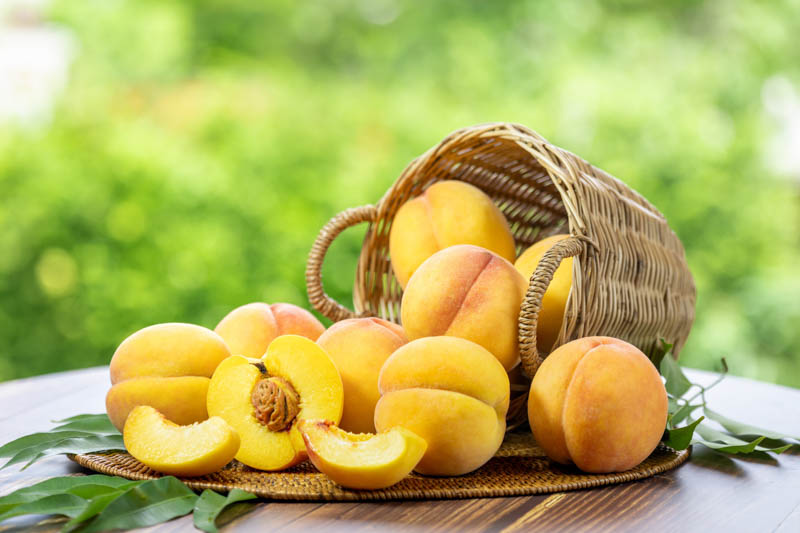
Yellow Peach, Yellow Peaches, Peach, Peaches, Peach Tree, Peach Blossom, Prunus persica

Popular Yellow Peach Varieties: Sun-Bright Classics You Can Grow, Savor, and Share

If you’ve ever leaned over the sink with juice running down your wrist and thought, “That is summer,” you were probably eating a yellow peach. These are the bright, sweet-tart classics—fragrant, sunny, and versatile. Yellow peaches hold their character on the grill, make legendary pies and cobblers, and can like a dream. This guide spotlights the most popular yellow-fleshed peaches—how they taste, where they thrive, and which ones belong in your backyard.

TL;DR (Too Long; Didn’t Read)

  • Why yellow? A lively sweet-tart bite that shines in baking, grilling, and canning.
  • Match your chill. Choose cultivars with winter chill needs that fit your area (low, mid, high) for reliable bloom and fruit set.
  • Pit type matters. Freestone for easy slicing/canning; clingstone for ultra-juicy eating.
  • Train to a vase shape. Open-center pruning floods fruit with sun and simplifies harvest.

Quick Facts: Yellow Peaches

Botanical Name Prunus persica (yellow-fleshed cultivars)
Flavor Profile Sweet with balancing acidity; classic “peachy” aroma and tang
Zones & Chill Commonly USDA 5–9; select chill band to match your winters (~100–1,000 hours)
Pit Types Freestone, semi-freestone, or clingstone depending on cultivar
Main Uses Fresh eating, grilling, baking, cobblers & pies, jam, canning, smoothies

What Makes a Peach “Yellow” (and Why Bakers Love It)

Yellow peaches carry more natural acidity than white peaches. That sprightly tang lifts flavors in pies, crisps, and cobblers, stands up to heat on the grill, and balances sweetness in jam and preserves. They’re also the traditional choice for home canning because their acidity is typically in a safe range when using tested, up-to-date recipes.

Yellow vs. White Peaches

  • Yellow: Bright, sweet-tart, “classic peach” flavor; superb for cooking, canning, and fresh eating.
  • White: Lower acid, very floral and sweet; best for fresh eating and chilled desserts.

How to Choose the Right Yellow Peach Tree

  • Chill hours: Match the cultivar’s chill requirement to your local winter. Low-chill types thrive in mild coastal or desert climates; mid- and high-chill peaches suit colder winters.
  • Harvest window: Stagger early, mid, and late varieties to eat from early summer into fall.
  • Pit type: Freestone makes slicing/canning easy; clingstone = amazing juicy bites early in the season.
  • Tree size: Standard trees are often maintained at 12–15 ft with pruning; dwarfs and genetic dwarfs fit patios.
  • Local proof: Ask nearby growers, nurseries, or your cooperative extension which cultivars excel in your microclimate.

Popular Yellow Peach Varieties (By Chill Band & Season)

Below is a practical, orchard-tested shortlist. Availability varies by nursery and region—use this as a starting point, then pair with local advice.
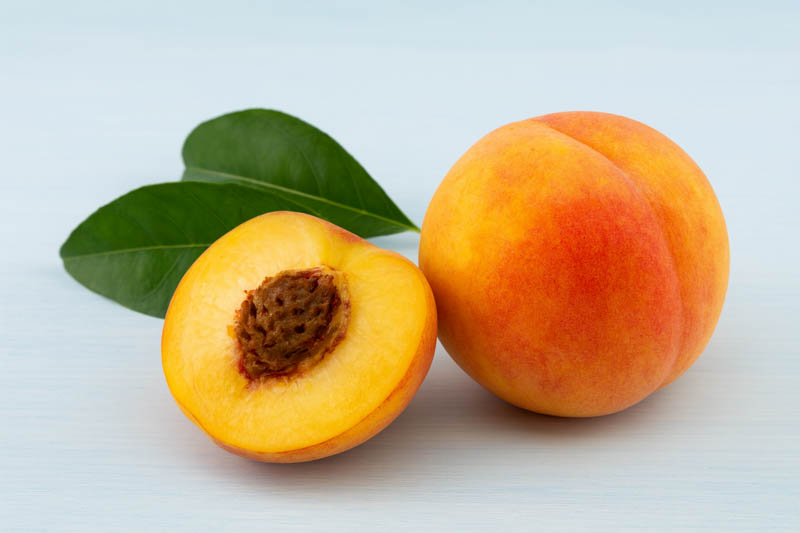
Desert Gold Peach, Yellow Peach, Peach, Peaches, Peach Tree, Peach Blossom, Prunus persica

Desert Gold Peach – Prunus persica ‘Desert Gold’
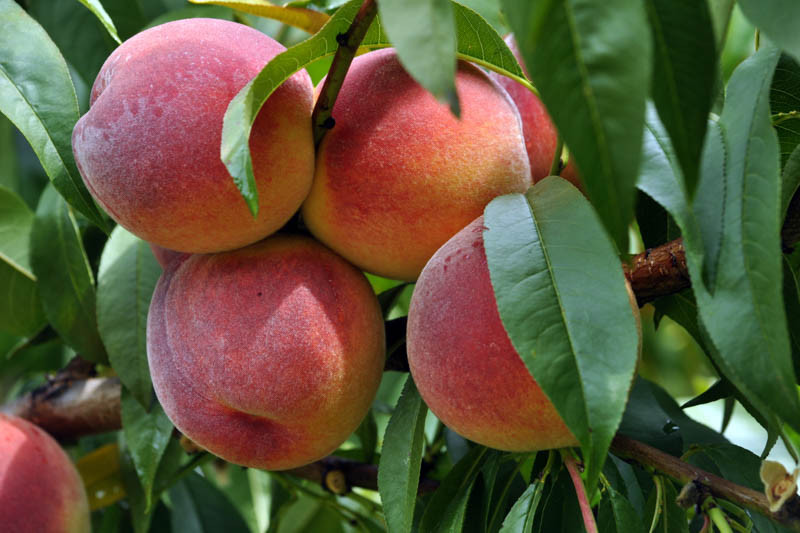
Low-Chill Yellow Peaches (mild winters, coastal belts, low deserts)

‘Desert Gold’

  • Why grow it: One of the earliest for warm climates; reliable crops where winters are brief.
  • Season: Very early.
  • Pit: Clingstone.
  • Best for: First taste of summer, fresh eating, early cobblers.

‘Flordaprince’

  • Why grow it: Bred for low-chill regions; excellent flavor for such an early peach.
  • Season: Early.
  • Pit: Clingstone.
  • Best for: Fresh eating; great backyard “season starter.”

‘Tropic Beauty’

  • Why grow it: Low chill with better color and sweetness than many ultra-early types.
  • Season: Early.
  • Pit: Semi-freestone when fully ripe.
  • Best for: Fresh eating, quick skillet desserts.

‘Mid-Pride’

  • Why grow it: Excellent flavor and color in warm-winter climates; a favorite in California backyards.
  • Season: Mid.
  • Pit: Freestone.
  • Best for: All-purpose: fresh, grilled, canned.

‘Eva’s Pride’

  • Why grow it: Early peach with surprisingly rich flavor and good size in mild winters.
  • Season: Early.
  • Pit: Semi-freestone to freestone at full ripeness.
  • Best for: Fresh slices, early cobblers, jam.

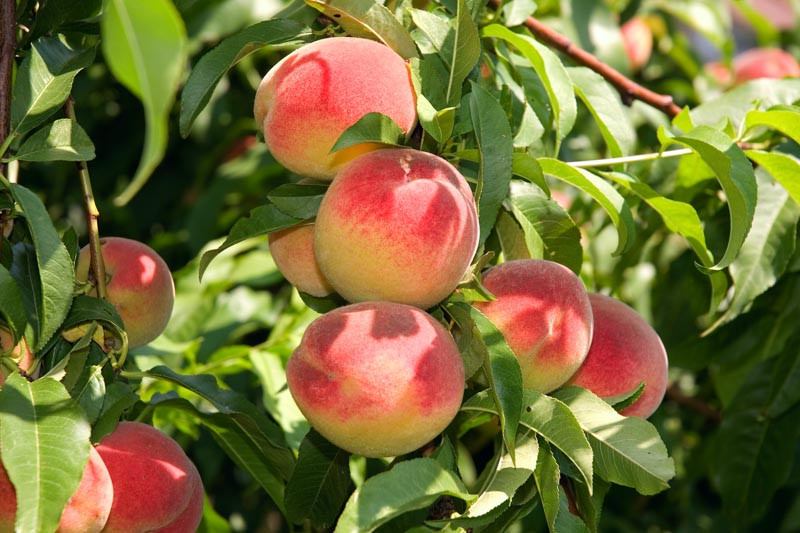
Prunus persica 'Redhaven', Peach 'Redhaven', Peach Tree, Flowering Tree, Fruit Tree

Redhaven Peach – Prunus persica ‘Redhaven’
Mid-Chill Yellow Peaches (classic interior valleys and many backyard sites)

Redhaven

  • Why grow it: The gold standard for flavor, productivity, and adaptability.
  • Season: Mid.
  • Pit: Freestone.
  • Best for: Everything—fresh eating, baking, canning.

‘Cresthaven’

  • Why grow it: Large fruit with firm, fine-textured flesh that resists browning—excellent for canning and freezing.
  • Season: Mid–late.
  • Pit: Freestone.
  • Best for: Slicing, canning halves, pies.

‘Suncrest’

  • Why grow it: Famous for fragrance and old-fashioned flavor; the peach in David Mas Masumoto’s memoir Epitaph for a Peach.
  • Season: Mid (often mid–late depending on region).
  • Pit: Freestone.
  • Best for: Fresh eating and showpiece desserts.

‘Loring’

  • Why grow it: Big, beautiful fruit with melting texture; beloved in many regions.
  • Season: Mid.
  • Pit: Freestone.
  • Best for: Fresh and canning.

‘Glohaven’

  • Why grow it: Nearly fuzzless skin, firm yellow flesh, and minimal browning—great processing peach.
  • Season: Mid.
  • Pit: Freestone.
  • Best for: Canning/freezing, tidy slices for tarts.

‘Redskin’

  • Why grow it: Attractive red blush with classic peach flavor; a dependable midseason cropper.
  • Season: Mid.
  • Pit: Freestone.
  • Best for: General use at home.

Prunus persica 'Elberta', Peach 'Elberta', Peach Tree, Flowering Tree, Fruit Tree

Elberta Peach – Prunus persica ‘Elberta’

High-Chill & Cold-Hardy Yellow Peaches (cold-winter regions—confirm local recommendations)

Elberta

  • Why grow it: The old standard: big, golden fruit with classic flavor; great for canning.
  • Season: Mid–late.
  • Pit: Freestone.
  • Best for: Fresh, pies, jars on your pantry shelf.

‘O’Henry’

  • Why grow it: Bold, wine-like sweetness and aroma; a late-season cult favorite among peach fans.
  • Season: Late.
  • Pit: Freestone.
  • Best for: Desserts, fresh wedges, dehydrating.

Reliance

  • Why grow it: Bred for cold climates; reliable crops after tough winters.
  • Season: Early–mid.
  • Pit: Freestone.
  • Best for: Northern backyards needing dependable performance.

Contender

  • Why grow it: Another cold-hardy champion; excellent dessert flavor.
  • Season: Mid.
  • Pit: Freestone.
  • Best for: Fresh eating, baking, freezing.

Hale Haven

  • Why grow it: Classic, aromatic fruit with firm texture; widely adapted where proper chill accumulates.
  • Season: Mid.
  • Pit: Freestone.
  • Best for: Fresh and baking.

‘Fairtime’

  • Why grow it: Late-season peach that stretches harvest into early fall in many climates.
  • Season: Late.
  • Pit: Freestone.
  • Best for: Extending the season; pies after everyone else is done.

‘Autumn Prince’

  • Why grow it: Very late, richly flavored fruit—one more reason to hold onto summer.
  • Season: Very late.
  • Pit: Freestone.
  • Best for: Fresh and baking; keeps the peach party going.

At-a-Glance Comparison (Yellow Peach Highlights)

Variety Season Pit Chill Band Notes
Desert Gold Very early Clingstone Low Ultra-warm regions; kicks off the season
Flordaprince Early Clingstone Low Low-chill standout; fresh eating
Mid-Pride Mid Freestone Low–mid Backyard favorite in warm zones
Redhaven Mid Freestone Mid–high Benchmark flavor and reliability
Cresthaven Mid–late Freestone Mid–high Firm, slow-browning flesh (great for canning)
Elberta Mid–late Freestone High Heirloom classic for pies & jars
O’Henry Late Freestone High Bold flavor, aromatic slices
Contender Mid Freestone High Cold-hardy, excellent dessert quality
Reliance Early–mid Freestone High Northern stalwart
Hale Haven Mid Freestone High Aromatic, widely adapted

Chill bands are guidelines; confirm best matches with regional nurseries or your county extension office.
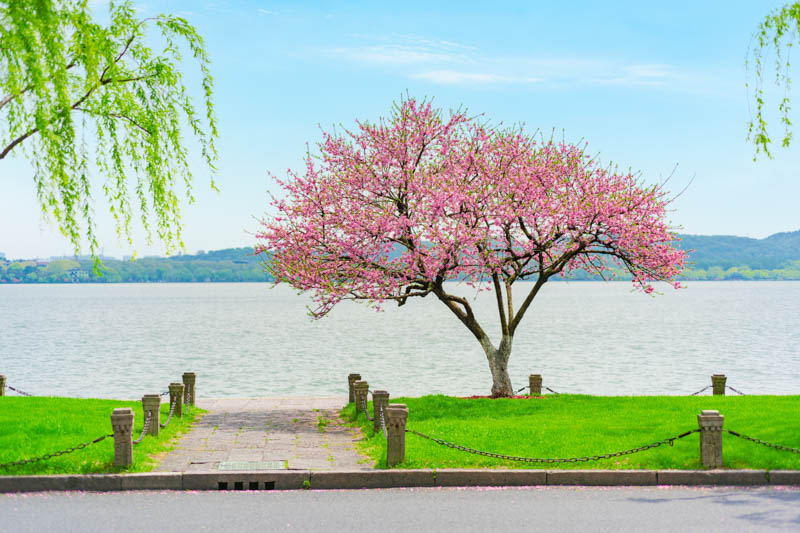
Peach, Peaches, Peach Tree, Peach Blossom, Prunus persica


Growing Yellow Peaches (Care Basics)

Care for yellow peaches is identical to other peaches: full sun, good airflow, and smart pruning make all the difference.

Site and Soil

  • Sun: Full sun for color, sugars, and faster drying after dew/rain.
  • Drainage: Peaches resent soggy soil. In clay, plant on a broad, low mound and mulch widely.
  • pH: Slightly acidic to neutral (about 6.0–7.0) with steady organic matter.

Training & Pruning

Use an open-center (vase) system with three to four scaffolds. Winter sets structure; summer touch-ups maintain light and air.

Water & Feeding

  • Water: Deep, infrequent irrigation is best. Keep soil evenly moist during fruit swell; back off just before harvest if your site allows to concentrate flavor.
  • Feeding: A modest spring feeding—or simply a ring of compost—is plenty for most home trees. Excess nitrogen reduces flavor and invites pests.

Fruit Thinning

  • At marble size, thin to one fruit every four to six inches of branch. This single habit yields bigger, sweeter fruit and spares limbs.

Companions & Understory

For pollinators and pest balance, consider a simple guild of peach companion plants (e.g., sweet alyssum, dill, yarrow, clover). Keep a mulch “donut” 12–24 inches from the trunk—no plants touching bark.
Key Pests & Diseases

  • Peach leaf curl (UC IPM): Puckered red leaves in spring. Plant tolerant cultivars where available and use timely dormant sprays where allowed and appropriate in your region.
  • Brown rot of stone fruit (UC IPM): Blossom blight and pre-harvest fruit rot. Prune for airflow, thin fruit, remove mummies.
  • Peach twig borer & oriental fruit moth: Monitor and follow regional thresholds and controls.
  • Aphids & scale: Encourage beneficials, wash off with water, and use horticultural oils during dormancy where appropriate.

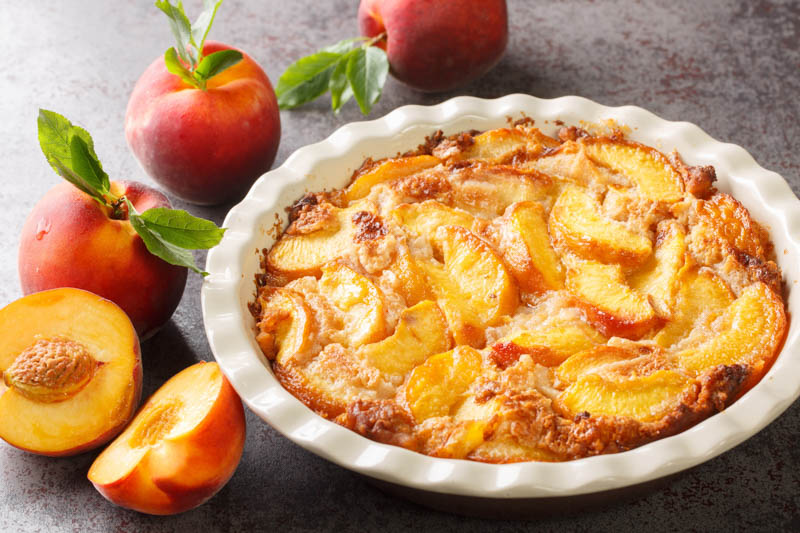
Peach Cobbler, Peach, Peaches, Peach Tree, Peach Blossom, Prunus persica


Kitchen Uses: Let Yellow Peaches Shine

  • Grilled halves: Brush with oil, grill cut-side down, finish with yogurt and honey or goat cheese and thyme.
  • Peach pie, cobbler, crisp: Yellow peaches keep bright character in the oven—perfect with cinnamon or cardamom.
  • Jam & preserves: Balanced acidity makes dependable spreads.
  • Canned peaches: Slip skins, halve, and hot-pack in light syrup or juice.
  • Smoothies: Freeze slices at peak and blend year-round.

Nutrition Snapshot

Yellow peaches deliver hydration, vitamin C, potassium, fiber, and colorful carotenoids with friendly calories.

Nutrient (per 100 g fresh) Amount
Calories ~39
Carbohydrates ~9–10 g
Fiber ~1–2 g
Protein ~0.9 g
Vitamin C ~6–10 mg
Potassium ~150–200 mg
Vitamin A carotenoids Present; higher in yellow-fleshed types

A medium peach weighs ~150 g and lands near ~60 calories.


Frequently Asked Questions

Are yellow peaches a different species from white peaches?

No—both are Prunus persica. The difference is flesh color and typical acidity, which influences flavor and best uses.

Which yellow peaches are best for canning?

Freestone classics like ‘Elberta’, ‘Cresthaven’, ‘Glohaven’, and ‘Redhaven’ hold texture and color well. Use a tested canning guide (NCHFP).

What yellow peaches suit cold climates?

Look to high-chill or hardy cultivars such as ‘Reliance’, ‘Contender’, ‘Glohaven’, ‘Cresthaven’, and ‘Hale Haven’—but always verify with local nurseries.

How do I get larger, sweeter fruit?

Sunlight, open-center pruning, and thinning at marble size to one fruit every 4–6 inches are the big levers. Steady soil moisture during fruit swell helps, too.

Do I need two trees for pollination?

Most modern peaches are self-fertile. A second tree can help in poor bloom weather, but it isn’t required.


Buying Tips & Planting-Day Checklist


Safety & Pets

The edible flesh is safe, but the pit (seed) contains the cyanogenic glycoside amygdalin. Do not chew or ingest pits; keep them away from children and pets. The seeds are a problem for cats, dogs, and horses. Dispose of pits and processing waste responsibly.


Final Word

Yellow peaches are the backbone of summer cooking: bright, aromatic, and sturdy enough to grill, bake, or can—yet still perfect eaten out of hand. Whether your climate favors early low-chill stars like ‘Desert Gold’ and ‘Flordaprince’, midseason icons like ‘Redhaven’ and ‘Suncrest’, or late powerhouses like ‘O’Henry’ and ‘Autumn Prince’, there’s a yellow peach ready to light up your kitchen. Match the chill, train to a vase, thin for flavor, and savor that first slice—sun-bright, fragrant, and perfectly, unmistakably peach.

References

Guide Information

Hardiness 5 - 9
Heat Zones 1 - 8
Climate Zones 3, 3A, 3B, 4, 5, 6, 7, 8, 9, 10, 11, 12, 13, 14, 15, 16, 17, 18, 19, 20, 21, 22, 23, 24
Plant Type Fruits, Trees
Plant Family Rosaceae
Genus Peaches, Prunus - Fruit Tree
Exposure Full Sun
Season of Interest Spring (Early, Mid, Late), Summer (Early, Mid, Late), Fall
Height 12' - 25' (3.7m - 7.6m)
Spread 12' - 25' (3.7m - 7.6m)
Maintenance High
Water Needs Average
Soil Type Chalk, Clay, Loam, Sand
Soil pH Acid, Neutral
Soil Drainage Moist but Well-Drained
Characteristics Showy, Fruit & Berries
Attracts Bees, Butterflies, Birds

Recommended Guides

Best Peach Companion Plants (and Ones to Avoid)
Edible Ornamentals: Peppers That Look as Good as They Taste
Edible Flowers for Cocktails: Top Picks for Beautiful and Flavorful Sips
Edible Flowers: 30 Beautiful Blooms to Grow for Garden and Table
The Health Benefits of Eating a Kiwi Fruit
Persimmon Guide: Fuyu, Hachiya, Saijo & Beyond
From Garden to Kitchen: The Many Flavors of Anise
Nuts That Help You Thrive: Comparing the Top 11 for Health Benefits
Tropical Fruits You’ve Probably Never Heard Of (But Should Try!)
While every effort has been made to describe these plants accurately, please keep in mind that height, bloom time, and color may differ in various climates. The description of these plants has been written based on numerous outside resources.

Guide Information

Hardiness 5 - 9
Heat Zones 1 - 8
Climate Zones 3, 3A, 3B, 4, 5, 6, 7, 8, 9, 10, 11, 12, 13, 14, 15, 16, 17, 18, 19, 20, 21, 22, 23, 24
Plant Type Fruits, Trees
Plant Family Rosaceae
Genus Peaches, Prunus - Fruit Tree
Exposure Full Sun
Season of Interest Spring (Early, Mid, Late), Summer (Early, Mid, Late), Fall
Height 12' - 25' (3.7m - 7.6m)
Spread 12' - 25' (3.7m - 7.6m)
Maintenance High
Water Needs Average
Soil Type Chalk, Clay, Loam, Sand
Soil pH Acid, Neutral
Soil Drainage Moist but Well-Drained
Characteristics Showy, Fruit & Berries
Attracts Bees, Butterflies, Birds

Related Items

Please Login to Proceed

You Have Reached The Free Limit, Please Subscribe to Proceed

Subscribe to Gardenia

To create additional collections, you must be a paid member of Gardenia
  • Add as many plants as you wish
  • Create and save up to 25 garden collections
Become a Member

Plant Added Successfully

Your garden is taking shape. Unlock full planning.

You’ve reached the free limit. Upgrade for $25/year to add as many plants as you wish and save up to 25 garden collections. Unlock Annual Membership

Update Your Credit
Card Information

Cancel

Create a New Collection

Sign Up to Our Newsletter

    You have been subscribed successfully

    Join Gardenia.net

    Create a membership account to save your garden designs and to view them on any device.

    Becoming a contributing member of Gardenia is easy and can be done in just a few minutes. If you provide us with your name, email address and the payment of a modest $25 annual membership fee, you will become a full member, enabling you to design and save up to 25 of your garden design ideas.

    Join now and start creating your dream garden!

    Join Gardenia.net

    Create a membership account to save your garden designs and to view them on any device.

    Becoming a contributing member of Gardenia is easy and can be done in just a few minutes. If you provide us with your name, email address and the payment of a modest $25 annual membership fee, you will become a full member, enabling you to design and save up to 25 of your garden design ideas.

    Join now and start creating your dream garden!
    Find your Hardiness Zone

    Find your Heat Zone

    Find your Climate Zone