Berberis darwinii may look like the perfect evergreen hedge, but in some regions Darwin’s barberry turns into a serious invasive shrub. Discover why it spreads so aggressively, how to remove established thickets safely, and which stunning native alternatives will give you year-round color without harming local ecosystems.
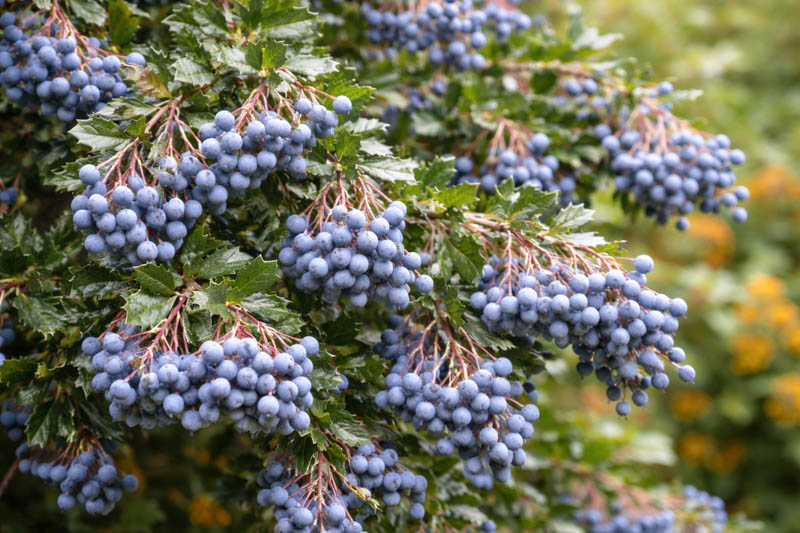


Berberis darwinii, or Darwin’s barberry, is a beautiful evergreen shrub – but in the wrong climate it behaves like a serious invasive plant. Its bright orange flowers and bird-loved berries help it spread far beyond gardens, allowing it to form dense thickets that outcompete native shrubs and tree seedlings.
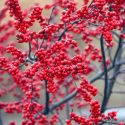
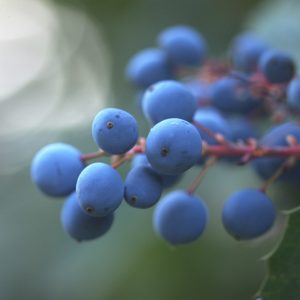
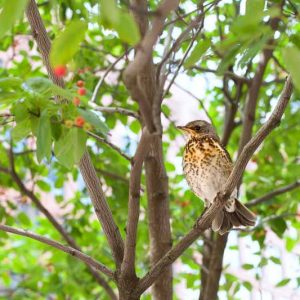
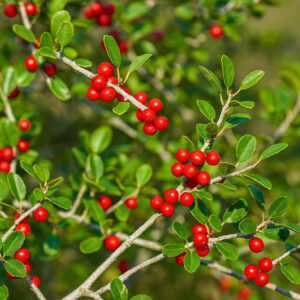
The key to Darwin’s barberry’s invasiveness is how easily it spreads and how tough it is once established. The shrub produces masses of berries that are eagerly eaten by birds and other animals. The seeds pass through their digestive systems and are deposited far from the original planting, often in native forests, scrub, and along streams.
Those seeds germinate readily, even in poor or rocky soils. Seedlings tolerate shade, drought once established, and competition from grasses. Because Berberis darwinii is evergreen and very dense, mature plants cast heavy shade and create thorny thickets that suppress native seedlings underneath. In many invaded sites, you see carpets of Darwin’s barberry seedlings and very few young native trees.
The shrub can also spread locally by underground runners and re-sprout vigorously after cutting. Combined with its spiny, hard-to-handle branches, this makes mature infestations difficult and time-consuming to clear if they are allowed to get out of hand.
Berberis darwinii is native to southern Chile and Argentina, but it has escaped cultivation in several temperate regions. It is regarded as a serious environmental weed in New Zealand, where it invades forests, riparian areas, and pasture, and is listed on the National Pest Plant Accord. It is also widely naturalized and considered a problem shrub in parts of south-eastern Australia (including New South Wales, Victoria, Tasmania and nearby regions) and has naturalized in western North America, especially coastal areas of California, Oregon, and Washington, where it can escape into forest edges and coastal scrub.
In the British Isles and Ireland, Darwin’s barberry is popular in gardens and hedges but has also naturalized locally in the wild, prompting caution from conservation groups in sensitive habitats.
Removing Darwin’s barberry takes persistence, but control is very achievable with the right approach. The best strategy depends on the size of the plants and the scale of the infestation.
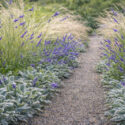
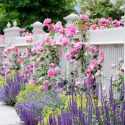
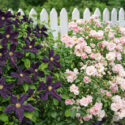
In regions where Berberis darwinii is listed as a pest plant, always follow regional biosecurity rules, and never plant or propagate it near natural areas. Choosing native, non-invasive shrubs with similar evergreen structure, flowers, and berries is the most sustainable long-term solution.
| Hardiness |
7 - 10 |
|---|---|
| Heat Zones |
7 - 9 |
| Climate Zones | 5, 6, 7, 8, 9, 14, 15, 16, 17, 18, 19, 20, 21, 22, 23, 24 |
| Plant Type | Shrubs |
| Genus | Berberis |
| Exposure | Partial Sun, Shade |
| Season of Interest | Spring (Mid, Late), Summer (Early, Mid, Late), Fall |
| Native Plants | United States |
| Toxic to Humans | No known toxicity |
| Toxic to Cats | No known toxicity |
| Toxic to Dogs | No known toxicity |
| Toxic to Horses | No known toxicity |

| Hardiness |
7 - 10 |
|---|---|
| Heat Zones |
7 - 9 |
| Climate Zones | 5, 6, 7, 8, 9, 14, 15, 16, 17, 18, 19, 20, 21, 22, 23, 24 |
| Plant Type | Shrubs |
| Genus | Berberis |
| Exposure | Partial Sun, Shade |
| Season of Interest | Spring (Mid, Late), Summer (Early, Mid, Late), Fall |
| Native Plants | United States |
| Toxic to Humans | No known toxicity |
| Toxic to Cats | No known toxicity |
| Toxic to Dogs | No known toxicity |
| Toxic to Horses | No known toxicity |
Create a membership account to save your garden designs and to view them on any device.
Becoming a contributing member of Gardenia is easy and can be done in just a few minutes. If you provide us with your name, email address and the payment of a modest $25 annual membership fee, you will become a full member, enabling you to design and save up to 25 of your garden design ideas.
Join now and start creating your dream garden!
Create a membership account to save your garden designs and to view them on any device.
Becoming a contributing member of Gardenia is easy and can be done in just a few minutes. If you provide us with your name, email address and the payment of a modest $25 annual membership fee, you will become a full member, enabling you to design and save up to 25 of your garden design ideas.
Join now and start creating your dream garden!