Create Your Garden

Great Pollinator Plants for Texas

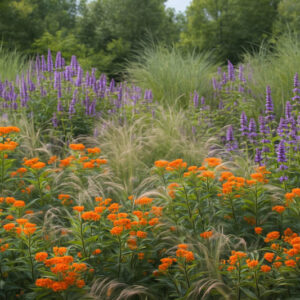
Plant Texas natives that thrive in heat: coneflowers, mistflowers, goldenrods, sunflowers, milkweeds, sages. Group in sunny drifts, water deeply to establish, and skip pesticides. From spring to fall, your yard buzzes with bees and butterflies while saving water and boosting local biodiversity for seasons to come.
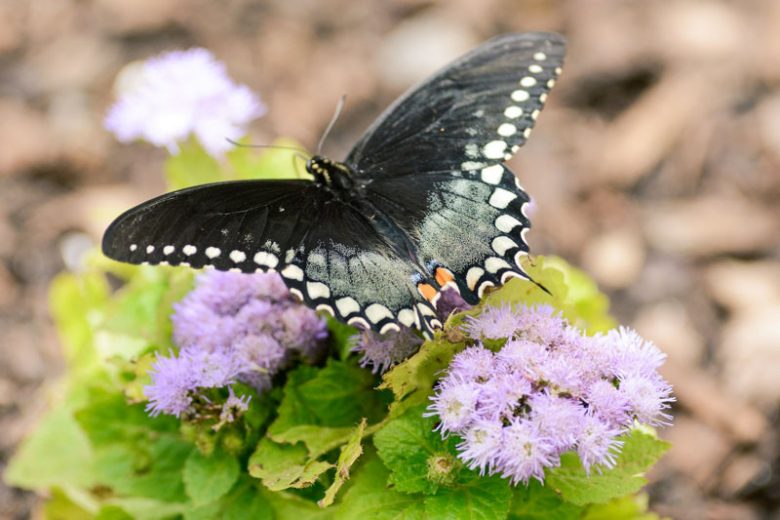
Pollinator Plants, Butterfly Plants, Hummingbird Plants, Bee Plants, South Plants, Texas Native Plants, Native Plants

Great Pollinator Nectar Plants for Texas: Bloom Bold, Feed Wildlife, Save Water

Texas is huge and so is our pollinator potential. From the prairies and Cross Timbers to the Hill Country and pineywoods, across to the far West mountains and basins, your yard can be a real refueling stop for bees, butterflies, hummingbirds, moths, and beneficial insects. The secret is simple: plant natives that actually evolved here, keep blooms rolling spring through fall, water wisely to establish, and skip pesticides.

Everything below is drawn straight from Xerces Society’s regional plant lists for the Southern Plains and the Southwest Chihuahuan Desert that cover Texas. If you garden anywhere in the state, you will find proven winners here. 

Quick Start – Pollinator Success in Texas

  • Go native: Choose plants from the two lists below that match your Texas region.
  • Stack the seasons: Aim for at least 3 species blooming in spring, 3 in summer, 3 in fall.
  • Plant in drifts: Clumps of 5 to 7 of the same flower help pollinators refuel fast.
  • Sun savvy: Most picks want full sun. Tuck shade tolerant plants along east or north edges.
  • Water wise: Deep, infrequent watering during the first year builds drought tough roots.
  • Pesticide free: Ask for plants grown without systemic insecticides. Avoid spraying blooms.

Texas Regions and What Thrives

Texas spans two Xerces regions used here: the Southern Plains covers most of the state east of the Pecos, and the Southwest Chihuahuan Desert covers far West Texas. You can mix plants across regions if your site conditions match, yet you will get the best results by prioritizing the list that fits your climate, sun, and soils. 

Southern Plains Region

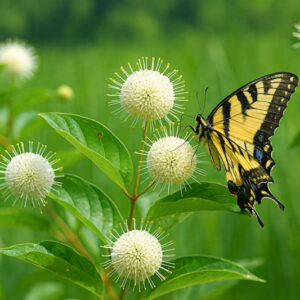
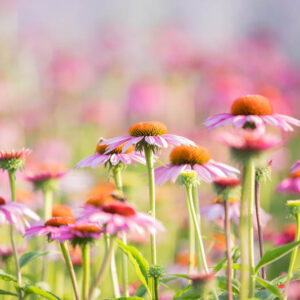
How to use the list: mix 8 to 12 species across seasons, repeat your favorites in bold drifts, and add at least one shrub or small tree for structure and early nectar. Buttonbush near a rain garden plus blue sage, Indian blanket, coneflowers, and aromatic aster in the sun gives you color from spring to frost.

Guide Information

Native Plants United States, Southwest, Texas
Attracts Birds, Butterflies, Hummingbirds, Bees
Amorpha canescens (Lead Plant)
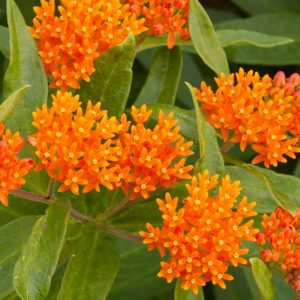
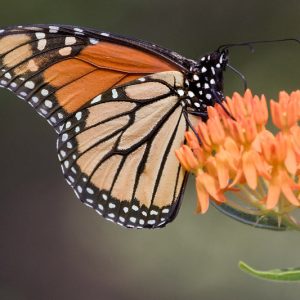
Asclepias tuberosa (Butterfly Milkweed)
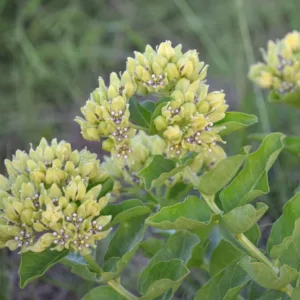
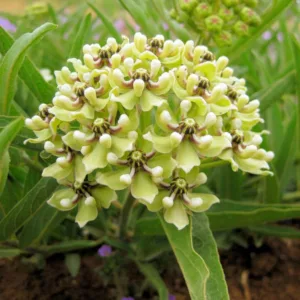
Asclepias viridis (Green Milkweed)
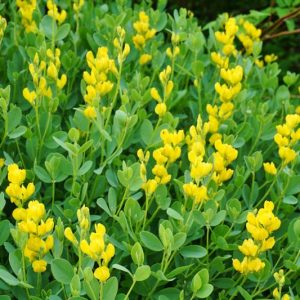
Baptisia sphaerocarpa (Yellow Wild Indigo)
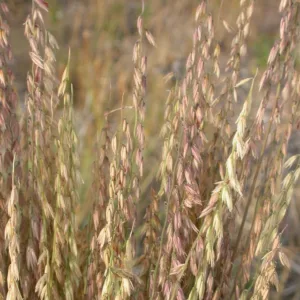
Bouteloua curtipendula (Side-Oats Grama)
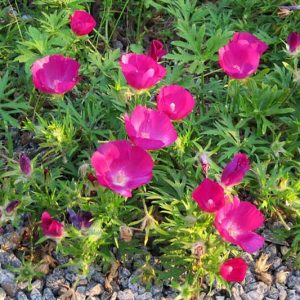
Callirhoe involucrata (Purple Poppy Mallow)
Ceanothus americanus (New Jersey Tea)
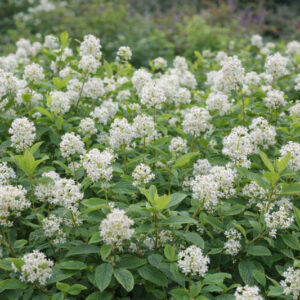
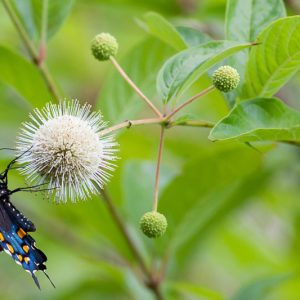
Cephalanthus occidentalis (Buttonbush)
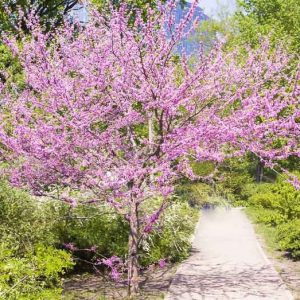
Cercis canadensis (Eastern Redbud)
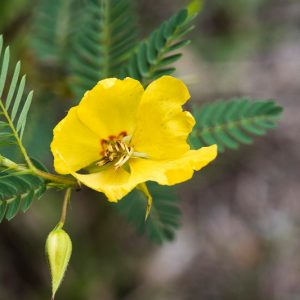
Chamaecrista fasciculata (Partridge Pea)
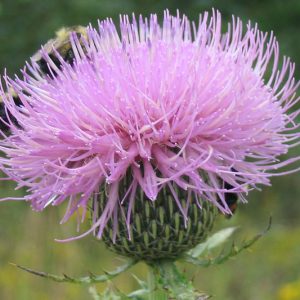
Cirsium altissimum (Tall Thistle)
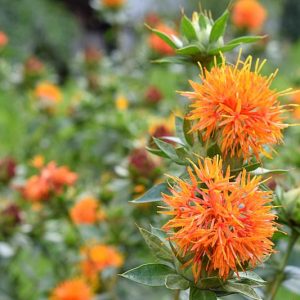
Carthamus tinctorius (False Saffron)
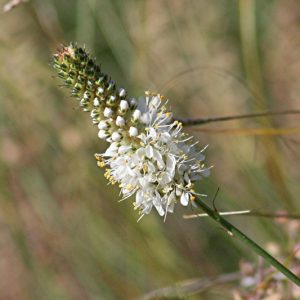
Dalea candida (White Prairie Clover)
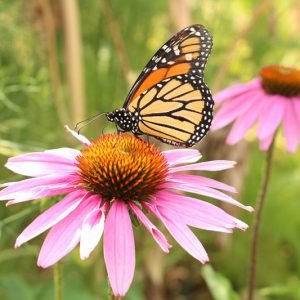
Echinacea angustifolia (Narrow-leaf Coneflower)
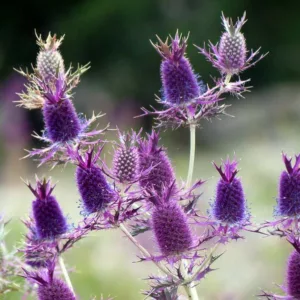
Eryngium leavenworthii (False Purple Thistle)
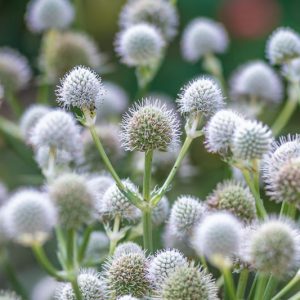
Eryngium yuccifolium (Rattlesnake Master)
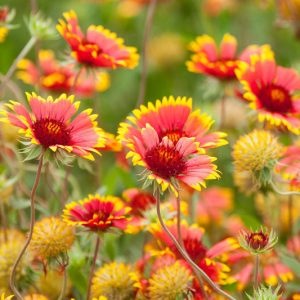
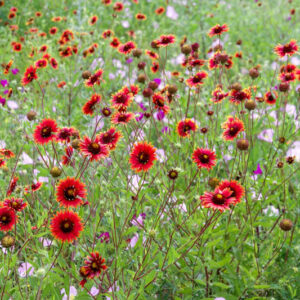
Gaillardia pulchella (Firewheel)
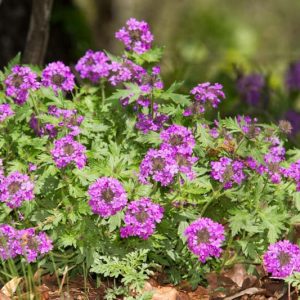
Glandularia bipinnatifida (Prairie Verbena)
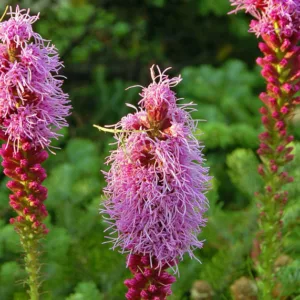
Liatris punctata (Dotted Blazing Star)
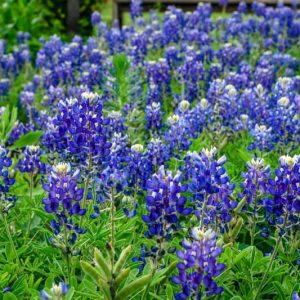
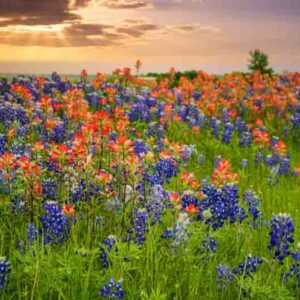
Lupinus texensis (Texas Bluebonnet)
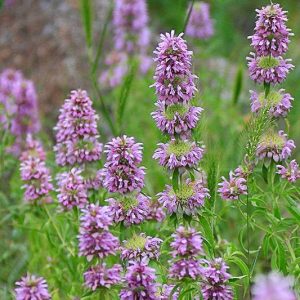
Monarda citriodora (Lemon Bee Balm)
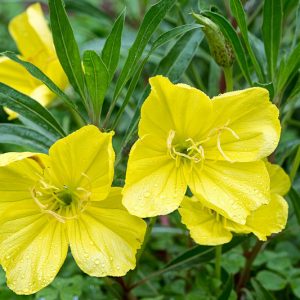
Oenothera macrocarpa (Ozark Sundrops)
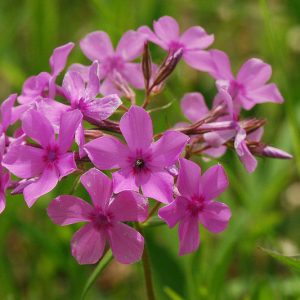
Phlox pilosa (Prairie Phlox)
Pycnanthemum tenuifolium (Narrowleaf Mountain Mint)
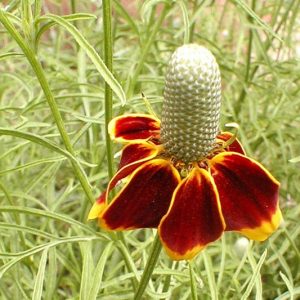
Ratibida columnifera (Mexican Hat Plant)
Rhus aromatica (Fragrant Sumac)
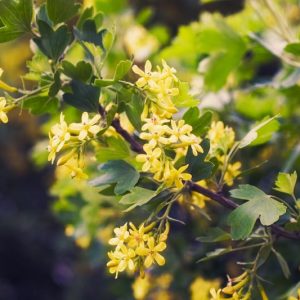
Ribes aureum (Clove Currant)
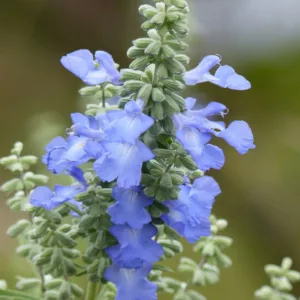
Salvia azurea (Blue Sage)
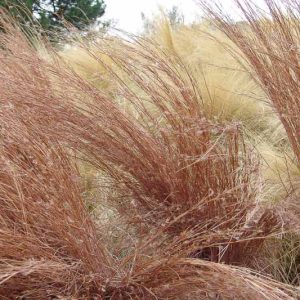
Schizachyrium scoparium (Little Bluestem)
Silphium laciniatum (Compass Plant)
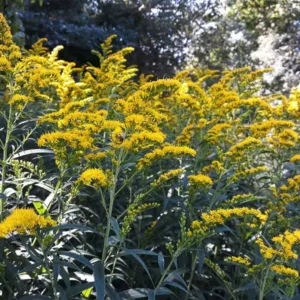
Solidago nemoralis (Gray Goldenrod)
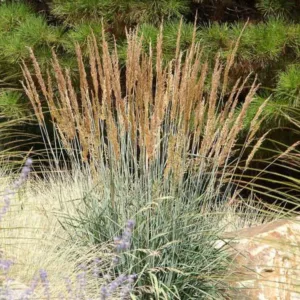
Sorghastrum nutans (Indian Grass)
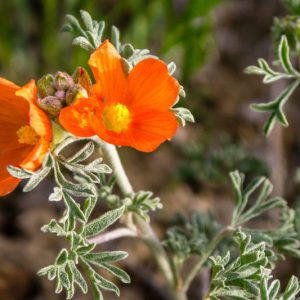
Sphaeralcea coccinea (Scarlet Globemallow)
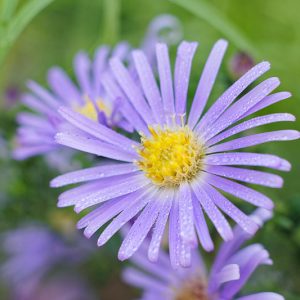
Symphyotrichum oblongifolium (Aromatic Aster)
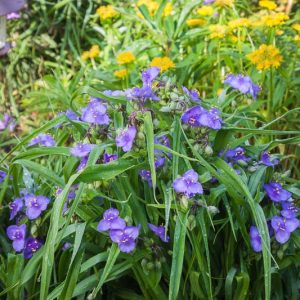
Tradescantia occidentalis (Prairie Spiderwort)
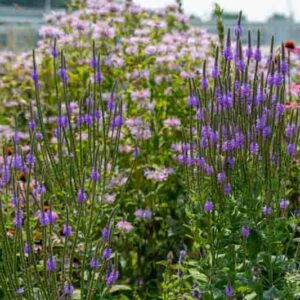
Verbena stricta (Hoary Vervain)
Verbesina encelioides (Golden Crownbeard)
Verbesina virginica (Frostweed)
Vernonia baldwinii (Western Ironweed)
Zizia aurea (Golden Alexanders)
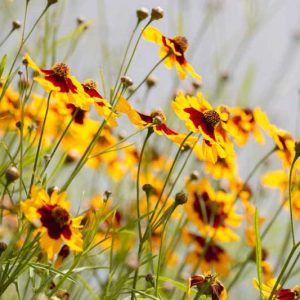
Coreopsis tinctoria (Tickseed)
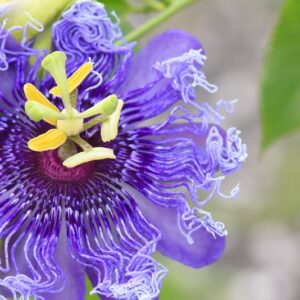
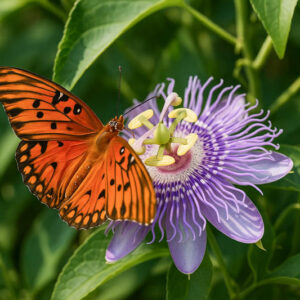
Passiflora incarnata (Maypop)

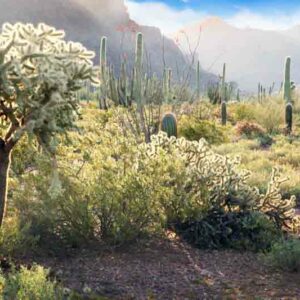
Southwest Chihuahuan Desert (West Texas)

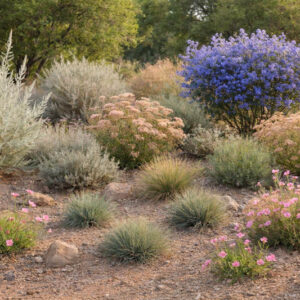
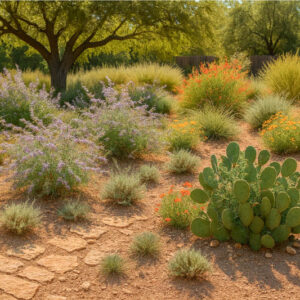
How to use the list: choose tough sun lovers for lean soils, then add structure with mesquite or desert willow. Layer long bloomers like desert marigold and blackfoot daisy with late season stalwarts such as turpentine bush and canyon sage for continuous nectar in dry heat.

Asclepias asperula (Antelope-Horns Milkweed)
Baccharis salicifolia (Mule Fat)
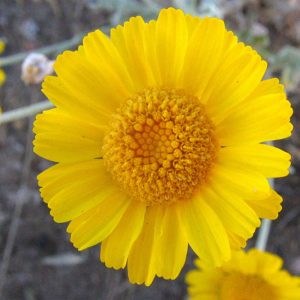
Baileya multiradiata (Desert Marigold)
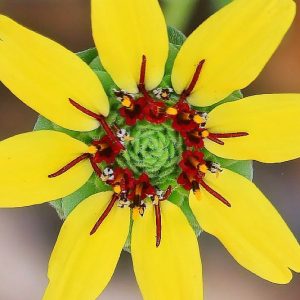
Berlandiera lyrata (Chocolate Daisy)
Bouteloua curtipendula (Side-Oats Grama)
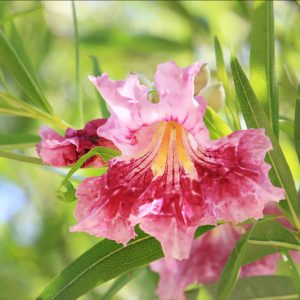
Chilopsis linearis (Desert Willow)
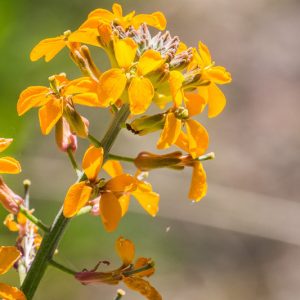
Erysimum capitatum (Coastal Wallflower)
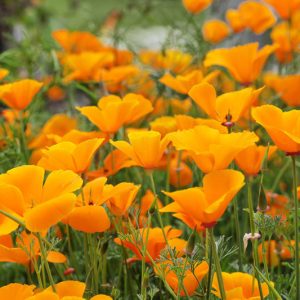
Eschscholzia californica (California Poppy)
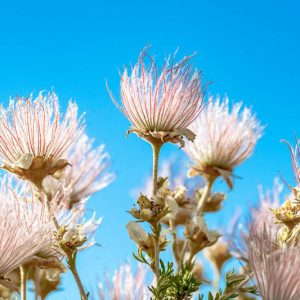
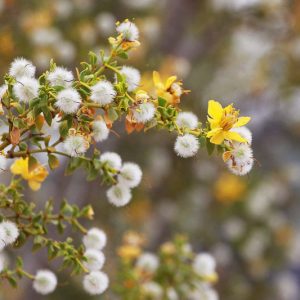
Fallugia paradoxa (Apache Plume)
Gaillardia pulchella (Firewheel)
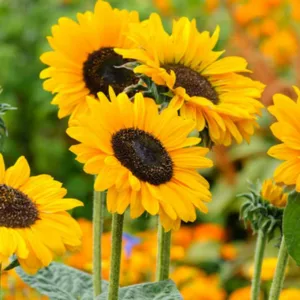
Helianthus annuus (Common Sunflower)
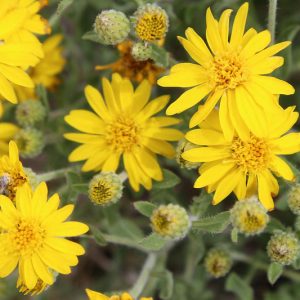
Heterotheca villosa (Hairy Golden Aster)
Larrea tridentata (Creosote Bush)
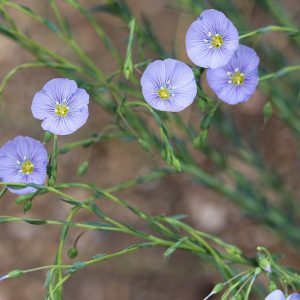
Linum lewisii (Prairie Flax)
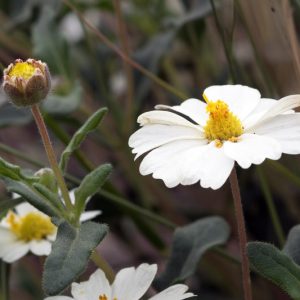
Melampodium leucanthum (Blackfoot Daisy)
Oenothera caespitosa (Tufted Evening Primrose)
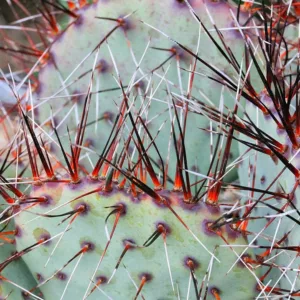
Opuntia macrocentra (Black-Spine Prickly Pear)
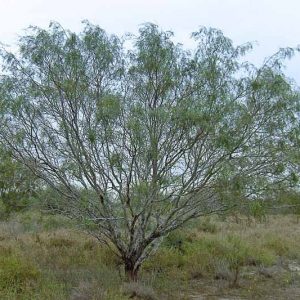
Prosopis glandulosa (Honey Mesquite)
Ratibida columnifera (Mexican Hat Plant)
Rhus aromatica (Fragrant Sumac)
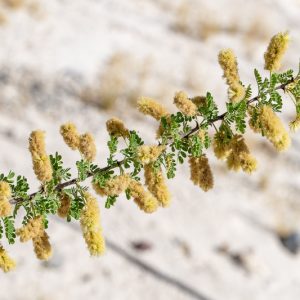
Senegalia greggii (Catclaw Acacia)
Sphaeralcea coccinea (Scarlet Globemallow)
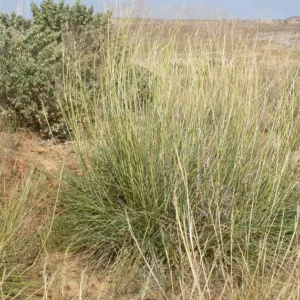
Sporobolus airoides (Alkali Sacaton)
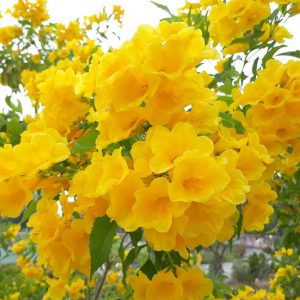
Tecoma stans (Yellow Bells)
Verbesina encelioides (Golden Crownbeard)

Design like a pollinator pro

  • Layer structure: Blend tall anchors like Silphium laciniatum or Helianthus annuus with mid level drifts of coneflowers and asters, then stitch edges with verbena, prairie phlox, and daisies.
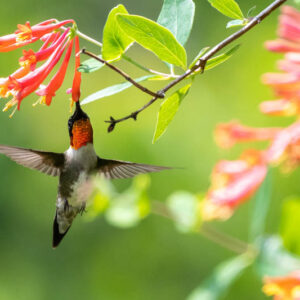
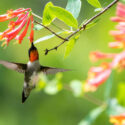
  • Color signals: Bees track yellow, blue, and purple. Butterflies love flat landing pads and clustered blooms. Hummingbirds focus on tubular reds and oranges.
  • Leave a little wild: Bare soil patches for ground nesting bees, a few hollow stems until late spring, and a small brush pile can multiply your habitat value.
  • Add water: A shallow dish with pebbles is a safe sip stop. Refresh often and keep it shallow.

Starter Mixes You Can Plant With Confidence

Use these quick combos to jump in now. Then scroll to the complete lists to add more species for a true habitat.

  • Southern Plains starter: Indian blanket, dotted blazing star, aromatic aster, golden crownbeard, blue sage, narrow leaf mountainmint.
  • Hill Country starter: Lemon beebalm, purple poppymallow, Missouri evening primrose, Texas bluebonnet, gray goldenrod, upright prairie coneflower.
  • West Texas desert starter: Desert marigold, blackfoot daisy, canyon sage, Alkali sacaton, purple prickly pear, Tahoka daisy.

Planting, Water, and Care – Built For Texas Conditions

  • Right plant, right place: Hot, reflective sites love desert marigold, blackfoot daisy, and Tahoka daisy. Moist low spots are perfect for buttonbush, mulefat, and Goodding’s willow. Grasses like sideoats grama, little bluestem, and Alkali sacaton stabilize soil and make beautiful backdrops.
  • Soil prep: Loosen compacted soil 8 to 12 inches and remove weeds. Skip heavy fertilizers. Most natives prefer lean soil that does not stay soggy.
  • Watering: After planting, water to a depth of 6 to 8 inches. In the first summer, deep soak once or twice a week depending on heat and soil. Once established, most species cruise on rainfall with occasional supplemental watering during long droughts.
  • Mulch that matches: Use locally appropriate mulches. Gravel or decomposed granite suits arid plantings. Shredded wood or leaf mulch fits prairie and woodland edges. Keep a few open patches for ground nesting bees.
  • Maintenance: Deadhead to extend bloom where you want tidy looks. Leave seed heads on sunflowers, coneflowers, and goldenrods for birds. Delay major cutback until late winter so overwintering insects can finish their cycle.
  • Pesticide free protection: Systemic insecticides contaminate nectar and pollen. Ask for plants grown without neonics and avoid spraying flowers. If you must manage pests, spot treat at dusk and only where needed.

Small Space and Container Ideas

  • Balcony or patio: Try butterfly milkweed, blackfoot daisy, canyon sage, Indian blanket, and Gregg’s style verbenas where available. Give them full sun and a deep pot with drainage.
  • Rain garden edge: Plant buttonbush with golden crownbeard and blue sage along the upper, sunnier rim. Mulefat and Goodding’s willow favor the wetter bottom in West Texas.
  • School or community bed: Mix blue sage, upright prairie coneflower, Indian blanket, aromatic aster, and golden crownbeard for a long bloom display that teaches pollinator timing.

Why These Plants Work

These species were selected for documented nectar and pollen value, regional adaptability, and benefits beyond flowers such as larval host value, bumble bee support, or materials for native bee nests. Many support specialist bees that seek pollen from specific plant groups, and many also attract beneficial insects that help manage pests. Pulling directly from Xerces regional tables keeps your planting science based and practical for Texas.

Putting It All Together

Start with a sunny patch and plant a handful of the starters for your region. Water them deeply to establish. Add another layer each season. Repeat your best performers in drifts. Soon you will see the ripple effect: more butterflies during migration, bees of all sizes, songbirds taking seeds, and a healthier backyard ecosystem. Your garden becomes part of a statewide network of native habitat, from Dallas medians to Hill Country roadsides to El Paso patios.

Discover more beautiful Texas native plants

Texas native plants

Plant Finder

Frequently Asked Questions

What are pollinator plants?

Flowers, grasses, shrubs, and trees that offer nectar and pollen to bees, butterflies, moths, hummingbirds, beetles, and beneficial flies.

Why focus on Texas natives?

Native plants coevolved with local pollinators, handle Texas heat and soils, need less water once established, and avoid feeding invasive pests.

Which Texas regions should I think about?

Most of Texas fits the Southern Plains. Far West Texas is the Chihuahuan Desert. Match plants to your site’s climate, sun, and soil.

What are easy starter plants for beginners?

Indian blanket, butterfly milkweed, aromatic aster, blue sage, golden crownbeard, blackfoot daisy, and Gregg’s style mistflowers if available.

What blooms in spring for early nectar?

Texas bluebonnet, lemon beebalm, prairie phlox, narrow leaved coneflower, pale purple coneflower, and Missouri evening primrose.

What carries bloom through hot Texas summers?

Indian blanket, dotted or cusp blazing stars, blue sage, blackfoot daisy, desert marigold in the west, and lantana urticoides in its native range.

What fuels fall migration for butterflies and bees?

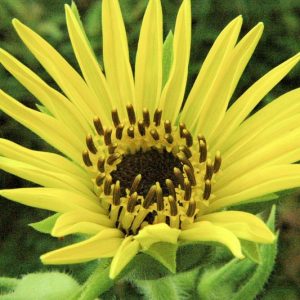
Goldenrods like gray and downy ragged, Maximilian sunflower, golden crownbeard, aromatic aster, frostweed, and late thoroughwort.

Do I need milkweed too?

Yes if you want monarch caterpillars. Choose native milkweeds such as antelopehorn, green antelopehorn, zizotes where appropriate, and butterfly milkweed.

Should I plant tropical milkweed?

No. Avoid Asclepias curassavica in Texas. It can disrupt migration and increase disease. Use native milkweeds instead.

Are these plants drought tolerant?

Many are once established. Examples include butterfly milkweed, pitcher sage, blackfoot daisy, gray goldenrod, golden crownbeard, and Maximilian sunflower.

Can I grow them in containers?

Yes. Use deep pots with drainage. Good candidates include butterfly milkweed, coneflowers, blackfoot daisy, canyon sage, and Texas lantana.

How do I support ground nesting bees?

Leave a few open soil patches that are dry and sunny. Avoid landscape fabric. Keep mulch off some areas so bees can access the ground.

What about nesting for other pollinators?

Leave some hollow stems until late spring, keep a small brush pile, and provide shallow water with pebbles so insects can land safely.

How do I manage weeds without harming pollinators?

Hand weed, smother with cardboard in new beds, and use mulch between plants. Avoid herbicides on or near blooms and try spot treatments only.

References

All plant selections in this guide are sourced from the two Xerces regional lists above.

Updated: November 2025 • Reviewed by Gardenia Editors

Garden Examples

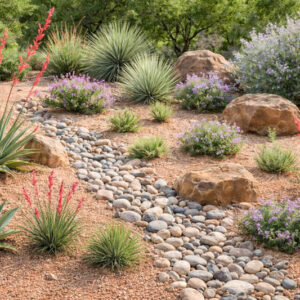
Desert Dry Creek Border – Agave, Red Yucca & Texas Sage
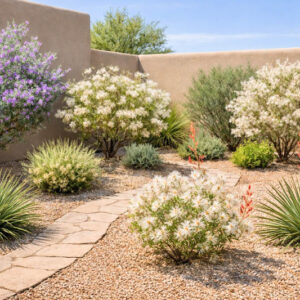
Desert Courtyard Border – Texas Sage & Apache Plume
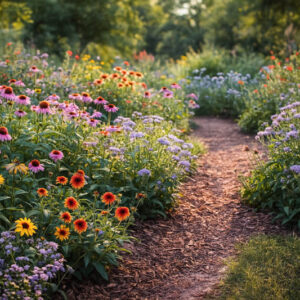
A Pollinator Wildflower Garden Idea
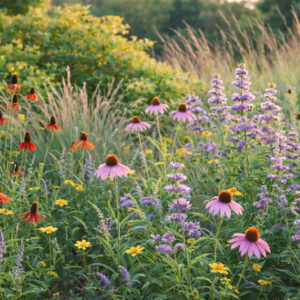
Wildflower Prairie with Monarda, Mexican Hat & Blue Sage
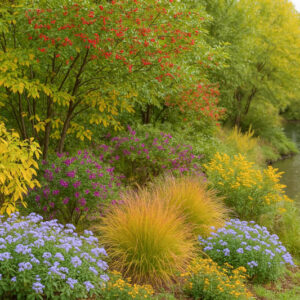
Bird-Friendly Creekside Border
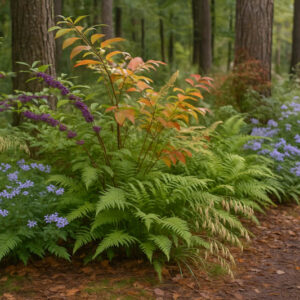
Shaded Woodland Border with Ferns & Beautyberry
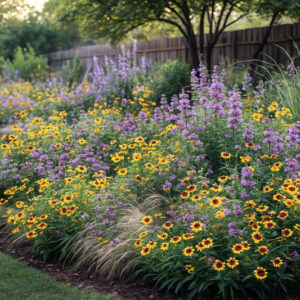
Texas Wildflower Prairie Border with Coreopsis and Beebalm
Pollinator Drift: Asclepias, Agastache & Flowing Grasses
California Dry Garden: Native Plants for Year-Round Beauty

Recommended Guides

Monarch Nectar Plants for Texas
50 Texas Wildflowers to Brighten Your Garden
Texas Butterfly Host Plants
Texas Bird-Friendly Plants
Best Texas Plants for Hummingbirds
Best Texas Fragrant Plants
Best Shade Plants for Texas
Best Drought-Tolerant Plants for Texas
Best Plants for Wet Areas in Texas
Best Plants for Sandy Soils in Texas
Best Plants for Clay Soils in Texas
Best Groundcovers for Texas Gardens
Best Perennials for Texas Gardens
Best Shrubs for Texas Gardens
Best Trees for Texas Gardens
Best Native Plants for Texas Gardens
Desert Trees: Stunning and Resilient Trees for Your Garden
Desert Shrubs: Essential Plants for Dry Gardens
Desert Flowers: Bringing Color to Dry Gardens
Desert Plants: Discover 50 Stunning Varieties to Grow
Hedgehog Cactus: A Desert Survivor with Spectacular Blooms
Barrel Cactus: An Iconic Desert Plant for Water-Wise Gardens
Cholla Cactus: Iconic Desert Plants
Native Garden Ideas – Best Native Plants for a Beautiful Yard
Invasive Plants in Texas – And Their Best Native Alternatives
While every effort has been made to describe these plants accurately, please keep in mind that height, bloom time, and color may differ in various climates. The description of these plants has been written based on numerous outside resources.

Guide Information

Native Plants United States, Southwest, Texas
Attracts Birds, Butterflies, Hummingbirds, Bees
Explore Great Plant Combination Ideas
Upper South Middle South Lower South Coastal South Texas

Related Items

Please Login to Proceed

You Have Reached The Free Limit, Please Subscribe to Proceed

Subscribe to Gardenia

To create additional collections, you must be a paid member of Gardenia
  • Add as many plants as you wish
  • Create and save up to 25 garden collections
Become a Member

Plant Added Successfully

Your garden is taking shape. Unlock full planning.

You’ve reached the free limit. Upgrade for $25/year to add as many plants as you wish and save up to 25 garden collections. Unlock Annual Membership

Update Your Credit
Card Information

Cancel

Create a New Collection

Sign Up to Our Newsletter

    You have been subscribed successfully

    Join Gardenia.net

    Create a membership account to save your garden designs and to view them on any device.

    Becoming a contributing member of Gardenia is easy and can be done in just a few minutes. If you provide us with your name, email address and the payment of a modest $25 annual membership fee, you will become a full member, enabling you to design and save up to 25 of your garden design ideas.

    Join now and start creating your dream garden!

    Join Gardenia.net

    Create a membership account to save your garden designs and to view them on any device.

    Becoming a contributing member of Gardenia is easy and can be done in just a few minutes. If you provide us with your name, email address and the payment of a modest $25 annual membership fee, you will become a full member, enabling you to design and save up to 25 of your garden design ideas.

    Join now and start creating your dream garden!
    Find your Hardiness Zone

    Find your Heat Zone

    Find your Climate Zone