Eastern Purple Coneflower, Purple Coneflower, Brauneria purpurea, Echinacea purpurea var. arkansana, Rudbeckia purpurea
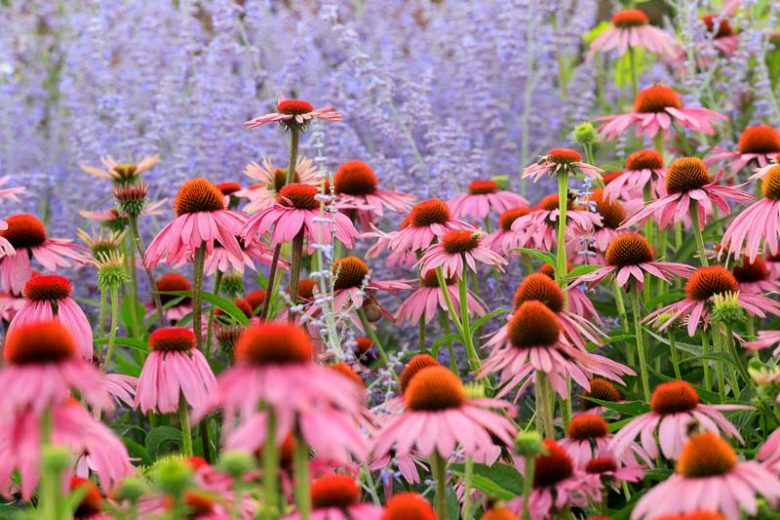


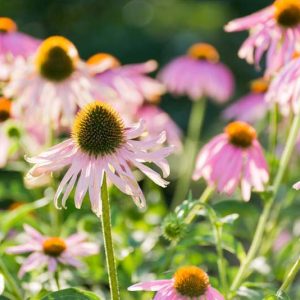
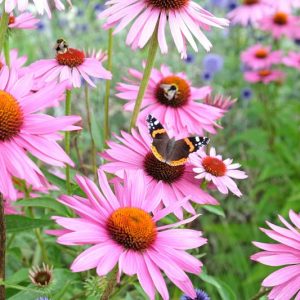
If you are looking for a tough, easy perennial that delivers color, wildlife value, and herbal charm all in one, Echinacea purpurea is hard to beat. Commonly called purple coneflower, this sun loving prairie perennial sends up sturdy stems topped with big daisy like flowers in glowing shades of rose pink to purple, each centered on a bold orange brown cone that hummingbirds, bees, butterflies, and birds cannot resist.
Purple coneflower thrives in hot, sunny borders, native meadows, and water wise gardens. It shrugs off heat and short dry spells, returns reliably year after year, and offers long lasting summer blooms that also make beautiful cut flowers. Leave the seed heads standing into fall and winter and you will quickly see why gardeners call it a natural bird feeder, especially when paired with other natives from native plant guides and sun loving wildflower collections.
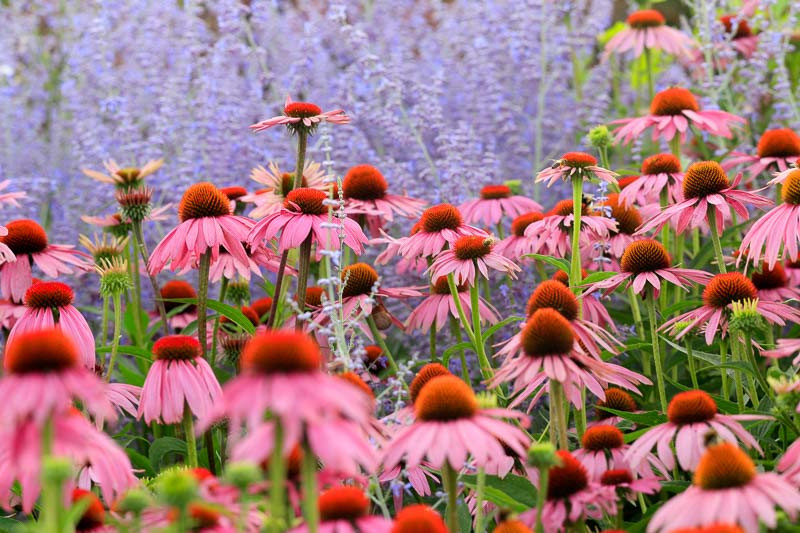
Summary: Upright herbaceous perennial with coarse, dark green foliage and large purple pink daisy like flowers with prominent cones in summer.
Use: Ideal for mixed borders, prairie and meadow plantings, wildflower gardens, pollinator beds, cut flower gardens, and native plant designs.
Highlight: Drought tolerant once established, highly attractive to bees, butterflies, and birds, long blooming, and excellent as a cut or dried flower.
Note: Freely self seeds and can spread into generous clumps in sunny, well drained sites.
| Botanical Name | Echinacea purpurea |
|---|---|
| Family | Asteraceae (aster or daisy family) |
| Common Names | Purple coneflower, eastern purple coneflower, coneflower, echinacea |
| Native Range | Native to scattered areas of the central and eastern United States, especially the Midwest, Great Plains, and parts of the South and Ohio Valley, where it grows in prairies, open woods, meadows, and along roadsides. |
| Plant Type and Habit | Herbaceous perennial forming upright clumps with sturdy, branched flower stems rising above basal foliage. |
| Hardiness (USDA) | Generally hardy in USDA Zones 3 to 8, tolerating cold winters and hot summers when planted in suitable soil. |
| Size | Typically 24 to 60 inches tall (60 to 150 cm) and 18 to 24 inches wide (45 to 60 cm). Plants can spread by self seeding. |
| Sun and Exposure | Full sun for best bloom. Accepts very light afternoon shade in hot climates, but flowering is heaviest in open sun. |
| Soil | Prefers average, dry to medium, well drained soil. Tolerant of poor, rocky, or sandy soils and suitable for sandy Texas sites and other lean soils where many perennials struggle. |
| Seasonal Interest | Long summer to early fall bloom season with large purple daisies, followed by ornamental seed heads that add fall and winter texture and provide food for birds. |
| Primary Uses | Back of the border perennial, prairie wildflower, butterfly garden staple, cut flower, medicinal herb, and native meadow component, especially in Texas perennial borders and Texas wildflower gardens. |
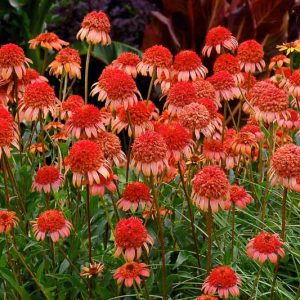
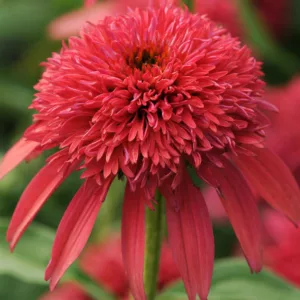
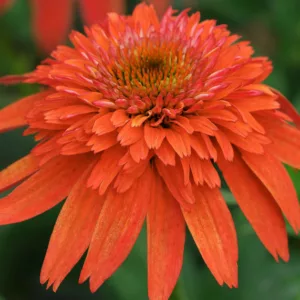
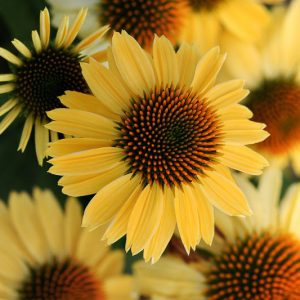
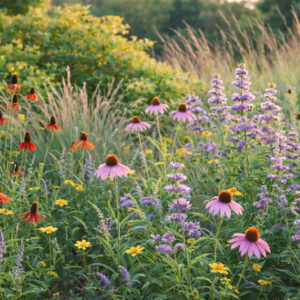
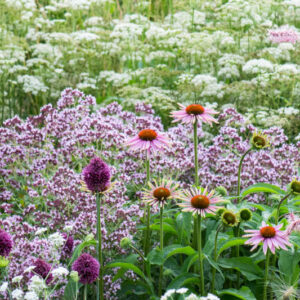
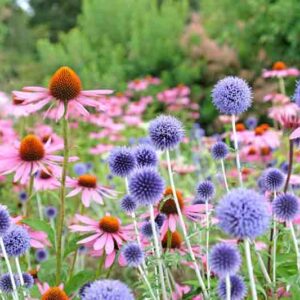
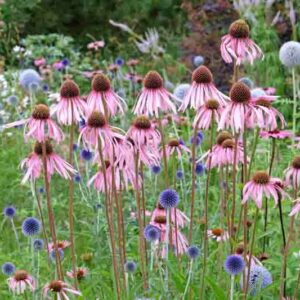
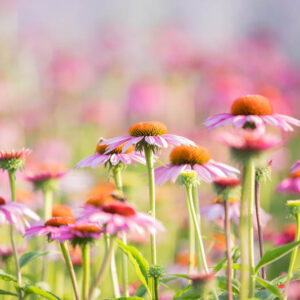
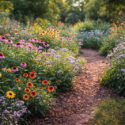
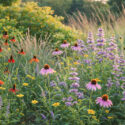
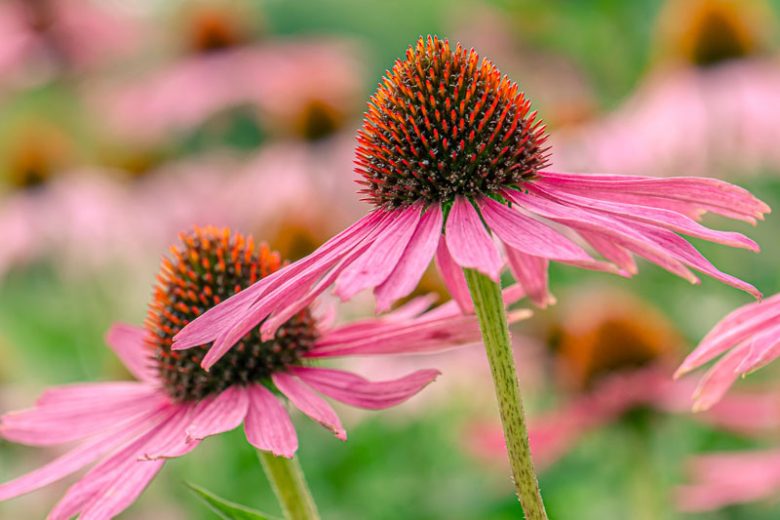
Echinacea purpurea grows as a sturdy clump of rough textured, lance shaped leaves that form a leafy base in spring. As the season warms, strong, upright stems rise above the foliage, each topped with a classic daisy-like flower, up to 5 inches (12 cm) in diameter, with drooping purple rays surrounding a raised, spiny cone in shades of copper, orange, and brown.
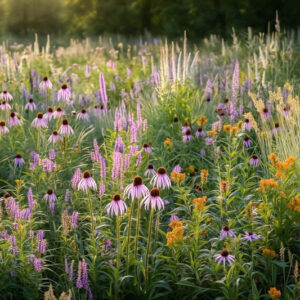
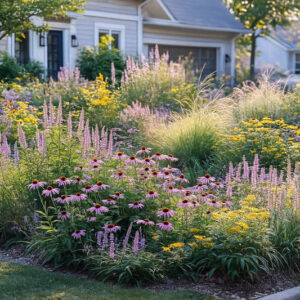
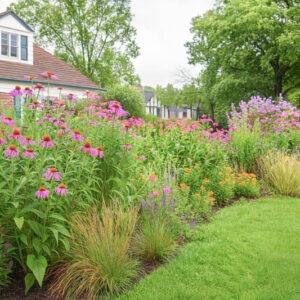
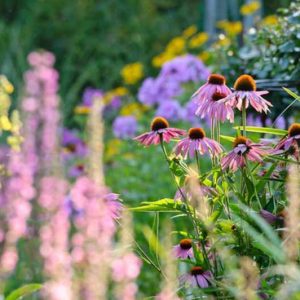
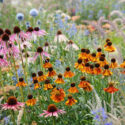
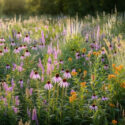
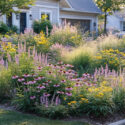
The cones are more than decorative. They act as landing pads for bees and butterflies, and later become natural bird feeders packed with seed. Flowers typically appear from early to midsummer and continue in flushes into early fall, especially if you deadhead or cut blooms for vases. In mixed borders, purple coneflower creates a relaxed, meadowy look that pairs beautifully with ornamental grasses and other native perennials.
Purple coneflower is native to scattered regions of the central and eastern United States, especially the Midwest, Great Plains, and parts of the South and Ohio Valley. In the wild, it occurs in:
This broad ecological tolerance makes Echinacea purpurea an excellent choice for regionally appropriate plantings, including Texas native gardens, pollinator highways, and wildflower themed landscapes across many climates.
Purple coneflower grows at a moderate rate. Young plants usually flower in their first or second year, building denser clumps over time. Each crown produces strong, branched stems that create an upright, vase shaped silhouette.
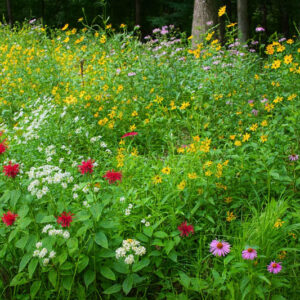
In good conditions, plants often self-seed around the parent clump. Seedlings are easy to thin or transplant, and in naturalistic designs this gentle self sowing can create a more continuous wildflower meadow effect, especially when mixed with other species highlighted in Texas wildflower guides and full sun wildflower lists.
The flowers of Echinacea purpurea are its main claim to fame. Each bloom features:
After flowering, the cones dry into architectural seed heads that add height and winter structure to the garden. Goldfinches and other songbirds flock to them, especially in gardens designed with plants from bird friendly plant collections.
The foliage of purple coneflower is coarse and slightly rough to the touch, giving the plant a rugged prairie character. Leaves are:
This strong texture makes Echinacea purpurea a natural partner for finer textured grasses and perennials, creating contrast in prairie plantings and informal cottage borders.
Purple coneflower handles a wide range of climates. It is well suited to regions with:
In humid climates, planting in full sun and well drained soil helps prevent disease and keeps plants upright and healthy.
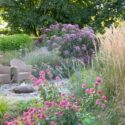
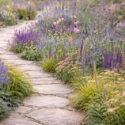
Echinacea purpurea is extremely versatile and fits seamlessly into many garden styles:
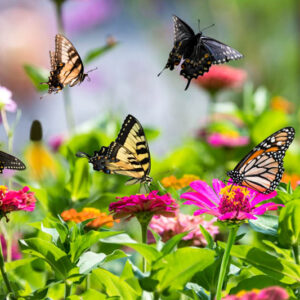
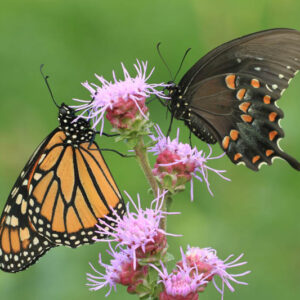
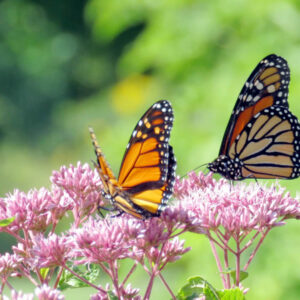
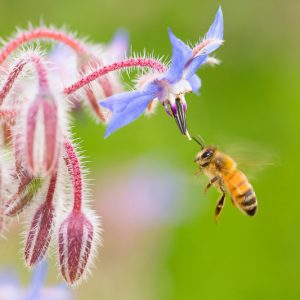
Purple coneflower is a powerhouse for wildlife friendly landscaping and pollinator gardens:
Pair Echinacea purpurea with host plants and nectar sources from butterfly host plant guides and bird friendly plant lists to build a garden that supports wildlife all year.
Echinacea purpurea is generally considered deer resistant. Hungry deer may occasionally sample young foliage, but it is often lower on their preference list compared with more tender plants. For tougher borders in deer prone areas, combine purple coneflower with other recommendations from deer resistant perennial guides, deer resistant plant collections, and the deer resistant plant finder.
Once established, purple coneflower is quite drought tolerant, particularly in soils that are not overly rich or wet. It is a strong candidate for low irrigation borders, prairie style gardens, and xeriscapes where irrigation is limited, especially when planted alongside other tough species highlighted in drought tolerant plant guides and native Texas plant collections.
In gardens, Echinacea purpurea is typically a well-behaved perennial. It may self sow, especially in open soil, but seedlings are easy to remove or transplant. In naturalistic plantings and wildflower meadows, this light self seeding can help create a more natural, tapestry like effect without becoming aggressively invasive.
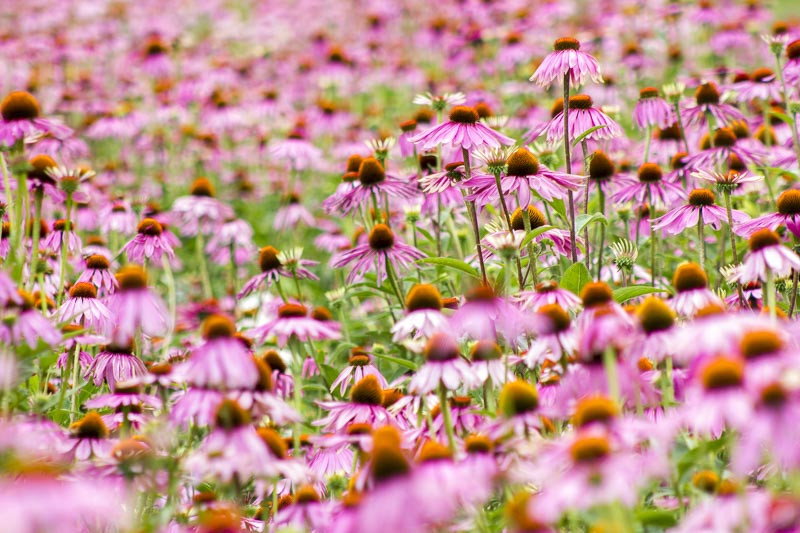
Overall, purple coneflower care is straightforward. Focus on sun, drainage, and moderate water.
Plant Echinacea purpurea where it receives:
Purple coneflower adapts to many soil types as long as drainage is good:
Fertilizing is rarely necessary:
Mulch helps conserve soil moisture and moderate temperature swings:
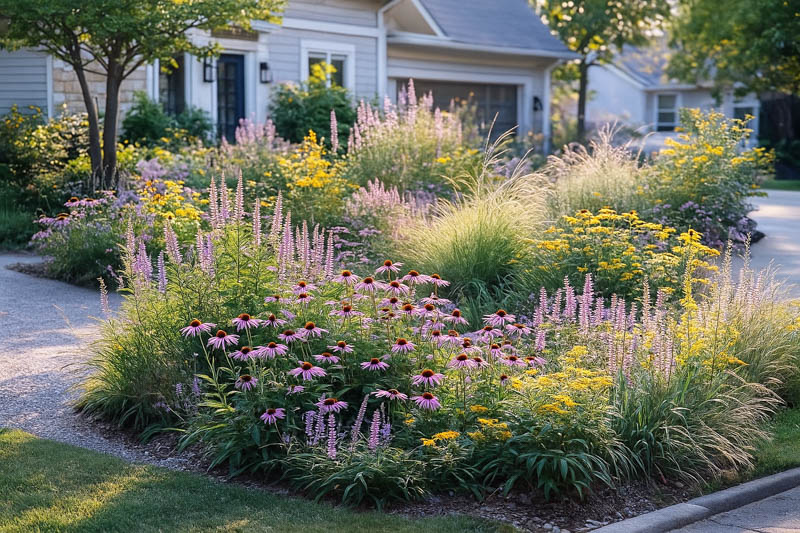
Echinacea purpurea maintenance is minimal:
In appropriate conditions, Echinacea purpurea is a low maintenance perennial with few serious issues.
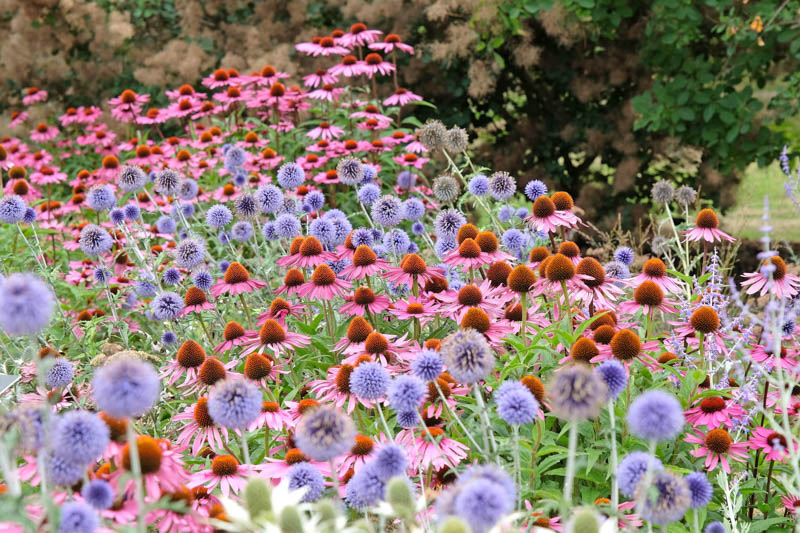
Echinacea purpurea, commonly called purple coneflower, is a herbaceous perennial flower in the daisy family (Asteraceae). It is native to central and eastern North America. The plant forms clumps of rough, lance shaped green leaves and sends up sturdy stems topped with large, daisy like purple flowers centered on a raised, spiny cone. It is widely grown as an ornamental for its long summer bloom and strong appeal to pollinators and birds.
Echinacea purpurea is a true perennial. In climates within its hardiness range, the foliage and stems die back to the ground in fall, and new shoots emerge from the crown the following spring. With suitable sun and drainage, clumps often expand and flower reliably for many years, especially if they are divided occasionally when they become crowded.
Echinacea purpurea is generally hardy in USDA Zones 3 to 8. It tolerates cold winter temperatures in northern climates and hot summers in many central and southern regions, provided the soil is reasonably well drained. In very hot climates, plants may benefit from some afternoon shade but still need several hours of direct sun to bloom well.
Echinacea purpurea is native to central and eastern parts of the United States. In the wild, it occurs in prairies, meadows, open woods, savannas, and along roadsides and sunny clearings. Although it is now widely cultivated around the world as an ornamental and herbal plant, its natural range is within North America.
Most forms of Echinacea purpurea grow about 24 to 48 inches tall (60 to 120 cm) and 18 to 24 inches wide (45 to 60 cm). Some cultivars may be shorter or taller depending on breeding. Plants usually form upright clumps, with leafy basal growth and branched flowering stems that hold the blooms well above the foliage.
Purple coneflower grows best in full sun. It typically requires at least six hours of direct sunlight daily for strong stems and abundant flowering. In very hot climates, light afternoon shade is tolerated, but deep shade reduces flower production, increases the risk of disease, and can cause plants to become leggy and weak.
Echinacea purpurea prefers average, well drained soil. It can grow in loam, light clay, or sandy soil as long as water does not stand around the roots for long periods. The plant often performs best in soil that is not overly rich; very fertile, heavily amended soil can encourage soft, floppy growth. Good drainage is more important than high fertility.
Yes, Echinacea purpurea is considered moderately to highly drought tolerant once it is established. During the first growing season, regular deep watering helps develop a strong root system. After that, the plant typically needs only occasional supplemental water in extended dry periods, especially in well prepared garden soil. It is not suitable for sites that stay waterlogged.
Purple coneflower has a relatively long bloom period. In many climates, flowers appear from early or midsummer and continue into early fall. Deadheading, or removing spent flowers, can encourage additional blooms. Even after the petals fall, the dried seed cones remain decorative and provide food for birds, extending the ornamental season.
Echinacea purpurea is highly attractive to pollinators and birds. The nectar rich flowers draw bees, butterflies, and other beneficial insects throughout the blooming season. Later, the seed filled cones provide food for seed eating birds such as goldfinches. Because it supports both insects and birds, purple coneflower is often recommended for wildlife friendly and pollinator gardens.
Echinacea purpurea is generally considered moderately deer resistant. Deer may sample the foliage if food is scarce, particularly when plants are young, but the rough texture and aromatic compounds tend to make it less palatable than many other garden plants. In areas with heavy deer pressure, it is still wise to use physical protection or combine it with other deer resistant species.
Echinacea purpurea can be grown in containers if the pot is large enough and has good drainage. Use a well drained potting mix rather than heavy garden soil. Containers dry out more quickly than in-ground plantings, so consistent watering is important, especially in hot weather. Overwintering in containers is harder in colder climates, and plants may need extra protection from extreme cold.
Lady Bird Johnson Wildflower Center – Echinacea purpurea (Purple coneflower)
Updated: November 2025 • Reviewed by Gardenia Editors
| Hardiness |
3 - 8 |
|---|---|
| Heat Zones |
1 - 9 |
| Climate Zones | 1, 1A, 1B, 2, 2A, 2B, 3, 3A, 3B, 4, 5, 6, 7, 8, 9, 10, 11, 12, 13, 14, 15, 16, 17, 18, 19, 20, 21, 22, 23, 24, A2, A3 |
| Plant Type | Perennials |
| Plant Family | Compositae |
| Genus | Echinacea |
| Common names | Coneflower, Purple Coneflower |
| Exposure | Full Sun |
| Season of Interest | Spring (Mid, Late), Summer (Early, Mid, Late) |
| Height | 2' - 5' (60cm - 150cm) |
| Spread | 1' - 2' (30cm - 60cm) |
| Spacing | 24" (60cm) |
| Maintenance | Low |
| Water Needs | Low, Average |
| Soil Type | Chalk, Loam, Sand |
| Soil pH | Acid, Alkaline, Neutral |
| Soil Drainage | Well-Drained, Moist but Well-Drained |
| Characteristics | Cut Flowers, Showy |
| Native Plants | United States, Pennsylvania, Connecticut, Maryland, Northeast, Midwest, Southeast, Southwest, Illinois, Indiana, Iowa, Kansas, Michigan, Minnesota, Missouri, Nebraska, Ohio, Wisconsin, Louisiana, Mississippi, North Carolina, South Carolina, Tennessee, Virginia, West Virginia, Alabama, Arkansas, Georgia, Kentucky, Texas, Oklahoma |
| Tolerances | Drought, Deer, Dry Soil, Rocky Soil, Clay Soil, Heat, Poor Soil, Humidity, Fire |
| Attracts | Bees, Birds, Butterflies, Hummingbirds |
| Garden Uses | Beds And Borders |
| Garden Styles | Informal and Cottage, Prairie and Meadow |
| Toxic to Humans | No known toxicity |
| Toxic to Cats | No known toxicity |
| Toxic to Dogs | No known toxicity |
| Toxic to Horses | No known toxicity |


| Hardiness |
3 - 8 |
|---|---|
| Heat Zones |
1 - 9 |
| Climate Zones | 1, 1A, 1B, 2, 2A, 2B, 3, 3A, 3B, 4, 5, 6, 7, 8, 9, 10, 11, 12, 13, 14, 15, 16, 17, 18, 19, 20, 21, 22, 23, 24, A2, A3 |
| Plant Type | Perennials |
| Plant Family | Compositae |
| Genus | Echinacea |
| Common names | Coneflower, Purple Coneflower |
| Exposure | Full Sun |
| Season of Interest | Spring (Mid, Late), Summer (Early, Mid, Late) |
| Height | 2' - 5' (60cm - 150cm) |
| Spread | 1' - 2' (30cm - 60cm) |
| Spacing | 24" (60cm) |
| Maintenance | Low |
| Water Needs | Low, Average |
| Soil Type | Chalk, Loam, Sand |
| Soil pH | Acid, Alkaline, Neutral |
| Soil Drainage | Well-Drained, Moist but Well-Drained |
| Characteristics | Cut Flowers, Showy |
| Native Plants | United States, Pennsylvania, Connecticut, Maryland, Northeast, Midwest, Southeast, Southwest, Illinois, Indiana, Iowa, Kansas, Michigan, Minnesota, Missouri, Nebraska, Ohio, Wisconsin, Louisiana, Mississippi, North Carolina, South Carolina, Tennessee, Virginia, West Virginia, Alabama, Arkansas, Georgia, Kentucky, Texas, Oklahoma |
| Tolerances | Drought, Deer, Dry Soil, Rocky Soil, Clay Soil, Heat, Poor Soil, Humidity, Fire |
| Attracts | Bees, Birds, Butterflies, Hummingbirds |
| Garden Uses | Beds And Borders |
| Garden Styles | Informal and Cottage, Prairie and Meadow |
| Toxic to Humans | No known toxicity |
| Toxic to Cats | No known toxicity |
| Toxic to Dogs | No known toxicity |
| Toxic to Horses | No known toxicity |
How many Echinacea purpurea (Purple Coneflower) do I need for my garden?
| Plant | Quantity | |
|---|---|---|
| Echinacea purpurea (Purple Coneflower) | N/A | Buy Plants |
Create a membership account to save your garden designs and to view them on any device.
Becoming a contributing member of Gardenia is easy and can be done in just a few minutes. If you provide us with your name, email address and the payment of a modest $25 annual membership fee, you will become a full member, enabling you to design and save up to 25 of your garden design ideas.
Join now and start creating your dream garden!
Create a membership account to save your garden designs and to view them on any device.
Becoming a contributing member of Gardenia is easy and can be done in just a few minutes. If you provide us with your name, email address and the payment of a modest $25 annual membership fee, you will become a full member, enabling you to design and save up to 25 of your garden design ideas.
Join now and start creating your dream garden!