Sandy soil gives you a toolbox of options other soils cannot. You get excellent drainage, quick root penetration, and warm ground for early growth. Here are simple design recipes you can copy and tailor to your yard.
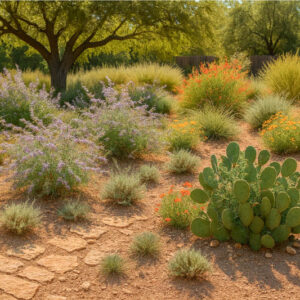
Sandy soil can be one of the easiest soils to work with once you learn to harness its strengths. From the Pineywoods to the dunes of the Gulf Coast and the Sandhills of Central Texas, you can build a long lived, drought resilient landscape using native grasses, wildflowers, shrubs, and vines adapted to your site. Start with your region, choose several structural grasses and evergreen shrubs, then layer in seasonal bloomers for color and wildlife value.
What makes sandy soil in Texas different from other soils?
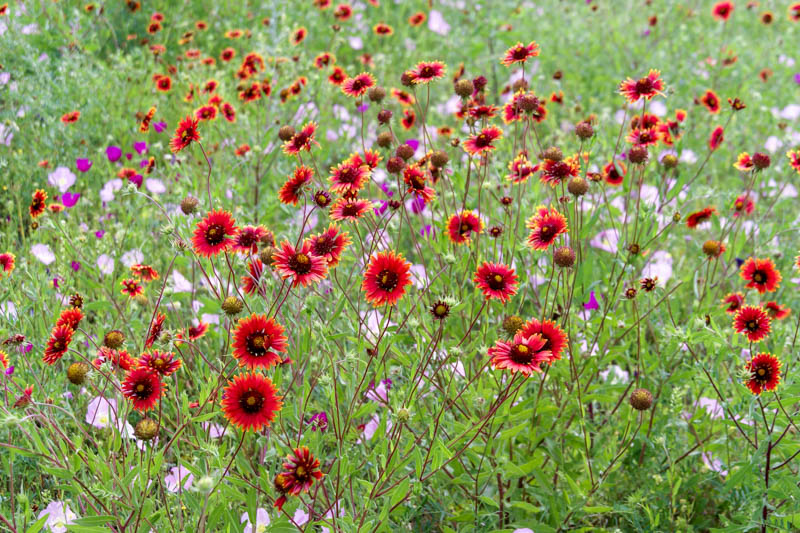
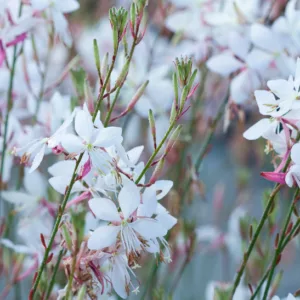
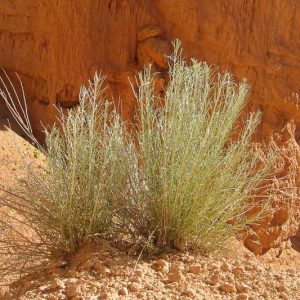
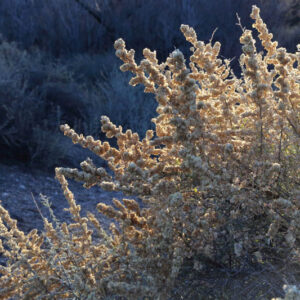
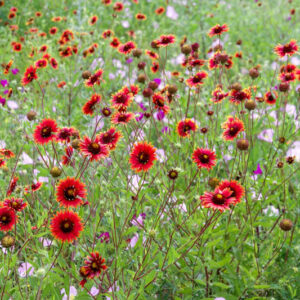
exas sandy soils are made of large mineral particles with very little organic matter. Water and dissolved nutrients move through them quickly, so the soil dries out faster and leaches fertilizer more easily than clay or loam. The upside is excellent drainage, rapid root penetration, and warm soil in spring. Plants adapted to prairies, dunes, and sandy woodlands—such as little bluestem (Schizachyrium scoparium), firewheel (Gaillardia pulchella), and four-wing saltbush (Atriplex canescens)—take advantage of these conditions and perform better than typical garden plants.
hat are some of the best flowering perennials for Texas sandy soils in full sun?
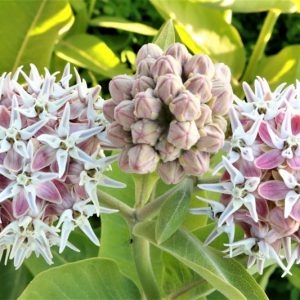
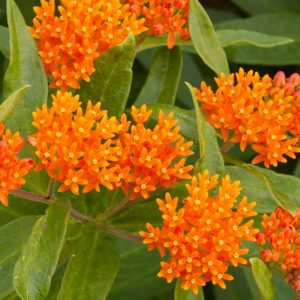
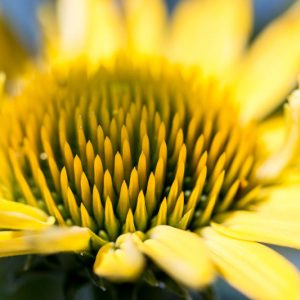
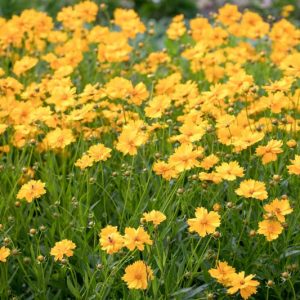
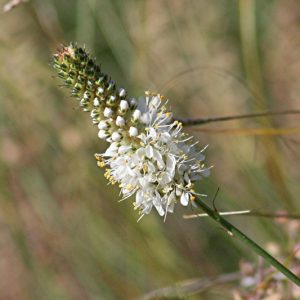
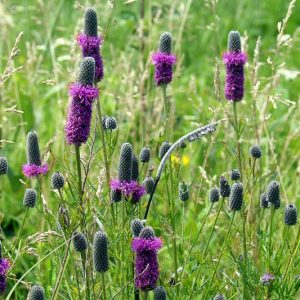
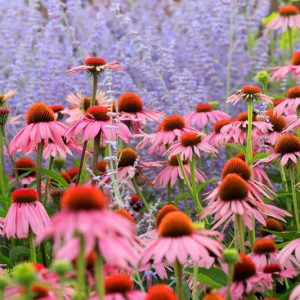
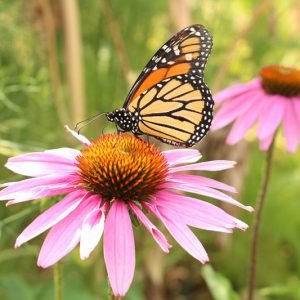
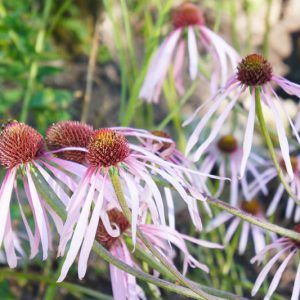
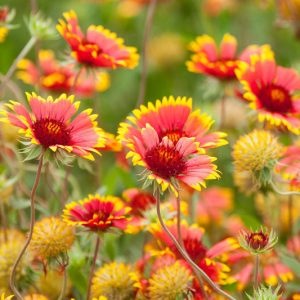
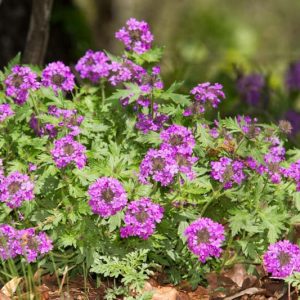
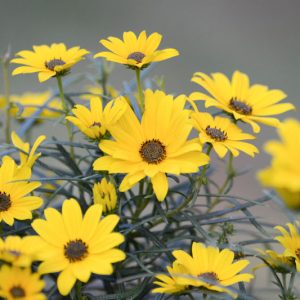
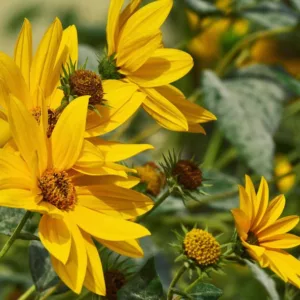
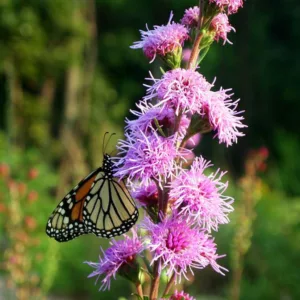
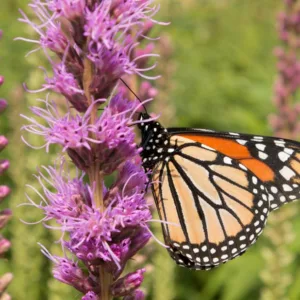
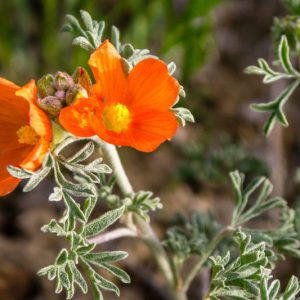
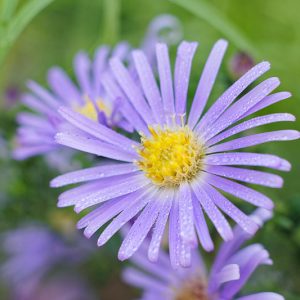
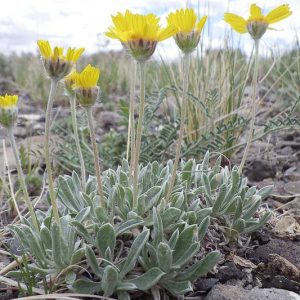
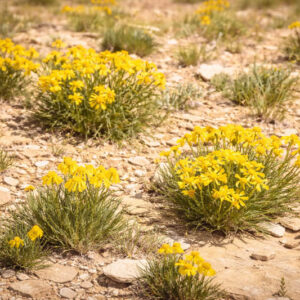
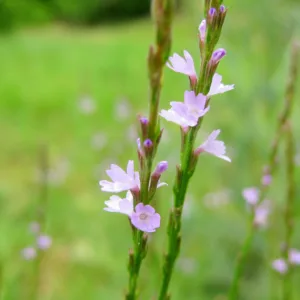
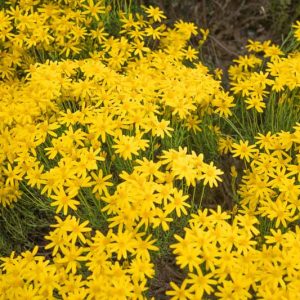
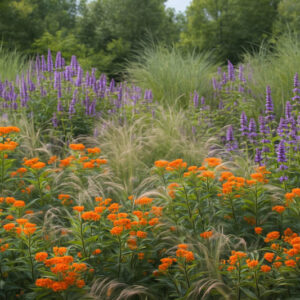
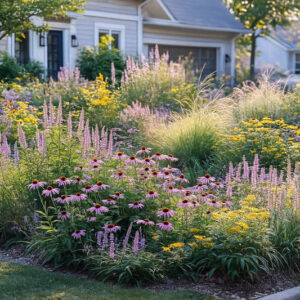
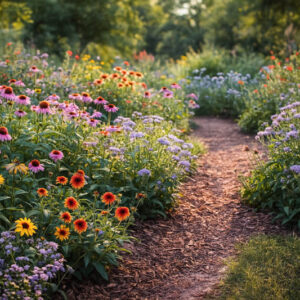
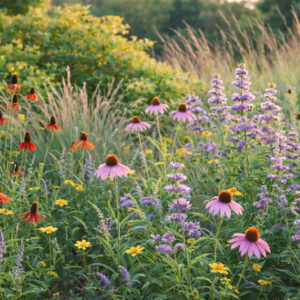
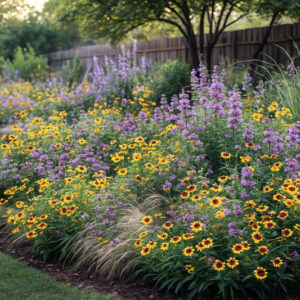
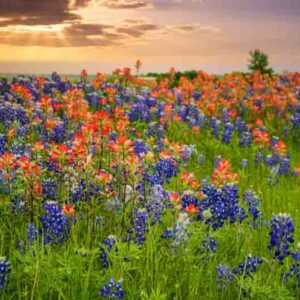
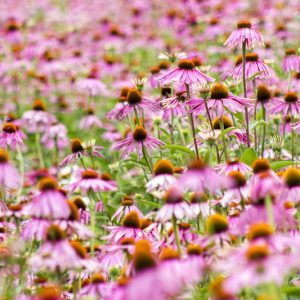
Many prairie and dune wildflowers thrive in hot, fast-draining sand. Reliable choices include firewheel or Indian blanket (Gaillardia pulchella), Engelmann daisy (Engelmannia peristenia), showy and butterfly milkweeds (Asclepias speciosa and Asclepias tuberosa), rough and prairie blazing stars (Liatris aspera and Liatris pycnostachya), four-nerve daisy (Tetraneuris scaposa), angelita daisy (Tetraneuris acaulis), prairie verbena (Glandularia bipinnatifida), purple and pale purple coneflowers (Echinacea purpurea and Echinacea pallida), and aromatic aster (Symphyotrichum oblongifolium). These species are adapted to lean, dry soils and usually need only occasional supplemental water once established.
Which ornamental grasses handle Texas sand the best?
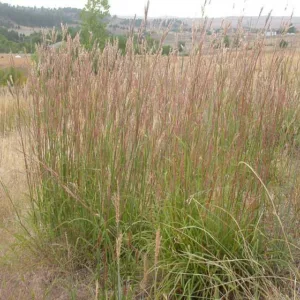
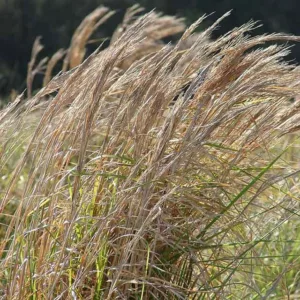
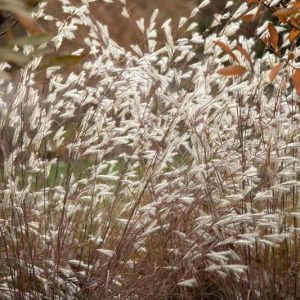
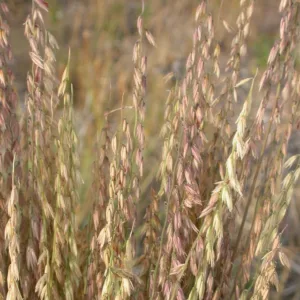
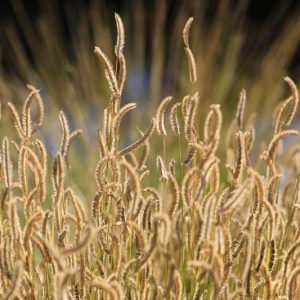
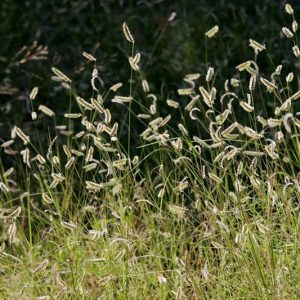
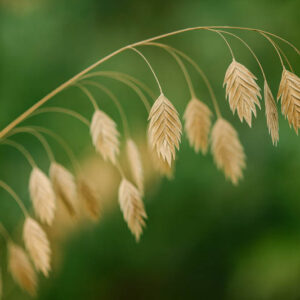
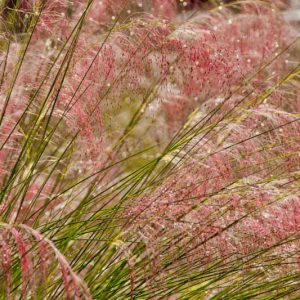
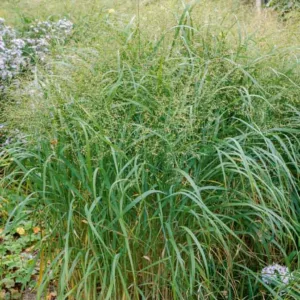
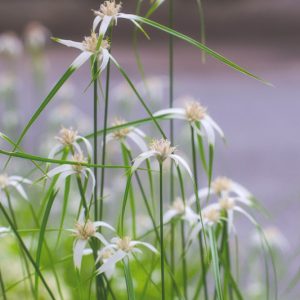
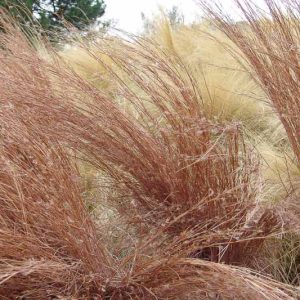
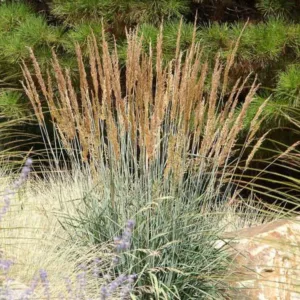
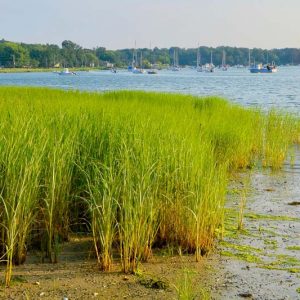
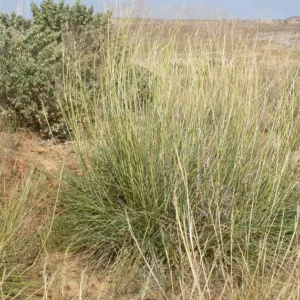
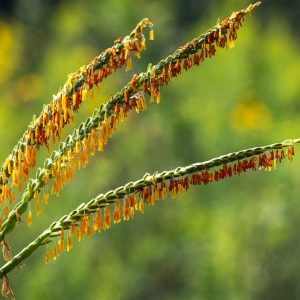
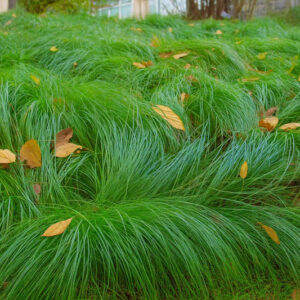
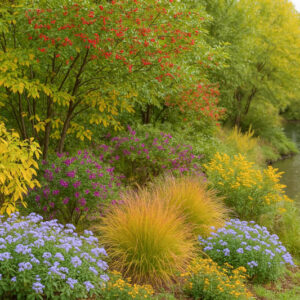
Native warm-season grasses are ideal for sandy sites. Pink muhly grass or Gulf muhly (Muhlenbergia capillaris), little bluestem (Schizachyrium scoparium), big bluestem (Andropogon gerardii), Indian grass (Sorghastrum nutans), side-oats grama (Bouteloua curtipendula), blue and hairy grama (Bouteloua gracilis and Bouteloua hirsuta), switchgrass (Panicum virgatum), Eastern gamma grass (Tripsacum dactyloides), and alkali sacaton (Sporobolus airoides) all form deep root systems that anchor loose sand and tolerate drought. On coastal or very wet sand, smooth cordgrass (Spartina alterniflora) and star rush (Rhynchospora colorata) are especially useful.
What shrubs and small trees are most reliable in Texas sandy soils?
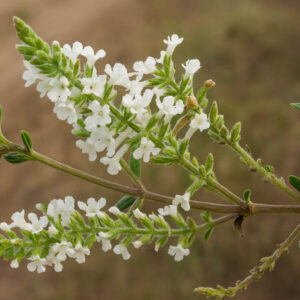
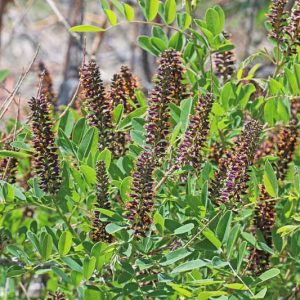
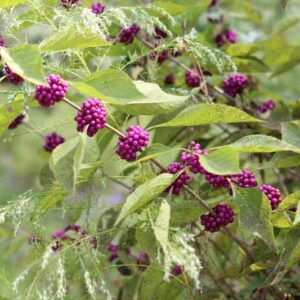
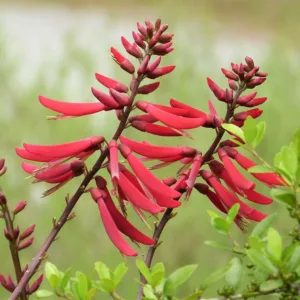
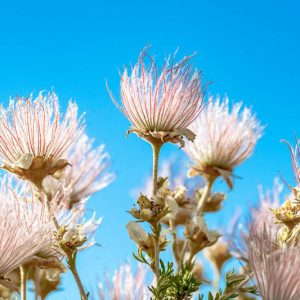
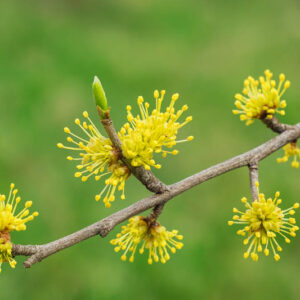
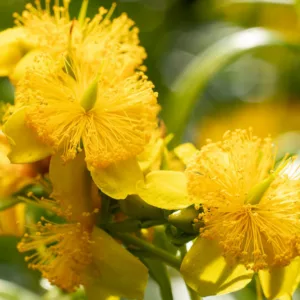
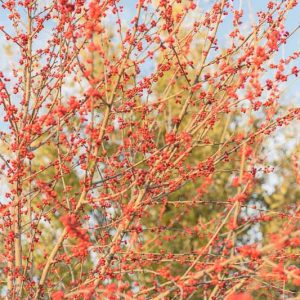
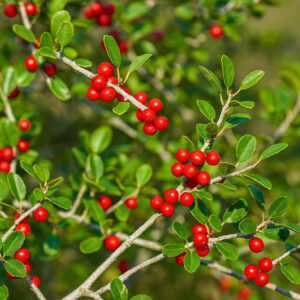
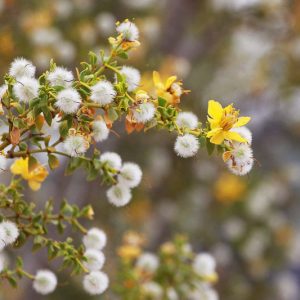
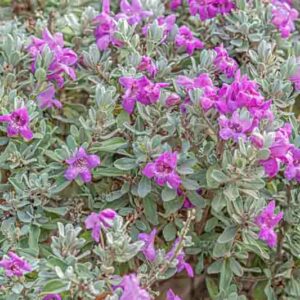
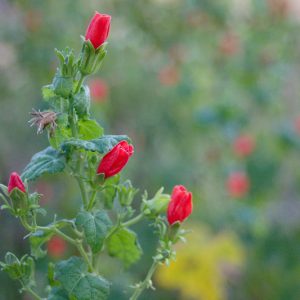
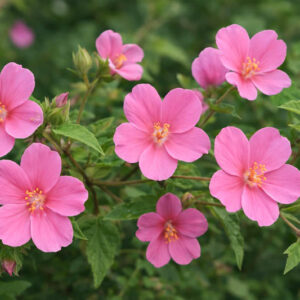
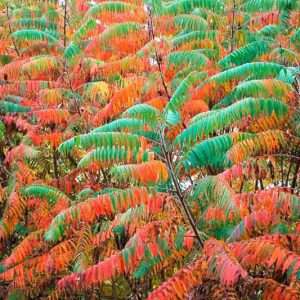
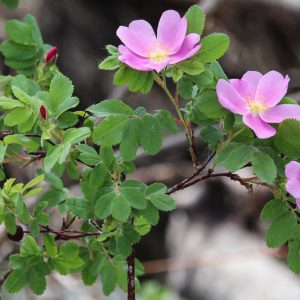
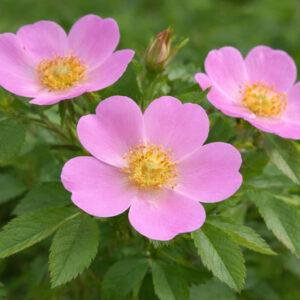
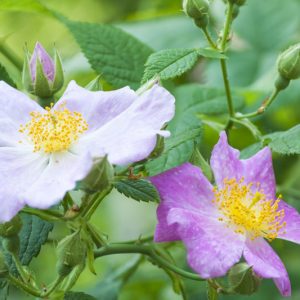
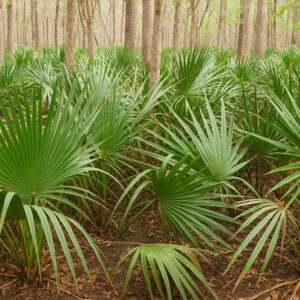
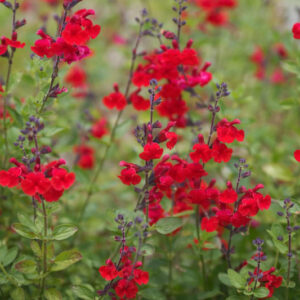
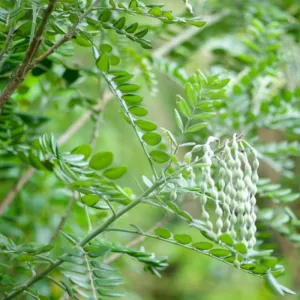
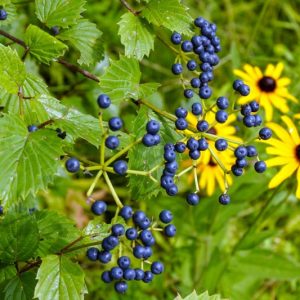
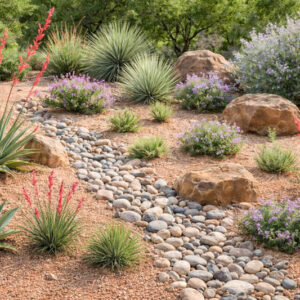
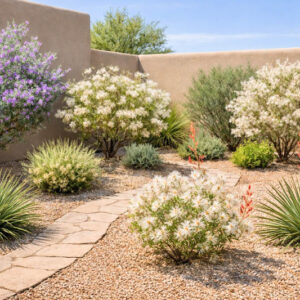
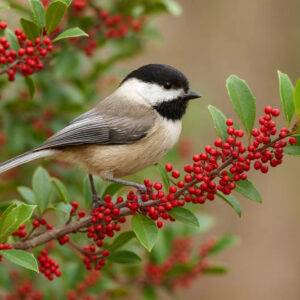
Several native shrubs naturally occur on sandy prairies and sandhills. Four-wing saltbush (Atriplex canescens), Texas sage (Leucophyllum frutescens), creosote bush (Larrea tridentata), whitebrush (Aloysia gratissima), coralbean (Erythrina herbacea), Apache plume (Fallugia paradoxa), desert olive (Forestiera pubescens), smooth and littleleaf sumac (Rhus glabra and Rhus microphylla), dwarf palmetto (Sabal minor), and plains, prairie, Carolina, and Arkansas roses (Rosa arkansana, Rosa setigera, Rosa carolina) all tolerate lean, well-drained soil. In sandy woodlands and Pineywoods, yaupon holly (Ilex vomitoria), possumhaw (Ilex decidua), American beautyberry (Callicarpa americana), arrowwood viburnum (Viburnum dentatum), shrubby St. John’s wort (Hypericum prolificum), Turk’s cap (Malvaviscus arboreus var. drummondii), and autumn sage (Salvia greggii) perform well in bright shade to part sun.
Which vines are good choices for sandy Texas sites?
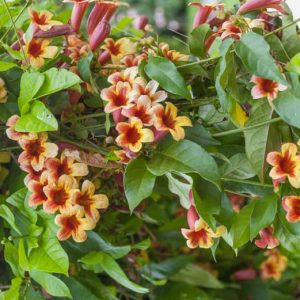
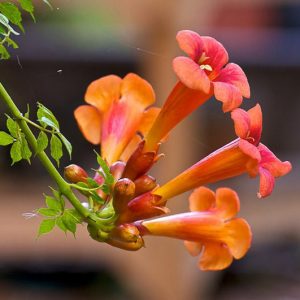
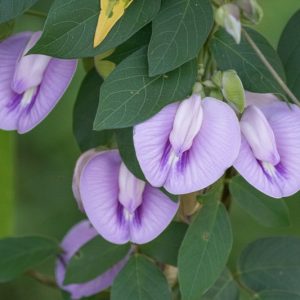
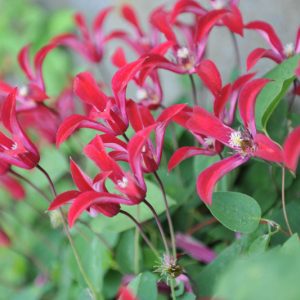
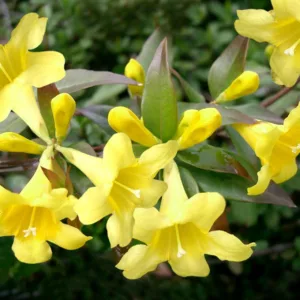
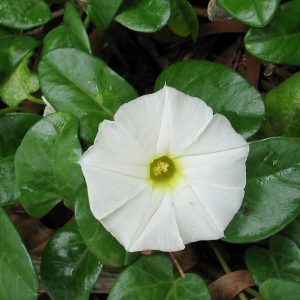
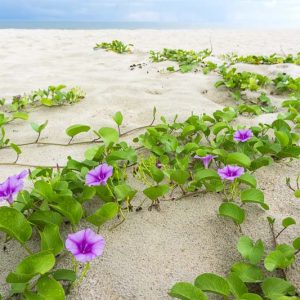
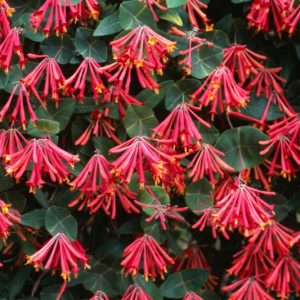
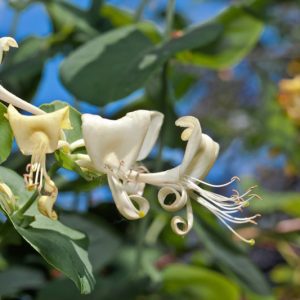
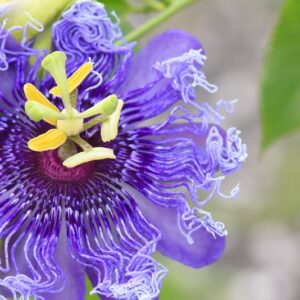
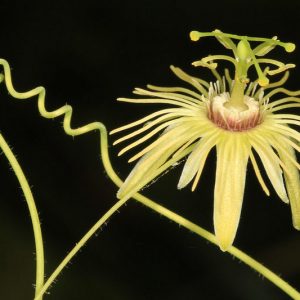
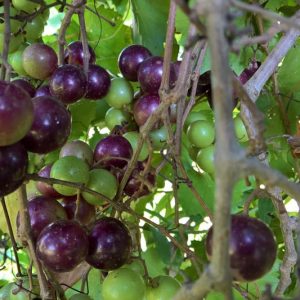
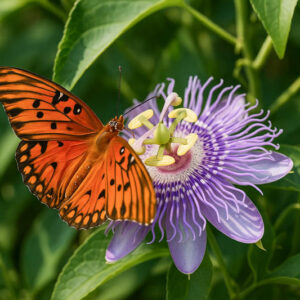
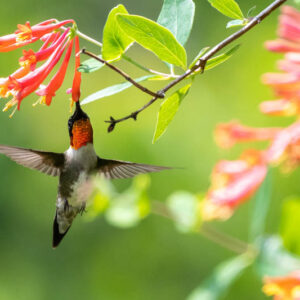
Several native vines thrive where soils are sandy and drain quickly. Cross vine (Bignonia capreolata) and trumpet vine (Campsis radicans) provide strong vertical accents and hummingbird flowers. Carolina jessamine (Gelsemium sempervirens) offers fragrant yellow blooms. Virginia creeper (Parthenocissus quinquefolia) climbs or scrambles and gives excellent fall color. For coastal or dune sand, beach morning glory (Ipomoea imperati) and railroad vine (Ipomoea pes-caprae) are excellent mat-forming groundcover vines. White and trumpet honeysuckles (Lonicera albiflora and Lonicera sempervirens), maypop (Passiflora incarnata), yellow passion flower (Passiflora lutea), and muscadine grape (Vitis rotundifolia) also handle sandy conditions with proper support.
What plants work best in part shade or Pineywoods sandy woodlands?
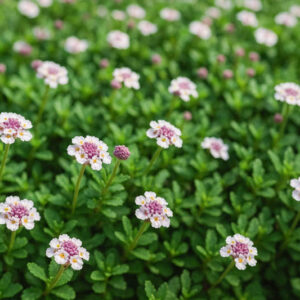
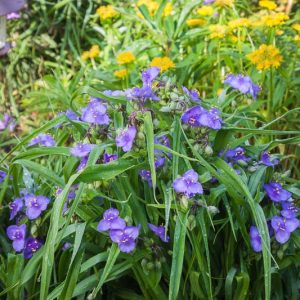
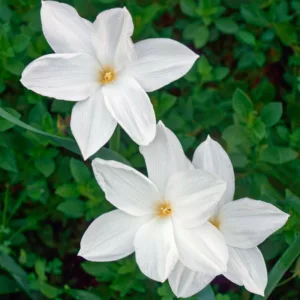
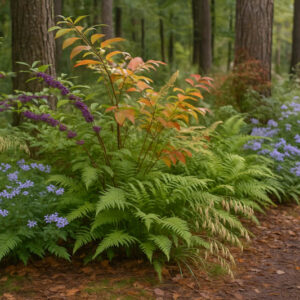
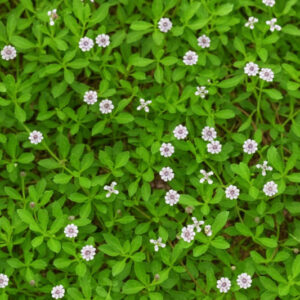
In bright shade under pines or oaks, shrubs and groundcovers adapted to sandy woodlands perform better than sun-loving prairie species. Good options include American beautyberry (Callicarpa americana), yaupon and possumhaw hollies (Ilex vomitoria and Ilex decidua), arrowwood viburnum (Viburnum dentatum), shrubby St. John’s wort (Hypericum prolificum), Turk’s cap (Malvaviscus arboreus var. drummondii), frogfruit (Phyla nodiflora), prairie spiderwort (Tradescantia occidentalis), northern sea oats (Chasmanthium latifolium), and evening rain lily (Zephyranthes drummondii). These species tolerate filtered light, tree-root competition, and the quick-draining nature of sandy woodland soils.
Which sandy-soil plants are especially attractive to pollinators and wildlife?
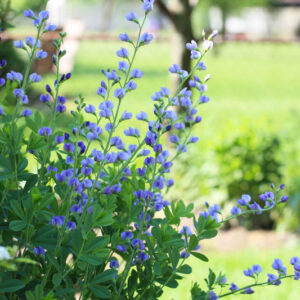
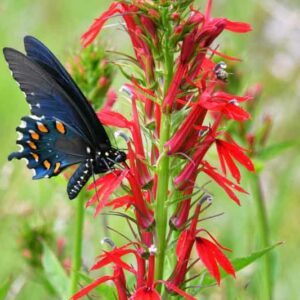
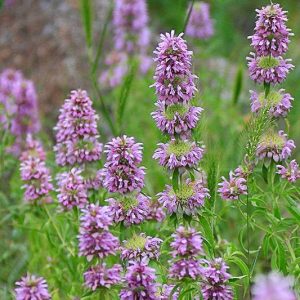
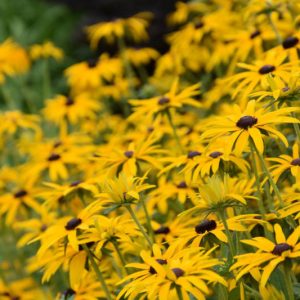
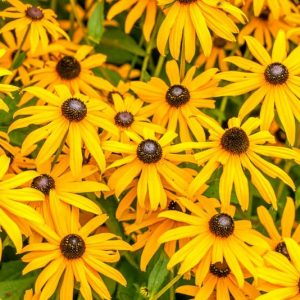
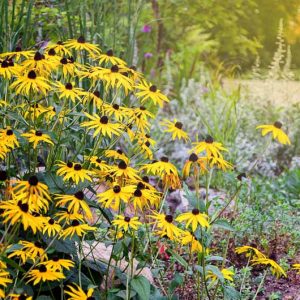
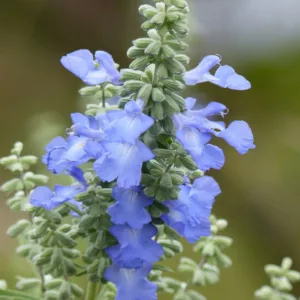
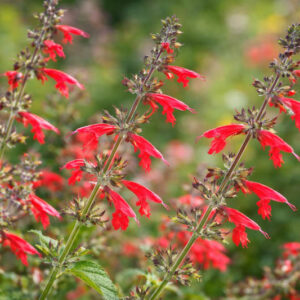
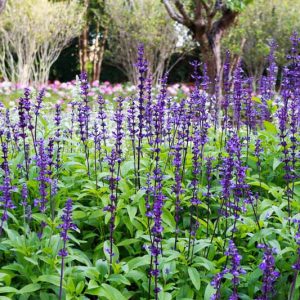
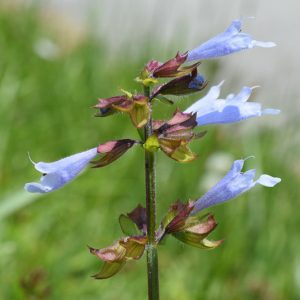
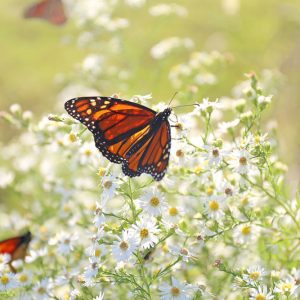
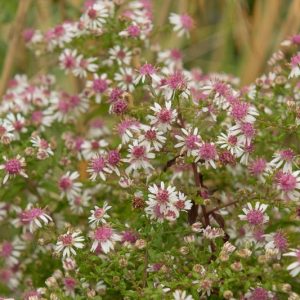
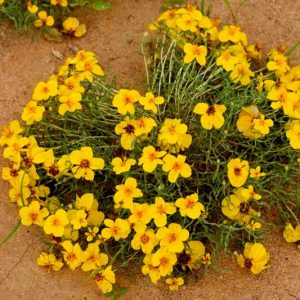
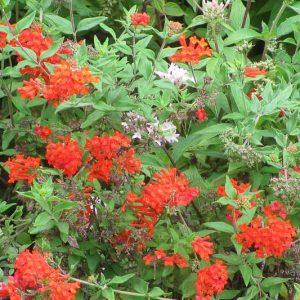
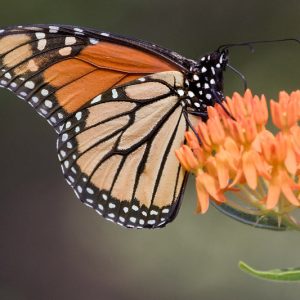
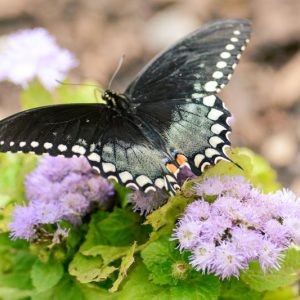
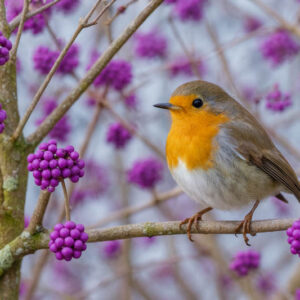
Many Texas sandy-soil natives are excellent nectar and seed sources. For butterflies and bees, firewheel (Gaillardia pulchella), Engelmann daisy (Engelmannia peristenia), showy and butterfly milkweeds (Asclepias speciosa and Asclepias tuberosa), rough and prairie blazing stars (Liatris aspera and Liatris pycnostachya), lemon bee balm (Monarda citriodora), mealy, blue, autumn, and scarlet sages (Salvia farinacea, Salvia azurea, Salvia greggii, Salvia coccinea), black-eyed Susans (Rudbeckia hirta and Rudbeckia fulgida var. speciosa), aromatic and heath asters (Symphyotrichum oblongifolium and Aster ericoides), four-nerve and angelita daisies (Tetraneuris scaposa and Tetraneuris acaulis), plains zinnia (Zinnia grandiflora), and prairie verbena (Glandularia bipinnatifida) are standouts. For birds and other wildlife, little bluestem, Indian grass, and other native grasses supply cover and seed, while shrubs such as American beautyberry, Texas sage, roses, sumacs, and yaupon holly provide fruit, nectar, and nesting sites.
Are there sandy-soil plants that help control erosion and stabilize loose slopes?
Deep-rooted grasses and shrubs are the best tools for stabilizing sandy slopes. Little bluestem (Schizachyrium scoparium), Indian grass (Sorghastrum nutans), big bluestem (Andropogon gerardii), switchgrass (Panicum virgatum), Eastern gamma grass (Tripsacum dactyloides), side-oats grama (Bouteloua curtipendula), and alkali sacaton (Sporobolus airoides) form dense root systems that hold sand in place. On coastal dunes or very loose sand, beach morning glory (Ipomoea imperati), railroad vine (Ipomoea pes-caprae), and four-wing saltbush (Atriplex canescens) spread across the surface and bind it. Shrubs such as Apache plume (Fallugia paradoxa), desert olive (Forestiera pubescens), and creosote bush (Larrea tridentata) also contribute to long-term slope stabilization.
Which of these plants tolerate coastal wind and salt exposure?
Several species in the Texas sandy-soil palette are naturally coastal or salt-tolerant. Smooth cordgrass (Spartina alterniflora), alkali sacaton (Sporobolus airoides), and star rush (Rhynchospora colorata) handle salt spray and periodic flooding. Four-wing saltbush (Atriplex canescens), sea ox-eye (Borrichia frutescens), pink muhly grass (Muhlenbergia capillaris), beach morning glory (Ipomoea imperati), railroad vine (Ipomoea pes-caprae), and swamp sunflower (Helianthus angustifolius) are suited to windy, sandy coastal conditions. Many of these also do well inland on alkaline or very well-drained sandy soils.
Do I need to heavily amend Texas sandy soils before planting these natives?
Most of the listed native plants evolved in naturally sandy, low-fertility soils and do not require heavy amendment. Instead of trying to turn sand into rich loam, it is usually better to add a few inches of compost or other organic matter on top, plant directly into the native soil, and then maintain a 2–3 inch layer of mulch around plants. This approach improves moisture retention and soil biology without creating a water-holding “bathtub” layer that can rot drought-adapted roots.
How should I water new plantings in sandy soil, and how does that change after establishment?
In sandy soil, water moves downward quickly, so irrigation should be deep and relatively infrequent rather than shallow and daily. For the first few months after planting, water slowly until the root zone is moistened 6–8 inches deep, then allow the top few inches to dry slightly before watering again. Once plants such as little bluestem, firewheel, coneflowers, sages, and beautyberry are well established—usually after one full growing season—they typically need only occasional deep watering during extended droughts.
Are any of these sandy-soil natives deer or rabbit resistant?
No plant is completely deer- or rabbit-proof, but several sandy-soil natives are typically less palatable. Aromatic and somewhat tough species such as Texas sage (Leucophyllum frutescens), whitebrush (Aloysia gratissima), creosote bush (Larrea tridentata), shrubby St. John’s wort (Hypericum prolificum), autumn sage (Salvia greggii), mealy sage (Salvia farinacea), blue sage (Salvia azurea), lemon bee balm (Monarda citriodora), Engelmann daisy (Engelmannia peristenia), four-nerve daisy (Tetraneuris scaposa), and plains zinnia (Zinnia grandiflora) are often browsed less than tender ornamentals. Browsing pressure varies by site, so physical protection may still be needed while plants are young.