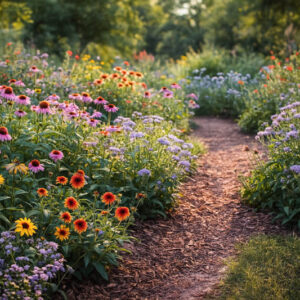
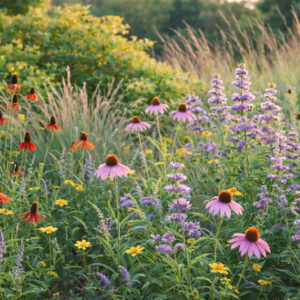
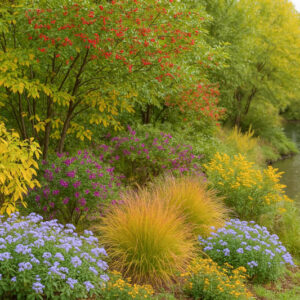
Best native, drought tough groundcovers for Texas, region by region, to replace thirsty lawns with colorful, low maintenance living mulch.


Texas is big, bold, and full of wildly different landscapes, and that means one thing for your garden: there is no one-size-fits-all groundcover. The best groundcovers for Texas are the ones that already know how to live here. Native and well adapted Texas groundcovers handle brutal summer heat, surprise cold snaps, and long dry spells while still giving you color, texture, and living mulch that beats the weeds.
This guide highlights some of the best Texas native and well adapted groundcovers for four broad Texas regions, so you can match your planting list to your local climate and soils. Use it as a menu to choose low spreading perennials, tough native grasses, evergreen mats, and flowering carpets that really earn their keep in your Texas landscape.
To keep things simple, this guide groups Texas into four broad gardening regions:
You do not have to treat these boundaries as hard lines. Many native groundcovers overlap regions. Use these groups as a starting point, then fine tune with local plant lists and nursery advice.
| Hardiness |
6 - 10 |
|---|---|
| Native Plants | United States, Southwest, Texas |
| Landscaping Ideas | Ground Covers |
| Toxic to Humans | No known toxicity |
| Toxic to Cats | No known toxicity |
| Toxic to Dogs | No known toxicity |
| Toxic to Horses | No known toxicity |
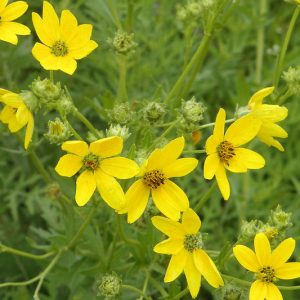
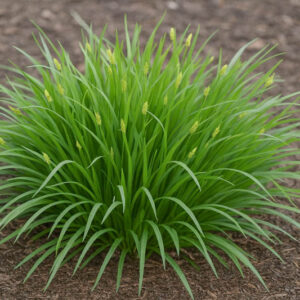
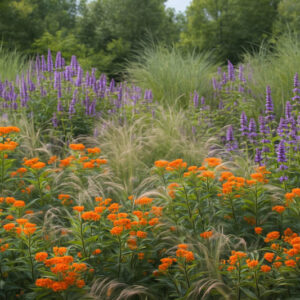
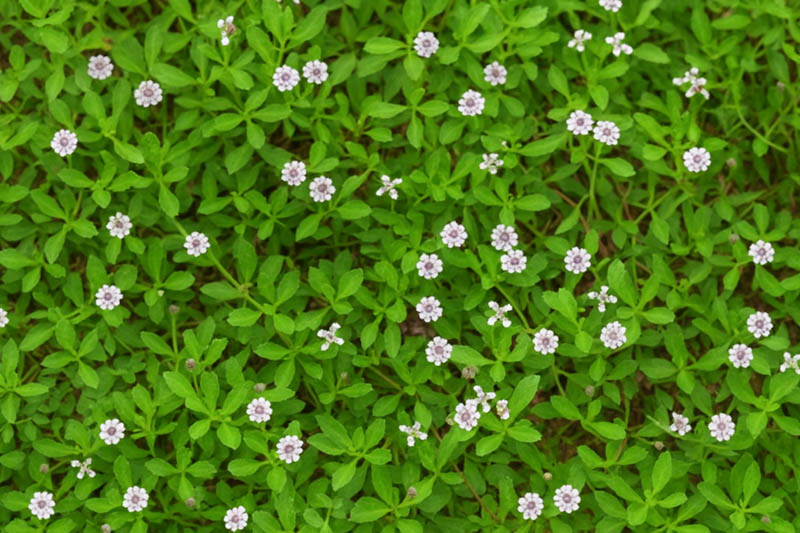
Blend a few of these as a layered mix, using frogfruit or horseherb as the main living mulch, then tucking in winecup, golden groundsel, and lyreleaf sage for seasonal color.
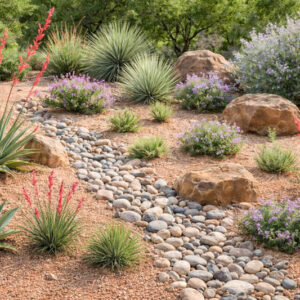
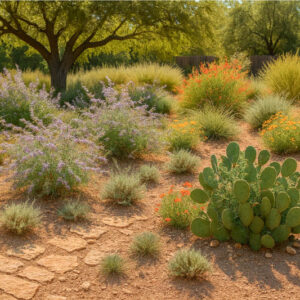
Here limestone rules. Soils are thin and rocky, rainfall is variable, and slopes shed water fast. Native Hill Country groundcovers are desert smart: deep rooted, drought tough, and perfectly comfortable baking on hot rock. Many are evergreen or semi evergreen and help knit together terraces, rock gardens, and slopes while holding soil in place.
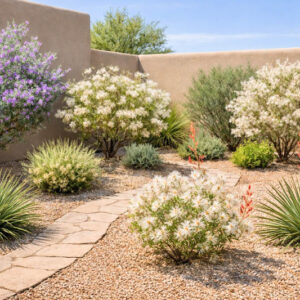
High Plains and far West Texas gardens face stronger sun, lower humidity, more wind, and often less rainfall. Soils range from sandy and fast draining to gravelly or very alkaline. Groundcovers here must be truly drought tough, wind firm, and comfortable in blazing sun. Many of the best come from desert or shortgrass prairie communities and fit beautifully into xeriscapes and rock gardens.
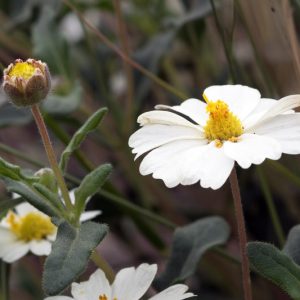
For a truly low maintenance native xeriscape, combine buffalograss, blue grama, frogfruit, blackfoot daisy, prairie verbena, damianita, Engelmann daisy, and silver ponyfoot around groupings of yucca, sotol, and other West Texas natives. You get a cohesive groundcover matrix that looks like real High Plains prairie: tough, wildlife friendly, and strikingly beautiful.
Many common groundcovers used in Texas landscapes — such as generic Asian jasmine, English ivy, liriope, and non-native sedums — hide bare soil but often offer limited ecological value. Some need extra irrigation and fertilizer, and a few can become invasive, climbing into trees, smothering shrubs, or spreading into nearby natural areas.
By contrast, native groundcovers are adapted to Texas soils, rainfall patterns, and heat cycles. They knit the soil together, cool the root zone, and support local butterflies, bees, and other wildlife while reducing the need for supplemental water and chemical inputs.
When a non-native groundcover is widely used for its look or toughness, this guide points to native or Texas-tough alternatives that fill the same landscape role while boosting habitat instead of degrading it.
Whether you are in the pineywoods, on a Blackland Prairie lot, on a rocky Hill Country slope, or under big High Plains sky, there are native and well adapted groundcovers that can handle Texas conditions with far less water and fuss than typical lawn. Start with your region, then pick a mix of evergreen mats, flowering spreaders, and low native grasses. Let them weave around your shrubs, trees, and perennials to create a living, cooling, weed smothering ground layer that works with your climate instead of fighting it.
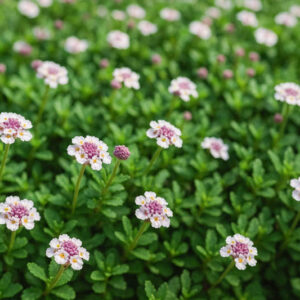
A good Texas groundcover has to tolerate intense summer heat, periods of drought, sometimes heavy rain, and a wide range of soils from sticky clay to thin limestone or sand. Ideal species are low growing, spread to form a dense mat, need little supplemental water once established, and do not become invasive. Native groundcovers such as frogfruit (Phyla nodiflora), horseherb (Calyptocarpus vialis), buffalo grass (Bouteloua dactyloides), and prairie verbena (Glandularia bipinnatifida) fit these requirements in many parts of the state.
Native groundcovers are already adapted to Texas heat, rainfall patterns, and soils, so they usually need less water, fertilizer, and pest control. They also provide nectar, pollen, and seeds for local pollinators, songbirds, and other wildlife. In contrast, widely used non-native groundcovers such as Asian jasmine, English ivy, and some sedums mainly offer cover, not habitat, and several can escape cultivation, climb into trees or natural areas, and displace native plant communities. Using natives improves both landscape resilience and ecological value.
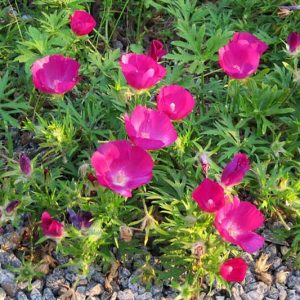
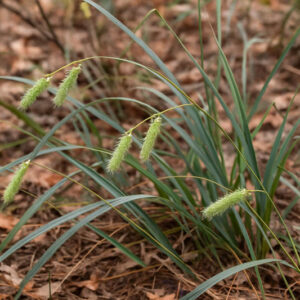
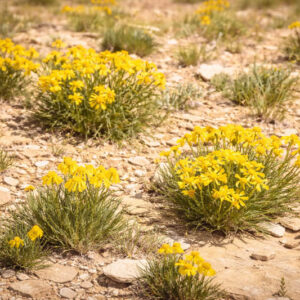
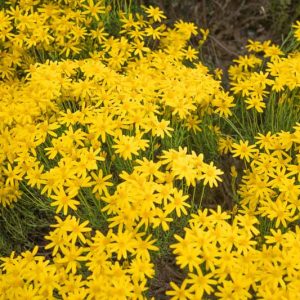
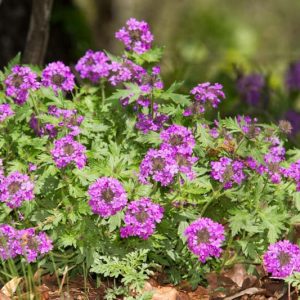
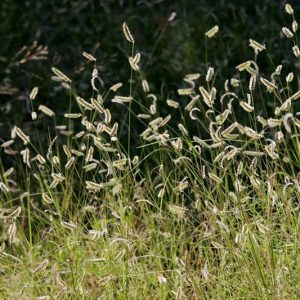
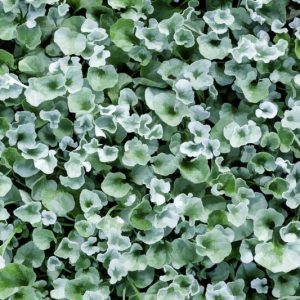
For full sun, several native and Texas-tough groundcovers perform well across large parts of the state: frogfruit (Phyla nodiflora) forms a flowering mat that tolerates some foot traffic; buffalo grass (Bouteloua dactyloides) and blue grama (Bouteloua gracilis) create low, drought tolerant native “lawns”; prairie verbena (Glandularia bipinnatifida) spreads and blooms heavily in purple; winecup or purple poppy mallow (Callirhoe involucrata) trails with magenta flowers; blackfoot daisy (Melampodium leucanthum) and four-nerve daisy (Tetraneuris scaposa) make low mounds covered in yellow or white daisies; and silver ponyfoot (Dichondra argentea) forms a very low, silvery carpet on hot, well-drained sites.
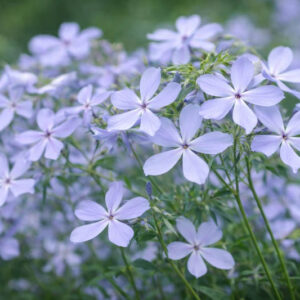
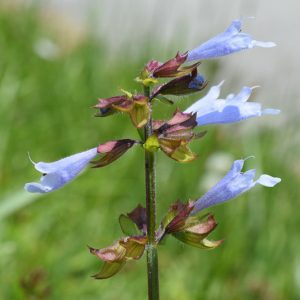
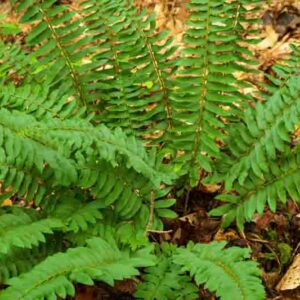
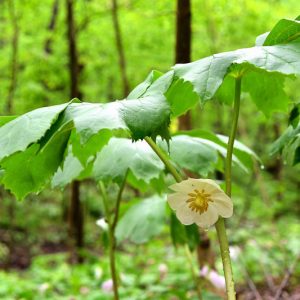
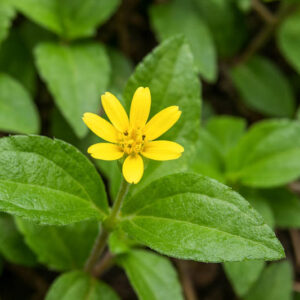
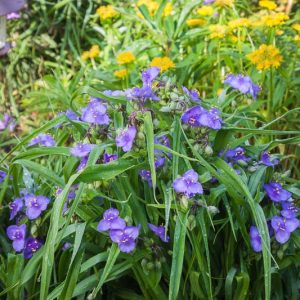
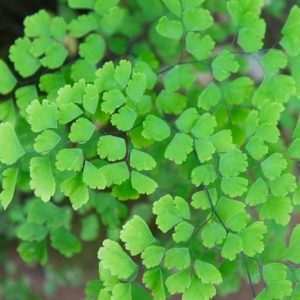
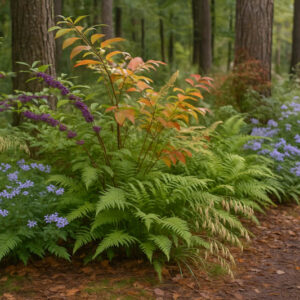
Shade groundcovers are more limited, but several natives perform well. Horseherb (Calyptocarpus vialis) is one of the best for bright to fairly dense shade under live oaks and along foundations. Frogfruit (Phyla nodiflora) tolerates light shade and can knit together dappled areas. Lyreleaf sage (Salvia lyrata) forms semi-evergreen rosettes and sends up blue flower spikes in spring. Woodland phlox (Phlox divaricata) and common blue violet (Viola sororia) can carpet moist, partially shaded beds in East and North Texas. In moister, wooded parts of East Texas, Christmas fern (Polystichum acrostichoides) and mayapple (Podophyllum peltatum) can create a woodland ground layer rather than a traditional lawn.
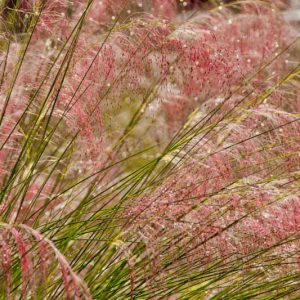
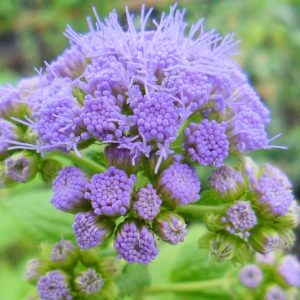
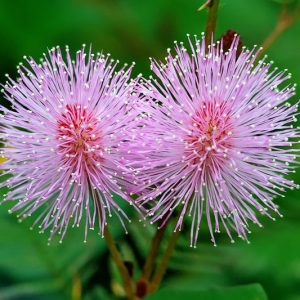
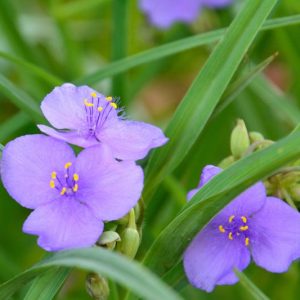
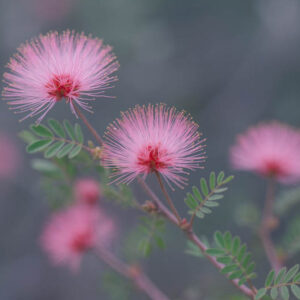
In the higher rainfall, more humid Pineywoods and Gulf Coast, good native choices include frogfruit (Phyla nodiflora), horseherb (Calyptocarpus vialis), woodland phlox (Phlox divaricata), lyreleaf sage (Salvia lyrata), blue mistflower (Conoclinium coelestinum), sunshine mimosa (Mimosa strigillosa), sea ox-eye daisy (Borrichia frutescens) in coastal sites, Ohio spiderwort (Tradescantia ohiensis), common blue violet (Viola sororia), Christmas fern (Polystichum acrostichoides), mayapple (Podophyllum peltatum), and pink muhly grass (Muhlenbergia capillaris) used in sweeping drifts as a taller ground layer. These species tolerate humidity and, in many cases, seasonally moist soils better than plants from drier regions of Texas.
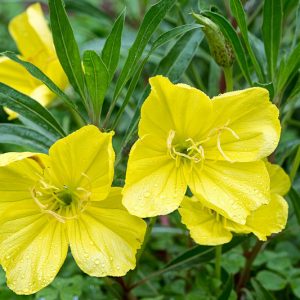
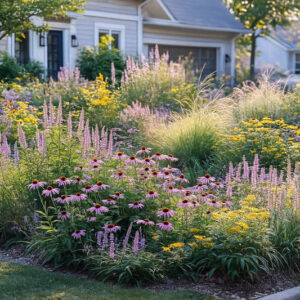
Blackland Prairie and North Central Texas are known for heavy clay soils and hot summers. Successful native groundcovers here include buffalo grass (Bouteloua dactyloides), blue grama (Bouteloua gracilis), frogfruit (Phyla nodiflora), prairie verbena (Glandularia bipinnatifida), Engelmann daisy (Engelmannia peristenia), four-nerve daisy (Tetraneuris scaposa), winecup (Callirhoe involucrata), damianita (Chrysactinia mexicana) in well-drained spots, Ozark sundrops or Missouri primrose (Oenothera macrocarpa), prairie spiderwort (Tradescantia occidentalis), and pink muhly grass (Muhlenbergia capillaris) for ornamental drifts. These plants either tolerate or prefer clay soils and perform well with sun, heat, and intermittent drought.
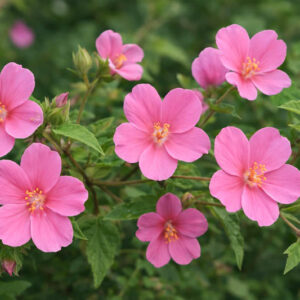
The Hill Country has thin, rocky, alkaline limestone soils and rapid drainage. Top native groundcovers for this region include silver ponyfoot (Dichondra argentea), blackfoot daisy (Melampodium leucanthum), four-nerve daisy (Tetraneuris scaposa), prairie verbena (Glandularia bipinnatifida), Engelmann daisy (Engelmannia peristenia), frogfruit (Phyla nodiflora), horseherb (Calyptocarpus vialis) in oak shade, Texas rock rose (Pavonia lasiopetala), damianita (Chrysactinia mexicana), trailing lantana where hardy (Lantana montevidensis or native lantana forms), cedar sage (Salvia roemeriana) in shade, and low masses of native grasses such as Lindheimer muhly (Muhlenbergia lindheimeri). All of these tolerate limestone, dry spells, and intense sun.
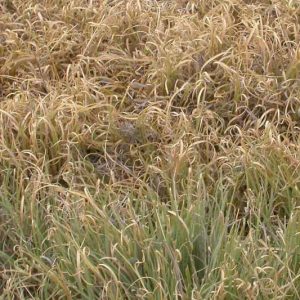
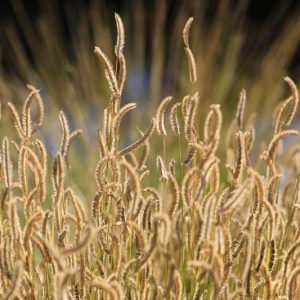
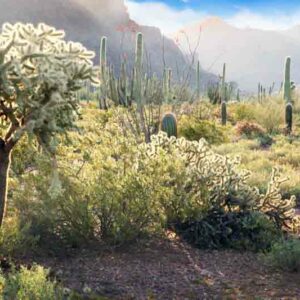
High Plains and West Texas groundcovers must tolerate intense sun, wind, low humidity, and often poor, gravelly or sandy soils. Suitable natives include buffalo grass (Bouteloua dactyloides), blue grama (Bouteloua gracilis), curly mesquite (Hilaria belangeri) in some areas, silver ponyfoot (Dichondra argentea), blackfoot daisy (Melampodium leucanthum), damianita (Chrysactinia mexicana), Engelmann daisy (Engelmannia peristenia), prairie verbena (Glandularia bipinnatifida), desert zinnia (Zinnia acerosa), frogfruit (Phyla nodiflora) where some irrigation is available, and trailing dalea (Dalea greggii). When massed, these form a tough, prairie- or desert-style living mulch that fits the region’s character.
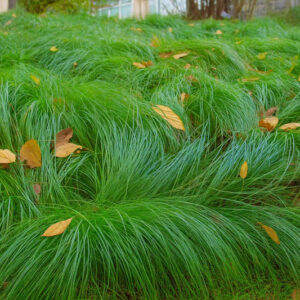
In many Texas settings, native groundcovers can replace or greatly reduce traditional high-input lawns. Buffalo grass, blue grama, and native “habiturf” mixes can serve as low-mow or no-mow lawns in full sun with modest foot traffic. Frogfruit, horseherb, and sunshine mimosa work as low, flowering alternatives for play areas, utility strips, and informal lawns, especially where soil is shallow or tree roots make turf difficult. The key is matching species to light, soil, and use level, and being comfortable with a more natural, meadow-like look rather than a uniformly clipped carpet.
Water needs vary somewhat by species and region, but most native Texas groundcovers are significantly more drought tolerant than conventional turf. After the first one to two growing seasons of deep, regular watering to establish roots, many species, such as buffalo grass, frogfruit, blackfoot daisy, prairie verbena, and silver ponyfoot, can subsist mainly on natural rainfall in their appropriate regions. Supplemental irrigation is still beneficial during extended drought or extreme heat, but overall water use is far lower than that of typical lawn grasses.
For quick coverage, prepare the soil by removing existing weeds, loosening the top several inches, and amending only if drainage is poor or the soil is extremely compacted. Plant small pots or plugs on a grid pattern, usually 12 to 18 inches apart for spreading species like frogfruit, horseherb, and prairie verbena, and 18 to 24 inches apart for mounding types like blackfoot daisy and damianita. Water deeply after planting and keep the soil consistently moist—not saturated—until new growth indicates roots are establishing. Light mulch between plants can help control weeds until the groundcover knits together.
“Low maintenance” does not mean “no maintenance,” but many native groundcovers require far less attention than traditional lawns or high-input bedding plants. Once established, they typically need occasional weeding, deep but infrequent watering, and, in some cases, a yearly light trim or mow to remove thatch and encourage fresh growth. For example, buffalo grass lawns may be mowed only a few times per year, and frogfruit or horseherb groundcovers can be trimmed lightly if they become too tall or invade paths. Avoid heavy fertilizer, which can encourage excessive growth and weeds.
Yes. Many native groundcovers have fibrous root systems that stabilize soil and slow runoff. Species such as frogfruit, prairie verbena, winecup, blackfoot daisy, four-nerve daisy, silver ponyfoot, and various native grasses work well on slopes when planted in staggered bands and allowed to fill in. In very steep or highly erodible areas, combining deep-rooted shrubs or bunchgrasses with low groundcovers creates a multilayered root network that is more effective than any single species.
Updated: November 2025 Reviewed by Gardenia Editors
| Hardiness |
6 - 10 |
|---|---|
| Native Plants | United States, Southwest, Texas |
| Landscaping Ideas | Ground Covers |
| Toxic to Humans | No known toxicity |
| Toxic to Cats | No known toxicity |
| Toxic to Dogs | No known toxicity |
| Toxic to Horses | No known toxicity |
Create a membership account to save your garden designs and to view them on any device.
Becoming a contributing member of Gardenia is easy and can be done in just a few minutes. If you provide us with your name, email address and the payment of a modest $25 annual membership fee, you will become a full member, enabling you to design and save up to 25 of your garden design ideas.
Join now and start creating your dream garden!
Create a membership account to save your garden designs and to view them on any device.
Becoming a contributing member of Gardenia is easy and can be done in just a few minutes. If you provide us with your name, email address and the payment of a modest $25 annual membership fee, you will become a full member, enabling you to design and save up to 25 of your garden design ideas.
Join now and start creating your dream garden!