Texas Redbud, Oklahoma Redbud, Texas Redbud Tree, Cercis reniformis, Cercis nitida, Cercis texensis
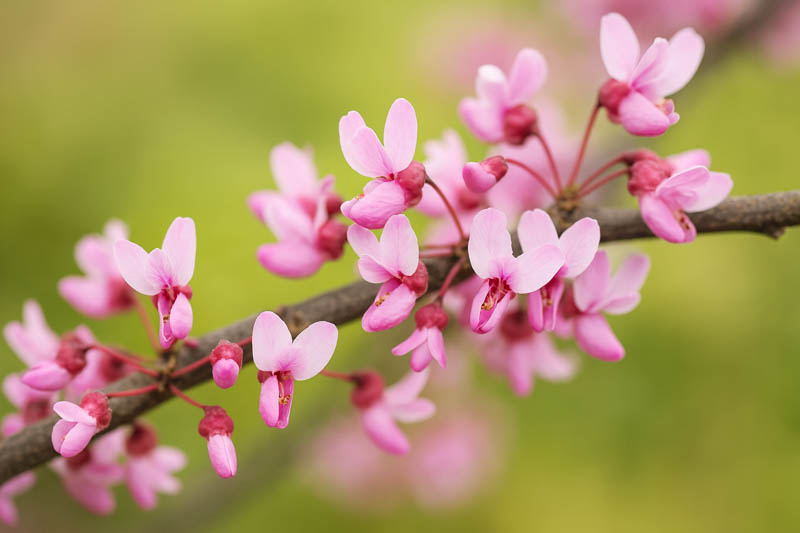
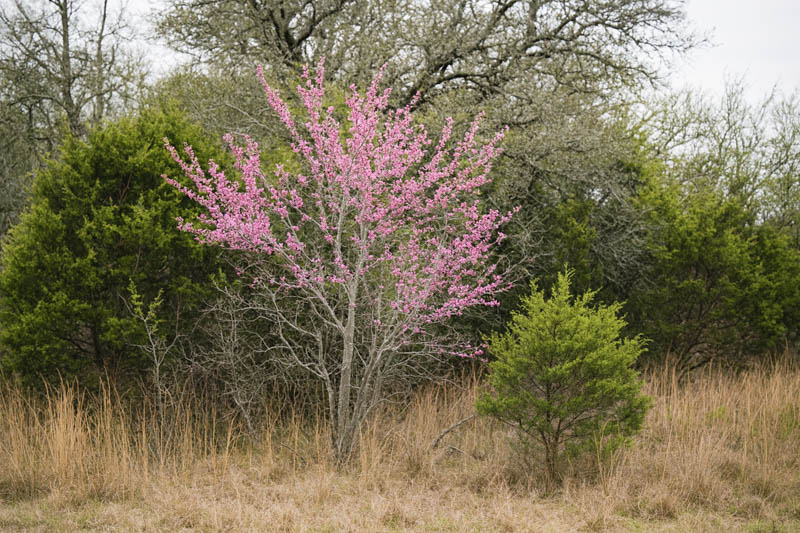


If you want a small tree that looks delicate but behaves like a survivor, Cercis canadensis var. texensis is hard to beat. Commonly called Texas Redbud, this beloved native lights up spring with masses of magenta pink blossoms that hug every branch, then follows with glossy heart shaped leaves that shine in Texas sun. Plant it by the front door, anchor a native border, or tuck it into a dry slope, and you get a four season focal point that handles heat, drought, and thin, rocky soils with ease.
Summary: Small native flowering tree for hot summers, alkaline or rocky soils, and low water landscapes. Covered in intense magenta pink blossoms in early spring, followed by thick, glossy foliage.
Use: Front yard specimen, Texas native gardens, wildlife friendly landscapes, mixed borders, and patio or courtyard focal points.
Highlight: Early season bloom that cloaks bare branches, glossy heart shaped leaves, and reliable performance in heat and drought once established.
Note: More heat and drought tolerant than many other redbuds, especially in limestone based soils of the Hill Country and North Central Texas.
| Botanical Name | Cercis canadensis var. texensis |
|---|---|
| Family | Fabaceae (pea or legume family) |
| Common Names | Texas Redbud, Texas variety of Eastern Redbud |
| Native Range | Central, south, and west Texas into southern Oklahoma and northeastern Mexico |
| Plant Type and Habit | Small deciduous flowering tree with rounded, often multi stemmed habit and graceful branching |
| Hardiness (USDA) | Zones 6 to 9 |
| Size | Typically 15 to 20 ft tall and 10 to 15 ft wide, compact enough for small gardens |
| Sun and Exposure | Full sun to light shade, best bloom in full sun |
| Soil | Well drained soils, tolerant of limestone, rocky, and slightly alkaline conditions; dislikes waterlogged sites |
| Bloom and Seasonal Interest | Magenta pink flowers in early spring, heart shaped glossy leaves in summer, yellow foliage in fall, sculptural branching in winter |
| Primary Uses | Specimen tree, native and pollinator gardens, front yard design, woodland edge, street side and courtyard planting |
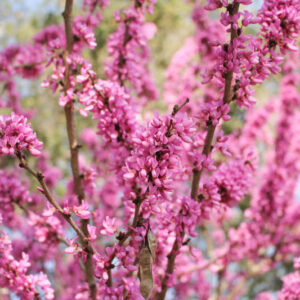
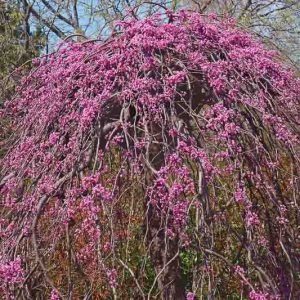
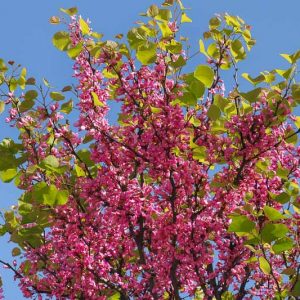
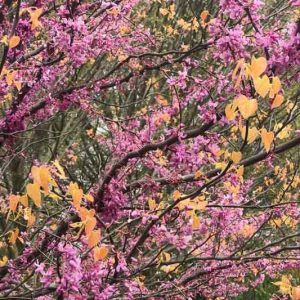
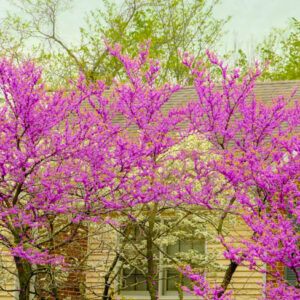
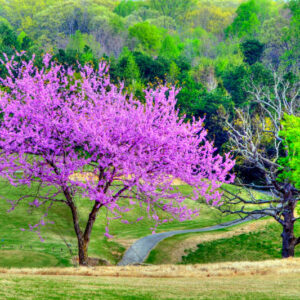
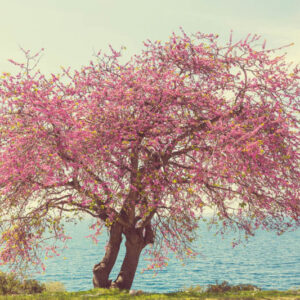
Texas Redbud is a small, broad crowned deciduous tree that punches far above its size in ornamental value. It forms a rounded, often multi trunked silhouette with branches that spread gracefully, making it look soft and sculptural at the same time. In early spring, the bare branches are crowded with bright magenta pink pea like flowers, turning the entire canopy into a cloud of color before a single leaf has emerged. Once leaves appear, they are thick, glossy, and distinctly heart shaped, giving the tree a lush, almost tropical look compared to many other natives.
This variety of Eastern Redbud is native to central, southern, and western Texas, extending into parts of Oklahoma and northeastern Mexico. It evolved on rocky limestone slopes, canyons, and woodland edges where summers are long and hot and rainfall can be unpredictable. That heritage explains why Texas Redbud performs better in dry, alkaline, and high heat conditions than many other redbud forms.
Texas Redbud typically reaches 15 to 20 ft tall and 10 to 15 ft wide, though exceptionally old trees in ideal sites can be a bit larger. Growth is moderate, adding a steady amount each year without becoming leggy or unruly. The branching pattern tends to be low and spreading if left unpruned, but the plant can also be trained into a single trunk specimen for more formal uses. The naturally rounded crown fits beautifully into front yards, small gardens, and mixed borders.
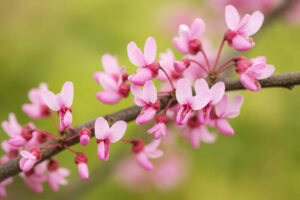
The flowers are the signature feature. Clusters of intense magenta to rosy purple blossoms emerge directly from the branches and even from older trunks, a trait called cauliflory. Each flower is small, but they are produced so densely that the entire framework of the tree glows with color. Bloom typically occurs in early to mid spring, often one of the first major floral displays of the season, making Texas Redbud a true harbinger of spring in Texas gardens.
After flowering, the tree sets flattened, bean like pods that hang in clusters along the branches. They turn from green to brown as they mature and can persist into winter. The pods add subtle texture but are not the main ornamental focus. Some wildlife may nibble the seeds, and pods can be removed if you prefer a very clean look.
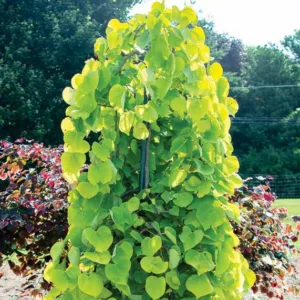
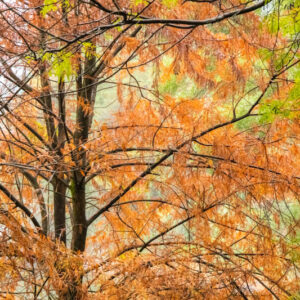
One of the key differences between Texas Redbud and typical Eastern Redbud is the foliage. Texas Redbud leaves are smaller, thicker, and more glossy, with a slightly cupped or folded appearance that sheds intense sun and heat. New leaves often emerge with a reddish or bronze tint before settling into rich green for summer. In fall, foliage shifts to warm yellow or gold tones, adding another season of interest before dropping to reveal the branching structure.
Texas Redbud is hardy in USDA Zones 6 to 9. It is well suited to the Hill Country, North Central Texas, Blackland Prairie, and parts of West Texas, as well as similar climates across the southern United States. Compared with more northern redbuds, it shows better tolerance of heat, drought, reflective light, and alkaline soils, making it a smart match for urban and suburban Texas conditions.
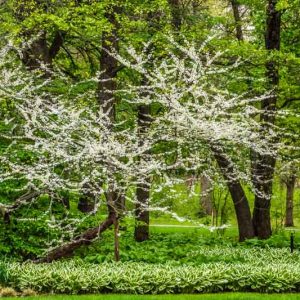
This tree is incredibly versatile. Use Texas Redbud as a front yard specimen, a focal point near patios and seating areas, or as part of a native woodland edge with oaks and understory shrubs. It is ideal for wildlife friendly plantings, cottage style Texas gardens, and low water designs that still want generous bloom. It also works in narrow side yards and along property lines where space is limited but vertical interest is needed.
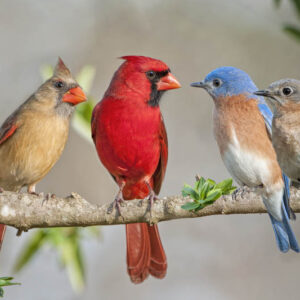
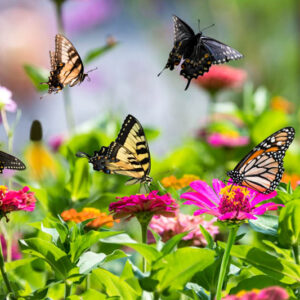
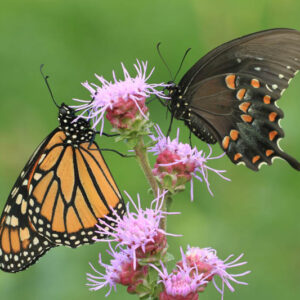
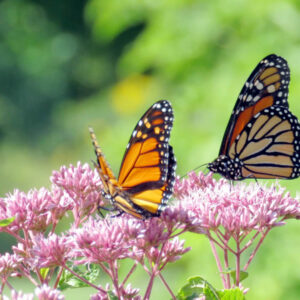
Texas Redbud supports local wildlife in subtle but important ways. Early spring flowers supply nectar and pollen to bees and native pollinators when food sources are scarce. Texas redbud is a larval host for Henry’s elfin butterfly (Callophrys henrici). The branching structure provides shelter and perching sites for small birds. While the pods are not a major food source, some species will sample seeds as part of a diverse diet. As a native tree, Texas Redbud fits naturally into local ecosystems. Top Native Texas Plants to Help Keep Birds Fed Through Every Season
Texas Redbud is generally moderately resistant to browsing. Deer and rabbits may sample young shoots in tough years, but it is usually not their first choice. Young trees in areas with heavy pressure benefit from temporary protection until they gain height and a thicker canopy.
Drought tolerance is one of the reasons Texas Redbud is so beloved. Once established in the right soil, it can thrive with very little extra water, even in prolonged hot spells. During the establishment phase, steady, deep watering is important, but after that, the tree is a strong candidate for xeric and low water gardens. Best Drought-Tolerant Texas Plants for Truly Stunning Xeriscapes
Redbuds are not commonly listed as toxic to humans or pets. Flowers are sometimes reported as edible in small amounts, but Texas Redbud is grown for beauty, not food. As with any ornamental, discourage children and pets from eating bark, leaves, or seed pods.
Texas Redbud is non invasive. It does not run, sucker aggressively, or spread problematically in garden settings. Volunteer seedlings may occasionally appear near mature trees, but they are easy to recognize and manage.
Texas Redbud performs best in full sun to light shade. Aim for at least 6 hours of direct sun per day for the heaviest bloom. In extremely hot, reflective sites, a bit of afternoon shade can help leaves stay fresh, especially in the first few summers.
The ideal soil for Texas Redbud is well drained. It is comfortable in limestone based, rocky, or slightly alkaline soils that cause problems for many ornamentals. It can also grow in heavier clays if drainage is improved and water does not stand after rain. Avoid planting in low spots, drainage swales that stay wet, or compacted areas where roots may suffocate.
Water newly planted trees deeply once or twice a week during their first growing season, adjusting for rainfall. The goal is to encourage roots to dive down rather than staying near the surface. By the second or third year, you can reduce watering and, in many sites, rely mainly on natural rainfall, watering only in prolonged drought.
Texas Redbud does not need heavy fertilization. A light application of a balanced, slow release fertilizer in early spring is plenty for most gardens. Over fertilizing can produce lush, weak growth and may actually reduce flowering. In native or low input landscapes, a yearly topdressing of compost around the drip line is often enough.
Apply a 2 to 3 inch layer of organic mulch, such as shredded bark or wood chips, around the base, keeping mulch a few inches away from the trunk. Mulch helps regulate soil temperature, conserve moisture, and reduce weed competition, which is especially helpful in the first few years.
Texas Redbud needs little pruning once it has a good shape. In late winter, before buds break, remove any dead, damaged, or crossing branches. You can lightly thin crowded interior growth to improve air flow and accentuate the natural branching. For multi trunked specimens, remove weak or rubbing trunks early so that strong framework trunks can develop.
Texas Redbud can be grown from seed, though it takes patience. Seeds often benefit from scarification and a period of cold stratification to break dormancy. Seed grown plants can vary slightly in habit, so for named forms and known traits, vegetative propagation is preferred.
Professionals often graft desirable Texas Redbud selections onto vigorous rootstocks or use semi hardwood cuttings taken in summer. These methods preserve specific traits such as leaf gloss, compact habit, or particularly rich flower color. For most home gardeners, buying a quality young tree from a reputable nursery is the easiest route.
Texas Redbud is generally robust, especially when grown in its preferred conditions. However, it can occasionally experience issues similar to other redbuds.
Most Texas Redbuds stay healthy and attractive for many years if sited correctly and not overwatered.
Texas Redbud, Cercis canadensis var. texensis, is a small native flowering tree known for its intense magenta spring blossoms, glossy heart shaped leaves, and strong heat and drought tolerance. It is a Texas adapted variety of Eastern Redbud and a signature tree for native and low water landscapes.
Most Texas Redbuds mature around 15 to 20 ft tall and 10 to 15 ft wide. They are large enough to act as a small shade or specimen tree but compact enough to fit comfortably in most home gardens, front yards, and courtyards.
Yes. Once established, Texas Redbud is highly drought tolerant and well suited to Texas heat and low water landscapes. Regular, deep watering is important in the first 1 to 2 years, but after that it usually needs only occasional supplemental irrigation during extended dry spells.
Texas Redbud prefers well drained soils and does especially well in rocky, limestone based, or slightly alkaline conditions common in central and north Texas. It dislikes heavy, waterlogged soils and should not be planted where water sits after rain.
Texas Redbud blooms best in full sun with at least 6 hours of direct light each day. In extremely hot or reflective sites, a little afternoon shade can help protect the foliage, but too much shade will reduce flowering and make the canopy more open.
Yes. As a native tree, Texas Redbud fits naturally into local ecosystems. Its early flowers feed pollinators such as bees, and its branching structure offers cover and perches for small birds. It combines well with other natives to create wildlife friendly plantings.
Updated: November 2025 • Reviewed by Gardenia Editors
| Hardiness |
6 - 9 |
|---|---|
| Plant Type | Trees |
| Plant Family | Fabaceae |
| Genus | Cercis |
| Common names | Redbud |
| Exposure | Full Sun, Partial Sun |
| Season of Interest | Spring (Early, Mid), Fall |
| Height | 15' - 20' (4.6m - 6.1m) |
| Spread | 10' - 15' (3m - 4.6m) |
| Maintenance | Low |
| Water Needs | Low, Average |
| Soil Type | Chalk, Clay, Loam, Sand |
| Soil pH | Acid, Alkaline, Neutral |
| Soil Drainage | Well-Drained |
| Characteristics | Showy |
| Native Plants | United States, Southwest, Texas |
| Tolerances | Drought, Dry Soil, Heat, Black Walnut, Fire |
| Attracts | Bees, Birds, Butterflies |
| Garden Uses | Beds And Borders |
| Garden Styles | Informal and Cottage |
| Toxic to Humans | No known toxicity |
| Toxic to Cats | No known toxicity |
| Toxic to Dogs | No known toxicity |
| Toxic to Horses | No known toxicity |


| Hardiness |
6 - 9 |
|---|---|
| Plant Type | Trees |
| Plant Family | Fabaceae |
| Genus | Cercis |
| Common names | Redbud |
| Exposure | Full Sun, Partial Sun |
| Season of Interest | Spring (Early, Mid), Fall |
| Height | 15' - 20' (4.6m - 6.1m) |
| Spread | 10' - 15' (3m - 4.6m) |
| Maintenance | Low |
| Water Needs | Low, Average |
| Soil Type | Chalk, Clay, Loam, Sand |
| Soil pH | Acid, Alkaline, Neutral |
| Soil Drainage | Well-Drained |
| Characteristics | Showy |
| Native Plants | United States, Southwest, Texas |
| Tolerances | Drought, Dry Soil, Heat, Black Walnut, Fire |
| Attracts | Bees, Birds, Butterflies |
| Garden Uses | Beds And Borders |
| Garden Styles | Informal and Cottage |
| Toxic to Humans | No known toxicity |
| Toxic to Cats | No known toxicity |
| Toxic to Dogs | No known toxicity |
| Toxic to Horses | No known toxicity |
How many Cercis canadensis var. texensis (Texas Redbud) do I need for my garden?
| Plant | Quantity | |
|---|---|---|
| Cercis canadensis var. texensis (Texas Redbud) | N/A | Buy Plants |
Create a membership account to save your garden designs and to view them on any device.
Becoming a contributing member of Gardenia is easy and can be done in just a few minutes. If you provide us with your name, email address and the payment of a modest $25 annual membership fee, you will become a full member, enabling you to design and save up to 25 of your garden design ideas.
Join now and start creating your dream garden!
Create a membership account to save your garden designs and to view them on any device.
Becoming a contributing member of Gardenia is easy and can be done in just a few minutes. If you provide us with your name, email address and the payment of a modest $25 annual membership fee, you will become a full member, enabling you to design and save up to 25 of your garden design ideas.
Join now and start creating your dream garden!