Create Your Garden

Texas Butterfly Host Plants

Want more butterflies than your nectar flowers can deliver? The secret is host plants. These are the Texas natives where butterflies actually lay eggs and caterpillars feed. Add a few of these trees, vines, and wildflowers, and your garden becomes a full nursery, not just a drive-through.

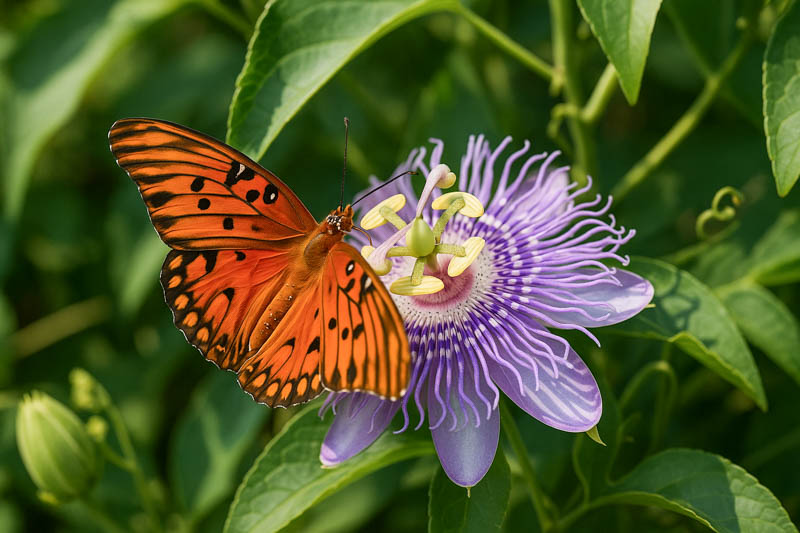
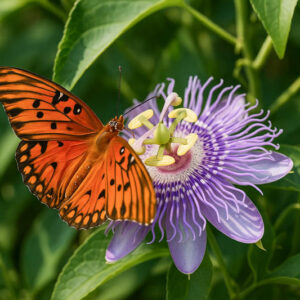
Texas butterfly Host plants, Passiflora incarnata and Fritillary butterfly

Texas Butterfly Host Plants: Trees, Vines, and Wildflowers

Want more butterflies in your Texas garden than a few quick drive by visits? The secret is not just nectar flowers. To really raise butterflies, you need host plants – the specific host plants that caterpillars eat. Most of the best ones for Texas gardens are native plants. When you add Texas host plants for monarchs, queens, swallowtails, fritillaries and skippers, your yard goes from pretty to powerful.

From the Pineywoods and Blackland Prairies to the Hill Country canyons and the Chihuahuan Desert, Texas butterflies rely on a surprisingly short list of trees, vines, shrubs, and wildflowers. Learn how to use them, and you turn your garden into a real nursery for the next generation of butterflies.

What Is a Host Plant for Butterflies?

A host plant for butterflies is the plant where female butterflies choose to lay their eggs and where their caterpillars feed. Adults may sip nectar from many different flowers, but caterpillars are picky. Each butterfly species has a small set of plants that its caterpillars can digest.

In Texas, classic examples include:

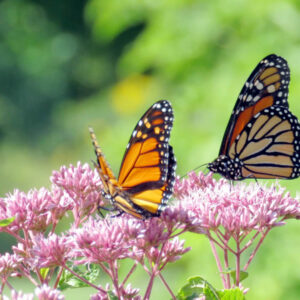
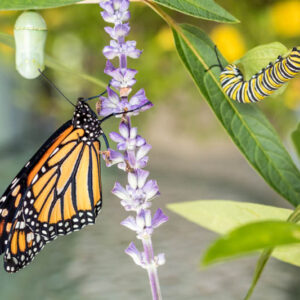
  • Monarch and Queen butterflies laying eggs on native milkweeds (Asclepias spp.).
  • Gulf fritillary using native passion vines (Passiflora spp.) as its only caterpillar food.
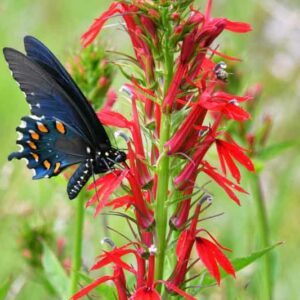
  • Pipevine swallowtail relying on native pipevines (Aristolochia spp.).
  • Common buckeye using frogfruit (Phyla nodiflora) and ruellias (Ruellia spp.).
No host plant means no caterpillars, and no caterpillars means no new butterflies. When you plant Texas native host plants (and a few well-chosen garden hosts), you support the entire life cycle, not just the adult stage.

Quick Start – Texas Butterfly Host Plant Success

  • Plant for caterpillars, not just flowers: Include at least 5 to 10 host plants, not only nectar blooms.
  • Use Texas natives first: Native oaks, milkweeds, passion vines, hackberries, and legumes feed far more species.
  • Layer trees, shrubs, vines, and groundcovers: Different butterflies use different layers of the garden.
  • Expect chewed leaves: Ragged milkweed or passion vine means your garden is working.
  • Stay pesticide free: Most sprays harm eggs, caterpillars, and adult butterflies.

Why Native Texas Host Plants Matter

Texas butterflies did not evolve with tropical annuals or generic landscape shrubs. They evolved with Texas native plants, from oaks and pecans to pipevine, frogfruit, and prairie clovers. These native plants offer the right chemistry, leaf structure, and timing for caterpillars to survive.

When you choose Texas natives as host plants, you get several wins at once:
  • Higher butterfly diversity: More species can use your garden, not just a few generalists.
  • Better drought and heat tolerance: Native plants are adapted to Texas summers and erratic rain.
  • Richer food web: Host plants also feed native moths, which in turn feed songbirds and other wildlife.
  • Less maintenance: Once established, most native host plants need less water and fertilizer than exotics.

Key Texas Butterflies and Their Host Plants

There are dozens of butterfly species in Texas, but a handful of plant groups will support many of them. Use these as your main building blocks, then add more specialists as your garden grows.

Milkweeds for Monarchs, Queens, and Soldiers

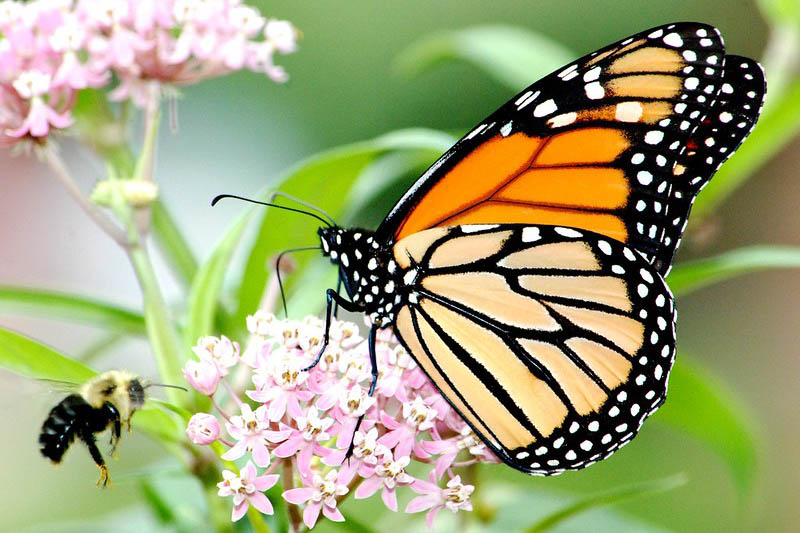
Milkweed, Common Milkweed, Butterfly Milkweed, Swamp Milkweed, Showy Milkweed, Asclepias

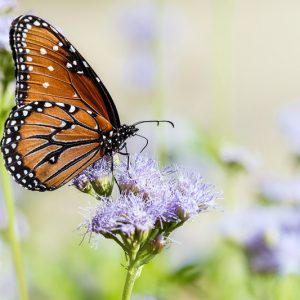
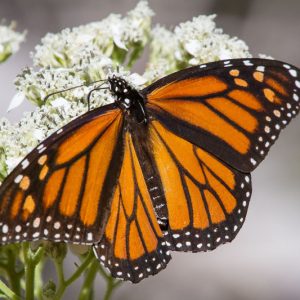
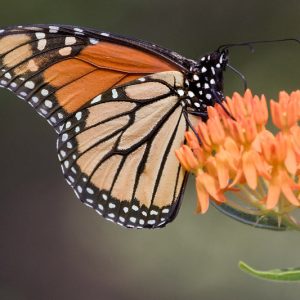
If you want to support monarchs in Texas, milkweed is non negotiable. The same milkweed plants also host queen and soldier butterflies.

  • Best native Texas milkweeds: antelopehorn (Asclepias asperula), green antelopehorn (A. viridis), butterfly weed (A. tuberosa), swamp milkweed (A. incarnata), zizotes milkweed (A. oenotheroides), aquatic milkweed (A. perennis) where soils are moist.
  • Where they fit: Sunny beds, prairie style plantings, rain gardens (for swamp and aquatic milkweed), and wild margins.
  • Bonus: Milkweed also provides nectar for many butterflies, bees, and beneficial insects.

Passion Vines for Gulf Fritillary and Friends

Texas butterfly Host plants, Passiflora incarnata and Fritillary butterfly
Gulf fritillary butterflies are easy to attract if you plant native passionvine, often called maypop.

  • Key host plants: native passion vines such as Passiflora incarnata and Passiflora lutea.
  • Where they fit: Fences, trellises, arbors, or even as a groundcover in a wild corner.
  • What to expect: Passion vines can be eaten almost to sticks by hungry caterpillars and then bounce back with new growth.

Pipevines for Pipevine Swallowtail

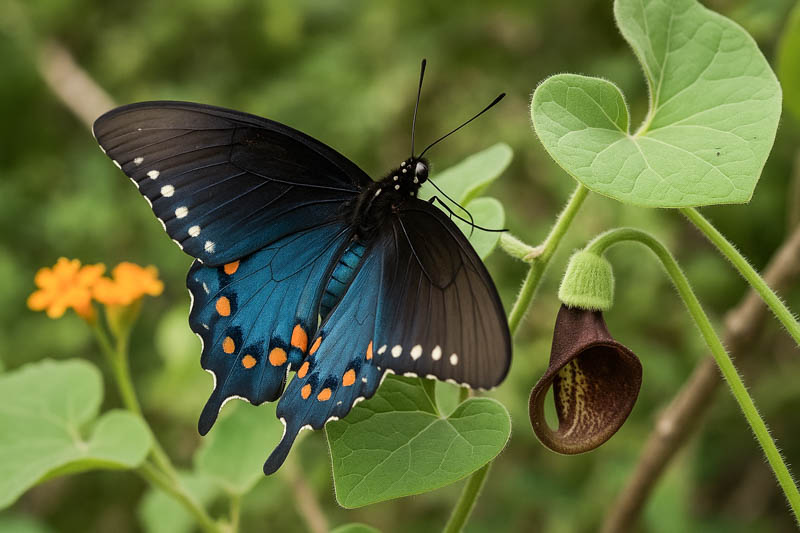
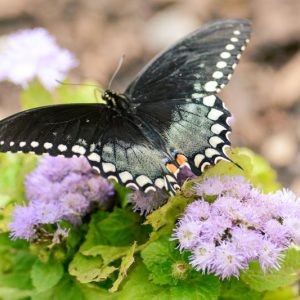
Pipevine Swallowtail butterfly on pipevine plant

The dramatic black and blue pipevine swallowtail needs native pipevines for its caterpillars.

  • Host plants: Aristolochia reticulata, A. erecta, A. tomentosa and other native pipevines.
  • Design tips: Give pipevine something to climb or room to sprawl. Expect heavy munching from caterpillars.

Host Plants for Texas Swallowtails

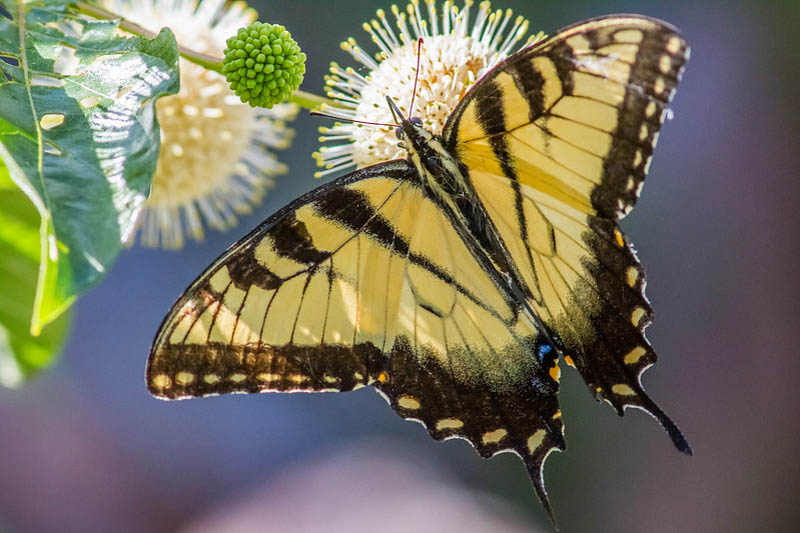
Eastern Tiger Swallowtail, Papilio glaucus

Several swallowtail species are regulars in Texas gardens, each using different host plants. They rely first on native trees and shrubs, but many will also use familiar non-native herbs and citrus in home gardens.

Host Plants for Skippers, Sulphurs, Crescents and Hairstreaks

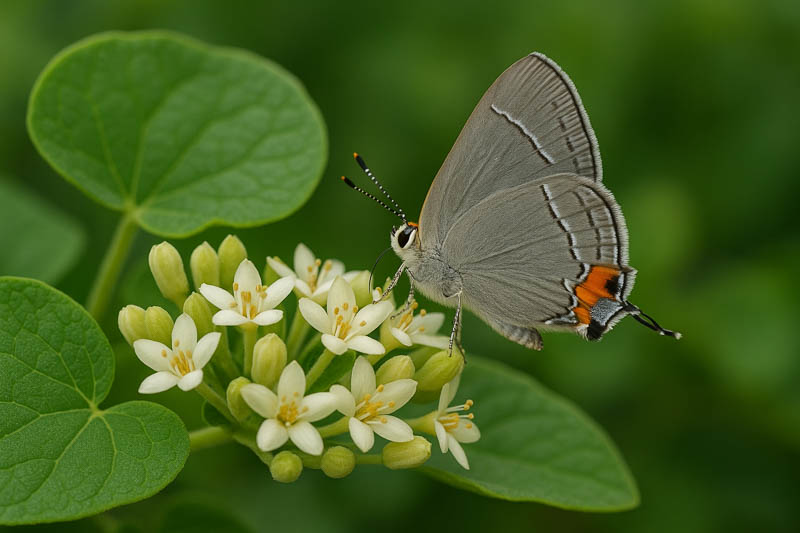
Hairstreak Butterfly

Many smaller butterflies depend on grasses, legumes, and shrubs. A few high value host plants include:

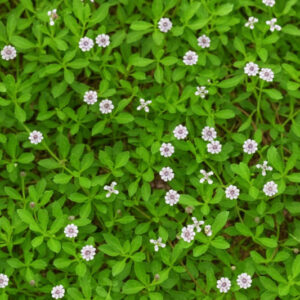
  • Frogfruit (Phyla nodiflora): a low native groundcover that hosts phaon crescent, buckeye, and other species.
  • Native grasses: little bluestem, big bluestem, and other bunchgrasses that support satyrs and skippers.
  • Legumes: partridge pea, prairie clovers (Dalea spp.), false indigo (Amorpha fruticosa), senna species, and native vetches host sulphurs, hairstreaks, and skippers.
  • Oaks (Quercus spp.): a powerhouse host group that feeds caterpillars of many hairstreaks and other butterflies, as well as countless moths.
  • Hackberries (Celtis spp.): host American snout, hackberry emperor, tawny emperor, and others.

Texas Butterfly Species and Their Host Plants

Use this Texas-focused table as a planting cheat sheet. It highlights butterflies commonly found in Texas and the key host plants you can grow at home. Existing Gardenia links are preserved where available.

In the host plant lists below, Native indicates plants native to Texas, while Non-native highlights commonly used garden or crop plants that also serve as hosts.

Butterfly Species Key Texas Host Plants
Monarch Native: Milkweed (Asclepias spp., especially A. asperula, A. viridis, A. oenotheroides, A. tuberosa, A. incarnata, A. perennis)
Queen Native: Milkweed (Asclepias spp.), including the same native species favored by monarchs
Black Swallowtail Native: prairie parsley (Polytaenia texana) and other wild carrot-family plants (Apiaceae).
Non-native: fennel (Foeniculum vulgare), carrot (Daucus carota), parsley (Petroselinum crispum), dill (Anethum graveolens)
Giant Swallowtail Native: prickly ash (Zanthoxylum spp.), hop tree (Ptelea trifoliata), Hercules club (Zanthoxylum clava-herculis).
Non-native: garden rue (Ruta graveolens), cultivated citrus (Citrus spp.).
Eastern Tiger Swallowtail Native: Tulip tree (Liriodendron tulipifera), black cherry (Prunus serotina), sweet bay magnolia (Magnolia virginiana), ash (Fraxinus spp.), and other native deciduous trees in East Texas
Spicebush Swallowtail Native: Spicebush (Lindera benzoin), sassafras (Sassafras albidum), prickly ash (Zanthoxylum spp.), redbay (Persea borbonia), and sweet bay magnolia (Magnolia virginiana) in moist East Texas
Pipevine Swallowtail Native: pipevines (Aristolochia reticulata, A. erecta, A. tomentosa)
Two-tailed Swallowtail Native: Hop tree (Ptelea), ash (Fraxinus spp.), chokecherry (Prunus virginiana) and related native trees in West Texas canyons
Zebra Swallowtail Native: Paw-paw (Asimina triloba and other Asimina spp.) in far East Texas woodlands
Gulf Fritillary Native: Passion vine (Passiflora incarnata, Passiflora lutea and other native passionflowers)
Pearl Crescent Native: Hairy aster (Aster/Symphyotrichum pilosus), A. texanus, smooth blue aster (A. laevis)
American Lady Native: Ironweed (Vernonia spp.), pearly everlasting (Anaphalis margaritacea), sweet everlasting (Gnaphalium), pussytoes (Antennaria), wormwood (Artemisia)
Painted Lady Native: aster, wild legumes (Fabaceae), native thistle (Cirsium spp.), native mallows (Malva spp.).
Non-native: garden hollyhock (Alcea spp.), ornamental mallows (Malva spp.).
Common Buckeye Native: Frogfruit (Phyla nodiflora), ruellias (Ruellia spp.), wild plantains (Plantago spp.).
Non-native: ornamental toadflax (Linaria spp.), garden snapdragon (Antirrhinum spp.)
American Snout Native: hackberries (Celtis spp.)
Hackberry Emperor Native: hackberries (Celtis spp.)
Tawny Emperor Native: hackberries (Celtis spp.)
Question Mark Native: American elm (Ulmus americana), other elms (Ulmus rubra), hackberry (Celtis), nettles (Urtica), false nettle (Boehmeria cylindrica).
Non-native: Japanese hop (Humulus japonicus).
Red Admiral Native: Nettle family (Urticaceae), including Urtica spp. and related herbaceous nettles
Gray Hairstreak Native: wild legumes (Fabaceae), native clovers (Trifolium), some native mallows.
Non-native: bean (Phaseolus), crop cotton (Gossypium), non-native clovers (Trifolium), ornamental mallows (Malva).
Sandia Hairstreak Native: Texas beargrass / sacahuista (Nolina texana) in West Texas and Trans-Pecos
Spring Azure Native: Dogwood (Cornus florida), New Jersey tea (Ceanothus americanus), meadowsweet (Spiraea salicifolia) and other woody shrubs
Summer Azure Native: New Jersey tea (Ceanothus americanus), dogwood (Cornus spp.), meadowsweet (Spiraea alba)
Marine Blue Native: milkvetch (Astragalus), mesquite (Prosopis) and other native legumes.
Non-native: leadwort / plumbago (Plumbago), alfalfa (Medicago sativa).
Cloudless Sulphur Native: Senna (Senna spp.), especially native sennas like S. lindheimeriana
Clouded Sulphur Native: wild legumes (Fabaceae) in prairies and pastures.
Non-native: white clover (Trifolium spp.), alfalfa (Medicago sativa), pea (Pisum)
Orange Sulphur Native: wild legumes in open fields and roadsides.
Non-native: alfalfa (Medicago sativa), white clover (Trifolium repens), white sweet clover (Melilotus alba)
Silver-spotted Skipper Native / naturalized legumes: Black locust (Robinia pseudoacacia), honey locust (Gleditsia triacanthos), false indigo (Amorpha spp.)
Sachem Skipper Native: warm-season bunchgrasses (Poaceae) where available.
Non-native: Bermuda grass (Cynodon dactylon), crabgrass (Digitaria), St. Augustine grass (Stenotaphrum secundatum), goosegrass (Eleusine)
Checkered Skipper Native: poppy mallow (Callirhoe) and other native mallows.
Non-native: Hollyhock (Alcea spp.), mallow (Malva spp.), velvet-leaf (Abutilon)
Red Satyr Native: woodland and prairie grasses (Poaceae).
Non-native: Bermuda grass (Cynodon dactylon), St. Augustine grass (Stenotaphrum secundatum)
Carolina Satyr Native: various grasses (Poaceae), including native woodland grasses in East and Central Texas; may also use turf grasses.
Checkered White Native: mustards and related wild Brassicaceae, including Rocky Mountain bee-plant (Cleome serrulata).
Non-native: Cabbage (Brassica oleracea), caper and other cultivated mustards.
Viceroy Native: Poplar (Populus spp.), willow (Salix spp.), especially along streams and wetlands
Red-spotted Purple Native: Wild cherry (Prunus), poplar (Populus), Oak (Quercus), hawthorn (Crataegus), deerberry (Vaccinium stamineum), birch (Betula), willow (Salix), linden (Tilia), and serviceberry (Amelanchier)

Guide Information

Native Plants Southwest, Texas, United States
Attracts Butterflies

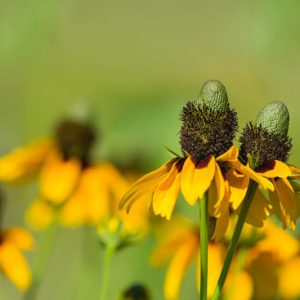
Texas Native Plants that Attract Adult Butterflies

Salvia greggii (Autumn Sage)
Salvia farinacea (Mealy Sage)
Salvia coccinea (Scarlet Sage)
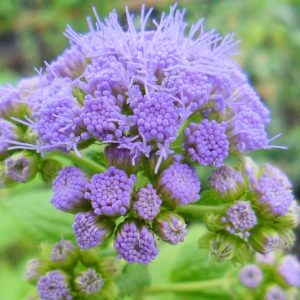
Conoclinium coelestinum (Blue Mistflower)
Conoclinium greggii (Palm-leaf Mistflower)
Verbesina virginica (Frostweed)
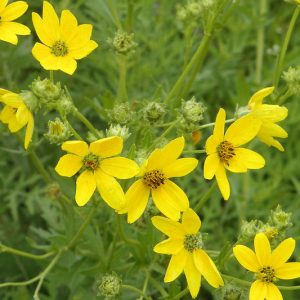
Verbesina encelioides (Golden Crownbeard)
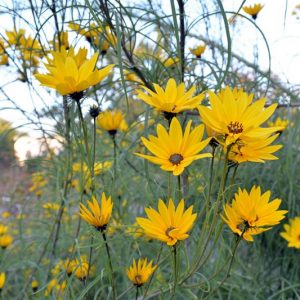
Helianthus maximiliani (Maximilian Sunflower)
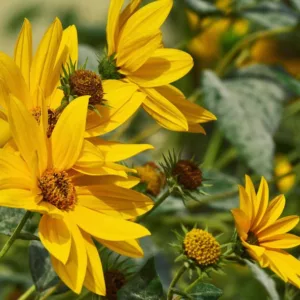
Helianthus salicifolius (Willow-Leaved Sunflower)
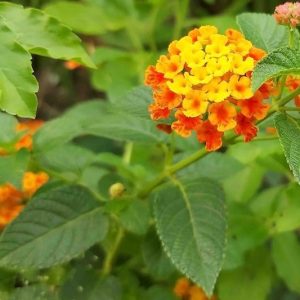
Lantana urticoides (Texas Lantana)
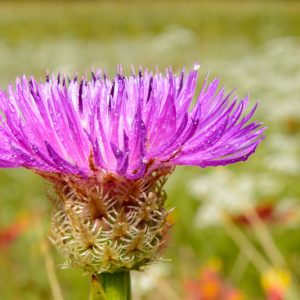
Centaurea americana (Basket Flower)
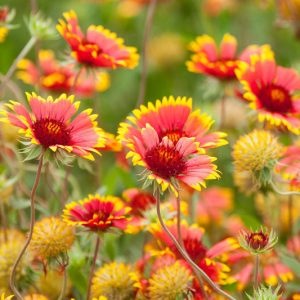
Gaillardia pulchella (Firewheel)
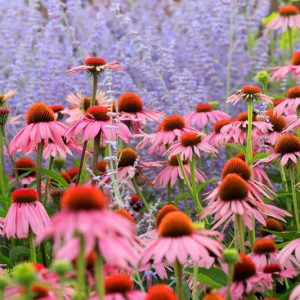
Echinacea purpurea (Purple Coneflower)
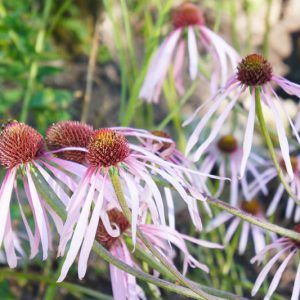
Echinacea pallida (Pale Purple Coneflower)
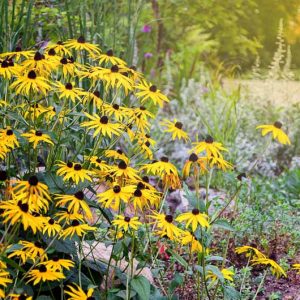
Rudbeckia hirta (Black-Eyed Susan)
Dracopis amplexicaulis (Clasping Coneflower)
Engelmannia peristenia (Engelmann Daisy)
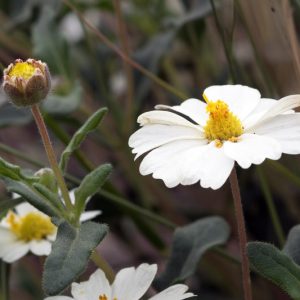
Melampodium leucanthum (Blackfoot Daisy)
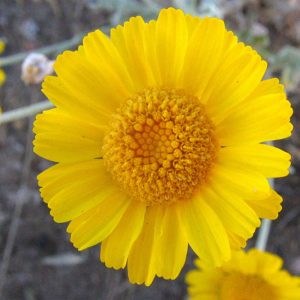
Baileya multiradiata (Desert Marigold)
Monarda citriodora (Lemon Bee Balm)
Monarda punctata (Spotted Bee Balm)
Glandularia bipinnatifida (Prairie Verbena)
Verbena hastata (American Blue Vervain)
Cephalanthus occidentalis (Buttonbush)
Symphyotrichum oblongifolium (Aromatic Aster)
Eysenhardtia texana (Texas Kidneywood)
Mahonia trifoliolata (Agarita)
Sophora secundiflora (Texas Mountain Laurel)
Aloysia gratissima (Whitebrush)
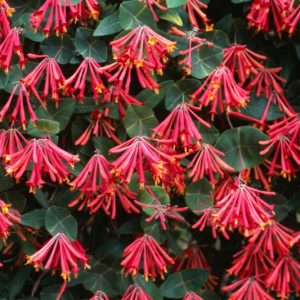
Lonicera sempervirens (Coral Honeysuckle)
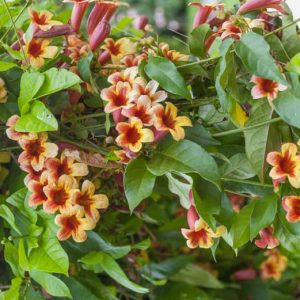
Bignonia capreolata (Crossvine)
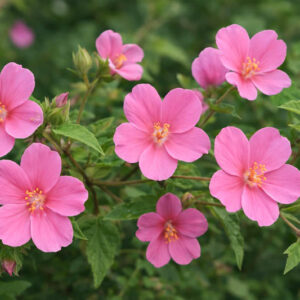
Pavonia lasiopetala (Texas Rock Rose)
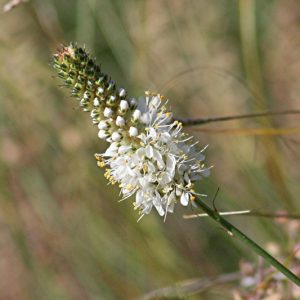
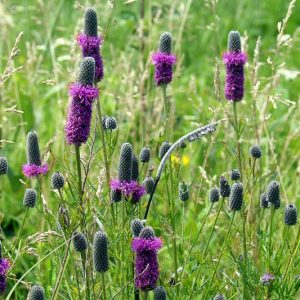
Dalea candida (White Prairie Clover)
Dalea purpurea (Purple Prairie Clover)
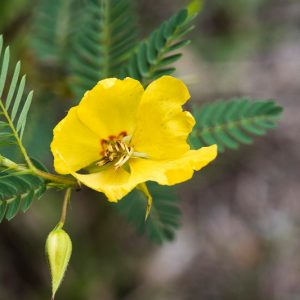
Chamaecrista fasciculata (Partridge Pea)
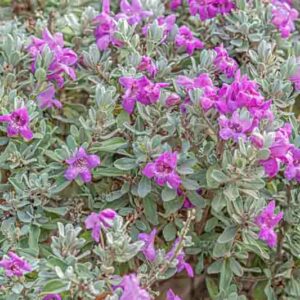
Leucophyllum frutescens (Texas Sage)
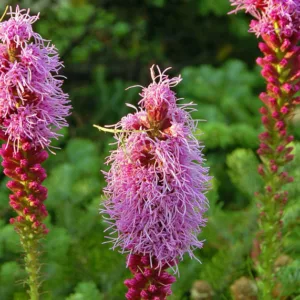
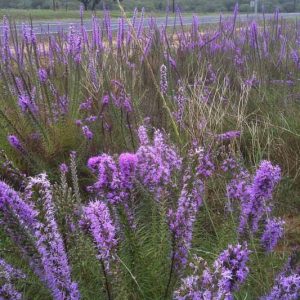
Liatris punctata (Dotted Blazing Star)
Liatris punctata var. mucronata (Texas Blazing Star)
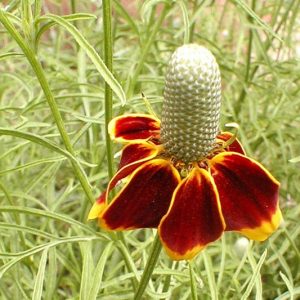
Ratibida columnifera (Mexican Hat Plant)
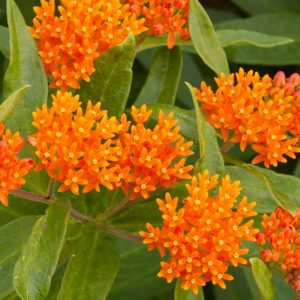
Asclepias tuberosa (Butterfly Milkweed)
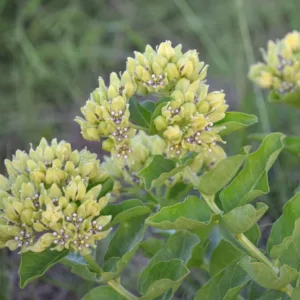
Asclepias viridis (Green Milkweed)
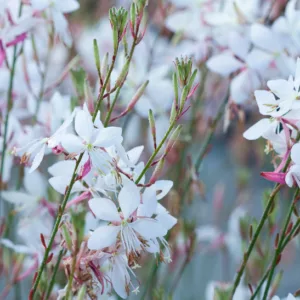
Gaura lindheimeri (White Gaura)
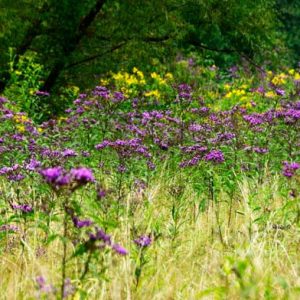
Vernonia baldwinii (Western Ironweed)

Designing a Texas Butterfly Garden With Host Plants

You do not need a huge property to make a big difference for butterflies. A front yard bed, a side yard strip, or a corner of a suburban lot can all become powerful habitat if you plan host plants first.

Step 1 – Choose 3 to 5 butterfly groups to focus on

For a starter Texas butterfly garden, a simple strategy is to pick a few favorites and make sure you have host plants for each:

  • Monarch and queen – several native milkweed species.
  • Gulf fritillary – at least one strong clump of native passion vine.
  • Pipevine swallowtail – a patch of pipevine.
  • One swallowtail species – black swallowtail, giant swallowtail, or eastern tiger swallowtail, depending on your region.
  • Ground level species – frogfruit as a living mulch for buckeyes and crescents.

Step 2 – Layer your host plants

Butterflies use different layers of the landscape, so try to include:

  • Trees: oaks, hackberries, black cherry, tulip tree, sweetbay magnolia, native plums.
  • Shrubs: false indigo, Texas mountain laurel, redbay, yaupon holly, native sumacs.
  • Vines: passion vine, pipevine, coral honeysuckle, crossvine where appropriate.
  • Wildflowers and perennials: milkweed, frogfruit, ruellias, partridge pea, prairie clovers, thistles, asters.
  • Grasses: little bluestem, big bluestem, native gramas, plus some lawn grasses if you already have them.

Step 3 – Mix host plants with nectar plants

Host plants feed caterpillars. Nectar plants feed the adults. In Texas, many natives pull double duty. For example, butterfly weed is both a milkweed host and an excellent nectar source; thistles and asters are larval hosts and nectar powerhouses.

A simple layout might be:

  • Milkweeds mixed with nectar plants like coneflowers, mistflowers, and Texas lantana.
  • Passion vine on a fence with native salvias and shrubby boneset below.
  • Frogfruit as a groundcover weaving between taller nectar plants.

Texas Regions and Matching Host Plants

Texas is huge, but you do not need a different butterfly list for every county. Focus on matching plant to moisture, soil, and sun.

  • East Texas and Gulf Coast: moist, acidic to neutral soils. Great for passion vine, swamp milkweed, aquatic milkweed, redbay, sweetbay magnolia, spicebush, native asters, grasses, and woodland edges with host trees.
  • Blackland Prairie and North Central Texas: heavy clays and strong sun. Use antelopehorn and green antelopehorn milkweeds, butterfly weed, hackberry, oaks, partridge pea, prairie clovers, and little bluestem.
  • Hill Country and Edwards Plateau: rocky, alkaline soils. Plant butterfly weed, antelopehorn milkweed, pipevine, native passion vine, Texas mountain laurel, oaks, and native bunchgrasses.
  • South Texas and Coastal Bend: heat and periodic drought. Choose drought tolerant milkweeds, hackberries, passion vine, frogfruit, senna species, and native grasses.
  • West Texas and Trans Pecos: lean, rocky soils and intense sun. Use drought hardy milkweeds, pipevine, passion vine where moisture allows, native bunchgrasses, and host trees like hackberry and sumac along draws and drainages.

Maintenance Tips for Host Rich Butterfly Gardens

Host plants do not need fussy care, but a few habits will keep both plants and butterflies thriving.

  • Expect leaf damage: Chewed leaves are a success story, not a failure. Avoid trimming back plants while caterpillars are actively feeding.
  • Skip pesticides: Broad spectrum insecticides and systemic products harm eggs, caterpillars, and adult butterflies. Use hand picking or spot treatments only when absolutely necessary.
  • Leave some stems and leaf litter: Many butterflies and moths pupate in leaf litter or attached to stems. A slightly wild corner is gold for wildlife.
  • Water to establish, then taper off: Deep watering during the first year helps native host plants grow strong roots. Once established, most can handle typical Texas weather with minimal extra water.
  • Let some plants reseed: Allow milkweeds, asters, passion vine, and partridge pea to drop some seed so your host plant patch expands on its own.

Putting It All Together

You do not need a perfect master plan to start helping Texas butterflies. Begin with a single sunny bed, a strip along your fence, or a corner of your lawn that you are willing to convert. Add native milkweeds for monarchs and queens, passion vine for Gulf fritillaries, pipevine for swallowtails, a hackberry or oak if you have room, and a living carpet of frogfruit or native grasses.

In the first season, you will likely see more butterfly traffic. In the second and third years, as your host plants mature and spread, you will start to notice eggs, caterpillars, and chrysalises. That is when your Texas butterfly garden truly comes alive – not just as a flower show, but as a complete life cycle habitat.

From a Dallas subdivision to a Hill Country acreage, a Houston bungalow to a South Texas courtyard, planting Texas butterfly host plants is one of the most powerful ways to support pollinators, songbirds, and the wider web of life that depends on them.

Want more ideas tailored to Texas sun, soil, and wildlife? Explore all our Texas Native Plant Guides: Design, Soil & Wildlife.

Frequently Asked Questions

What makes a plant “butterfly-friendly” in Texas?

Butterfly-friendly plants do two things: they provide nectar for adult butterflies and leaves (host plants) for caterpillars. In Texas, the best plants are heat- and drought-tolerant natives that bloom over a long season and match local butterfly species, such as milkweeds for monarchs and passionvine for gulf fritillaries.

Why are native plants recommended over non-native plants?

Native plants co-evolved with local butterflies, so they are more likely to be recognized as food and egg-laying sites. They also handle Texas heat, drought, and soils with less water and fertilizer, and they support a wider range of native insects than typical exotic ornamentals.

Which plants are the top nectar sources for butterflies in Texas gardens?

Common high-value nectar plants include Texas lantana (Lantana urticoides), mealy blue sage (Salvia farinacea), Gregg’s mistflower (Conoclinium greggii), black-eyed Susan (Rudbeckia hirta), purple coneflower (Echinacea purpurea), frostweed (Verbesina virginica), Mexican sunflower (Tithonia rotundifolia), and various perennial verbenas. These are repeatedly listed as reliable butterfly magnets for North and Central Texas.

Which plants are the main host plants for monarch butterflies in Texas?

Monarch caterpillars in Texas mainly use native milkweeds, especially green antelopehorn (Asclepias viridis), antelopehorn or spider milkweed (Asclepias asperula), zizotes milkweed (Asclepias oenotheroides), broadleaf milkweed (Asclepias latifolia), swamp milkweed (Asclepias incarnata in wet areas), and butterfly weed (Asclepias tuberosa)

What are good host plants for other common Texas butterflies?

Examples include: passionvines (Passiflora species) for gulf fritillaries; dill, fennel, parsley, and rue for black swallowtails; pipevines (Aristolochia species) for pipevine swallowtails; native grasses like little bluestem and sideoats grama for many skipper species; and flame acanthus, frogfruit, and prairie ruellia for several hairstreaks and buckeyes.

How should I design a butterfly garden in Texas?

Group each plant in clumps or “islands” rather than scattering single plants; this makes nectar more visible and efficient for butterflies. Aim for a mix of early, mid-, and late-season bloomers, include both nectar and host plants, choose a sunny, wind-sheltered spot, and provide bare soil or shallow water for drinking.

Are lantana and butterfly bush safe to plant in Texas for butterflies?

Texas lantana (Lantana urticoides), a native species, is widely recommended and highly attractive to butterflies and other pollinators. Some ornamental non-native lantanas and butterfly bushes (Buddleja davidii) can be weedy or invasive in certain regions; in Texas, gardeners are generally encouraged to favor native lantana and other native shrubs when possible.

What plants should I avoid if I want a wildlife-friendly butterfly garden?

Avoid plants treated with systemic insecticides such as neonicotinoids, which can contaminate nectar and pollen. Also be cautious with known invasive ornamentals in your region (for example, some non-native lantanas and certain exotic vines and shrubs) that can escape cultivation and displace native habitat. Local invasive-plant lists from Texas agencies or native-plant societies give the most accurate guidance.

Do butterfly gardens work in all parts of Texas (North, Central, Coastal, West)?

Yes, but the species list should be adjusted by ecoregion. For example, coastal South Texas emphasizes salt- and wind-tolerant natives, the Hill Country uses drought-tough prairie and savanna species, and East Texas includes more woodland and moisture-loving plants. Regional native-plant and monarch nectar-plant lists are the best way to choose species suited to your local climate and soils.

References

Texas A&M AgriLife Extension – Practical, research-based guidance on managing Texas soils, improving heavy clay, and growing vegetables and ornamentals statewide. Key resources include:

Lady Bird Johnson Wildflower Center – A comprehensive native plant database for North America, with detailed profiles for thousands of Texas-native grasses, perennials, shrubs, vines, and trees.

Native Plant Society of Texas (NPSOT) – Regional native plant lists, chapters, and programs that help you refine plant choices for your specific part of Texas.

Updated: November 2025 Reviewed by Gardenia Editors

Garden Examples

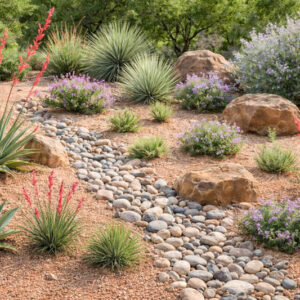
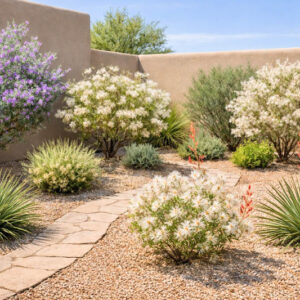
Desert Dry Creek Border – Agave, Red Yucca & Texas Sage
Desert Courtyard Border – Texas Sage & Apache Plume
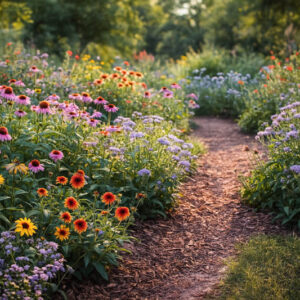
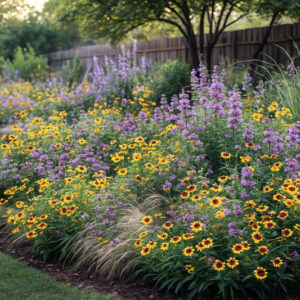
A Pollinator Wildflower Garden Idea
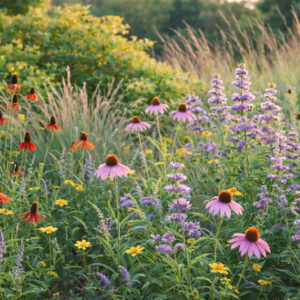
Wildflower Prairie with Monarda, Mexican Hat & Blue Sage
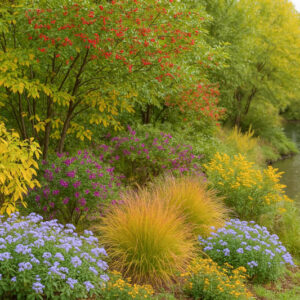
Bird-Friendly Creekside Border
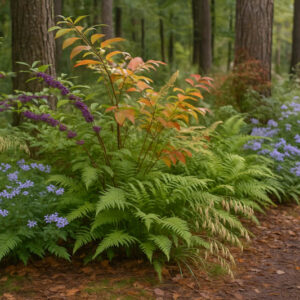
Shaded Woodland Border with Ferns & Beautyberry
Texas Wildflower Prairie Border with Coreopsis and Beebalm
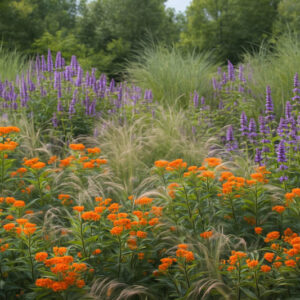
Pollinator Drift: Asclepias, Agastache & Flowing Grasses
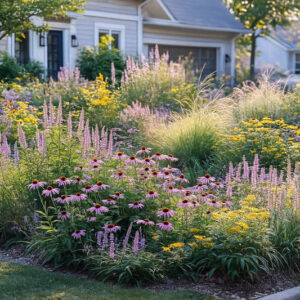
Front-Yard Prairie Drift: Airy Color, Native Texture

Recommended Guides

Texas Bird-Friendly Plants
Best Texas Plants for Hummingbirds
Best Texas Fragrant Plants
Best Shade Plants for Texas
Best Drought-Tolerant Plants for Texas
Best Plants for Wet Areas in Texas
Best Plants for Sandy Soils in Texas
Best Plants for Clay Soils in Texas
Best Groundcovers for Texas Gardens
Best Perennials for Texas Gardens
Best Shrubs for Texas Gardens
Best Trees for Texas Gardens
Best Native Plants for Texas Gardens
50 Texas Wildflowers to Brighten Your Garden
Great Pollinator Plants for Texas
Monarch Nectar Plants for Texas
Invasive Plants in Texas – And Their Best Native Alternatives
6 Reasons You Should Create a Butterfly Garden
30 Fascinating Butterfly Facts You Need to Know
Texas Butterfly Host Plants
Drought Tolerant Gardens – The Ultimate Water-Wise Guide
Guides with
Texas
While every effort has been made to describe these plants accurately, please keep in mind that height, bloom time, and color may differ in various climates. The description of these plants has been written based on numerous outside resources.

Guide Information

Native Plants Southwest, Texas, United States
Attracts Butterflies
Guides with
Texas

Related Items

Please Login to Proceed

You Have Reached The Free Limit, Please Subscribe to Proceed

Subscribe to Gardenia

To create additional collections, you must be a paid member of Gardenia
  • Add as many plants as you wish
  • Create and save up to 25 garden collections
Become a Member

Plant Added Successfully

Your garden is taking shape. Unlock full planning.

You’ve reached the free limit. Upgrade for $25/year to add as many plants as you wish and save up to 25 garden collections. Unlock Annual Membership

Update Your Credit
Card Information

Cancel

Create a New Collection

Sign Up to Our Newsletter

    You have been subscribed successfully

    Join Gardenia.net

    Create a membership account to save your garden designs and to view them on any device.

    Becoming a contributing member of Gardenia is easy and can be done in just a few minutes. If you provide us with your name, email address and the payment of a modest $25 annual membership fee, you will become a full member, enabling you to design and save up to 25 of your garden design ideas.

    Join now and start creating your dream garden!

    Join Gardenia.net

    Create a membership account to save your garden designs and to view them on any device.

    Becoming a contributing member of Gardenia is easy and can be done in just a few minutes. If you provide us with your name, email address and the payment of a modest $25 annual membership fee, you will become a full member, enabling you to design and save up to 25 of your garden design ideas.

    Join now and start creating your dream garden!

    Find your Hardiness Zone

    Find your Heat Zone

    Find your Climate Zone