Mexican Buckeye, Monilla, Monillo, Buckeye, Ungnadia monticola, Aesculus speciosa


Looking for a tough native that smells amazing in spring, shrugs off heat and drought, and still looks good the rest of the year? Meet Ungnadia speciosa, better known as Mexican buckeye. This charming Texas native covers itself in clusters of pink fragrant flowers just as the season turns, then leafs out into a fresh green canopy that glows golden in fall. Whether you grow it as a large shrub or a small multi stemmed tree, Mexican buckeye fits beautifully into Texas native gardens, Hill Country landscapes, and wildlife friendly yards that need beauty plus resilience.
Summary: Native large shrub or small tree for Texas, New Mexico, and northern Mexico. Pink fragrant flowers, golden fall foliage, and excellent drought tolerance once established.
Use: Front yard specimen, wildlife friendly hedgerows, understory accent, patio focal point, and mixed native borders.
Highlight: Clusters of fragrant pink blossoms in early spring, attractive three lobed seed pods, and bright yellow fall color.
Note: Seeds and foliage are toxic if eaten, even though the shiny dark seeds may taste sweet. Great for wildlife gardens but not for grazing animals.
| Botanical Name | Ungnadia speciosa |
|---|---|
| Family | Sapindaceae (soapberry family) |
| Common Names | Mexican buckeye, Texas buckeye, monillo |
| Native Range | Western and central Texas and southern New Mexico into northern Mexico (including Coahuila and nearby states) |
| Plant Type and Habit | Deciduous large shrub or small multi stemmed tree with rounded, often vase shaped crown |
| Hardiness (USDA) | Zones 7 to 9 |
| Size | Typically 8 to 20 ft tall and 12 to 20 ft wide, sometimes to about 30 ft in ideal sites |
| Sun and Exposure | Full sun to part shade, best bloom in full sun |
| Soil | Prefers well drained, neutral to alkaline soils; very tolerant of dry, rocky, or calcareous ground |
| Seasonal Interest | Pink fragrant flowers in early spring, bright green summer foliage, yellow fall color, decorative seed pods in fall and winter |
| Primary Uses | Specimen shrub or small tree, native and pollinator gardens, xeric landscapes, understory near oaks, and mixed hedgerows |
Mexican buckeye is one of those plants that fools you. At first glance in spring it looks soft and ornamental, with branches patterned in clusters of rose pink flowers. But behind the pretty face is a remarkably tough native shrub or small tree that takes heat, drought, and limestone soil in stride.
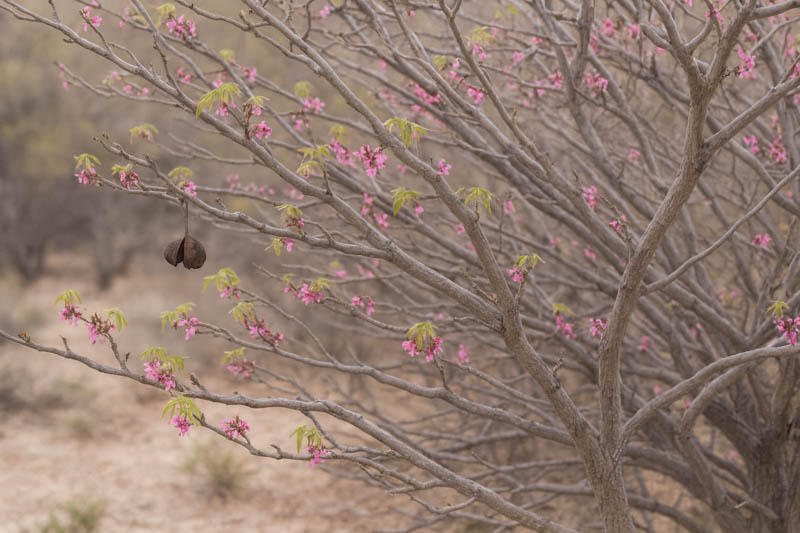
In the landscape it typically forms a multi stemmed, rounded to vase shaped outline. You can leave it shrubby for screening and informal hedges, or selectively prune to reveal a few main trunks and treat it as a small ornamental tree. The overall effect is graceful, airy, and very at home in Hill Country and Southern Plains style gardens.
Ungnadia speciosa is native to the dry woodlands and canyons of western and central Texas and southern New Mexico, extending south into northern Mexico, including Coahuila and surrounding states. You will find it on rocky slopes, along washes, at the edges of oak juniper woodlands, and in draws where water runs briefly after rains then drains away.
That background means Mexican buckeye is naturally adapted to hot summers, periodic drought, and alkaline soils. It is a very good match for home gardens that sit on thin, rocky ground where more pampered ornamentals struggle.
In gardens, Mexican buckeye usually reaches 8 to 20 ft tall and 12 to 20 ft wide, though in ideal conditions it can gradually stretch toward the 30 ft mark. Young plants tend to be upright, then fill out with age. Growth rate is moderate once established, fast enough to make a difference in a few years but not so fast that branches become weak or coarse.
Because it has multiple stems emerging from the base, it naturally wants to behave like a large shrub. With selective thinning, you can encourage a few strong trunks and lift it into the role of a small ornamental tree, perfect near patios, along paths, or in smaller front yards where a full size shade tree would be overwhelming.
The bark of Mexican buckeye adds understated winter interest. Young stems are smooth and tan to gray. As the plant ages, the trunks develop darker brown to gray bark with a slightly roughened surface that catches the light. Against native grasses, limestone rock, or evergreen backdrops, these stems make a pleasing silhouette in the dormant season.
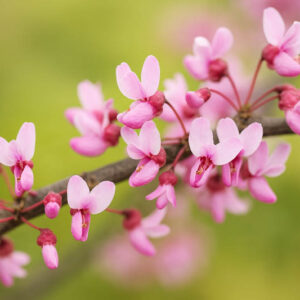
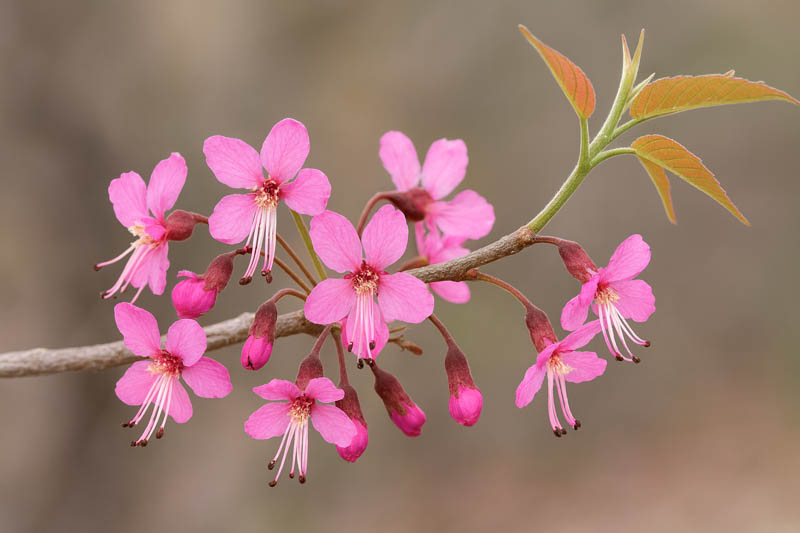
Flowers are the main reason many gardeners fall in love with Mexican buckeye. In very early spring, often as or just before the leaves emerge, bare branches are dotted with clusters of fragrant pink to rose colored blossoms. Each flower has five petals and a sweet perfume that carries on mild days.
From a distance the shrub can look almost misted in pink. Up close, you will hear the hum of bees and see native pollinators working the blooms. In its spring aspect, Mexican buckeye is sometimes compared to redbuds, but with a softer, more clustered flower look.
After flowering, Mexican buckeye sets distinctive fruits. These are three lobed, woody capsules that mature from green to brown and eventually split to reveal shiny dark brown to black seeds. The seeds are about the size of large peas or small marbles and are often compared visually to true buckeye seeds, which is how the plant got its common name.
Here is the important part: those seeds may taste sweet if sampled, but they are toxic if swallowed, and foliage is also poisonous to livestock. Treat the seeds as ornamental only. Birds and some wildlife may use them selectively, but for humans and pets they are strictly look but do not eat material.
Leaves emerge just as flowering begins, often with a bronze to copper tint that quickly shifts to clear green. Each leaf is divided into several narrow leaflets, giving the plant a fine textured, almost feathery look when fully leafed out. In summer the canopy casts a light, filtered shade that works beautifully over prairie perennials, salvias, and grasses.
In fall, foliage turns bright yellow to golden tones, especially in full sun. On bright autumn days Mexican buckeye can glow against a backdrop of darker oaks or junipers, extending its season of interest well beyond the spring bloom.
Mexican buckeye is hardy in about USDA Zones 7 to 9, aligning nicely with its native range. It is well suited to central and west Texas, southern New Mexico, and similar climates that see hot summers, low to moderate rainfall, and generally mild to moderate winters.
Once established it handles heat and reflected light very well, making it a strong candidate for urban, suburban, and rural plantings where sun and drought are the biggest challenges.
Because of its size and toughness, Mexican buckeye is surprisingly versatile.
Mexican buckeye is a valuable part of a wildscape or pollinator garden. The fragrant pink flowers are highly attractive to bees, butterflies, and other pollinators, especially in early spring when nectar sources may be limited. Its native status means it meshes naturally with local insects and birds.
The woody capsules and seeds add structure and occasional food for wildlife in fall and winter. Songbirds and small mammals may sample seeds and use the dense branching for perching and shelter. Pair Mexican buckeye with berries, seed bearing grasses, and other natives to build a diverse habitat. Top Native Texas Plants to Help Keep Birds Fed Through Every Season
Because foliage and seeds are toxic if eaten, Mexican buckeye is generally unpalatable to livestock and often avoided by cattle and horses. This can be a plus in rural landscapes, but you should still manage grazing thoughtfully and prevent animals from eating large amounts of any unfamiliar plant.
Deer may occasionally nibble tender shoots if pressure is high, but Mexican buckeye is usually considered moderately deer resistant once it has some size. Protect very young plants with temporary cages or fencing until they are established.
Drought resistance is one of Mexican buckeye’s biggest selling points. Once roots are down, it is highly tolerant of dry conditions and fits beautifully into low water and xeriscape designs. In its native habitats it often persists on rocky slopes with minimal supplemental moisture. Best Drought-Tolerant Texas Plants for Truly Stunning Xeriscapes
In gardens, provide regular water during the first one to two growing seasons so roots can explore the soil. After that, most plants need only occasional deep watering in extended dry periods.
The glossy dark seeds are fascinating to look at and have historically been used as beads or tossed like marbles, but they should never be eaten. Seeds and foliage contain toxic compounds that can be harmful if swallowed, and the seeds may taste deceptively sweet.
Teach children to treat Mexican buckeye seeds as decorative only, and discourage pets that tend to chew plants. As long as it is respected as an ornamental and habitat plant, Mexican buckeye is perfectly safe in the landscape.
Within its home range, Mexican buckeye is considered a well behaved native. It can seed lightly into nearby natural areas, but it does not spread aggressively or behave like an invasive shrub. In gardens you may find occasional volunteer seedlings, which are easy to remove or transplant while small.
For best flowering and fall color, plant Mexican buckeye in full sun with at least six hours of direct light. It will tolerate light or dappled shade, especially in very hot climates, but heavy shade will reduce bloom and make the canopy thinner.
Mexican buckeye is very forgiving when it comes to soil, as long as it drains.
If you garden on very tight clay that stays soggy after rain, consider raising the planting area or using a berm so roots are not trapped in standing water.
Watering Mexican buckeye is straightforward:
Mexican buckeye is not a heavy feeder. In typical native or low input gardens, it often thrives with no fertilizer at all. If your soil is very poor or disturbed, you can apply a light topdressing of compost around the drip line in early spring.
Avoid heavy nitrogen fertilizers, which can push overly lush growth that is more susceptible to pests and may flop or break more easily.
Mulch is your friend in hot, dry climates. Apply a 2 to 3 inch layer of organic mulch such as shredded bark, wood chips, or native leaf litter over the root zone.
Keep mulch a few inches away from the base of the stems to avoid excess moisture against the bark.
Mexican buckeye needs only light pruning, but a bit of early attention helps create a strong, attractive shape.
Mexican buckeye can be propagated from seed collected from mature capsules in fall. Seeds should be cleaned and may benefit from a period of cold stratification to break dormancy. Seed grown plants will show natural variation, which is fine for habitat and restoration projects and most home landscapes.
Older plants sometimes produce suckers or basal shoots that can be dug and replanted while small. Semi hardwood cuttings may also be rooted under professional nursery conditions. For most gardeners, purchasing a container grown Mexican buckeye from a native plant nursery is the simplest path.
In the right site, Mexican buckeye is typically a low maintenance, trouble free native shrub. It is naturally drought tolerant and resistant to many common problems, and it is reported as tolerant of cotton root rot in some regions.
Planting in full sun with good drainage and avoiding chronic overwatering go a long way toward keeping Mexican buckeye healthy for the long term.
Mexican buckeye, Ungnadia speciosa, is a native large shrub or small deciduous tree from Texas, southern New Mexico, and northern Mexico. It is loved for its fragrant pink spring flowers, fine textured foliage, golden fall color, and excellent drought tolerance in hot, dry climates.
Most Mexican buckeyes reach about 15 to 25 ft tall and nearly as wide, forming a multi stemmed shrub or small tree. In very favorable conditions, older plants can approach 30 ft in height.
Yes. Mexican buckeye is naturally drought tolerant once established and is well suited to low water, xeric, and Hill Country style landscapes. Regular deep watering the first one to two years helps it build a strong root system.
Mexican buckeye prefers well drained soils and is especially happy in rocky, limestone based or neutral to alkaline ground. It can grow in loam, sandy loam, or clay that does not stay waterlogged.
Yes. The shiny dark seeds and foliage of Mexican buckeye are considered toxic if eaten, even though the seeds may taste sweet. Enjoy the seed pods as ornamental features and discourage children and pets from chewing any part of the plant.
Mexican buckeye fits nicely into small and medium gardens when given a bit of room to spread. Its multi stemmed habit, modest mature size, and four season interest make it an excellent focal shrub or small tree near entries, patios, and native borders.
Updated: November 2025 • Reviewed by Gardenia Editors
| Hardiness |
7 - 9 |
|---|---|
| Plant Type | Shrubs, Trees |
| Plant Family | Sapindaceae |
| Exposure | Full Sun, Partial Sun |
| Season of Interest | Spring (Early, Mid, Late), Summer (Early, Mid, Late), Fall |
| Height | 8' - 30' (240cm - 9.1m) |
| Spread | 12' - 20' (3.7m - 6.1m) |
| Maintenance | Low |
| Water Needs | Low |
| Soil Type | Clay, Loam, Sand |
| Soil pH | Alkaline, Neutral |
| Soil Drainage | Well-Drained |
| Characteristics | Fragrant, Showy, Fruit & Berries |
| Native Plants | United States, Southwest, Texas, New Mexico, Oklahoma |
| Tolerances | Drought |
| Attracts | Bees, Butterflies, Birds |
| Garden Uses | Beds And Borders |
| Garden Styles | Informal and Cottage |
| Toxic to Humans | No known toxicity |
| Toxic to Cats | No known toxicity |
| Toxic to Dogs | No known toxicity |
| Toxic to Horses | No known toxicity |


| Hardiness |
7 - 9 |
|---|---|
| Plant Type | Shrubs, Trees |
| Plant Family | Sapindaceae |
| Exposure | Full Sun, Partial Sun |
| Season of Interest | Spring (Early, Mid, Late), Summer (Early, Mid, Late), Fall |
| Height | 8' - 30' (240cm - 9.1m) |
| Spread | 12' - 20' (3.7m - 6.1m) |
| Maintenance | Low |
| Water Needs | Low |
| Soil Type | Clay, Loam, Sand |
| Soil pH | Alkaline, Neutral |
| Soil Drainage | Well-Drained |
| Characteristics | Fragrant, Showy, Fruit & Berries |
| Native Plants | United States, Southwest, Texas, New Mexico, Oklahoma |
| Tolerances | Drought |
| Attracts | Bees, Butterflies, Birds |
| Garden Uses | Beds And Borders |
| Garden Styles | Informal and Cottage |
| Toxic to Humans | No known toxicity |
| Toxic to Cats | No known toxicity |
| Toxic to Dogs | No known toxicity |
| Toxic to Horses | No known toxicity |
How many Ungnadia speciosa (Mexican Buckeye) do I need for my garden?
| Plant | Quantity | |
|---|---|---|
| Ungnadia speciosa (Mexican Buckeye) | N/A | Buy Plants |
Create a membership account to save your garden designs and to view them on any device.
Becoming a contributing member of Gardenia is easy and can be done in just a few minutes. If you provide us with your name, email address and the payment of a modest $25 annual membership fee, you will become a full member, enabling you to design and save up to 25 of your garden design ideas.
Join now and start creating your dream garden!
Create a membership account to save your garden designs and to view them on any device.
Becoming a contributing member of Gardenia is easy and can be done in just a few minutes. If you provide us with your name, email address and the payment of a modest $25 annual membership fee, you will become a full member, enabling you to design and save up to 25 of your garden design ideas.
Join now and start creating your dream garden!