Yaupon, Yaupon Holly, Cassina, Evergreen Cassena, Evergreen Holly, Emetic Holly, Christmas Berry
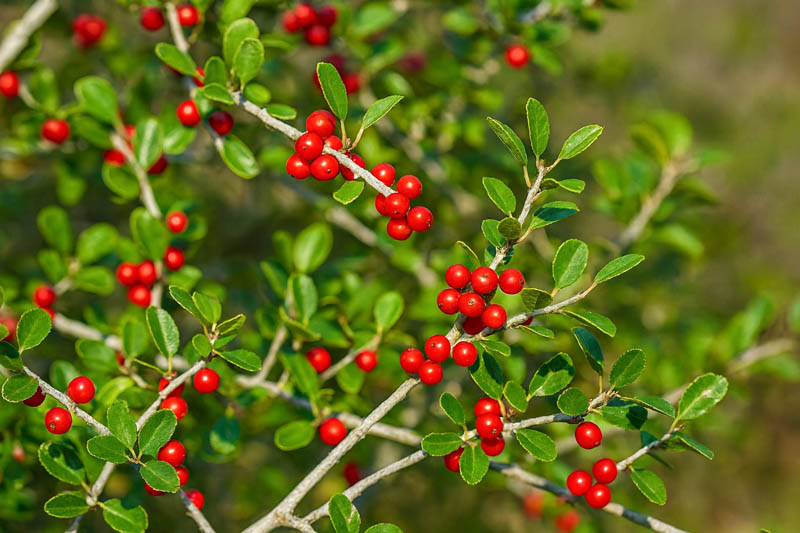
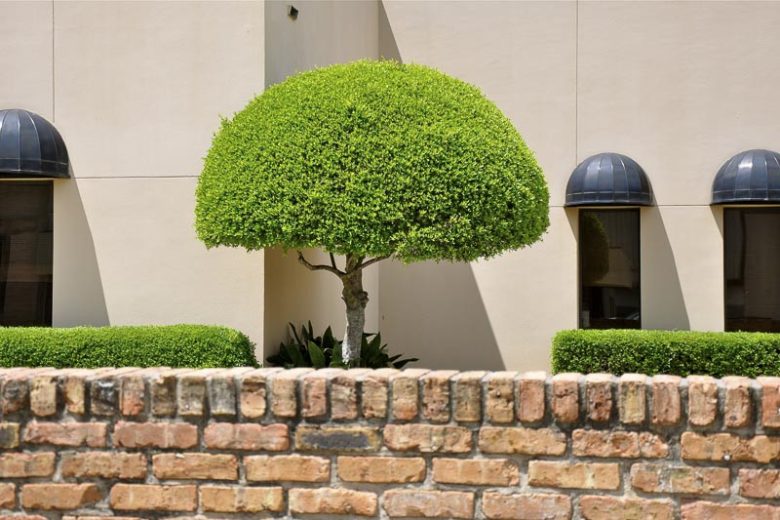
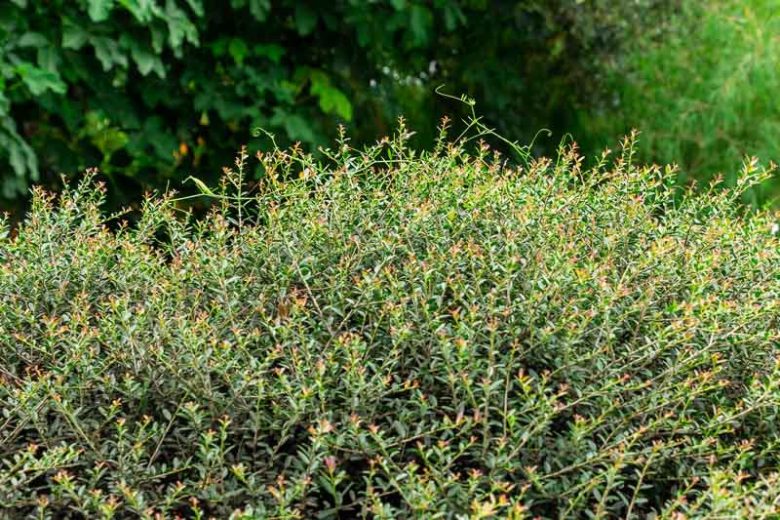
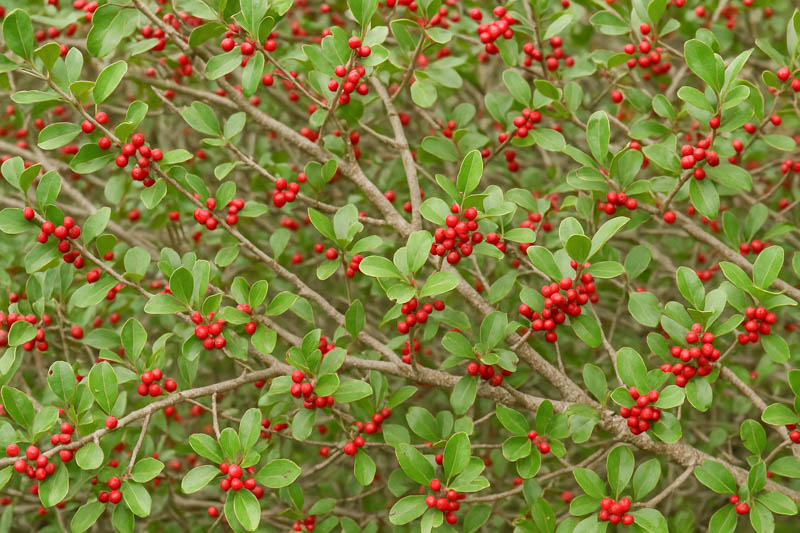
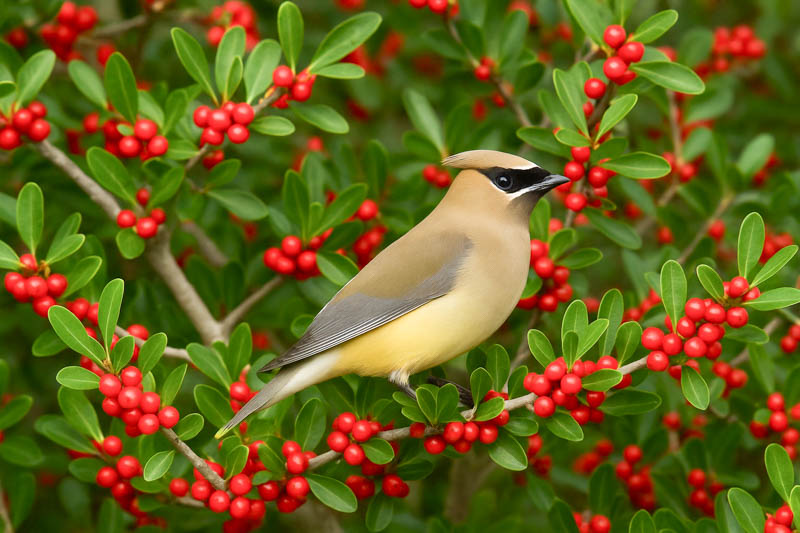


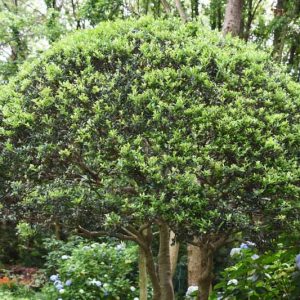
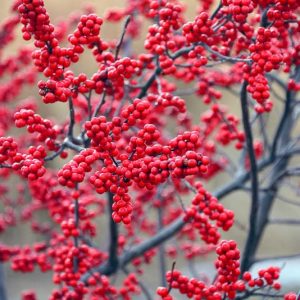
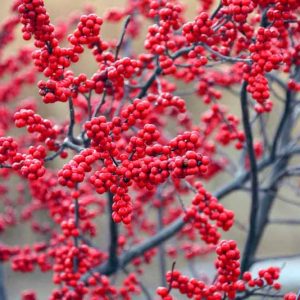
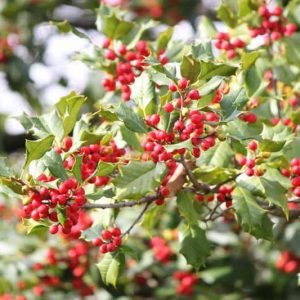
If you are looking for a tough, attractive, wildlife-friendly evergreen that looks good all year and absolutely shines in fall and winter, Ilex vomitoria, commonly known as Yaupon holly, deserves a prime spot in your landscape. This upright, densely branching evergreen shrub or small tree features small, leathery, glossy dark green leaves and an abundance of bright red berries on female plants.
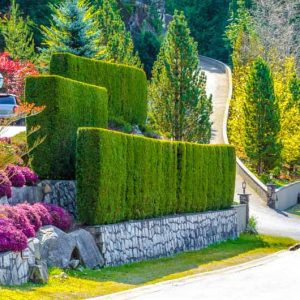
Native to the southeastern United States, Yaupon holly is incredibly adaptable. It handles full sun to part shade, clay or sand, drought, coastal winds, and even salt spray. Its dense habit makes it perfect for hedges, screens, windbreaks, topiary, and bird-friendly borders. With a little thoughtful placement and minimal care, you get year-round structure, winter color, and a reliable food source for birds and other wildlife.
Summary: Upright, densely branching evergreen shrub or small tree with small, leathery, glossy dark green leaves and showy clusters of bright red berries on female plants.
Use: Hedges, screens, windbreaks, foundation plantings, coastal gardens, naturalistic plantings, bird and wildlife gardens, and clipped topiary forms.
Highlight: Year-round evergreen structure, outstanding fall and winter berry displays, and high value to birds. Very tolerant of heat, drought, wind, and salt spray.
Note: Dioecious species – you need both male and female plants nearby for good berry set on female shrubs.
| Botanical Name | Ilex vomitoria |
|---|---|
| Family | Holly family (Aquifoliaceae) |
| Common Names | Yaupon holly, Yaupon, Cassina, Evergreen Yaupon |
| Native Range | Native to the southeastern United States, from Virginia south to Florida and west to Arkansas, Texas, and parts of Mexico. |
| Plant Type and Habit | Evergreen shrub or small tree with upright to rounded habit, dense branching, and often multiple stems. |
| Hardiness (approx. USDA) | Typically hardy in about USDA Zones 7 to 9, sometimes grown in protected sites in Zone 6. |
| Size | Generally reaches about 10 to 20 ft. tall (300 to 600 cm) and 8 to 12 ft. wide (240 to 360 cm). Dwarf cultivars stay much smaller. |
| Sun and Exposure | Full sun to part shade. Full sun promotes denser growth and heaviest berry production, but Yaupon tolerates light shade. |
| Soil | Adaptable to average, medium to wet soils, and tolerant of clay, sand, acidic, and mildly alkaline soils. Handles occasional drought once established and is tolerant of salt spray. |
| Seasonal Interest | Evergreen foliage year round, small greenish white flowers in spring, and heavy crops of bright red berries in fall and winter on female plants. |
| Primary Uses | Hedges, privacy screens, windbreaks, foundation plantings, coastal plantings, bird gardens, naturalized thickets, and clipped topiary or small patio trees. |
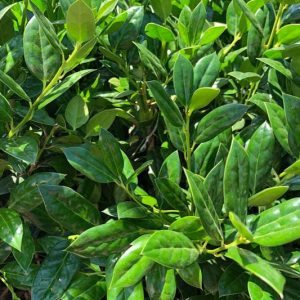
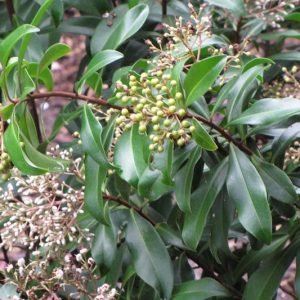
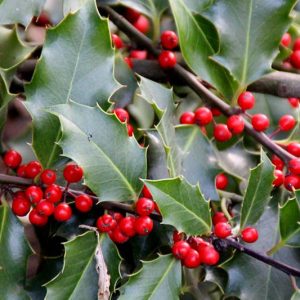
Ilex vomitoria is a native evergreen holly that naturally grows as a multi stemmed shrub or small tree. It has a dense branching structure clothed in small, leathery, lustrous dark green leaves that are usually 0.5 to 1.5 inches long (1 to 4 cm), with finely toothed or scalloped margins.
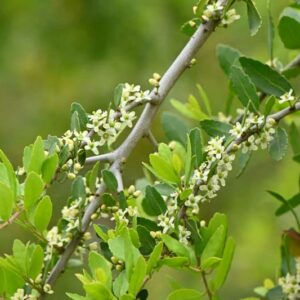
In spring, Yaupon holly produces abundant small greenish white flowers. While the blooms are not showy from a distance, they are fragrant and very attractive to pollinating insects. On female plants that have been pollinated by a nearby male, the flowers give way to prodigious amounts of bright red berries that ripen in fall and persist into winter.
Yaupon holly is native to the southeastern United States, from Virginia to Florida, Arkansas, and Texas, and to Mexico. It is found on coastal dunes, maritime forests, upland woodlands of various mixtures, and pine flatwoods. For the most part, Yaupon inhabits well-drained sites but also occurs on streambanks, in wet woodlands, and floodplains.
This wide ecological range explains its strong reputation as a tough, adaptable landscape plant. In gardens, it is especially valued in Texas and across the Gulf Coast as a dependable evergreen shrub that handles heat, humidity, drought, and wind with ease.
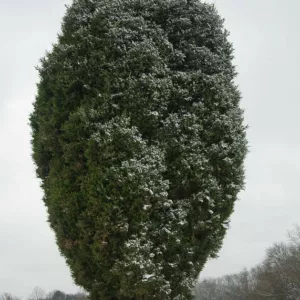
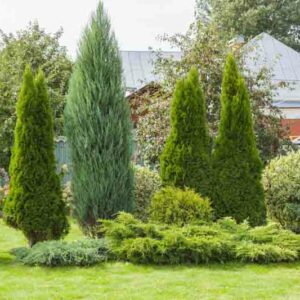
Yaupon is typically a upright, densely branched evergreen shrub or small tree. In the landscape it often grows 10 to 20 feet tall and 8 to 12 feet wide, though there are many dwarf and columnar cultivars that stay much smaller or narrower.
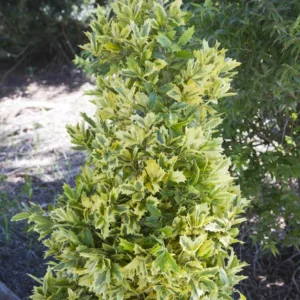
Plants can be grown multi stemmed for a natural, shrubby look or trained into a single trunk for a more formal small tree. The dense branching responds beautifully to shearing into hedges, screens, and topiary shapes.
Ilex vomitoria is dioecious, which means male and female flowers are produced on separate plants. You need at least one male plant near female plants to ensure good pollination and heavy berry production.
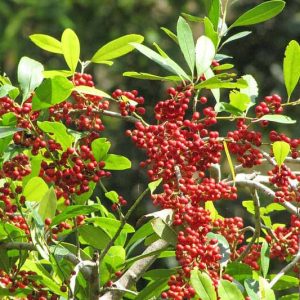
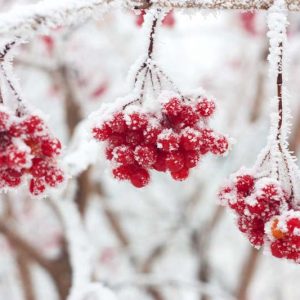
In spring, small, greenish white flowers appear along the stems. These are followed on female plants by clusters of round, bright red berries about 0.25 inches wide. The berries ripen in fall, persist well into winter, and are highly ornamental.
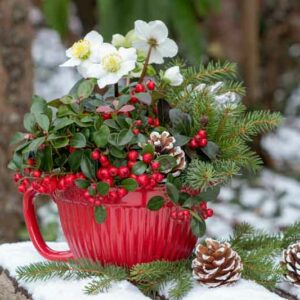
Birds and mammals relish the fruit, often stripping shrubs by late winter. In the garden, the berry laden branches are also popular for holiday and Christmas decorations.
The foliage of Yaupon holly is a major asset. The leaves are small, evergreen, and glossy, giving the plant a fine texture and neat appearance. They hold up well to sun, wind, salt spray, and heat, providing reliable structure every month of the year.
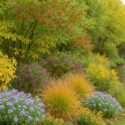
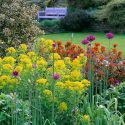
Combined with the winter berries, this makes Yaupon a star in winter interest plantings. It pairs beautifully with other evergreen shrubs and trees with red fruits, ornamental grasses, and perennials that have interesting seed heads or bark.
Hardiness: Yaupon holly is generally hardy in USDA Zones 7 to 9. In the warmer parts of its range it is completely evergreen and very long lived. In slightly colder climates it may suffer some leaf burn or twig dieback in severe winters, but mature plants usually recover well.
Because of its tolerance for heat, humidity, and poor soils, Yaupon is a top choice for southern and coastal gardens that need durable evergreen structure.
You can use Yaupon holly in a wide range of landscape settings:
Pollinators: The small spring flowers are rich in nectar and pollen, attracting a variety of bees and other pollinating insects.
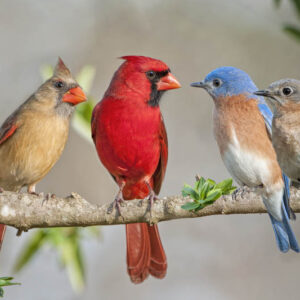
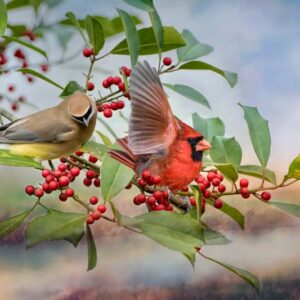
Birds and mammals: The berries are a valuable winter food source for birds such as mockingbirds, cedar waxwings, and many others. Small mammals may browse the fruit as well. The dense evergreen structure also provides nesting cover and shelter in winter storms.
Yaupon holly is generally considered to be moderately resistant to deer. Browsing may occur where food is scarce, especially on young plants, but it is usually not their first choice. Rabbits may occasionally nibble new shoots. In high pressure areas, protect young plants until they are established.
Once established, Yaupon holly is highly drought-tolerant, especially in heavier or deeper soils. It is a great option for low water landscapes and xeriscapes in the South, yet it also tolerates periodic moisture and even short term flooding in some native habitats.
The berries of Yaupon holly are generally considered mildly toxic to humans if eaten in quantity and may cause gastrointestinal upset. Birds, however, consume them readily without harm. The leaves and twigs contain caffeine and were historically used by Native Americans to make a ceremonial beverage.
Because Yaupon holly is a native species, it is an important part of local ecosystems. However, it can form thickets in favorable conditions, especially where seedlings and root suckers are not managed. In ornamental settings, unwanted volunteers can be easily removed if you prefer a more controlled look.
Yaupon holly offers a powerful combination of evergreen structure, winter color, wildlife value, and toughness. It thrives where many other shrubs struggle, especially in hot, dry, windy, or coastal conditions. For gardeners in the southeastern United States, it is one of the most versatile and dependable native evergreen shrubs you can grow.
Best Evergreen Shrubs and Trees with Red Berries is a great resource if you want to pair Yaupon with other berry laden evergreens for maximum winter impact.
Small Trees and Shrubs Birds Can’t Resist. will also give you more ideas for creating a bird friendly garden around Yaupon holly.
Yaupon holly is famous for its ability to cope with a range of soils. It prefers:
In particularly compacted or poorly drained sites, loosen the soil and add organic matter to encourage healthy root development.
Yaupon holly is easy to maintain and responds well to pruning.
Yaupon holly can be propagated in several ways:
Yaupon holly is generally a robust, low maintenance native shrub, but it can occasionally encounter pests, diseases, or cultural problems.
Holly leaf miner: These insects tunnel inside the leaves, creating winding trails. Damage is mostly cosmetic. Prune out heavily affected foliage and keep plants healthy to reduce susceptibility.
Spider mites and whiteflies: These small sap sucking pests may appear on stressed plants, especially in hot, dry conditions or on plants in containers. Increase humidity, rinse foliage with water, and use insecticidal soap or horticultural oil if populations build up.
Scale insects: Scale may appear along stems and undersides of leaves, excreting sticky honeydew. Light infestations can often be managed with dormant oil sprays and pruning of affected stems.
Leaf spot and leaf rot: Fungal leaf spots can appear in humid conditions or where foliage stays wet. Improve air circulation, avoid overhead watering, and remove heavily spotted leaves to reduce spread.
Root rot: Poorly drained soils or overwatering can lead to root rot, causing wilting and decline despite moist soil. Plant in sites with reasonable drainage and avoid keeping the soil constantly saturated.
Powdery mildew: Occasionally, a white or gray powdery coating may appear on leaves. This is more common in shaded, humid sites. Improve air movement and use fungicidal sprays if necessary.
Yellowing leaves (chlorosis): In highly alkaline soils, Yaupon holly may show yellowing leaves with green veins. Soil amendments to slightly acidify the root zone and the use of iron supplements can help improve color.
Sparse berries: If your female Yaupon holly has few or no berries, it may lack a nearby male plant for pollination, or may not be getting enough sun. Plant a male Yaupon holly nearby and consider increasing sunlight exposure.
Leggy growth or thin hedges: Shade, lack of pruning, or crowding can cause thin growth. Move plants to a sunnier location if possible, prune regularly to encourage branching, and maintain appropriate spacing.
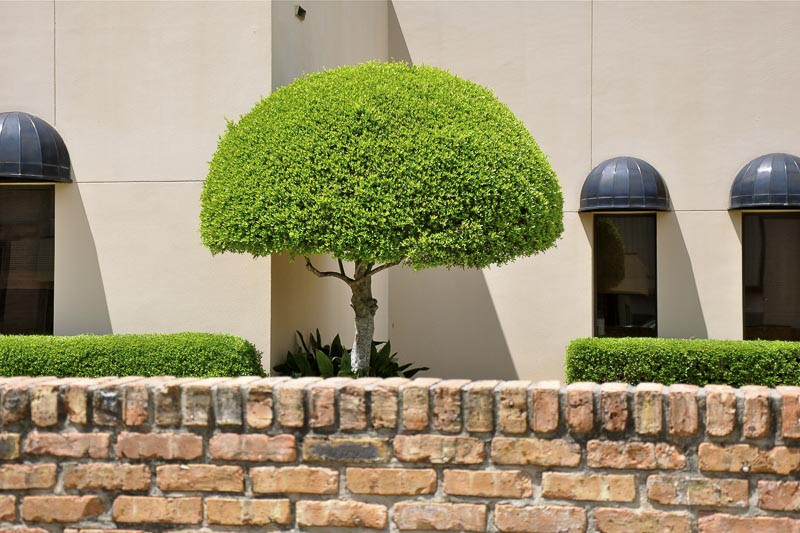
Yaupon holly offers a wide range of forms, from tiny mounding shrubs for tight spaces to tall, upright or weeping selections that become striking focal points. Choosing the right mix of berry-bearing females and compatible male pollinators lets you tailor structure, scale, and winter color to your landscape.
| Variety | Approx. Size & Habit | Berry Color & Display | Notes & Uses | Pollination |
|---|---|---|---|---|
| Ilex vomitoria ‘Nana’ (Dwarf Yaupon) | Dwarf shrub, usually < 3 ft. tall and 4–5 ft. wide; very dense, rounded, low mound. | May produce small crops of red berries where a male is nearby, but primarily valued for foliage and form. | Excellent for low hedges, edging, foundation plantings, and mass plantings where a neat, compact evergreen is needed. | Generally female or mixed; pair with a male Yaupon for berry display if fruit is desired. |
| Ilex vomitoria ‘Schilling’s Dwarf’ | Very dwarf, 2–3 ft. tall and 3–4 ft. wide; tight, rounded, extremely fine-textured habit. | No berries – foliage-only display keeps the look clean around paths and entries. | Ideal for formal low hedges, clipped shapes, and foundations where fruit drop is not desired. | Male cultivar – does not fruit; can help pollinate nearby female Yaupon hollies. |
| Ilex vomitoria ‘Pride of Houston’ | Medium to large shrub or small tree, often 12–18 ft. tall; upright, dense, well-branched form. | Heavy crops of bright red berries that light up the canopy in fall and winter when pollinated. | Outstanding for tall hedges, screens, and as a specimen where strong berry display and native toughness are desired. | Female – plant with a compatible male Yaupon within range for reliable fruit set. |
| Ilex vomitoria ‘Will Fleming’ | Narrow, columnar shrub, about 10–15 ft. tall but only 2–3 ft. wide; very vertical accent. | Usually produces little to no fruit; foliage and strong vertical form are the main features. | Perfect for tight spaces, tall narrow screens, framing doorways, and adding architectural structure to borders. | Male or largely non-fruiting selection – grown mainly as a structural plant. |
| Ilex vomitoria ‘Pendula’ (Weeping Yaupon) | Large shrub or small tree, 15–25 ft. tall; strongly weeping branches forming a cascading canopy. | Showy clusters of red berries drape from arching branches, creating dramatic winter displays when pollinated. | Striking specimen tree for lawns, near water features, or as a focal point in large borders and native gardens. | Typically female – pair with a male Yaupon to maximize berry production. |
| Ilex vomitoria ‘Folsom’s Weeping’ | Medium to large shrub; arching to weeping habit with a graceful, fountain-like outline. | Produces red berries along drooping stems, emphasizing the weeping form in fall and winter. | Well suited to informal plantings, woodland edges, and naturalistic gardens where a softer weeping form is desired. | Female – needs a nearby male Yaupon to develop a good berry crop. |
| Ilex vomitoria ‘Jewel’ | Medium shrub, typically 8–12 ft. tall and wide; upright to rounded form with dense foliage. | Heavy crops of bright red berries that stand out against the glossy evergreen foliage in fall and winter. | Excellent for mixed borders, wildlife gardens, and winter arrangements where abundant fruit is prized. | Female – requires a compatible male Yaupon within pollination distance. |
| Ilex vomitoria ‘Taylor’s Rudolph’ | Compact shrub, generally 3–5 ft. tall; rounded, dense habit suitable for smaller spaces. | Abundant red berries on a small plant, creating a strong holiday-season effect in tight planting areas. | Great for foundation beds, low hedges, and small gardens that still want bold berry color and native toughness. | Female – fruiting is best with a male Yaupon near by. |
| Ilex vomitoria ‘Wiggins’ (Yellow-Fruited Yaupon) | Medium shrub, often 10–15 ft. tall; upright to spreading habit similar to the species. | Striking crops of yellow berries that contrast with typical red-fruited Yaupons and surrounding evergreens. | Ideal for collectors, color-themed plantings, and mixed borders where a different berry color is desired. | Female – needs a male Yaupon pollinator to set its distinctive yellow fruit. |
| Ilex vomitoria ‘Bordeaux’™ | Dwarf, mounding shrub, about 2–3 ft. tall; wider than tall, with very tight branching. | Primarily foliage interest; berries are sparse or absent, depending on selection and site. | Excellent for low borders, mass plantings, and foundation designs where a small, refined evergreen is needed without fruit drop. | Usually male or non-fruiting; chosen mainly for its compact habit rather than berry production. |
Yaupon holly (Ilex vomitoria) is an evergreen shrub or small tree native to the southeastern United States. It has small, glossy, dark green leaves and produces abundant bright red berries on female plants. It is widely used as a landscape plant for hedges, screens, and wildlife-friendly gardens.
Yaupon holly is native to the southeastern coastal plain of the United States. Its natural range extends from southeastern Virginia south through the Carolinas and Georgia into Florida, and west through Alabama, Mississippi, Louisiana, and eastern Texas. It also occurs inland in parts of Arkansas and eastern Oklahoma and extends into northeastern Mexico.
In typical landscape conditions, Yaupon holly usually grows 10–20 feet (3–6 m) tall and about 8–12 feet (2.4–3.6 m) wide. With age and minimal pruning, it can become a small multi-stemmed tree. Numerous dwarf and compact cultivars are available that stay much smaller, often in the 3–8 foot (1–2.5 m) range.
Yes. Yaupon holly is fully evergreen throughout its native range. It retains its small, glossy leaves year-round, providing consistent structure and screening even in winter.
Yaupon holly grows best in full sun to partial shade and in average, well-drained to moderately moist soil. It tolerates sandy or clay soils and a pH range from acidic to slightly alkaline. It is well adapted to heat, humidity, and coastal conditions and can tolerate both short-term wetness and, once established, considerable dryness.
Yaupon holly is generally hardy in USDA Zones 7–9. In these zones it is reliably evergreen. In colder regions it may suffer winter damage or dieback and is not commonly used as a long-term evergreen.
Once established, Yaupon holly is notably drought tolerant. Its roots can access deeper moisture, and its small, leathery leaves reduce water loss. It still benefits from occasional deep watering during prolonged droughts, but it is a good choice for low-water and xeric-style landscapes in suitable climates.
Yes. Yaupon holly is well known for its tolerance of coastal conditions, including salt spray, sandy soils, wind, and high humidity. It is often used in seaside and coastal plantings where many other evergreen shrubs struggle.
Yes. Yaupon holly is dioecious, meaning individual plants are either male or female. Only female plants produce berries, and they require pollen from a nearby male plant of the same species (or compatible cultivar) to set fruit. One male plant can typically pollinate several nearby females.
The flowers are small, greenish-white, and not very showy from a distance, though they are attractive to pollinators up close. The berries, however, are very ornamental. On pollinated female plants, dense clusters of bright red berries develop in fall and often persist well into winter, creating strong seasonal interest and a valuable food source for birds.
Yaupon holly has a moderate growth rate. In good conditions, it often adds around 1–2 feet (30–60 cm) of height per year when young. Growth slows as the plant matures. Dwarf cultivars generally grow more slowly and stay compact.
Yaupon holly is highly versatile. It is used for informal or formal hedges, privacy screens, windbreaks, foundation plantings, coastal plantings, native and wildlife gardens, and as a small specimen tree. Its dense branching and small leaves make it suitable for sheared hedges and topiary forms such as balls, cones, and standards.
Yes. The spring flowers attract bees and other pollinating insects. The berries are an important winter food source for many bird species, including mockingbirds, cedar waxwings, and others. The dense evergreen structure provides cover and nesting sites for birds and small wildlife.
Yaupon holly berries are considered mildly toxic to humans and pets if eaten in significant quantities. They can cause gastrointestinal upset such as nausea, vomiting, or diarrhea. Birds and many wild animals consume the berries without apparent harm. The plant should not be relied on as an edible berry for people.
Updated: December 2025 • Reviewed by Gardenia Editors
| Hardiness |
7 - 9 |
|---|---|
| Climate Zones | 3, 3A, 3B, 4, 5, 6, 7, 8, 9, 11, 12, 13, 14, 15, 16, 17, 18, 19, 20, 21, 22, 23, 24, H1, H2 |
| Plant Type | Shrubs, Trees |
| Plant Family | Aquifoliaceae |
| Genus | Ilex |
| Common names | Yaupon |
| Exposure | Full Sun, Partial Sun |
| Season of Interest | Spring (Early, Mid, Late), Summer (Early, Mid, Late), Fall, Winter |
| Height | 10' - 20' (3m - 6.1m) |
| Spread | 8' - 12' (240cm - 3.7m) |
| Maintenance | Average |
| Water Needs | Low, Average, High |
| Soil Type | Chalk, Clay, Loam, Sand |
| Soil pH | Acid, Alkaline, Neutral |
| Soil Drainage | Moist but Well-Drained, Well-Drained |
| Characteristics | Cut Flowers, Showy, Evergreen, Fruit & Berries |
| Native Plants | United States, Southeast, Louisiana, Mississippi, North Carolina, South Carolina, Virginia, Alabama, Arkansas, Florida, Georgia, Southwest, Texas, Oklahoma |
| Tolerances | Drought, Salt, Dry Soil, Wind |
| Attracts | Birds, Butterflies |
| Garden Uses | Hedges And Screens, Ponds And Streams, Rain Gardens |
| Garden Styles | Coastal Garden |
| Toxic to Humans | Low severity |
| Toxic to Cats | No known toxicity |
| Toxic to Dogs | No known toxicity |
| Toxic to Horses | No known toxicity |

| Hardiness |
7 - 9 |
|---|---|
| Climate Zones | 3, 3A, 3B, 4, 5, 6, 7, 8, 9, 11, 12, 13, 14, 15, 16, 17, 18, 19, 20, 21, 22, 23, 24, H1, H2 |
| Plant Type | Shrubs, Trees |
| Plant Family | Aquifoliaceae |
| Genus | Ilex |
| Common names | Yaupon |
| Exposure | Full Sun, Partial Sun |
| Season of Interest | Spring (Early, Mid, Late), Summer (Early, Mid, Late), Fall, Winter |
| Height | 10' - 20' (3m - 6.1m) |
| Spread | 8' - 12' (240cm - 3.7m) |
| Maintenance | Average |
| Water Needs | Low, Average, High |
| Soil Type | Chalk, Clay, Loam, Sand |
| Soil pH | Acid, Alkaline, Neutral |
| Soil Drainage | Moist but Well-Drained, Well-Drained |
| Characteristics | Cut Flowers, Showy, Evergreen, Fruit & Berries |
| Native Plants | United States, Southeast, Louisiana, Mississippi, North Carolina, South Carolina, Virginia, Alabama, Arkansas, Florida, Georgia, Southwest, Texas, Oklahoma |
| Tolerances | Drought, Salt, Dry Soil, Wind |
| Attracts | Birds, Butterflies |
| Garden Uses | Hedges And Screens, Ponds And Streams, Rain Gardens |
| Garden Styles | Coastal Garden |
| Toxic to Humans | Low severity |
| Toxic to Cats | No known toxicity |
| Toxic to Dogs | No known toxicity |
| Toxic to Horses | No known toxicity |
How many Ilex vomitoria (Yaupon Holly) do I need for my garden?
| Plant | Quantity | |
|---|---|---|
| Ilex vomitoria (Yaupon Holly) | N/A | Buy Plants |
Create a membership account to save your garden designs and to view them on any device.
Becoming a contributing member of Gardenia is easy and can be done in just a few minutes. If you provide us with your name, email address and the payment of a modest $25 annual membership fee, you will become a full member, enabling you to design and save up to 25 of your garden design ideas.
Join now and start creating your dream garden!
Create a membership account to save your garden designs and to view them on any device.
Becoming a contributing member of Gardenia is easy and can be done in just a few minutes. If you provide us with your name, email address and the payment of a modest $25 annual membership fee, you will become a full member, enabling you to design and save up to 25 of your garden design ideas.
Join now and start creating your dream garden!