Stop letting invasive plants steal the show in your Texas landscape. This guide reveals the worst offenders and the best Texas native replacements for shade, privacy, color, and pollinators. Get practical, gardener friendly advice to renovate your beds step by step and create a resilient, wildlife friendly yard.


If you garden in Texas, you already know this is a land of extremes. Blazing sun, flash floods, sticky clay, alkaline rock, and long stretches without rain. In some ways, that is good news. Many popular ornamental plants from other parts of the world simply cannot cope with Texas conditions.
The problem is that a few non native ornamentals cope a little too well. They escape gardens, invade wild spaces, and quietly push out the native Texas plants that wildlife depends on.
The goal of this guide is simple and practical. We will look at some of the most common invasive plants in Texas that still show up in yards, nurseries, or old plantings, and then walk through beautiful, resilient native Texas alternatives that give you the look and function you want without the ecological damage.
Invasive plants are non native species that spread aggressively and disrupt local ecosystems. In Texas, invasive trees, shrubs, vines, and groundcovers can:
The frustrating part is that many invasive plants in Texas were originally introduced on purpose as landscape ornamentals, erosion control plants, or pasture grasses. Today, we know better. You do not need Chinese tallow, privet, or Vinca major to have a beautiful yard. Texas native plants can fill every design niche you have.
Below, you will find several common invasive plants that show up again and again across Texas yards and wild spaces. For each one, you will get:
Treat this as a starting point. If one of these invasive plants is already in your garden, you can plan to remove it over time and replace it with one or more native substitutes. If you are designing a new bed or updating a Texas garden design, skip the invasives completely and go straight to the native choices.
Triadica sebifera, often called Chinese tallow or popcorn tree, is a fast growing, medium sized tree with heart shaped leaves and showy fall color. The white, waxy seeds give it a distinctive look in autumn and winter.
Why it is invasive in Texas: Chinese tallow produces abundant seeds that birds and water carry into pastures, wetlands, forests, and roadside ditches. Seedlings grow quickly and tolerate a wide range of soils and moisture levels. Dense stands can form in bottomlands and coastal prairies, shading out native grasses, wildflowers, and tree seedlings, and dramatically altering habitat for wildlife.
Pull or dig seedlings and small saplings while the soil is moist, removing the full root system. Cutting alone on larger trees usually triggers vigorous resprouting, so cut trunks close to the ground and immediately treat fresh stumps with a labeled brush control herbicide according to directions. Remove seed bearing branches from the site if possible so seeds cannot continue to spread. Monitor the area for several years and remove new seedlings promptly, then replant with native trees better suited to Texas wildlife.
| Hardiness |
6 - 10 |
|---|---|
| Plant Type | Climbers, Ornamental Grasses, Perennials, Shrubs, Trees |
| Native Plants | United States, Southwest, Texas |
| Toxic to Humans | No known toxicity |
| Toxic to Cats | No known toxicity |
| Toxic to Dogs | No known toxicity |
| Toxic to Horses | No known toxicity |
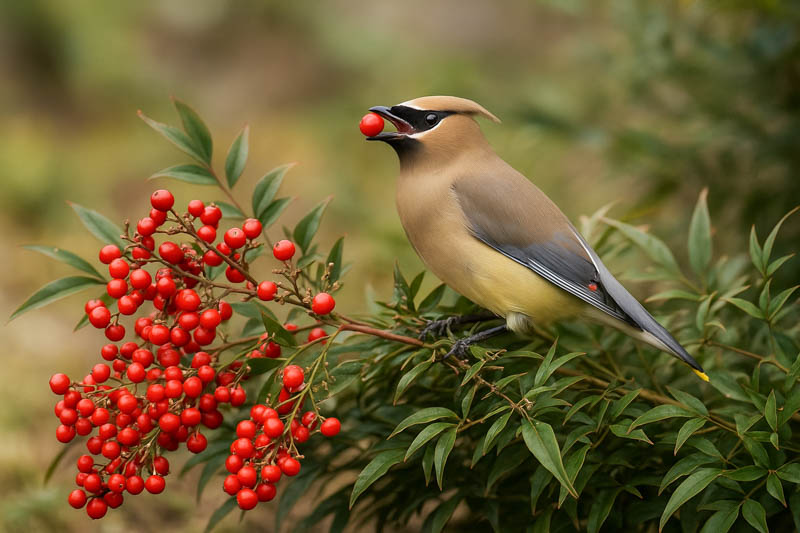
Nandina domestica, or heavenly bamboo, is an evergreen to semi evergreen shrub with lacy foliage, white spring flowers, and bright red berries that persist into winter. It is often used near foundations and in mixed shrub borders.
Why it is invasive in Texas: Birds eat the berries and spread seeds into woodlands, creek corridors, and urban wildlands. Seedlings can form dense clumps that outcompete native shrubs and woodland wildflowers. Some reports also note that the berries can be toxic to birds when consumed in large quantities, making it a poor choice for wildlife friendly landscapes.
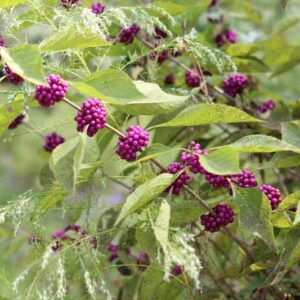
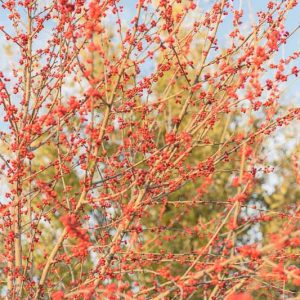
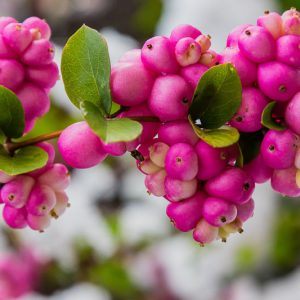
Small plants can be dug out, making sure to remove the root crown so they do not resprout. For large, established clumps, cut stems at or near ground level and dig out roots, or cut and immediately treat stumps with a suitable brush killer following label instructions. Remove and dispose of berry clusters so seeds do not spread while you are working. Replace nandina with native berry producing shrubs such as beautyberry, yaupon holly, or possumhaw that truly support birds.
Ligustrum species, including glossy privet and Japanese privet, are evergreen shrubs or small trees with glossy leaves, clusters of white flowers, and dark berries. They are commonly planted as hedges and screens.
Why they are invasive in Texas: Privets produce heavy crops of berries that birds scatter into creeks, floodplains, and wooded areas. Seedlings thrive in sun or shade, forming dense thickets under tree canopies and along waterways. These thickets crowd out native understory shrubs and wildflowers, reduce plant diversity, and create dark, low value habitat for wildlife.
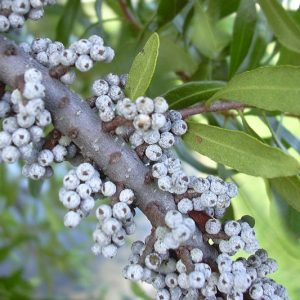
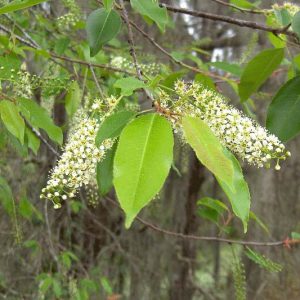
Seedlings and small shrubs can be pulled or dug, ideally when the soil is moist so roots come out more easily. For large, multi stemmed privets, cut stems close to the ground and immediately treat the stumps with a systemic herbicide labeled for woody plants to prevent resprouting. In dense thickets, it may be easier to cut everything first to ground level and then come back to treat regrowth. Always remove fruiting branches from the site if possible. Replant with native shrubs such as wax myrtle, American beautyberry, yaupon holly, or evergreen sumac to create a non invasive hedge or screen.
Vinca major is an evergreen groundcover with large, glossy leaves and purple or blue star shaped flowers. It is frequently planted under trees and along shady slopes because it spreads quickly and suppresses weeds.
Vinca minor is a similar evergreen groundcover with smaller, glossy leaves and blue or purple flowers. It is widely planted in shade gardens and around foundations as a low, tidy carpet.
Why they are invasive in Texas: Both Vinca major and Vinca minor spread by trailing stems that root wherever nodes touch the soil. Over time they form thick, evergreen mats that smother native woodland wildflowers, grasses, and tree seedlings. Once established along creeks, greenbelts, or in older neighborhoods, they can spread well beyond their original planting and dominate large shaded areas, greatly reducing plant diversity and habitat quality.
Removal requires patience and thoroughness for both species. Loosen the soil with a fork or spade and lift entire mats of stems and roots, shaking off soil but removing every fragment of plant material so it cannot reroot. Work in manageable sections and expect to make multiple passes to catch regrowth and missed pieces.
In larger patches, you can combine hand removal with smothering: once the bulk of the plants are gone, cover remaining sprouts with overlapping cardboard and a thick layer of mulch for a full growing season. Check periodically and pull any shoots that escape at the edges.
Replant with native shade tolerant groundcovers and perennials suited to your light and moisture conditions so bare soil does not invite new invasions. Good options include woodland sedges, frogfruit in brighter sites, and low, spreading natives that knit the soil together without taking over.
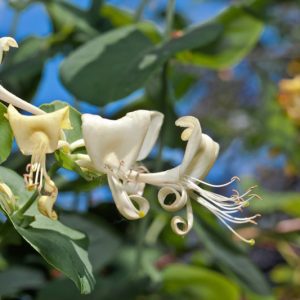
Lonicera japonica, Japanese honeysuckle, is a twining vine with fragrant white and yellow flowers and semi evergreen foliage. It has long been planted for its sweet scent and fast coverage on fences and trellises.
Why it is invasive in Texas: Japanese honeysuckle spreads by runners and bird dispersed seeds. It blankets shrubs, tree trunks, and ground layers in woods and along fence lines. The vine can girdle young trees, add weight and wind resistance to branches, and create dense tangles that shade out native plants and impede natural regeneration of forests and thickets.
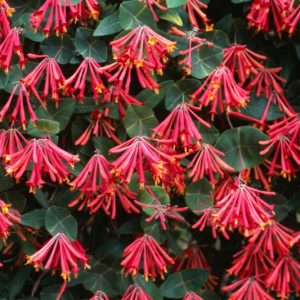
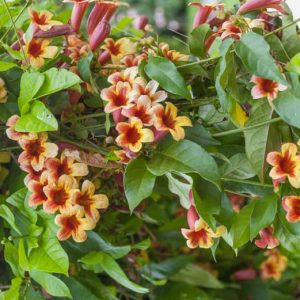
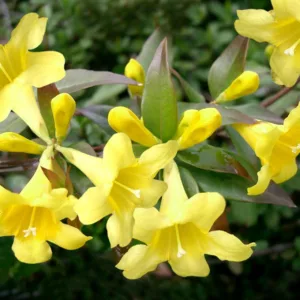
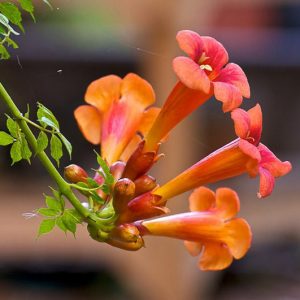
Start by cutting vines at shoulder height and again near ground level to separate top growth from the roots. Leave the upper vines in trees and shrubs to die and decompose naturally; pulling them down can damage branches. On the ground, pull and dig runners and roots, working when soil is moist. Expect resprouts from remaining roots; repeatedly cut back new growth or carefully apply a systemic herbicide to fresh leaves and stems following label directions. Replace Japanese honeysuckle with native vines such as coral honeysuckle, crossvine, or Carolina jessamine for long term, non invasive cover and nectar.
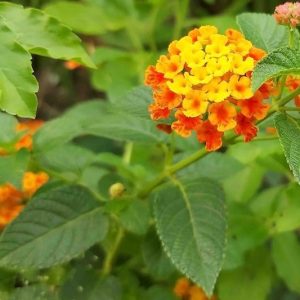
Lantana camara, often sold simply as lantana, is a shrubby perennial with clusters of brightly colored flowers that attract butterflies. It is prized for its heat tolerance and long blooming season in Texas gardens.
Why it is invasive in Texas: In warmer regions, tropical lantana can naturalize in pastures, roadsides, and disturbed sites. It spreads by seed and vegetative growth, forming dense thickets that outcompete native grasses and forbs. In some areas it hybridizes with native lantana species, complicating conservation efforts for true natives and altering plant communities.
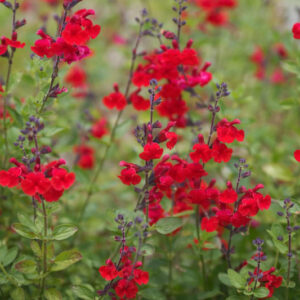
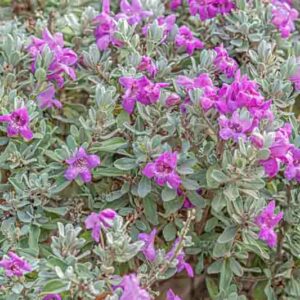
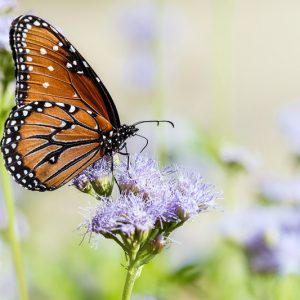
Dig out plants, removing as much of the woody root system as possible, especially in sandy or loose soils where roots can travel. Wear gloves; older stems can be prickly and brittle. In heavy infestations, repeated cutting to ground level followed by targeted herbicide on fresh regrowth may be needed, always following label guidance. Avoid dumping cut stems with green seed heads where they could root or spread. When replanting, choose native or non invasive alternatives such as Texas lantana (Lantana urticoides), mealy blue sage, or Gregg’s mistflower to keep color and pollinators in your beds without the invasive spread.
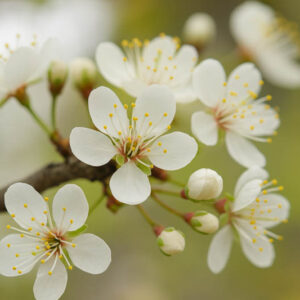
Pyrus calleryana is a fast growing ornamental tree with white spring blossoms and a neat, rounded crown. It was widely planted as Bradford pear in parking lots and new subdivisions for its showy bloom and tidy shape.
Why it is invasive in Texas: Callery pears cross pollinate and produce fertile seed that birds spread into fields, roadsides, and woodland edges. Seedlings form thorny, dense thickets that displace native trees and shrubs, alter light levels, and are very difficult to remove once established.
Remove small trees by cutting them at the base and digging out the root system when possible. For larger trees, cut them down and promptly treat fresh stumps with an appropriate brush killer according to label directions to prevent resprouting. Monitor surrounding areas for volunteer seedlings and pull them while they are small. When you replant, choose long lived native shade or flowering trees instead of new ornamental pears.
Cinnamomum camphora is an evergreen tree with glossy leaves that smell strongly of camphor when crushed. It is often planted as a shade or street tree in warmer parts of the South.
Why it is invasive in Texas: In frost free and mild regions, camphor tree produces abundant berries that birds spread into woodlands, fencerows, and riparian areas. Seedlings establish under native canopies, and the trees form dense, shade casting stands that reduce native understory diversity.
Remove young camphor seedlings by hand pulling or digging when soil is moist. For established trees, cut them down and treat the stump with a labeled systemic herbicide to prevent vigorous resprouting. Avoid allowing camphor trees to fruit near natural areas. Replace with native or non invasive evergreen trees better suited to Texas wildlife.
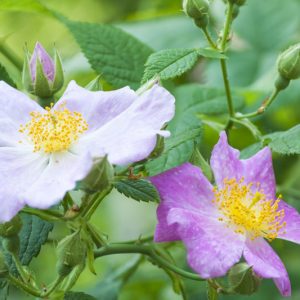
Rosa laevigata, the Cherokee rose, is a climbing or sprawling rose with large white flowers and hooked thorns. It has been planted along fences and roadsides for decades.
Why it is invasive in Texas: Cherokee rose forms aggressive, impenetrable thickets in pastures, along fencerows, and in woodland edges. It spreads by seed and by rooting canes, crowding out native shrubs and grasses and creating thorny barriers that are difficult for people and wildlife to navigate.
Cut back long canes to access the base, then cut stems near ground level and dig out crowns and major roots where possible. Wear heavy gloves and protective clothing. In large infestations, repeated cutting combined with carefully applied herbicide to fresh cuts can be effective over time. Monitor fencerows for recurring shoots and remove them promptly.
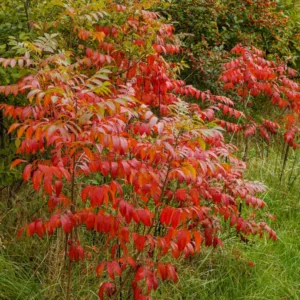
Pistacia chinensis is a medium sized ornamental tree valued for its brilliant orange and red fall color and tidy canopy. It has been promoted as a tough urban tree.
Why it is invasive in Texas: Female Chinese pistache trees produce heavy crops of berries that birds disperse into natural areas. Seedlings establish in prairies, roadsides, and woodlands, where they can form dense stands and compete with native oaks, elms, and understory trees.
Remove volunteer seedlings by hand pulling when small. For planted trees, consider removing female trees entirely, especially near natural areas. Cut the tree and treat the stump with a suitable brush control herbicide following label instructions. Replace with native Texas trees that provide fall color and wildlife value instead of reseeding into wild spaces.
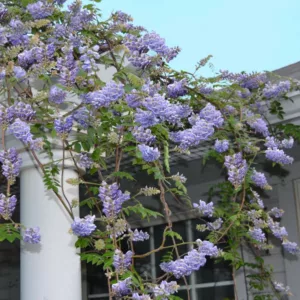
Chinese and Japanese wisterias are vigorous woody vines with fragrant, cascading flower clusters in spring. They have long been popular on arbors and pergolas.
Why they are invasive in Texas: These non native wisterias send long runners, resprout from roots, and produce seed that can escape cultivation. In mild regions they climb trees, girdling trunks and smothering canopies. Their heavy weight and dense foliage shade out native understory plants and can damage structures and trees.
Start by cutting all vines at chest height and again near the base to immediately stop them from feeding upper growth in trees. Remove vines from structures where safe to do so. Dig out as much of the root system as possible, knowing that repeated follow up will be needed. New sprouts can be cut or carefully treated with a systemic herbicide on fresh cuts and foliage. Expect several seasons of persistence before the root reserves are exhausted. Replace with non invasive native vines such as coral honeysuckle or crossvine.
Verbascum thapsus, common mullein, is a biennial with a rosette of fuzzy gray leaves and a tall yellow flower spike. It often appears in disturbed, sunny sites.
Why it is invasive in Texas: Each mullein plant can produce hundreds of thousands of seeds that remain viable in the soil for many years. It quickly colonizes bare ground, roadsides, and overgrazed pastures, forming dense stands that crowd out native grasses and forbs.
Hand pull or dig mullein rosettes before they flower, ideally when soil is moist so the root comes out cleanly. Cut flowering stalks before seed set and dispose of them in the trash, not the compost. In larger infestations, repeated mowing before flowering will reduce seed production. Encourage dense cover of native grasses and perennials so there is less bare soil for new mullein seedlings to colonize.
Hedera helix is an evergreen vine grown as a groundcover and wall climber. It clings to surfaces with aerial roots and tolerates deep shade.
Why it is invasive in Texas: English ivy carpets forest floors, climbs trees, and covers fences and walls. On the ground, it forms thick mats that prevent native seedlings and wildflowers from establishing. On trees, heavy ivy growth can increase wind throw risk and shade out the canopy, while fruiting vines provide berries that birds spread into new areas.
For vines on trees, cut all stems at about chest height and again near ground level to sever the connection; leave the upper growth to die and drop naturally. On the ground, peel and pull runners when soil is moist, removing as much root as possible. Bag and dispose of all plant material. Persistent patches may require repeated hand removal or spot treatment with a systemic herbicide on fresh regrowth. Replant with shade tolerant native groundcovers.
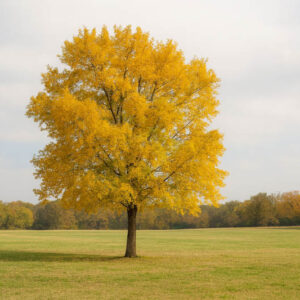
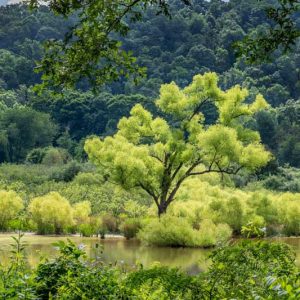
Koelreuteria paniculata, or goldenrain tree, is a small ornamental tree with yellow summer flowers and papery lantern like seed pods. It is popular for its showy display and tolerance of urban conditions.
Why it is invasive in Texas: Goldenrain tree produces abundant seeds that germinate readily in disturbed soils, roadsides, and natural areas. It can form clusters of seedlings that compete with native trees and shrubs, especially in riparian corridors and urban wildlands.
Hand pull or dig seedlings while they are small and easy to remove. If you have a mature goldenrain tree, consider removing it if you are near sensitive habitats, or at minimum prevent seed set by removing flower clusters before pods form. When felling a tree, treat the stump with an appropriate herbicide to stop resprouting. Replace with native flowering trees that support insects and birds.
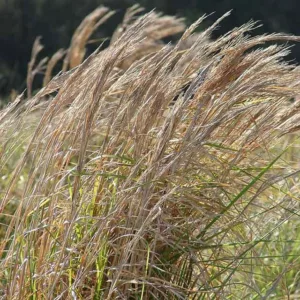
Miscanthus sinensis is a tall ornamental grass with arching blades and feathery plumes. Many cultivars are sold for use in borders, screens, and mass plantings.
Why it is invasive in Texas: Some forms of Miscanthus produce viable seed that is blown or carried into roadsides, prairies, and open woods. Seedlings can establish in large numbers, forming dense clumps that outcompete native warm season grasses and forbs and increase fuel loads for wildfires.
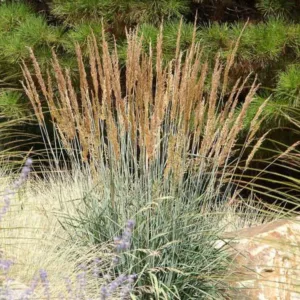
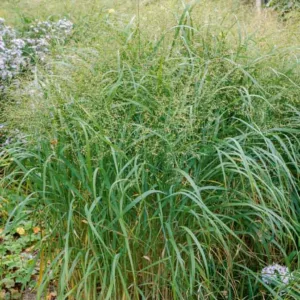
Remove flower heads before seeds mature to prevent further spread. Dig out clumps, ensuring you remove the entire crown and root mass; this is easiest in cool, moist weather. Large, old clumps may require cutting into sections with a sharp spade or saw. Dispose of all plant material off site. Replace with native ornamental grasses like switchgrass, eastern gamagrass, or little bluestem.
Albizia julibrissin, commonly called mimosa or silk tree, is a small tree with fern like leaves and fluffy pink summer flowers. It is often planted for its exotic look and fast growth.
Why it is invasive in Texas: Mimosa produces numerous seed pods, and the seeds can remain viable for many years. It tolerates poor soils and drought, allowing seedlings to colonize roadsides, creekbanks, and disturbed urban and rural sites. Dense stands can form along waterways, crowding out native riparian trees and shrubs.
Cut seedlings and saplings at ground level or pull them when small. For mature trees, cut them down and immediately treat the stump with a systemic herbicide according to label directions to prevent vigorous resprouting. Remove seed pods from cut branches and dispose of them carefully. Monitor the area for new seedlings for several years, as seeds can germinate over a long period.
Rosa multiflora is a thorny, multi stemmed rose with clusters of small white flowers and red hips. It was introduced for hedgerows, erosion control, and wildlife cover.
Why it is invasive in Texas: Multiflora rose spreads by seed and by arching canes that root where they touch the ground. Birds eat the hips and disperse the seeds widely. The resulting thickets are nearly impenetrable and can dominate pastures, roadsides, and woodland edges, displacing native shrubs and grasses.
Cut canes back to access the crown, then dig out root systems where possible. Repeated cutting at ground level during the growing season will eventually weaken plants, but regrowth is common without persistence. In larger infestations, a combination of mechanical removal and targeted herbicide on fresh cuts can be effective. Continue to remove seedlings that appear under perching trees and fencerows.
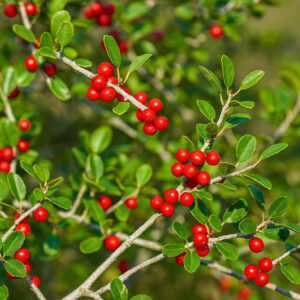
Pyracantha coccinea is an evergreen to semi evergreen shrub with sharp thorns, white spring flowers, and bright orange red berries in fall and winter. It is often used as a barrier hedge or espalier.
Why it is invasive in Texas: Birds relish the berries and spread the seeds along fencerows, roadsides, and natural areas. Seedlings can establish under powerlines, in pastures, and along woodland edges, forming thorny, wildlife deterring thickets that compete with native shrubs.
Wear heavy gloves and protective clothing to clip and remove branches. Cut shrubs at the base and dig out or grind stumps where feasible. Remove and dispose of berries to prevent further seeding. Persistent stumps can be treated with a brush control herbicide to stop resprouting. Replace firethorn hedges with native or non invasive berry producing shrubs that still support birds.
Poncirus trifoliata is a thorny shrub or small tree with trifoliate leaves, fragrant white flowers, and small, bitter fruits. It has been used as a hardy rootstock and barrier plant.
Why it is invasive in Texas: Trifoliate orange produces abundant seeds that germinate readily in pastures, old fields, and along fence lines. The dense, spiny thickets are difficult to walk through or manage and can crowd out native shrubs and young trees, creating a long lasting, painful barrier.
Cut shrubs to ground level and carefully remove or chip thorny branches. Dig out the root crown where practical. For large infestations, repeated cutting combined with targeted herbicide on stumps may be necessary to prevent regrowth. Always wear protective gear to avoid injuries from the rigid thorns. Replant with native shrubs that provide cover without the invasive spread.
Populus alba, white poplar, is a fast growing tree with white felted leaf undersides that give a shimmering effect in the wind. It has been planted as a windbreak and ornamental.
Why it is invasive in Texas: White poplar spreads aggressively by root suckers as well as seed, forming large clonal stands along rivers, creeks, and in wet or irrigated soils. These stands can displace native riparian trees, alter soil moisture regimes, and are difficult to remove due to extensive root systems.
Cutting white poplar without addressing the roots usually triggers a flush of suckers. Effective control typically combines cutting or girdling mature trees with targeted application of systemic herbicide to stumps or frills, following label guidance. Expect several years of monitoring and treating new suckers. Replant with native riparian trees that stabilize banks without the invasive spread.
Tamarix ramosissima, or saltcedar, is a shrubby tree with feathery foliage and pink flower spikes. It was introduced for windbreaks, erosion control, and ornamental use.
Why it is invasive in Texas: Saltcedar invades riverbanks, reservoirs, and wetlands, forming dense thickets. It consumes large amounts of water, concentrates salt in the soil, and outcompetes native riparian vegetation such as willows and cottonwoods. Infestations can lower water tables and degrade wildlife habitat.
Controlling saltcedar at scale usually requires coordinated efforts. For individual plants or small patches, cut stems near ground level and apply a labeled herbicide to the fresh cut surfaces. Follow up by removing dead material and monitoring for resprouts and seedlings. Along waterways, consult local agencies or extension services for best practices, as biological control and large scale programs may already be in place.
Lythrum salicaria, purple loosestrife, is a showy perennial with spikes of magenta flowers. It thrives in wetlands, pond margins, and ditches.
Why it is invasive in Texas: Purple loosestrife produces enormous quantities of tiny seeds that spread by water, wind, animals, and contaminated equipment. In suitable wet habitats it forms dense monocultures that displace native wetland plants, reduce plant diversity, and negatively impact birds, fish, and aquatic invertebrates that depend on native marsh vegetation.
Hand pull young plants, removing as much root as possible before they become established. For flowering plants, cut and bag flower spikes before seeds mature and dispose of them in the trash. In larger infestations, carefully applied herbicides approved for aquatic or wetland use may be necessary; always follow local regulations and label instructions. Replant with native wetland perennials to quickly occupy the space and prevent reinvasion.
This guide highlights some of the more common invasive plants seen in Texas landscapes, but it is not a complete list. New species are added or reclassified over time, and some problem plants are more local than statewide.
Switching from invasive plants to native Texas plants does not have to happen all at once. You can treat it as a gentle, multi year renovation of your landscape.
Walk your property and see whether you have any of the invasive plants listed here or on local invasive plant lists for your region.
Trees like Chinese tallow or thickets of privet have a big impact on wildlife habitat. These are often worth targeting first.
Choose native alternatives that match your site conditions and design goals so you are excited about the change, not just guilty about invasives.
Large trees and aggressive groundcovers are easier to manage when removed in phases, especially in hot Texas summers.
After removal, plant your chosen native shrubs, trees, vines, or groundcovers, and give them a good layer of mulch and appropriate watering during establishment.
Watch for resprouts of invasives and pull or cut them promptly. Over time, your native plants will take over and maintenance will drop.
When you swap invasive plants for native Texas plants, you are not just following rules or responding to scary headlines. You are actively rebuilding local habitat.
Native grasses, perennials, shrubs, vines, and trees support:
You still get fall color, shade, privacy, flowers, and fragrance. You just get them in a way that fits your climate and gives something back to the land.
Whether you are in the Hill Country, the Pineywoods, the Blackland Prairie, or the Rio Grande Valley, there is always a native alternative to an invasive plant you are tempted to buy.
With a little planning, your Texas garden can be both gorgeous and genuinely good for the place you live.
Always check current invasive species lists and recommendations for your part of Texas, because regulations and best practices can change as new information becomes available.
In Texas, a plant is considered “invasive” when it is non-native and has a serious potential to cause ecological or economic harm by spreading aggressively and displacing native species. The Texas Department of Agriculture (TDA) defines “noxious and invasive plants” as species that can damage agriculture, horticulture, native plant communities, waterways, or overall ecosystem function.
Several entities play a role. The Texas Department of Agriculture maintains the legal Noxious and Invasive Plants list that regulates import, sale, and distribution. Texas Parks and Wildlife Department (TPWD) maintains lists of prohibited exotic aquatic species, including plants. TexasInvasives.org, a partnership of agencies and nonprofits, maintains a broader invasive plant database used for education and management, even when species are not yet regulated by law
No. Many non-native plants stay where they are planted and do not cause noticeable harm. A plant becomes “invasive” when it escapes cultivation, spreads on its own, and begins to outcompete or replace native vegetation, alter soil or fire regimes, or disrupt wildlife habitat. In other words, all invasive plants are non-native, but not all non-native plants are invasive.
Invasive plants can form dense monocultures that exclude native grasses, shrubs, and wildflowers, reducing food and shelter for wildlife. They may change fire frequency and intensity, alter water use and stream flow, and accelerate erosion. In rangelands, forests, and croplands, they can reduce forage, timber growth, and yields, leading to direct economic losses and higher management costs.
Problem species vary by region, but some frequently cited terrestrial invasive plants include Chinese tallow (Triadica sebifera), Chinese pistache (Pistacia chinensis), chinaberry, several privets (Ligustrum spp.), heavenly bamboo (Nandina domestica), Chinese and Japanese wisteria (Wisteria sinensis, W. floribunda), Japanese honeysuckle (Lonicera japonica), saltcedar/tamarisk (Tamarix spp.), Chinese silvergrass (Miscanthus sinensis), white mulberry (Morus alba), and periwinkles (Vinca major and V. minor). These species appear on invasive plant lists and local management guides because they escape cultivation and dominate natural areas, riparian corridors, and disturbed sites.
Before buying or planting, you can:
Check the TexasInvasives.org plant database, which profiles many invasive and watch-list species.
Review the TDA Noxious and Invasive Plants list and TPWD’s harmful or prohibited aquatic species list.
Consult local resources such as Texas A&M AgriLife Extension, the Lady Bird Johnson Wildflower Center, or the Native Plant Society of Texas, which publish regional plant lists and recommendations.
Effective control usually combines several methods over multiple years. Common approaches include hand pulling or digging seedlings, cutting or mowing repeated regrowth, and using targeted herbicide treatments (such as cut-stump, basal bark, or spot foliar applications) where appropriate. Management guides in Texas stress choosing the least toxic effective herbicide, following label directions exactly, and always combining chemical control with follow-up monitoring and replanting of desirable vegetation.
Not always. Small, new infestations can sometimes be eliminated with manual removal and persistence, especially for shallow-rooted herbs and vines. However, woody plants with large root systems (such as Chinese tallow, privets, or saltcedar) often resprout vigorously after cutting, and long-term control usually requires carefully applied systemic herbicides in addition to mechanical methods. Integrated management—starting with prevention, then using physical, cultural, and chemical tools together—is generally the most effective and economical approach.
The key is to prevent any chance of re-rooting or seed spread. Do not dump invasive plant debris in vacant lots, greenbelts, or waterways. Bag seed heads, berries, and small plants for municipal trash if allowed; larger woody material can often be piled and dried or chipped on site, provided seeds and roots are no longer viable. For aquatic plants and algae, state agencies emphasize never releasing aquarium or pond plants into natural waters and making sure all fragments are removed and dried before disposal.
Aquatic invaders like zebra mussels, giant salvinia, water hyacinth, and exotic floating hearts can clog intakes, damage infrastructure, and dramatically alter lake and river ecosystems. Zebra mussels, for example, now infest dozens of Texas lakes, where they filter plankton, change water clarity, and foul shorelines and equipment. Because larvae and plant fragments move easily on boats and trailers, Texas law requires boaters to clean, drain, and dry their equipment between water bodies, and transporting listed aquatic invasive species is illegal.
The most important step is prevention: do not buy, plant, or share known invasive species, and look for them in seed mixes, soil, and mulch. Favor Texas native plants and well-vetted, non-invasive ornamentals; many agencies and nonprofits publish recommended plant lists and “plant this, not that” guides. Keep an eye on your property for new volunteer seedlings or escapes, remove them early, and avoid letting potentially invasive ornamentals go to seed.
For non-aquatic plants on your own property, you can start with your local Texas A&M AgriLife Extension office or city/county natural resource staff for advice. To report new or significant sightings in natural areas, TexasInvasives.org provides reporting tools and links to partner agencies, and some local governments and land trusts also maintain invasive species programs. For aquatic invasive species in public waters, reports can be directed to Texas Parks and Wildlife Department.
Native Plant Society of Texas (NPSOT) – Regional native plant lists, chapters, and programs that help you refine plant choices for your specific part of Texas.
Updated: November 2025 Reviewed by Gardenia Editors
| Hardiness |
6 - 10 |
|---|---|
| Plant Type | Climbers, Ornamental Grasses, Perennials, Shrubs, Trees |
| Native Plants | United States, Southwest, Texas |
| Toxic to Humans | No known toxicity |
| Toxic to Cats | No known toxicity |
| Toxic to Dogs | No known toxicity |
| Toxic to Horses | No known toxicity |
Create a membership account to save your garden designs and to view them on any device.
Becoming a contributing member of Gardenia is easy and can be done in just a few minutes. If you provide us with your name, email address and the payment of a modest $25 annual membership fee, you will become a full member, enabling you to design and save up to 25 of your garden design ideas.
Join now and start creating your dream garden!
Create a membership account to save your garden designs and to view them on any device.
Becoming a contributing member of Gardenia is easy and can be done in just a few minutes. If you provide us with your name, email address and the payment of a modest $25 annual membership fee, you will become a full member, enabling you to design and save up to 25 of your garden design ideas.
Join now and start creating your dream garden!