Rock Rose, Rose Pavonia, Rose Mallow, Texas Swampmallow, Texas Rockrose, Wright’s Pavonia, Pavonia Mallow, Rock Rose Mallow, Pavonia wrightii
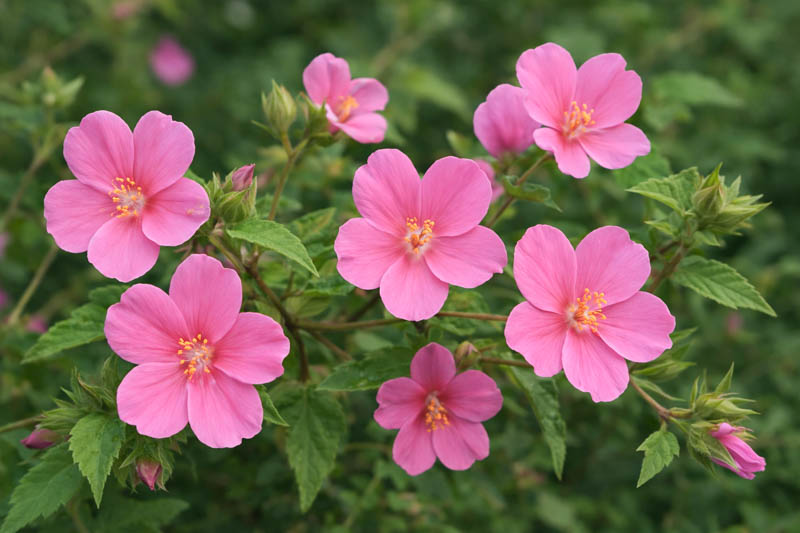


If you want a carefree, long blooming Texas native that laughs at heat, covers itself in pink flowers, and keeps bees and butterflies busy for months, Pavonia lasiopetala is your plant. Often called Texas rock rose or rock rose, this compact flowering shrub delivers a steady stream of hibiscus like blooms from late spring through fall, all on a tough frame that thrives in dry, rocky soils and low water gardens across much of Texas and the Southwest.
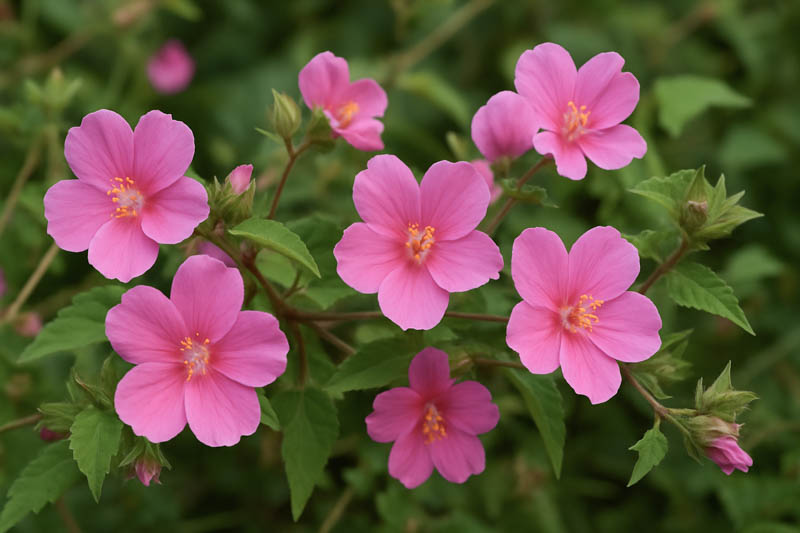
Summary: Compact shrub for Texas and the warm Southwest with nonstop pink bloom and outstanding heat and drought tolerance.
Use: Pollinator friendly borders, front yard accents, rock gardens, xeriscapes, cottage style native beds, and containers in colder zones.
Highlight: Months of bright pink, hibiscus like flowers on a small, mounded plant that handles intense summer sun and poor, rocky soils.
Note: A colorful, wildlife friendly alternative to thirsty tropical hibiscus for Texas and low water landscapes.
| Botanical Name | Pavonia lasiopetala Scheele |
|---|---|
| Family | Malvaceae (mallow family) |
| Common Names | Texas rock rose, rockrose, rock rose, Wright pavonia, rose pavonia, Texas mallow, Texas pavonia, Texas swamp mallow |
| Native Range | Central and western Texas, especially the Edwards Plateau and Rio Grande Plains, south into northern Mexico, in dry, rocky woods and slopes. |
| Plant Type and Habit | Small shrub or subshrub with rounded, mounded habit |
| Hardiness (USDA) | Roughly Zones 7 to 10 – woody shrub in warmer zones, dieback perennial in colder parts of its range |
| Size | Typically 2 to 4 ft tall and 2 to 3 ft wide in gardens |
| Sun and Exposure | Full sun to light or partial shade – best bloom in full sun |
| Soil | Prefers well drained, rocky or sandy soils but adapts to many soil types if drainage is good and watering is modest |
| Seasonal Interest | Pink flowers from late spring through fall, fuzzy green foliage, and a light, airy texture even in summer heat |
| Primary Uses | Low water borders, pollinator and hummingbird gardens, rock gardens, cottage style plantings, curbside strips, Mediterranean and Texas native designs, mixed shrub and perennial beds |
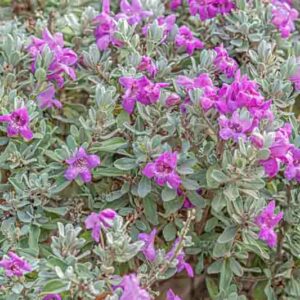
Texas rock rose is one of those plants that looks delicate but behaves like a survivor. It forms a small, rounded shrub, usually in the 2 to 4 ft range, with many slender stems and soft, velvety green leaves. From late spring through fall, it is sprinkled with pink, hibiscus like flowers that open during the day and close by evening, with new blooms constantly taking their place.
The overall effect is light and cottagey rather than stiff or formal. The fine stems and fluttering flowers move in the breeze and look right at home in naturalistic, prairie, or cottage style plantings where color and wildlife friendliness matter more than sharp edges.
Pavonia lasiopetala is a Texas native plant, occurring naturally from the Edwards Plateau and central Texas west to the Rio Grande Plains and Trans Pecos, and into adjacent parts of northern Mexico. It is typically found on dry, rocky hillsides, open woods, pastures, and limestone slopes, where rain is modest and drainage is excellent.
Because it evolved in hot, dry, high sun conditions, Texas rock rose is very comfortable in low water landscapes, rocky soils, and reflected heat next to driveways, walks, and patios.
In gardens, rock rose usually tops out around 2 to 4 ft tall and 2 to 3 ft wide. It has a naturally mounded, somewhat loose habit, with many stems rising from the base. In rich soil or shade it can get a bit leggy, but a quick trim will pull it back into a tidy mound.
Growth rate is generally fast. With basic establishment care, a small nursery plant can grow into a cheerful, blooming mound in one to two seasons, which is why it is so popular in new native beds and fresh landscape installations.
The flowers are the main event. Texas rock rose carries five petaled, hibiscus like blooms about 1 to 2 inches across, usually in shades of soft to deep rose pink with a slightly darker eye. Each blossom lasts a day, but the plant produces so many buds that the show just keeps rolling from late spring well into fall, especially with periodic light trimming and a bit of water.
Leaves are usually heart shaped to oval, with a softly toothed edge and a pleasant, slightly fuzzy texture. The velvety surface helps the plant cope with heat and intense sun, reducing water loss. Foliage is typically medium green to gray green, offering a calming backdrop to the bright flowers.
The leaves are not large, so the plant as a whole reads as fine to medium texture. That makes Texas rock rose especially useful for softening rocks, edging pathways, or weaving among coarser shrubs and grasses.
Texas rock rose performs best in warm climates and is generally hardy in roughly USDA Zones 7 to 10, behaving as a small woody shrub in the warmest zones and as a dieback perennial where winters are cooler. In colder regions it can be grown as a summer blooming annual or patio container plant.
It is well suited to central, south, and west Texas, the Hill Country, and similar hot summer regions. Prolonged soggy soil or harsh, wet winters are more stressful than heat and drought, so prioritizing sharp drainage is key.
You can tuck Texas rock rose into many different landscape roles:
As a native Texas wildflower shrub, Pavonia pulls its weight in wildlife gardens. The blossoms are rich in nectar and draw bees, butterflies, and hummingbirds over a very long season. Small birds may use the plant for shelter and perching, especially when it is grouped with other native perennials and shrubs.
When you plant Texas rock rose instead of a generic non native, you are helping build out a more resilient, regionally appropriate plant community that supports local pollinators and wildlife.
In natural rangelands, various animals, including livestock, will nibble on Pavonia when it is available, so it is not considered highly deer or livestock proof. In home landscapes, deer may sample young growth if pressure is high, but once plants are established, occasional browsing is usually a cosmetic issue rather than a death sentence.
Where deer pressure is heavy, simple cages or protective mesh around new transplants for the first season will help the shrubs get big enough to shrug off minor grazing.
Drought tolerance is one of Texas rock rose’s superpowers. In the wild, it thrives in dry, rocky, often limestone based soils with periodic rainfall and high heat. Once rooted in, it handles long stretches with little or no irrigation surprisingly well.
In the garden, plan on regular deep watering during the first one to two growing seasons to build a strong root system. After that, you can shift to deep, infrequent watering, and in many Texas sites the plant will be perfectly happy with only occasional supplemental water during extreme drought.
Texas rock rose is primarily used as an ornamental and habitat plant, not an edible. It is not widely listed as toxic in garden references, and it is included in some rangeland seed mixes within its native range. As with most ornamental plants, teach children and pets to look, not chew, and rely on healthy pastures rather than a single species for grazing animals.
Within its native and regionally appropriate range, Pavonia is considered a well behaved native perennial. It can reseed modestly, especially in open, sunny, disturbed soil, but it is not typically an aggressive problem plant in managed gardens. If seedlings appear where you do not want them, they are easy to pull while small.
For best performance, give Texas rock rose full sun. Aim for at least six hours of direct light per day. It will tolerate light or partial shade, especially afternoon shade in very hot microclimates, but too much shade can reduce flowering and make the plant leggy.
This is a plant that loves drainage. Ideal conditions include:
If you garden on heavy clay that holds water after a rain, consider creating a raised bed or low berm with added gravel or expanded aggregate mixed into the top layer. Getting water to move through the root zone quickly is more important than perfect fertility.
A simple watering approach works well:
Like many native perennials, rock rose is not a heavy feeder. Too much nitrogen can cause lanky growth at the expense of flowers. In most gardens you can simply:
A layer of mulch helps keep roots cool and conserve water. Use a 2 to 3 inch layer of shredded bark, native wood chips, crushed gravel, or decomposed granite around the plants.
Keep mulch pulled a couple of inches back from the base of the stems so the crown can dry quickly after rain or irrigation.
Texas rock rose responds very well to light pruning and shearing.
Because flowers are produced over such a long season, you do not have to worry about removing a single big flush of buds. The plant will simply reset and keep blooming.
Rock rose can be grown from seed collected from dry seed capsules after flowers fade. Sow in pots or trays with a well drained seed mix, and keep lightly moist until germination. Seedlings will show some variation in vigor and bloom timing, which is fine for wildflower style beds and restoration projects.
Nurseries often propagate Pavonia lasiopetala from softwood cuttings taken during the growing season. In home gardens, you can experiment with cuttings in a bright but not blazing hot location and a very sharp draining medium. For most gardeners, though, the easiest path is simply to buy container grown plants from native plant suppliers or independent garden centers that focus on Texas tough perennials.
Texas rock rose is generally a low maintenance, trouble free plant when grown in the right conditions, but a few small issues can pop up.
As with many natives, the best insurance is to provide full sun, good drainage, and modest watering rather than pampering.
Pavonia lasiopetala, commonly called Texas rock rose or rockrose, is a shrubby perennial wildflower native to Texas and northern Mexico. It forms a small mound of fuzzy green foliage topped with pink, hibiscus like flowers from late spring through fall. It is valued for heat tolerance, drought resistance, and pollinator friendly blooms in low water landscapes.
Texas rock rose is native to central and western Texas, especially the Edwards Plateau, Rio Grande Plains, and Trans Pecos regions, and extends into parts of northern Mexico. In the wild it grows on dry, rocky slopes, open woods, and pastures where soils are shallow and drainage is excellent.
In home landscapes, Pavonia typically grows about 2 to 4 ft tall and 2 to 3 ft wide. It forms a rounded, somewhat loose mound of stems and foliage. With light pruning in spring and during the growing season, you can keep it closer to 2 ft for front border use or let it reach near full size as a small, flowering shrub in mixed beds.
Texas rock rose thrives in full sun and well drained soil. It is especially happy in rocky, sandy, or limestone based soils and tolerates neutral to slightly alkaline pH. Once established, it is very drought tolerant and fits perfectly into xeriscapes, native Texas gardens, and low water beds that receive only occasional irrigation.
Given enough sun and decent care, Texas rock rose can bloom from late spring all the way into fall. Individual flowers only last a day, but the plant produces new buds continuously. Light trimming after big flushes of bloom and deep, occasional watering help extend the flowering season.
Yes. Pavonia is naturally drought tolerant once established. It comes from dry, rocky habitats in Texas, so it is well adapted to low rainfall and high heat. Deep, regular watering during the first season or two builds a strong root system, after which most plants only need supplemental water during prolonged drought or extreme heat.
Absolutely. The long season of pink flowers is a major resource for bees, butterflies, and hummingbirds. When grouped with other native perennials and grasses, Texas rock rose helps create a vibrant, wildlife friendly planting that supports local pollinators and small birds.
In warmer parts of its range, Pavonia behaves as a small woody shrub that may keep some structure year round. In colder areas of its zone range, stems can die back to near the ground in winter and then resprout strongly in spring. Many gardeners simply cut it back in late winter or early spring to keep growth fresh and compact.
Yes, Texas rock rose is a great choice for beginner gardeners in hot, sunny climates. As long as you provide full sun, good drainage, and moderate water during establishment, it is very forgiving. After it settles in, maintenance is mostly limited to an occasional trim and occasional deep watering in dry spells.
Updated: November 2025 • Reviewed for Texas and Southwest native plant gardens
| Hardiness |
7 - 10 |
|---|---|
| Plant Type | Shrubs |
| Plant Family | Malvaceae |
| Exposure | Full Sun, Partial Sun |
| Season of Interest | Spring (Early, Mid, Late), Summer (Early, Mid, Late), Fall |
| Height | 2' - 4' (60cm - 120cm) |
| Spread | 2' - 3' (60cm - 90cm) |
| Spacing | 24" - 36" (60cm - 90cm) |
| Maintenance | Low |
| Water Needs | Low |
| Soil Type | Loam, Sand |
| Soil pH | Alkaline, Neutral |
| Soil Drainage | Well-Drained |
| Characteristics | Showy |
| Native Plants | United States, Southwest, Texas |
| Tolerances | Drought |
| Attracts | Bees, Butterflies, Hummingbirds |
| Garden Uses | Beds And Borders |
| Garden Styles | Informal and Cottage |
| Toxic to Humans | No known toxicity |
| Toxic to Cats | No known toxicity |
| Toxic to Dogs | No known toxicity |
| Toxic to Horses | No known toxicity |


| Hardiness |
7 - 10 |
|---|---|
| Plant Type | Shrubs |
| Plant Family | Malvaceae |
| Exposure | Full Sun, Partial Sun |
| Season of Interest | Spring (Early, Mid, Late), Summer (Early, Mid, Late), Fall |
| Height | 2' - 4' (60cm - 120cm) |
| Spread | 2' - 3' (60cm - 90cm) |
| Spacing | 24" - 36" (60cm - 90cm) |
| Maintenance | Low |
| Water Needs | Low |
| Soil Type | Loam, Sand |
| Soil pH | Alkaline, Neutral |
| Soil Drainage | Well-Drained |
| Characteristics | Showy |
| Native Plants | United States, Southwest, Texas |
| Tolerances | Drought |
| Attracts | Bees, Butterflies, Hummingbirds |
| Garden Uses | Beds And Borders |
| Garden Styles | Informal and Cottage |
| Toxic to Humans | No known toxicity |
| Toxic to Cats | No known toxicity |
| Toxic to Dogs | No known toxicity |
| Toxic to Horses | No known toxicity |
How many Pavonia lasiopetala (Texas Rock Rose) do I need for my garden?
| Plant | Quantity | |
|---|---|---|
| Pavonia lasiopetala (Texas Rock Rose) | N/A | Buy Plants |
Create a membership account to save your garden designs and to view them on any device.
Becoming a contributing member of Gardenia is easy and can be done in just a few minutes. If you provide us with your name, email address and the payment of a modest $25 annual membership fee, you will become a full member, enabling you to design and save up to 25 of your garden design ideas.
Join now and start creating your dream garden!
Create a membership account to save your garden designs and to view them on any device.
Becoming a contributing member of Gardenia is easy and can be done in just a few minutes. If you provide us with your name, email address and the payment of a modest $25 annual membership fee, you will become a full member, enabling you to design and save up to 25 of your garden design ideas.
Join now and start creating your dream garden!