Create Your Garden

Best Native Plants for Texas Gardens

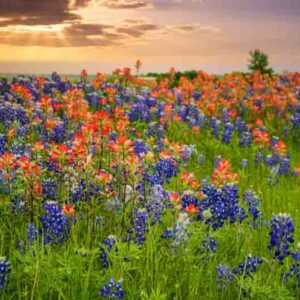
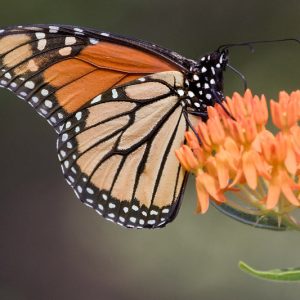
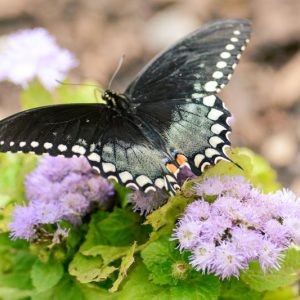
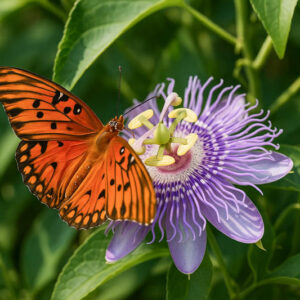
Texas natives are the plants that truly feel at home in your garden. They know the heat, the wind, the sudden storms, and still look good. Mix native trees, shrubs, flowers and grasses for color, structure, and a yard that quietly feeds birds, bees and butterflies every day.
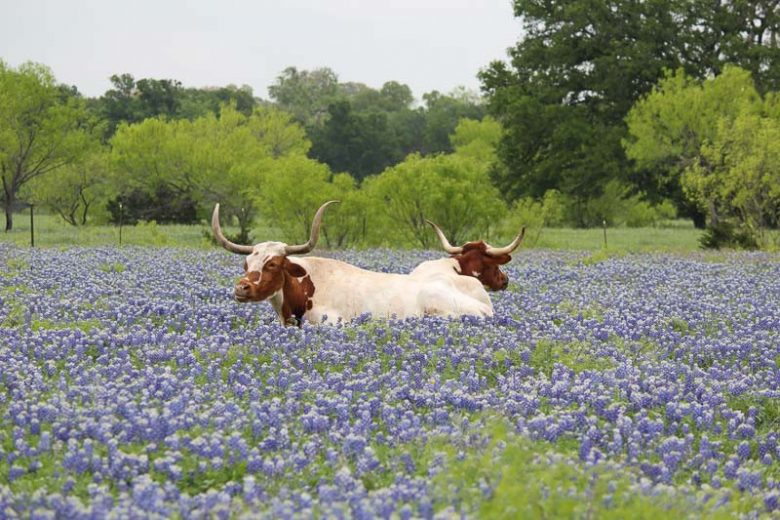
Texas Native Plants

Best Native Plants for Texas: By Region and Plant Type

Texas is huge and wonderfully varied. Pineywoods, prairies, Hill Country canyons, Gulf Coast marshes, high plains, and desert basins – each region has its own cast of native plants that truly feel at home. When you match your garden to those natives, you get less stress, more resilience, and a yard full of birds, bees, butterflies, and other beneficial insects.

This guide highlights some of the best native shrubs, perennials, grasses, and more for four broad Texas regions. Use it as a menu, then build your own mix of plants that fits your soil, light, and style.

Quick Start – Native Texas Garden Basics

  • Start with your region – pineywoods, coastal, prairie, Hill Country, or West Texas will shape your palette.
  • Layer plant types – native trees and shrubs for structure, perennials and grasses for color and movement.
  • Match sun and soil – dry limestone hills, wet clay bottoms, and coastal sands need different natives.
  • Think in seasons – choose plants so something native is blooming or berrying from spring into fall.
  • Plant in drifts – repeated groups of the same native look natural and make life easier for pollinators.
  • Water to establish – once deep roots form, most natives handle Texas weather with minimal help.

Texas Native Plant Regions At a Glance

To keep things simple, this guide groups Texas into four broad gardening regions:

  • East Texas Pineywoods and Gulf Coast – higher rainfall, richer soils, more forested and humid.
  • Blackland Prairie and North Central Texas – clays, prairies, woodland edges, hot summers, mixed moisture.
  • Hill Country and Edwards Plateau – rocky limestone, thin soils, clear streams, big swings in moisture.
  • High Plains and West Texas – drier, windier, more extremes, with shortgrass prairie and desert influence.

You do not have to treat these boundaries as strict lines, but they are a helpful way to choose plants that are more likely to thrive where you live.

East Texas Pineywoods and Gulf Coast

This region is greener, wetter, and more forested than much of the state. Think tall pines, hardwoods, forest edges, and coastal marshes. Natives here appreciate moisture, organic matter, and often at least part shade.

Guide Information

Hardiness 6 - 10
Plant Type Ferns, Ornamental Grasses, Perennials, Shrubs, Trees
Native Plants United States, Southwest, Texas

Best Native Shrubs and Small Trees

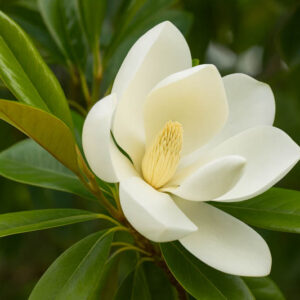
Magnolia grandiflora (Southern Magnolia)
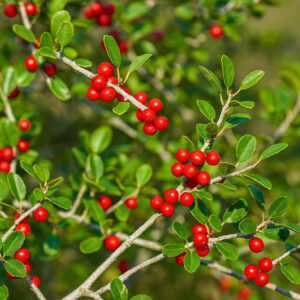
Ilex vomitoria (Yaupon Holly)
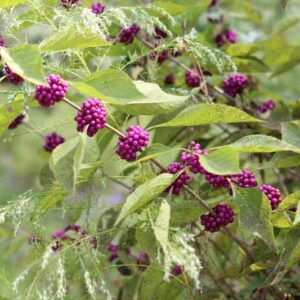
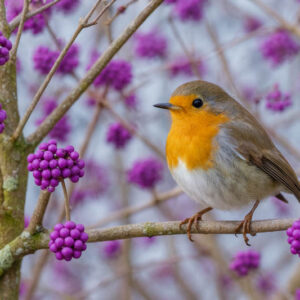
Callicarpa americana (American Beautyberry)
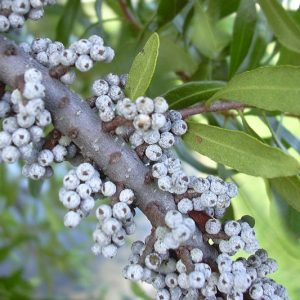
Morella cerifera (Wax Myrtle)
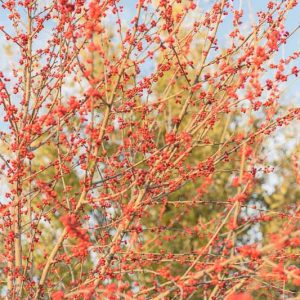
Ilex decidua (Possumhaw)
Magnolia virginiana (Sweet Bay Magnolia)
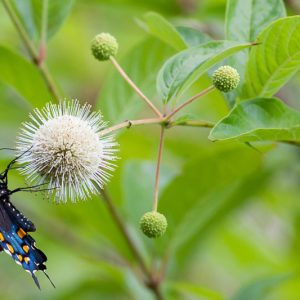
Cephalanthus occidentalis (Buttonbush)
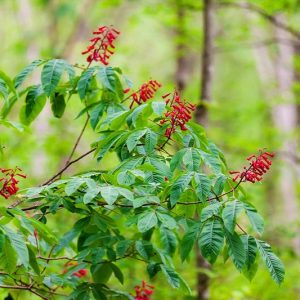
Aesculus pavia (Red Buckeye)
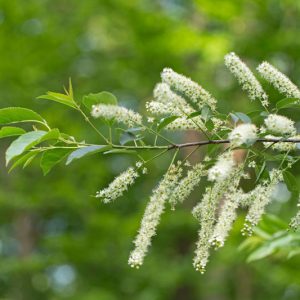
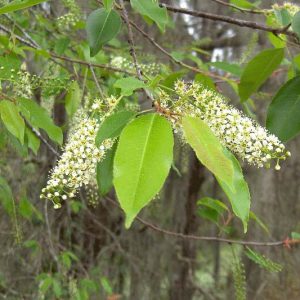
Prunus serotina (Black Cherry)

Best Native Perennials and Wildflowers

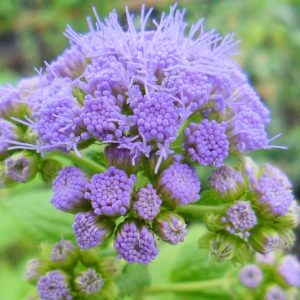
Conoclinium coelestinum (Blue Mistflower)
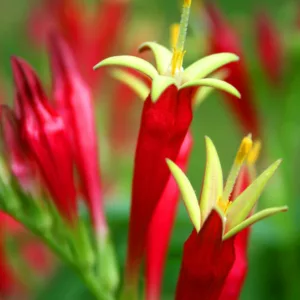
Spigelia marilandica (Indian Pink)
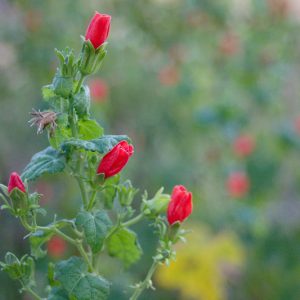
Malvaviscus arboreus var. drummondii (Turk’s Cap)
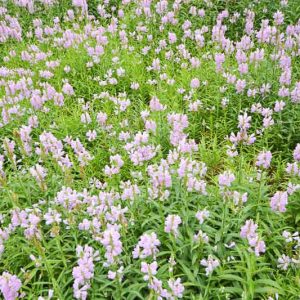
Physostegia virginiana (Obedient Plant)
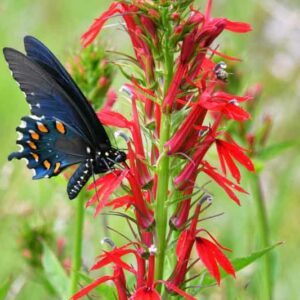
Lobelia cardinalis (Cardinal Flower)
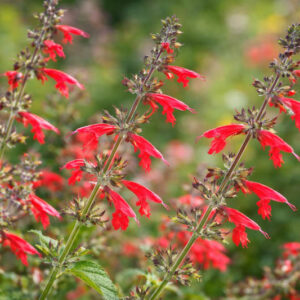
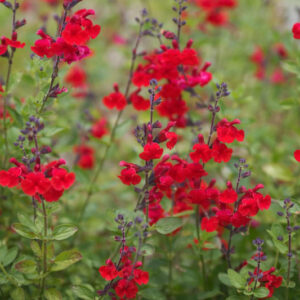
Salvia coccinea (Scarlet Sage)

Best Native Grasses, Groundcovers and Ferns

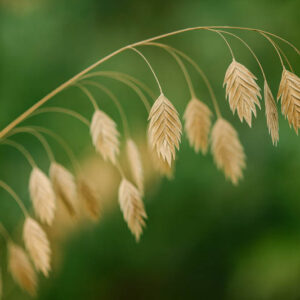
Chasmanthium latifolium (Northern Sea Oats)
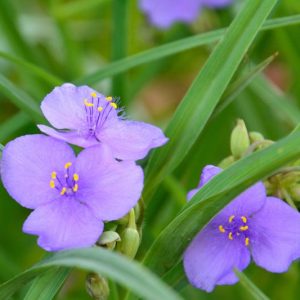
Tradescantia ohiensis (Ohio Spiderwort)
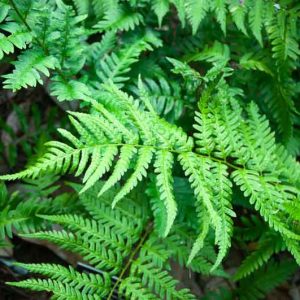
Dryopteris ludoviciana (Southern Wood Fern)
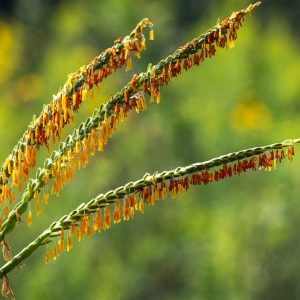
Tripsacum dactyloides (Eastern Gamma Grass)
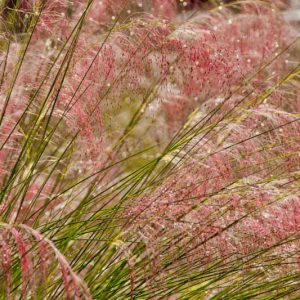
Muhlenbergia capillaris (Pink Muhly Grass)
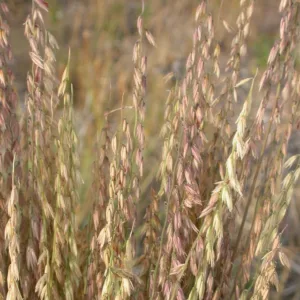
Bouteloua curtipendula (Side-Oats Grama)

Blackland Prairie and North Central Texas

Here you meet heavy clays, rolling prairies, woodland edges, and hot summers. Good drainage and deep rooted natives are your best allies. Many classic prairie wildflowers and grasses shine in this region.

Best Native Shrubs and Small Trees

Quercus virginiana (Live Oak)
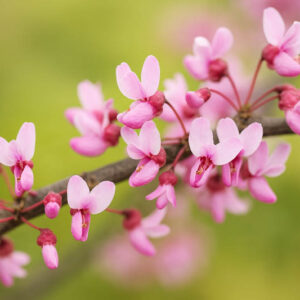
Cercis canadensis var. texensis (Texas Redbud)
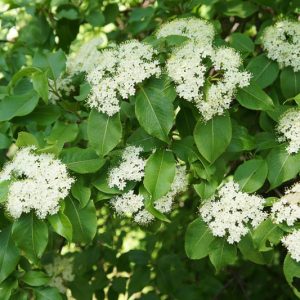
Viburnum rufidulum (Southern Blackhaw)
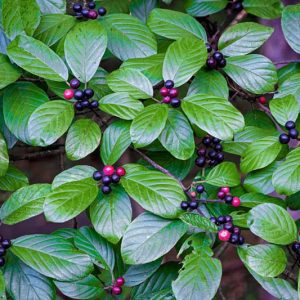
Cornus drummondii (Roughleaf Dogwood)
Frangula caroliniana (Carolina Buckthorn)
Prunus caroliniana (Carolina Cherry Laurel)

Best Native Perennials and Wildflowers

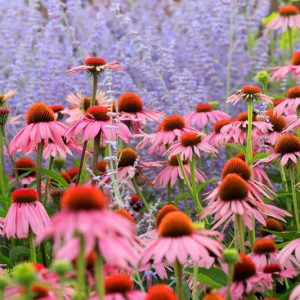
Echinacea purpurea (Purple Coneflower)
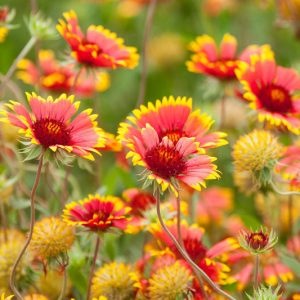
Gaillardia pulchella (Firewheel)
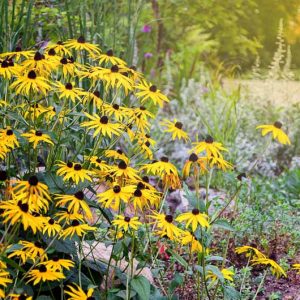
Rudbeckia hirta (Black-Eyed Susan)
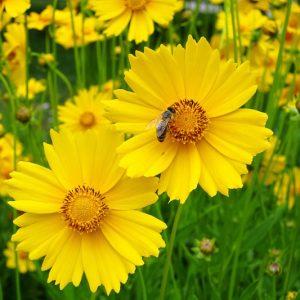
Coreopsis lanceolata (Lanceleaf Tickseed)
Helianthus maximiliani (Maximilian Sunflower)
Engelmannia peristenia (Engelmann Daisy)
Salvia greggii (Autumn Sage)
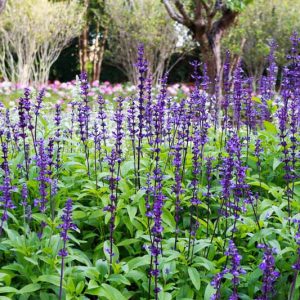
Salvia farinacea (Mealy Sage)
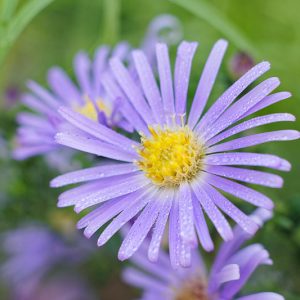
Symphyotrichum oblongifolium (Aromatic Aster)

Best Native Grasses and Groundcovers

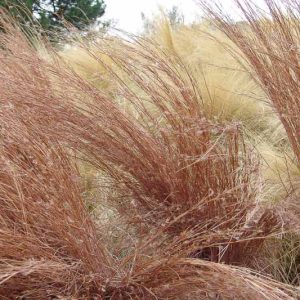
Schizachyrium scoparium (Little Bluestem)
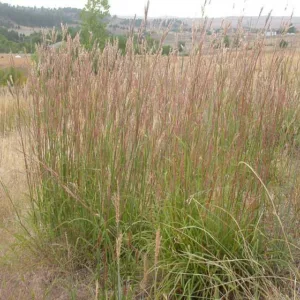
Andropogon gerardii (Big Bluestem)
Bouteloua curtipendula (Side-Oats Grama)
Sorghastrum nutans (Indian Grass)
Sporobolus heterolepis (Prairie Dropseed)
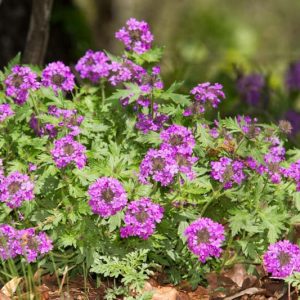
Glandularia bipinnatifida (Prairie Verbena)

Hill Country and Edwards Plateau

Hill Country gardens juggle thin rocky soils, steep slopes, and periods of drought broken by intense rain. Limestone loving natives are essential. Many have silver or small leaves, deep roots, and incredible wildlife value.

Best Native Shrubs and Small Trees

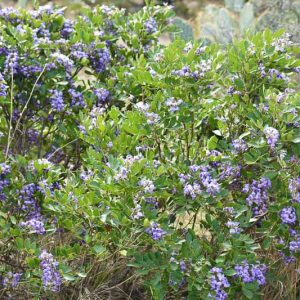
Sophora secundiflora (Texas Mountain Laurel)
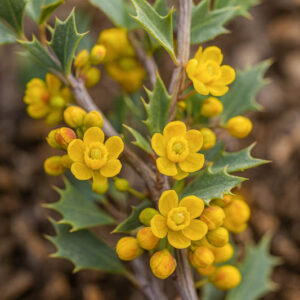
Mahonia trifoliolata (Agarita)
Cercis canadensis var. texensis (Texas Redbud)
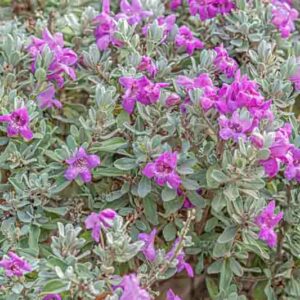
Leucophyllum frutescens (Texas Sage)
Ilex decidua (Possumhaw)
Callicarpa americana (American Beautyberry)

Best Native Perennials and Wildflowers

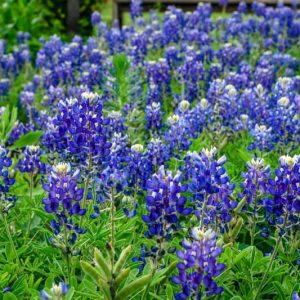
Lupinus texensis (Texas Bluebonnet)
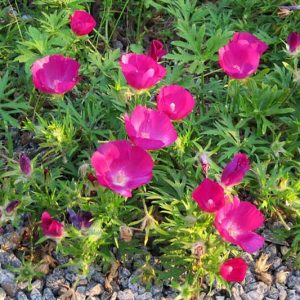
Callirhoe involucrata (Purple Poppy Mallow)
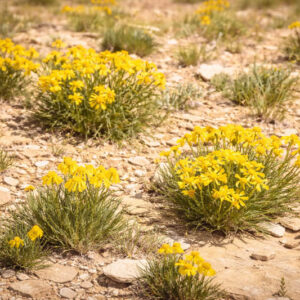
Tetraneuris scaposa (Four-Nerve Daisy)
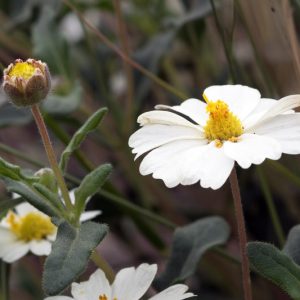
Melampodium leucanthum (Blackfoot Daisy)
Engelmannia peristenia (Engelmann Daisy)
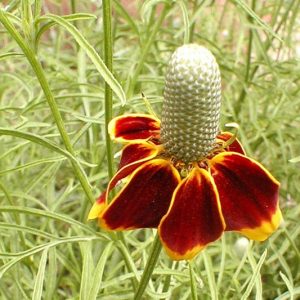
Ratibida columnifera (Mexican Hat Plant)
Symphyotrichum oblongifolium (Aromatic Aster)
Conoclinium greggii (Palm-leaf Mistflower)
Salvia greggii (Autumn Sage)

Best Native Grasses and Groundcovers

Schizachyrium scoparium (Little Bluestem)
Bouteloua curtipendula (Side-Oats Grama)
Bouteloua dactyloides (Buffalo Grass)
Muhlenbergia capillaris (Pink Muhly Grass)
Chasmanthium latifolium (Northern Sea Oats)
Symphoricarpos orbiculatus (Coralberry)

High Plains and West Texas

High sun, wind, and lower rainfall define this region. Natives here are built for tough conditions and pair naturally with gravel, rock, and open views. Many also work beautifully in xeriscape designs elsewhere in the state.

Best Native Shrubs and Small Trees

Chilopsis linearis (Desert Willow)
Leucophyllum frutescens (Texas Sage)
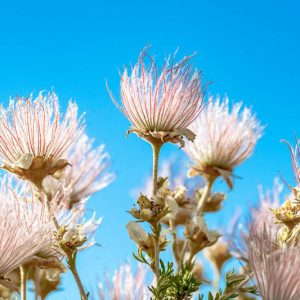
Fallugia paradoxa (Apache Plume)
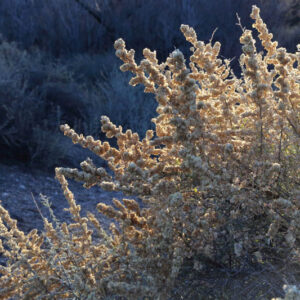
Atriplex canescens (Four-Wing Saltbush)
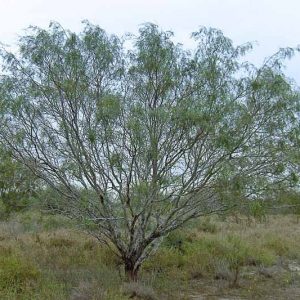
Prosopis glandulosa (Honey Mesquite)
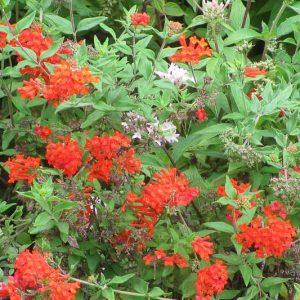
Bouvardia ternifolia (Firecracker Bush)

Best Native Perennials and Wildflowers

Gaillardia pulchella (Firewheel)
Ratibida columnifera (Mexican Hat Plant)
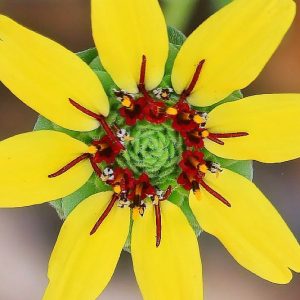
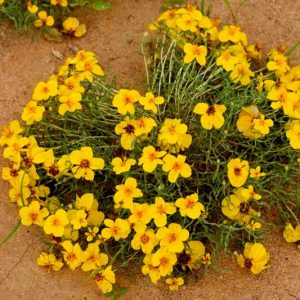
Berlandiera lyrata (Chocolate Daisy)
Zinnia grandiflora (Plains Zinnia)
Engelmannia peristenia (Engelmann Daisy)
Conoclinium greggii (Palm-leaf Mistflower)

Best Native Grasses and Structural Plants

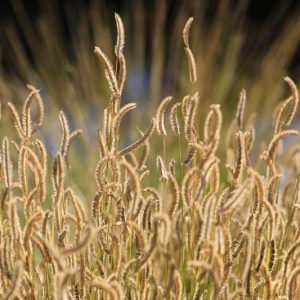
Bouteloua dactyloides (Buffalo Grass)
Bouteloua gracilis (Blue Grama)
Schizachyrium scoparium (Little Bluestem)
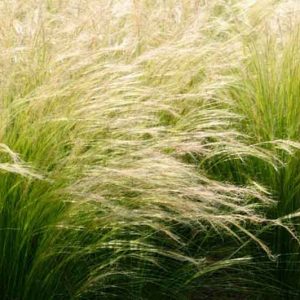
Stipa tenuissima (Mexican Feather Grass)
Sporobolus airoides (Alkali Sacaton)
Dasylirion wheeleri (Desert Spoon)

Top 10 Easy Native Plants for Beginners – By Texas Region

New to native gardening? Start with these no-fuss, highly reliable plants that thrive with minimal care in each region.

East Texas & Gulf Coast

Blackland Prairie & North Central Texas

Hill Country & Edwards Plateau

High Plains & West Texas

How to Use These Native Plant Lists

  • Pick your region first, then choose a few shrubs, perennials, and grasses that all like the same sun and soil.
  • Repeat your favorites in several spots instead of planting one of everything.
  • Blend in paths, seating, and maybe a water feature so you can watch the birds and pollinators that show up.

Use these regional native plant lists as a framework, then connect each species to your existing Texas native plant profiles to build detailed, region smart planting ideas for every corner of the state.

Discover More Beautiful Texas Native Plants

Texas Native Plant Guides: Design, Soil & Wildlife

Frequently Asked Questions

What are the main benefits of using native plants in Texas gardens?

Native plants are adapted to Texas heat, soil, and rainfall, so they usually need less water, fertilizer, and care once established. They also provide better food and shelter for local birds, pollinators, and other wildlife than most non-native ornamentals.

Do native plants still need watering in Texas?

Yes, especially in the first one to two years. Deep, infrequent watering helps roots grow down and become drought tough. Once established, many Texas natives only need supplemental water during long dry spells.

Are all Texas native plants drought tolerant?

No. Some natives love moist woods, streambanks, or Gulf Coast conditions. “Native” does not automatically mean low water. Always check whether a plant is native to your region and whether it likes dry, average, or moist soils.

Can I grow Texas native plants in containers?

Yes. Many smaller shrubs and perennials such as lantanas, salvias, and winecups do well in large pots with good drainage. Use a high-quality potting mix, water more often than in the ground, and choose sun or shade natives to match your exposure.

How do I choose the right natives for my part of Texas?

Start with your region (East Texas, Gulf Coast, Blackland Prairie, Hill Country, High Plains or West Texas), then match plants to your sun, soil type, and moisture. Regional native plant lists, local chapters of native plant societies, and botanical gardens are very helpful.

Will native plants look “messy” compared to traditional landscaping?

They don’t have to. Using repeating groups of the same plant, clear bed edges, and a mix of shrubs, perennials, and grasses creates a polished, intentional look. You can keep a tidy front edge and let things be a bit wilder toward the back.

Can I mix native and non-native plants in the same garden?

Yes. Many gardeners use natives as the backbone for structure and wildlife value, then mix in a few well-behaved non-natives for special color or texture. Just avoid invasive species that escape into natural areas.

Are Texas native plants good for pollinators and butterflies?

Absolutely. Many Texas natives are excellent nectar and host plants for bees, butterflies, moths, and hummingbirds. Planting a mix that blooms from spring through fall is one of the best ways to support pollinators in your area.

Do I need to fertilize native plants?

Usually not. Most Texas natives are adapted to lean soils and can actually flop or grow weak if heavily fertilized. Good soil preparation and organic matter are usually enough. If you do fertilize, use light, slow-release products and avoid overdoing it.

How do I start a native meadow or wildflower area in Texas?

Remove existing lawn or weeds, lightly prepare the soil, and use a seed mix or plugs of region-appropriate native grasses and wildflowers. Fall is often the best time to sow or plant. Weed control in the first couple of years is key while natives establish.

When is the best time to plant native trees and shrubs in Texas?

Fall through early winter is ideal for most of the state. Cooler weather and winter moisture help roots grow before summer heat arrives. In very mild areas, early spring can also work if you can water through the first summer.

Are there native plants that handle clay soil in Texas?

Yes. Many Blackland Prairie and North Central Texas natives are adapted to heavy clay, including several oaks, elms, coneflowers, coreopsis, bluestem grasses, and more. Look for plants specifically recommended for clay or “average to heavy” soils.

Where can I buy Texas native plants?

Look for nurseries that specialize in natives, plant sales run by native plant societies or botanical gardens, and independent garden centers that label true Texas natives clearly. Ask whether plants are grown without systemic insecticides if you are planting for pollinators

References

Native Plant Society of Texas

Updated: November 2025 • Reviewed by Gardenia Editors

Garden Examples

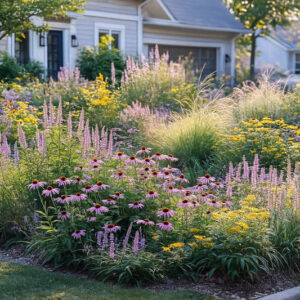
Pollinator Drift: Asclepias, Agastache & Flowing Grasses
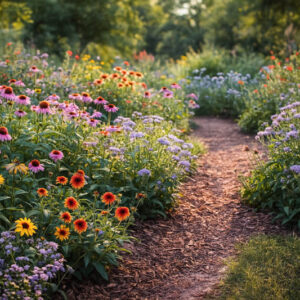
Front-Yard Prairie Drift: Airy Color, Native Texture
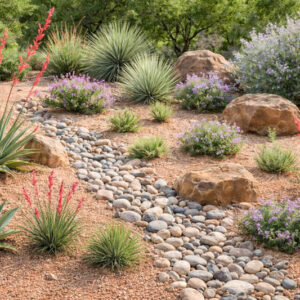
Desert Dry Creek Border – Agave, Red Yucca & Texas Sage
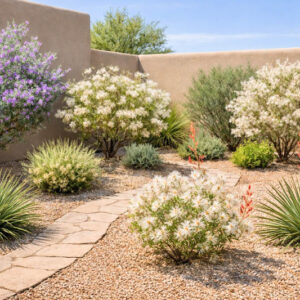
Desert Courtyard Border – Texas Sage & Apache Plume
A Pollinator Wildflower Garden Idea
Wildflower Prairie with Monarda, Mexican Hat & Blue Sage
Bird-Friendly Creekside Border
Shaded Woodland Border with Ferns & Beautyberry
Texas Wildflower Prairie Border with Coreopsis and Beebalm

Recommended Guides

50 Texas Wildflowers to Brighten Your Garden
Monarch Nectar Plants for Texas
Great Pollinator Plants for Texas
Texas Butterfly Host Plants
Texas Bird-Friendly Plants
Best Texas Plants for Hummingbirds
Best Texas Fragrant Plants
Best Shade Plants for Texas
Best Drought-Tolerant Plants for Texas
Best Plants for Wet Areas in Texas
Best Plants for Sandy Soils in Texas
Best Plants for Clay Soils in Texas
Best Groundcovers for Texas Gardens
Best Perennials for Texas Gardens
Best Shrubs for Texas Gardens
Best Trees for Texas Gardens
Best Native Plants for Texas Gardens
Barrel Cactus: An Iconic Desert Plant for Water-Wise Gardens
Cholla Cactus: Iconic Desert Plants
Desert Trees: Stunning and Resilient Trees for Your Garden
Desert Shrubs: Essential Plants for Dry Gardens
Desert Flowers: Bringing Color to Dry Gardens
Desert Plants: Discover 50 Stunning Varieties to Grow
Hedgehog Cactus: A Desert Survivor with Spectacular Blooms
Invasive Plants in Texas – And Their Best Native Alternatives
Explore Great Plant Combination Ideas
Texas
Guides with
Texas Texas
While every effort has been made to describe these plants accurately, please keep in mind that height, bloom time, and color may differ in various climates. The description of these plants has been written based on numerous outside resources.

Guide Information

Hardiness 6 - 10
Plant Type Ferns, Ornamental Grasses, Perennials, Shrubs, Trees
Native Plants United States, Southwest, Texas
Explore Great Plant Combination Ideas
Texas
Guides with
Texas Texas

Related Items

Please Login to Proceed

You Have Reached The Free Limit, Please Subscribe to Proceed

Subscribe to Gardenia

To create additional collections, you must be a paid member of Gardenia
  • Add as many plants as you wish
  • Create and save up to 25 garden collections
Become a Member

Plant Added Successfully

Your garden is taking shape. Unlock full planning.

You’ve reached the free limit. Upgrade for $25/year to add as many plants as you wish and save up to 25 garden collections. Unlock Annual Membership

Update Your Credit
Card Information

Cancel

Create a New Collection

Sign Up to Our Newsletter

    You have been subscribed successfully

    Join Gardenia.net

    Create a membership account to save your garden designs and to view them on any device.

    Becoming a contributing member of Gardenia is easy and can be done in just a few minutes. If you provide us with your name, email address and the payment of a modest $25 annual membership fee, you will become a full member, enabling you to design and save up to 25 of your garden design ideas.

    Join now and start creating your dream garden!

    Join Gardenia.net

    Create a membership account to save your garden designs and to view them on any device.

    Becoming a contributing member of Gardenia is easy and can be done in just a few minutes. If you provide us with your name, email address and the payment of a modest $25 annual membership fee, you will become a full member, enabling you to design and save up to 25 of your garden design ideas.

    Join now and start creating your dream garden!
    Find your Hardiness Zone

    Find your Heat Zone

    Find your Climate Zone