Quick Definitions for Texas Shade Garden Topics
Short, clear definitions make it easier to design your shade garden and help search engines understand your content.
- Texas shade garden: A Texas shade garden is a planting area that receives limited direct sun and relies on shade-tolerant plants that handle heat, drought, and regional soils.
- Dry shade: Dry shade is soil under trees or eaves that stays shaded and also receives less rain and irrigation, often with dense roots competing for moisture.
- Part shade: Part shade means a spot that gets a few hours of direct morning sun or filtered light most of the day, but protection from the harshest afternoon sun.
- Full shade: Full shade areas receive little or no direct sun, but still have open sky light. Texas full shade usually happens under dense live oaks or on the north side of buildings.
- Dappled shade: Dappled shade is shifting patches of light and shadow created when sun filters through tree leaves and branches.
- Understory shrub: An understory shrub is a small to medium woody plant that naturally grows beneath taller trees in woodland or forest conditions.
- Shade-tolerant groundcover: A shade-tolerant groundcover is a low, spreading plant that forms a living carpet in areas with limited sun, helping to control erosion and reduce weeds.
Top Picks at a Glance – Best Shade Plants for Texas
Short on time? Here are dependable native and well-adapted plants for Texas shade gardens, organized by light and soil conditions and pulled directly from the perennial, shrub, tree, grass, and fern lists.
Deep to Dry Shade Under Live Oaks
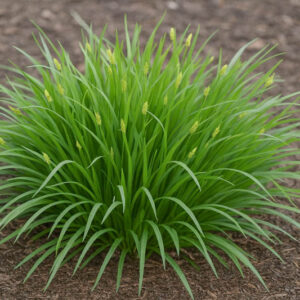
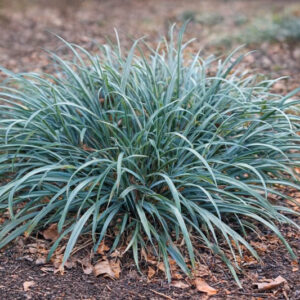
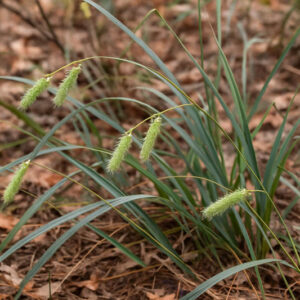
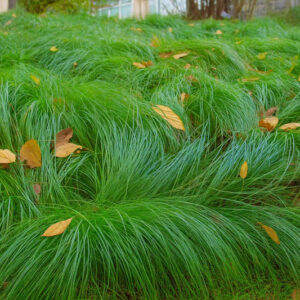
- Carex blanda (Common wood sedge) – Tough, fine-textured native sedge that forms soft clumps and slowly knits together dry, rooty soil under oaks.
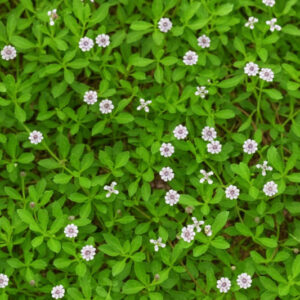
- Calyptocarpus vialis (Horseherb) – Low, green groundcover that weaves between tree roots, greens up after rain, and tolerates light foot traffic.
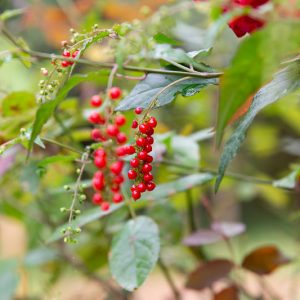
- Rivina humilis (Pigeonberry) – Small, shade-loving native with delicate foliage, pinkish blooms, and red berries for birds.
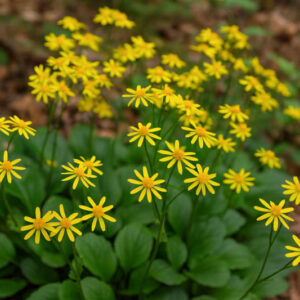
- Packera obovata (Golden groundsel) – Semi-evergreen rosettes and cheerful yellow spring daisies that brighten dark corners and act as living mulch.
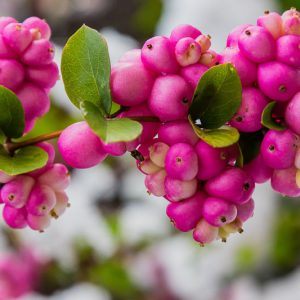
- Symphoricarpos orbiculatus (Coralberry) – Arching, thicket-forming shrub that thrives in dry tree shade and adds pink berries for winter interest.
Part Shade – Flowers and Pollinators
Moist Shade – Creek Edges and Low Spots
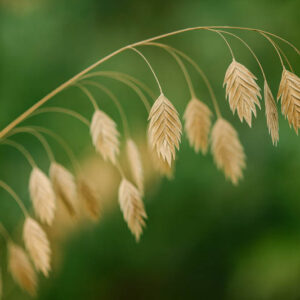
- Chasmanthium latifolium (Inland sea oats) – Graceful seed heads and bright green foliage for woodland edges.
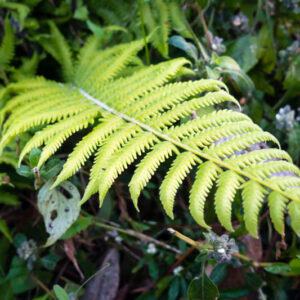
- Thelypteris kunthii (Southern shield fern) – Soft, arching fronds for moist, dappled shade.
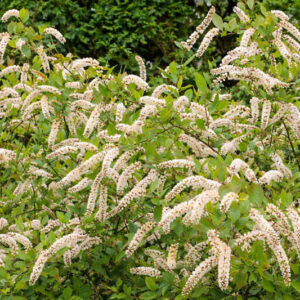
- Itea virginica (Virginia sweetspire) – Fragrant white spring blooms and rich red fall color.
- Alnus serrulata (Smooth alder) – Multi-trunked shrub or small tree for wet, shady spots.
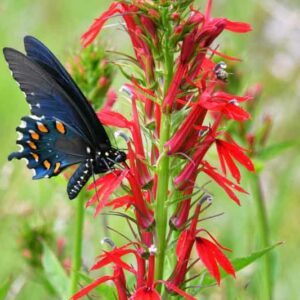
- Lobelia cardinalis (Cardinal flower) – Vivid red spikes that love wet, lightly shaded soils.
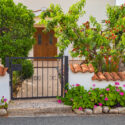
Entryways, Courtyards, and North Sides
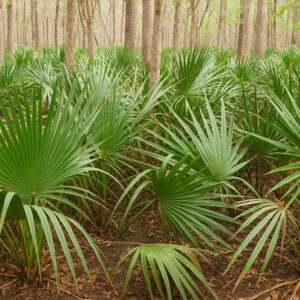
- Sabal minor (Dwarf palmetto) – Compact native palm that handles shade and occasional cold snaps.
- Ilex vomitoria (Yaupon holly) – Versatile evergreen for screening and structure in bright shade.
- Symphoricarpos orbiculatus (Coralberry) – Arching stems with pink berries for winter interest.
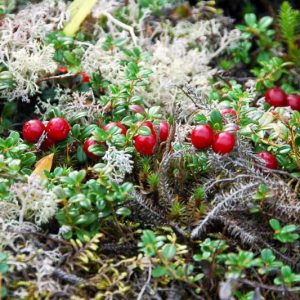
- Mitchella repens (Partridge berry) – Low evergreen groundcover with white blooms and red berries in moist shade.
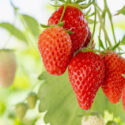
- Fragaria vesca (Wild strawberry) – Spreading edible groundcover for cool, bright shade.
Design Ideas for Shade Gardens in Texas
Instead of fighting shade, treat it like a design opportunity. These simple pattern recipes use proven Texas shade plants from your lists to create calm, cool garden rooms.
Front Entry Woodland Welcome
On the north or east side of the house beneath a tree canopy, plant:
This combo works in many Texas regions and turns a dull, shady foundation bed into a woodland-style welcome mat for guests and pollinators.
Live Oak Dry Shade Island
Under a large live oak where grass dies and roots dominate, try:
- Carex blanda (Common wood sedge) massed as the main ground layer for a natural, fine-textured look.
- Calyptocarpus vialis (Horseherb) tucked between roots for extra green coverage and a casually wild feel.
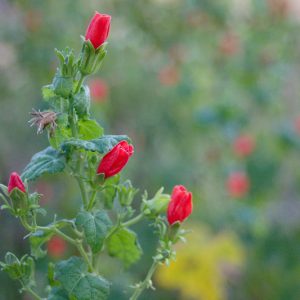
- Malvaviscus arboreus var. drummondii (Turk’s cap) in clumps where a bit more light sneaks in for flowers and hummingbirds.
- Rivina humilis (Pigeonberry) scattered near the drip line for delicate foliage, blooms, and berries for birds.
- A thin ring of natural mulch to hold moisture, suppress weeds, and protect tree roots.
This planting respects tree roots, needs very little irrigation once established, and solves the classic “bare dirt under the oak” problem.
Pineywoods Woodland Edge
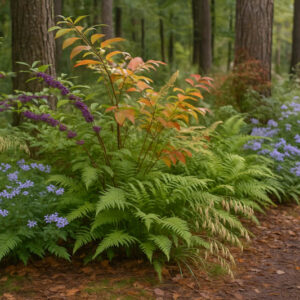
At the edge of a pine or mixed hardwood stand in East Texas, design a layered look with:
This layout blurs the line between wild woods and home landscape, supports birds and butterflies, and feels right at home in the Pineywoods.
North-Side Urban Strip
Along the narrow, often neglected north side of a Texas house, plant:
Even a small strip of shade can become a cool, green corridor instead of a forgotten, weedy alley.
Simple Care Tips for Texas Shade Plants
- Water deeply, not often – tree roots and shade plants prefer slow, deep soaks instead of light daily sprinkles.
- Use mulch, not amendments, under trees – piling soil over roots or heavily tilling can stress mature trees; instead, add compost on top and cover with mulch.
- Thin trees, do not top them – light pruning to let in dappled sun is fine; topping creates weak, ugly regrowth and more problems long term.
- Group plants by water needs – keep thirsty ferns, sweetspire, and alder together in moist spots and drought-tough sedges, horseherb, and beautyberry in naturally dry zones.
- Fertilize lightly or not at all – many native shade plants are happiest in lean soil with a yearly top-dress of compost and leaf mold, not heavy fertilizer.
Why Grow These Texas Shade Natives?
- Malvaviscus arboreus var. drummondii (Turk’s cap) – A classic Texas shade shrub with hibiscus-like flowers from spring to frost that hummingbirds and butterflies love.
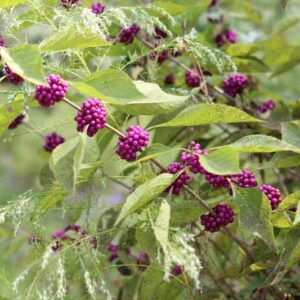
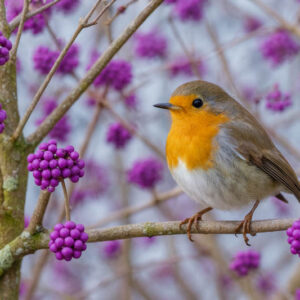
- Callicarpa americana (American beautyberry) – Loose, arching shrub for bright shade with glowing purple berry clusters that feed birds in fall.
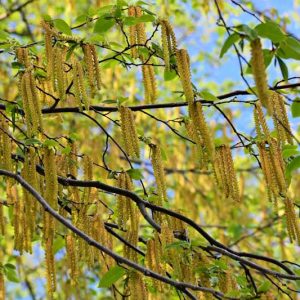
- Chasmanthium latifolium (Inland sea oats) – Graceful woodland grass with dangling seed heads that shimmer in dappled light and self-sow into soft colonies.
- Carex blanda & Carex flaccosperma – Shade-tolerant native sedges that act like fine-textured, evergreen lawn substitutes under trees.
- Thelypteris kunthii (Southern shield fern) – Fine-textured fern that thrives in moist shade along creeks, rain gardens, and low beds.
- Calyptocarpus vialis (Horseherb) – Low, spreading native groundcover for dry shade that greens up quickly after rain and handles light foot traffic.
- Rivina humilis (Pigeonberry) – Delicate foliage, tiny flowers, and red berries that brighten dim corners and provide food for birds.
- Mitchella repens (Partridge berry) – Evergreen mat-forming vine with white flowers and red berries for moist, acidic woods.
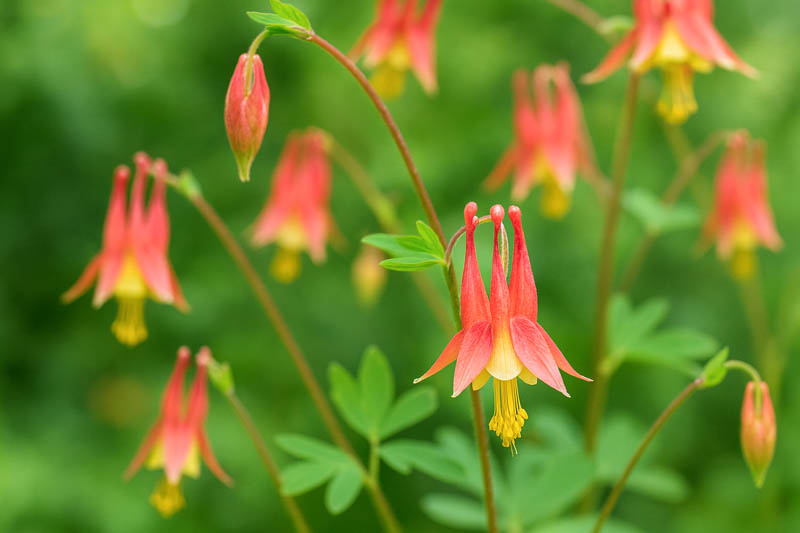
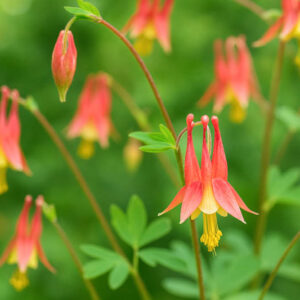
- Aquilegia canadensis (Canadian columbine) – Airy, nodding red-and-yellow flowers in spring that light up rock pockets and woodland beds.
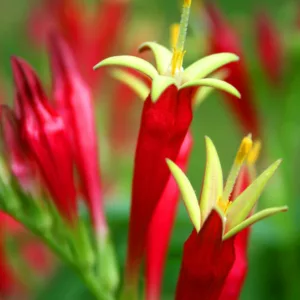
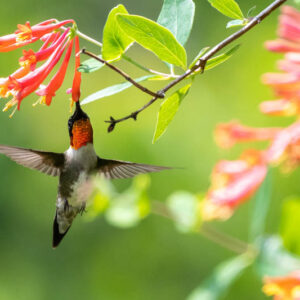
- Spigelia marilandica (Indian pink) – Dramatic red-and-gold tubes that bring in hummingbirds to shaded borders.
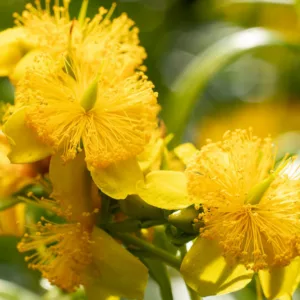
- Hypericum prolificum (Shrubby St. John’s wort) – Compact shrub with bright yellow summer blooms that pollinators flock to.
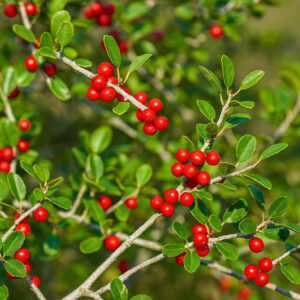
- Ilex vomitoria (Yaupon holly) – Versatile evergreen shrub or small tree that works as a screen, hedge, or specimen in bright shade or part sun.
- Itea virginica (Virginia sweetspire) – Fragrant white flower spikes in spring and dependable red-orange fall color in moist, bright shade.
- Sabal minor (Dwarf palmetto) – Native palm that tolerates shade, cold snaps, and periodic wet feet, giving a lush, tropical look.
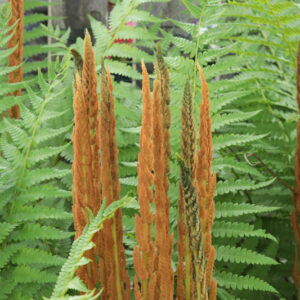
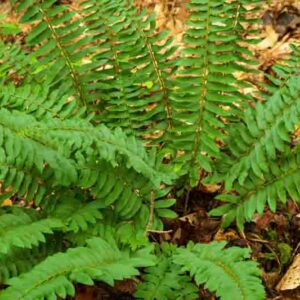
- Osmunda cinnamomea & Polystichum acrostichoides – Native ferns that bring classic woodland texture to Texas shade gardens.
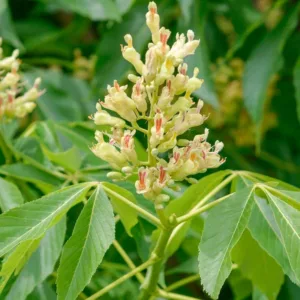
- Aesculus glabra & Carpinus caroliniana – Shade-tolerant small trees that provide dappled canopy, spring interest, and wildlife value in larger yards.
Bringing It All Together – A Shade Plant Palette for Texas
Shady spots in Texas do not have to be bare dirt or struggling lawn. From East Texas pine forests to Central Texas live oak groves and narrow urban courtyards, you can build a Texas shade garden by choosing plants that evolved under trees and along creek banks.
Start by mapping your light: where is it deep shade, part shade, or bright, high canopy shade? Next, note your soil: thin and rocky, heavy clay, or moist and loamy. Then select a mix of understory trees, evergreen shrubs, ferns, native grasses, perennials, and groundcovers from the plant lists above that match those conditions.
Let deep shade workhorses like oak and blue wood sedges, horseherb, golden groundsel, and partridge berry cover the darkest ground. Layer in flowering part-shade stars such as Turk’s cap, columbine, Indian pink, cardinal flower, and woodland phlox where light increases. Use structural evergreens like yaupon holly, coralberry, sweetspire, and dwarf palmetto to anchor each bed so it looks good year round.
How to Use These Shade Plant Lists
- Begin with your shade level: deep oak shade, part shade under thin branches, or bright shade along a north wall, then choose plants listed for that type of light.
- Plan in layers: trees and tall shrubs in the back, medium-height perennials and grasses in the middle, and low groundcovers and sedges at the front and underfoot.
- Match water needs: keep thirsty ferns, sweetspire, alder, and cardinal flower near downspouts or low spots, while drought-tough sedges, horseherb, Turk’s cap, and beautyberry go in drier pockets.
- Whenever possible, pick species native to your county or ecoregion so they match your rainfall patterns and temperature swings with less extra care.
- Link shady beds to sunny ones with repeated plants and flowing curves, so your whole landscape feels like one connected design instead of scattered islands.
Frequently Asked Questions
What counts as “shade” in Texas gardens?
In Texas gardening, “shade” usually means spots that receive less than half a day of direct sun or only dappled light through trees. That can be deep live oak shade, east-facing beds with morning sun and afternoon shade, pineywoods understory, or north-side walls. The key is that summer afternoon sun is blocked, which changes which plants will thrive.
Which flowering plants do well in part shade in Texas?
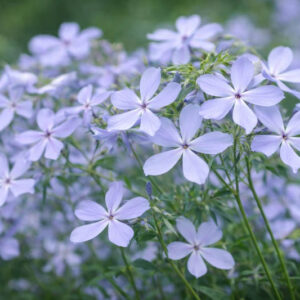
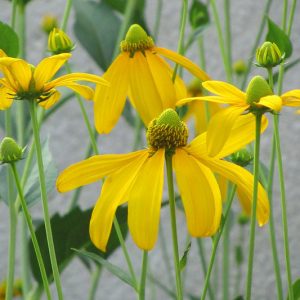
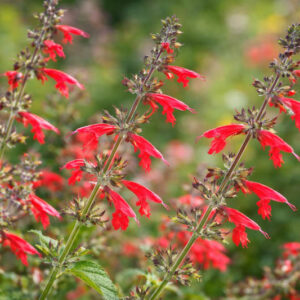
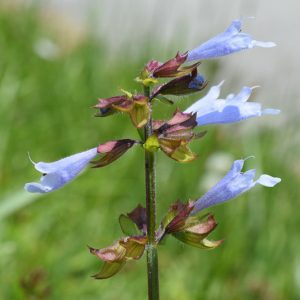
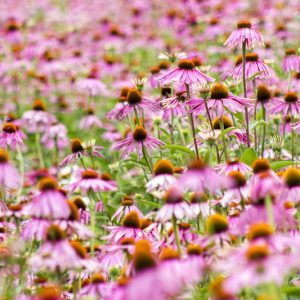
Turk’s cap, Canadian columbine (Aquilegia canadensis), Indian pink (Spigelia marilandica), woodland phlox (Phlox divaricata), scarlet sage (Salvia coccinea), lyreleaf sage (Salvia lyrata), cutleaf coneflower (Rudbeckia laciniata), and cardinal flower (Lobelia cardinalis) all bloom beautifully in part shade, especially with morning sun and afternoon shade.
What can I grow in very dry shade under live oaks?
Under mature live oaks, choose plants that handle both deep shade and low moisture, such as oak sedge, horseherb, golden groundsel (Packera obovata), pigeonberry, coralberry, and small clumps of Turk’s cap. Avoid heavy tilling, add a thin layer of compost, and water new plants deeply until established.
Which shade plants are most attractive to pollinators and birds?
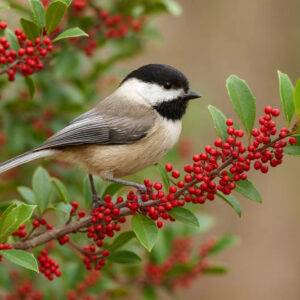
Aquilegia canadensis, Spigelia marilandica, Salvia coccinea, Turk’s cap, woodland phlox, lyreleaf sage, cardinal flower, Indian pink, and shrubby St. John’s wort provide nectar for hummingbirds, bees, and butterflies in part shade. American beautyberry, yaupon holly, pigeonberry, coralberry, and partridge berry offer berries for birds and other wildlife.
Do I need to amend soil heavily for shade plants in Texas?
Most native shade plants are adapted to existing Texas soils. Instead of deep tilling and heavy amendment, spread a few inches of compost on top of the existing soil, plant directly, and then mulch with leaves or bark. This gentle approach protects tree roots and improves soil life over time.
Can I grow turf grass in deep shade here?
Even shade-tolerant turf grasses struggle in true deep shade in Texas. St. Augustine and certain fescue blends can tolerate bright shade or part shade, but under dense trees most lawns thin and become patchy. In those spots, it is usually smarter to switch to a shade garden with groundcovers and mulch paths instead of forcing grass.
How should I water new shade plantings in Texas?
For the first growing season, water slowly and deeply so moisture reaches 6–8 inches down, then let the top couple of inches dry slightly before watering again. Shade plants use less water than sun plants, but tree roots can steal moisture quickly, so check soil with your finger rather than guessing from the surface.
Are any Texas shade plants deer or rabbit resistant?
No plant is completely deer proof, but some shade-tolerant plants are less appealing. Cast iron plant, river and shield ferns, oak sedge, horseherb, yaupon holly, American beautyberry, coralberry, and shrubby St. John’s wort are often browsed less than tender annuals or hostas. Pressure varies by neighborhood, so young plants may still need temporary protection.
Can I grow shade plants in containers on a porch or patio?
Yes. Many Texas shade plants do well in containers, including Canadian columbine, woodland phlox, spiderwort, dwarf palmetto, cast iron plant, river and shield ferns, and smaller hollies. Use a high-quality potting mix, choose containers with drainage holes, and water consistently, since pots dry faster than in-ground beds even in shade.
References
Texas A&M AgriLife Extension – Practical, research-based guidance on managing Texas soils, improving heavy clay, and growing vegetables and ornamentals statewide. Key resources include:
Lady Bird Johnson Wildflower Center – A comprehensive native plant database for North America, with detailed profiles for thousands of Texas-native grasses, perennials, shrubs, vines, and trees.
Native Plant Society of Texas (NPSOT) – Regional native plant lists, chapters, and programs that help you refine plant choices for your specific part of Texas.
Updated: November 2025 Reviewed by Gardenia Editors