United States Native Plants - Guides
Quick Answer
Native plants of the United States are species that evolved in North America’s diverse ecosystems—prairies, deserts, forests, mountains, and coasts. They thrive naturally in their home habitats, support pollinators and wildlife, and often require less water and maintenance than non-native ornamentals.
Use our state-by-state guides, regional plant lists, and native garden designs to choose plants that fit your climate, soil, and gardening goals.
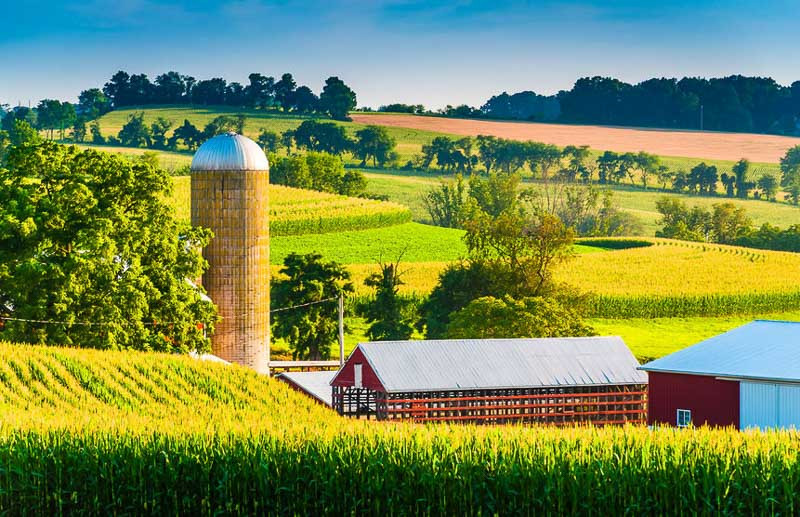
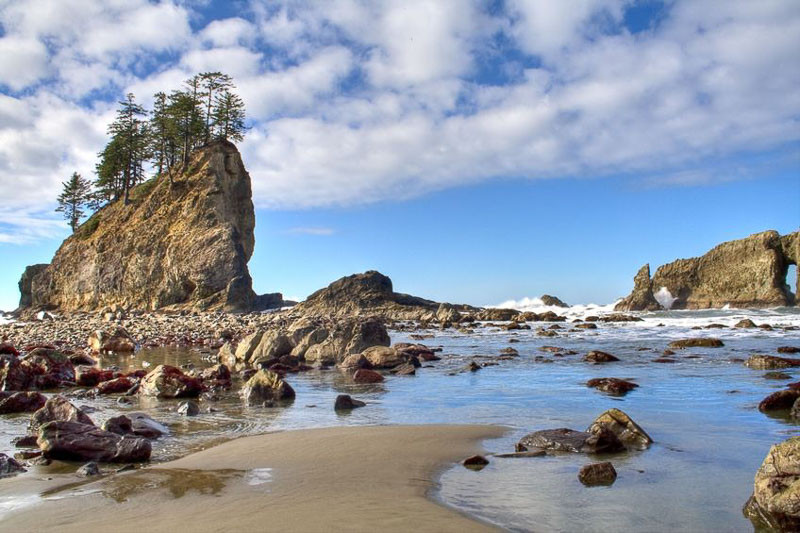
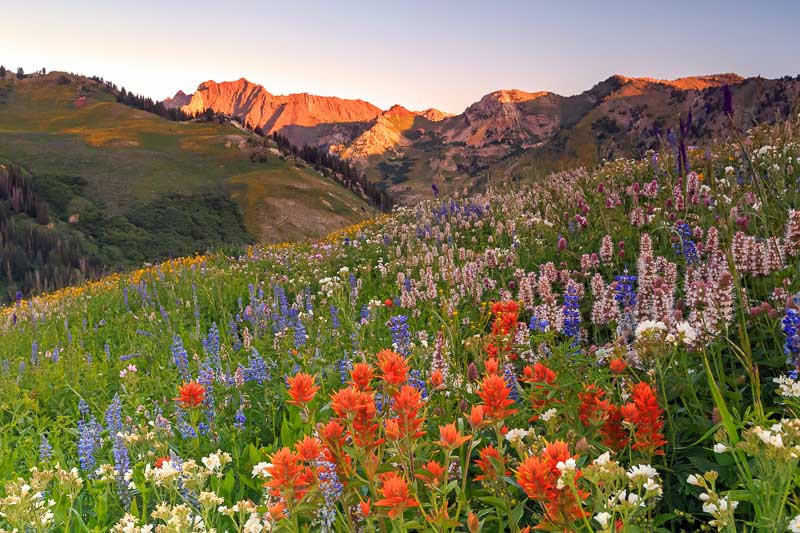
The United States is home to an extraordinary range of landscapes, each defined by unique communities of native plants. Whether you garden on a foggy Pacific coast, a Midwestern prairie, a humid Southern swamp, or a rocky New England hillside, there are native species perfectly adapted to your local climate.
With more than 100 native plant guides organized by state, region, and plant groups, this page helps you discover which species truly belong where you live—and how to design beautiful, wildlife-rich gardens using them.
Why Native Plant Guides Matter for U.S. Gardeners
Growing native plants isn’t just about choosing species from your area—it’s about learning how your local ecosystems work. Our guides give you the tools to make confident, climate-smart decisions in your garden:
- Understand your region: Discover plants tailored to your state’s soils, weather patterns, hardiness zones, rainfall, and microclimates.
- Choose plants with purpose: Find species that support pollinators, birds, and beneficial insects—such as milkweeds for Monarch butterflies or oaks that host hundreds of caterpillar species.
- Design gardens inspired by natural habitats: Use our prairie, woodland, meadow, coastal, and desert native plant guides to create gardens that feel grounded in your region’s identity.
- Build low-maintenance, sustainable landscapes: Native species thrive with less water, fertilizer, and pest control, making them ideal for climate-resilient gardening.
- Start small—grow with confidence: Whether you’re planting a single bed or transforming your entire yard, our guides provide step-by-step ideas and native garden combinations for every skill level.
What U.S. Native Plants Look Like Across Different Regions
America’s native flora changes dramatically from region to region—and that’s what makes gardening with native plants so rewarding.
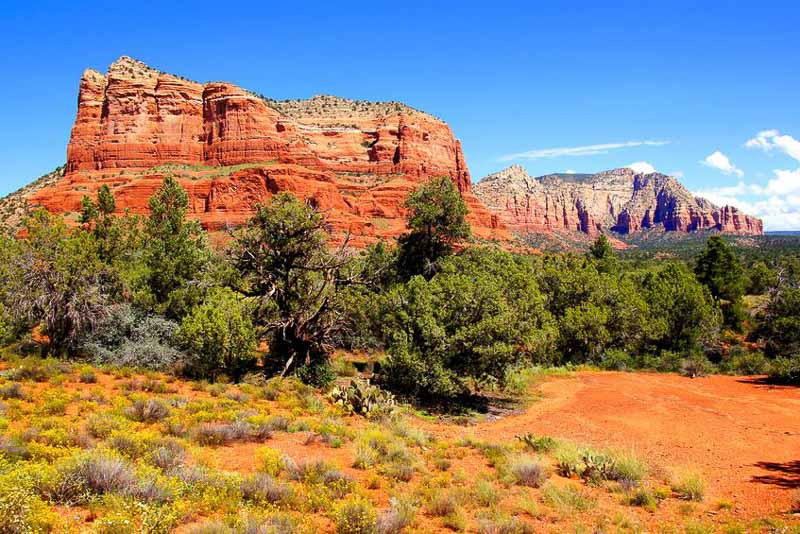
In the Southwest, resilient cacti and succulents like Saguaro (Carnegiea gigantea) and Agave flourish in bright sun and sandy, fast-draining soils.
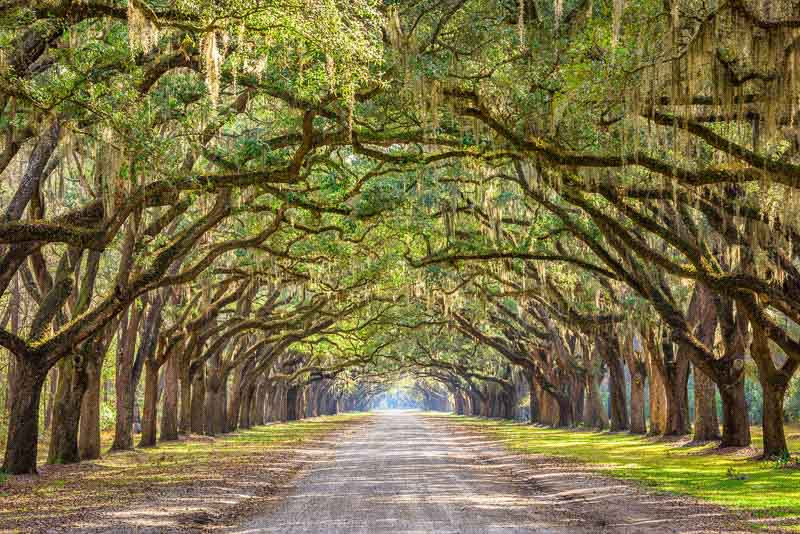
In the Southeast, Bald Cypress (Taxodium distichum), Southern Magnolia (Magnolia grandiflora), and lush understory shrubs thrive in warm, humid, water-rich environments.
On the Midwestern prairies, deep-rooted grasses such as Big Bluestem (Andropogon gerardii) and Indian Grass (Sorghastrum nutans) mingle with wildflowers such as Purple Coneflower (Echinacea purpurea).
In the Pacific Northwest, evergreen forests dominated by Douglas Fir (Pseudotsuga menziesii) and Western Red Cedar (Thuja plicata) shelter fern-rich floors and berry-laden shrubs.
And in the Northeast, autumn forests glow with Sugar Maple (Acer saccharum), American Beech (Fagus grandifolia), and Eastern Hemlock (Tsuga canadensis).
Each region offers opportunities for gardeners to reconnect with the plants that shaped its natural landscapes.
For maximum ecological benefit, always source plants from reputable nurseries that ethically propagate native species. Avoid wild-collected plants to preserve natural habitats.
Below, you’ll find all our native plant guides for the United States—organized to help you choose the right plants, design habitat-rich gardens, and garden more sustainably.
Explore Native Plant Guides
Browse our state-by-state, regional, and thematic native plant guides below.