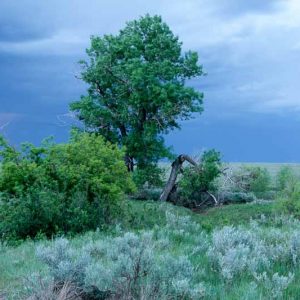
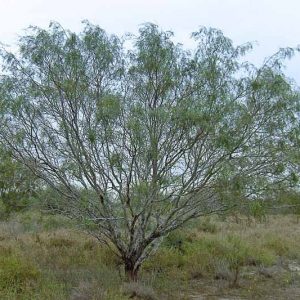
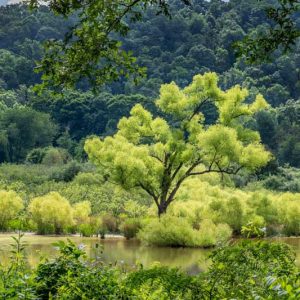
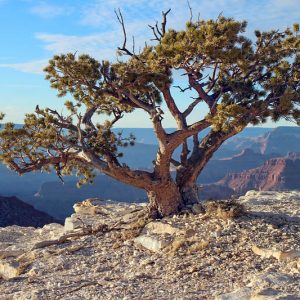
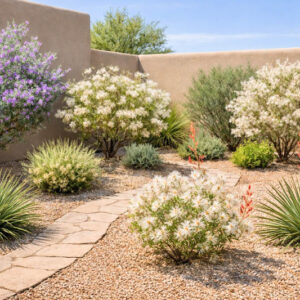
Design a Texas landscape that actually thrives where you live. This guide to native trees by region—East Texas, Blackland Prairie, Hill Country, and West Texas—helps you pick heat and drought-tolerant trees that deliver lasting shade, seasonal color, and wildlife habitat with less water, less stress, and more beauty today, easily.


Texas is big, bold and full of wildly different landscapes – pine forests and coastal marshes in the east, blackland prairies and canyons in the middle, high plains and desert further west. The best trees for Texas are the ones that already know how to live here. Native Texas trees handle searing summer heat, sudden cold snaps and highly variable rainfall while still giving you shade, color and wildlife habitat.
This guide highlights some of the best native and well adapted trees for four broad Texas regions so you can match your planting list to your local climate and soils. Use it as a menu to choose long lived shade trees, flowering ornaments and smaller specimen trees that will really earn their keep in your Texas garden.
To keep things simple, this guide groups Texas into four broad gardening regions:
You do not have to treat these boundaries as hard lines. Many native trees overlap across regions. Use these groups as a starting point, then fine tune with local advice or ecoregion lists.
| Hardiness |
6 - 10 |
|---|---|
| Plant Type | Trees |
| Native Plants | United States, Southwest, Texas |
| Toxic to Humans | No known toxicity |
| Toxic to Cats | No known toxicity |
| Toxic to Dogs | No known toxicity |
| Toxic to Horses | No known toxicity |
From Dallas – Fort Worth across the Blackland Prairie, gardeners deal with heavy clays, hot summers and quick swings between drought and deluge. Native prairie oaks and adaptable shade trees that handle sticky soil and full sun are your best allies here.
Here limestone rules. Soils are thin and rocky, rainfall is variable, and slopes shed water in a hurry. Trees that evolved on these rugged hills have deep roots, drought savvy and the ability to anchor themselves into fractured rock.
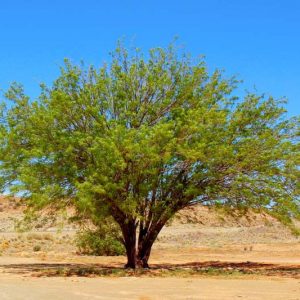
High plains and far West Texas gardens face stronger sun, more wind and lower humidity. Rain comes in bursts and soils can be sandy, gravelly or very alkaline. Trees here must be truly drought tough and wind firm, with roots that chase moisture deep into the profile.
Whether you are in the pineywoods, on a blackland prairie lot, on a rocky Hill Country slope or under wide high plains sky, there are native trees that will thrive with less water and less fuss.
A good Texas tree tolerates heat, periods of drought, and often alkaline or heavy clay soils. It should handle strong sun, occasional cold snaps, and sometimes wind. The best choices are usually native or very well adapted species that need less irrigation, resist common pests and diseases, and provide shade, habitat, or seasonal interest without constant pampering.
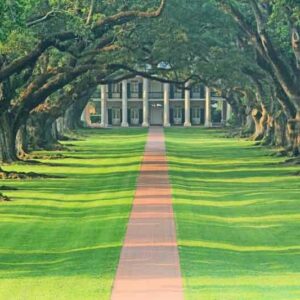
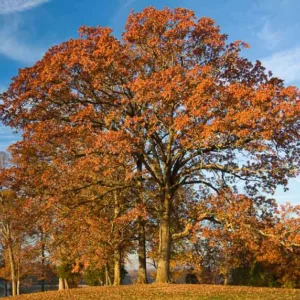
Reliable large shade trees for much of Texas include live oak (Quercus fusiformis and Q. virginiana in milder areas), bur oak (Quercus macrocarpa), Shumard oak (Quercus shumardii), cedar elm (Ulmus crassifolia), pecan (Carya illinoinensis), and chinquapin oak (Quercus muehlenbergii). These trees are generally heat tolerant, long lived, and capable of casting deep, cooling shade once established when sited in appropriate regions and soils.
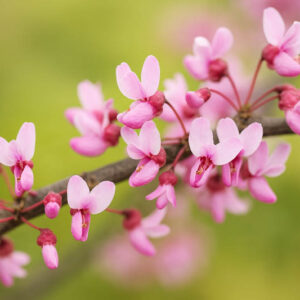
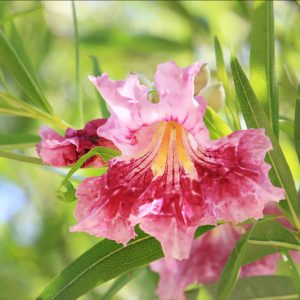
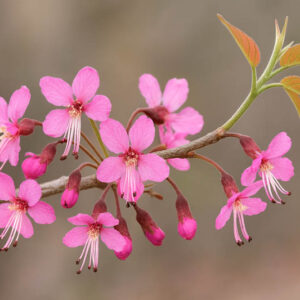
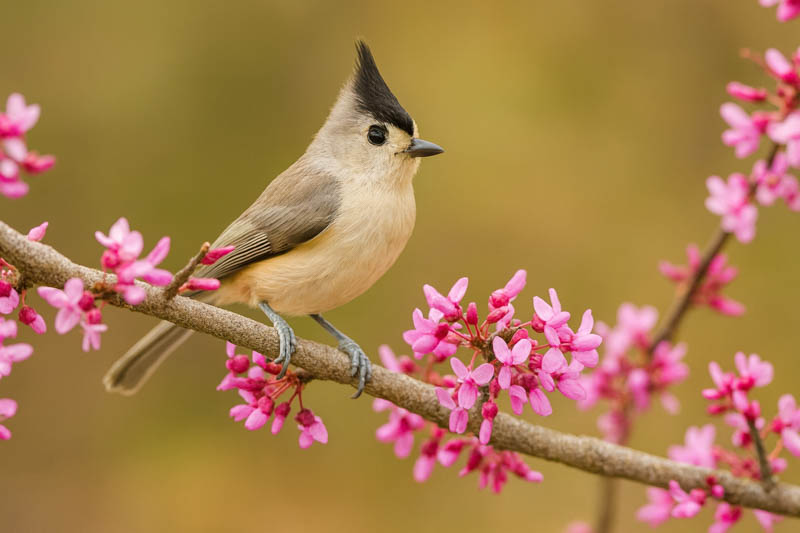
For smaller spaces, popular choices include Texas redbud (Cercis canadensis var. texensis), Mexican plum (Prunus mexicana), Mexican buckeye (Ungnadia speciosa), desert willow (Chilopsis linearis), anacacho orchid tree (Bauhinia lunarioides), and Mexican olive in warm regions (Cordia boissieri). These small trees or large shrubs offer flowers, seasonal color, or wildlife value without overwhelming a modest yard.
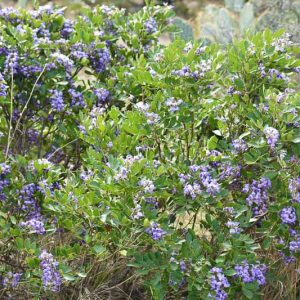
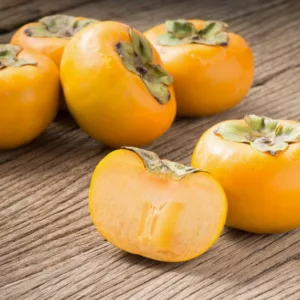
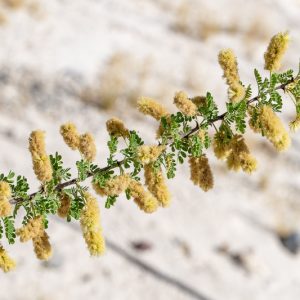
Many native Texas trees evolved in tough, dry environments. Strong drought tolerant options include live oak, cedar elm, escarpment black oak (Quercus velutina var. escarpment forms), Texas persimmon (Diospyros texana), Texas mountain laurel (Dermatophyllum secundiflorum, formerly Sophora secundiflora), huisache (Vachellia farnesiana, in warmer areas), and various junipers such as Ashe juniper and redberry juniper in their native ranges. Desert willow and mesquite are also highly drought adapted but need thoughtful siting.
Native trees are usually the best starting point because they evolved with local climate, soils, and wildlife. They often need less water and fertilizer and provide superior habitat for birds, pollinators, and other organisms. However, some non native but well adapted species can also perform well and remain non invasive. The key is to prioritize natives and regionally appropriate trees while avoiding invasive or high water demand species.
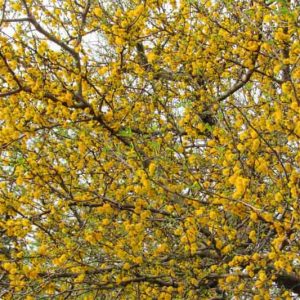
Texas redbud, Mexican plum, Mexican buckeye, anacacho orchid tree, desert willow, and huisache all produce nectar rich flowers that attract bees, butterflies, and other pollinators. Many of these also provide fruit, seeds, or cover for birds and small mammals. Flowering oaks, such as live oak and Shumard oak, are also extremely valuable for insects and thus for birds, even though their blooms are not showy.
Cedar elm, bur oak, Shumard oak, green ash in appropriate areas (though it may face pest issues in some regions), and live oak are often used in clay or blackland soils when drainage is reasonable. Pecan can also perform well in deeper, fertile clays with adequate moisture. Improving drainage around the root zone and avoiding prolonged waterlogging are important no matter which species you choose.
Many Hill Country and Edwards Plateau natives thrive on alkaline limestone soils. These include live oak, Texas red oak (regional forms of Quercus buckleyi and related hybrids), cedar elm, Texas mountain laurel, Texas pistache (Pistacia texana in its native range), Texas ash (Fraxinus texensis), and Mexican buckeye. Chinquapin oak and lacey oak (Quercus laceyi) are especially valued for tolerating high pH soils while remaining ornamental.
Truly fast growth often comes with tradeoffs in strength or longevity. Some relatively quick growing but generally reliable choices include cedar elm, Mexican sycamore (in the right climate), some hybrid oaks selected for Central Texas, and desert willow as a small tree. Avoid very fast growing, weak wooded, or invasive trees such as tree of heaven or Chinese tallow, even if they appear vigorous in the short term.
Start by identifying your USDA hardiness zone, typical rainfall, and soil type. Then focus on trees native to or widely recommended for your eco region, such as Pineywoods, Gulf Coast, Blackland Prairie, Post Oak Savannah, Edwards Plateau, Rolling Plains, or Trans Pecos. Local extension publications, reputable native plant nurseries, and regional plant lists are extremely helpful. Choose a species that matches your sun exposure, soil drainage, mature size limits, and desired function, such as shade, screening, or wildlife habitat.
Frequent mistakes include choosing species not suited to the local climate or soil, planting trees too deeply, failing to consider mature size and clearance from structures or power lines, and watering shallowly but often instead of deeply and infrequently. Other issues include over mulching against the trunk, using excessive fertilizer, and poor early pruning that leads to weak structure and storm damage later.
Updated: November 2025 • Reviewed by Gardenia Editors
Create a membership account to save your garden designs and to view them on any device.
Becoming a contributing member of Gardenia is easy and can be done in just a few minutes. If you provide us with your name, email address and the payment of a modest $25 annual membership fee, you will become a full member, enabling you to design and save up to 25 of your garden design ideas.
Join now and start creating your dream garden!
Create a membership account to save your garden designs and to view them on any device.
Becoming a contributing member of Gardenia is easy and can be done in just a few minutes. If you provide us with your name, email address and the payment of a modest $25 annual membership fee, you will become a full member, enabling you to design and save up to 25 of your garden design ideas.
Join now and start creating your dream garden!