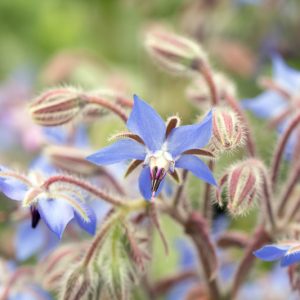
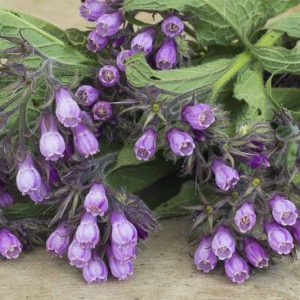
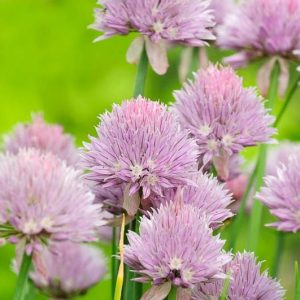
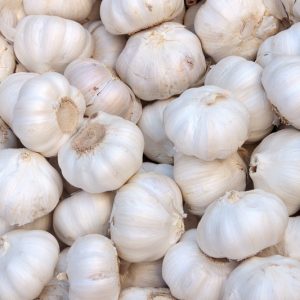
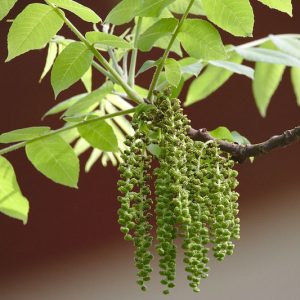
Peaches love allies: bee-magnets (borage, alyssum), pest-fighters (garlic, chives, nasturtium, marigold), soil-boosters (white clover, comfrey). Plant herbs beneath the canopy, keeping trunks clear. Avoid rivals: turf grasses, thirsty corn, and shade-casting trees. Skip black walnut (juglone toxin) and brassicas crowding roots. Good companions mean sweeter fruit and fewer sprays overall.
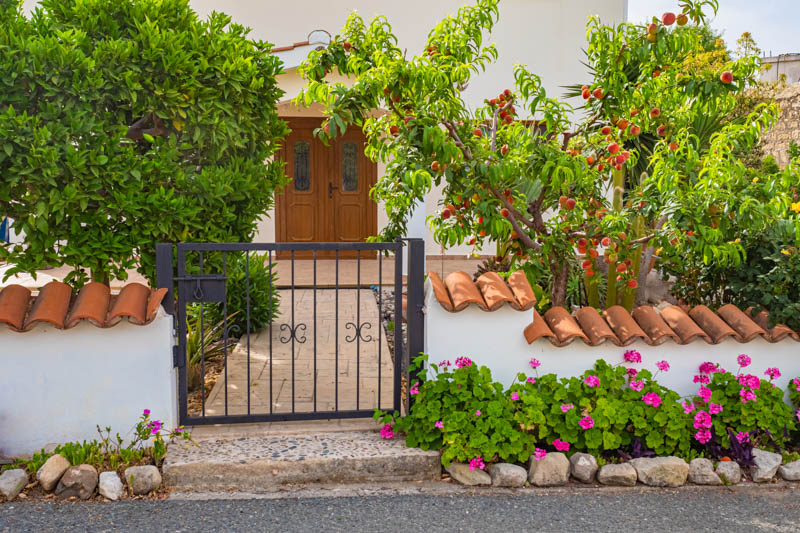


Peach trees reward you with fragrant spring blossoms, buzzing pollinators, and juicy summer fruit—but what you grow around them can make the difference between “pretty good” and “wow, that was easy.”
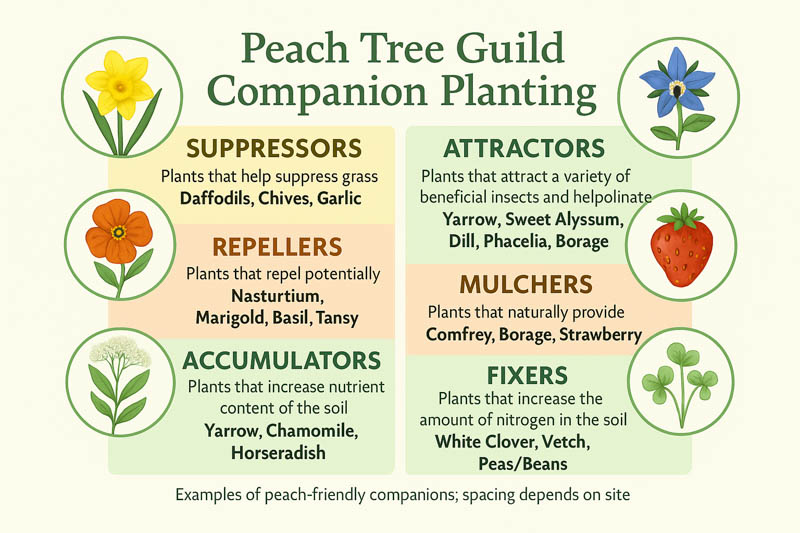
Summary: Companion planting around peaches is smart ecology: use a mix of pollinator flowers, predator-supporting umbels and daisies, nitrogen-fixers, and living mulches to boost fruit set, suppress weeds, improve soil, and steady moisture. Keep trunks clear, maintain airflow, and avoid aggressive competitors. Your guide lists specific allies (e.g., yarrow, sweet alyssum, clovers, comfrey) and plants to avoid (turf grasses, brassicas crowding roots, black walnut near the dripline). Aim for a simple “peach guild” layout with bloom succession and easy maintenance.
| Goals | Pollinators, natural pest balance, soil fertility, living mulch |
|---|---|
| Top Allies | Yarrow, sweet alyssum, clovers, comfrey, nasturtium, garlic/chives |
| Avoid | Turf grasses, black walnut, crowding brassicas; shade-casting trees |
| Layout Tip | Keep a clear trunk ring; mix heights; ensure season-long bloom |
Companion planting for peaches isn’t magic; it’s smart ecology. The right underplanting suppresses weeds, invites beneficial insects, improves soil, and even deters a few pests, all while looking beautiful. Below you’ll find a complete, practical guide to the best and worst neighbors for your peach trees, plus a sample “peach guild” layout you can copy and adapt to your space.
Companion planting is the practice of pairing plants to create mutually beneficial relationships—attracting pollinators and natural predators, suppressing weeds, improving soil structure and fertility, and balancing moisture and temperature at the surface. Around fruit trees, this often takes the form of a “guild”: a tree-centered community of herbs, flowers, groundcovers, and sometimes low shrubs, each with a job to do.
Mix a few from each category for a healthy, self-supporting “peach guild.”
| Companion Plant | Type / Role | Height / Spread | Key Benefit | Notes |
|---|---|---|---|---|
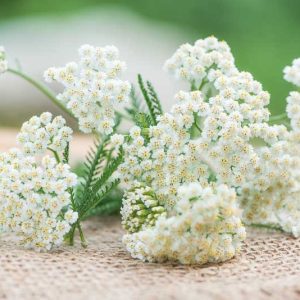
| Yarrow (Achillea) | Perennial flower / Beneficial insect magnet | 18–30 in. H × 18–24 in. W | Nectar for hoverflies, lacewings, tiny wasps; drought-tough | Shear after first flush for rebloom and tidy growth. |
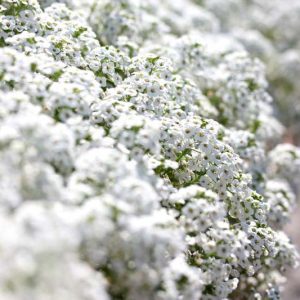
| Sweet Alyssum (Lobularia maritima) | Annual groundcover / Predator support | 4–8 in. H × 12–18 in. W (spreading) | Feeds hoverflies that target aphids on new peach shoots | Self-sows lightly; trim to keep blooming. |
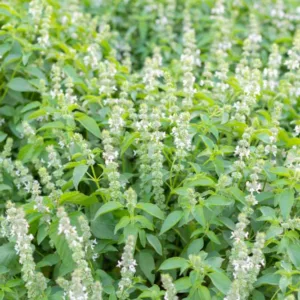
| Basil (Ocimum basilicum) | Annual herb / Pest deterrence at tree base | 12–24 in. H × 12–18 in. W | May help deter fruit flies around ripening fruit | Pinch to keep bushy; plant in sunny, warm soil. |
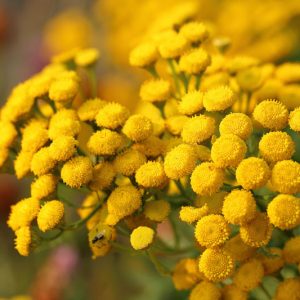
| Tansy (Tanacetum vulgare) | Aromatic perennial / Broad insect repellent (anecdotal) | 24–60 in. H × 18–24 in. W | Repels many insects incl. peach moth & fruit flies (anecdotal) | Can spread—use clumps or containers near (not under) the canopy. |
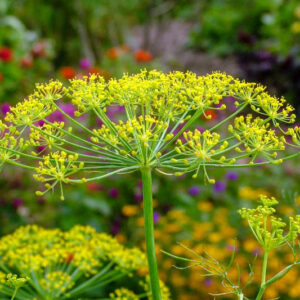
| Dill (Anethum graveolens) | Annual herb / Umbel flowers for biocontrol | 24–48 in. H (airy) | Umbels attract parasitoid wasps for aphid control | Easy to tuck between trees; allow some reseeding. |
| Fennel (Foeniculum vulgare) | Perennial herb / Umbel flowers for biocontrol | 36–72 in. H × 12–24 in. W | Nectar resource for parasitoids and hoverflies | Keep several feet away; can be competitive/allelopathic. |
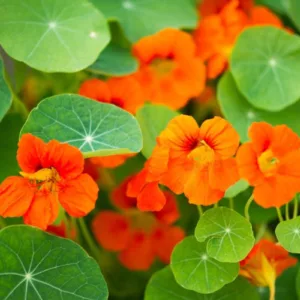
| Nasturtium (Tropaeolum) | Annual flower / Trap crop & pollinator color | 6–12 in. H (trailing) | Can lure aphids; flowers feed pollinators | Let sprawl; remove if overly aphid-laden. |
| Pansy (Viola) | Annual flower / Pollinator color & edging | 6–9 in. H × 8–12 in. W | Adds cool-season bloom for early beneficials | Great along paths; replace as heat builds. |
| Borage (Borago officinalis) | Annual herb / Pollinator support & mineral cycling | 18–36 in. H × 18–24 in. W | Bee magnet; leaves chop-and-drop nicely | Self-sows; thin volunteers as needed. |
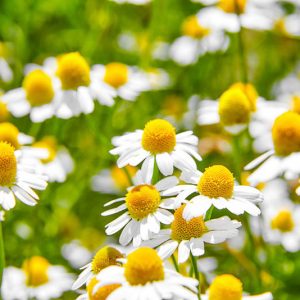
| Chamomile (Chamaemelum) | Herb / Pollinator support & gentle groundcover | 12–24 in. H × 12–18 in. W | Draws small pollinators; softens orchard edges | Shear lightly to extend bloom. |
| Comfrey (Symphytum) | Perennial herb / Mineral cycling & mulch | 24–36 in. H × 24–36 in. W | Deep roots bring up nutrients; leaves make great mulch | Use sterile/Bocking types; chop-and-drop away from trunk. |
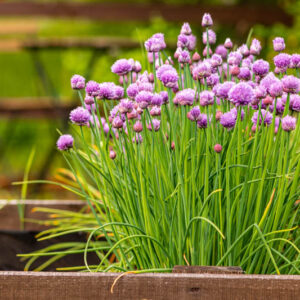
| Chives (Allium schoenoprasum) | Perennial allium / Pest deterrence & pollinator bloom | 10–18 in. H; clumps | Repels aphids/ants; edible flowers feed bees | Plant in arcs beyond the mulch donut; avoid crowding bark. |
| Garlic (Allium sativum) | Annual allium / Pest deterrence & bulb crop | 12–24 in. H; rows or clusters | Pungent foliage deters pests; scapes/flowers aid pollinators | Keep a clear trunk ring; harvest in midsummer. |
| Calendula (Calendula officinalis) | Annual flower / Beneficial support & living mulch | 12–24 in. H; compact clumps | Color + nectar; shades soil to conserve moisture | Deadhead for long bloom; edge beds or paths. |
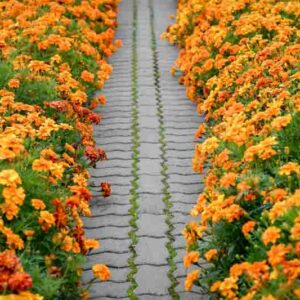
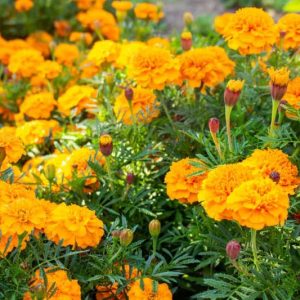
| Marigold (Tagetes) | Annual flower / Nematode suppression & beneficial support | 8–24 in. H × 8–18 in. W | Some Tagetes species suppress plant-parasitic nematodes | Interplant in bands; replace as needed. |
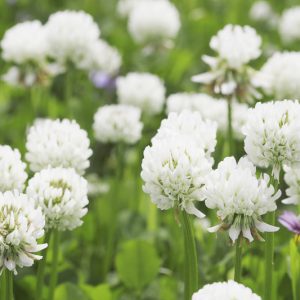
| White Clover (Trifolium repens) | Perennial legume / Nitrogen fixer & living mulch | 4–8 in. H; spreading | Boosts soil N; protects soil surface | Mow to manage; keep off trunk zone. |
| Vetch (Vicia sativa) | Annual legume / Nitrogen fixer & cover crop | 12–36 in. H; vining | Adds N; smothers weeds between trees | Cut down before seed set; keep off trunk. |
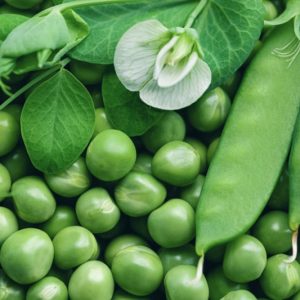
| Peas (Pisum sativum) | Annual legume / Nitrogen fixer & seasonal cover | 24–72 in. H; climbing | Fix N; soft green mulch after harvest | Provide trellis; keep vines off trunk. |
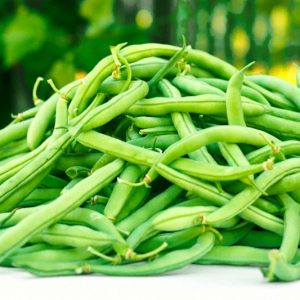
| Beans (Phaseolus vulgaris) | Annual legume / Nitrogen fixer & seasonal cover | 12–72 in. H; bush or pole | Adds N; shades soil in heat | Stake or trellis pole types; avoid trunk contact. |
| Strawberries (Fragaria) | Perennial groundcover / Living mulch | 6–12 in. H × 18–24 in. W | Covers soil, conserves moisture; bonus fruit | Keep 12–24 in. away from trunk; manage runners. |
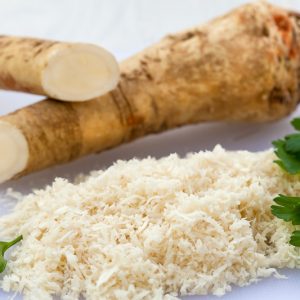
| Horseradish (Armoracia rusticana) | Hardy perennial / Soil “aerator” & pest deterrent | 24–36 in. H × 24–36 in. W | Strong aroma; deep roots open soil | Spreads by roots—plant in a buried pot or contained area. |
| Grapes (Vitis) | Vine / Habitat & seasonal shade at edges | Trellised; length variable | Diverse habitat for beneficial insects when trellised nearby | Do not let vines climb the tree; use a separate trellis. |
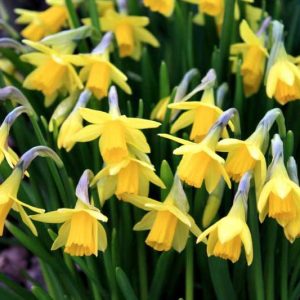
| Daffodils (Narcissus) | Bulb / Pest deterrent & spring groundcover | 8–18 in. H; naturalizing clumps | Discourages browsing/rodents; spring foliage shades soil | Foliage can fade under the canopy after bloom—perfect timing. |
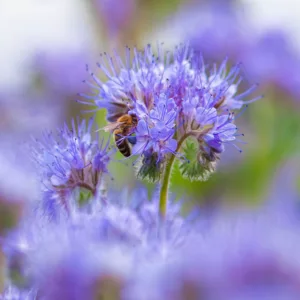
| Phacelia (Phacelia tanacetifolia) | Fast annual / Nectar factory for beneficials | 18–36 in. H; quick cover | Explosive bloom supports tiny parasitoids that suppress pests | Sow early; mow before self-seeding if undesired. |
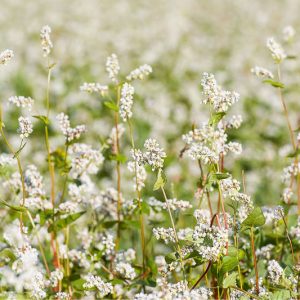
| Buckwheat (Fagopyrum esculentum) | Fast annual / Nectar factory & quick cover | 18–36 in. H; quick cover | Rapid flowers feed beneficials; smothers weeds | Mow before seed set to avoid volunteers. |
Tip: Keep a clear, mulched ring 12–24 (30–60 cm) from the trunk (“mulch donut”) with no plants touching the bark. Start companions just beyond that ring and extend to the dripline and a little beyond.
These plants either compete intensely, can inhibit growth, or increase disease/pest risk. If you must grow them, keep generous distance from trunks and main roots, and avoid shading or crowding your trees.
| Plant | Type / Category | Reason to Avoid (or Keep Far Away) |
|---|---|---|
| Black Walnut (Juglans nigra) and other Juglans | Tree | Produces juglone, which can stunt or kill many fruit trees (including peaches). Keep well away from walnut root zones and leaf litter. |
| Dense Turf Grass under the canopy | Groundcover (lawn) | Competes fiercely for water and nutrients; encourages shallow peach roots. Replace with mulch and purposeful understory plants. |
| Highly Thirsty Ornamentals needing frequent overhead watering | Mixed perennials/annuals | Overhead irrigation raises moisture on leaves/fruit, encouraging fungal issues like brown rot. Favor drip at tree line, not sprinklers over the canopy. |
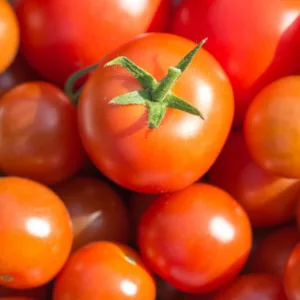
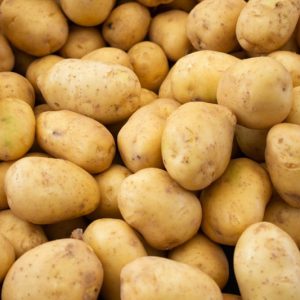
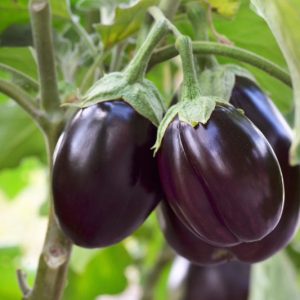
| Tomatoes, Potatoes, Eggplants (nightshades) | Vegetables | Can harbor verticillium wilt in infested soils; also compete for nutrients. Avoid interplanting at the peach base. |
| Raspberries (Rubus) | Bramble fruit | Aggressive roots and can harbor overlapping pests/disease; keep in a separate bed with its own trellis. |
| Bamboo and big, shallow-rooted shrubs | Woody plants | Aggressive roots and canopy compete for water, nutrients, and light; difficult to remove once established. |
| Large Sunflower Drifts (Helianthus) tight to the trunk | Annual flowers | Allelopathic effects and heavy feeding can inhibit nearby seedlings; tall stems shade and reduce air flow around low peach branches. |
Use this as a starting point for a backyard tree. Adjust spacing to your site and variety.
They help indirectly by improving air flow, reducing splash, and supporting a healthy, balanced micro-ecosystem. But they don’t replace key practices like resistant varieties (where available), timely pruning, and sanitation. In rainy climates, cultural timing and canopy management are still essential.
Yes—choose shallow-rooted, low, and drought-tolerant options that won’t need overhead watering. Leafy greens shoulder-season can work, but avoid crowding, and keep thirsty summer veg beds a few feet away to reduce competition and humidity under the canopy.
Keep at least 12–24 inches clear. Start companions just outside that zone. This prevents trunk rot, rodent damage, and keeps the root crown drier and healthier.
They’re great multipurpose companions: modest water use, bee-friendly blooms, and pungent foliage that may discourage some pests. Think of them as supportive team members, not silver bullets.
Yes—but lightly. Prioritize a weed-suppressing mulch ring, a few patches of clover/alyssum, and one or two yarrow or calendula clumps. As the canopy expands, add more companions outward so roots aren’t competing while the tree establishes.
In very dry climates, any understory can compete. Use drip at the dripline, choose micro-clovers or mow regularly, and pause living mulch in drought by mulching with wood chips instead. You can switch seasonally as conditions change.
Choose sterile/Bocking types and plant a few feet outside the trunk. Cut leaves several times a season for “chop-and-drop” mulch. If you ever want to remove it, sheet-mulch and dig carefully; avoid slicing roots into pieces that can resprout.
Imagine your peach in the center of a living, layered ring of allies: a clean mulch donut around the trunk; a carpet of fragrant alyssum and low clover beyond; daisies and umbels standing a little taller to feed the beneficial insects that keep aphids and caterpillars in check; and a couple of deep-rooted comfrey clumps you harvest for instant mulch. You’ll water less, weed less, and watch more pollinators. That’s the promise of a well-built peach guild—deliciously low-maintenance and deliciously fruitful.
| Hardiness |
5 - 9 |
|---|---|
| Heat Zones |
1 - 8 |
| Climate Zones | 3, 3A, 3B, 4, 5, 6, 7, 8, 9, 10, 11, 12, 13, 14, 15, 16, 17, 18, 19, 20, 21, 22, 23, 24 |
| Plant Type | Fruits, Trees |
| Plant Family | Rosaceae |
| Genus | Peaches, Prunus - Fruit Tree |
| Exposure | Full Sun |
| Season of Interest | Spring (Early, Mid, Late), Summer (Early, Mid, Late), Fall |
| Height | 12' - 25' (3.7m - 7.6m) |
| Spread | 12' - 25' (3.7m - 7.6m) |
| Maintenance | High |
| Water Needs | Average |
| Soil Type | Chalk, Clay, Loam, Sand |
| Soil pH | Acid, Neutral |
| Soil Drainage | Moist but Well-Drained |
| Characteristics | Showy, Fruit & Berries |
| Attracts | Bees, Butterflies, Birds |
| Toxic to Humans | No known toxicity |
| Toxic to Cats | No known toxicity |
| Toxic to Dogs | No known toxicity |
| Toxic to Horses | No known toxicity |

| Hardiness |
5 - 9 |
|---|---|
| Heat Zones |
1 - 8 |
| Climate Zones | 3, 3A, 3B, 4, 5, 6, 7, 8, 9, 10, 11, 12, 13, 14, 15, 16, 17, 18, 19, 20, 21, 22, 23, 24 |
| Plant Type | Fruits, Trees |
| Plant Family | Rosaceae |
| Genus | Peaches, Prunus - Fruit Tree |
| Exposure | Full Sun |
| Season of Interest | Spring (Early, Mid, Late), Summer (Early, Mid, Late), Fall |
| Height | 12' - 25' (3.7m - 7.6m) |
| Spread | 12' - 25' (3.7m - 7.6m) |
| Maintenance | High |
| Water Needs | Average |
| Soil Type | Chalk, Clay, Loam, Sand |
| Soil pH | Acid, Neutral |
| Soil Drainage | Moist but Well-Drained |
| Characteristics | Showy, Fruit & Berries |
| Attracts | Bees, Butterflies, Birds |
| Toxic to Humans | No known toxicity |
| Toxic to Cats | No known toxicity |
| Toxic to Dogs | No known toxicity |
| Toxic to Horses | No known toxicity |
Create a membership account to save your garden designs and to view them on any device.
Becoming a contributing member of Gardenia is easy and can be done in just a few minutes. If you provide us with your name, email address and the payment of a modest $25 annual membership fee, you will become a full member, enabling you to design and save up to 25 of your garden design ideas.
Join now and start creating your dream garden!
Create a membership account to save your garden designs and to view them on any device.
Becoming a contributing member of Gardenia is easy and can be done in just a few minutes. If you provide us with your name, email address and the payment of a modest $25 annual membership fee, you will become a full member, enabling you to design and save up to 25 of your garden design ideas.
Join now and start creating your dream garden!