Strawberries are nutrient-rich, low-calorie, and fiber-packed, boosting immunity and skin health. They thrive in beds, pots, or towers, yielding bowls for jam, smoothies, salads, shortcake, and freezing.


Updated: September 13, 2025 • Reviewed by Gardenia Editors
Summary: Compact, runner-forming perennials that thrive in full sun and rich, well-drained soil. Choose June-bearing for one big crop, everbearing for two lighter flushes, or day-neutral for fruit on and off all season. Plant crowns at soil level, mulch, water steadily, and renovate June-bearers after harvest.
| Botanical Name | Fragaria × ananassa (garden strawberry) |
|---|---|
| Family | Rosaceae (Rose family) |
| Common Names | Strawberry, Garden strawberry |
| Native Range | Hybrid origin (South American & North American species) |
| Plant Type & Habit | Low, herbaceous perennials; crowns with trifoliate leaves; spread by stolons (runners) |
| Hardiness (USDA) | 4–9 (with cultivar and winter mulch) |
| Size | 6–12 in (15-30 cm) tall; 12–24 in (30-60 cm) spread per plant |
| Sun & Exposure | Full sun (6–8+ hrs); light afternoon shade in very hot climates |
| Soil | Rich, well-drained loam; slightly acidic pH ~5.8–6.5; raised beds for clay |
| Bloom & Fruit | White flowers in spring; red aggregate fruits follow. June-bearing (one flush), everbearing (two), day-neutral (repeating) |
| Wildlife | Pollinator-friendly blossoms; fruit attracts birds (use netting as needed) |
| Toxicity | Edible; generally safe. Rare allergies possible (oral allergy syndrome) |
| Invasiveness | Not invasive; runners can spread—manage by trimming or pegging |
| Primary Uses | Fresh eating, desserts, jam, compote, freezing, drinks (lemonade, daiquiri, smoothies) |
If your idea of summer is a bowl of sun-warm berries on the porch—or a weekend of strawberry picking at a local farm—this guide is for you. We’ll unpack how the strawberry plant grows, which types fit your climate and calendar, the exact way to plant crowns (the #1 beginner mistake), how to keep fruit clean and sweet, and fun ways to use the harvest—from strawberry shortcake after dinner to an icy strawberry banana smoothie on a hot afternoon.
We’ll also touch on strawberry season timing, strawberry nutrition (including strawberry calories), and a crowd-pleasing strawberry margarita recipe for your next cookout. Grab your trowel; let’s go from bed prep to strawberry jam.
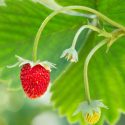
The garden strawberry we grow today is Fragaria × ananassa, a happy accident centuries ago when two wild species—one from eastern North America (Fragaria virginiana) and one from the Pacific coast of the Americas, especially Chile (Fragaria chiloensis)—met in 18th-century Brittany, France.
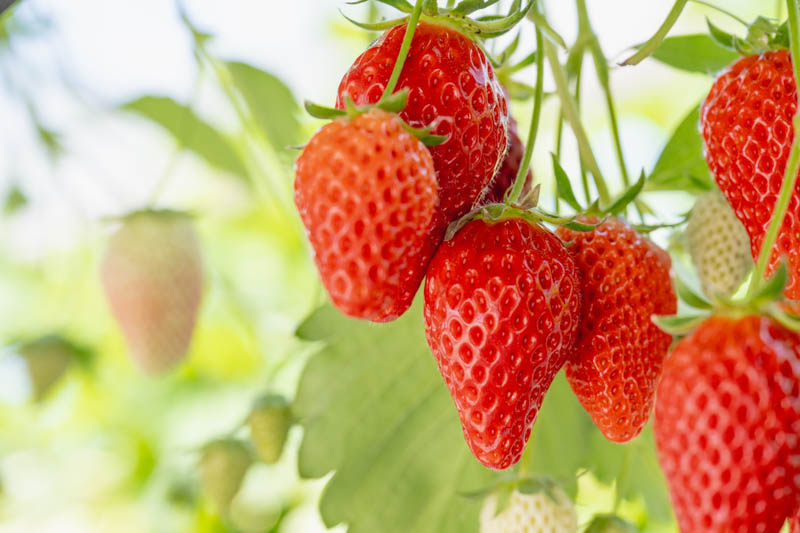
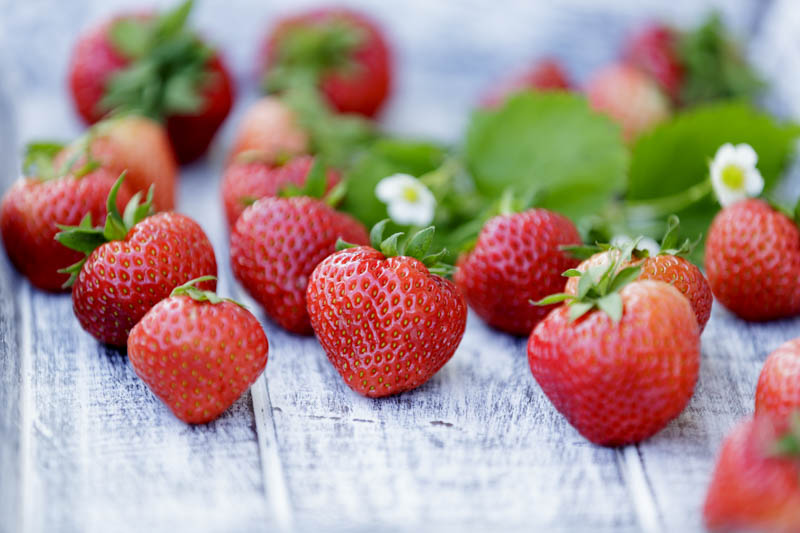
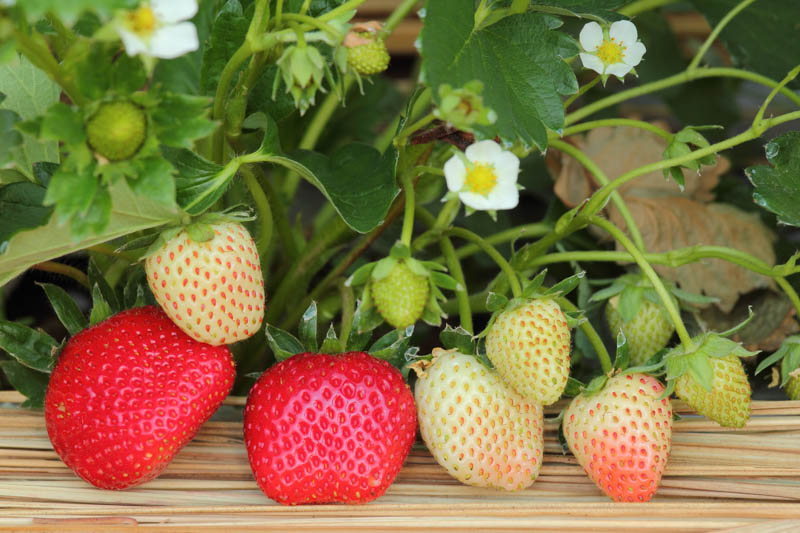
It’s herbaceous, compact, and perennial: new leaves and flower stalks emerge from a central crown, and the plant clones itself by sending out stolons (runners) that root at the tips. Those little “seeds” on the outside? They’re actually achenes, each with a true seed inside—more on strawberry seeds later.
Most varieties grow 6–12 inches (15-30 cm) tall, 12–24 inches (30-60 cm) wide. In a matted row system (classic for June-bearers), plants are set 18 inches (45 cm) apart and allowed to fill in between with runner-daughters. In the hill system (preferred for day-neutral and everbearing types), you keep runners clipped and focus the plant’s energy on flowers and fruit for higher-quality berries.
Match each strawberry to your USDA zone and kitchen goals. Zones are typical recommendations; verify with local extension/nursery.
| Cultivar | Type | USDA Zones* | Highlights & Best Uses |
|---|---|---|---|
| ‘Honeoye’ | June-bearing (early) | 3–8 | Northern workhorse; high yield, tart-sweet. Great for freezing, jam, and early strawberry pie; can soften in hot summers. |
| ‘Chandler’ | June-bearing (mid) | 5–8 | Large, glossy dessert berries; excels in mild–warm climates. Fresh eating, strawberry shortcake, market-quality fruit. |
| ‘Allstar’ | June-bearing (mid) | 4–8 | Dependable, disease-resistant; balanced flavor and firmness. Versatile for fresh eating, jam, and freezing. |
| ‘Jewel’ | June-bearing (late) | 4–8 | Big, flavorful berries for desserts; excellent for shortcake and freezing; reliable late-season finisher. |
| ‘Albion’ | Day-neutral | 4–9 | Very sweet, firm, heat-tolerant; fruits repeatedly. Great fresh, for dipping, and for bakes like strawberry cookies. |
| ‘Seascape’ | Day-neutral | 4–9 | Productive across regions; balanced flavor. Excellent for fresh eating, strawberry ice cream, and continual summer picking. |
| ‘Fort Laramie’ | Everbearing | 4–8 | Very cold-hardy; flavorful all-season snacking. Great for fresh eating and freezing in short-season climates. |
| ‘Ozark Beauty’ | Everbearing | 3–9 | Classic, prolific everbearer; handles cold well. Perfect for jam, desserts, and steady backyard harvests. |
In cool-temperate zones, June-bearers ripen late spring into early summer (hence the name). Everbearers will give an early summer crop and a lighter one as fall cools, while day-neutrals keep tossing you bowls from late spring to frost, especially if nights stay below the mid-60s°F (~18–20°C). You can stretch strawberry season by mixing types, planting early/mid/late cultivars, and using light frost covers to bump warmth in spring and fall.
If you’ve ever wandered real strawberry fields at dawn, you know—the scent is unmistakable, the rows hum with bees, and time slows. Grow a bit of that feeling at home with a few well-tended strawberry plants and you’ll taste it all summer.
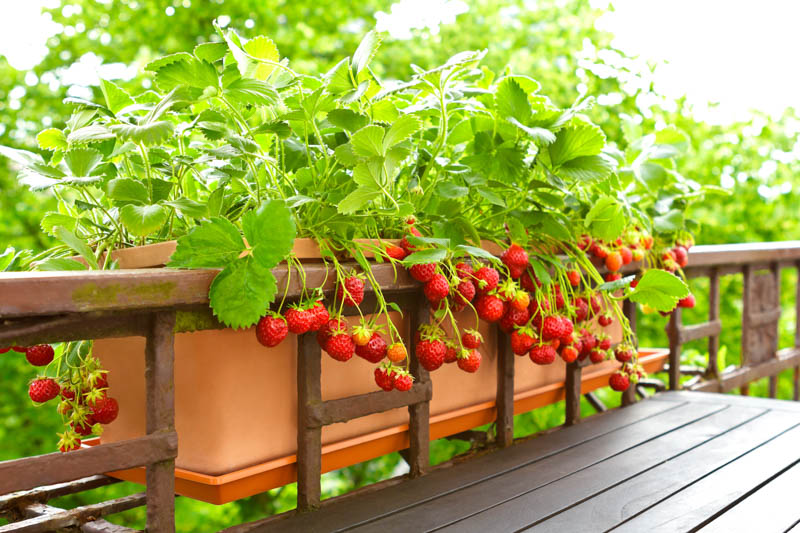
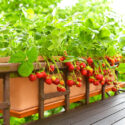
Short on space? Strawberries are patio stars. Use a 10–15 inch (25-37 cm) wide pot, window box, or vertical tower with high-quality potting mix. Day-neutral varieties are perfect—clip runners, water frequently (daily checks in summer), and feed lightly every 4–6 weeks. A trough by the back door turns breakfast into a stroll-and-pick ritual.
| Season | Tasks |
|---|---|
| Late winter–early spring | Prep beds; test pH; set bareroot crowns; start drip lines; mulch paths. |
| Spring | Clip early blossoms on new June-bearers; keep moisture steady; watch for slugs and aphids; add straw mulch. |
| Early summer | Peak picking; refrigerate quickly; net against birds; enjoy strawberry shortcake and that first strawberry pie. |
| Mid–late summer | Renovate June-bearers after harvest; thin runners (matted row) or clip runners (hill system); keep day-neutrals watered for continual fruit. |
| Fall | Second flush on everbearers; tidy beds; set new plants in mild climates; mulch lightly before first hard freeze. |
| Winter | In cold regions, add straw or leaf mulch after the ground cools; remove gradually in spring as growth resumes. |
| Symptom | Likely Cause | Fix |
|---|---|---|
| Soft, watery berries | Excess water right before harvest; overripe fruit | Moderate water pre-pick; harvest daily in peak |
| Misshapen “catfaced” berries | Tarnished plant bug; poor pollination; mites | Weed control, early row cover; boost pollinators; manage mites |
| Pinprick holes & fast rot in ripe fruit | Sap beetles; SWD late season | Pick & chill promptly; remove culls; use traps/netting as needed |
| Gray fuzz on fruit | Botrytis (gray mold) | Mulch, drip water, thin for airflow, prompt picking |
| Plants wilt/collapse in wet spots | Phytophthora crown/root rot; red stele | Raise beds, improve drainage, remove affected plants, replant with clean stock |
| Oldest leaves yellow/purple; stunting | Nutrient stress, cold, or verticillium wilt | Soil test & correct; mulch for roots; rotate if wilt suspected |
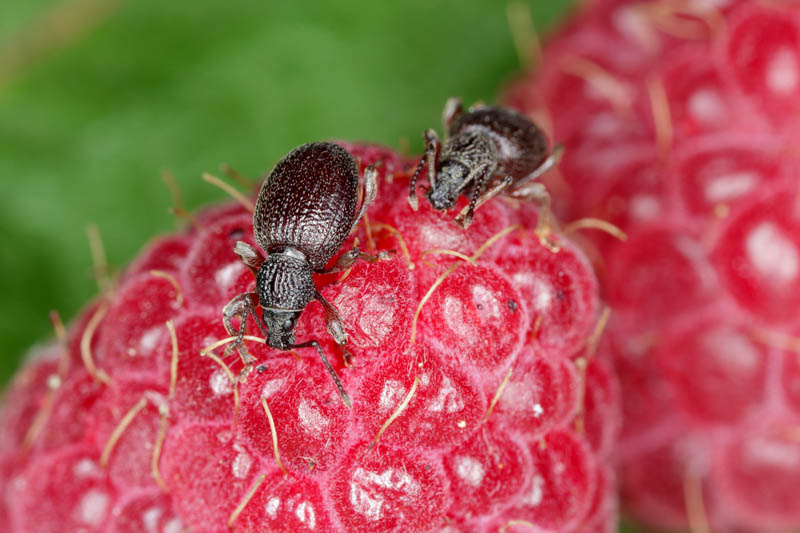
| Notched leaf edges; plants flag on hot days | Root weevils; larvae feeding on roots | Night hand-picking, clean borders, beneficial nematodes to target larvae |
| White film/curling leaves | Powdery mildew | Improve airflow, avoid excess N, remove worst leaves |
Runners are the easy button: peg down a runner tip in a small pot of mix, and once rooted, snip the umbilical and replant. You can also lift and divide crowded clusters after a year or two. Starting from strawberry seeds is slower but fun for enthusiasts—just know seedlings may not be identical to the parent (hybrid variability). For seed starting, cold-stratify if the packet suggests it, sow shallowly, and be patient; they’re tiny and take their time.
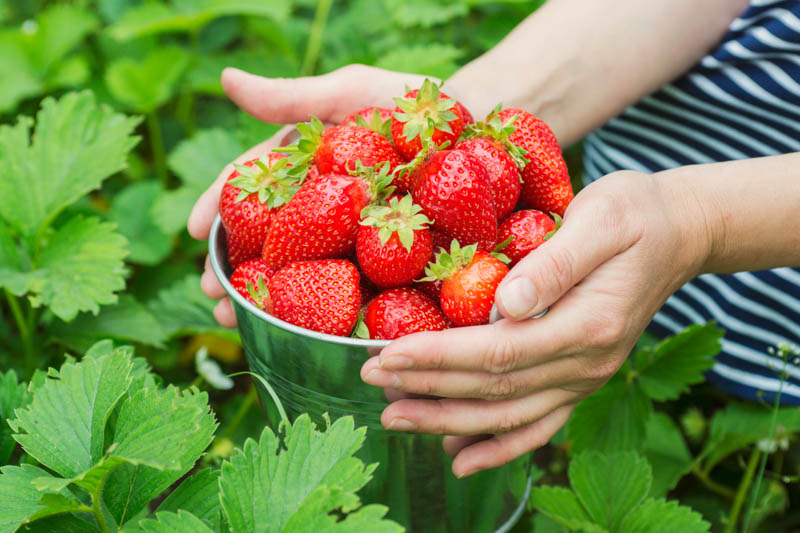
Heading to a farm for strawberry picking? Wear a hat, bring shallow containers, and taste once (ask first) so you learn the field’s “ripe flavor” for the day. Many communities celebrate with a strawberry festival—parades, farm stands, and yes, outrageous strawberry cake and strawberry shortcake competitions.
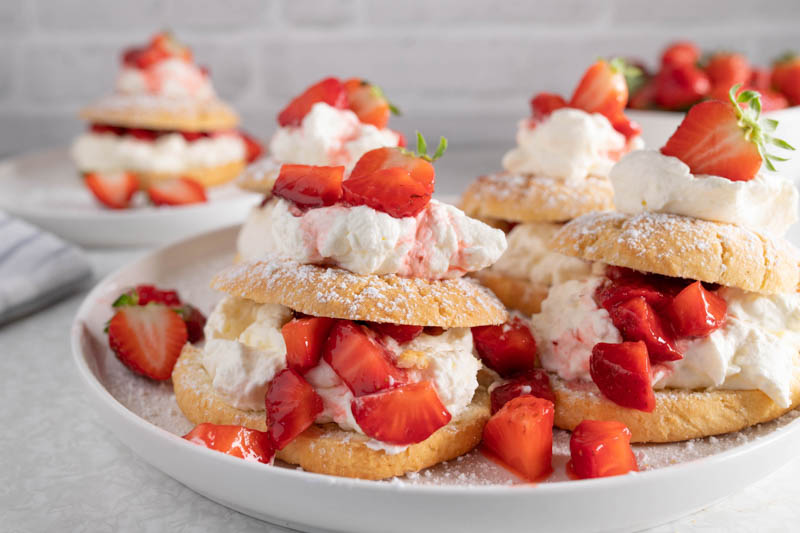
These gems deliver serious nutrition with a light calorie tag. A typical 100 g serving has roughly 30–35 calories (so when friends ask about strawberry calories, you can smile and say “about one calorie a berry, give or take”). They’re high in vitamin C, provide helpful fiber, and contain manganese and a bouquet of polyphenols like anthocyanins and ellagic acid.
| Nutrient (per 100 g) | Amount | Notes & Benefits |
|---|---|---|
| Calories | ~32 kcal (≈30–35) | Very low energy; easy to fit into most eating plans. |
| Carbohydrate | ~7–8 g | Primary macronutrient; naturally occurring sugars within. |
| — of which sugars | ~5 g (natural) | Naturally sweet without heavy calories. |
| Dietary fiber | ~2 g | Supports satiety and digestive health. |
| Fat | Trace | Naturally low-fat fruit. |
| Vitamin C | ~60 mg | Antioxidant; supports immune and skin (collagen) health. |
| Manganese | Present | Cofactor in metabolism and antioxidant defenses. |
| Polyphenols | Anthocyanins, ellagic acid | Contribute to antioxidant capacity and vivid red color. |
| Glycemic profile | Low glycemic | Helps keep blood sugar impact modest in typical portions. |
| Allergy note | Rare sensitivity | Birch-pollen–related oral allergy can occur in some people. |
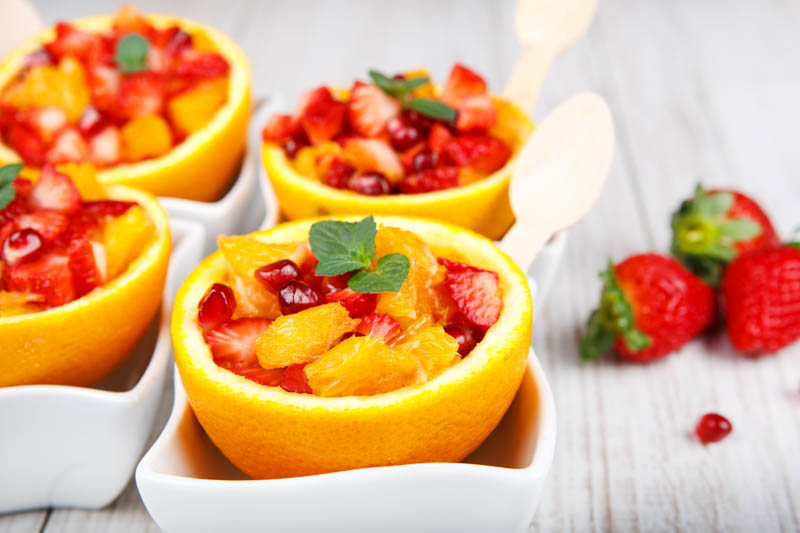
Strawberries deserve a whole subsection of your recipe binder. Here’s a friendly atlas of ideas—all everyday-cook approachable.
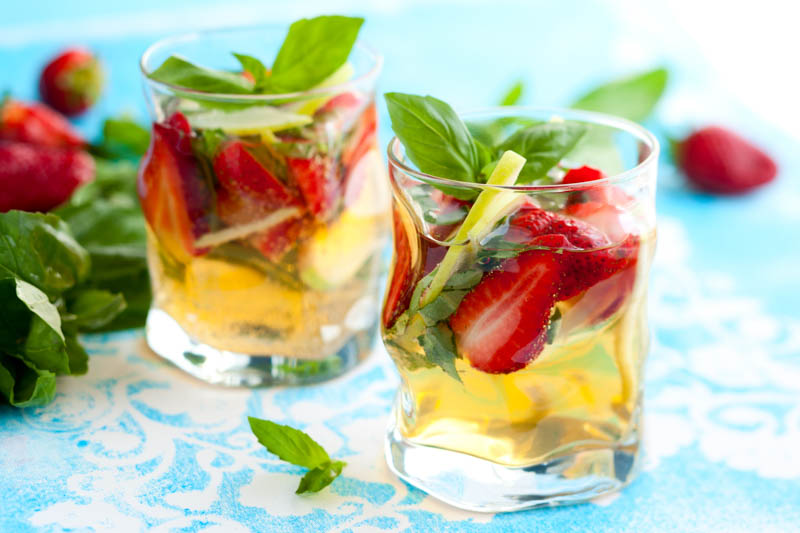
Simmer 2 cups chopped berries with 2–3 tbsp sugar and 1 tsp lemon juice for 6–8 minutes until glossy. Spoon over yogurt, waffles, or swirl into a glass of strawberry milk.
Fold 1 cup strawberry puree and a handful of chopped berries into whipped sweetened condensed milk + whipped cream base. Freeze 6 hours. Serve with crumbled shortbread or strawberry cookies.
Blend 1 cup frozen berries, 3/4 cup yogurt or milk, 1 banana, and a drizzle of honey. Breakfast, solved.
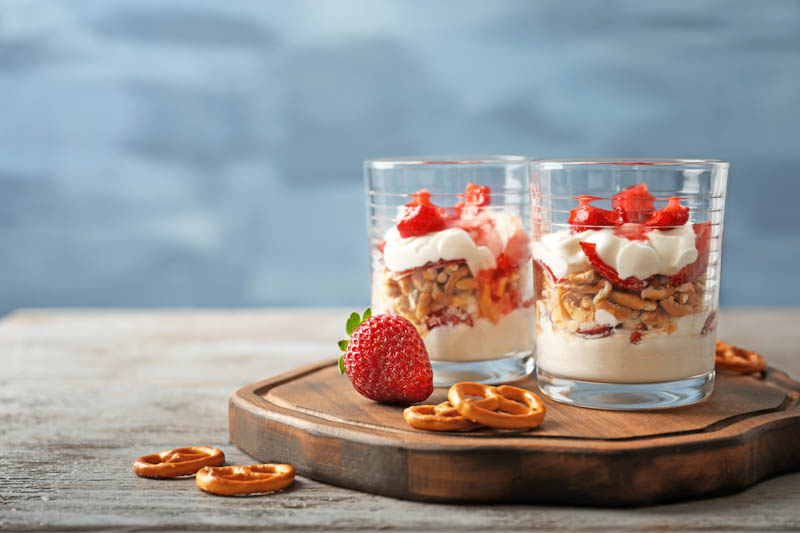
Stir together crushed salted pretzels, melted butter, and a touch of sugar; press into a dish and bake. Spread with lightly sweetened cream cheese and chill. Top with fresh berries and a thin glaze for a riff on strawberry pretzel salad.
Most modern strawberries are self-fertile. Planting more than one cultivar can improve yields slightly and definitely helps stagger harvests, but it isn’t required for fruit set.
Common reasons: inconsistent water during fruit swell, heat spikes, poor pollination in cool/wet bloom weather, or crowded, aging beds. Water evenly, keep beds airy, and renovate June-bearers after harvest.
June-bearing: one concentrated crop—perfect for jam marathons. Everbearing: two lighter flushes. Day-neutral: starts in late spring and keeps giving in waves until frost if temperatures cooperate.
Peak production is typically years 2–3. After that, disease pressure creeps up and berry size may decline. Renovate annually and consider replanting with fresh stock about every three years.
Yes, but it’s a longer project and seedlings may vary from the parent. Most home gardeners multiply by runners because it’s quick and reliable.
No. A strawberry tree is Arbutus unedo, an evergreen landscape shrub with red, bumpy fruits. Different plant—fun in its own way—but not your dessert strawberry.
Generally late spring to early summer (May–June in most temperate regions). Everbearing/day-neutral types can fruit intermittently from late spring to frost; warm areas may see earlier or longer seasons.
Combine 4 cups mashed strawberries, 3 cups sugar, and 2 tbsp lemon juice. Bring to a rolling boil, stirring. Boil 8–12 minutes to 220°F/104°C (or until it passes a cold-plate/wrinkle test). Ladle into sterilized jars, seal, and cool. Refrigerate or water-bath process per safe canning guidelines.
About 32 kcal per 100 g. A medium strawberry (≈12 g) has roughly 4 calories.
Botanically, no. It’s an aggregate accessory fruit; true berries (botanically) include blueberries and tomatoes.
Yes, in small amounts. Wash, remove leaves/stems, cut into bite-size pieces, and avoid syrups or chocolate. Treats should be ≤10% of daily calories. Watch for stomach upset or allergies; consult your vet for diabetic or kidney-issue dogs.
Blend 1 cup strawberries (fresh or frozen), 1 banana (optional), ¾–1 cup yogurt or milk (dairy or plant), and honey/maple to taste. Use ice if berries are fresh; add oats or protein powder for heft, or spinach for a green boost.
Plant a mix, mulch well, water steadily, and pick often. Keep a little list taped inside a cabinet of the recipes you love most—maybe it’s strawberry cheescake for birthdays, a weekend pan of strawberry cake just because, or a pitcher of strawberry lemonade and a frosty strawberry daiquiri for Saturday porch hour. However you celebrate, these small plants give surprisingly big joy.
And when your local strawberry festival pops up on the calendar, go stroll the vendor tents, compare pies and jams, and take home a flat. Your kitchen—and your freezer—will thank you.
| Hardiness |
4 - 9 |
|---|---|
| Heat Zones |
1 - 8 |
| Climate Zones | 1, 1A, 1B, 2, 2A, 2B, 3, 3A, 3B, 4, 5, 6, 7, 8, 9, 14, 15, 16, 17, 18, 19, 20, 21, 22, 23, 24, A1, A2, A3, H1, H2 |
| Plant Type | Fruits |
| Plant Family | Rosaceae |
| Genus | Fragaria |
| Exposure | Full Sun |
| Season of Interest | Spring (Late), Summer (Early, Mid, Late), Fall |
| Height | 6" - 1' (15cm - 30cm) |
| Spread | 1' - 2' (30cm - 60cm) |
| Maintenance | High |
| Water Needs | Average |
| Soil Type | Loam |
| Soil pH | Neutral |
| Soil Drainage | Moist but Well-Drained |
| Characteristics | Semi-Evergreen, Fruit & Berries |
| Landscaping Ideas | Beds And Borders, Ground Covers, Hanging Baskets, Patio And Containers |
| Garden Styles | City and Courtyard, Informal and Cottage |
| Toxic to Humans | No known toxicity |
| Toxic to Cats | No known toxicity |
| Toxic to Dogs | No known toxicity |
| Toxic to Horses | No known toxicity |
| Hardiness |
4 - 9 |
|---|---|
| Heat Zones |
1 - 8 |
| Climate Zones | 1, 1A, 1B, 2, 2A, 2B, 3, 3A, 3B, 4, 5, 6, 7, 8, 9, 14, 15, 16, 17, 18, 19, 20, 21, 22, 23, 24, A1, A2, A3, H1, H2 |
| Plant Type | Fruits |
| Plant Family | Rosaceae |
| Genus | Fragaria |
| Exposure | Full Sun |
| Season of Interest | Spring (Late), Summer (Early, Mid, Late), Fall |
| Height | 6" - 1' (15cm - 30cm) |
| Spread | 1' - 2' (30cm - 60cm) |
| Maintenance | High |
| Water Needs | Average |
| Soil Type | Loam |
| Soil pH | Neutral |
| Soil Drainage | Moist but Well-Drained |
| Characteristics | Semi-Evergreen, Fruit & Berries |
| Landscaping Ideas | Beds And Borders, Ground Covers, Hanging Baskets, Patio And Containers |
| Garden Styles | City and Courtyard, Informal and Cottage |
| Toxic to Humans | No known toxicity |
| Toxic to Cats | No known toxicity |
| Toxic to Dogs | No known toxicity |
| Toxic to Horses | No known toxicity |
Create a membership account to save your garden designs and to view them on any device.
Becoming a contributing member of Gardenia is easy and can be done in just a few minutes. If you provide us with your name, email address and the payment of a modest $25 annual membership fee, you will become a full member, enabling you to design and save up to 25 of your garden design ideas.
Join now and start creating your dream garden!
Create a membership account to save your garden designs and to view them on any device.
Becoming a contributing member of Gardenia is easy and can be done in just a few minutes. If you provide us with your name, email address and the payment of a modest $25 annual membership fee, you will become a full member, enabling you to design and save up to 25 of your garden design ideas.
Join now and start creating your dream garden!