Create Your Garden

Texas Bird-Friendly Plants

Turn your yard into a Texas bird magnet with native trees, shrubs, wildflowers and grasses that actually feed birds. Learn which plants deliver berries, seeds, insects and shelter in real Texas conditions, from Hill Country rock to Gulf Coast clay, and design a layered backyard habitat birds can’t resist.
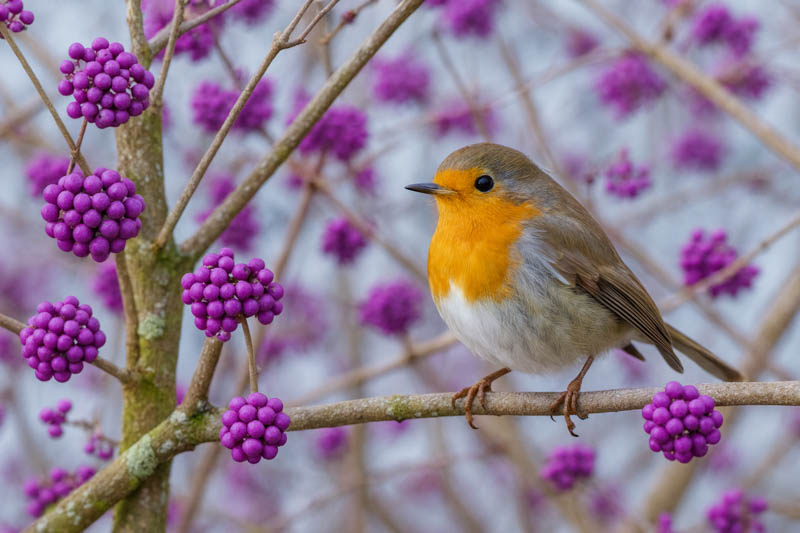
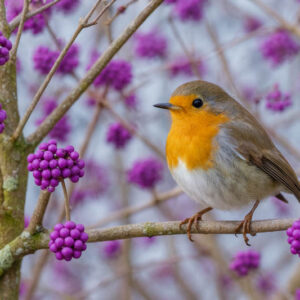
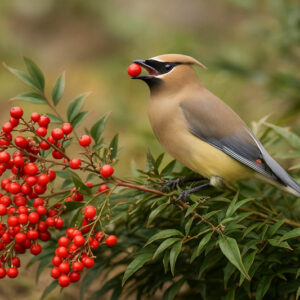
american robin perched on an American beautyberry branch

Texas Bird-Friendly Plants: Native Food, Shelter, and Low Water Color

When you plant for birds in Texas, you are really planting for whole neighborhoods: Northern cardinals, mockingbirds, chickadees, wrens, painted buntings, goldfinches, doves, and winter flocks of sparrows. The good news is that the same Texas native plants that handle scorching summers, odd cold snaps, clay or caliche soils, and long dry spells are also some of the very best bird-friendly plants you can grow. Think oaks full of caterpillars, berry loaded hollies and beautyberries, seedy coneflowers, and thickets of native shrubs where fledglings can hide.

This guide focuses on Texas native bird-friendly plants that work across home landscapes: trees for nesting and insects, shrubs for berries and cover, wildflowers and grasses for seeds and pollinators, and vines that feed birds while softening fences. The stars here are tough natives like live oak, cedar elm, Texas redbud, Mexican plum, Texas persimmon, yaupon holly, possumhaw, American beautyberry, agarita, flameleaf sumac, sunflowers, coneflowers, little bluestem, and switchgrass. Mix them with a few hummingbird favorites like Turk’s cap and salvias and you get a yard that buzzes, chirps, and sings almost year round.

Quick Start: Bird Garden Success in Texas

  • Lead with natives: Choose proven Texas bird-friendly plants like oaks, cedar elm, native plums, yaupon holly, American beautyberry, agarita, flameleaf sumac, sunflowers, coneflowers, and little bluestem. These plants offer natural food and shelter without needing pampering.
  • Stack food types: Aim for a mix of berries, seeds, nectar, and insects. Trees and shrubs host insects and produce fruit, wildflowers and native grasses make seeds, and tubular blooms support hummingbirds and pollinators.
  • Think layers, not rows: Birds love vertical structure. Combine tall trees, medium shrubs, and low perennials to create safe corridors where birds can move, hide, and feed without crossing wide open spaces.
  • Leave a soft edge: Instead of sharp lawn borders, let native shrubs and grasses feather out along fences and property lines. These thickets become prime territory for wrens, cardinals, and fledgling songbirds.
  • Water to establish, then ease off: Most native Texas plants for birds only need regular water for the first one or two seasons. Deep, occasional soakings help them grow drought tough roots for long term survival.
  • Skip pesticides and heavy sprays: Insects are baby bird food. Broad spectrum insecticides wipe out caterpillars, beetles, and spiders that parent birds gather nonstop. Healthy bird gardens rely on balance, not chemical control.

Texas Regions and Bird Migration Highways

Texas is a giant crossroads for bird migration. Spring and fall bring waves of warblers, tanagers, orioles, and hummingbirds. Coastal marshes, Hill Country canyons, Panhandle grasslands, and the Trans Pecos deserts all matter. A backyard full of Texas bird-friendly plants becomes a refueling station and nesting pocket along this flyway.

For this guide we will use the same broad regional idea many native plant lists use, and tie it to everyday place names.

  • Southern Plains: Most of Texas east of the Pecos, including the Central and High Plains, Cross Timbers, Blackland Prairies, East Texas Pineywoods, Gulf Coast Prairies and Marshes, Edwards Plateau, and South Texas Plains. Think Dallas Fort Worth, Austin, San Antonio, Houston, Corpus Christi, and the Rio Grande Valley.
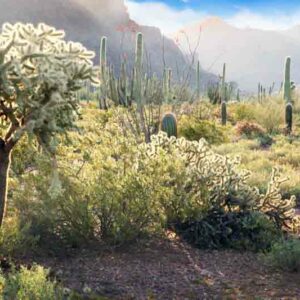
  • Southwest Chihuahuan Desert: Far West Texas, including the Trans Pecos, El Paso, the Big Bend region, and adjacent high plains. Hot, sunny, dry, and full of hardy, spiny, evergreen bird habitat.

You can absolutely mix plants across these regions as long as you match sun, soil, and drainage. For example, agarita, desert willow, and red yucca from drier regions thrive on rocky slopes of the Edwards Plateau and parts of San Antonio. Moisture loving American beautyberry, inland sea oats, and cardinal flower do best in East Texas and in irrigated beds in cities. Start with plants native to your eco region, then add a few all star extras that fit your conditions.

Southern Plains: bird-friendly Plants for Central, North, East, and South Texas

How to use this list: choose 8 to 15 Texas bird-friendly plants that match your sun and soil, make sure you have both summer and winter food, and repeat your best performers in clusters. In Hill Country and Central Texas, lean on live oak, cedar elm, Texas redbud, Mexican plum, Texas persimmon, agarita, flameleaf sumac, little bluestem, and sunflowers. In Blackland Prairies and Gulf Coast areas, add yaupon holly, possumhaw, wax myrtle, American beautyberry, inland sea oats, swamp sunflower, and native sedges. South Texas bird gardens can weave in brasil, anaqua, kidneywood, and other thorny, evergreen shrubs beloved by migrants and residents alike.

Guide Information

Plant Type Perennials, Shrubs, Trees
Native Plants United States, Southwest, Texas
Attracts Birds

Key Bird Friendly Trees for the Southern Plains

Quercus shumardii (Shumard Oak)
Quercus stellata (Post Oak)
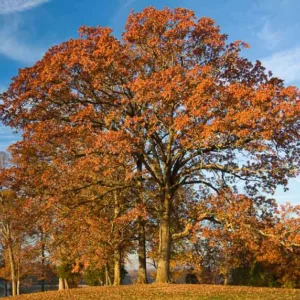
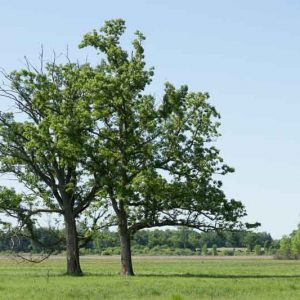
Quercus macrocarpa (Bur Oak)
Quercus virginiana (Live Oak)
Ulmus crassifolia (Cedar Elm)
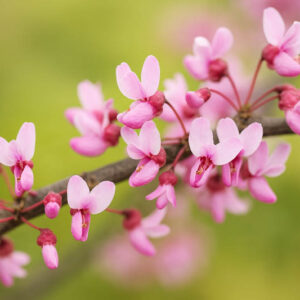
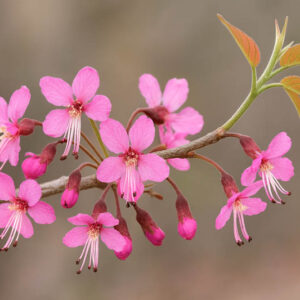
Cercis canadensis var. texensis (Texas Redbud)
Ungnadia speciosa (Mexican Buckeye)
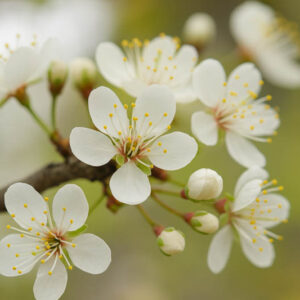
Prunus mexicana (Mexican Plum)
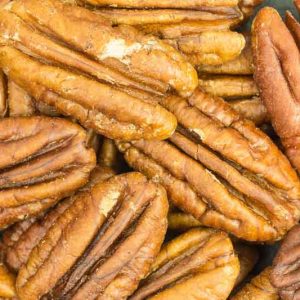
Carya illinoinensis (Pecan)

Berry and Cover Shrubs for Backyard Birds

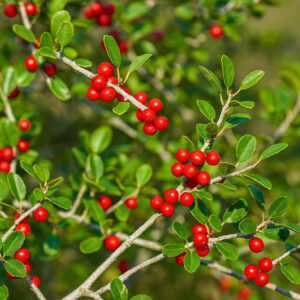
Ilex vomitoria (Yaupon Holly)
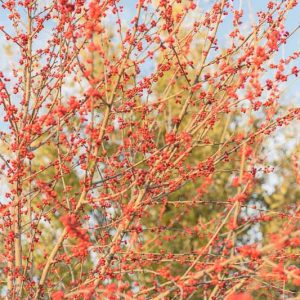
Ilex decidua (Possumhaw)
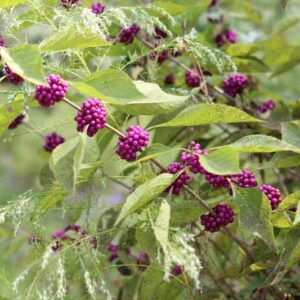
Callicarpa americana (American Beautyberry)
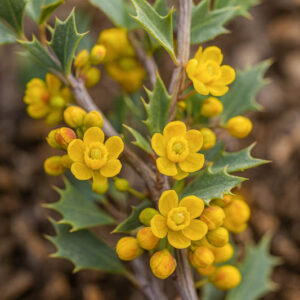
Mahonia trifoliolata (Agarita)
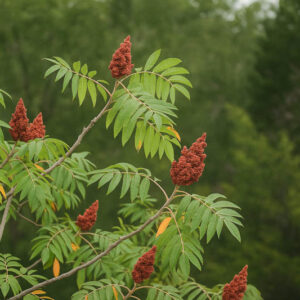
Rhus lanceolata (Flameleaf Sumac)
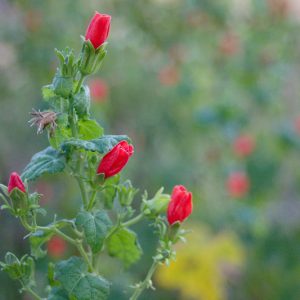
Malvaviscus arboreus var. drummondii (Turk’s Cap)

Wildflowers and Grasses For Seeds and Insects

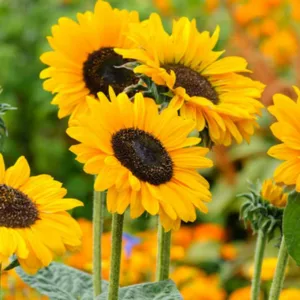
Helianthus annuus (Common Sunflower)
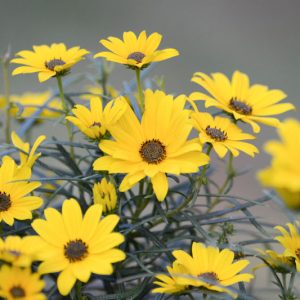
Helianthus angustifolius (Swamp Sunflower)
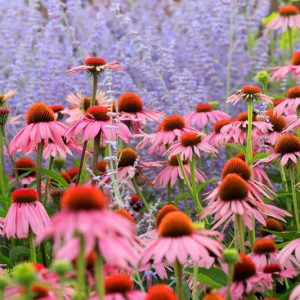
Echinacea purpurea (Purple Coneflower)
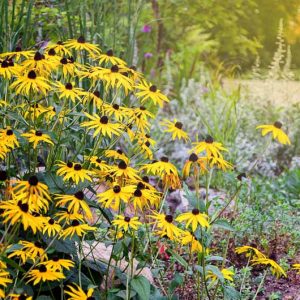
Rudbeckia hirta (Black-Eyed Susan)
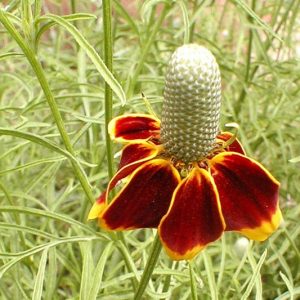
Ratibida columnifera (Mexican Hat Plant)
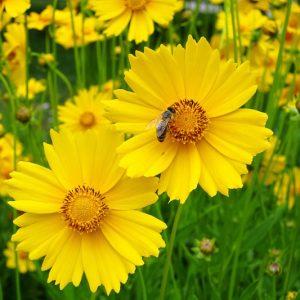
Coreopsis lanceolata (Lanceleaf Tickseed)
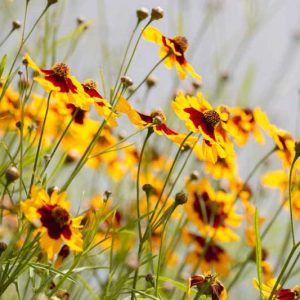
Coreopsis tinctoria (Tickseed)
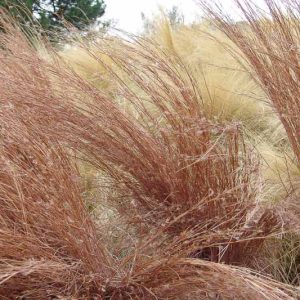
Schizachyrium scoparium (Little Bluestem)
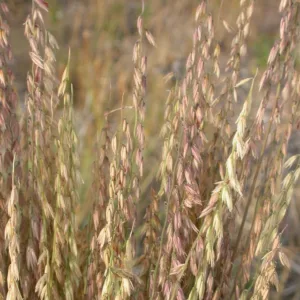
Bouteloua curtipendula (Side-Oats Grama)
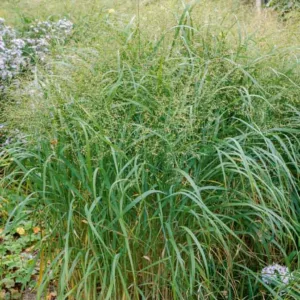
Panicum virgatum (Switchgrass)
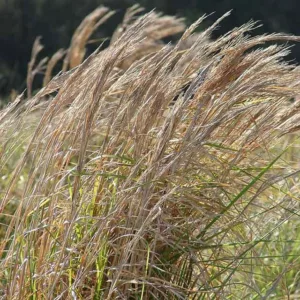
Andropogon glomeratus (Bushy Bluestem)
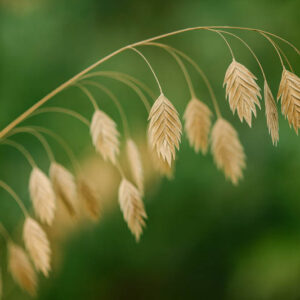
Chasmanthium latifolium (Northern Sea Oats)

Starter Bird Garden Plant Mixes for Texas

Use these simple combinations as plug and play recipes. Once you see how many birds show up, you can expand the habitat with more native trees, shrubs, and wildflowers.

  • Central Texas bird border: Cedar elm, Texas redbud, Mexican plum, American beautyberry, Turk’s cap, sunflowers, and little bluestem. This mix supports insects, berries, and seeds from spring through winter.
  • East Texas edge of woods mix: Yaupon holly, possumhaw, American beautyberry, red maple or sweetgum, inland sea oats, coneflowers on sunny edges, and a vine of Virginia creeper up a trunk for extra fall berries.
  • Suburban small yard mix (anywhere in Southern Plains): One small shade tree like Mexican plum or desert willow, a row of yaupon or dwarf yaupon, a clump of American beautyberry, sunflowers, black eyed Susan, and a strip of little bluestem or sideoats grama.
  • South Texas bird thicket: Agarita, kidneywood, brasil, anaqua, and Turk’s cap layered along a fence. Add native grasses and sunflowers in front and you have a dense, evergreen refuge for many species.

Southwest Chihuahuan Desert: Bird-Friendly Plants for West Texas

In Far West Texas, bird friendly landscaping leans on plants that handle rock, thin soil, intense sun, and low rainfall. These plants often have small, tough leaves, spines, or waxy coatings, but they still provide flowers, fruit, seeds, and dense cover.

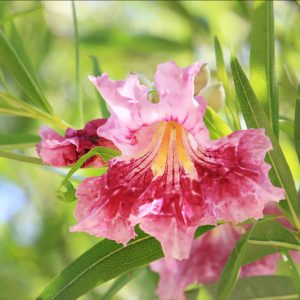
Chilopsis linearis (Desert Willow)
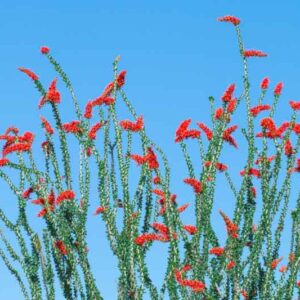
Fouquieria splendens (Ocotillo)
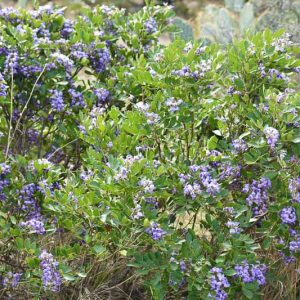
Sophora secundiflora (Texas Mountain Laurel)
Mahonia trifoliolata (Agarita)
Echinocereus coccineus (Scarlet Hedgehog Cactus)
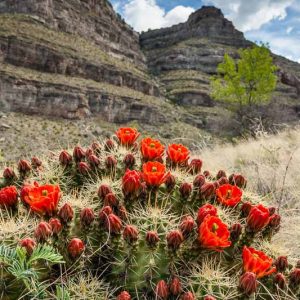
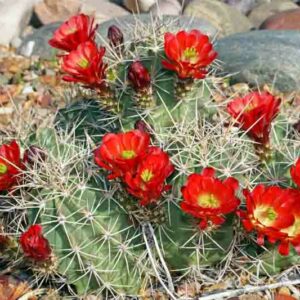
Echinocereus triglochidiatus (Claret Cup Cactus)
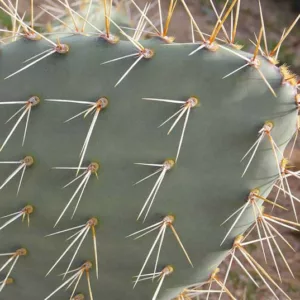
Opuntia engelmannii (Engelmann Prickly Pear)
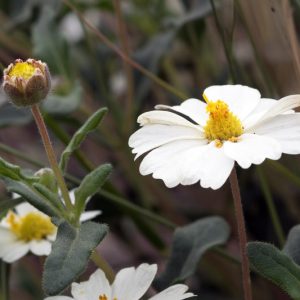
Melampodium leucanthum (Blackfoot Daisy)
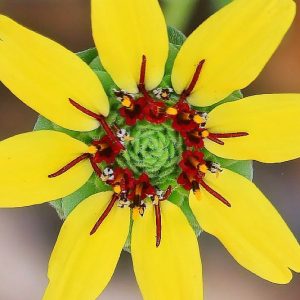
Berlandiera lyrata (Chocolate Daisy)
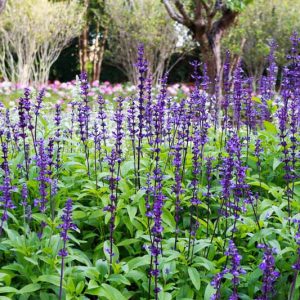
Salvia farinacea (Mealy Sage)
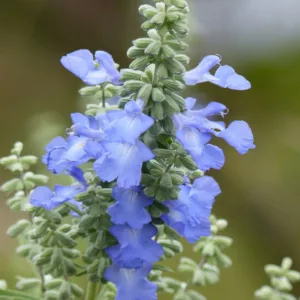
Salvia azurea (Blue Sage)
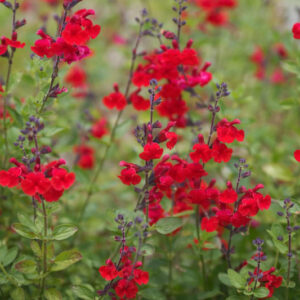
Salvia greggii (Autumn Sage)
Bouteloua gracilis (Blue Grama)

Designing Your Texas Bird Friendly Yard Like a Pro

  • Layer height and density: Start with one or two native trees, add a row or clusters of shrubs, then fill in with wildflowers and grasses. The more layers you have, the more bird species you will host.
  • Cluster plants in groups: Plant 3 to 7 of the same shrub or wildflower together, then repeat that pattern. Birds quickly learn where the safe, food rich patches are.
  • Create safe travel routes: Birds prefer hopping from branch to branch, not crossing big open lawns. Use shrubs and small trees along fences and property lines to create sheltered routes.
  • Leave some mess on purpose: Snags (dead branches), hollow trunks, seed heads, and leaf litter all add habitat. You can still keep paths neat while letting a corner or back fence stay wilder.
  • Add water wisely: A shallow bird bath, small pond, or dripper in shade can be a magnet in hot weather. Keep the water 1 to 2 inches deep, place stones for perches, and clean frequently.

Planting, Water, and Care for Texas Bird Gardens

  • Right plant, right place: Hot, reflected sun by driveways or south facing walls is great for agarita, flameleaf sumac, sunflowers, coneflowers, and little bluestem. Part shade under trees fits American beautyberry, Turk’s cap, inland sea oats, and some hollies. Low spots and rain gardens work well for swamp sunflower, sedges, and certain moisture loving shrubs.
  • Soil prep: For most native Texas bird plants, the main request is drainage. Loosen compacted soil 8 to 12 inches, remove weedy roots, and mix in some compost only if you are dealing with pure sand or extremely tight clay. Avoid overamending; natives are comfortable in modest soils.
  • Watering schedule: After planting, water deeply so moisture reaches 6 to 8 inches down. In the first season, soak once or twice a week depending on heat and soil type. In later years, trees and shrubs can often rely on rainfall with occasional deep watering during extended droughts.
  • Mulch smart: Use native wood chips, shredded bark, or chopped leaves in beds. In drier, desert style plantings, use gravel or decomposed granite. Leave some small bare soil patches for ground nesting bees and for birds that bathe in dust.
  • Pruning and maintenance: Shape shrubs lightly after berry season or before spring growth. Avoid shearing everything into tight balls; birds prefer branching, natural shapes. Leave some seed heads on grasses and flowers through winter, cutting back in late winter or early spring.
  • Pesticide free protection: Focus on plant diversity and healthy soil instead of quick chemical fixes. When you absolutely must treat a problem, use spot treatments and avoid spraying flowers or foliage during peak bird and pollinator activity.

Small Space, Balcony, and Container Ideas for Birds

  • Patio in a city lot: Use large containers for dwarf yaupon, American beautyberry, or Turk’s cap, plus pots of sunflowers, black eyed Susan, and native grasses. Add a shallow water dish and a vertical trellis with coral honeysuckle or crossvine if you have sun.
  • Townhome fence line: Train Virginia creeper or native grape on the fence, underplant with dwarf yaupon or beautyberry, and tuck in a strip of little bluestem. Even this narrow planting can host wrens and sparrows.
  • Balcony or porch: In large pots, grow Mexican plum or desert willow in patio tree form, with coneflowers and native grasses in surrounding containers. Hanging baskets with trailing native vines and a small saucer of water bring birds close.
  • Parking strip or curb bed: Choose extra tough species like agarita, dwarf yaupon, flameleaf sumac, sunflowers, Mexican hat, and blackfoot daisy. These tolerate heat and low irrigation but still supply seeds and shelter.

Why These Texas Plants Work So Well For Birds

The Texas native plants for birds highlighted here all share several traits. They offer food in natural forms birds recognize: caterpillars on oak leaves, berries on hollies and beautyberries, seeds on grasses and sunflowers, and nectar on salvias and Turk’s cap. They bloom and fruit in stages that line up with migration, nesting, and winter survival. They have branching habits and foliage that create cover from hawks, cats, and harsh weather. Most importantly, they are adapted to Texas heat, drought, and soil conditions, which means they keep performing even when lawns and thirsty ornamentals fade.

Putting It All Together

You do not have to turn your entire yard into a wild thicket overnight. Start with one sunny bed, a fence line, or a corner under an existing tree. Add a handful of Texas bird-friendly plants that fit your region. Water deeply to get them established, then stand back and watch who shows up. Cardinals may start using the shrubs as cover, wrens may nest in a brush pile, and finches may discover your new seed heads.

Each season, repeat your winners in larger drifts, add a new tree or shrub for vertical structure, and weave in more wildflowers and grasses for seeds and insects. Over time, your yard shifts from a decorative space to a living habitat that supports birds, pollinators, and the larger Texas landscape. Whether you garden on a small city lot in Dallas, a Hill Country acreage, a Houston bungalow, a Gulf Coast cottage, or an El Paso courtyard, you can grow a pocket of native habitat that birds rely on year after year.

Keep Your Texas Garden Buzzing With Life

Explore more Texas native plants

Find the perfect plants for your yard

Frequently Asked Questions About Texas Bird-Friendly Plants

Which native plants are best for attracting birds in Texas?

Some of the best Texas native plants for birds include live oak, post oak, cedar elm, Texas redbud, Mexican plum, Texas persimmon, yaupon holly, possumhaw, American beautyberry, agarita, flameleaf sumac, sunflowers, purple coneflower, black eyed Susan, Mexican hat, little bluestem, sideoats grama, and inland sea oats. These species offer insects, berries, and seeds while also providing shelter and nesting sites.

Why are native plants better for Texas birds than common ornamental shrubs and flowers?

Native Texas plants evolved with local birds, insects, and soils. They support far more caterpillars, beetles, and other invertebrates than many ornamental species, which is critical because most baby birds eat insects, not seeds. Natives generally need less water and fertilizer once established, handle Texas weather swings, and are less likely to escape and become invasive.

Will I still need bird feeders if I plant bird friendly Texas natives?

Feeders are optional when you have a diverse mix of bird-friendly plants. A good habitat with oaks, berry shrubs, wildflowers, and grasses can provide natural food all year. Many people still enjoy keeping a seed or nectar feeder as a backup, but plants keep birds healthier and reduce the work and cleaning feeders require.

What are the best bird-friendly plants for the Texas Hill Country and Edwards Plateau?

In the Hill Country and Edwards Plateau, focus on drought tolerant species that like rocky, alkaline soils: live oak, cedar elm, Texas redbud, Mexican plum, Texas persimmon, agarita, evergreen sumacs, flameleaf sumac, little bluestem, sideoats grama, blackfoot daisy, sunflowers, and Turk’s cap in shade. These plants support nesting, insect foraging, and seeds while using modest water.

Which bird-friendly plants work best in East Texas and along the Gulf Coast?

In the Pineywoods and Gulf Coast Prairies, choose plants that enjoy more moisture and often more acidic soils: yaupon holly, possumhaw, American beautyberry, wax myrtle, red maple, sweetgum, river birch, swamp sunflower, inland sea oats, native sedges, and sun loving coneflowers and black eyed Susan on drier edges. These plants pair well with native vines like Virginia creeper and trumpet honeysuckle.

What about West Texas and the Chihuahuan Desert, which plants help birds there?

In Far West Texas, focus on plants built for extreme heat and drought: desert willow, ocotillo, Texas mountain laurel, agarita, evergreen sumacs, claret cup cactus, blackfoot daisy, chocolate daisy, blue grama, tobosagrass, and native salvias. These plants provide flowers, cover, and seeds in a climate where water is limited.

Can I grow Texas bird-friendly plants in containers or on a balcony?

Yes. Many natives adapt well to containers if the pot is deep, has drainage, and receives consistent watering. Good container candidates include dwarf yaupon, American beautyberry, Turk’s cap, coneflowers, black eyed Susan, Mexican hat, little bluestem, and even small patio trees like Mexican plum or desert willow. Use quality potting mix and water more often than in ground plantings.

Do I have to plant red flowers to attract birds?

Red tubular flowers are especially attractive to hummingbirds, but most seed and berry eating birds care more about fruit and seeds than bloom color. Sunflowers, coneflowers, native grasses, and berry shrubs in many colors all provide excellent food. A mix of flower colors and plant shapes will support the widest range of bird and pollinator species.

How long will it take for birds to find my new plantings?

In many Texas neighborhoods, birds begin using new shrubs and trees within weeks, especially when they offer cover and water. It may take a full year or two for young plants to fruit heavily or produce lots of seed, so expect bird activity to ramp up as your habitat fills in. Adding a small water source speeds up discovery.

References

Updated: November 2025

Garden Examples

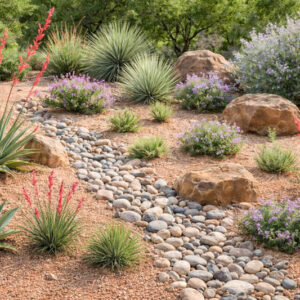
Desert Dry Creek Border – Agave, Red Yucca & Texas Sage
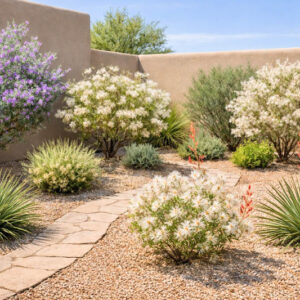
Desert Courtyard Border – Texas Sage & Apache Plume
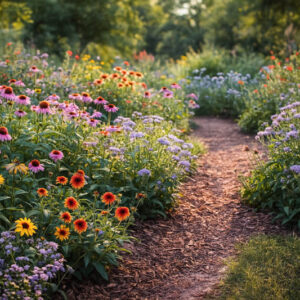
A Pollinator Wildflower Garden Idea
Wildflower Prairie with Monarda, Mexican Hat & Blue Sage
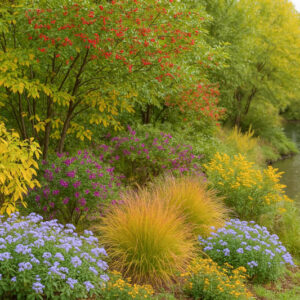
Bird-Friendly Creekside Border
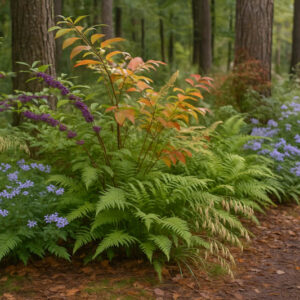
Shaded Woodland Border with Ferns & Beautyberry
Texas Wildflower Prairie Border with Coreopsis and Beebalm
Pollinator Drift: Asclepias, Agastache & Flowing Grasses
Front-Yard Prairie Drift: Airy Color, Native Texture

Recommended Guides

Monarch Nectar Plants for Texas
50 Texas Wildflowers to Brighten Your Garden
Texas Butterfly Host Plants
Texas Bird-Friendly Plants
Best Texas Plants for Hummingbirds
Best Texas Fragrant Plants
Best Shade Plants for Texas
Best Drought-Tolerant Plants for Texas
Best Plants for Wet Areas in Texas
Best Plants for Sandy Soils in Texas
Best Plants for Clay Soils in Texas
Best Groundcovers for Texas Gardens
Best Perennials for Texas Gardens
Best Shrubs for Texas Gardens
Best Trees for Texas Gardens
Best Native Plants for Texas Gardens
Desert Trees: Stunning and Resilient Trees for Your Garden
Desert Shrubs: Essential Plants for Dry Gardens
Desert Flowers: Bringing Color to Dry Gardens
Desert Plants: Discover 50 Stunning Varieties to Grow
Hedgehog Cactus: A Desert Survivor with Spectacular Blooms
Barrel Cactus: An Iconic Desert Plant for Water-Wise Gardens
Cholla Cactus: Iconic Desert Plants
Invasive Plants in Texas – And Their Best Native Alternatives
While every effort has been made to describe these plants accurately, please keep in mind that height, bloom time, and color may differ in various climates. The description of these plants has been written based on numerous outside resources.

Guide Information

Plant Type Perennials, Shrubs, Trees
Native Plants United States, Southwest, Texas
Attracts Birds
Explore Great Plant Combination Ideas
Upper South Middle South Lower South Coastal South Texas

Related Items

Please Login to Proceed

You Have Reached The Free Limit, Please Subscribe to Proceed

Subscribe to Gardenia

To create additional collections, you must be a paid member of Gardenia
  • Add as many plants as you wish
  • Create and save up to 25 garden collections
Become a Member

Plant Added Successfully

Your garden is taking shape. Unlock full planning.

You’ve reached the free limit. Upgrade for $25/year to add as many plants as you wish and save up to 25 garden collections. Unlock Annual Membership

Update Your Credit
Card Information

Cancel

Create a New Collection

Sign Up to Our Newsletter

    You have been subscribed successfully

    Join Gardenia.net

    Create a membership account to save your garden designs and to view them on any device.

    Becoming a contributing member of Gardenia is easy and can be done in just a few minutes. If you provide us with your name, email address and the payment of a modest $25 annual membership fee, you will become a full member, enabling you to design and save up to 25 of your garden design ideas.

    Join now and start creating your dream garden!

    Join Gardenia.net

    Create a membership account to save your garden designs and to view them on any device.

    Becoming a contributing member of Gardenia is easy and can be done in just a few minutes. If you provide us with your name, email address and the payment of a modest $25 annual membership fee, you will become a full member, enabling you to design and save up to 25 of your garden design ideas.

    Join now and start creating your dream garden!
    Find your Hardiness Zone

    Find your Heat Zone

    Find your Climate Zone