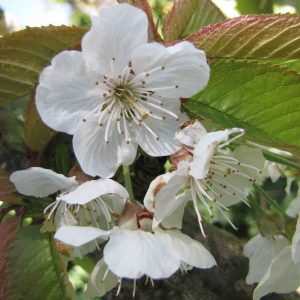
Mexican Plum, Bigtree Plum, Inch Plum, Fall Plum, Prunus lanata, Prunus mexicana var. fultonensis
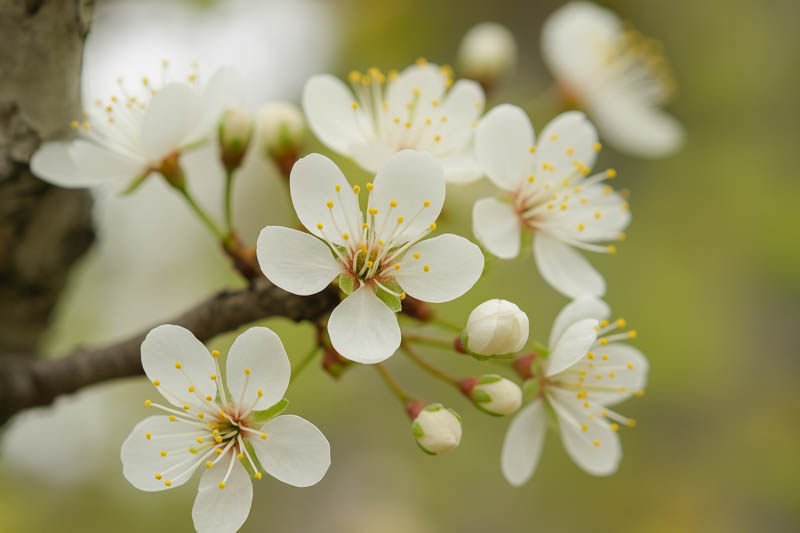
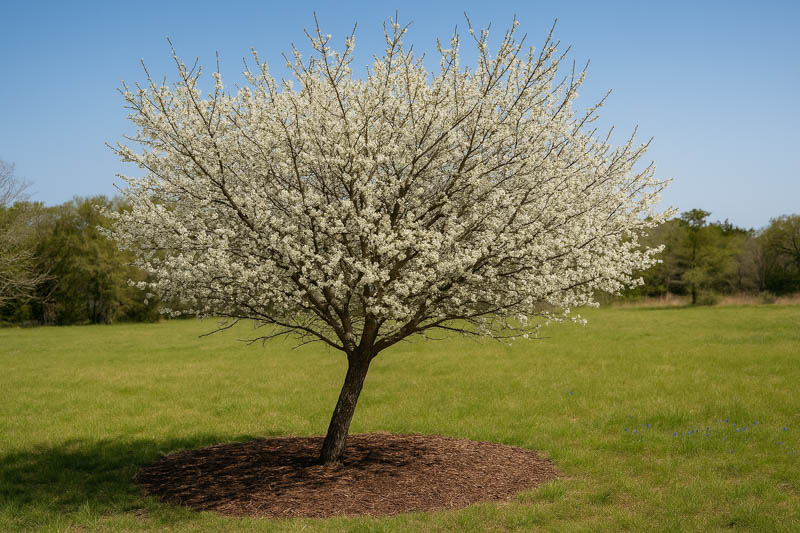
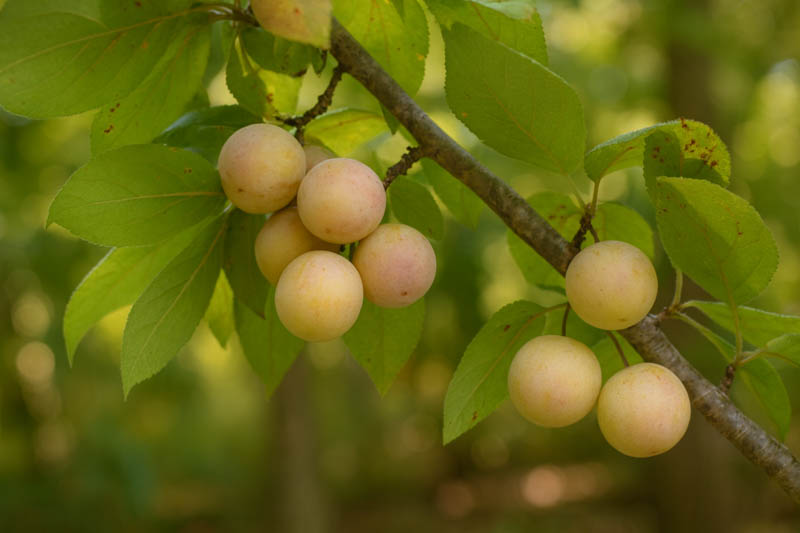


If you want a small native tree that perfumes the garden in spring, feeds wildlife in summer and fall, and still looks handsome in winter, Prunus mexicana is a star. Often called Mexican plum, this North American native covers itself in clouds of fragrant white blossoms before the leaves appear, then follows with dark green foliage and late season plums loved by birds and people alike. It is a great choice for Texas gardens, Southern Plains landscapes, and wildlife friendly yards where you want beauty plus ecological value.
Summary: Small native flowering tree for Texas, the Southern Plains, and central United States. Fragrant white blossoms, colorful late season fruit, and good drought tolerance.
Use: Front yard specimen, wildlife gardens, native hedgerows, small shade tree, and accent in mixed borders.
Highlight: Masses of early spring bloom before leaves, edible plums for people and wildlife, and attractive winter bark.
Note: A tough, adaptable alternative to non native ornamental pears and plums, with real value for pollinators and songbirds.
| Botanical Name | Prunus mexicana |
|---|---|
| Family | Rosaceae (rose family) |
| Common Names | Mexican plum, bigtree plum, inch plum |
| Native Range | Central United States and northern Mexico, from South Dakota and Wisconsin south to Georgia, Alabama, and Coahuila |
| Plant Type and Habit | Small deciduous flowering tree, usually single trunked with rounded or open crown |
| Hardiness (USDA) | Zones 6 to 8 |
| Size | Typically 15 to 35 ft tall and 15 to 20 ft wide, sometimes a bit larger in ideal sites |
| Sun and Exposure | Full sun to light shade, best bloom in full sun |
| Soil | Well drained soils of many textures, adaptable to a wide range of pH and modest drought |
| Seasonal Interest | Fragrant white flowers in early spring, green summer canopy, late season red to purple fruit, textured bark in winter |
| Primary Uses | Specimen tree, wildlife and pollinator gardens, native hedgerows, small orchard plantings, and urban or suburban yards |
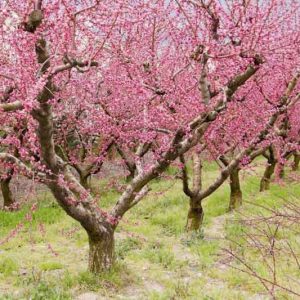
Mexican plum is a small deciduous tree that looks delicate in flower but behaves like a survivor. It usually grows with a single trunk and open to rounded crown, making it easy to tuck into front yards, mixed borders, and along fence lines. In very early spring, often before many other trees wake up, the bare branches are smothered in fragrant white to pale pink blossoms. On a warm day the scent floats across the garden and you can hear bees working every branch.
Once flowering finishes, the tree leafs out with dark green, simple, ovate leaves that create light shade and a fresh, clean look for the rest of the growing season. By late summer and fall, small round plums ripen to red or purple, hanging like little ornaments and drawing in birds. In winter, even without leaves, the dark gray bark with horizontal lenticels adds quiet structure and texture.
Prunus mexicana Pis native to the central United States and northern Mexico, from South Dakota and Nebraska east to Wisconsin, Michigan, Ohio, Kentucky, and Georgia, and south to Texas, Alabama, and Coahuila. In Texas and the Southern Plains you often find Mexican plum along woodland edges, in open fields, and at the margins of prairies where soils are reasonably well drained.
That wide native range explains why Mexican plum adapts so well to different garden conditions. It is comfortable in moderately cold winters and hot summers, and it sits right at home in native plantings across much of the central and southern United States.
Mexican plum typically grows to about 15 to 35 ft tall with a spread in the same general range, depending on light, soil, and competition. It has a naturally upright habit when young, gradually filling out into a more rounded canopy. Growth is generally moderate which means it puts on enough size to be useful in a few years, but not so fast that branches are weak or brittle if you maintain good structure.
In open conditions it often develops a picturesque, slightly irregular outline that looks very at home in cottage gardens, native borders, and informal landscapes. In shadier or crowded conditions it may reach a bit taller and stay narrower as it reaches for light.
The bark of Mexican plum is a subtle but valuable ornamental feature. Young stems are smoother and gray, while older trunks develop dark gray bark marked with horizontal lenticels that can flake or fissure slightly with age. On frosty mornings or under low evening light, that texture catches the eye and makes the tree feel interesting even in the quiet season.
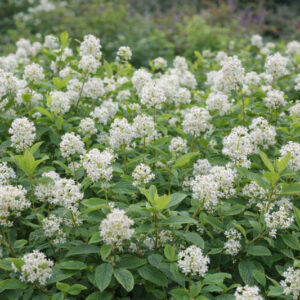
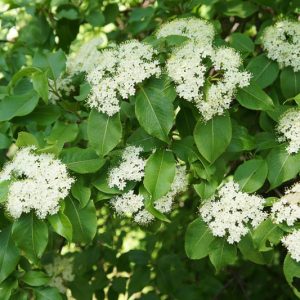
The flowers are the main spring highlight. In early spring, often before the leaves appear, Mexican plum branches are covered in clusters of five petaled, fragrant white blossoms that may have a faint pink tint. Individual flowers are not huge, but they are so numerous that the whole crown can look white from a distance. Texas Fragrant Plants: Top Picks for Yards, Patios, and Porches
These blossoms provide an important early nectar and pollen source for bees and other pollinators, especially in native and pesticide free gardens. On warm days you will often see honeybees, native bees, and early season insects working the flowers.
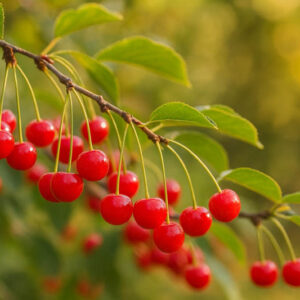
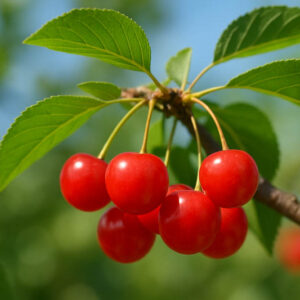
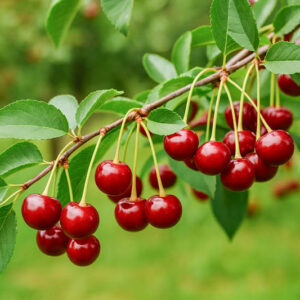
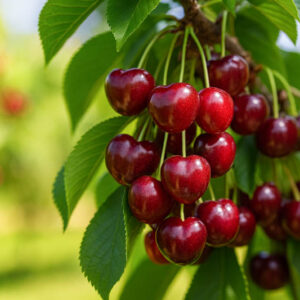
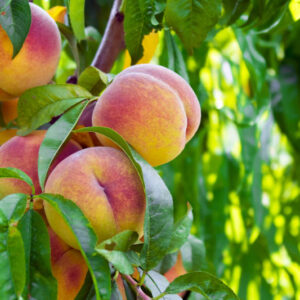
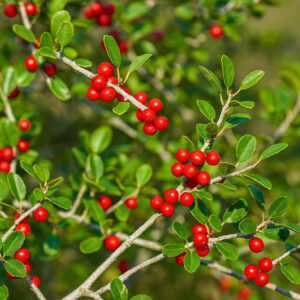
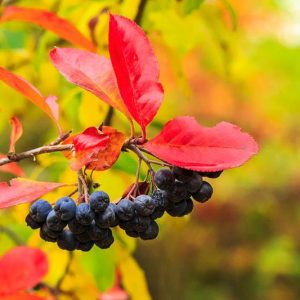
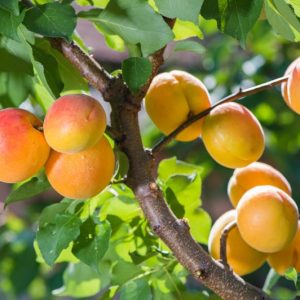
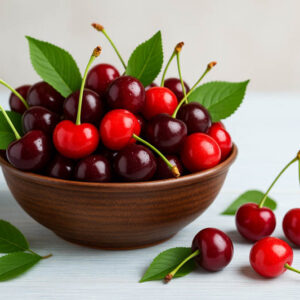
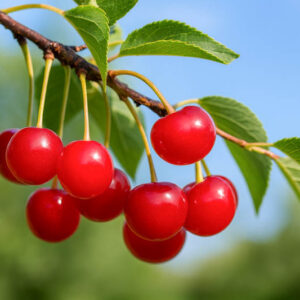
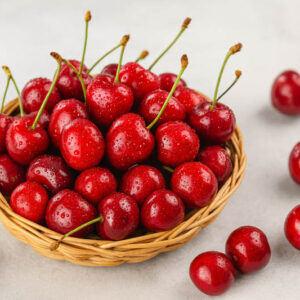
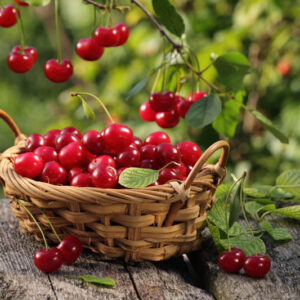
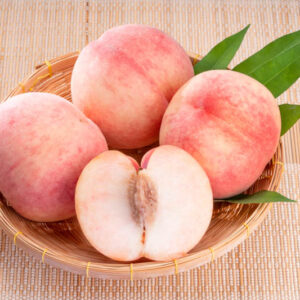
After flowering, Mexican plum sets small round fruits that ripen late in the season to shades of red or purple. The plums are generally about an inch across, with tart but usable flesh that can be made into jams and jellies if you can harvest them before wildlife does.
For gardeners who care about habitat, the fruit is a big plus. Birds and small mammals eat the plums, and the fallen fruit supports a mini ecosystem of insects and decomposers that in turn feed ground feeding birds.
Leaves are simple, ovate, and dark green, usually two to four inches long with finely toothed edges. They create a pleasant medium shade that works well over seating areas and low plantings. Fall color can vary with climate and soil, ranging from yellow green to soft gold or touches of orange. While Mexican plum is not primarily planted for fall color, a good year adds another season of appeal.
Mexican plum is hardy in USDA Zones 6 to 8, which covers much of its natural range across the Midwest, Southern Plains, and into the South. It handles both winter cold and hot summers better than many ornamental plums.
It is also drought tolerant once established and adapts to various soil pH levels, including slightly alkaline conditions that challenge some fruit trees. That makes it a practical choice for Texas and central United States landscapes that combine heat, clay, and occasional dry spells.
You can use Mexican plum in many different design roles:
Mexican plum pulls its weight in wildlife gardens. The fragrant spring blossoms feed bees and other pollinators when few other trees are in bloom. As with many native Prunus species, Mexican plum foliage can support the caterpillars of butterflies and moths such as Eastern Tiger Swallowtail (Papilio glaucus) and Cecropia silkmoth (Hyalophora cecropia), which widely use wild plums and cherries as host plants.
The plums provide fruit for birds and small mammals, and the branching structure offers perches and light cover. As a native tree, Mexican plum fits naturally into regional food webs and pairs beautifully with other natives to build a resilient habitat. Top Native Texas Plants to Help Keep Birds Fed Through Every Season
As with most fruit trees, young Mexican plums can be of interest to deer and rabbits, especially in winter or in areas with heavy browsing pressure. They are not usually the very first choice, but tender shoots and bark on young trees can be sampled. Simple trunk guards and temporary fencing during the establishment years usually provide enough protection until the tree is taller and bark is less appealing.
Mexican plum is not a desert tree, but it is quite drought tolerant once established. Its native habitats include woodland edges and open fields with seasonal dryness, so deep, occasional watering in extended drought is usually plenty. Combined with well drained soil, this makes Mexican plum a good fit for low water, climate conscious gardens across much of Texas and the Southern Plains.
Like many members of the genus Prunus, Mexican plum has edible fruit but seeds and other plant parts may contain compounds similar to those in other stone fruits. The plums are used for jams and preserves, but as with any ornamental or semi ornamental fruit tree, it is wise to teach children not to chew bark, leaves, or pits. Pets that are prone to chewing woody plants should also be discouraged.
Within its native and regionally appropriate range, Mexican plum is well behaved. It can seed lightly into nearby natural areas, where it is part of the local flora. In gardens, you may find occasional seedlings beneath or near mature trees. These are easy to remove or transplant while small, and Mexican plum is not generally listed as an invasive species in North American landscapes.
For best flower and fruit production, plant Mexican plum in full sun. Aim for at least six hours of direct light daily. Trees will tolerate light shade, especially in very hot climates, but heavy shade will reduce bloom, fruit set, and canopy density.
Mexican plum is adaptable but happiest in well drained soils. It will handle:
If you have very heavy clay or a site that stays wet after storms, consider raising the planting area or improving drainage. Mexican plum enjoys moisture while it establishes but does not like roots sitting in stale water.
A simple watering strategy works well:
Mexican plum is not a heavy feeder. In average garden soil, a yearly topdressing of compost or well rotted organic matter around the drip line in early spring is plenty. If growth seems weak on very poor or disturbed sites, a light application of a balanced, slow release fertilizer can help. Avoid heavy nitrogen which can push lush, weak growth at the expense of flower and fruit.
Mulch is one of the easiest ways to keep Mexican plum happy. Apply a 2 to 3 inch layer of organic mulch such as shredded bark, wood chips, or leaf mold over the root zone. This helps:
Keep mulch a few inches away from the trunk to prevent rot and rodent damage.
Good early pruning sets Mexican plum up for a long, healthy life:
Mexican plum can be grown from seed collected from ripe fruits in late summer or fall. Seeds usually need cleaning and a period of cold stratification to break dormancy. Seed grown trees will show natural variation in habit and fruit quality, which can be an advantage in restoration and habitat projects.
In some situations Mexican plum may produce suckers near the base that can be dug and replanted, although it is less aggressively suckering than some other plum species. Nurseries may also graft Mexican plum onto rootstocks selected for vigor or soil tolerance. For most home gardeners, purchasing a quality container grown tree is the most straightforward route.
Mexican plum is generally a tough, reliable native tree when grown in suitable conditions, but it can experience issues similar to other stone fruits.
Healthy, well sited Mexican plums commonly live and perform well for many years in gardens and native landscapes.
Mexican plum, Prunus mexicana, is a small native flowering tree from central North America. It is prized for its fragrant early spring white blossoms, dark green summer foliage, late season plums, and good drought tolerance in Texas and the Southern Plains.
Most Mexican plums reach about 15 to 25 ft tall and 15 to 20 ft wide, forming a small tree that fits comfortably in front yards, mixed borders, and wildlife gardens without overwhelming the space.
Yes. Once established, Mexican plum is drought tolerant and well suited to low water and climate conscious landscapes. Deep watering during the first couple of years helps develop a strong root system.
Mexican plum prefers well drained soils but is quite adaptable. It can grow in loam, sandy loam, or clay that does not stay waterlogged, and it tolerates a range of soil pH from slightly acidic to slightly alkaline.
Yes. The fragrant spring flowers feed pollinators, the foliage serves as a larval host for some butterflies and moths, and the late season plums provide food for birds and small mammals, making it an excellent wildlife tree.
Mexican plum is well suited to small and medium gardens. Its mature size, single trunk habit, and year round interest make it a great focal tree for front yards, side yards, courtyards, and wildlife friendly urban spaces.
Updated: November 2025 • Reviewed by Gardenia Editors
| Hardiness |
6 - 8 |
|---|---|
| Plant Type | Trees |
| Plant Family | Rosaceae |
| Genus | Prunus - Fruit Tree |
| Exposure | Full Sun, Partial Sun |
| Season of Interest | Spring (Early, Mid, Late), Summer (Early, Mid, Late), Fall |
| Height | 15' - 35' (4.6m - 10.7m) |
| Spread | 15' - 20' (4.6m - 6.1m) |
| Maintenance | Average |
| Water Needs | Low, Average |
| Soil Type | Chalk, Clay, Loam, Sand |
| Soil pH | Acid, Neutral, Alkaline |
| Soil Drainage | Well-Drained |
| Characteristics | Fragrant, Showy, Fruit & Berries |
| Native Plants | United States, Illinois, Iowa, Kansas, Midwest, Missouri, Nebraska, Southeast, Louisiana, Arkansas, Southwest, Texas, Oklahoma |
| Tolerances | Drought |
| Attracts | Bees, Butterflies, Birds |
| Garden Uses | Beds And Borders, Hedges And Screens |
| Garden Styles | Informal and Cottage |
| Toxic to Humans | No known toxicity |
| Toxic to Cats | No known toxicity |
| Toxic to Dogs | No known toxicity |
| Toxic to Horses | No known toxicity |


| Hardiness |
6 - 8 |
|---|---|
| Plant Type | Trees |
| Plant Family | Rosaceae |
| Genus | Prunus - Fruit Tree |
| Exposure | Full Sun, Partial Sun |
| Season of Interest | Spring (Early, Mid, Late), Summer (Early, Mid, Late), Fall |
| Height | 15' - 35' (4.6m - 10.7m) |
| Spread | 15' - 20' (4.6m - 6.1m) |
| Maintenance | Average |
| Water Needs | Low, Average |
| Soil Type | Chalk, Clay, Loam, Sand |
| Soil pH | Acid, Neutral, Alkaline |
| Soil Drainage | Well-Drained |
| Characteristics | Fragrant, Showy, Fruit & Berries |
| Native Plants | United States, Illinois, Iowa, Kansas, Midwest, Missouri, Nebraska, Southeast, Louisiana, Arkansas, Southwest, Texas, Oklahoma |
| Tolerances | Drought |
| Attracts | Bees, Butterflies, Birds |
| Garden Uses | Beds And Borders, Hedges And Screens |
| Garden Styles | Informal and Cottage |
| Toxic to Humans | No known toxicity |
| Toxic to Cats | No known toxicity |
| Toxic to Dogs | No known toxicity |
| Toxic to Horses | No known toxicity |
How many Prunus mexicana (Mexican Plum) do I need for my garden?
| Plant | Quantity | |
|---|---|---|
| Prunus mexicana (Mexican Plum) | N/A | Buy Plants |
Create a membership account to save your garden designs and to view them on any device.
Becoming a contributing member of Gardenia is easy and can be done in just a few minutes. If you provide us with your name, email address and the payment of a modest $25 annual membership fee, you will become a full member, enabling you to design and save up to 25 of your garden design ideas.
Join now and start creating your dream garden!
Create a membership account to save your garden designs and to view them on any device.
Becoming a contributing member of Gardenia is easy and can be done in just a few minutes. If you provide us with your name, email address and the payment of a modest $25 annual membership fee, you will become a full member, enabling you to design and save up to 25 of your garden design ideas.
Join now and start creating your dream garden!