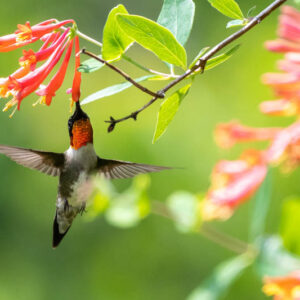
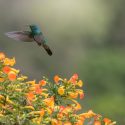
Learn how to turn any Texas yard into a hummingbird magnet with native salvias, yuccas, vines and shrubs. This guide covers regional plant picks, small space ideas, and low water care so your hummingbird garden stays bright, buzzing, wildlife friendly and full of motion from spring through fall.
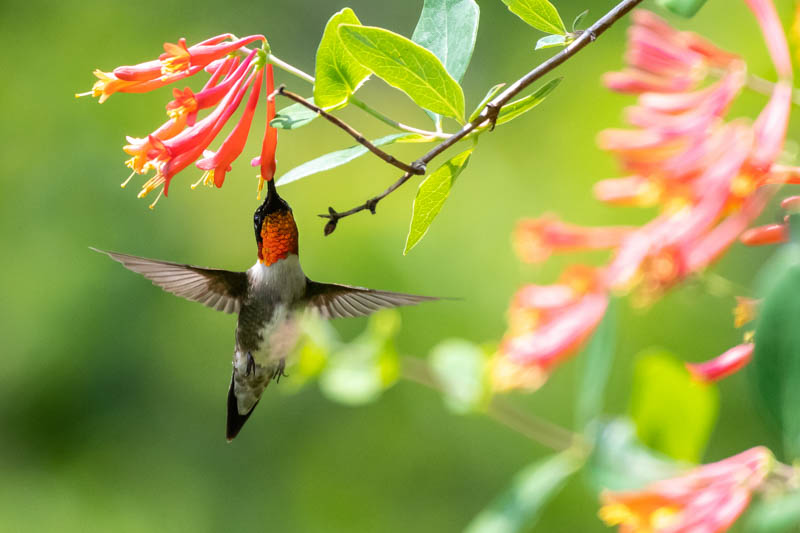


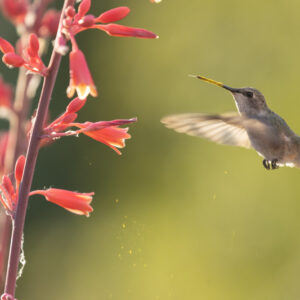
In Texas, hummingbirds are tiny, feisty, high speed visitors that will absolutely move in if you give them the right plants. From the Pineywoods and Texas Blackland Prairies to the Edwards Plateau canyons and the far West Chihuahuan Desert, you can build a blooming runway that feeds hummingbirds from spring migration through fall. The trick is simple: lead with nectar rich, tubular natives, group them in sunny patches, and keep things pesticide free and water wise.
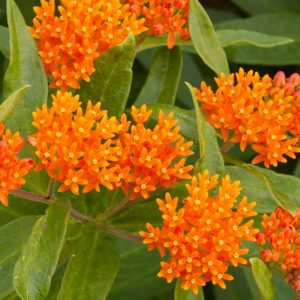
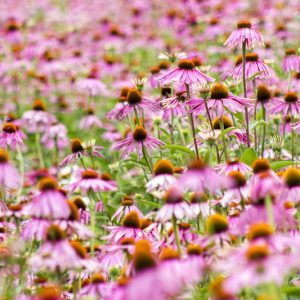
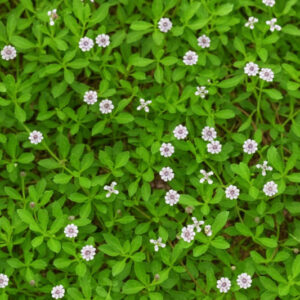
This guide focuses on Texas native hummingbird plants that really match our conditions: blazing summers, surprise cold snaps, clay and caliche soils, coastal sands, and long dry spells. The core species here are proven “hummer engines” such as salvias, trumpet vines, Turk’s cap, red yucca, desert willow, and rock rose. We also highlight a few excellent companion plants like milkweeds, frogfruit, and native daisies that primarily support bees and butterflies but still earn occasional hummingbird visits. Many of these plants appear in Xerces Society regional lists and Texas extension recommendations, so you can plant with confidence.
Texas sits in the middle of major hummingbird migration routes. Ruby throated hummingbirds dominate in East Texas forests and prairies. Black chinned, Rufous, and others are common in Central, West, and South Texas canyons, deserts, and brushlands. To keep them fueled, match your plant choices to your eco-region and site conditions.
For this guide we follow two broad Xerces regions and link them to familiar Texas eco-regions:
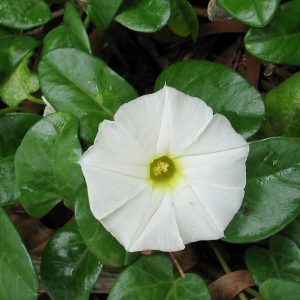
You can absolutely mix plants across these regions if your soil, drainage, and rainfall are similar. For example, desert willow and red yucca from the Chihuahuan Desert thrive on rocky slopes of the Edwards Plateau, while Gulf Coast vines like Carolina jessamine and beach morning glory are happiest near the Western Gulf Coastal Plain. You will have the easiest, lowest water success by starting with the list that matches your climate, sun, and drainage, then adding a few well chosen extras.
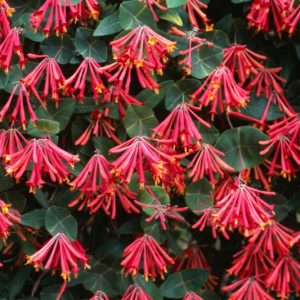
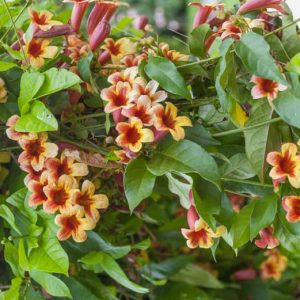
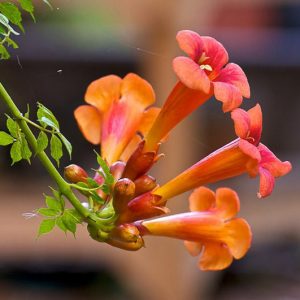
How to use this list: pick 8 to 12 native hummingbird plants that match your sun, soil, and eco-region, make sure you have spring, summer, and fall bloom, and repeat your star performers in drifts. In drier Central and western areas, lean on autumn sage, red yucca, flame acanthus, desert willow, Texas rock rose, and chocolate daisy. In the Blackland Prairies and Gulf Coast plains, pair coral honeysuckle, crossvine, Carolina jessamine, beach morning glory, and Texas lantana with salvias and columbine. Aggressive vines like trumpet vine are best reserved for big, sturdy supports or rural spaces where they have room to run.
| Plant Type | Climbers, Perennials, Shrubs, Trees |
|---|---|
| Native Plants | Southwest, Texas, United States |
| Attracts | Hummingbirds |
| Toxic to Humans | No known toxicity |
| Toxic to Cats | No known toxicity |
| Toxic to Dogs | No known toxicity |
| Toxic to Horses | No known toxicity |
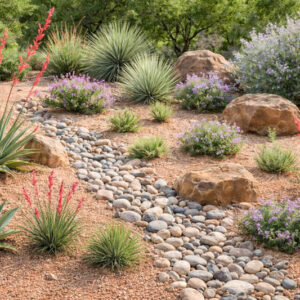
How to use this list: choose natives that like lean, rocky soils and intense sun. Combine structural plants like red yucca and desert willow with long blooming salvias and flame acanthus. In much of West Texas, many of these species respond to summer rains with heavy bloom that hummingbirds quickly find.
Use these simple combos as plug and play recipes. Once you see how busy they get, you can add even more native nectar plants and companion flowers around them.
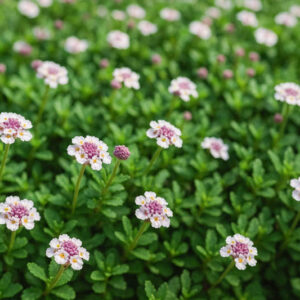
The species highlighted here share a few key traits: tubular flowers sized for hummingbird beaks, high nectar production, bloom times that line up with spring and fall migration as well as nesting season, and proven performance in Texas heat. Shrubs and small trees such as desert willow, Turk’s cap, firecracker bush, and ocotillo offer perches, cover from predators, and insect rich foraging. Companion plants like frogfruit, native milkweeds, and daisies broaden the menu for bees and butterflies while adding texture at ground level. Together they turn your yard into a resilient, multi layer habitat instead of a single season flower bed.
You do not have to redo your entire landscape at once. Start with one sunny bed, a curb strip, or a row along your fence. Add a handful of native Texas hummingbird plants that fit your eco-region, water them deeply to get them established, and watch which ones your birds love most. Next season, repeat your winners in bigger drifts, tuck a few new species between them, and layer in companion plants for bees and butterflies.
Over time, your yard becomes a reliable fueling station on the hummingbird highway across Texas, whether you are in a Dallas subdivision, a Hill Country acreage, a Houston bungalow, a Gulf Coast cottage, or an El Paso courtyard. The more we stitch these nectar rich patches together across our eco-regions, the easier we make migration and survival for these tiny powerhouses.
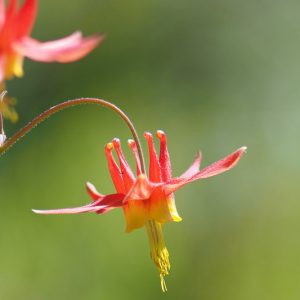
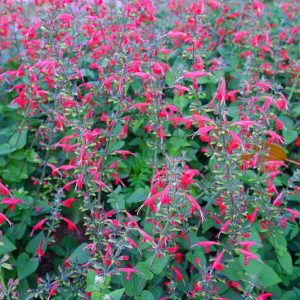
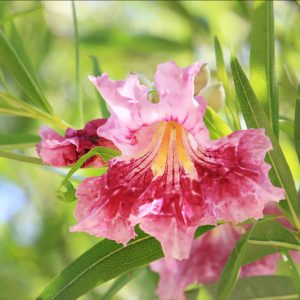
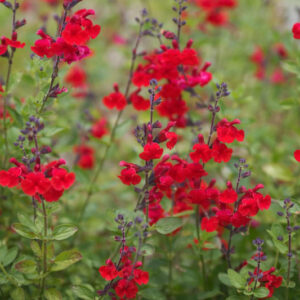
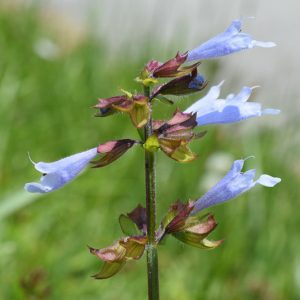
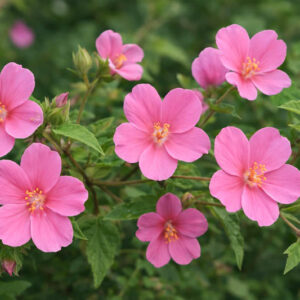
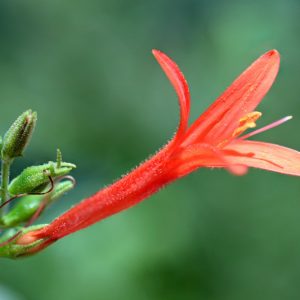
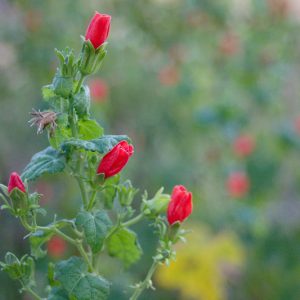
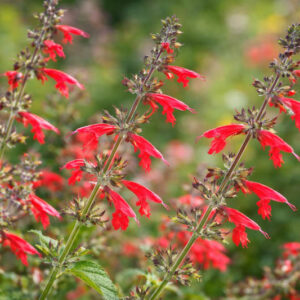
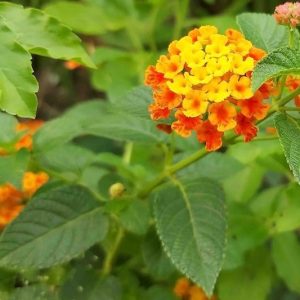
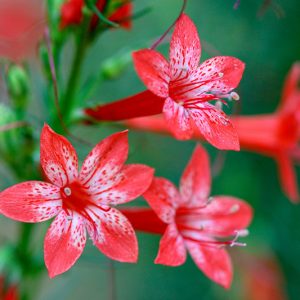
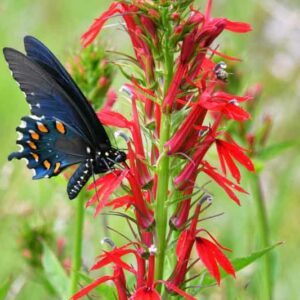
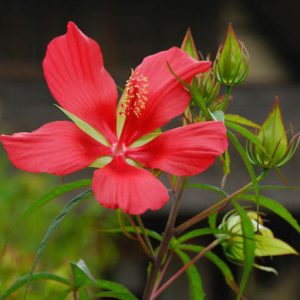
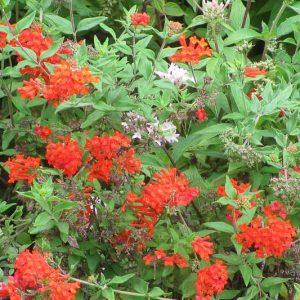
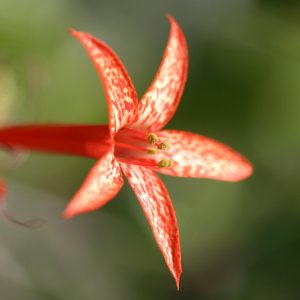
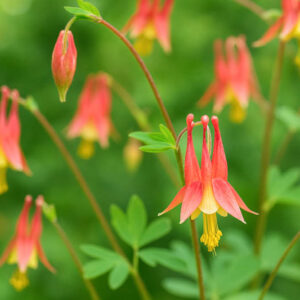
Top tier Texas natives for hummingbirds include salvias (Salvia greggii, S. coccinea, S. roemeriana), autumn and tropical sages, flame acanthus (Anisacanthus quadrifidus var. wrightii), Turk’s cap (Malvaviscus arboreus var. drummondii), red yucca (Hesperaloe parviflora), desert willow (Chilopsis linearis), trumpet honeysuckle (Lonicera sempervirens), crossvine (Bignonia capreolata), red columbine (Aquilegia canadensis), standing cypress (Ipomopsis rubra), skyrocket gilia (Ipomopsis aggregata), Texas lantana (Lantana urticoides), Texas rock rose (Pavonia lasiopetala) and firecracker bush (Bouvardia ternifolia). These species have tubular, nectar-rich flowers that match hummingbird bills and bloom heavily in Texas heat.
Native plants evolved with Texas hummingbirds and climate, so they typically produce more reliable nectar during heat, drought and local weather swings. They also host native insects that hummingbirds eat for protein, something sterile ornamentals often lack. Natives usually need less water and fertilizer once established, and they are less likely to become invasive or escape into nearby natural areas. Using natives therefore supports hummingbirds, other wildlife and regional ecosystems at the same time.
If you have a diverse mix of native hummingbird plants blooming from early spring through fall, feeders are optional. A good planting can supply all the nectar hummingbirds need, plus insects and shelter. Feeders can be useful during migration peaks or droughts, but they require frequent cleaning and fresh 1:4 sugar water to avoid mold and disease. Many gardeners prefer to treat feeders as a backup and rely on plants as the primary food source.
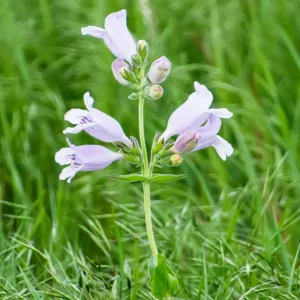
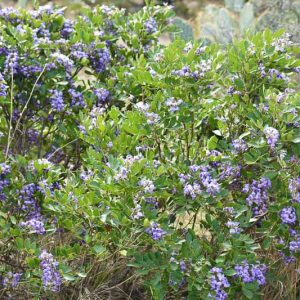
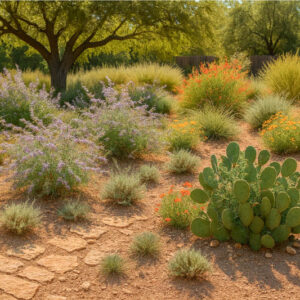
In the Hill Country, focus on drought-tolerant natives that enjoy rocky, alkaline soils and summer heat: autumn sage (Salvia greggii), cedar sage (Salvia roemeriana) for shade, flame acanthus, Turk’s cap, red yucca, Texas rock rose, Texas mountain laurel (Sophora secundiflora), desert willow, standing cypress and various native penstemons (Penstemon cobaea, P. digitalis). These plants handle thin, limestone soils and limited irrigation while blooming through the main hummingbird season. Combining sun lovers in open areas with cedar sage and columbine under oaks creates a full vertical habitat.
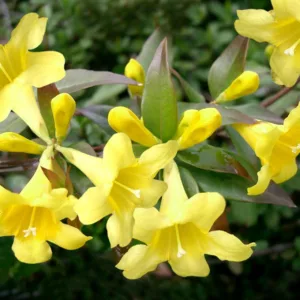
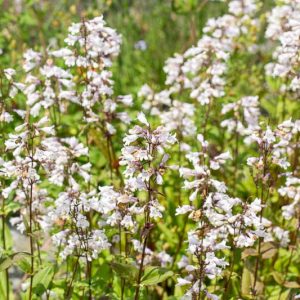
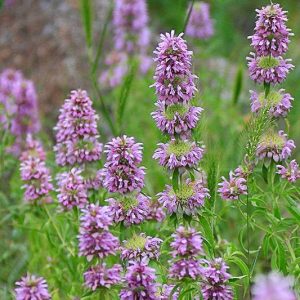
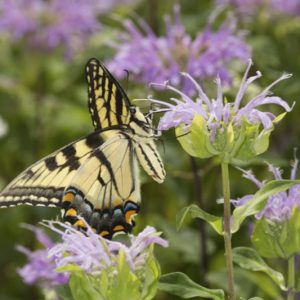
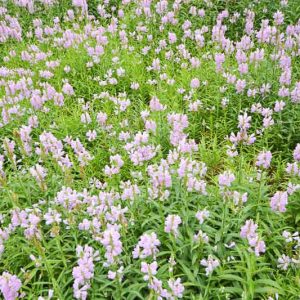
East Texas tends to be wetter, more acidic and more humid, so choose species that enjoy those conditions: trumpet honeysuckle, crossvine, Carolina jessamine (Gelsemium sempervirens), red columbine, cardinal flower (Lobelia cardinalis), obedient plant (Physostegia virginiana), Texas lantana in well-drained spots, tropical sage, and bee balms (Monarda citriodora, M. fistulosa). Many of these thrive along woodland edges, fences, and rain garden swales. They pair nicely with companion plants like frogfruit (Phyla nodiflora) and native grasses.
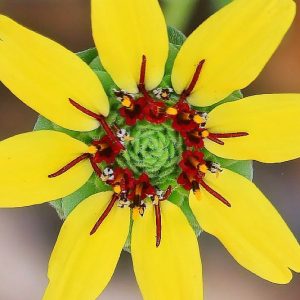
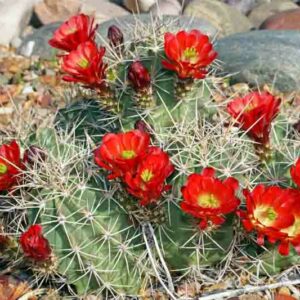
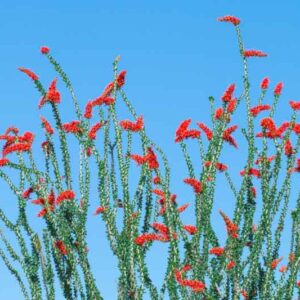
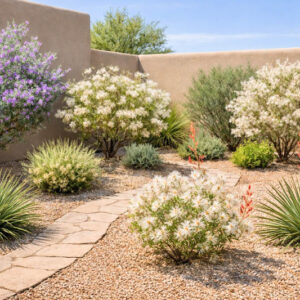
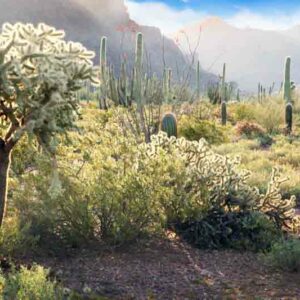
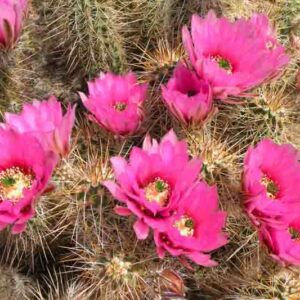
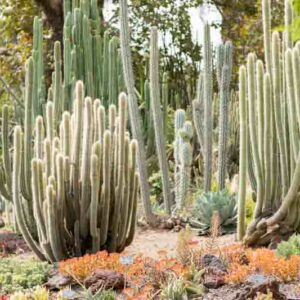
Far West Texas and the Trans-Pecos favor extreme heat, intense sun and lean, rocky soils. Excellent hummingbird plants there include red yucca, desert willow, ocotillo (Fouquieria splendens), claret-cup cactus (Echinocereus triglochidiatus), autumn sage, desert honeysuckle (Anisacanthus quadrifidus var. wrightii), skyrocket gilia, firecracker bush, chocolate daisy (Berlandiera lyrata) and Texas mountain laurel. These plants are built for drought and respond dramatically to summer rain pulses with heavy flowering that hummingbirds quickly find.
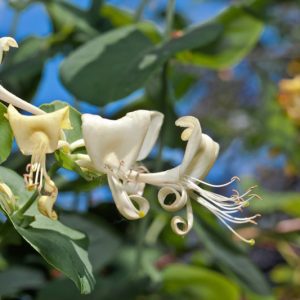
Many classic hummingbird plants prefer full sun, but several natives bloom well in partial shade or bright dappled light. Top choices include Turk’s cap, cedar sage, red columbine, white honeysuckle (Lonicera albiflora), some forms of trumpet honeysuckle, certain bee balms and, in moist shade, cardinal flower and swamp milkweed. These species work under live oaks, along north-facing fences or at the edges of woodland beds where they still get a few hours of light.
Yes. Many natives adapt well to pots if they have a deep container, drainage and consistent watering. Good container candidates include autumn sage, tropical sage, Texas betony (Stachys coccinea), Turk’s cap in a large pot, Texas rock rose, smaller clumps of red yucca, bee balms, and some vines such as trumpet honeysuckle or crossvine trained on a trellis. Use a high-quality potting mix rather than native soil, and water more frequently than you would in the ground because containers dry out faster in Texas heat.
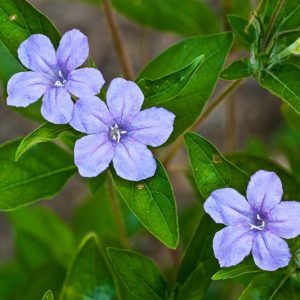
No. Hummingbirds are strongly drawn to red and orange tubular flowers because those colors stand out against foliage and many insect-pollinated flowers, but they will also visit pink, purple, blue, yellow and white blossoms if they offer enough nectar. Flower shape and nectar production matter more than color alone. For example, purple or white salvias, bee balms and penstemons can be just as attractive to hummingbirds as red versions.
Choose heat-adapted natives such as autumn sage, red yucca, flame acanthus, Turk’s cap, Texas lantana, standing cypress and Texas rock rose, then water deeply but infrequently to encourage deep roots. Mulch to moderate soil temperatures, avoid heavy fertilizer (which encourages weak leafy growth instead of flowers), and shear back reblooming species like salvias lightly after a major flush to trigger more flowering. Removing most spent stalks while leaving a few for seed and structure balances bloom and habitat value.
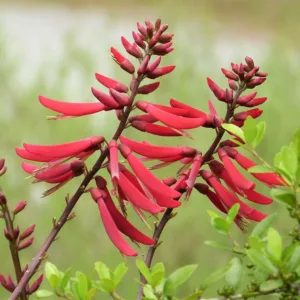
Several excellent hummingbird plants contain toxic compounds and should be handled with awareness. Carolina jessamine, coralbean (Erythrina herbacea), Texas mountain laurel and trumpet vine all have parts that can be poisonous if eaten, especially seeds and pods. This does not affect hummingbirds, which are adapted to these plants, but gardeners with small children, pets or grazing animals should site them thoughtfully and avoid chewing or handling seeds. Always wash hands after working with sap or seed pods and discourage pets from nibbling ornamentals.
In many parts of Texas, hummingbirds discover new nectar sources surprisingly quickly—often within weeks of first bloom during migration season. Birds follow regular routes through neighborhoods and key in on bright color and flower clusters, so grouping plants in noticeable patches helps. It may take a full growing season for young perennials and shrubs to reach peak bloom, so expect visitation to increase significantly in year two and three as the planting fills in.
Start with one sunny bed or border and select 6–10 species that cover spring, summer and fall bloom. Include at least one vine (such as trumpet honeysuckle or crossvine), one or two structural shrubs or small trees (like desert willow or Turk’s cap), several mid-height salvias and acanthus, and a few tall spikes such as standing cypress or skyrocket gilia. Plant in drifts rather than single specimens, provide a shallow water source with stones, and leave some dense shrubs or brush for perches and shelter. This simple structure can turn even a small yard into a reliable hummingbird stopover.
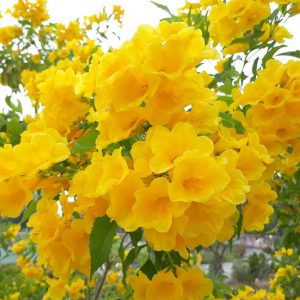
In general, northbound migration begins as early as late February on the Gulf Coast and South Texas, reaches Central Texas in March, and continues into April in North Texas and the Panhandle. Southbound migration typically peaks from late July through October, with some variation by species and latitude. Planting early-blooming species like red columbine, trumpet honeysuckle and cedar sage for spring, and strong rebloomers such as autumn sage, Turk’s cap, flame acanthus, yellow bells and desert willow for late summer and fall ensures nectar is available whenever birds pass through your region.
Updated: November 2025
| Plant Type | Climbers, Perennials, Shrubs, Trees |
|---|---|
| Native Plants | Southwest, Texas, United States |
| Attracts | Hummingbirds |
| Toxic to Humans | No known toxicity |
| Toxic to Cats | No known toxicity |
| Toxic to Dogs | No known toxicity |
| Toxic to Horses | No known toxicity |
Create a membership account to save your garden designs and to view them on any device.
Becoming a contributing member of Gardenia is easy and can be done in just a few minutes. If you provide us with your name, email address and the payment of a modest $25 annual membership fee, you will become a full member, enabling you to design and save up to 25 of your garden design ideas.
Join now and start creating your dream garden!
Create a membership account to save your garden designs and to view them on any device.
Becoming a contributing member of Gardenia is easy and can be done in just a few minutes. If you provide us with your name, email address and the payment of a modest $25 annual membership fee, you will become a full member, enabling you to design and save up to 25 of your garden design ideas.
Join now and start creating your dream garden!