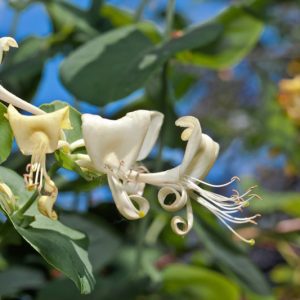
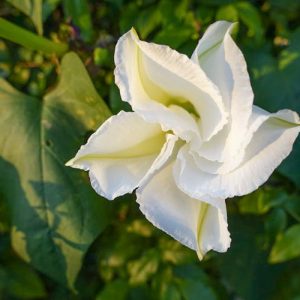
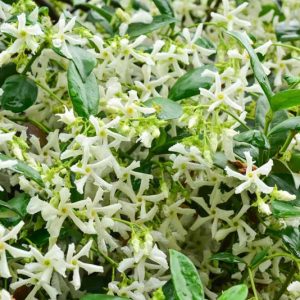
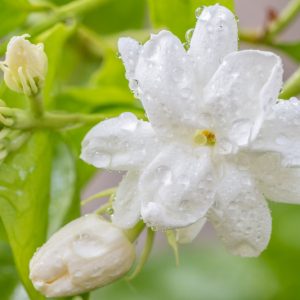
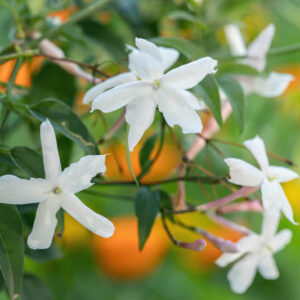
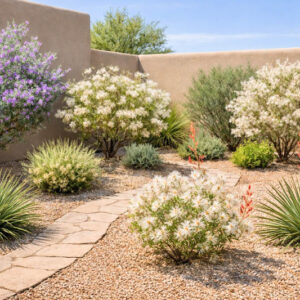
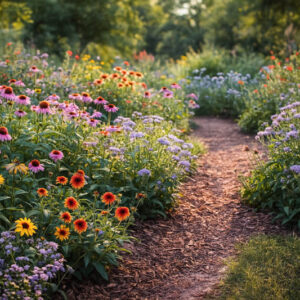
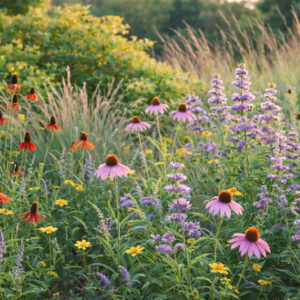
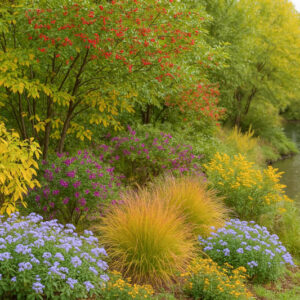
Want your Texas yard to smell incredible, not just look decent? Fill it with fragrant, heat-tough plants that bloom for months and shrug off drought. From grape-scented Texas mountain laurel to star jasmine and rosemary, you can create a richly scented path, porch, or patio in any region of the state.
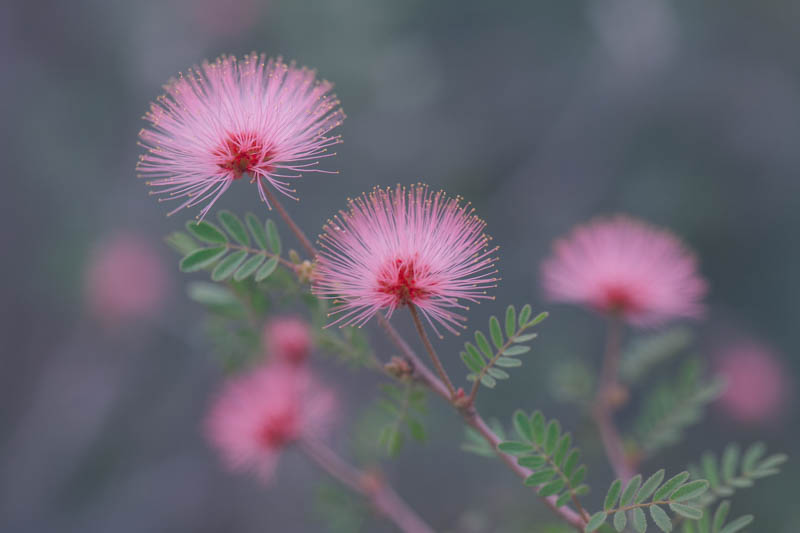


When the air finally cools down in the evening and you step outside in Texas, nothing beats being greeted by the scent of flowers, herbs, and blooming shrubs. A well planned Texas garden does not just look good, it smells amazing too. The trick is choosing Texas fragrant plants that can handle heat, drought, weird cold snaps, and still pump out perfume around doors, patios, porches, and paths.
This guide walks through fragrant shrubs, trees, vines, perennials, and herbs for Texas, so your yard smells good almost year round.
You can plant fragrant flowers almost anywhere in Texas, but some species shine more in certain regions. Use this quick table to match your area with reliable Texas fragrant plants for sun and part shade.
| Texas Region | Fragrance Challenges | Good Fragrant Plant Fits |
|---|---|---|
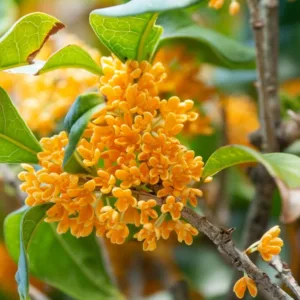
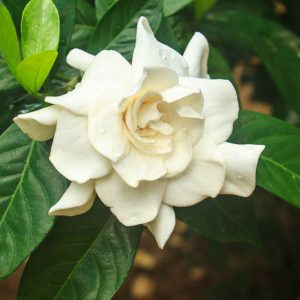
| Gulf Coast and Coastal Bend | Humidity, salt air, and mild winters. Fragrance hangs in the air beautifully but plants must handle soggy spells and heat. | Star / Confederate jasmine (Trachelospermum jasminoides), sweet olive (Osmanthus fragrans), gardenia (Gardenia jasminoides), night-blooming jasmine (Cestrum nocturnum), rosemary (Salvia rosmarinus). |
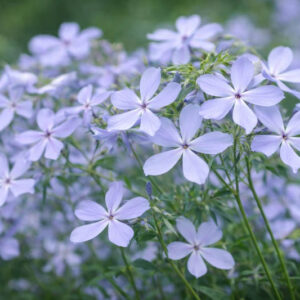
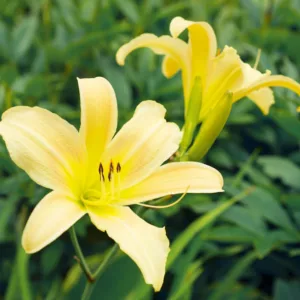
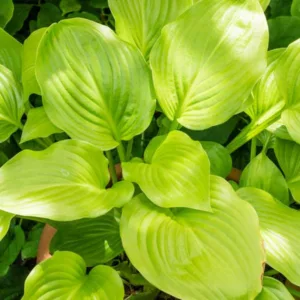
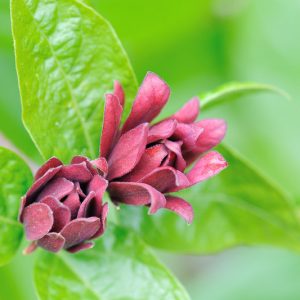
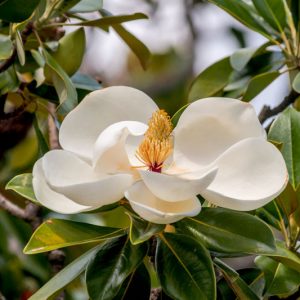
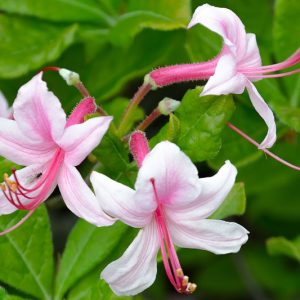
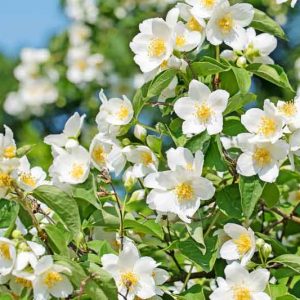
| East Texas Pineywoods | Acidic soils, woodland edges, and part shade. Fragrance drifts through tall pines on still evenings. | Sweetshrub (Calycanthus floridus), mock orange (Philadelphus coronarius), sweet olive (Osmanthus fragrans), fragrant native azaleas such as mountain azalea (Rhododendron canescens), Southern magnolia (Magnolia grandiflora), woodland phlox (Phlox divaricata), hosta ‘Plantaginea’ (Hosta plantaginea), and fragrant herbs in sunny clearings. |
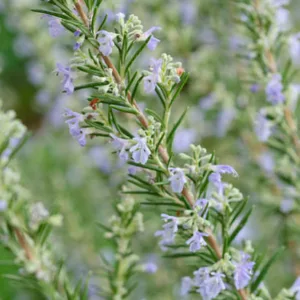
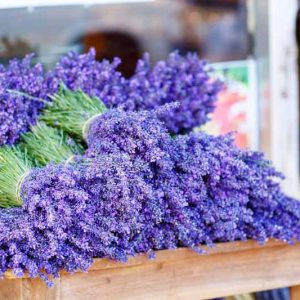
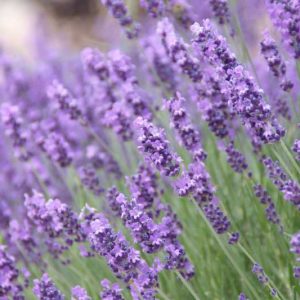
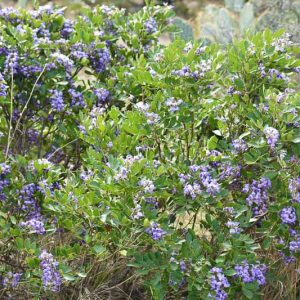
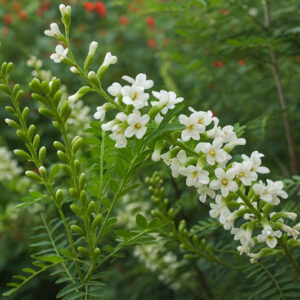
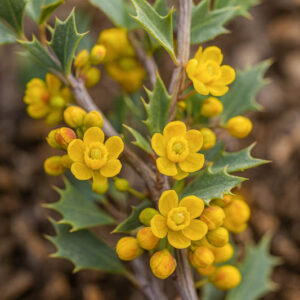
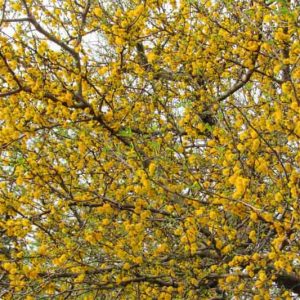
| Central Texas and Hill Country | Thin rocky soils over limestone, blazing sun, and periodic drought. | Texas mountain laurel (Sophora secundiflora), Texas kidneywood (Eysenhardtia texana), agarita (Mahonia trifoliolata), whitebrush (Aloysia gratissima), sweet acacia (Acacia farnesiana), Texas sage for resinous scent when brushed (Leucophyllum frutescens), almond verbena (Aloysia virgata), rosemary (Salvia rosmarinus), and lavender (Lavandula angustifolia, Lavandula × intermedia) in well drained beds. |
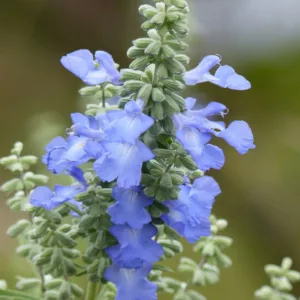
| Blackland Prairie and North Central Texas | Heavy clay soils that swing from soggy to cracked. Hot summers, cold fronts in winter. | Earth-Kind roses (Rosa spp.), fragrant salvias such as blue sage (Salvia azurea) and rosemary (Salvia rosmarinus), Texas mountain laurel (Sophora secundiflora) on mounds, star jasmine (Trachelospermum jasminoides) on fences, mock orange (Philadelphus spp.), fragrant viburnums including Viburnum rufidulum, V. carlesii, and V. × burkwoodii, and aromatic herbs in raised beds. |
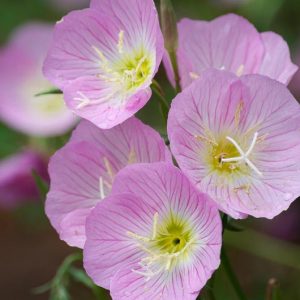
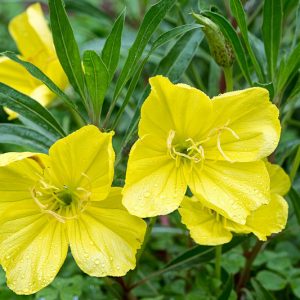
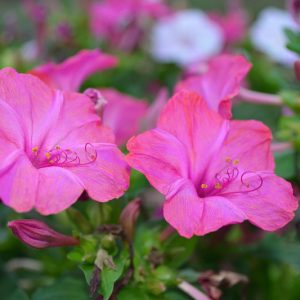
| High Plains and West Texas | High light, low humidity, wind, and fast draining soils. | Lavender (Lavandula angustifolia, Lavandula × intermedia), rosemary (Salvia rosmarinus), Texas sage (Leucophyllum frutescens) for scent when brushed, moonflower vine (Ipomoea alba), four o’clocks (Mirabilis jalapa), evening primroses such as Oenothera speciosa and Oenothera macrocarpa, and fragrant desert shrubs near patios such as whitebrush (Aloysia gratissima), sweet acacia (Vachellia farnesiana), agarita (Mahonia trifoliolata), Texas kidneywood (Eysenhardtia texana), and Texas mountain laurel (Sophora secundiflora). |
Wherever you are, the basic recipe is the same: choose fragrant plants that match your sun, soil, and water, and place them where you actually walk and sit.
| Hardiness |
6 - 10 |
|---|---|
| Plant Type | Climbers, Perennials, Shrubs, Trees |
| Characteristics | Fragrant |
| Native Plants | United States, Southwest, Texas |
| Toxic to Humans | No known toxicity |
| Toxic to Cats | No known toxicity |
| Toxic to Dogs | No known toxicity |
| Toxic to Horses | No known toxicity |
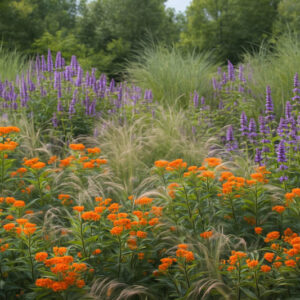
Instead of scattering scented plants randomly, group them into small, easy to copy planting recipes. Here are a few simple layouts you can drop into most Texas yards.
For an entry bed or front walk near the door, try:
This simple combo makes every arrival and departure smell amazing and keeps your best fragrant plants for Texas front yards right where you enjoy them.
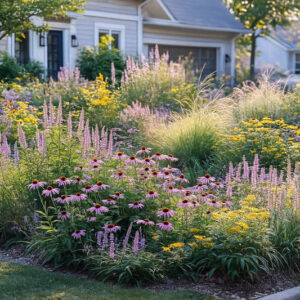
For a small sitting area, concrete slab, or deck, build fragrance around where you actually sit in the cool of the evening:
As the sun drops, flowers open and fragrance intensifies, turning a plain slab into a night scented retreat.
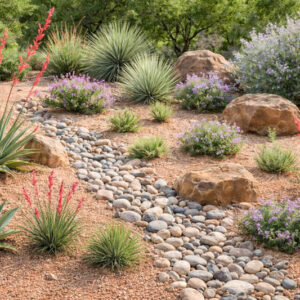
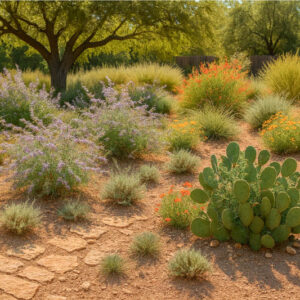
In a sunny, rocky corner of a Central Texas yard, create a low water fragrant bed with mostly natives:
This kind of planting looks natural in rocky, sloped yards and pulls in pollinators as well as people.
A Texas fragrant garden does not have to be complicated. Start with two or three fragrant shrubs or small trees that fit your region, add a couple of fragrant vines on fences or arches, and tuck herbs and night scented perennials into pots and borders close to where you live your life.
Think about when you are outside most. If it is evenings after work, emphasize moonflower vine, four o’clocks, evening primroses, star jasmine, night-blooming jasmine, and other night scented natives and exotics. If you spend more time outside on weekend mornings, focus on Texas mountain laurel, whitebrush, rosemary, lavender, sweet olive, and woodland phlox.
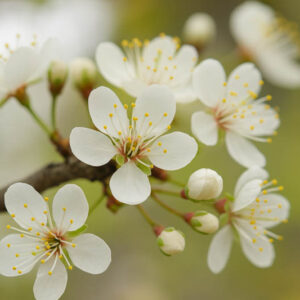
Map your sun and soil, pick plants from each category that match those conditions, and cluster them where noses and feet naturally travel. With a little planning, your Texas yard can smell as good as it looks, from the first mountain laurel and Mexican plum blooms in spring all the way through rosemary, lavender, and jasmine nights in fall.
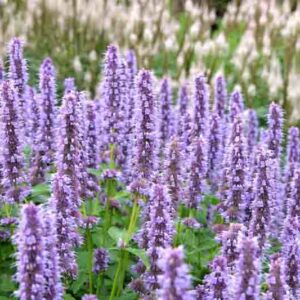
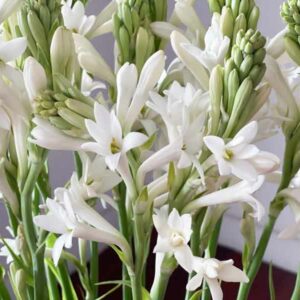
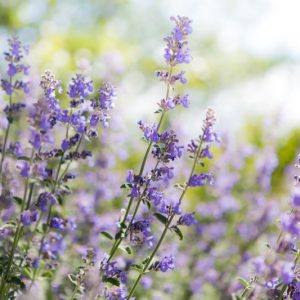
For hot, sunny spots, try Texas mountain laurel, Texas kidneywood, agarita, whitebrush, sweet acacia, rosemary, star jasmine, lavender, catmint, anise hyssop, tuberose, and fragrant salvias. These handle heat and sun while still delivering strong scent when they bloom.
Yes. In morning sun and afternoon shade, look for woodland phlox, sweetshrub, mock orange, tea olive, some Earth-Kind roses, Southern magnolia, and star jasmine. Fragrance may be softer than in full sun, but the flowers often last longer in the cooler light.
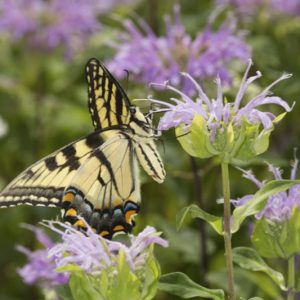
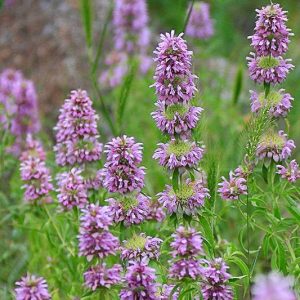
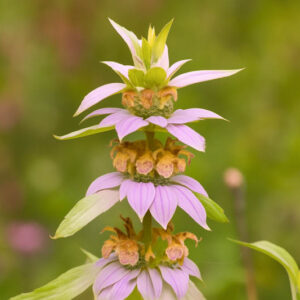
Some of the best Texas native fragrant plants include Texas mountain laurel, Texas kidneywood, agarita, whitebrush, sweet acacia, Mexican plum, certain evening primroses, native mountain mints and beebalms, Carolina jessamine, and woodland phlox. Combining these with adapted herbs and shrubs gives you fragrance plus strong wildlife value.
Give herbs full sun in the morning, good drainage, and consistent deep watering. In the hottest regions, a bit of afternoon shade helps basil and some tender herbs. Mulch lightly around the base, but keep mulch off stems to prevent rot, and avoid letting containers bake dry.
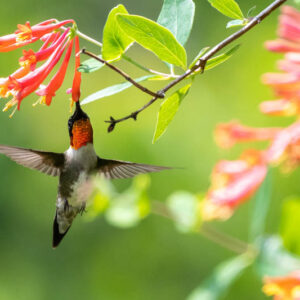
Fragrance usually attracts the good guys: bees, butterflies, hummingbirds, and moths. Some herbs like rosemary, lavender, and mountain mint even help repel certain pests. You may see a few caterpillars or leaf damage, but that is often a sign your garden is feeding the local ecosystem.
Texas A&M AgriLife Extension – Practical, research-based guidance on managing Texas soils, improving heavy clay, and growing vegetables and ornamentals statewide. Key resources include:
Lady Bird Johnson Wildflower Center – A comprehensive native plant database for North America, with detailed profiles for thousands of Texas-native grasses, perennials, shrubs, vines, and trees.
Native Plant Society of Texas (NPSOT) – Regional native plant lists, chapters, and programs that help you refine plant choices for your specific part of Texas.
Updated: November 2025 Reviewed by Gardenia Editors
| Hardiness |
6 - 10 |
|---|---|
| Plant Type | Climbers, Perennials, Shrubs, Trees |
| Characteristics | Fragrant |
| Native Plants | United States, Southwest, Texas |
| Toxic to Humans | No known toxicity |
| Toxic to Cats | No known toxicity |
| Toxic to Dogs | No known toxicity |
| Toxic to Horses | No known toxicity |
Create a membership account to save your garden designs and to view them on any device.
Becoming a contributing member of Gardenia is easy and can be done in just a few minutes. If you provide us with your name, email address and the payment of a modest $25 annual membership fee, you will become a full member, enabling you to design and save up to 25 of your garden design ideas.
Join now and start creating your dream garden!
Create a membership account to save your garden designs and to view them on any device.
Becoming a contributing member of Gardenia is easy and can be done in just a few minutes. If you provide us with your name, email address and the payment of a modest $25 annual membership fee, you will become a full member, enabling you to design and save up to 25 of your garden design ideas.
Join now and start creating your dream garden!