Texas Kidneywood, Kidneywood, Bee-brush, Vara Dulce, Texas Bee-brush, Texas Kidney Bush.
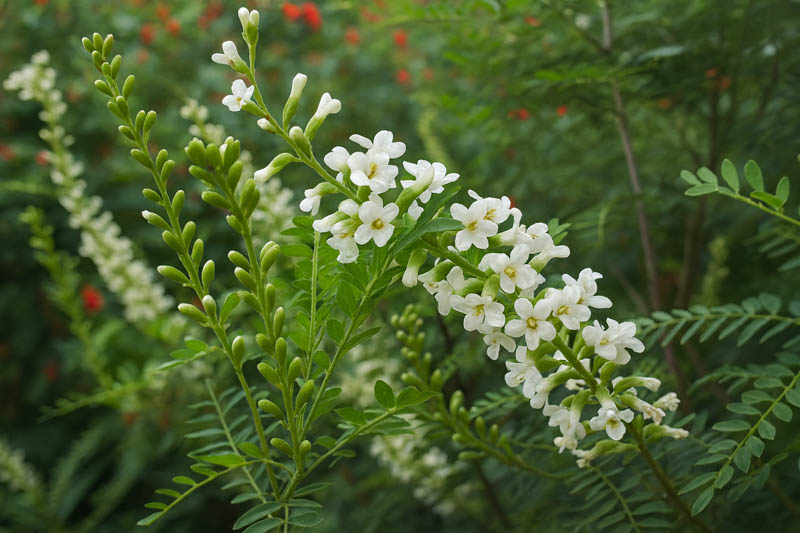


If you garden in blasting sun, thin limestone soil, and long stretches without rain, Eysenhardtia texana may be your new signature shrub. Known as Texas kidneywood, bee brush, or kidneywood shrub, this airy Texas native covers itself with fragrant white flower spikes that bees, butterflies, and even bats adore. It thrives on rocky hillsides, caliche slopes, and dry ranchland from Central and South Texas into Mexico, where softer plants simply give up.
Summary: Open, airy native shrub or small tree for hot, dry, limestone based landscapes in Central and South Texas and similar climates.
Use: Xeriscapes, pollinator gardens, fragrance gardens, native hedges, wildlife friendly ranch and acreage plantings.
Highlight: Masses of fragrant white flower spikes from late spring into fall that pull in bees, butterflies, and other pollinators from all around.
Note: A tough, drought tolerant shrub that loves calcareous, rocky soils and pairs beautifully with sotol, agave, blackfoot daisy, and native grasses.
| Botanical Name | Eysenhardtia texana Scheele |
|---|---|
| Family | Fabaceae (pea or legume family) |
| Common Names | Texas kidneywood, kidneywood, bee brush, Texas kidney bush |
| Native Range | Central and South Texas into northeastern and central Mexico, especially rocky limestone hills, canyons, and brushy chaparral on dry, calcareous soils. |
| Plant Type and Habit | Deciduous to drought deciduous shrub or small multi trunked tree with open, airy branching and finely divided leaves |
| Hardiness (USDA) | Roughly Zones 8 to 10, hardy in heat and short cold snaps when drainage is sharp |
| Size | Commonly 6 to 10 ft tall and 4 to 8 ft wide; can reach 12 to 15 ft in ideal conditions |
| Sun and Exposure | Full sun to light shade; more sun gives denser growth and heavier flowering |
| Soil | Thrives in well drained, alkaline, rocky or gravelly soils, including limestone and caliche; adapts to sandy or even clay soils if drainage is good |
| Seasonal Interest | Sweetly fragrant white flower spikes from late spring through fall, especially after rain; aromatic foliage and seed pods for extra texture |
| Primary Uses | Backbone shrub in xeriscapes, pollinator hedges, wildlife gardens, ranch windbreaks, and small native trees for tight urban spaces |
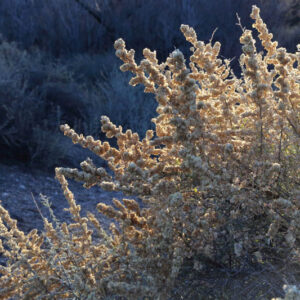
Texas kidneywood is a deciduous native shrub or small tree with a relaxed, see through form that looks right at home in a wild Texas landscape. Multiple slender trunks carry open, branching stems lined with tiny, compound leaflets. From a distance the foliage reads as fine, lacey, and light green.
When flowering season hits, the whole plant lights up with slender white flower spikes at the tips of new growth. Each spike is packed with tiny, pea family blossoms that pump out a rich, sweet fragrance. On warm evenings you will often smell bee brush before you even see it.
Crush a leaf and you get an instant hit of citrusy, resinous scent. That aromatic foliage is not only pleasant for people, but also part of kidneywood shrub lore as a traditional medicinal plant in parts of its range.
Eysenhardtia texana is found in Central and South Texas southward into northeastern and central Mexico. In the wild it grows on:
This tough environment explains why Texas kidneywood is so well suited to xeriscapes, native ranch plantings, and low water urban gardens with hot sun and poor soil.
In gardens, Texas kidneywood typically matures between 6 and 10 feet tall, sometimes a bit more in rich soil or with irrigation. Spread is usually 4 to 8 feet wide. The effect is that of a small, informal tree or large shrub with multiple trunks and an airy canopy.
Growth rate is fast. With some supplemental water in the first years, plants usually reach a useful size in two to three seasons. After that they slow down, concentrating on flowering and thickening their branch framework.
Because the branching is open, Texas kidneywood lets light through to lower perennials and grasses. It is perfect when you want a light shade canopy that does not throw your whole bed into darkness.
The flowers of Eysenhardtia texana are its calling card. Small white blossoms are packed on 3 to 4 inch spikes that appear at the tips of new growth from late spring through fall, often in response to rain. In a good year a mature plant can be studded with hundreds of glowing white candles.
The scent is sweet and intense, especially in the evening and after a shower. Texas Fragrant Plants: Top Picks for Yards, Patios, and Porches
After flowering, Texas kidneywood forms short, flat, brown seed pods. These pods add subtle texture and provide food for wildlife while also contributing seed for natural regeneration in wild landscapes.
The foliage of Texas kidneywood is divided into many tiny leaflets, giving the whole plant a delicate, ferny texture that moves with every breeze. The leaves are drought deciduous, which means the plant may drop some or all of its foliage in extreme drought and then leaf back out with rain.
Both leaves and young stems are dotted with glands that release a strong citrus or resin fragrance when touched or crushed. Gardeners often describe it as a clean, herbal, lemonade like scent. This makes bee brush an excellent candidate near paths, patios, or seating areas where people will brush against it.
Texas kidneywood is built for heat. It thrives in areas with hot summers, strong sun, and low to moderate humidity. In most references it is considered hardy in USDA Zones 8 to 10 when planted in well drained soil.
In its native range it tolerates periods of freezing weather without issue, especially when planted on slopes or raised ground where winter moisture does not linger. Extended wet and cold combined can be harder on the plant than cold alone.
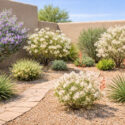
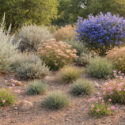
Texas kidneywood is surprisingly versatile for such a rugged plant. You can use this shrub or small tree in many ways:
There is a reason one of the common names is bee brush. The long blooming, nectar rich flower spikes are magnets for:
That insect traffic, in turn, supports birds, lizards, and bats that hunt around flowering Texas kidneywood shrubs. In a diverse native planting, kidneywood functions as a keystone pollinator shrub that helps keep the whole system buzzing. Texas Butterfly Host Plants: Build a Garden That Raises Butterflies
Drought tolerance is one of the strongest reasons to grow Eysenhardtia texana. In nature it survives on seasonal rains and long dry periods without irrigation. Once established in the garden, it can usually coast through a typical Texas summer with little or no supplemental water. Best Drought-Tolerant Texas Plants for Truly Stunning Xeriscapes
In very severe drought, Texas kidneywood may drop its leaves temporarily to conserve moisture. Do not panic. As long as the stems remain green and flexible, it will usually refoliate once rain returns.
Deer may browse young growth, especially in rural or high-pressure areas. In many home gardens it’s not their first choice, but protect new plants.
In typical landscape use, Eysenhardtia texana is not considered highly toxic to people, pets, or wildlife. It does contain aromatic compounds associated with traditional herbal uses, so it should still be treated as an ornamental plant, not food. Normal handling, pruning, and casual contact are fine. Discourage children and pets from chewing stems or leaves, and consult a medical professional or veterinarian if significant accidental ingestion occurs.
Despite its toughness, Texas kidneywood is not regarded as invasive. It grows as a clumping shrub or small tree, without running roots or aggressive suckers. Seedlings may occasionally appear near mature plants but are easy to remove or transplant. Within its native range, it fits naturally into xeriscapes and wildlife gardens without overwhelming neighboring species, making it a safe choice for eco friendly, drought tolerant designs.
Plant Texas kidneywood in full sun to light shade. At least six hours of direct sun will give the best flower production and compact growth. In too much shade, the shrub can become thin and flower less heavily.
Soil drainage is the top priority. Texas kidneywood thrives in:
Heavy clay that holds water is the main enemy. If that is what you have, plant on a berm or hillside and work in chunky mineral material like decomposed granite or gravel to improve drainage.
Think deep and infrequent, not little and often. Shallow, frequent watering encourages surface roots and weak growth. Deep, occasional soaking encourages strong, drought proof roots that can chase moisture between rocks.
Use this simple schedule to build deep, resilient roots:
As a legume, Texas kidneywood can work with soil microbes to access nitrogen and does not need rich soil or heavy feeding.
Mulch is helpful to get kidneywood established, but choose the right kind:
Texas kidneywood is naturally graceful and needs very little pruning. Focus on light shaping and renewal, not hard shearing.
Texas kidneywood can be started from seed, though patience helps. The hard seed coat may benefit from scarification or soaking in warm water overnight. Sow in a well drained, gritty mix and keep just barely moist until germination.
Semi hardwood cuttings taken in late spring or summer may root under mist with bottom heat. This can be a bit technical for home gardeners, so many people simply purchase container grown plants from native plant nurseries and water wise garden centers.
When matched with its preferred hot, dry conditions, Texas kidneywood is usually trouble free.
Texas kidneywood (Eysenhardtia texana) is a deciduous native shrub or small tree in the pea family. It has fine, divided leaves, multiple slender trunks, and fragrant white flower spikes from late spring into fall. It’s naturally adapted to hot, dry, rocky sites and is prized for its scent, pollinator value, and drought tolerance.
In typical garden conditions, Texas kidneywood grows 6 to 10 feet tall and about 4 to 8 feet wide. In ideal sites with good drainage and occasional irrigation, it can sometimes reach 12 to 15 feet and take on more of a small tree form with multiple trunks.
Texas kidneywood is deciduous to drought-deciduous. It usually drops its leaves in winter, then leafs out again in spring. In very dry conditions it may shed leaves early to conserve moisture and then refoliate when rains return and temperatures are favorable.
Yes. Texas kidneywood is highly drought tolerant once established. It evolved in hot, dry habitats and prefers deep, infrequent watering over frequent light irrigation. After the first year or two, many gardeners give it little or no supplemental water except during extreme drought
Texas kidneywood typically blooms from late spring through summer and into early fall, often with multiple flushes. Flowering is often triggered or boosted by warm weather followed by rain or deep watering. In bloom, the shrub is covered in fragrant white flower spikes at the tips of new growth.
Texas kidneywood can be grown in a large container for several years if you provide very sharp drainage and full sun. Use a gritty, fast-draining mix and avoid overwatering. Over time, the plant may outgrow the pot or become stressed, so it generally performs best planted in the ground.
Yes. Because it stays in the small tree or large shrub size range and has a see-through canopy, Texas kidneywood fits well in modest urban yards. It can be trained as a compact patio tree or used as a vertical accent that still allows light to reach perennials and grasses beneath it.
Updated: November 2025 • Reviewed by Gardenia Editors
| Hardiness |
8 - 10 |
|---|---|
| Plant Type | Shrubs, Trees |
| Plant Family | Fabaceae |
| Exposure | Full Sun, Partial Sun |
| Season of Interest | Spring (Late), Summer (Early, Mid, Late), Fall |
| Height | 6' - 15' (180cm - 4.6m) |
| Spread | 4' - 8' (120cm - 240cm) |
| Spacing | 48" - 96" (120cm - 240cm) |
| Maintenance | Low |
| Water Needs | Low |
| Soil Type | Chalk, Clay, Loam, Sand |
| Soil pH | Acid, Alkaline, Neutral |
| Soil Drainage | Well-Drained |
| Characteristics | Showy, Fragrant |
| Native Plants | United States, Southwest, Texas |
| Tolerances | Drought, Dry Soil |
| Attracts | Bees, Butterflies |
| Garden Uses | Beds And Borders, Hedges And Screens |
| Garden Styles | Gravel and Rock Garden, Informal and Cottage, Prairie and Meadow |
| Toxic to Humans | No known toxicity |
| Toxic to Cats | No known toxicity |
| Toxic to Dogs | No known toxicity |
| Toxic to Horses | No known toxicity |


| Hardiness |
8 - 10 |
|---|---|
| Plant Type | Shrubs, Trees |
| Plant Family | Fabaceae |
| Exposure | Full Sun, Partial Sun |
| Season of Interest | Spring (Late), Summer (Early, Mid, Late), Fall |
| Height | 6' - 15' (180cm - 4.6m) |
| Spread | 4' - 8' (120cm - 240cm) |
| Spacing | 48" - 96" (120cm - 240cm) |
| Maintenance | Low |
| Water Needs | Low |
| Soil Type | Chalk, Clay, Loam, Sand |
| Soil pH | Acid, Alkaline, Neutral |
| Soil Drainage | Well-Drained |
| Characteristics | Showy, Fragrant |
| Native Plants | United States, Southwest, Texas |
| Tolerances | Drought, Dry Soil |
| Attracts | Bees, Butterflies |
| Garden Uses | Beds And Borders, Hedges And Screens |
| Garden Styles | Gravel and Rock Garden, Informal and Cottage, Prairie and Meadow |
| Toxic to Humans | No known toxicity |
| Toxic to Cats | No known toxicity |
| Toxic to Dogs | No known toxicity |
| Toxic to Horses | No known toxicity |
How many Eysenhardtia texana (Texas Kidneywood) do I need for my garden?
| Plant | Quantity | |
|---|---|---|
| Eysenhardtia texana (Texas Kidneywood) | N/A | Buy Plants |
Create a membership account to save your garden designs and to view them on any device.
Becoming a contributing member of Gardenia is easy and can be done in just a few minutes. If you provide us with your name, email address and the payment of a modest $25 annual membership fee, you will become a full member, enabling you to design and save up to 25 of your garden design ideas.
Join now and start creating your dream garden!
Create a membership account to save your garden designs and to view them on any device.
Becoming a contributing member of Gardenia is easy and can be done in just a few minutes. If you provide us with your name, email address and the payment of a modest $25 annual membership fee, you will become a full member, enabling you to design and save up to 25 of your garden design ideas.
Join now and start creating your dream garden!