Cedar Elm, Texas Cedar Elm, Basket Elm, Fall Elm, Scrub Elm, Lime Elm, Southern Rock Elm, Red Elm, Olmo, Ulmus texensis, Ulmus basketifolia
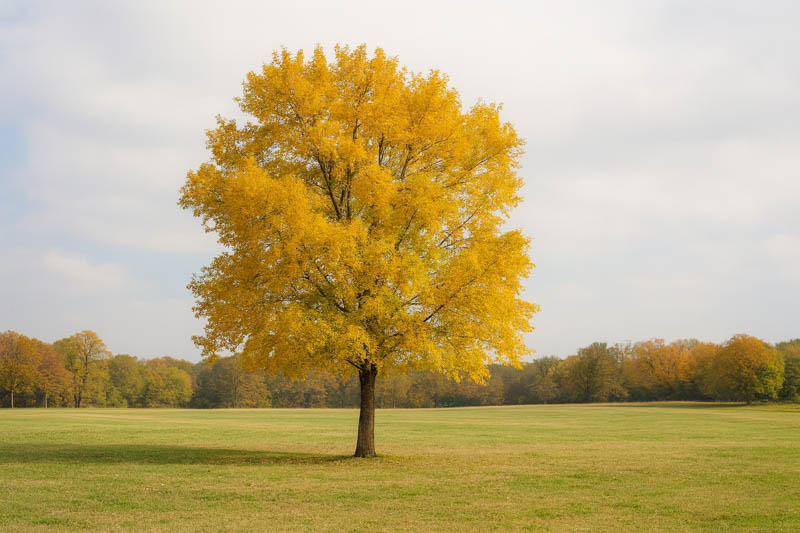


If you need a shade tree that shrugs off heat, wind, clay soil, and city life, Ulmus crassifolia is your ally. Commonly called cedar elm, this rugged native covers itself in a fine mist of green leaves in spring, throws cool, dappled shade all summer, then glows with golden fall color. It is one of the best Texas and Southern Plains shade trees for sidewalks, small front yards, ranch entries, and tough urban sites where fussier trees struggle.
Summary: Native shade tree for hot summers, clay soils, compacted ground, and urban conditions. Fine textured foliage, strong branching, and reliable fall color.
Use: Street tree, Texas native landscapes, ranch entries, parks, school yards, large gardens, and urban parking lot islands.
Highlight: Tough, adaptable, and drought tolerant once established, with golden yellow fall foliage and excellent shade.
Note: More tolerant of heat, drought, and soil challenges than many other elms, but still benefits from good siting and care.
| Botanical Name | Ulmus crassifolia |
|---|---|
| Family | Ulmaceae (elm family) |
| Common Names | Cedar elm, basket elm, Texas cedar elm |
| Native Range | South central United States and northern Mexico, especially Texas and the Southern Plains |
| Plant Type and Habit | Medium sized deciduous tree with upright to spreading habit and dense, rounded crown |
| Hardiness (USDA) | Zones 6 to 9 |
| Size | Commonly 50 to 70 ft tall and 40 to 60 ft wide, sometimes larger in ideal sites |
| Sun and Exposure | Full sun for best growth and dense crown |
| Soil | Adaptable to clay, loam, or shallow rocky soils, including alkaline and compacted ground, as long as drainage is reasonable |
| Seasonal Interest | Fine textured green canopy in summer, yellow fall color, rugged bark and branching in winter |
| Primary Uses | Shade tree, street tree, parking lot tree, native restoration, windbreaks, and wildlife friendly plantings |
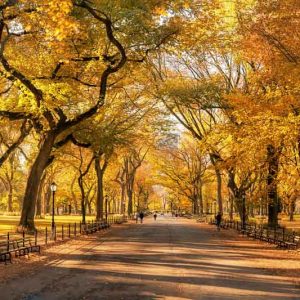
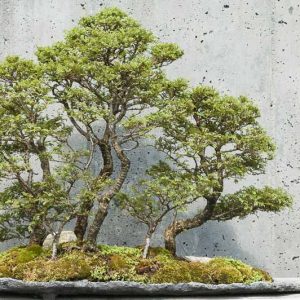
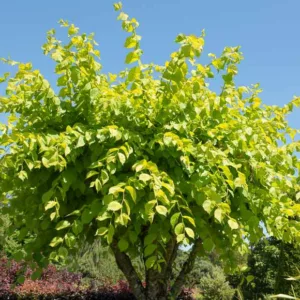
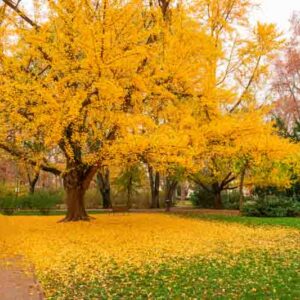
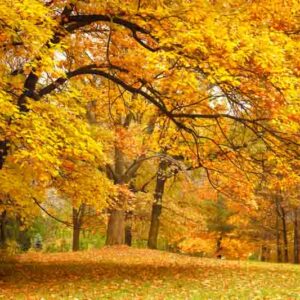
Cedar elm is a medium sized deciduous tree that feels both graceful and tough. It typically forms a dense, rounded to oval crown with ascending main branches and a network of finely divided twigs. The foliage is made up of small, rough textured leaves that create a soft, filtered shade that lawns, people, and underplantings appreciate. From a distance, the canopy reads as a gentle green dome in summer that turns warm golden yellow in fall.
The Elm tree belongs to the Ulmaceae family, which includes Slippery Elm (Ulmus rubra), Chinese Elm (Ulmus parvifolia), American Elm (Ulmus Americana), Cedar Elm (Ulmus crassifolia), Siberian Elm (Ulmus pumila), and Japanese Zelkova (Zelkova serrata).
Ulmus crassifolia is native to south central North America, especially Texas, Oklahoma, Arkansas, Louisiana, and northern Mexico. In the wild, cedar elm grows along streams, on rocky slopes, in bottomlands that dry between floods, and in mixed woodlands with junipers and oaks. This wide ecological range explains its reputation as one of the most adaptable native shade trees for hot summers and tough soils. Discover the Best Native Trees for Every Texas Region
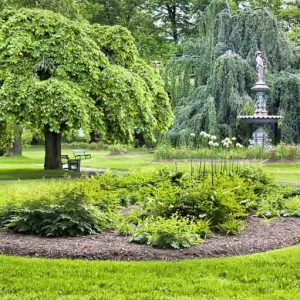
Cedar elm usually matures around 50 to 70 ft tall and 40 to 60 ft wide, with a sturdy trunk and a well branched canopy. In open landscapes it may develop a more spreading, rounded crown, while in streets and tighter spaces it maintains a narrower, upright habit. Growth is moderate once established, fast enough to provide useful shade in a reasonable time but not so fast that wood becomes weak and brittle if properly pruned.
Cedar elm is also a long lived shade tree. In typical landscapes it can perform well for many decades, and in favorable sites with good structure and care, mature specimens may live 70 years or more.
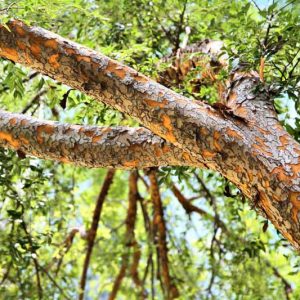
The bark is another asset. Young stems are smooth and gray brown, gradually becoming deeply furrowed and ridged with age. The rugged bark adds winter interest and gives older cedar elms a quietly majestic look, especially when highlighted by low afternoon light.
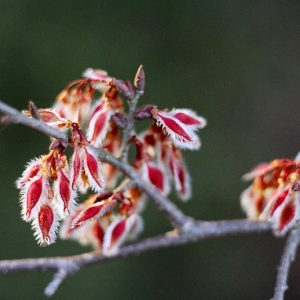
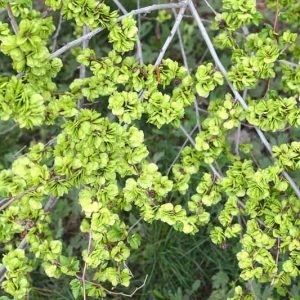
Flowers are tiny and not a major ornamental feature. Like many elms, cedar elm produces small, inconspicuous greenish flowers that appear in late summer or early fall, depending on climate. They are wind pollinated rather than showy pollinator magnets, but they mark the start of seed production and seasonal transitions.
After flowering, cedar elm develops small, flat winged seeds called samaras. These ripen and fall in autumn. The seed crop can provide light seasonal food for birds and small mammals and may result in seedlings in nearby beds or natural areas. In most gardens, volunteers are easy to pull or transplant when small.
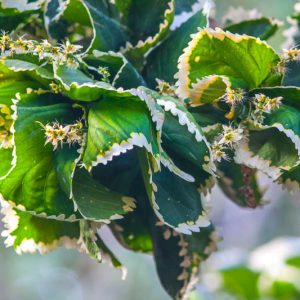
Leaves of cedar elm are small by elm standards, usually rough to the touch, oblong to oval, and finely serrated along the edges. The upper surface is dark to medium green and slightly glossy, while the underside is paler. This fine texture breaks up strong sunlight and creates a pleasant, dappled shade. In fall, foliage typically turns clear yellow to golden tones, often with an extended color season in mild climates.
Cedar elm is hardy in USDA Zones 6 to 9. It is particularly well suited to the Southern Plains, Texas, and parts of the Southeast where summers are long and hot and soils can be heavy, alkaline, or compacted. Compared with many ornamental trees, cedar elm tolerates:
Because it is so adaptable, cedar elm is used in many ways:
Cedar elm contributes to wildlife friendly gardens and landscapes. Elm foliage feeds the caterpillars of several moths and butterflies, which in turn support nesting birds. The dense branches provide shelter and nesting sites for songbirds, and the seeds are sampled by birds and small mammals as part of a varied diet. As a native tree, cedar elm plays a quiet but important role in the local food web. Top Native Texas Plants to Help Keep Birds Fed Through Every Season
Cedar elm is generally moderately resistant to browsing. Deer may nibble young shoots in areas with heavy pressure, and rabbits may sample tender bark on very young trees, but it is not usually their first choice. Protect trunks and lower branches of young trees with guards or fencing until they are tall and sturdy enough to handle occasional browsing.
Drought tolerance is one of cedar elm’s standout qualities. Once roots are established, it can maintain healthy foliage and decent growth with minimal supplemental water. Deep, occasional watering in extended droughts is usually enough in well chosen sites. This makes cedar elm a strong candidate for low water, xeric, and climate adapted landscapes. Best Drought-Tolerant Texas Plants for Truly Stunning Xeriscapes
Elms, including cedar elm, are not commonly listed as toxic to people or pets. They are grown for shade and landscape value, not as food crops. As always with ornamental trees, encourage children and pets to admire rather than chew bark, leaves, or seeds.
In its native range, cedar elm is well behaved. It may seed into nearby natural areas, where it is part of the local flora. In gardens, occasional seedlings can appear, especially in mulched beds, but they are easy to remove or transplant when small. It is not generally considered an invasive threat in regions where it is native or regionally appropriate.
For best performance, plant cedar elm in full sun. Aim for at least six hours of direct light per day. Trees in partial shade can survive but will develop a thinner canopy and may be more prone to branch dieback and disease problems.
Cedar elm is forgiving about soil texture and pH. It is comfortable in:
The main requirement is reasonable drainage. Avoid low spots that stay wet after rain or heavy, compacted sites where water stands. If your soil is very tight, consider deep loosening in the planting area and raised beds or berms to keep roots from sitting in water.
Watering strategy:
Cedar elm does not need heavy fertilization. Over feeding can cause lush, weak growth that is more prone to pests and breakage. In average soils, a yearly topdressing of compost or well rotted organic matter around the drip line is usually enough. In very poor or disturbed soils, a light application of balanced, slow release fertilizer in early spring can help young trees establish.
Apply a 2 to 3 inch layer of organic mulch such as shredded bark, wood chips, or leaf mold over the root zone. Benefits include:
Keep mulch a few inches away from the trunk to avoid rot and rodent damage.
Pruning is essential for a long lived, storm tough cedar elm:
Cedar elm can be grown from seed collected from mature trees in autumn. Seeds may benefit from a brief cold period to break dormancy. Seed grown trees are suitable for restoration and landscape use but will show natural variation in form and vigor.
Named or selected forms are often propagated vegetatively. Professional growers may use:
For home gardeners, the simplest approach is to purchase a quality container grown or balled and burlapped cedar elm from a reputable nursery.
Cedar elm is generally a robust and reliable tree, especially when planted in full sun with good drainage. However, it can experience some of the same issues that affect other elms:
In most cases, choosing a good site, watering correctly while young, and pruning for strong structure result in a cedar elm that stays healthy and attractive for decades.
Cedar elm, Ulmus crassifolia, is a medium sized native shade tree from Texas and the Southern Plains. It is valued for its toughness in heat, clay and urban conditions, its fine textured foliage, and its golden fall color.
Most cedar elms reach about 40 to 60 ft tall and 30 to 50 ft wide, with a dense, rounded crown. In very good conditions and open sites, older trees can become larger.
Yes. Once established, cedar elm is highly drought tolerant and well suited to low water and xeric landscapes. Deep watering during the first one to two years is important to build a strong root system.
Cedar elm is very adaptable and thrives in clay, loam, or shallow rocky soils, including alkaline limestone based soils. The key is reasonable drainage. Avoid sites that stay wet after rain.
Cedar elm is often considered more tolerant of Dutch elm disease than American elm, but it is not immune. Good cultural care, proper pruning, and maintaining overall tree vigor help reduce disease impact.
Cedar elm is best for medium to large gardens, streets, and shared landscapes. In a small urban garden it can be used if there is clear vertical space and careful siting away from buildings and overhead lines.
Updated: November 2025 • Reviewed by Gardenia Editors
| Hardiness |
6 - 9 |
|---|---|
| Plant Type | Trees |
| Plant Family | Ulmaceae |
| Genus | Ulmus |
| Common names | Elm |
| Exposure | Full Sun |
| Season of Interest | Spring (Mid, Late), Summer (Early, Mid, Late), Fall |
| Height | 50' - 70' (15.2m - 21.3m) |
| Spread | 40' - 60' (12.2m - 18.3m) |
| Maintenance | Low |
| Water Needs | Low |
| Soil Type | Clay, Loam |
| Soil pH | Acid, Alkaline, Neutral |
| Soil Drainage | Well-Drained |
| Characteristics | Showy |
| Native Plants | United States, Southeast, Louisiana, Mississippi, Tennessee, Arkansas, Southwest, Texas, Oklahoma |
| Tolerances | Drought, Dry Soil |
| Attracts | Butterflies, Birds |
| Garden Styles | Prairie and Meadow |
| Toxic to Humans | No known toxicity |
| Toxic to Cats | No known toxicity |
| Toxic to Dogs | No known toxicity |
| Toxic to Horses | No known toxicity |


| Hardiness |
6 - 9 |
|---|---|
| Plant Type | Trees |
| Plant Family | Ulmaceae |
| Genus | Ulmus |
| Common names | Elm |
| Exposure | Full Sun |
| Season of Interest | Spring (Mid, Late), Summer (Early, Mid, Late), Fall |
| Height | 50' - 70' (15.2m - 21.3m) |
| Spread | 40' - 60' (12.2m - 18.3m) |
| Maintenance | Low |
| Water Needs | Low |
| Soil Type | Clay, Loam |
| Soil pH | Acid, Alkaline, Neutral |
| Soil Drainage | Well-Drained |
| Characteristics | Showy |
| Native Plants | United States, Southeast, Louisiana, Mississippi, Tennessee, Arkansas, Southwest, Texas, Oklahoma |
| Tolerances | Drought, Dry Soil |
| Attracts | Butterflies, Birds |
| Garden Styles | Prairie and Meadow |
| Toxic to Humans | No known toxicity |
| Toxic to Cats | No known toxicity |
| Toxic to Dogs | No known toxicity |
| Toxic to Horses | No known toxicity |
How many Ulmus crassifolia (Cedar Elm) do I need for my garden?
| Plant | Quantity | |
|---|---|---|
| Ulmus crassifolia (Cedar Elm) | N/A | Buy Plants |
Create a membership account to save your garden designs and to view them on any device.
Becoming a contributing member of Gardenia is easy and can be done in just a few minutes. If you provide us with your name, email address and the payment of a modest $25 annual membership fee, you will become a full member, enabling you to design and save up to 25 of your garden design ideas.
Join now and start creating your dream garden!
Create a membership account to save your garden designs and to view them on any device.
Becoming a contributing member of Gardenia is easy and can be done in just a few minutes. If you provide us with your name, email address and the payment of a modest $25 annual membership fee, you will become a full member, enabling you to design and save up to 25 of your garden design ideas.
Join now and start creating your dream garden!