American Persimmon, American Date Plum, Possum Wood, Virginian Date Plum, Common Persimmon, Eastern Persimmon, Winter Plum, Jove's Fruit


Want a small Texas native tree that looks refined, shrugs off drought, and quietly feeds birds and wildlife all summer? Meet Diospyros texana, better known as Texas persimmon, Mexican persimmon, or black persimmon. This multi trunked native shrub or small tree combines smooth, mottled bark, glossy leaves, and sweet black fruit that both people and wildlife enjoy.
Diospyros texana care is refreshingly simple. Give this drought tolerant native persimmon full sun, well drained, preferably alkaline soil, and modest water its first year, then let it settle in. Texas persimmon thrives on rocky limestone slopes, dry ranchland, and thin urban soils from central and west Texas into northern Mexico, making it an ideal choice for xeriscapes, courtyard trees, wildlife hedgerows, slopes, and patio specimens in hot, dry regions.

Summary: Vase shaped, multi stemmed native shrub or small tree with smooth, peeling gray bark, glossy small leaves, and clusters of sweet black fruit on female trees.
Use: Xeriscapes, courtyard and patio trees, wildlife hedges, slope stabilization, rocky hillside accents, habitat gardens, and small ornamental groves.
Highlight: Very heat and drought tolerant, thrives in rocky, alkaline soils, and offers four season interest with bark, foliage, flowers, and fruit, plus excellent wildlife value.
Note: Dioecious and slow growing. Female trees bear fruit; male trees provide pollen. Both are attractive ornamentals with minimal maintenance needs.
| Botanical Name | Diospyros texana Scheele |
|---|---|
| Family | Ebenaceae (ebony family) |
| Common Names | Texas persimmon, Mexican persimmon, black persimmon, chapote, chapote prieto |
| Native Range | Native to the south central and southwestern United States and northeastern Mexico, especially central, south, and west Texas, southwestern Oklahoma, and into Chihuahua, Coahuila, Nuevo Leon, and Tamaulipas. Found on rocky slopes, woodlands, brushlands, and stream sides. |
| Plant Type and Habit | Deciduous to semi evergreen shrub or small tree, usually multi trunked with a vase shaped to rounded crown, muscular branching, and striking smooth bark. |
| Hardiness (USDA) | Generally hardy in about USDA Zones 7 to 9. Semi evergreen to evergreen in the warmest parts of its range, more deciduous farther north. |
| Size | Typically 10 to 20 feet tall and 10 to 20 feet wide, occasionally larger on deep soils or in coastal climates where it can reach 30 to 40 feet. |
| Sun and Exposure | Full sun for best flowering, fruiting, and dense growth; tolerates light shade or high bright shade, especially on slopes and woodland edges. |
| Soil | Prefers well drained, rocky, limestone or calcareous soils. Tolerates sand, loam, and gravelly clay as long as drainage is good; thrives in alkaline soils. |
| Seasonal Interest | Fragrant white spring flowers on male and female trees, followed by black sweet fruit on female trees in late summer, plus smooth mottled gray bark that shines all year. |
| Primary Uses | Patio and courtyard tree, small street or parking lot tree, wildlife habitat, rocky slope stabilizer, mixed shrub border accent, xeriscape specimen, native hedge. |
Diospyros texana is a medium sized, native shrub or small tree with an elegant, often vase shaped form. Most landscape specimens grow 10 to 20 feet tall with a similar spread, usually as several trunks that twist and lean in graceful angles.
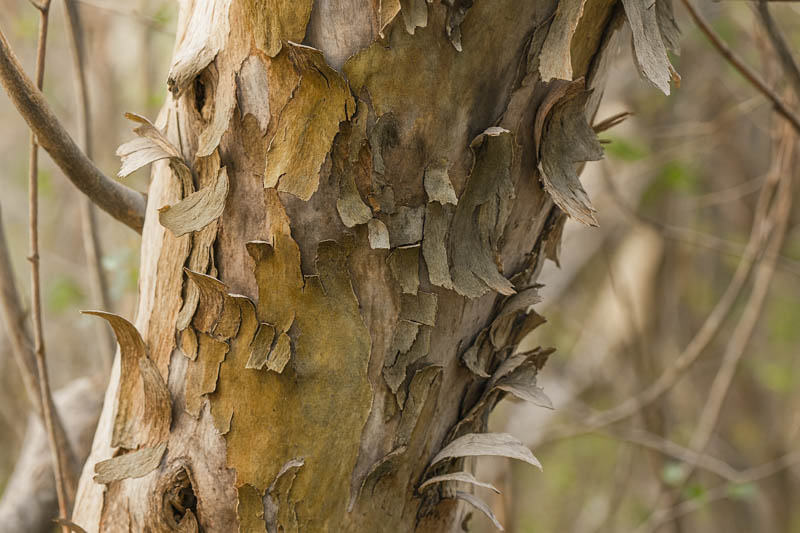
The bark is one of its best features. Mature trunks develop smooth, thin bark that peels in patches, revealing patterns of pale gray, white, and sometimes subtle pink tones underneath, much like a crape myrtle crossed with an oak. Up close, the trunks look like sculpted stone.
Leaves are small, simple, and oval to obovate, often just 1 to 2 inches long. The upper surface is dark green and somewhat glossy, while the underside is paler and softly fuzzy. In warm climates Texas persimmon can be semi evergreen; in colder areas of its range it behaves more like a drought deciduous tree, dropping leaves during cold or especially dry periods.
Texas persimmon is native to central, south, and west Texas and parts of the southern Great Plains and northeastern Mexico. In the United States, it occurs mainly in central and western Texas and into southwestern Oklahoma. South of the border, it extends into Chihuahua, Coahuila, Nuevo Leon, Tamaulipas, and nearby states.
In the wild, you are likely to find Diospyros texana in:
If your site is hot, sunny, rocky, and a bit unforgiving, you are basically describing Texas persimmon’s happy place.
Diospyros texana is generally considered a slow growing to moderate growing tree. Young plants spend time building roots and framework, then gradually fill out into a rounded, multi trunked form. Many gardeners appreciate that it grows steadily but not wildly, so it rarely overwhelms small spaces.
In some native habitats it can form small groups or “mottes” of stems, especially in disturbed, rocky areas. In typical home landscapes, regular mowing or mulching under the canopy usually keeps seedlings and suckers easy to manage.
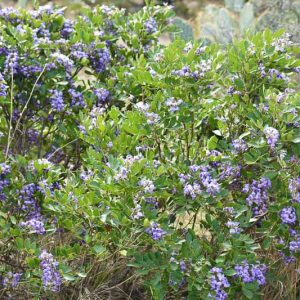
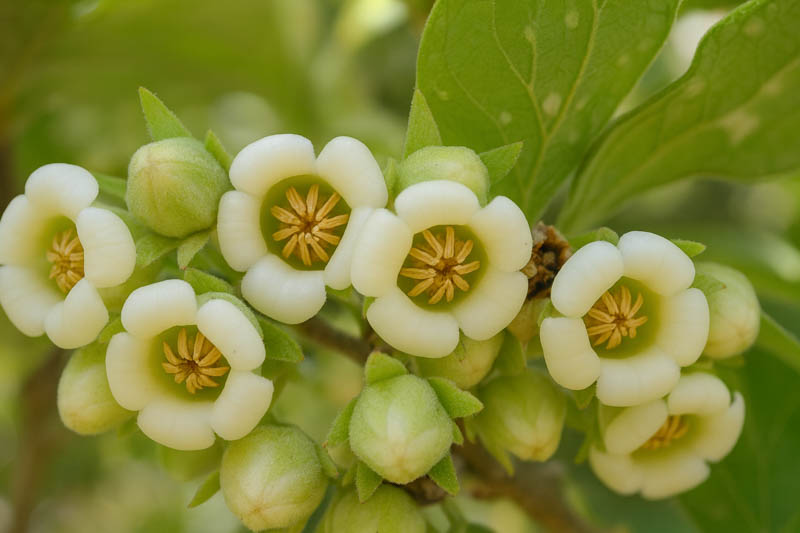
Texas persimmon is dioecious, meaning male and female flowers appear on separate trees. In spring, usually from March into May depending on location, trees open small, bell or urn shaped white flowers that are surprisingly fragrant up close.
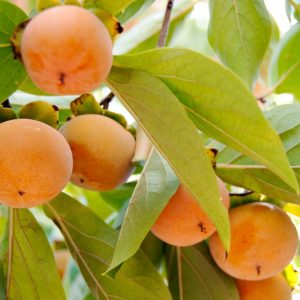
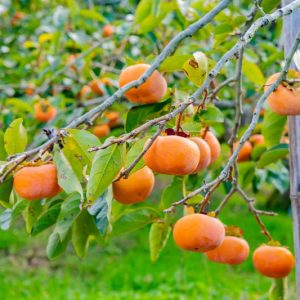
On female trees, the flowers are followed by round black berries about 1.5 to 2.5 centimeters across. The fruit start green and very astringent, then ripen to deep purple black by late summer. When fully ripe and soft, the pulp is sweet and edible, historically used for puddings, preserves, and even wine. Birds, small mammals, and many other wildlife species relish the fruit as well.
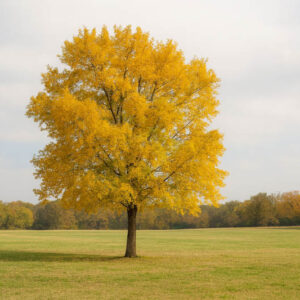
Texas persimmon is not a classic fall color tree like maples or flameleaf sumac, but it has its own subtle seasonal show. Summer foliage is a calm, even, dark green that holds its color well in sun and heat. In colder parts of its range, leaves may yellow slightly before dropping; in warmer, drier climates, foliage can thin or shed in response to drought, then reflush with rain.
The main year round “color” comes from the pale, mottled bark and dark fruit that stand out against stone, gravel, or native grasses.
Most references place Diospyros texana in about USDA Zones 7 to 9, with some success in warm, protected Zone 6 sites. It is semi evergreen in the warmest parts of Texas and Mexico, and more deciduous farther north or during severe drought.
You can use this native persimmon in many ways:
Texas persimmon is a high value plant in wildlife friendly and pollinator friendly landscapes.
Deer and livestock may browse foliage and especially fruit, but Texas persimmon is rarely seriously damaged and usually resprouts well.
Diospyros texana is built for dry climates. Its sclerophyllous leaves, bark that funnels water to the roots, and deep root system all help it survive in semiarid environments. In trials and field observations it performs well on low water, making it a strong candidate for low water landscapes, Texas SmartScape style designs, and climate resilient plantings. Best Drought-Tolerant Texas Plants for Truly Stunning Xeriscapes
The fully ripe fruit is considered edible and pleasantly sweet, while unripe fruit is very astringent due to high tannin content and was historically used for dye and traditional remedies. Always avoid eating large amounts of unripe fruit and introduce any wild food with normal caution.
Within its native and adapted range, Texas persimmon is not considered invasive. It may seed in lightly into nearby rocky soil and can form small groups of stems over time, especially where grazing or mowing pressure is low. In home landscapes, occasional removal of unwanted seedlings is usually all that is needed to keep it neatly in bounds.
Overall, Diospyros texana care boils down to three basics: full sun, well drained alkaline or neutral soil, and moderate water during establishment.
Texas persimmon is remarkably forgiving as long as you avoid standing water.

Texas persimmon maintenance is mostly about editing and showing off its structure.
Diospyros texana is usually propagated from seed where it is native and appropriate to plant.
In suitable conditions, Diospyros texana is typically a tough, low maintenance native tree.
Texas persimmon (Diospyros texana) is a small native tree or large shrub in the ebony family. It usually grows 10 to 20 feet tall, with smooth, peeling gray bark, small glossy leaves, and sweet black fruit on female trees. It is highly drought tolerant and ideal for xeriscapes and wildlife gardens.
Diospyros texana is native to central, south, and west Texas and nearby parts of the southern Great Plains, with its U.S. range centered in Texas and extending into southwestern Oklahoma. It also occurs in northeastern Mexico, including Chihuahua, Coahuila, Nuevo Leon, and Tamaulipas, mostly on rocky slopes, brushlands, and stream sides.
In most landscapes, Texas persimmon reaches about 10 to 20 feet tall and wide, forming a multi trunked vase shaped or rounded crown. On deep soils or in mild coastal climates, older trees can grow larger, sometimes reaching 30 to 40 feet, but that is less common in typical dry sites.
Yes. Texas persimmon is naturally adapted to hot, dry, rocky environments and is considered very drought tolerant once established. After its first year in the ground, it usually thrives on rainfall alone in climates similar to its native range, needing extra water only during extreme, prolonged droughts.
Fully ripe Texas persimmon fruit is edible and sweet, with dark pulp that can be used in desserts, preserves, and even wine. Unripe fruit is very astringent due to high tannin levels and was traditionally used for dye. As with any wild food, sample modestly and only when fruit is soft and fully ripe.
Ripe fruit can drop under female trees, which is great for wildlife but may stain light colored hardscape. For patios and walkways where staining is a concern, consider planting male trees, placing female trees where fruit drop is welcome, or underplanting with groundcovers that enjoy the extra organic matter.
Texas persimmon is generally slow to moderate in growth. Young trees might add around 8 to 12 inches of height per year under good conditions. This steady pace makes it easy to manage in small spaces and contributes to its strong wood and long lived structure.
Updated: November 2025
Key sources for horticultural details include plant profiles and fact sheets from the Lady Bird Johnson Wildflower Center, USDA PLANTS, the Fire Effects Information System, Texas A and M AgriLife, university arboreta, native plant societies, and nursery trial notes for Diospyros texana.
| Hardiness |
7 - 9 |
|---|---|
| Plant Type | Fruits, Trees |
| Plant Family | Ebenaceae |
| Genus | Diospyros |
| Common names | Persimmon |
| Exposure | Full Sun |
| Season of Interest | Spring (Early, Mid), Summer (Mid, Late), Fall, Winter |
| Height | 10' - 40' (3m - 12.2m) |
| Spread | 10' - 20' (3m - 6.1m) |
| Spacing | 180" - 240" (4.6m - 6.1m) |
| Maintenance | Low |
| Water Needs | Low |
| Soil Type | Loam, Sand |
| Soil pH | Acid, Alkaline, Neutral |
| Soil Drainage | Well-Drained |
| Characteristics | Showy, Fragrant, Semi-Evergreen, Fruit & Berries |
| Native Plants | United States, Southwest, Texas, Oklahoma |
| Tolerances | Drought, Dry Soil, Rocky Soil |
| Attracts | Butterflies, Birds |
| Garden Uses | Banks And Slopes, Hedges And Screens |
| Garden Styles | Informal and Cottage, Prairie and Meadow |
| Toxic to Humans | No known toxicity |
| Toxic to Cats | No known toxicity |
| Toxic to Dogs | No known toxicity |
| Toxic to Horses | No known toxicity |


| Hardiness |
7 - 9 |
|---|---|
| Plant Type | Fruits, Trees |
| Plant Family | Ebenaceae |
| Genus | Diospyros |
| Common names | Persimmon |
| Exposure | Full Sun |
| Season of Interest | Spring (Early, Mid), Summer (Mid, Late), Fall, Winter |
| Height | 10' - 40' (3m - 12.2m) |
| Spread | 10' - 20' (3m - 6.1m) |
| Spacing | 180" - 240" (4.6m - 6.1m) |
| Maintenance | Low |
| Water Needs | Low |
| Soil Type | Loam, Sand |
| Soil pH | Acid, Alkaline, Neutral |
| Soil Drainage | Well-Drained |
| Characteristics | Showy, Fragrant, Semi-Evergreen, Fruit & Berries |
| Native Plants | United States, Southwest, Texas, Oklahoma |
| Tolerances | Drought, Dry Soil, Rocky Soil |
| Attracts | Butterflies, Birds |
| Garden Uses | Banks And Slopes, Hedges And Screens |
| Garden Styles | Informal and Cottage, Prairie and Meadow |
| Toxic to Humans | No known toxicity |
| Toxic to Cats | No known toxicity |
| Toxic to Dogs | No known toxicity |
| Toxic to Horses | No known toxicity |
How many Diospyros texana (Texas Persimmon) do I need for my garden?
| Plant | Quantity | |
|---|---|---|
| Diospyros texana (Texas Persimmon) | N/A | Buy Plants |
Create a membership account to save your garden designs and to view them on any device.
Becoming a contributing member of Gardenia is easy and can be done in just a few minutes. If you provide us with your name, email address and the payment of a modest $25 annual membership fee, you will become a full member, enabling you to design and save up to 25 of your garden design ideas.
Join now and start creating your dream garden!
Create a membership account to save your garden designs and to view them on any device.
Becoming a contributing member of Gardenia is easy and can be done in just a few minutes. If you provide us with your name, email address and the payment of a modest $25 annual membership fee, you will become a full member, enabling you to design and save up to 25 of your garden design ideas.
Join now and start creating your dream garden!