Fragrant Mimosa, Pink Mimosa, Catclaw Mimosa, Sensitive Mimosa, Mimosa fragrans
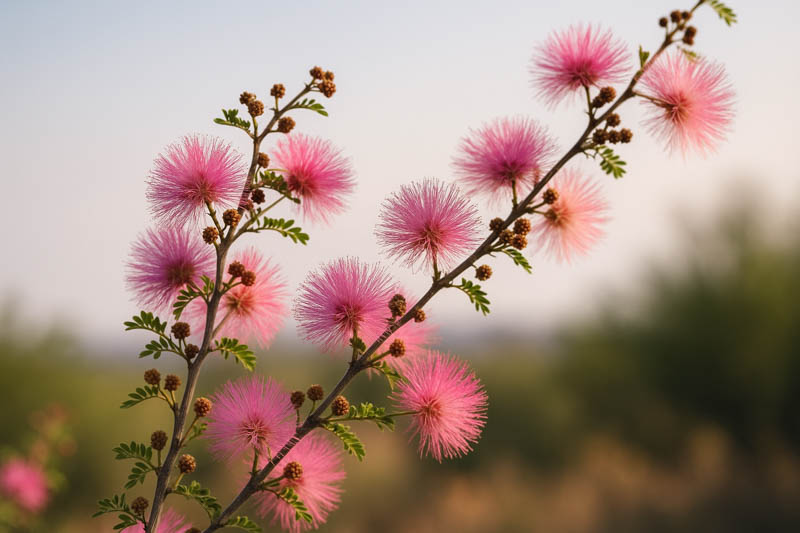
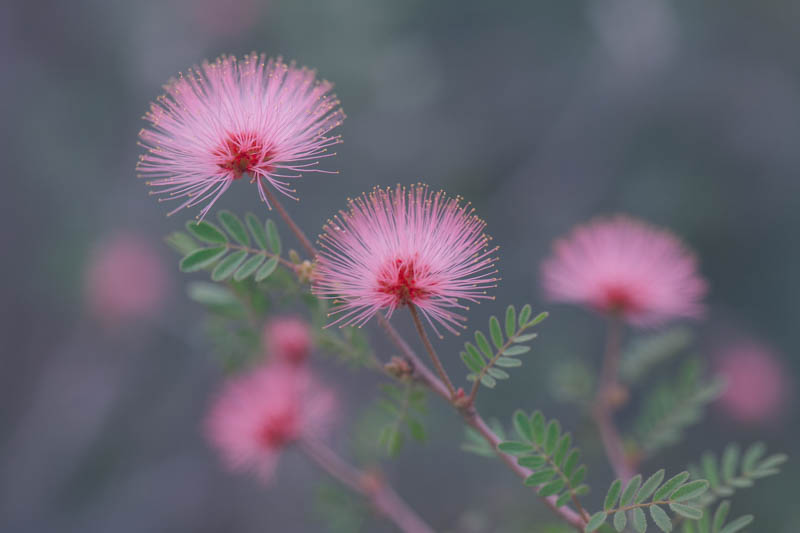


If you garden where the sun bakes, the wind blows, and the soil is more rock than loam, Mimosa borealis might be your new favorite shrub. Known as fragrant mimosa, pink mimosa, or catclaw mimosa, this tough little native covers itself with fuzzy pink flower puffs that smell sweet and pull in bees and butterflies from all around. In the wild, it thrives on rocky hillsides, canyons, and brushy slopes from Oklahoma and Kansas through Colorado, Texas, New Mexico, and into Mexico, shrugging off drought where fussier plants give up.
Summary: Thorny, deciduous native shrub perfect for hot, dry, rocky gardens and naturalistic plantings across the southern Great Plains and Southwest.
Use: Xeriscapes, pollinator gardens, wildlife thickets, slope stabilization, native hedges, and low water foundation plantings.
Highlight: Masses of fragrant pink puffball flowers in spring and early summer that attract bees and butterflies, followed by yellowish seed pods for extra texture.
Note: A tough, drought tolerant shrub that loves rocky, limestone based soils. It is thorny, so plant it a little back from high traffic paths.
| Botanical Name | Mimosa borealis A. Gray |
|---|---|
| Family | Fabaceae (pea or legume family) |
| Common Names | Fragrant mimosa, pink mimosa, catclaw mimosa, sensitive mimosa |
| Native Range | From Oklahoma and Kansas and southeastern Colorado south through central and western Texas and New Mexico into northern Mexico, typically on rocky hills, canyons, and brushy slopes. |
| Plant Type and Habit | Deciduous, thorny shrub with zigzagging branches, fine bipinnate leaves, and a rounded, somewhat thicket forming habit. |
| Hardiness (USDA) | Generally Zones 7 to 10, with many sources listing 7 to 11 in dry climates when drainage is excellent. |
| Size | Usually 3 to 6 ft tall and wide; in wild thickets and ideal conditions it can reach 6 to 8 ft tall and spread wider by branching and seeding. |
| Sun and Exposure | Full sun to part sun; best flowering and density in full sun. |
| Soil | Thrives in well drained, alkaline, rocky or gravelly soils, including limestone and caliche. Tolerates lean, shallow, and very dry soils once established. |
| Seasonal Interest | Fragrant pink puffball flowers from spring into early summer, attractive yellowish seed pods, and fine textured foliage on thorny, sculptural stems in the growing season. |
| Primary Uses | Tough xeric backbone shrub for wildlife hedges, sunny slopes, native ranch plantings, dry borders, and low water pollinator gardens. |
Fragrant mimosa is a deciduous, thorny native shrub with a compact to spreading, rounded habit. Zigzagging branches carry fine, ferny, bipinnate leaves that give the plant a soft, feathery look from a distance. Up close, you will notice short, curved spines that explain the common name catclaw mimosa.
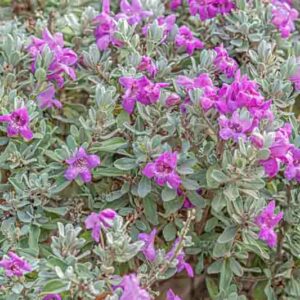
In bloom, the whole shrub is dotted with tight clusters of pink, powder puff style flowers. Each flower ball is made of many long stamens tipped in yellow, so the effect is almost sparkly in strong light. Many gardeners grow Mimosa borealis as much for the delicate spring show as for its ability to handle punishing conditions.
Mimosa borealis is native to North America, occurring from Oklahoma and Kansas and southeastern Colorado south through central and western Texas and New Mexico into northern Mexico. In the wild you find it on:
This native habitat makes fragrant mimosa an easy fit for xeriscapes, prairie style plantings, and dryland wildlife gardens where water is limited and summer heat is intense.
In home gardens, fragrant mimosa typically grows between 3 and 6 ft tall and 3 to 6 ft wide, sometimes taller or wider in very favorable sites. It can form loose thickets over time, especially if you allow seedlings to stay.
Growth rate is moderate. With decent care the first couple of seasons, plants usually reach a useful size quickly and then settle into a slower, steady pace. Because the branching is intricate but not solid, it creates a light, airy screen that still lets sun reach lower perennials and grasses.
The flowers are the star of the show. From spring into early summer, and sometimes again after good rain, Mimosa borealis produces dense clusters of aromatic pink globes. These puffballs, about 1/2 in. in diameter, are highly attractive to bees and butterflies and make the whole shrub hum with activity on warm days. Texas Fragrant Plants: Top Picks for Yards, Patios, and Porches
After flowering, fragrant mimosa forms flattened, yellowish seed pods that hang along the branches. These pods extend the season of interest, catch the light nicely, and provide food and cover for wildlife.
The foliage is finely divided into tiny leaflets, creating a delicate, fern like texture. Because the leaves are small, the shrub does not look heavy or blocky, even in small spaces.
The flip side of all that charm is the presence of short, sharp thorns along the stems. They are not as brutal as some desert shrubs, but you will notice them if you brush past. Use fragrant mimosa where you want a bit of gentle security or wildlife cover and keep it a step or two away from tight paths, gates, and play areas.
Fragrant mimosa is well adapted to regions with hot summers, strong sun, and low to moderate rainfall. Most references place it in USDA Zones 7 to 10 or 7 to 11, depending on climate and drainage.
Cold is less of a problem than cold combined with poorly drained soil. In climates with wet winters, planting on a slope or berm goes a long way toward keeping roots healthy.
This is one of those hardworking shrubs that can play several roles at once:
The fuzzy pink flowers of Mimosa borealis are rich in nectar and pollen and are visited by:
The thorny branches and dense twiggy structure also provide cover and nesting spots for small birds and shelter for lizards and other garden allies. Combined with native bunchgrasses and other shrubs, fragrant mimosa helps build a resilient wildlife corridor in dryland gardens.
Drought tolerance is one of the strongest reasons to grow Mimosa borealis. In nature it survives on seasonal rains and long dry stretches, often in very shallow, stony soils. Once established in the garden, it generally needs little supplemental water except during prolonged drought. Best Drought-Tolerant Texas Plants for Truly Stunning Xeriscapes
In extreme dryness the shrub may thin its foliage or pause flowering, but once good rain returns it typically rebounds quickly. Deep, occasional watering is much better than frequent, shallow sips.
Sources often note fragrant mimosa as reasonably resistant to browsing, thanks to its thorns and tough stems. In areas with very high deer or rabbit pressure, young plants may need temporary protection until they are established and branching strongly.
In normal landscape use, Mimosa borealis is not commonly listed as highly toxic to people or pets. As with most ornamental shrubs, it is best treated as non edible. Discourage children and pets from chewing stems, pods, or leaves, and check with a medical professional or veterinarian if significant ingestion ever occurs.
Despite its toughness, fragrant mimosa is not regarded as aggressively invasive in its native range. It can seed around a bit, especially in open, disturbed soil, but seedlings are usually easy to pull or transplant. Within its home region and similar dry climates, it fits naturally into xeriscapes and native plantings without overwhelming neighboring species.
Plant fragrant mimosa in full sun to light shade. At least six hours of direct sun will give you the best flower display and tightest growth. In too much shade, it can stretch and bloom less heavily.
Soil drainage is the key. Mimosa borealis is happiest in:
Heavy clay that stays soggy is the main enemy. If that is what you have, plant high and mix in coarse rock or decomposed granite to improve drainage.
Think “deep and infrequent” rather than “little and often.”
As a member of the pea family, fragrant mimosa does not crave rich soils or heavy fertilizers.
Mulch helps new plants settle in, but choose materials that match its natural habitat:
Fragrant mimosa has a naturally informal look and does not need heavy pruning. Focus on safety and structure rather than tight shaping.
Mimosa borealis can be grown from seed collected from ripe pods. The hard seed coat may benefit from light scarification or an overnight soak in warm water. Sow in a very well drained mix, keep just barely moist, and be patient. Germination can be uneven and seedlings prefer bright light and low to moderate water.
Semi hardwood cuttings taken in late spring or early summer may root under mist with bottom heat, but this is more of an advanced technique. Many gardeners find it simpler to purchase container grown plants from native plant nurseries that specialize in xeric shrubs.
When it is matched with its preferred hot, dry conditions and good drainage, fragrant mimosa is usually low maintenance and trouble free.
Fragrant mimosa (Mimosa borealis) is a small, deciduous, thorny shrub in the pea family (Fabaceae) native to the southern Great Plains and Southwest. It has fine, ferny, bipinnate leaves and produces clusters of fragrant pink, powder-puff flowers from spring into early summer, making it ideal for hot, dry, rocky gardens.
Mimosa borealis is native to the central United States and northern Mexico. Its range runs from Oklahoma and Kansas and southeastern Colorado south through central and western Texas and New Mexico into Mexico, where it typically grows on rocky hills, canyons, and brushy slopes
In gardens, fragrant mimosa usually grows about 3–6 feet tall and roughly 3–6 feet wide, forming a rounded shrub. In very favorable, rocky sites it can reach around 6–8 feet tall and spread wider by branching and seeding into loose thickets
Fragrant mimosa grows best in full sun but will tolerate light or partial shade. At least six hours of direct sun per day produces the heaviest flowering and the most compact growth. In too much shade, plants can become more open and bloom less
Mimosa borealis prefers very well-drained soils and is especially at home in rocky, limestone-based or caliche soils. It tolerates sand, loam, and even some clay if drainage is good. In nature it often grows on thin, stony soils on hillsides and canyons, so it is well suited to poor, alkaline ground.
Fragrant mimosa is highly drought tolerant once established. In the wild it endures long dry periods on rocky, shallow soils. In gardens, it typically needs only low to very low supplemental water after the first year, making it an excellent choice for xeriscapes and low-water landscapes.
Mimosa borealis normally blooms from spring into early summer, with pink globe-shaped flowers appearing as temperatures warm. Some plants flower from roughly March through July.
Fragrant mimosa is a moderate grower. In suitable conditions with some supplemental irrigation during the first couple of years, it generally reaches a useful landscape size (around 3–4 feet) within a few seasons and then slows, focusing on flowering and thickening its framework rather than on rapid height gain.
During the establishment phase, fragrant mimosa should be watered deeply but infrequently, allowing the soil to dry between waterings to encourage deep roots. Once established, it usually needs only occasional deep watering in extended drought. Overwatering or constantly wet soil increases the risk of root problems
Fragrant mimosa can be grown in a large container for several years if you provide very sharp drainage, a gritty, well-drained growing medium, and full sun. Water deeply but allow the mix to dry between waterings. Over time, the plant generally performs best when planted in the ground in climates that match its heat- and drought-tolerant nature
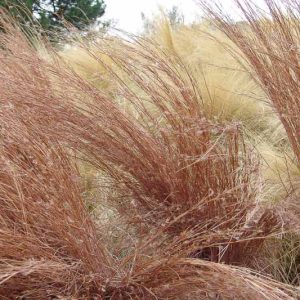
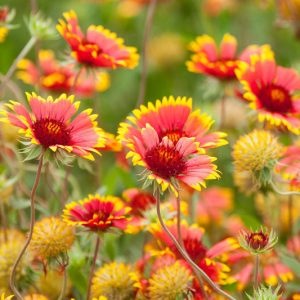
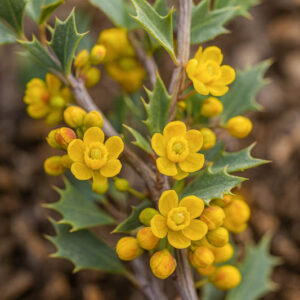
Excellent companions share its love of sun, heat, and sharp drainage. Examples include native grasses like little bluestem and switchgrass, drought-tolerant perennials such as blanket flower and blackfoot daisy, and other xeric shrubs like agarita, yucca, Texas sage, and sotol. Together they create a resilient, low-water, pollinator-friendly planting.
Updated: November 2025 • Reviewed by Gardenia Editors
| Hardiness |
7 - 10 |
|---|---|
| Plant Type | Shrubs |
| Plant Family | Fabaceae |
| Exposure | Full Sun, Partial Sun |
| Season of Interest | Spring (Early, Mid, Late), Summer (Early) |
| Height | 3' - 6' (90cm - 180cm) |
| Spread | 3' - 6' (90cm - 180cm) |
| Spacing | 36" - 72" (90cm - 180cm) |
| Maintenance | Low |
| Water Needs | Low |
| Soil Type | Chalk, Clay, Loam, Sand |
| Soil pH | Alkaline, Neutral |
| Soil Drainage | Well-Drained |
| Characteristics | Showy, Fragrant |
| Native Plants | United States, Kansas, Southwest, Texas, New Mexico, Oklahoma, Colorado, Rocky Mountains |
| Tolerances | Drought, Dry Soil, Rocky Soil |
| Attracts | Bees, Butterflies |
| Garden Uses | Banks And Slopes, Beds And Borders, Hedges And Screens |
| Garden Styles | Gravel and Rock Garden, Informal and Cottage, Prairie and Meadow |
| Toxic to Humans | No known toxicity |
| Toxic to Cats | No known toxicity |
| Toxic to Dogs | No known toxicity |
| Toxic to Horses | No known toxicity |


| Hardiness |
7 - 10 |
|---|---|
| Plant Type | Shrubs |
| Plant Family | Fabaceae |
| Exposure | Full Sun, Partial Sun |
| Season of Interest | Spring (Early, Mid, Late), Summer (Early) |
| Height | 3' - 6' (90cm - 180cm) |
| Spread | 3' - 6' (90cm - 180cm) |
| Spacing | 36" - 72" (90cm - 180cm) |
| Maintenance | Low |
| Water Needs | Low |
| Soil Type | Chalk, Clay, Loam, Sand |
| Soil pH | Alkaline, Neutral |
| Soil Drainage | Well-Drained |
| Characteristics | Showy, Fragrant |
| Native Plants | United States, Kansas, Southwest, Texas, New Mexico, Oklahoma, Colorado, Rocky Mountains |
| Tolerances | Drought, Dry Soil, Rocky Soil |
| Attracts | Bees, Butterflies |
| Garden Uses | Banks And Slopes, Beds And Borders, Hedges And Screens |
| Garden Styles | Gravel and Rock Garden, Informal and Cottage, Prairie and Meadow |
| Toxic to Humans | No known toxicity |
| Toxic to Cats | No known toxicity |
| Toxic to Dogs | No known toxicity |
| Toxic to Horses | No known toxicity |
How many Mimosa borealis (Fragrant Mimosa) do I need for my garden?
| Plant | Quantity | |
|---|---|---|
| Mimosa borealis (Fragrant Mimosa) | N/A | Buy Plants |
Create a membership account to save your garden designs and to view them on any device.
Becoming a contributing member of Gardenia is easy and can be done in just a few minutes. If you provide us with your name, email address and the payment of a modest $25 annual membership fee, you will become a full member, enabling you to design and save up to 25 of your garden design ideas.
Join now and start creating your dream garden!
Create a membership account to save your garden designs and to view them on any device.
Becoming a contributing member of Gardenia is easy and can be done in just a few minutes. If you provide us with your name, email address and the payment of a modest $25 annual membership fee, you will become a full member, enabling you to design and save up to 25 of your garden design ideas.
Join now and start creating your dream garden!