Spotted Bee Balm, Dotted Bee Balm, Dotted Horsemint, Spotted Horsemint
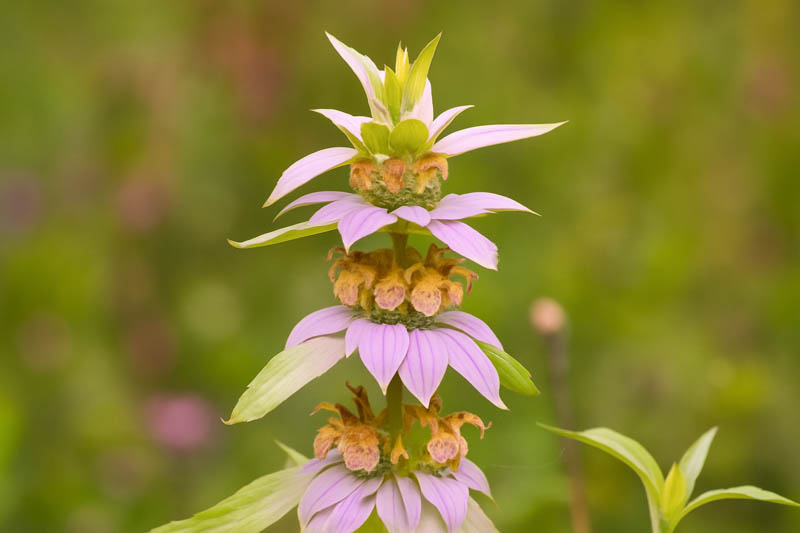
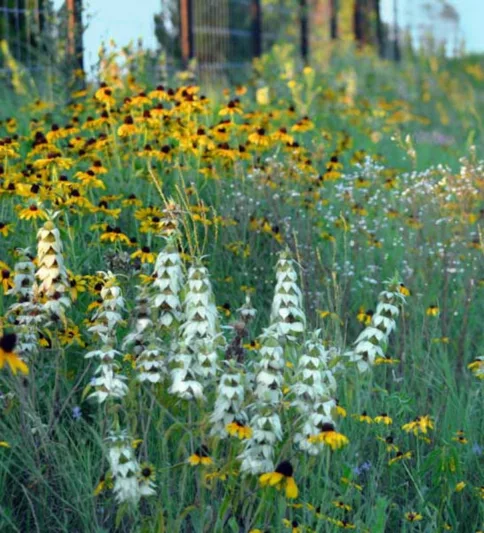
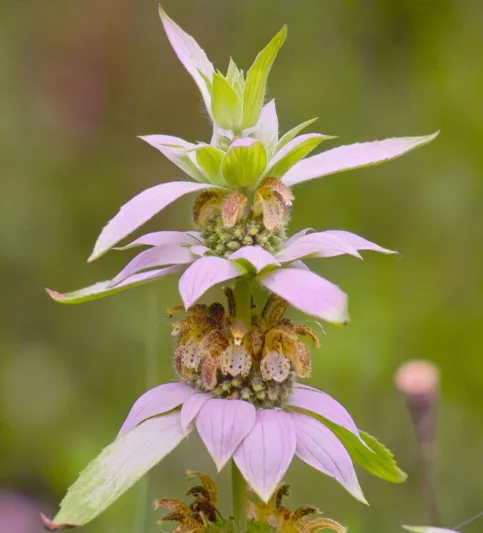
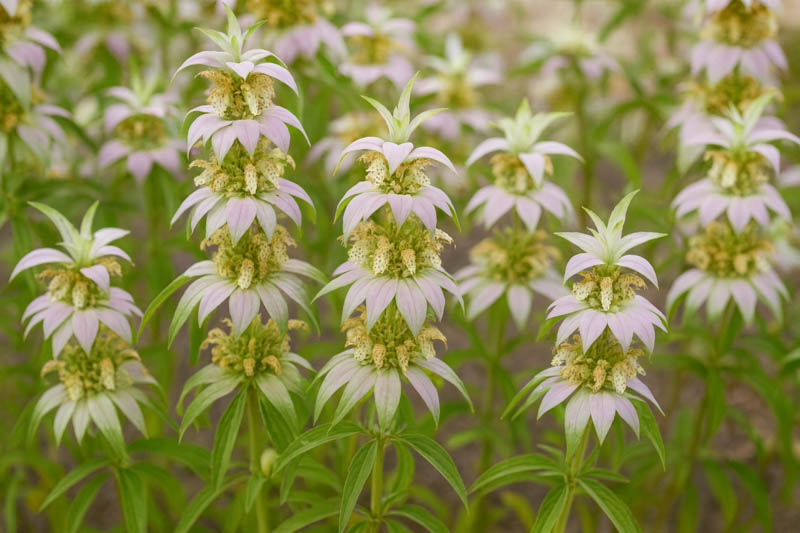


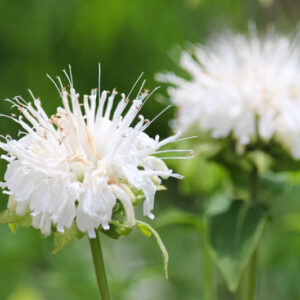
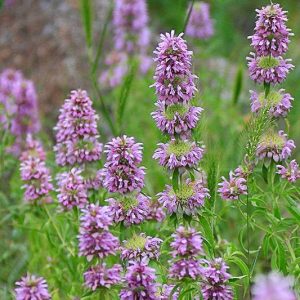
If you are looking for a native perennial that brings in butterflies, native bees, and hummingbirds while still being tough, drought tolerant, and easy to grow, Monarda punctata (Spotted Bee Balm) deserves a starring role in your garden. This distinctive bee balm is loved for its pagoda like flower spikes – stacks of creamy, purple spotted tubular flowers nestled among pastel pink, lavender, or creamy bracts.
Despite its intricate, almost exotic flowers, Spotted Bee Balm is a resilient, short lived perennial or biennial that thrives in full sun, well drained, often sandy soil, and relatively low water. Once established, it is drought-tolerant, handles poor soils, and spreads in modest clumps without becoming aggressive. Think of it as a wild, native cousin of the classic garden bee balm that is perfectly suited to prairies, meadows, dry borders, and naturalistic pollinator gardens.
Summary: Upright, clump forming short lived perennial or biennial with aromatic green foliage and eye catching, stacked whorls of creamy, purple spotted flowers surrounded by pink or lavender bracts.
Use: Perfect for prairies, meadows, dry borders, pollinator gardens, native plantings, wildlife gardens, and naturalistic designs.
Highlight: Strong magnet for butterflies, native bees, honeybees, hummingbirds, and beneficial predatory wasps, while remaining generally deer and rabbit resistant.
Note: Thrives in full sun and dry to medium, well drained, often sandy soil. Beautiful, architectural flowers and bracts provide weeks of color and texture in summer.
| Botanical Name | Monarda punctata |
|---|---|
| Family | Member of the mint family (Lamiaceae), which also includes fragrant culinary herbs like lavender, rosemary, basil, sage, and oregano. |
| Common Names | Spotted Bee Balm, Dotted Bee Balm, Spotted Horsemint, Dotted Horsemint, Spotted Beebalm |
| Native Range | Native to much of the eastern and central United States, with populations extending from the Midwest and Great Lakes through the Southeast, Texas, and parts of California, where it inhabits dry prairies, open woodlands, sandhills, and roadsides. |
| Plant Type and Habit | Short lived perennial or biennial wildflower with a clump forming habit, upright square stems, and multiple flowering stalks topped with stacked flower clusters. |
| Hardiness (approx. USDA) | Generally hardy in about USDA Zones 3 to 10, making it adaptable to a wide range of climates when sited in well drained soil and full sun. |
| Size | Typically grows in clumps about 18 to 24 in. tall (45 to 60 cm) and 9 to 12 in. wide (22 to 30 cm). Plants may spread modestly by runners and self seeding to form small colonies. |
| Sun and Exposure | Full sun is best for strong growth and flower production, though light partial sun is tolerated, especially in hot summer regions. |
| Soil | Prefers dry to medium, well drained soil. Especially happy in sandy or gritty soils that never stay waterlogged. Tolerates poor, lean soils and is an excellent choice for dry sites and xeric plantings. |
| Seasonal Interest | Pagoda like stacks of creamy, purple spotted flowers with pink to lavender bracts from early to mid summer, often extending into late summer in good conditions, plus fragrant green foliage. |
| Primary Uses | Prairies, meadows, native plant gardens, pollinator borders, wildlife plantings, dry slopes, sandy banks, naturalistic mixed borders, and informal cottage gardens. |
Monarda punctata is a wild, short lived perennial or biennial in the mint family, prized for its unusual flower structure and aromatic foliage. Plants form loose clumps of narrow, deep green leaves on square stems. Crush the leaves and you will notice a spicy, oregano like fragrance that hints at its mint family heritage.
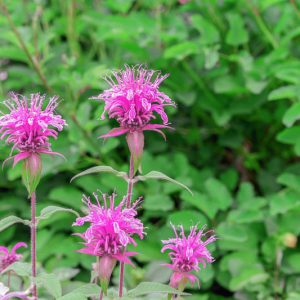
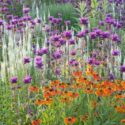
Above the foliage rise upright stems topped with multiple tiers of flowers and bracts. The true flowers are creamy to yellowish tubular blooms heavily spotted with purple. These sit in whorls around the stem, each whorl subtended by a rosette of papery bracts that may be soft pink, lavender, or creamy white. The result is a pagoda of color that looks almost like a floral totem pole swaying in the summer breeze.
Spotted Bee Balm is native to the eastern and central United States, including parts of the Northeast, Midwest, Southeast, and Southwest, as well as Texas, Florida, and California. In the wild it is most often found in dry prairies, sandy fields, open pine woods, and roadsides where drainage is excellent and competition is moderate.
Because it is a native wildflower, it fits beautifully into regional plantings. For ideas on incorporating native companions, explore guides such as Discover 50 North Carolina wildflowers for your garden, or browse regional collections like Perennials That Thrive in Texas: Native Beauty for Every Region.
Plant Type and Habit: Spotted Bee Balm is a clump forming wildflower that typically grows 18 to 24 inches (45 to 60 cm) tall and about 9 to 12 inches (22 to 30 cm) wide. It may spread modestly by short runners and by self seeding, forming small, natural looking colonies without becoming invasive.
Plants are generally sturdy and upright, especially in full sun and lean soil. In richer soil they may grow taller and benefit from neighboring plants for support. Because it is somewhat short lived, many gardeners allow a few seedlings to mature each year to keep the planting going.
The real magic of Monarda punctata is in its flower and bract display. The stacked inflorescences create bands of soft color along the stems. Up close, the flower clusters, 2–3 in. across (5–7 cm), are intricately speckled, making them as interesting to people as they are to pollinators.
Spotted Bee Balm typically blooms from early to mid summer, often into late summer with good moisture and deadheading. The colorful bracts often remain attractive even after the individual flowers have faded, extending the plant’s ornamental interest in the garden.
The foliage consists of slender, lance shaped leaves, deep green to gray green, arranged oppositely on square stems. The leaves are aromatic when brushed or crushed and contribute a soft, slightly wild texture to plantings.
Even when not in peak bloom, the clumps of foliage help knit together prairie or meadow plantings, and the aromatic leaves can be used sparingly to flavor teas, much like other bee balms and mints.
Hardiness: Spotted Bee Balm is generally hardy in about USDA Zones 3 to 10. In colder climates it may behave more like a biennial, flowering heavily and then declining, but seedlings often take its place. In warmer regions it may persist for several years as a short lived perennial.
Good drainage is more critical than winter cold. In wet, heavy soil, plants are more likely to rot during winter or during extended wet periods.
You can use Monarda punctata in many naturalistic and wildlife friendly settings:
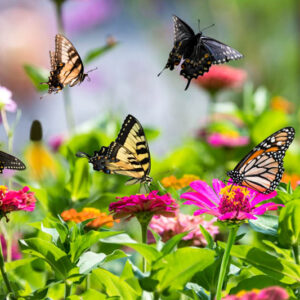
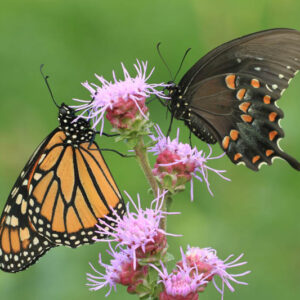
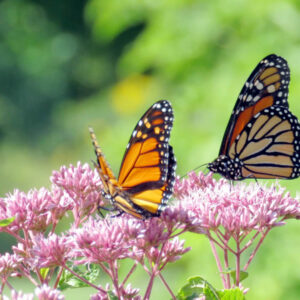
The tubular flowers of Spotted Bee Balm are rich in nectar and strongly attract bees, including native solitary bees and honeybees, as well as butterflies and hummingbirds. Many gardeners also notice beneficial wasps visiting the blooms, helping to manage pest insects in the garden.
Thanks to its strongly aromatic foliage, Spotted Bee Balm is usually avoided by deer and rabbits. While no plant is completely safe from a very hungry animal, this species is generally a smart choice for gardens with browsing pressure.
Once established in the right soil, Monarda punctata is well adapted to dry conditions. Deep, infrequent watering encourages roots to penetrate downward, making it a natural fit for low water native plantings and xeriscapes.
Bee balms, including Monarda punctata, are generally regarded as safe and non toxic for people and pets when grown in ornamental gardens. As with any plant, it is wise to discourage pets from excessive grazing, but it is not typically listed among toxic garden species.
Spotted Bee Balm is not usually considered invasive. It may spread modestly by runners and self seed, especially in open, sandy soil, but it rarely becomes a nuisance. Unwanted seedlings are easy to pull or transplant to other parts of the garden.
Gardeners choose Monarda punctata for its distinctive architectural flowers, strong pollinator value, and ability to thrive in hot, dry, sandy conditions. It offers an easy way to add native ecological value and long lasting summer color to meadows and mixed borders while supporting bees, butterflies, and other wildlife.
Spotted Bee Balm prefers:
If you garden on heavy clay, consider raising the planting area into a berm or using a gravelly amendment to improve drainage, or plant Bee Balm in a sunnier, better drained part of the yard.
Spotted Bee Balm is low maintenance but appreciates a bit of seasonal grooming.
Monarda punctata can be propagated in several ways:
Spotted Bee Balm is generally a tough, low maintenance native, but a few pests and diseases may appear, especially in less than ideal conditions.
Aphids and whiteflies: These sap sucking insects may cluster on tender new growth, causing distortion and sticky honeydew. A strong blast of water often removes them. Persistent problems can be treated with insecticidal soap or neem oil.
Spider mites: In hot, dry weather, stippled leaves and fine webbing may indicate spider mites. Increase humidity slightly, spray foliage with water, and use horticultural oils or miticides if needed.
Root rot: Poorly drained soil and chronic overwatering can cause roots to rot, leading to wilting and collapse. Plant Bee Balm in well drained soil and avoid waterlogged conditions.
Powdery mildew: Like many bee balms, Spotted Bee Balm can show powdery mildew in humid, stagnant conditions. Provide good spacing, plenty of sun, and avoid frequent overhead watering to reduce the problem.
Flopping or lodging: Plants grown in rich soil or partial shade may become tall and floppy. Grow in full sun with leaner soil, and cut back lightly if stems stretch.
Short lived clumps: Because it is a short lived perennial or biennial, individual plants may fade after a few years. Allow some self seeding or propagate by division and cuttings to keep your colony going.
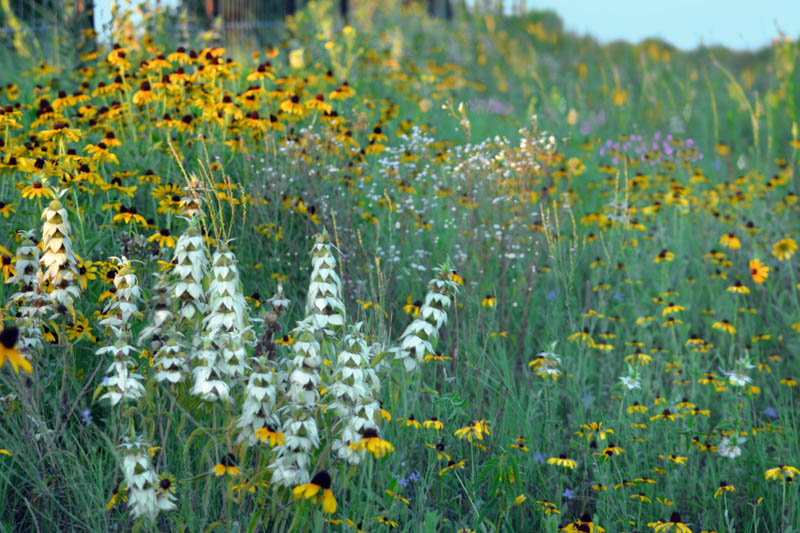
Spotted Bee Balm (Monarda punctata) is a short-lived perennial or biennial wildflower native to much of the eastern and central United States. It is known for its stacked, tiered flower clusters with purple-spotted tubular blooms and colorful bracts.
Yes. Spotted Bee Balm is a high-value pollinator plant, attracting native bees, honeybees, butterflies, beneficial wasps, and hummingbirds. Its nectar-rich tubular flowers bloom for many weeks in summer.
Yes. Once established, it is highly drought tolerant. It naturally grows in dry prairies, sandy soils, and open woodlands, making it ideal for xeriscapes and low-water gardens.
It prefers dry to medium, well-drained soils and grows especially well in sandy or gritty soil. Heavy clay or poorly drained soil can lead to root rot.
Spotted Bee Balm grows best in full sun, which means at least 6 hours of direct sunlight per day. It can tolerate light shade but may grow taller and flower less.
Most plants reach 18 to 24 inches tall and form clumps around 9 to 12 inches wide.
It spreads modestly by short runners and can self-seed. It forms small colonies over time but is not considered invasive.
It is typically a short-lived perennial or biennial. Plants often persist 2–3 years, but self-seeding helps maintain long-term presence in the garden.
Grow it in full sun with lean, well-drained soil. Rich soil or shade can cause taller, weaker growth. Cutting back leggy stems midseason can help.
Yes. Bee balm species are generally considered non-toxic to pets and humans, though excessive ingestion of any plant should be discouraged.
USDA Plants Database: https://plants.usda.gov/home/plantProfile?symbol=MOPU
Illinois Wildflowers: https://www.illinoiswildflowers.info/prairie/plantx/dotted_horsemintx.htm
Xerces Society: https://xerces.org/pollinator-conservation/plant-lists
Updated: December 2025 • Reviewed by Gardenia Editors
| Hardiness |
3 - 10 |
|---|---|
| Plant Type | Perennials |
| Plant Family | Lamiaceae |
| Genus | Monarda |
| Common names | Bee Balm, Spotted Bee Balm |
| Exposure | Full Sun, Partial Sun |
| Season of Interest | Summer (Early, Mid) |
| Height | 1' - 2' (30cm - 60cm) |
| Spread | 9" - 1' (23cm - 30cm) |
| Spacing | 12" (30cm) |
| Maintenance | Average |
| Water Needs | Low, Average |
| Soil Type | Loam, Sand |
| Soil pH | Acid, Alkaline, Neutral |
| Soil Drainage | Well-Drained |
| Characteristics | Cut Flowers, Fragrant, Showy |
| Native Plants | California, United States, Northeast, Pennsylvania, Vermont, Connecticut, Delaware, Massachusetts, Maryland, New Jersey, New York, Illinois, Indiana, Iowa, Kansas, Michigan, Midwest, Minnesota, Missouri, Ohio, Wisconsin, Southeast, Louisiana, Mississippi, North Carolina, South Carolina, Tennessee, Virginia, Alabama, Arkansas, Florida, Georgia, Kentucky, Southwest, Texas, Oklahoma |
| Tolerances | Drought, Deer, Dry Soil, Poor Soil |
| Attracts | Butterflies, Hummingbirds, Bees |
| Garden Uses | Beds And Borders |
| Garden Styles | Informal and Cottage, Prairie and Meadow |
| Toxic to Humans | No known toxicity |
| Toxic to Cats | No known toxicity |
| Toxic to Dogs | No known toxicity |
| Toxic to Horses | No known toxicity |


| Hardiness |
3 - 10 |
|---|---|
| Plant Type | Perennials |
| Plant Family | Lamiaceae |
| Genus | Monarda |
| Common names | Bee Balm, Spotted Bee Balm |
| Exposure | Full Sun, Partial Sun |
| Season of Interest | Summer (Early, Mid) |
| Height | 1' - 2' (30cm - 60cm) |
| Spread | 9" - 1' (23cm - 30cm) |
| Spacing | 12" (30cm) |
| Maintenance | Average |
| Water Needs | Low, Average |
| Soil Type | Loam, Sand |
| Soil pH | Acid, Alkaline, Neutral |
| Soil Drainage | Well-Drained |
| Characteristics | Cut Flowers, Fragrant, Showy |
| Native Plants | California, United States, Northeast, Pennsylvania, Vermont, Connecticut, Delaware, Massachusetts, Maryland, New Jersey, New York, Illinois, Indiana, Iowa, Kansas, Michigan, Midwest, Minnesota, Missouri, Ohio, Wisconsin, Southeast, Louisiana, Mississippi, North Carolina, South Carolina, Tennessee, Virginia, Alabama, Arkansas, Florida, Georgia, Kentucky, Southwest, Texas, Oklahoma |
| Tolerances | Drought, Deer, Dry Soil, Poor Soil |
| Attracts | Butterflies, Hummingbirds, Bees |
| Garden Uses | Beds And Borders |
| Garden Styles | Informal and Cottage, Prairie and Meadow |
| Toxic to Humans | No known toxicity |
| Toxic to Cats | No known toxicity |
| Toxic to Dogs | No known toxicity |
| Toxic to Horses | No known toxicity |
How many Monarda punctata (Spotted Bee Balm) do I need for my garden?
| Plant | Quantity | |
|---|---|---|
| Monarda punctata (Spotted Bee Balm) | N/A | Buy Plants |
Create a membership account to save your garden designs and to view them on any device.
Becoming a contributing member of Gardenia is easy and can be done in just a few minutes. If you provide us with your name, email address and the payment of a modest $25 annual membership fee, you will become a full member, enabling you to design and save up to 25 of your garden design ideas.
Join now and start creating your dream garden!
Create a membership account to save your garden designs and to view them on any device.
Becoming a contributing member of Gardenia is easy and can be done in just a few minutes. If you provide us with your name, email address and the payment of a modest $25 annual membership fee, you will become a full member, enabling you to design and save up to 25 of your garden design ideas.
Join now and start creating your dream garden!