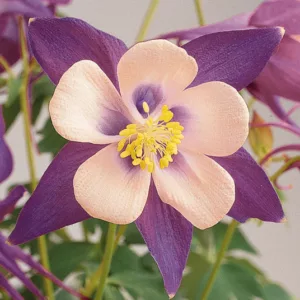
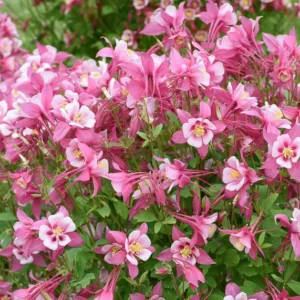
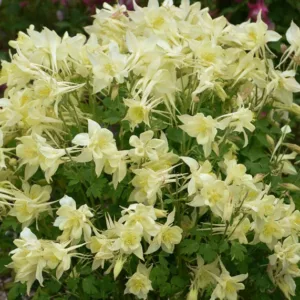
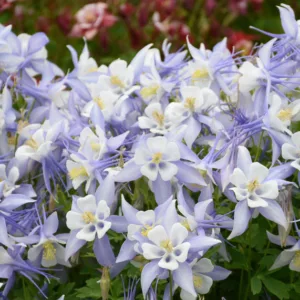
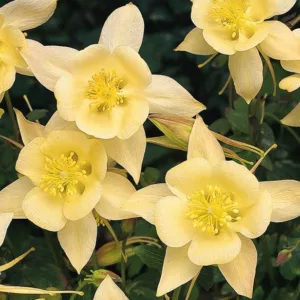
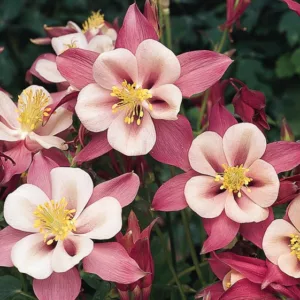
Canadian Columbine, Canada Columbine, Eastern Red Columbine, Eastern Columbine, Red Columbine, Wild Columbine, Aquilegia elegans

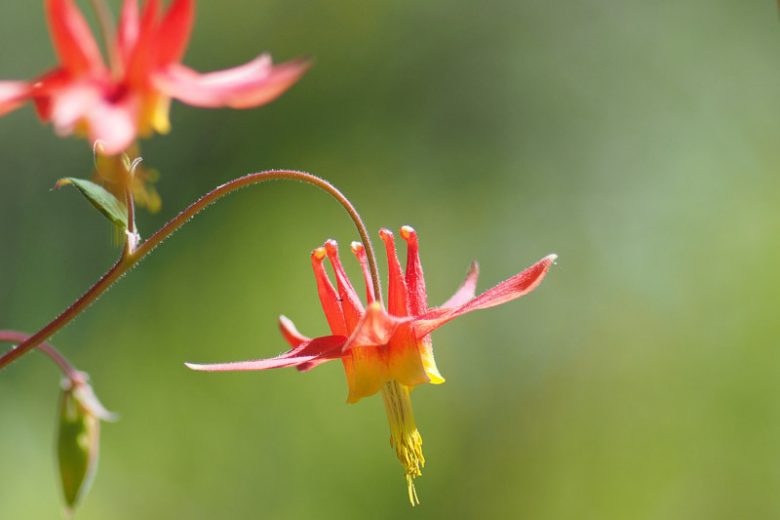
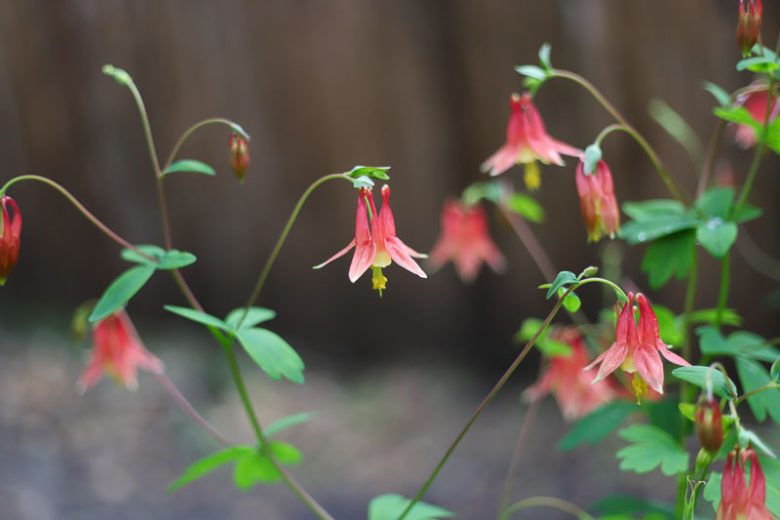
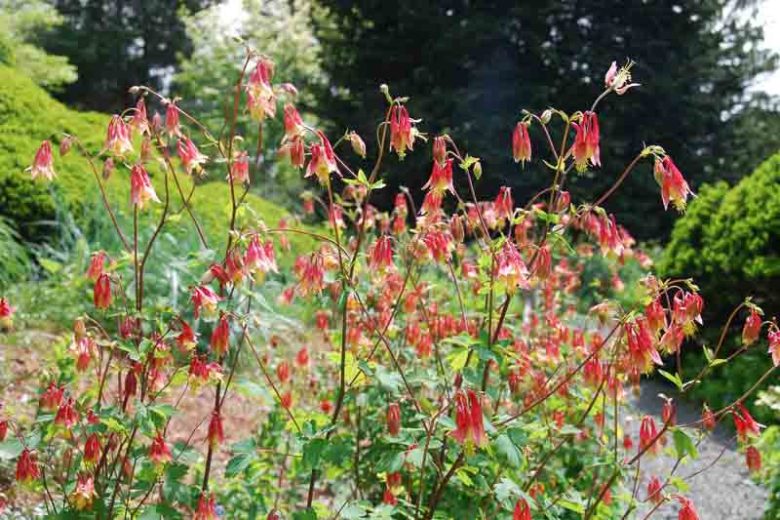


If you love native plants that bring charm, movement, and loads of pollinator activity to partially shaded areas, Aquilegia canadensis – better known as Eastern Columbine or Canadian Columbine – deserves a front row spot in your garden. This beloved native wildflower lights up spring with its nodding, red-and-yellow, long-spurred blooms that dance above fern-like foliage. It is graceful, unfussy, and incredibly wildlife-friendly – a true gem for woodland edges, rocky slopes, and naturalistic plantings.
Despite its delicate appearance, Eastern Columbine is tough, adaptable, and beautifully low maintenance. Give it part shade, moist but well-drained soil, and a bit of spring cleanup, and it will return reliably each year, self-seeding politely to create dreamy drifts of color. With strong appeal for hummingbirds, butterflies, and native bees, this plant brings your spring garden to life.
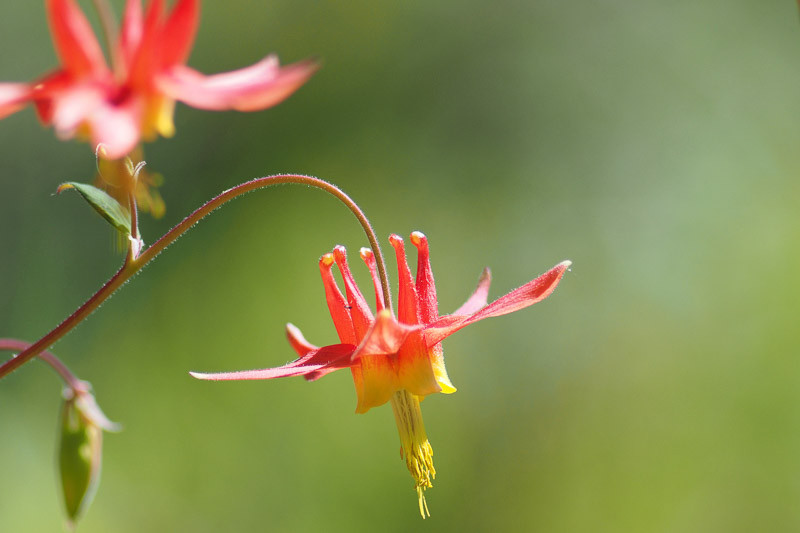
Summary: A graceful native perennial wildflower featuring nodding, red-and-yellow long-spurred blooms held above airy, blue-green, fern-like foliage.
Use: Woodland gardens, shade borders, city gardens, cottage gardens, rock gardens, naturalized meadows, and underplanting beneath shrubs and small trees.
Highlight: An early-season food source for hummingbirds, butterflies, and bees. Highly deer and rabbit resistant, and easy to grow.
Note: Short-lived but self-seeds generously to maintain long-term presence in the landscape.
| Botanical Name | Aquilegia canadensis |
|---|---|
| Family | Buttercup family (Ranunculaceae) |
| Common Names | Canadian Columbine, Eastern Columbine, Wild Columbine |
| Native Range | Eastern North America, from woodland edges to rocky outcrops and slopes. |
| Plant Type and Habit | Short-lived herbaceous perennial forming airy clumps of foliage with upright, nodding flower stems. |
| Hardiness (approx. USDA) | USDA Zones 3 to 8. |
| Size | Typically grows 24 to 36 in. tall (60-90 cm) and 12 to 18 in. wide (30-45 cm). |
| Sun and Exposure | Prefers part shade, but tolerates full sun in cooler climates. Avoid deep shade. |
| Soil | Thrives in average, moist, well-drained soils. Dislikes soggy conditions and drying out completely. |
| Seasonal Interest | Blooms in late spring to early summer, followed by attractive blue-green foliage. |
| Primary Uses | Woodland gardens, native plantings, pollinator habitats, naturalized spaces, cottage gardens, rock gardens. |
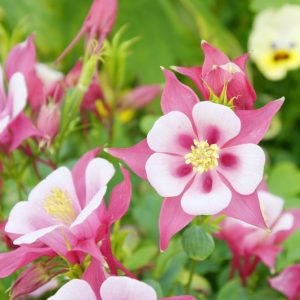
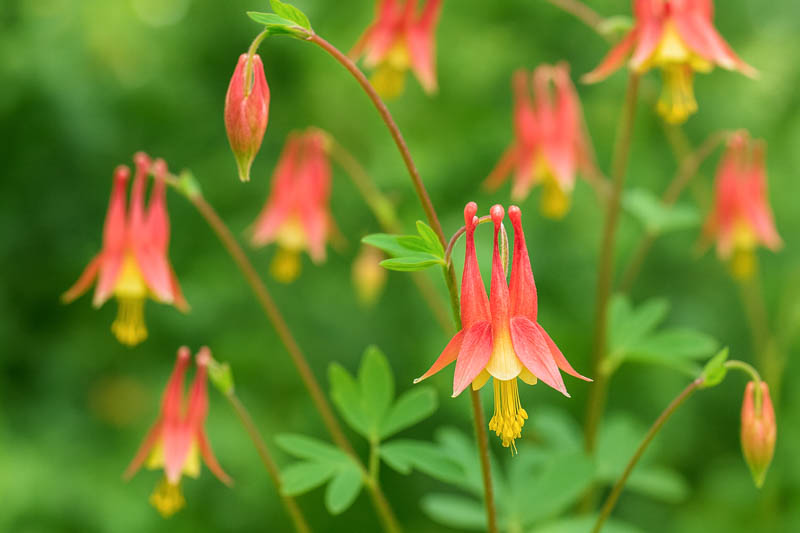
Aquilegia canadensis is a native, short-lived perennial wildflower that brings whimsical flair to spring gardens. It produces nodding, lantern-like flowers with red outer sepals and soft yellow inner petals. Each bloom is accented with long, elegant spurs that drip charm and make the plant instantly recognizable.
Below the blooms, the plant forms a mound of attractive fern-like, blue-green leaves. The foliage stays attractive through summer in moist soil, though it may go dormant if the season becomes too dry.
Eastern Columbine is the recipient of the prestigious Award of Garden Merit of the Royal Horticultural Society for its outstanding qualities
Eastern Columbine is native to eastern North America, where it grows on rocky slopes, woodland edges, ledges, and open understories. Its natural habitats explain its adaptability to:
Its presence in diverse wild settings makes it perfect for gardeners looking to cultivate native plant gardens.
This columbine forms an upright, airy clump 24 to 36 inches tall. Though the plant itself is short-lived, it maintains long-term presence by self-seeding gently and naturally, filling in gaps and forming small colonies.
Seedlings often vary slightly in flower shade, adding enchanting natural diversity.
The iconic flowers of Aquilegia canadensis measure about 1 to 2 inches across and appear from late spring into early summer. Their blend of scarlet sepals and yellow petals is a magnet for early pollinators.
After flowering, seed pods form, which can be left in place to drop seeds or collected for intentional planting.
The foliage emerges early in spring as delicate blue-green leaves. In moist soil, it stays attractive through summer, but in dry conditions it may go dormant, conserving energy for the following season.
Eastern Columbine thrives in USDA Zones 3 to 8, tolerating cold winters with ease. In warmer climates, it appreciates afternoon shade and consistent moisture.
Use Aquilegia canadensis in:
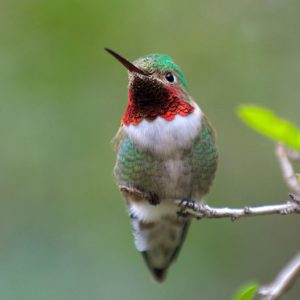
This native columbine is adored by many forms of wildlife. The long, tubular flowers are perfectly shaped for hummingbirds, which arrive in spring hungry for nectar.
The flowers also support butterflies and native bees, making the plant a cornerstone of early-season pollinator gardens.
Thanks to its slightly bitter foliage and toxic compounds common in the buttercup family, this plant is generally avoided by grazing animals. It is included in resources such as the Ultimate Guide to Deer-Resistant Plants.
While Eastern Columbine appreciates consistent moisture, it is reasonably drought-tolerant once established, especially in part shade. Extended dryness may cause summer dormancy but will not harm next year’s bloom.
As with many Ranunculaceae members, the sap can irritate skin. Handle with care during pruning. Avoid ingestion by pets or humans.
Aquilegia canadensis is not invasive. While it self-seeds freely, seedlings are easy to manage, and the plant integrates beautifully into naturalistic gardens without becoming aggressive.
Benefits of growing Aquilegia canadensis include:
For more native perennial inspiration, see Top Shade-Loving Native Perennials.
Best performance occurs in:
Poor drainage is the most common cause of decline.
A light top-dressing of compost in spring supports healthy growth.
Aphids may appear on young stems. A blast of water or neem oil usually resolves the issue.
Leaf miners: Columbines are known for good resistance, but occasional damage may occur. Remove affected leaves to break the cycle.
Root rot: Caused by poorly drained soil. Improve drainage or replant in a raised area.
Powdery mildew: Rare but possible in shade with poor airflow.
Foliage decline in midsummer: Normal in heat or drought. The plant often goes dormant.
Seedlings varying in color: Natural and desirable in wildflower gardens.
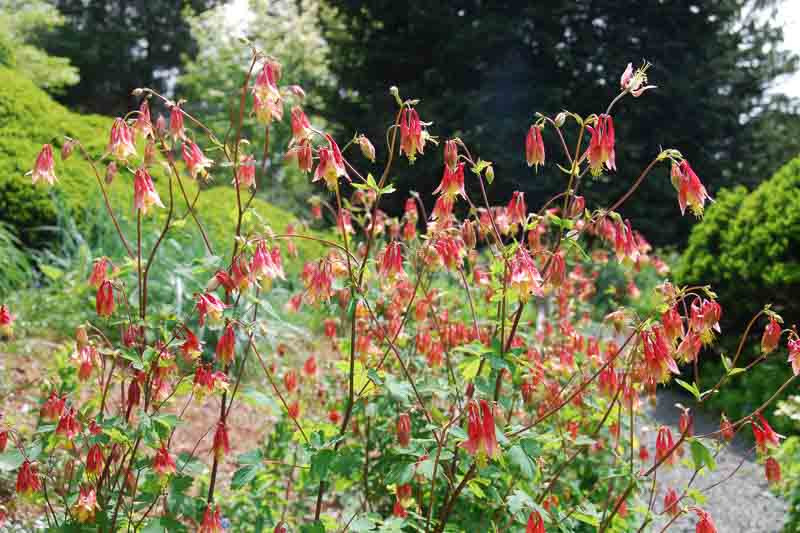
Eastern Columbine (Aquilegia canadensis), also called Canadian Columbine or Wild Columbine, is a short-lived perennial wildflower native to eastern North America. It produces nodding red-and-yellow, long-spurred flowers in late spring and early summer above blue-green, fern-like foliage.
Eastern Columbine is a herbaceous perennial wildflower. Individual plants are relatively short-lived, but they often persist in gardens for many years by self-seeding.
Eastern Columbine is native to eastern and central North America. In the United States it is native east of the Rocky Mountains (except Louisiana), and it also occurs in parts of eastern Canada. It is typically found on rocky slopes, open woods, ledges, and woodland edges.
Eastern Columbine is generally hardy in USDA zones 3 to 8. It tolerates cold winters very well and does best where summers are not extremely hot and dry without irrigation.
Most plants reach about 24 to 36 inches (60–90 cm) tall in bloom and spread about 12 to 18 inches (30–45 cm) wide. Clumps are open and airy rather than dense and compact.
Eastern Columbine typically blooms from late spring into early summer. In many regions that means roughly May to early June, though timing can shift with local climate. Deadheading can extend the bloom period slightly, but it is primarily an early-season flower.
Yes. Eastern Columbine is an important early-season nectar source. Its long, tubular red-and-yellow flowers are especially attractive to hummingbirds, and they also draw native bees and some butterflies. Because it blooms early, it helps bridge the gap between spring ephemerals and summer perennials.
Eastern Columbine is generally resistant to deer and rabbits. While no plant is completely deer-proof, the slightly bitter foliage and typical chemistry of the buttercup family make it less appealing, so browsing is usually light or absent compared with more palatable plants.
Individual plants are often short-lived, typically only a few years, but the species maintains itself in the garden by self-seeding. If conditions are good and you allow seed to ripen and fall, new seedlings will replace older plants and create a naturalistic colony.
Eastern Columbine self-seeds readily, especially in lightly worked or mulched soil, but it is not considered invasive. Seedlings usually appear near the parent plants and are easy to thin or transplant if they become too dense. In naturalistic or woodland plantings, this gentle self-seeding is considered a major benefit.
Updated: December 2025 • Reviewed by Gardenia Editors
| Hardiness |
3 - 8 |
|---|---|
| Heat Zones |
1 - 8 |
| Plant Type | Perennials |
| Plant Family | Ranunculaceae |
| Genus | Aquilegia |
| Common names | Columbine |
| Exposure | Full Sun, Partial Sun |
| Season of Interest | Spring (Late), Summer (Early) |
| Height | 2' - 3' (60cm - 90cm) |
| Spread | 1' - 2' (30cm - 60cm) |
| Spacing | 12" - 18" (30cm - 50cm) |
| Maintenance | Low |
| Water Needs | Low, Average |
| Soil Type | Chalk, Clay, Loam, Sand |
| Soil pH | Acid, Alkaline, Neutral |
| Soil Drainage | Moist but Well-Drained, Well-Drained |
| Characteristics | Cut Flowers, Plant of Merit, Showy |
| Native Plants | United States, Pennsylvania, Rhode Island, Vermont, Connecticut, Delaware, Maine, Massachusetts, Maryland, New Hampshire, New Jersey, New York, Northeast, Midwest, Southeast, Southwest, Illinois, Indiana, Iowa, Kansas, Michigan, Minnesota, Missouri, Nebraska, North Dakota, Ohio, South Dakota, Wisconsin, Mississippi, North Carolina, South Carolina, Tennessee, Virginia, West Virginia, Alabama, Arkansas, Florida, Georgia, Kentucky, Texas, Oklahoma |
| Tolerances | Deer, Rabbit, Dry Soil, Heat, Fire |
| Attracts | Bees, Butterflies, Hummingbirds |
| Garden Uses | Beds And Borders, Underplanting Roses And Shrubs |
| Garden Styles | City and Courtyard, Informal and Cottage, Prairie and Meadow |
| Toxic to Humans | Medium severity |
| Toxic to Cats | No known toxicity |
| Toxic to Dogs | No known toxicity |
| Toxic to Horses | No known toxicity |


| Hardiness |
3 - 8 |
|---|---|
| Heat Zones |
1 - 8 |
| Plant Type | Perennials |
| Plant Family | Ranunculaceae |
| Genus | Aquilegia |
| Common names | Columbine |
| Exposure | Full Sun, Partial Sun |
| Season of Interest | Spring (Late), Summer (Early) |
| Height | 2' - 3' (60cm - 90cm) |
| Spread | 1' - 2' (30cm - 60cm) |
| Spacing | 12" - 18" (30cm - 50cm) |
| Maintenance | Low |
| Water Needs | Low, Average |
| Soil Type | Chalk, Clay, Loam, Sand |
| Soil pH | Acid, Alkaline, Neutral |
| Soil Drainage | Moist but Well-Drained, Well-Drained |
| Characteristics | Cut Flowers, Plant of Merit, Showy |
| Native Plants | United States, Pennsylvania, Rhode Island, Vermont, Connecticut, Delaware, Maine, Massachusetts, Maryland, New Hampshire, New Jersey, New York, Northeast, Midwest, Southeast, Southwest, Illinois, Indiana, Iowa, Kansas, Michigan, Minnesota, Missouri, Nebraska, North Dakota, Ohio, South Dakota, Wisconsin, Mississippi, North Carolina, South Carolina, Tennessee, Virginia, West Virginia, Alabama, Arkansas, Florida, Georgia, Kentucky, Texas, Oklahoma |
| Tolerances | Deer, Rabbit, Dry Soil, Heat, Fire |
| Attracts | Bees, Butterflies, Hummingbirds |
| Garden Uses | Beds And Borders, Underplanting Roses And Shrubs |
| Garden Styles | City and Courtyard, Informal and Cottage, Prairie and Meadow |
| Toxic to Humans | Medium severity |
| Toxic to Cats | No known toxicity |
| Toxic to Dogs | No known toxicity |
| Toxic to Horses | No known toxicity |
How many Aquilegia canadensis (Eastern Columbine) do I need for my garden?
| Plant | Quantity | |
|---|---|---|
| Aquilegia canadensis (Eastern Columbine) | N/A | Buy Plants |
Create a membership account to save your garden designs and to view them on any device.
Becoming a contributing member of Gardenia is easy and can be done in just a few minutes. If you provide us with your name, email address and the payment of a modest $25 annual membership fee, you will become a full member, enabling you to design and save up to 25 of your garden design ideas.
Join now and start creating your dream garden!
Create a membership account to save your garden designs and to view them on any device.
Becoming a contributing member of Gardenia is easy and can be done in just a few minutes. If you provide us with your name, email address and the payment of a modest $25 annual membership fee, you will become a full member, enabling you to design and save up to 25 of your garden design ideas.
Join now and start creating your dream garden!