Woodland Phlox, Wild Sweet William, Blue Phlox, Wild Blue Phlox, Louisiana Phlox, Blue Woodland Phlox, Sweet William

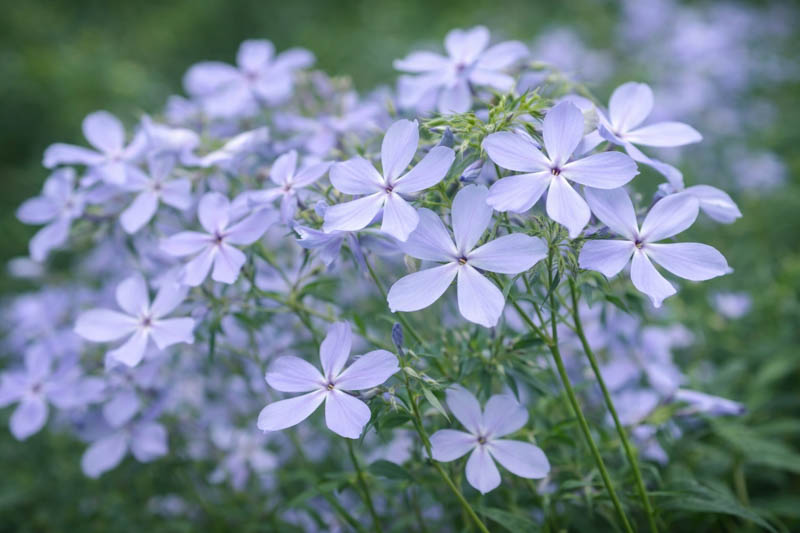
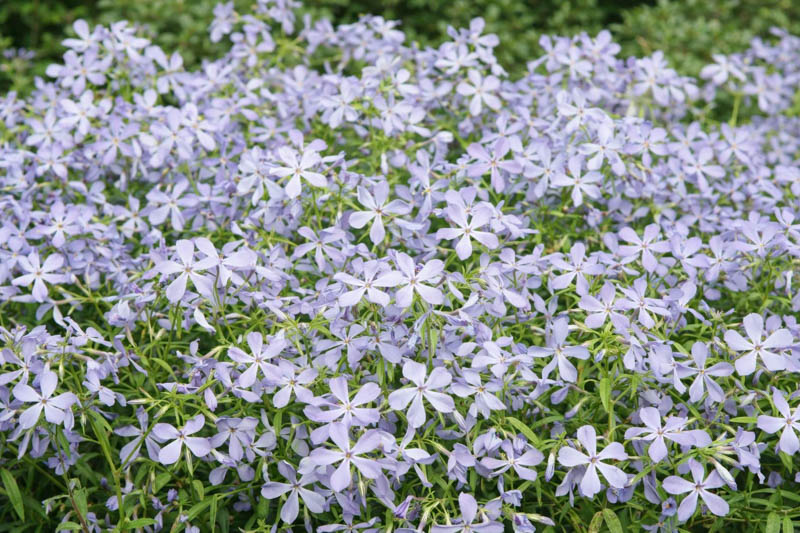
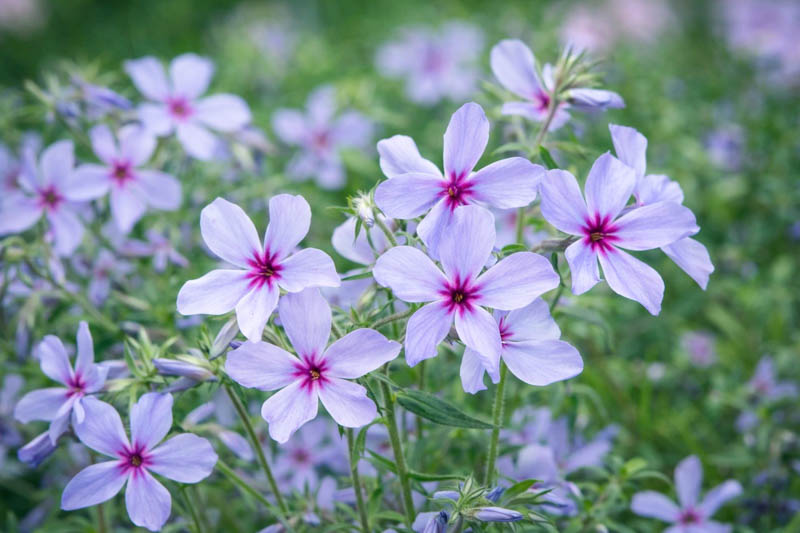


Phlox divaricata, commonly called Woodland Phlox or Wild Blue Phlox, is a semi-evergreen, spreading perennial celebrated for its gently fragrant, starry spring flowers and soft, ground-hugging appearance. Native to eastern North America’s woodlands, glades, and rich slopes, this beloved wildflower thrives where many sun-loving phlox species would struggle — dappled light, humus-rich soil, and cool spring moisture.
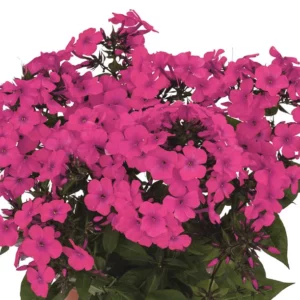
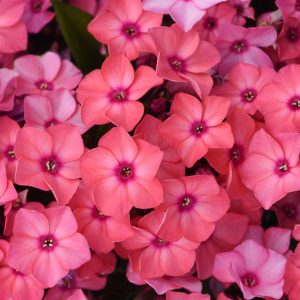
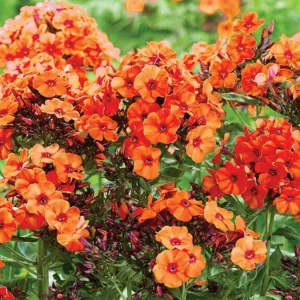
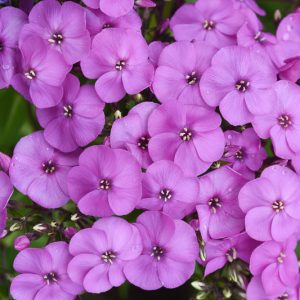
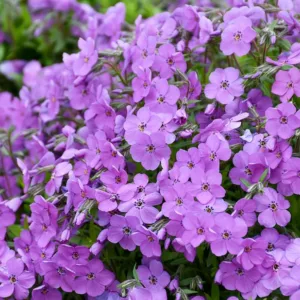
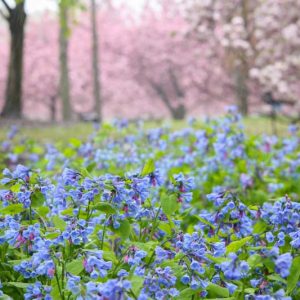
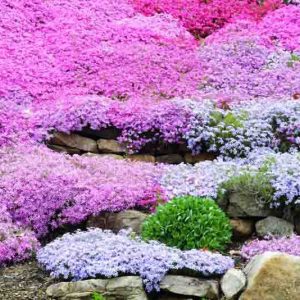
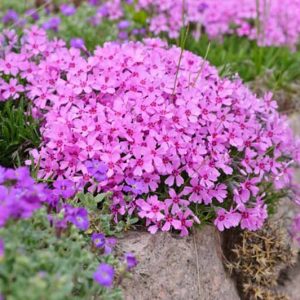
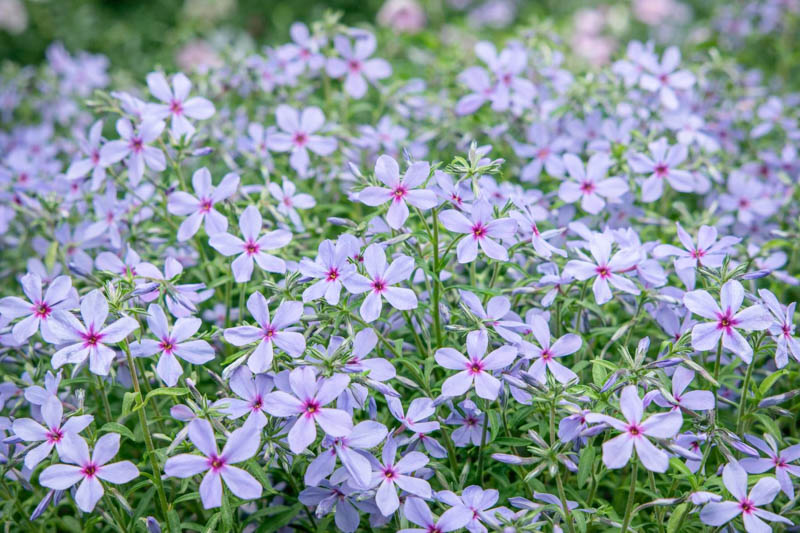
In mid to late spring, loose clusters of saucer-shaped blooms hover above the foliage in shades of lilac, lavender, rose, and powder blue. Each flower features five notched petals that catch the light beautifully. Rising on slightly sticky, hairy stems, these blooms create a shimmering carpet of color that attracts butterflies and hummingbirds. Long valued for naturalized borders, woodland gardens, and groundcover plantings, Phlox divaricata delivers effortless charm, wildlife value, and old-fashioned cottage garden magic.
Summary: A semi-evergreen, spreading perennial with soft green foliage and loose clusters of sweetly fragrant, notched flowers in mid to late spring.
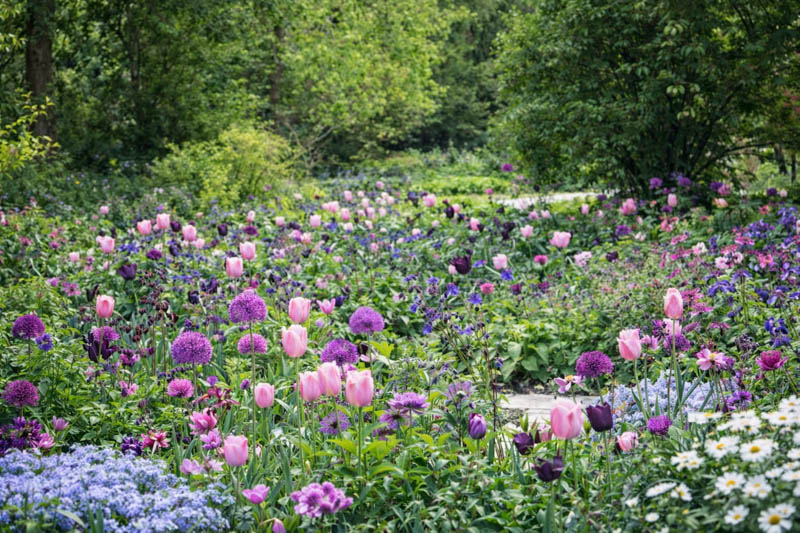
Use: Groundcover, woodland gardens, shade borders, naturalized areas, cottage gardens, pollinator-friendly designs.
Highlight: Its airy, pastel blooms create shimmering carpets under trees and shrubs and pair beautifully with spring ephemerals.
Note: Prefers part shade and humusy, moist, well-drained soils. Tolerates clay and some dryness once established.
| Botanical Name | Phlox divaricata |
|---|---|
| Family | Polemoniaceae |
| Common Names | Woodland Phlox, Wild Blue Phlox, Wild Sweet William |
| Native Range | Eastern North America – rich woodlands, slopes, and shaded clearings. |
| Plant Type and Habit | Semi-evergreen perennial; creeping, slowly spreading mats via short rhizomes and leafy stems. |
| Hardiness (approx. USDA) | Hardy in USDA Zones 3 to 8. |
| Size | Typically 9-12 in. tall and wide (22-30 cm). Forms larger colonies over time. |
| Sun and Exposure | Thrives in part shade and tolerates dappled shade and light morning sun. |
| Soil | Humus-rich, moist, well-drained soils; tolerates clay and occasional dryness. Prefers cool spring conditions. |
| Seasonal Interest | Mid to late spring floral display, semi-evergreen foliage, and soft texture through the growing season. |
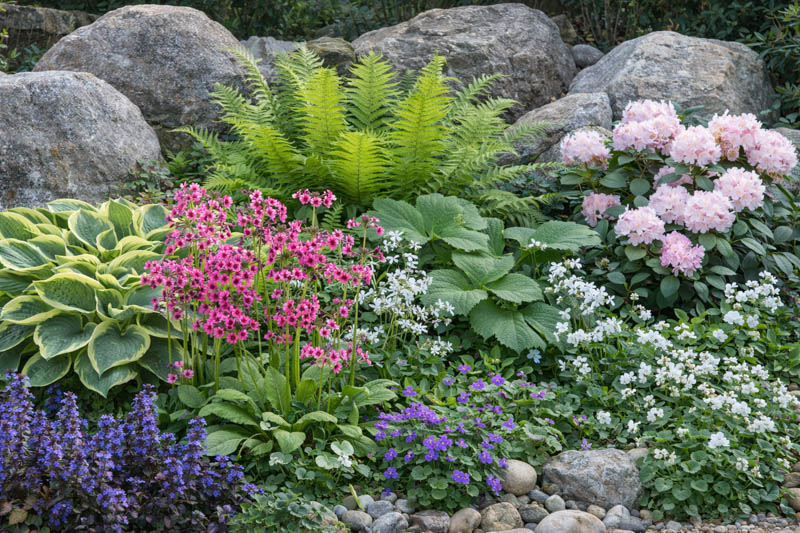
| Primary Uses | Woodland gardens, native plantings, naturalized areas, shade borders, pollinator gardens, underplanting shrubs and roses. |
Phlox divaricata forms loose mats of lance-shaped, semi-evergreen leaves that stay present most of the year. In spring, finely hairy stems rise just above the foliage, holding clusters of starry, softly scented flowers. These blooms vary from pale blue to rosy lavender, and their gently notched petals give them a delicate, fluttering appearance.
The fragrance is subtle but sweet — a classic spring woodland scent that evokes trilliums, violets, and early bulbs. Its airy, informal style makes it ideal for naturalistic plantings and shady cottage gardens.
Phlox divaricata and selected cultivars have received the prestigious Award of Garden Merit of the Royal Horticultural Society
Woodland Phlox is native to the deciduous forests of eastern North America. It naturally occurs in:
This heritage gives Phlox divaricata exceptional adaptability to part shade, organic soils, and cool spring moisture.
This species spreads gently by short rhizomes, eventually forming soft mats or colonies that look completely at home beneath trees or along shady paths. Growth is moderate but steady, giving gardeners a manageable groundcover that never feels invasive.
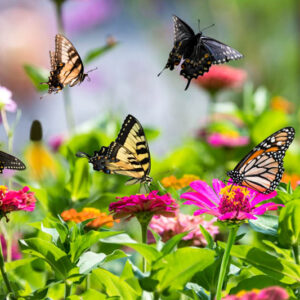
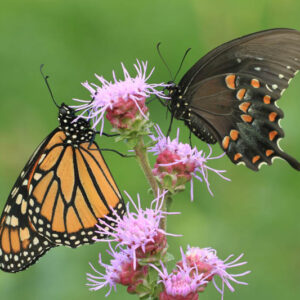
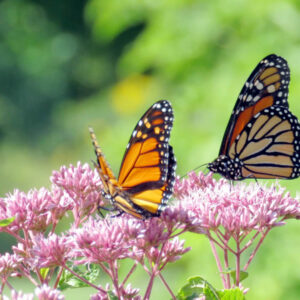
Mid to late spring is peak bloom. Flower stems rise 8-12 inches, each holding airy clusters of pastel blossoms. Cool spring weather extends bloom time, often carrying displays for several weeks. Butterflies, especially swallowtails, love these early nectar-rich blooms.
The leaves of Woodland Phlox are slender, soft green, and semi-evergreen in milder climates. In summer they remain attractive but understated, creating a gentle carpet that blends into shady garden compositions. In winter, foliage may thin in cold regions but re-emerges vigorously in spring.
Phlox divaricata is hardy in USDA Zones 3 to 8. It thrives in cool spring climates but performs well throughout the eastern and Midwestern United States.
Woodland Phlox is a nectar source for early-season butterflies, and hummingbirds. It also supports native bees that emerge as spring warms the forest floor. Because it forms dense but gentle cover, it shelters small insects and contributes to woodland biodiversity.
Woodland Phlox is not deer or rabbit resistant.
Once established, Phlox divaricata is reasonably drought tolerant, particularly in shaded sites with organic soil. However, prolonged drought may reduce bloom quantity the following year.
Woodland Phlox is generally considered non-toxic to humans and pets and is grown primarily as an ornamental wildflower.
Phlox divaricata is not invasive. It spreads politely and is very easy to control through periodic division.
A yearly spring application of compost or leaf mold enriches soil and supports vibrant growth.
Generally pest resistant, though occasional issues include:
No. Phlox divaricata spreads slowly by short rhizomes and forms manageable colonies. It is easy to control through division and is not considered invasive.
Yes. Its early-season blooms attract butterflies, hummingbirds, and native bees, making it a valuable nectar source in spring.
It tolerates shade but blooms best in part shade or dappled sunlight. Deep shade reduces flowering.
Improve airflow, avoid overhead watering, and cut stems back after bloom. Dividing overgrown clumps also helps reduce humidity around foliage.
Bloom time typically lasts 3–4 weeks in mid to late spring, depending on weather. Cool temperatures extend flowering.
USDA Natural Resources Conservation Service
Lady Bird Johnson Wildflower Center
University Extension horticulture publications
Native Plant Trust field guides
Updated: December 2025 • Reviewed by Gardenia Editors
| Hardiness |
3 - 8 |
|---|---|
| Heat Zones |
1 - 8 |
| Climate Zones | 1, 1A, 1B, 2, 2A, 2B, 3, 3A, 3B, 4, 5, 6, 7, 8, 9, 10, 11, 12, 13, 14, 15, 16, 17 |
| Plant Type | Perennials |
| Plant Family | Polemoniaceae |
| Genus | Phlox |
| Common names | Phlox, Woodland Phlox |
| Exposure | Partial Sun |
| Season of Interest | Spring (Mid, Late) |
| Height | 9" - 1' (23cm - 30cm) |
| Spread | 9" - 1' (23cm - 30cm) |
| Spacing | 9" - 12" (23cm - 30cm) |
| Maintenance | Low |
| Water Needs | Average |
| Soil Type | Chalk, Clay, Loam, Sand |
| Soil pH | Acid, Alkaline, Neutral |
| Soil Drainage | Moist but Well-Drained, Well-Drained |
| Characteristics | Fragrant, Plant of Merit, Showy, Semi-Evergreen |
| Native Plants | United States, Pennsylvania, Vermont, Connecticut, Delaware, Maryland, New Jersey, New York, Northeast, Midwest, Southeast, Southwest, Illinois, Indiana, Iowa, Kansas, Michigan, Minnesota, Missouri, Nebraska, Ohio, South Dakota, Wisconsin, Louisiana, Mississippi, North Carolina, South Carolina, Tennessee, Virginia, West Virginia, Alabama, Arkansas, Florida, Georgia, Kentucky, Texas, Oklahoma |
| Tolerances | Drought, Dry Soil, Clay Soil, Heat, Fire |
| Attracts | Bees, Butterflies, Hummingbirds |
| Garden Uses | Beds And Borders, Ground Covers, Underplanting Roses And Shrubs |
| Garden Styles | Gravel and Rock Garden, Informal and Cottage, Prairie and Meadow |
| Toxic to Humans | No known toxicity |
| Toxic to Cats | No known toxicity |
| Toxic to Dogs | No known toxicity |
| Toxic to Horses | No known toxicity |


| Hardiness |
3 - 8 |
|---|---|
| Heat Zones |
1 - 8 |
| Climate Zones | 1, 1A, 1B, 2, 2A, 2B, 3, 3A, 3B, 4, 5, 6, 7, 8, 9, 10, 11, 12, 13, 14, 15, 16, 17 |
| Plant Type | Perennials |
| Plant Family | Polemoniaceae |
| Genus | Phlox |
| Common names | Phlox, Woodland Phlox |
| Exposure | Partial Sun |
| Season of Interest | Spring (Mid, Late) |
| Height | 9" - 1' (23cm - 30cm) |
| Spread | 9" - 1' (23cm - 30cm) |
| Spacing | 9" - 12" (23cm - 30cm) |
| Maintenance | Low |
| Water Needs | Average |
| Soil Type | Chalk, Clay, Loam, Sand |
| Soil pH | Acid, Alkaline, Neutral |
| Soil Drainage | Moist but Well-Drained, Well-Drained |
| Characteristics | Fragrant, Plant of Merit, Showy, Semi-Evergreen |
| Native Plants | United States, Pennsylvania, Vermont, Connecticut, Delaware, Maryland, New Jersey, New York, Northeast, Midwest, Southeast, Southwest, Illinois, Indiana, Iowa, Kansas, Michigan, Minnesota, Missouri, Nebraska, Ohio, South Dakota, Wisconsin, Louisiana, Mississippi, North Carolina, South Carolina, Tennessee, Virginia, West Virginia, Alabama, Arkansas, Florida, Georgia, Kentucky, Texas, Oklahoma |
| Tolerances | Drought, Dry Soil, Clay Soil, Heat, Fire |
| Attracts | Bees, Butterflies, Hummingbirds |
| Garden Uses | Beds And Borders, Ground Covers, Underplanting Roses And Shrubs |
| Garden Styles | Gravel and Rock Garden, Informal and Cottage, Prairie and Meadow |
| Toxic to Humans | No known toxicity |
| Toxic to Cats | No known toxicity |
| Toxic to Dogs | No known toxicity |
| Toxic to Horses | No known toxicity |
How many Phlox divaricata (Woodland Phlox) do I need for my garden?
| Plant | Quantity | |
|---|---|---|
| Phlox divaricata (Woodland Phlox) | N/A | Buy Plants |
Create a membership account to save your garden designs and to view them on any device.
Becoming a contributing member of Gardenia is easy and can be done in just a few minutes. If you provide us with your name, email address and the payment of a modest $25 annual membership fee, you will become a full member, enabling you to design and save up to 25 of your garden design ideas.
Join now and start creating your dream garden!
Create a membership account to save your garden designs and to view them on any device.
Becoming a contributing member of Gardenia is easy and can be done in just a few minutes. If you provide us with your name, email address and the payment of a modest $25 annual membership fee, you will become a full member, enabling you to design and save up to 25 of your garden design ideas.
Join now and start creating your dream garden!