Christmas Fern, Christmas Dagger Fern, Dagger Fern, Aetopteron acrostichoides, Aspidium acrostichoides, Nephrodium acrostichoides, Polypodium acrostichoides
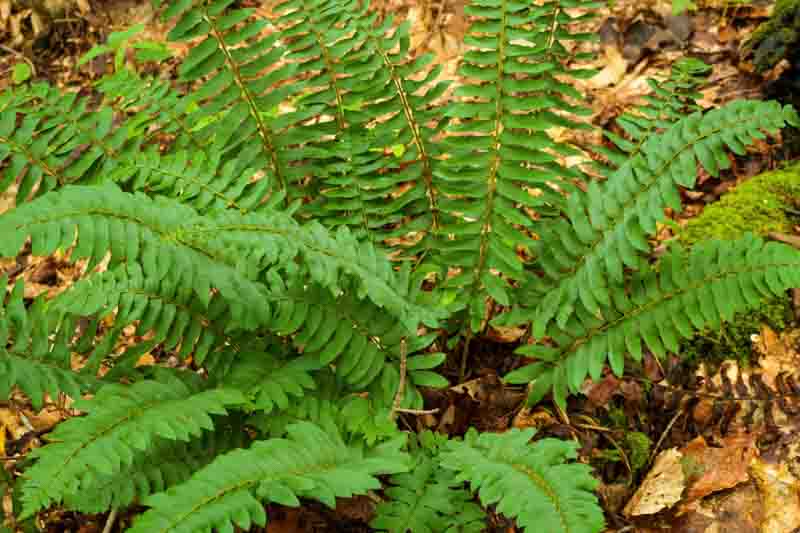
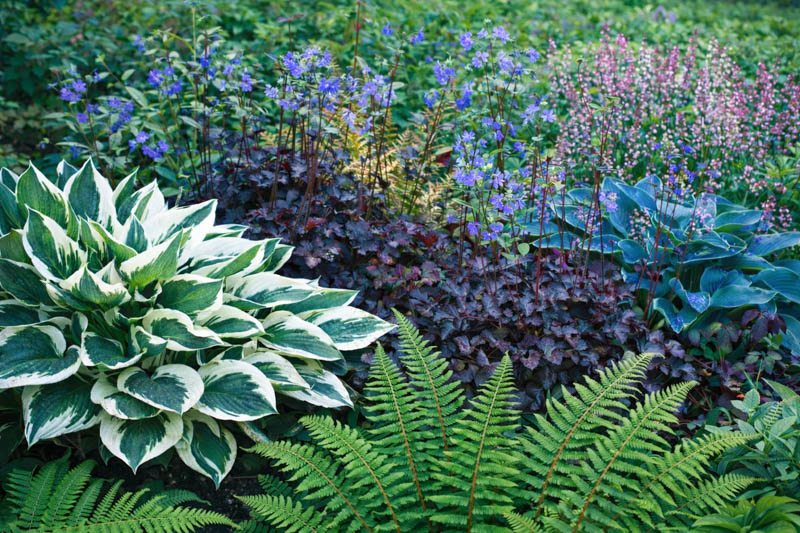
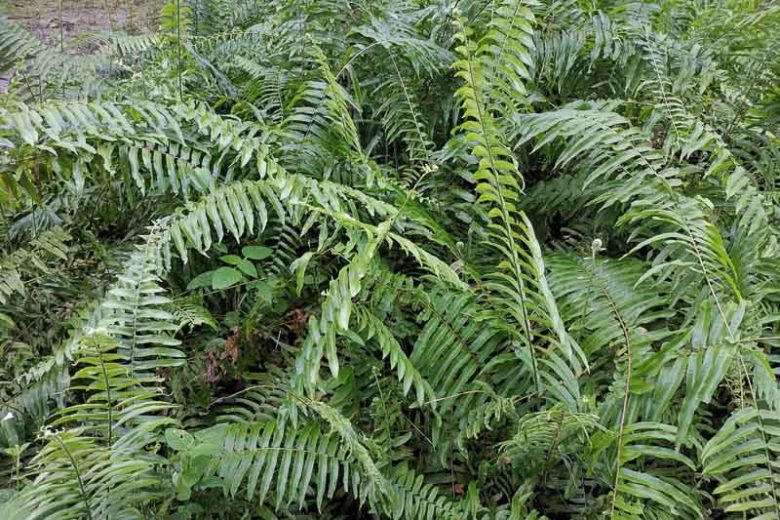
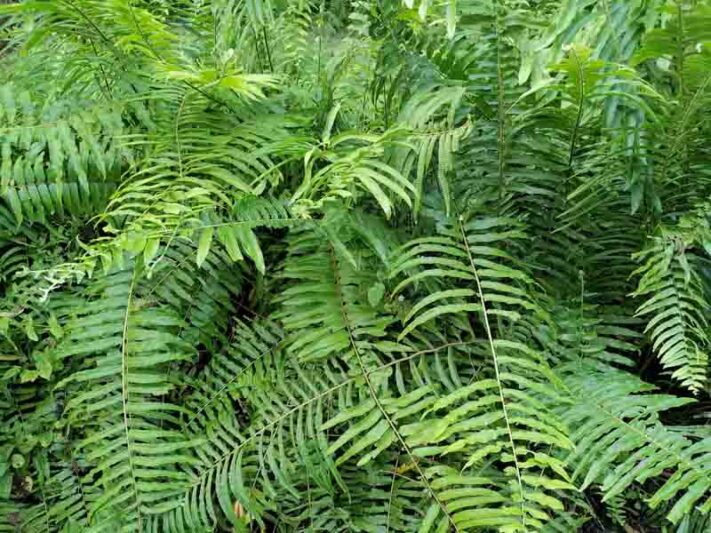


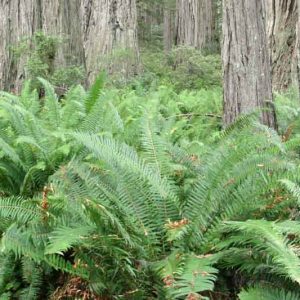
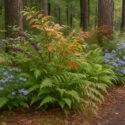
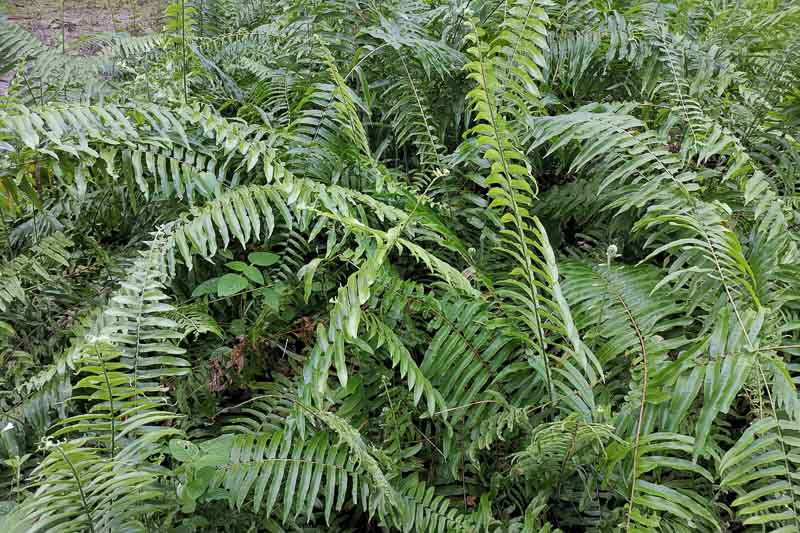
Polystichum acrostichoides, commonly known as Christmas fern, is a robust, evergreen fern treasured for its glossy, lance-shaped fronds and tidy, fountain-like habit. Native to the eastern half of North America, it brings dependable green structure to shaded beds, woodland gardens, and slopes where many other plants struggle. Its fronds often stay green right through the holiday season, giving the fern its festive common name.
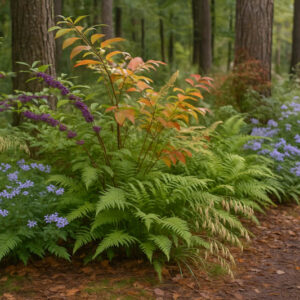
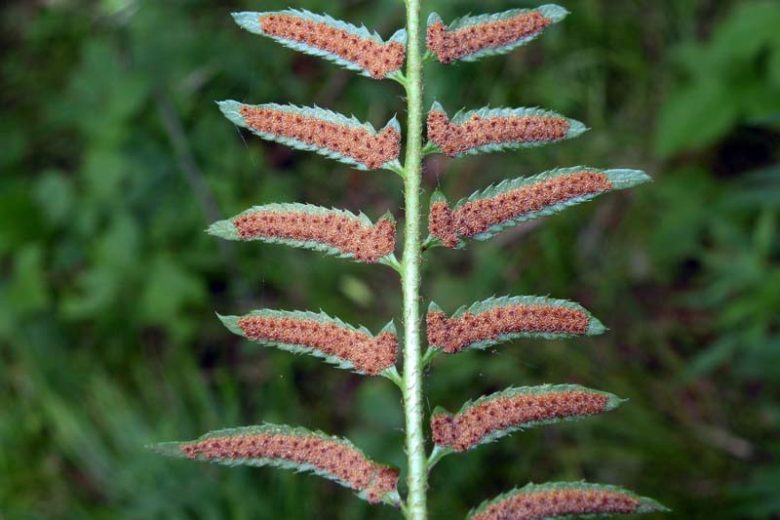
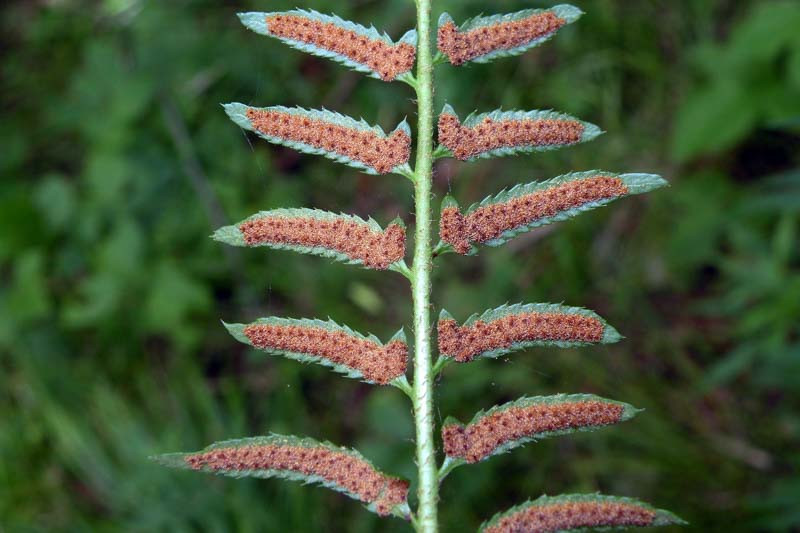
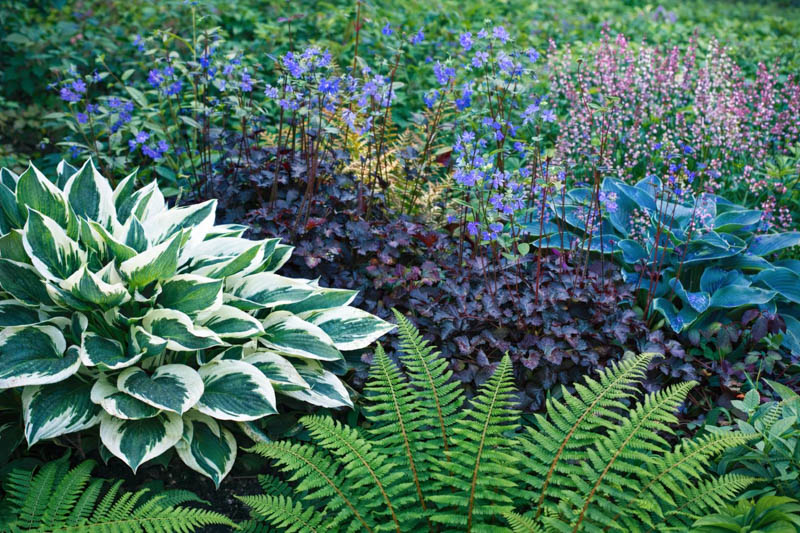
Popular and easily maintained, Christmas fern forms a clump of leathery, rich dark green fronds adorned with small, holly-like pinnae. They remain lush and fresh-looking throughout the season. In spring, tightly coiled fiddleheads emerge silvery green from a slowly creeping caudex or short rhizome. On mature plants, the first fronds that emerge in spring are generally fertile and are held stiffly upright. Sori appear on the undersides of the pinnae only on the upper third of these fertile fronds. They are followed by shorter, arching sterile fronds that complete the fern’s graceful, vase-shaped outline. Gracing shaded gardens and woodlands, Christmas fern provides four seasons of interest, excels as a ground cover, and is an excellent companion to other shade-loving ferns, perennials, and wildflowers. Adaptable and dependable, it is not fussy about soil types and conditions, making it an accommodating and low-maintenance garden plant.
Summary: A clump-forming, evergreen fern with leathery, lance-shaped fronds that form a graceful fountain of rich dark green foliage.
Use: Woodland gardens, shaded borders, ground covers, erosion control on slopes, underplanting shrubs and trees.
Highlight: Evergreen fronds that often stay green through winter and Christmas, plus distinctive stocking-shaped pinnae.
Note: Thrives in part shade to full shade, tolerates dry to medium moisture and rocky soils, and is remarkably drought tolerant once established.
| Botanical Name | Polystichum acrostichoides |
|---|---|
| Family | Dryopteridaceae |
| Common Names | Christmas fern, Christmas dagger fern |
| Native Range | Eastern North America – from eastern Canada south through the eastern and central United States in moist and shady woodlands, rocky slopes, and stream banks. |
| Plant Type and Habit | Evergreen, clump-forming fern with a fountain-like, arching habit – slowly expanding by spores rather than aggressive runners. |
| Hardiness (approx. USDA) | Hardy in USDA Zones 3 to 9, depending on local conditions. |
| Size | Typically 1 to 3 ft. tall and wide (30 to 90 cm). Under good conditions, clumps may broaden slightly over time. |
| Sun and Exposure | A part shade to full shade lover. Handles morning or dappled sun if moisture is adequate. Best appearance in consistent shade or filtered light. |
| Soil | Organically rich, well-drained soils with dry to medium moisture. Tolerates rocky or shallow soils and periods of drought, but dislikes waterlogged sites. |
| Seasonal Interest | Evergreen fronds provide four seasons of interest – fresh silvery fiddleheads in spring, lush dark green fronds in summer, and lasting foliage that often remains green into winter and Christmas. |
| Primary Uses | Shady beds and borders, underplanting of roses and shrubs, cottage and woodland gardens, mass plantings on slopes for erosion control, naturalized ground covers. |
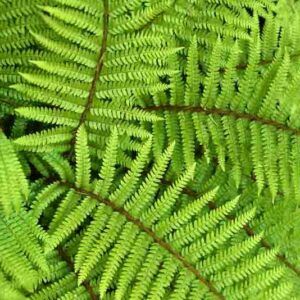
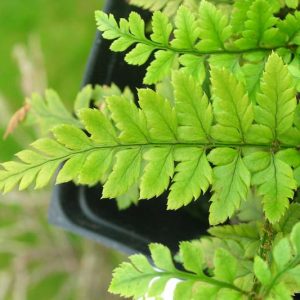
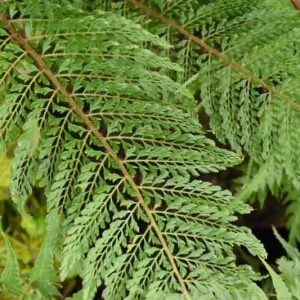
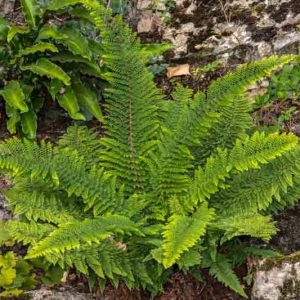
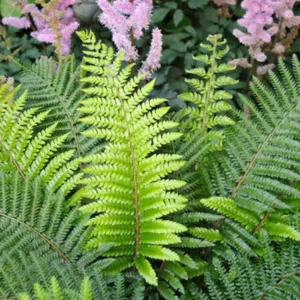
Christmas fern is a clumping, evergreen fern with leathery, lance-shaped fronds that arise from a central crown. Each frond is typically 12 to 24 in. long, deep green, and lined with small pinnae that resemble tiny stockings or holly leaves. These distinctive pinnae give the plant both its common name and much of its textural appeal.
In early spring, tightly coiled fiddleheads emerge covered in silvery or brownish scales, creating a striking contrast against last year’s fronds. As they unfurl, the fronds form a fountain or shuttlecock shape. On mature plants, many fronds are hemidimorphic: the upper third of the frond bears smaller, fertile pinnae densely covered with sori, while the lower portion remains sterile and broader, creating a subtle two-part appearance.
Polystichum acrostichoides is native to the forests of eastern North America. It occurs from eastern Canada south through New England and the Mid-Atlantic, west into the Midwest, and south to the Gulf Coast and eastern Texas. In the wild, you will find it on shaded slopes, in rich hardwood forests, along ravines, and on rocky hillsides where soils are well drained yet retain moisture.
This fern forms a tidy clump 1 to 3 ft. tall and wide, gradually thickening over time. Unlike some aggressive ferns, Christmas fern does not run by long rhizomes or form dense monocultures. Instead, it may slowly naturalize by spores, gently increasing its presence in the garden without becoming overwhelming.
Its growth rate is moderate. Once established, the fern is long lived and highly durable, tolerating dry shade, shallow soils, and competition from tree roots much better than many perennials.
Christmas fern does not produce flowers or fruits, but it reproduces via spores. The sori are clustered on the undersides of the fertile pinnae, typically restricted to the upper third of the frond. These fertile pinnae are noticeably narrower and shorter than the sterile ones below, giving the frond a subtly tapered look. Spores ripen from late spring into summer, and in the right conditions may give rise to new plants nearby.
The foliage is the star of this plant. Fronds emerge bright and fresh in spring, mature to a deep, glossy green through summer, and often remain green into winter. In colder climates, they may flatten under snow or ice, but the fern still offers welcome color on the woodland floor when most herbaceous plants are dormant. In milder regions, the fronds can look nearly as good at Christmas as they did in late autumn, which is how the fern earned its name.
Christmas fern is hardy roughly in USDA Zones 3 to 9. It tolerates cold winters, summer heat, and humidity when planted in appropriate shade and soil conditions. This wide adaptability helps explain its popularity as a landscape fern.
As a native fern, Polystichum acrostichoides plays a quiet but important role in forest ecosystems. Its dense crowns and evergreen fronds shelter small animals and invertebrates, while its roots stabilize soil on slopes and ravines. By protecting the duff layer and reducing erosion, it helps maintain healthy woodland soils where other native plants, including bee and butterfly plants can thrive.
Christmas fern is generally considered rabbit and deer resistant. Browsing mammals may occasionally sample the fronds when food is scarce, but they rarely cause serious damage. This makes the plant especially valuable in regions where deer pressure limits the choice of ornamentals.
Unlike many ferns that insist on consistently moist soil, Christmas fern is drought tolerant once established. It performs best in soils that receive regular moisture, but it also handles dry shade conditions under trees and on woodland slopes, provided drainage is good and the site is not exposed to hot, direct afternoon sun.
Christmas fern is regarded as non-toxic to humans and pets and is not listed as poisonous to dogs, cats, or horses. As with all ornamentals, it is still best grown for decorative rather than culinary use.
Polystichum acrostichoides is a native fern and not considered invasive. It forms neat clumps and may slowly spread by spores over time, but it does not send out long, aggressive runners or overwhelm other plants. In garden settings, its spread is typically gentle and easy to manage.
Fertilizer needs are minimal. A yearly layer of shredded leaves or compost in spring mimics woodland conditions and supplies all the nutrition Christmas fern typically requires.
Christmas fern is generally pest-free. Occasionally, minor chewing from caterpillars or other insects may appear but rarely requires control. In naturalistic settings, small amounts of cosmetic damage are normal and part of a healthy ecosystem.
No. Polystichum acrostichoides is a native, clump-forming fern. It may gently increase in number over time as spores germinate nearby, but it does not spread aggressively by runners and is not considered invasive.
In many climates, Christmas fern fronds remain green through fall and into winter, often still green at Christmas. In colder regions, fronds may flatten under snow and look weathered by late winter, but the plant remains alive and sends up fresh fiddleheads in spring.
Christmas fern prefers part shade to full shade. It can handle some morning or dappled sun if the soil stays moist and cool. Prolonged, hot afternoon sun often leads to leaf scorch, drought stress, and reduced vigor.
Mature clumps of Polystichum acrostichoides typically reach about 1 to 3 feet tall and 1 to 3 feet wide, forming a graceful, fountain-like mound of evergreen fronds.
Yes. Christmas fern is generally deer and rabbit resistant. Browsing mammals seldom cause serious damage, which makes this fern an excellent choice for woodland gardens in areas with high deer pressure.
Christmas fern thrives in organically rich, well-drained soil with dry to medium moisture. It is very adaptable, tolerating rocky and shallow soils, but it dislikes standing water or poorly drained clay that stays wet in winter.
Once established, Christmas fern is notably drought tolerant for a fern. It tolerates dry shade and tree-root competition better than many shade perennials, provided the soil is not extremely hot or compacted and receives some organic matter.
Yes. Christmas fern is an excellent choice for shaded slopes. Its fibrous root system and clumping habit help stabilize soil, reduce erosion, and hold the forest duff in place while providing attractive evergreen cover.
The easiest method is division. In early spring, as new fiddleheads emerge, lift and divide established clumps into sections with several crowns and roots, then replant immediately. Advanced gardeners can also propagate from spores collected from the undersides of fertile fronds.
Christmas fern is not listed as toxic to humans or common household pets and is generally considered safe for family gardens. It is grown for ornamental use, not for consumption, so any intentional eating of plant material should still be discouraged.
Lady Bird Johnson Wildflower Center, Native Plant Database: Polystichum acrostichoides.
Updated: December 2025 • Reviewed by Gardenia Editors
| Hardiness |
3 - 9 |
|---|---|
| Heat Zones |
1 - 8 |
| Climate Zones | 1, 1A, 1B, 2, 2A, 2B, 3, 3A, 3B, 4, 5, 6, 7, 8, 9, 14, 15, 16, 17, 18, 19, 20, 21, 22, 23, 24 |
| Plant Type | Ferns |
| Plant Family | Dryopteridaceae |
| Genus | Polystichum |
| Common names | Christmas Fern, Fern |
| Exposure | Partial Sun, Shade |
| Season of Interest | Spring (Early, Mid, Late), Summer (Early, Mid, Late), Fall, Winter |
| Height | 1' - 3' (30cm - 90cm) |
| Spread | 1' - 3' (30cm - 90cm) |
| Spacing | 12" - 36" (30cm - 90cm) |
| Maintenance | Low |
| Water Needs | Average |
| Soil Type | Chalk, Clay, Loam, Sand |
| Soil pH | Acid, Alkaline, Neutral |
| Soil Drainage | Well-Drained |
| Characteristics | Showy, Evergreen |
| Native Plants | United States, Pennsylvania, Rhode Island, Vermont, Connecticut, Delaware, Maine, Massachusetts, Maryland, New Hampshire, New Jersey, New York, Northeast, Midwest, Southeast, Southwest, Illinois, Indiana, Iowa, Kansas, Michigan, Minnesota, Missouri, Ohio, Wisconsin, Louisiana, Mississippi, North Carolina, South Carolina, Tennessee, Virginia, West Virginia, Alabama, Arkansas, Florida, Georgia, Kentucky, Texas, Oklahoma |
| Tolerances | Full Shade, Drought, Deer, Rabbit, Dry Soil, Rocky Soil, Heat, Fire |
| Garden Uses | Banks And Slopes, Beds And Borders, Ground Covers, Underplanting Roses And Shrubs |
| Garden Styles | Prairie and Meadow |
| Toxic to Humans | No known toxicity |
| Toxic to Cats | Not toxic |
| Toxic to Dogs | Not toxic |
| Toxic to Horses | Not toxic |


| Hardiness |
3 - 9 |
|---|---|
| Heat Zones |
1 - 8 |
| Climate Zones | 1, 1A, 1B, 2, 2A, 2B, 3, 3A, 3B, 4, 5, 6, 7, 8, 9, 14, 15, 16, 17, 18, 19, 20, 21, 22, 23, 24 |
| Plant Type | Ferns |
| Plant Family | Dryopteridaceae |
| Genus | Polystichum |
| Common names | Christmas Fern, Fern |
| Exposure | Partial Sun, Shade |
| Season of Interest | Spring (Early, Mid, Late), Summer (Early, Mid, Late), Fall, Winter |
| Height | 1' - 3' (30cm - 90cm) |
| Spread | 1' - 3' (30cm - 90cm) |
| Spacing | 12" - 36" (30cm - 90cm) |
| Maintenance | Low |
| Water Needs | Average |
| Soil Type | Chalk, Clay, Loam, Sand |
| Soil pH | Acid, Alkaline, Neutral |
| Soil Drainage | Well-Drained |
| Characteristics | Showy, Evergreen |
| Native Plants | United States, Pennsylvania, Rhode Island, Vermont, Connecticut, Delaware, Maine, Massachusetts, Maryland, New Hampshire, New Jersey, New York, Northeast, Midwest, Southeast, Southwest, Illinois, Indiana, Iowa, Kansas, Michigan, Minnesota, Missouri, Ohio, Wisconsin, Louisiana, Mississippi, North Carolina, South Carolina, Tennessee, Virginia, West Virginia, Alabama, Arkansas, Florida, Georgia, Kentucky, Texas, Oklahoma |
| Tolerances | Full Shade, Drought, Deer, Rabbit, Dry Soil, Rocky Soil, Heat, Fire |
| Garden Uses | Banks And Slopes, Beds And Borders, Ground Covers, Underplanting Roses And Shrubs |
| Garden Styles | Prairie and Meadow |
| Toxic to Humans | No known toxicity |
| Toxic to Cats | Not toxic |
| Toxic to Dogs | Not toxic |
| Toxic to Horses | Not toxic |
How many Polystichum acrostichoides (Christmas Fern) do I need for my garden?
| Plant | Quantity | |
|---|---|---|
| Polystichum acrostichoides (Christmas Fern) | N/A | Buy Plants |
Create a membership account to save your garden designs and to view them on any device.
Becoming a contributing member of Gardenia is easy and can be done in just a few minutes. If you provide us with your name, email address and the payment of a modest $25 annual membership fee, you will become a full member, enabling you to design and save up to 25 of your garden design ideas.
Join now and start creating your dream garden!
Create a membership account to save your garden designs and to view them on any device.
Becoming a contributing member of Gardenia is easy and can be done in just a few minutes. If you provide us with your name, email address and the payment of a modest $25 annual membership fee, you will become a full member, enabling you to design and save up to 25 of your garden design ideas.
Join now and start creating your dream garden!