Firewheel, Indian Blanket, Indian Blanketflower, Sundance
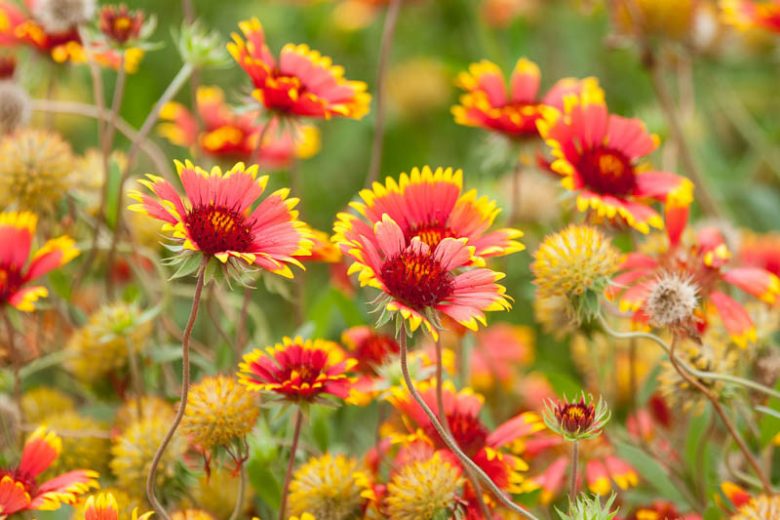
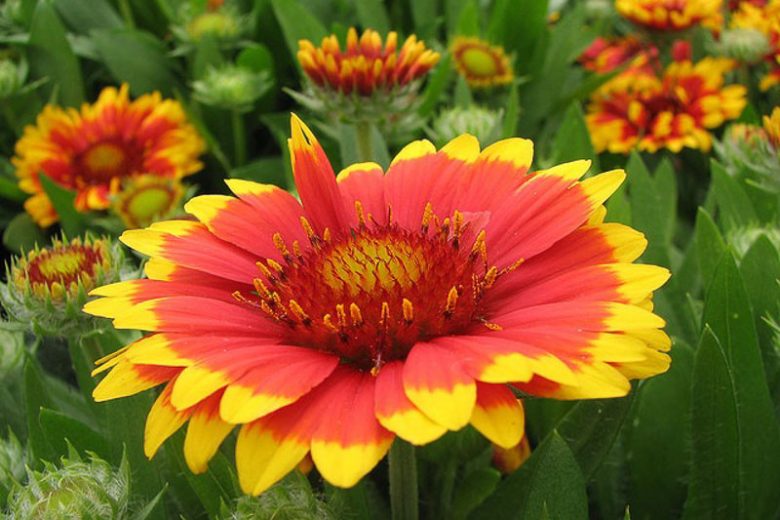


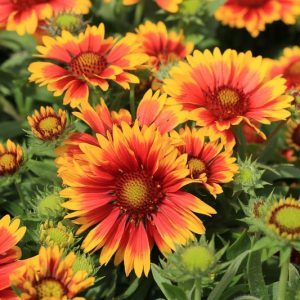
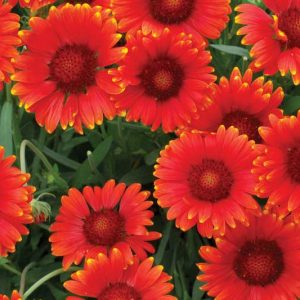
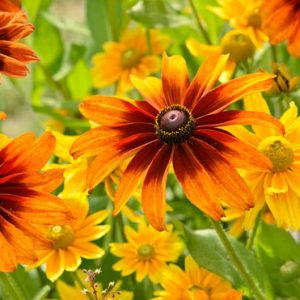
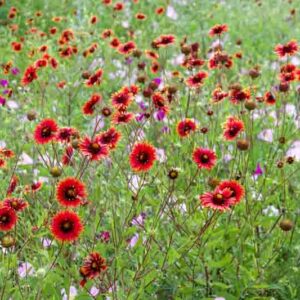
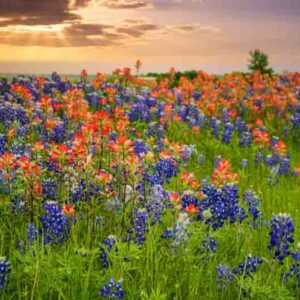
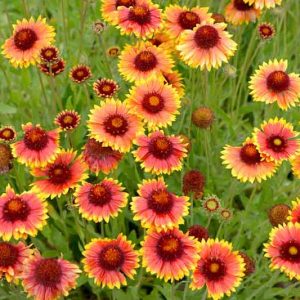
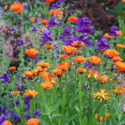
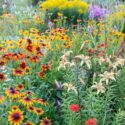
Gaillardia pulchella, widely known as firewheel or Indian blanket, is that cheerful wildflower that seems to glow even on the hottest, driest days. Its daisy like blooms have a rich red or burgundy center ringed in yellow, creating a pinwheel of color that looks painted by hand. From late spring right into fall, these flowers keep opening in waves, turning beds, borders, and wildflower meadows into a long lasting fiesta of color.
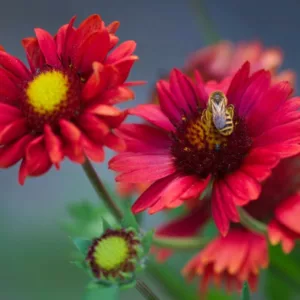
This easygoing native wildflower thrives in full sun, laughs at heat, and once established is impressively drought tolerant. It handles poor, sandy soil, tolerates coastal conditions, and often reseeds to create informal drifts. The nectar rich blooms attract honey bees, native bees, and butterflies, while the seed heads feed birds later in the season. You will see it featured prominently in Texas wildflower collections, drought tolerant annual guides, and other native plant resources for water wise gardens.
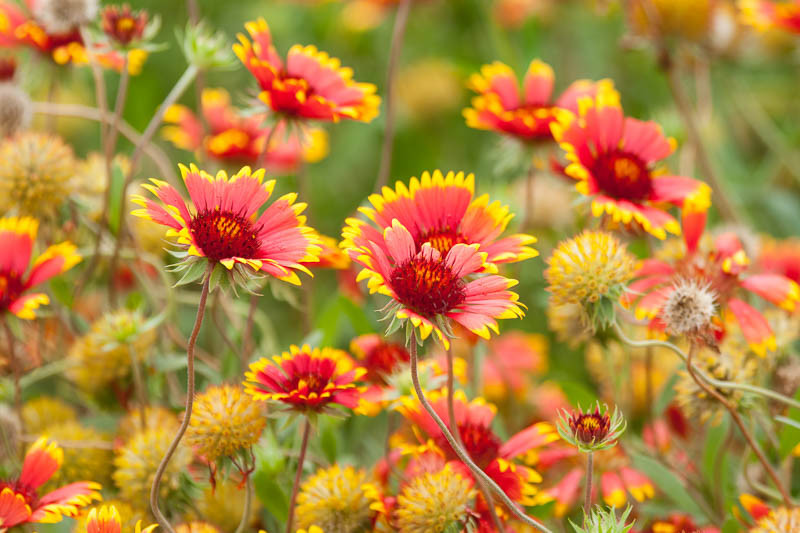
Summary: Showy annual or short lived perennial wildflower with daisy like blooms featuring red centers and yellow tipped petals from late spring to fall. Compact and free flowering.
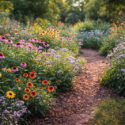
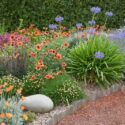
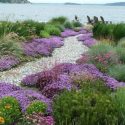
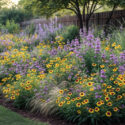
Use: Perfect for wildflower meadows, cottage borders, containers, rock gardens, coastal plantings, pollinator and butterfly gardens.
Highlight: Heat and drought tolerant once established, thrives in poor sandy soils, attracts pollinators, and reseeds to form colorful colonies.
Note: Often grown as an annual in cooler regions and as a short lived perennial in warm coastal climates. Allow some seed heads to mature if you want it to return.
| Botanical Name | Gaillardia pulchella |
|---|---|
| Family | Asteraceae (aster or daisy family) |
| Common Names | Firewheel, Indian blanket, Indian blanketflower, sundance |
| Native Range | Native to the eastern and south central United States and Mexico, where it grows in prairies, sandy fields, roadsides, coastal dunes, and open meadows. |
| Plant Type and Habit | Annual or short lived perennial wildflower with branching, mostly upright stems and a relaxed, airy habit. Reseeds readily in suitable conditions. |
| Hardiness (USDA) | Usually grown as an annual in USDA Zones 5 to 9, functioning as a short lived perennial in warm coastal climates with mild winters. |
| Size | Typically 10 to 12 in tall (25 to 30 cm) and 6 to 12 in wide (15 to 30 cm). In lean, dry soils plants stay compact, while richer soils can produce taller, looser stems. |
| Sun and Exposure | Full sun is essential for sturdy stems and abundant flowering. Partial shade reduces blooms and can lead to floppy growth. |
| Soil | Thrives in average, dry to medium, well drained soil. Prefers sandy or gravelly sites and tolerates poor, low fertility soils. Excellent for gardens inspired by sandy soil plant lists. |
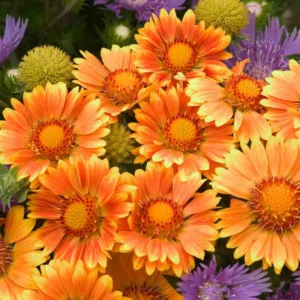
| Seasonal Interest | Late spring through fall blooms in warm red, orange, and yellow bicolors, followed by seed heads that provide texture and wildlife food. |
| Primary Uses | Colorful wildflower meadows, sunny borders, cottage gardens, coastal plantings, low water beds, containers, and butterfly gardens. A staple in Texas native and adapted plantings. |
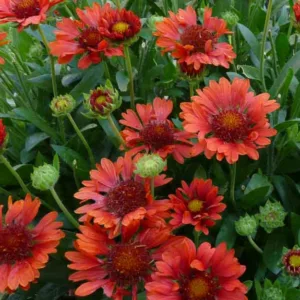
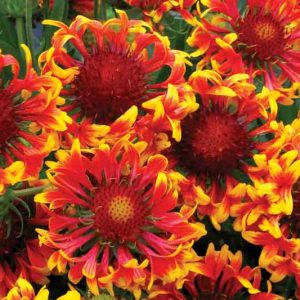
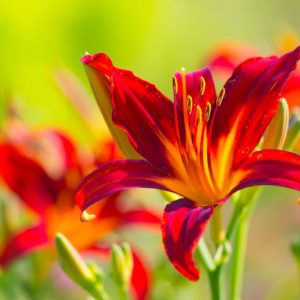
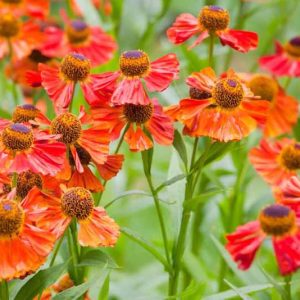
Gaillardia pulchella forms a loose mound of hairy green leaves and branching stems that rise above the foliage, each topped with a single flower head about 2 in wide (5 cm). The classic look is a reddish brown center disk ringed with red petals tipped in yellow, but natural variations can show more yellow, more red, or softer bicolors.
Flowers appear from late spring well into fall in mild climates, especially if you remove spent blooms or shear the plants lightly after a big flush of flowers. Even when a plant is not covered in blooms, the dried seed heads add texture and feed birds, giving this wildflower season long interest.
Firewheel is a native wildflower of the eastern and south central United States and Mexico. In the wild, you will find it in:
This adaptability makes Gaillardia pulchella an excellent choice for regionally appropriate, low water plantings including designs inspired by Texas wildflower mixes, sandy soil gardens, and Texas native plant borders.
Firewheel grows quickly from seed, often blooming in the first season. Plants develop a branching, somewhat open habit, with upper stems mostly leafless so the flowers stand out clearly. In lean, dry soil, plants stay compact and upright. In richer ground, stems can stretch and lean, which is another reason to avoid heavy feeding.
The species reseeds freely in well drained soils. Seedlings are easy to thin or transplant, and in wildflower meadows, this gentle self sowing helps maintain colorful patches year after year.
The blooms of Gaillardia pulchella are its signature feature and a magnet for pollinators.
Firewheel is well adapted to hot, sunny, and dry conditions. It performs beautifully in regions with:
Because it tolerates heat and low moisture, Gaillardia pulchella fits naturally into plantings built around drought tolerant annual combinations and low water planting schemes.
Gaillardia pulchella is a reliable plant for pollinator friendly gardens.
Firewheel is generally considered unappealing to deer and rabbits. While no plant is completely safe from hungry wildlife, its slightly hairy foliage and aromatic stems mean it is usually nibbled less than more succulent ornamentals.
Once established, Gaillardia pulchella has excellent drought tolerance. It is a strong candidate for:
In garden settings, firewheel is typically a well-behaved self-seeder. It can naturalize in open, well drained soils, especially where competition is low, but seedlings are easy to remove where they are not wanted. Allow self sowing in informal meadows and reduce seed set in more formal beds by deadheading.
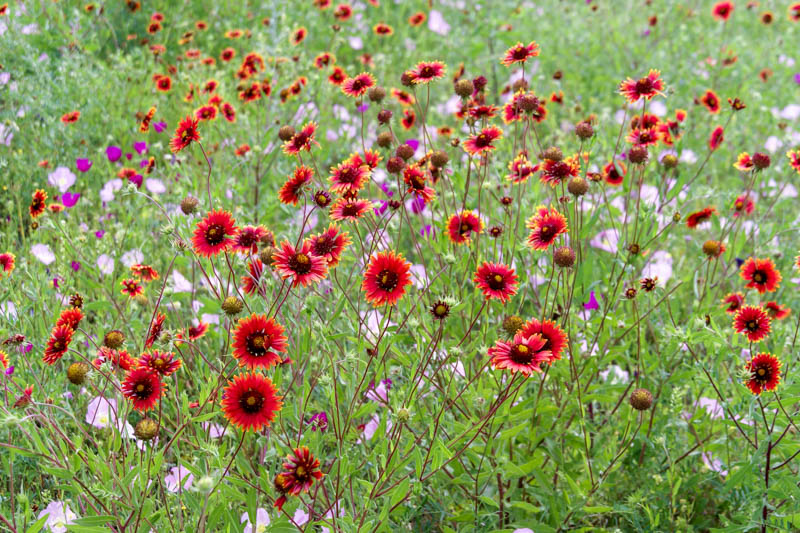
Successful firewheel care centers on sun, drainage, and modest watering.
In the right site, Gaillardia pulchella is a low maintenance, trouble free wildflower.
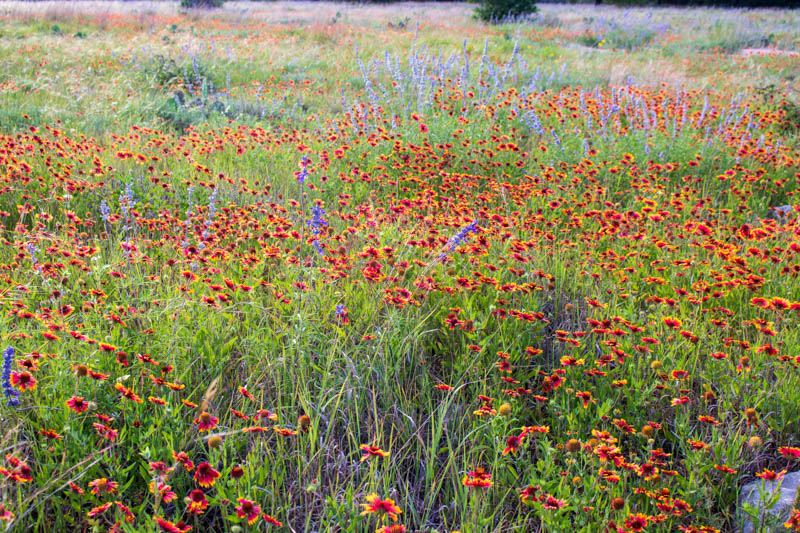
Gaillardia pulchella is a native North American wildflower known for its red and yellow daisy like blooms. It is typically grown as an annual or short lived perennial, valued for its long flowering season, drought tolerance, and ability to attract bees, butterflies, and seed eating birds.
Gaillardia pulchella is botanically a short lived perennial but behaves as an annual in most regions. In warm coastal climates with mild winters, it may overwinter for one or two seasons. In colder zones, it is grown as an annual that blooms heavily in its first year.
Most plants reach about 10 to 12 inches tall and 6 to 12 inches wide. In lean, dry soil, they remain compact. In richer soil, stems can grow longer and may flop, which is why the species performs best in low fertility conditions.
Gaillardia pulchella thrives in dry to medium, well drained soil, especially sandy or gravelly sites. It dislikes heavy, waterlogged soil and performs best in lean, low fertility conditions where drainage is rapid.
Yes. Full sun is essential for strong stems and abundant flowering. The plant can tolerate light shade, but bloom production decreases and stems may become leggy.
Gaillardia pulchella is highly drought tolerant once established. It evolved in hot, dry environments and performs reliably with minimal supplemental water, making it ideal for low water gardens and xeric landscapes.
Yes. The nectar rich blooms attract honey bees, native bees, and butterflies throughout the growing season. After flowering, the seed heads attract small songbirds, giving the plant multi season wildlife value.
Gaillardia pulchella is easy to grow from seed. You can sow seeds directly outdoors after the last frost or start them indoors four to six weeks earlier. Seeds require light contact with soil to germinate and do not need to be buried deeply.
Yes. Gaillardia pulchella readily self seeds in well drained soil. Seedlings are easy to identify and thin. In meadows and naturalistic plantings, self seeding helps maintain colorful stands year after year.
Gaillardia pulchella can bloom continuously from late spring through fall. Deadheading extends the flowering period, but even without deadheading the plant produces repeated waves of blooms through warm weather.
Yes. Firewheel grows well in containers as long as the potting mix drains quickly and the container receives full sun. Containers should not be overwatered, as excess moisture can lead to root rot.
Lady Bird Johnson Wildflower Center: https://www.wildflower.org/plants/result.php?id_plant=GAPU
Updated: November 2025 • Reviewed by Gardenia Editors
| Hardiness |
5 - 9 |
|---|---|
| Heat Zones |
1 - 12 |
| Climate Zones | 1, 1A, 1B, 2, 2A, 2B, 3, 3A, 3B, 4, 5, 6, 7, 8, 9, 10, 11, 12, 13, 14, 15, 16, 17, 18, 19, 20, 21, 22, 23, 24, H1, H2 |
| Plant Type | Annuals, Perennials |
| Plant Family | Compositae |
| Genus | Gaillardia |
| Common names | Firewheel, Gaillardia, Indian Blanket |
| Exposure | Full Sun |
| Season of Interest | Spring (Late), Summer (Early, Mid, Late), Fall |
| Height | 1' - 2' (30cm - 60cm) |
| Spread | 6" - 1' (15cm - 30cm) |
| Spacing | 12" (30cm) |
| Maintenance | Low |
| Water Needs | Low, Average |
| Soil Type | Chalk, Loam, Sand |
| Soil pH | Acid, Alkaline, Neutral |
| Soil Drainage | Well-Drained |
| Characteristics | Showy |
| Native Plants | United States, Midwest, Southeast, Southwest, Rocky Mountains, Kansas, Nebraska, South Dakota, Louisiana, Texas, Arizona, New Mexico, Oklahoma, Colorado |
| Tolerances | Drought, Salt, Dry Soil, Heat, Fire |
| Attracts | Bees, Birds, Butterflies |
| Garden Uses | Beds And Borders, Patio And Containers |
| Garden Styles | Coastal Garden, Gravel and Rock Garden, Informal and Cottage, Mediterranean Garden, Prairie and Meadow |
| Toxic to Humans | No known toxicity |
| Toxic to Cats | No known toxicity |
| Toxic to Dogs | No known toxicity |
| Toxic to Horses | No known toxicity |


| Hardiness |
5 - 9 |
|---|---|
| Heat Zones |
1 - 12 |
| Climate Zones | 1, 1A, 1B, 2, 2A, 2B, 3, 3A, 3B, 4, 5, 6, 7, 8, 9, 10, 11, 12, 13, 14, 15, 16, 17, 18, 19, 20, 21, 22, 23, 24, H1, H2 |
| Plant Type | Annuals, Perennials |
| Plant Family | Compositae |
| Genus | Gaillardia |
| Common names | Firewheel, Gaillardia, Indian Blanket |
| Exposure | Full Sun |
| Season of Interest | Spring (Late), Summer (Early, Mid, Late), Fall |
| Height | 1' - 2' (30cm - 60cm) |
| Spread | 6" - 1' (15cm - 30cm) |
| Spacing | 12" (30cm) |
| Maintenance | Low |
| Water Needs | Low, Average |
| Soil Type | Chalk, Loam, Sand |
| Soil pH | Acid, Alkaline, Neutral |
| Soil Drainage | Well-Drained |
| Characteristics | Showy |
| Native Plants | United States, Midwest, Southeast, Southwest, Rocky Mountains, Kansas, Nebraska, South Dakota, Louisiana, Texas, Arizona, New Mexico, Oklahoma, Colorado |
| Tolerances | Drought, Salt, Dry Soil, Heat, Fire |
| Attracts | Bees, Birds, Butterflies |
| Garden Uses | Beds And Borders, Patio And Containers |
| Garden Styles | Coastal Garden, Gravel and Rock Garden, Informal and Cottage, Mediterranean Garden, Prairie and Meadow |
| Toxic to Humans | No known toxicity |
| Toxic to Cats | No known toxicity |
| Toxic to Dogs | No known toxicity |
| Toxic to Horses | No known toxicity |
How many Gaillardia pulchella (Firewheel) do I need for my garden?
| Plant | Quantity | |
|---|---|---|
| Gaillardia pulchella (Firewheel) | N/A | Buy Plants |
Create a membership account to save your garden designs and to view them on any device.
Becoming a contributing member of Gardenia is easy and can be done in just a few minutes. If you provide us with your name, email address and the payment of a modest $25 annual membership fee, you will become a full member, enabling you to design and save up to 25 of your garden design ideas.
Join now and start creating your dream garden!
Create a membership account to save your garden designs and to view them on any device.
Becoming a contributing member of Gardenia is easy and can be done in just a few minutes. If you provide us with your name, email address and the payment of a modest $25 annual membership fee, you will become a full member, enabling you to design and save up to 25 of your garden design ideas.
Join now and start creating your dream garden!