Switch Grass, Switchgrass, Tall Panic Grass, Prairie Switchgrass, Tall Switchgrass, Blackbent, Tall Prairie Grass, Wobsqua Grass
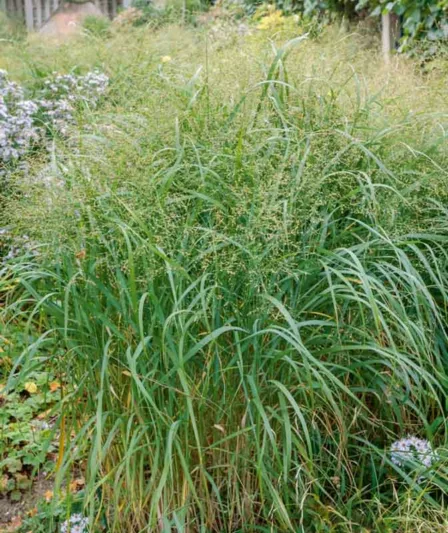
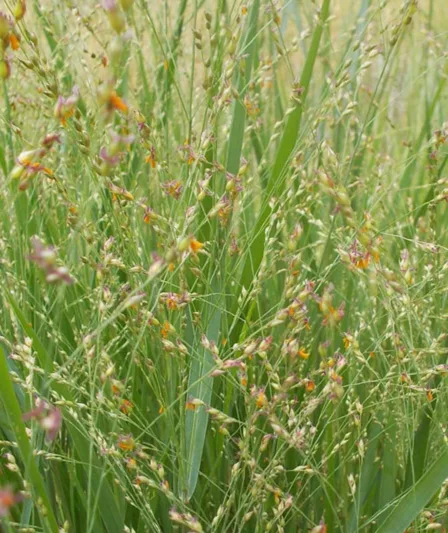
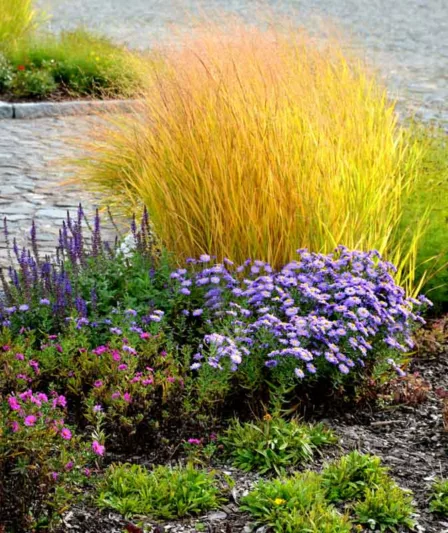
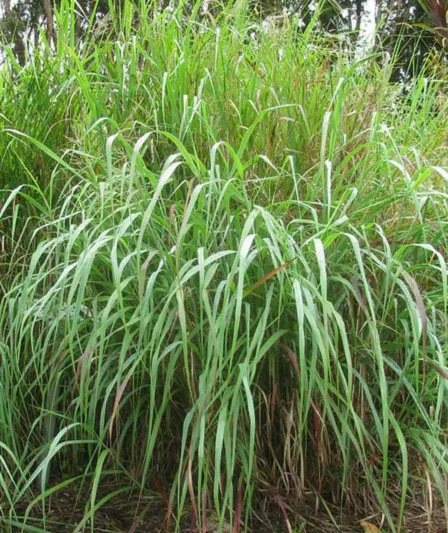


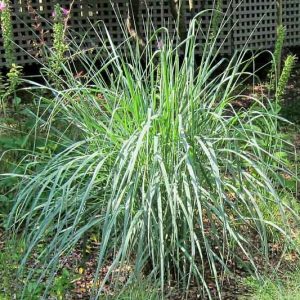
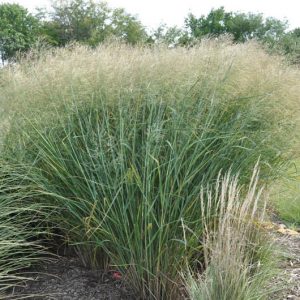
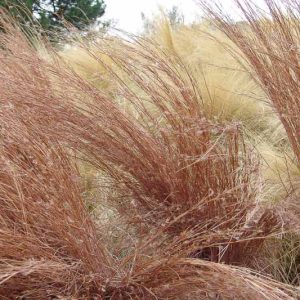
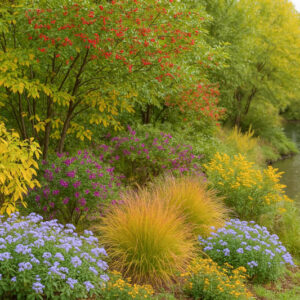
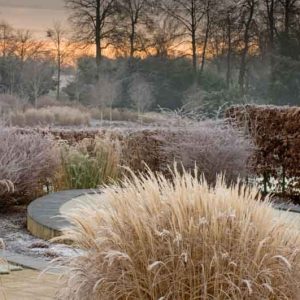
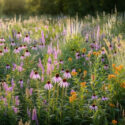
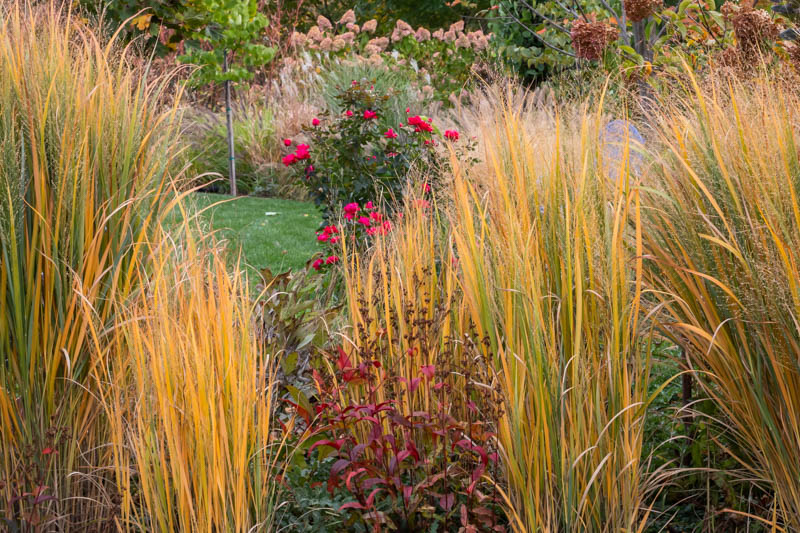
Panicum virgatum, better known as switchgrass, is one of those native ornamental grasses that quietly does everything right. It stands tall and upright, wears a tidy clump of bright green foliage in summer, and then surprises you with a soft cloud of airy flower panicles that shimmer in the late season light. By fall, the whole plant shifts to warm golden tones, turning your border or meadow into a luminous scene.
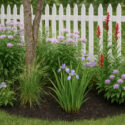
This warm season prairie grass thrives in full sun, handles dry to moist soil, and is equally at home in a refined mixed border, a naturalistic meadow, or along a pond edge. Its seed heads feed songbirds, its sturdy stems stand through winter in light snow areas, and its deep root system makes it a champion for drought tolerance and erosion control. It pairs beautifully with other tough natives featured in drought tolerant grass collections, water wise planting guides, and wildlife friendly plant lists.
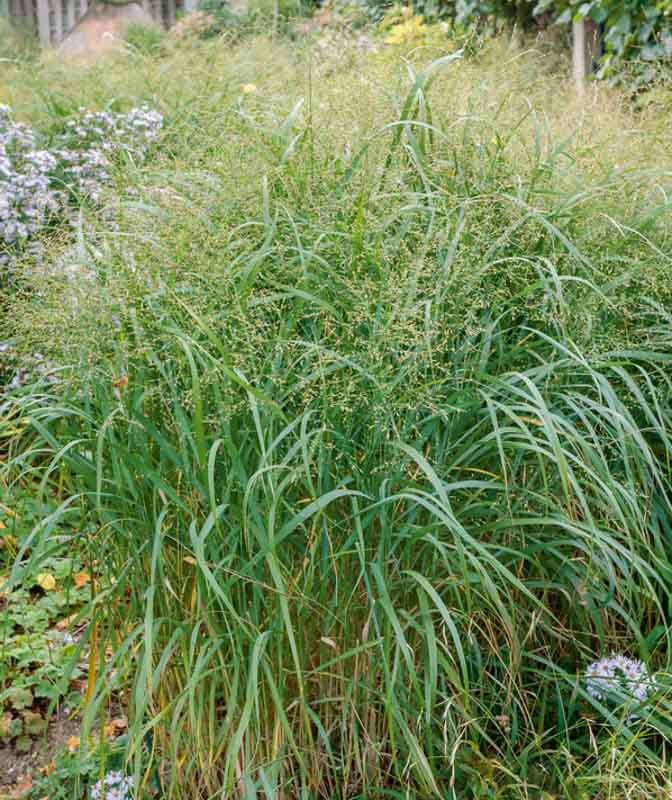
Summary: Upright warm season perennial grass with narrow arching leaves and finely textured, airy flower panicles that rise above the foliage from late summer into fall.
Use: Ideal for mixed borders, prairie and meadow plantings, erosion control, screens, rain gardens, and naturalized areas.
Highlight: Drought tolerant once established, tolerant of both dry and periodically wet soil, excellent for songbirds, and striking for four season texture.
Note: Spreads slowly by short rhizomes and seed, forming substantial clumps. Give each plant enough space.
| Botanical Name | Panicum virgatum |
|---|---|
| Family | Poaceae (grass family) |
| Common Names | Switchgrass, tall switchgrass, panic grass |
| Native Range | A key component of the North American tallgrass prairie, native across much of the central and eastern United States and parts of Canada, where it grows in prairies, open fields, stream banks, and lowlands. |
| Plant Type and Habit | Clump forming, warm season perennial grass with erect stems and a narrow vase shaped habit. Slowly spreads by short rhizomes and self seeding. |
| Hardiness (USDA) | Generally hardy in USDA Zones 5 to 9 with excellent cold and heat tolerance when planted in the right site. |
| Size | 3 to 6 ft tall (90 to 180 cm) in flower and 2 to 3 ft wide (60 to 90 cm). Over time, clumps expand, so give each plant enough room to develop. |
| Sun and Exposure | Full sun is best for strong stems and upright growth. Tolerates light part shade but can lean or flop if grown in too much shade. |
| Soil | Thrives in average, dry to moist, well drained soils. Adaptable to sandy, loamy, or clay soils, including those highlighted in sandy soil plant guides. Tolerates periodically wet soil and is suitable for rain garden designs. |
| Seasonal Interest | Late summer to fall flower panicles in soft reddish purple tones aging to beige, followed by golden fall foliage and winter stems that add structure and motion. |
| Primary Uses | Back of the border accent, prairie and meadow grass, wildlife habitat plant, erosion control, screen or informal hedge, and rain garden grass, especially in designs inspired by Texas sandy soil lists and wet site plant guides. |
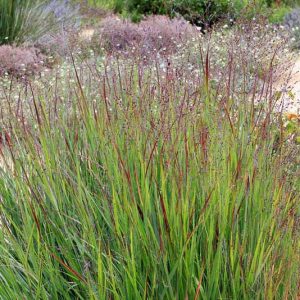
Panicum virgatum forms a vertical clump of narrow, bright green leaves that emerge in late spring as the soil warms. As summer progresses, upright stems rise above the foliage, holding fine textured, cloud like flower panicles that catch the light and sway with every breeze. In many forms, the early panicles are touched with reddish purple tones that gradually fade to soft tan seed heads.
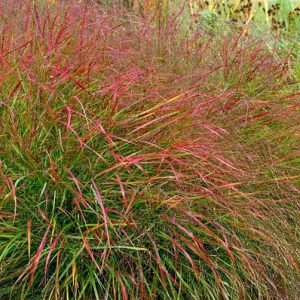
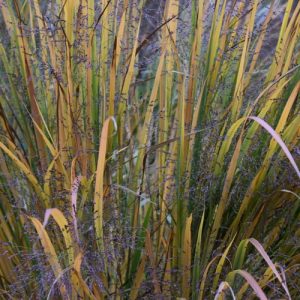
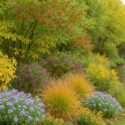
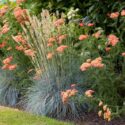
In fall, the foliage often shifts to gold, amber, or straw yellow, creating a warm accent in mixed borders and prairie plantings. Even in winter, the dried stems stand tall in regions without heavy, wet snow, offering height, structure, and movement while feeding seed eating birds.
Switchgrass is a North American native grass and one of the signature species of the historic tallgrass prairie. In the wild, it is found in:
This broad ecological range makes Panicum virgatum an excellent choice for regionally appropriate plantings, including Texas sandy soil gardens, Texas rain gardens, North Florida, Central Florida, South Florida, and wildlife corridors in many temperate climates.
Switchgrass grows at a moderate rate. Young plants focus on root growth in their first year, then rapidly fill out in subsequent seasons. Each clump produces many upright stems, creating a narrow, vertical silhouette that is perfect for adding height without excessive spread.
The plant spreads slowly by short rhizomes and by self seeding in suitable conditions. Seedlings are usually easy to thin or transplant. In naturalistic meadows, this gentle spread can help knit together plantings inspired by drought tolerant grass mixes and wildlife friendly plant palettes.
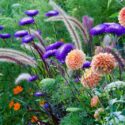
The flower panicles of Panicum virgatum are one of its most attractive features. Each airy spray consists of many tiny flowers that mature into seeds relished by birds.
Switchgrass foliage is narrow and typically upright, creating a fine vertical texture that contrasts beautifully with broader leaved perennials and shrubs.
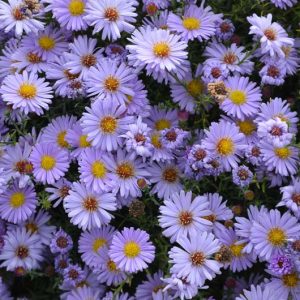
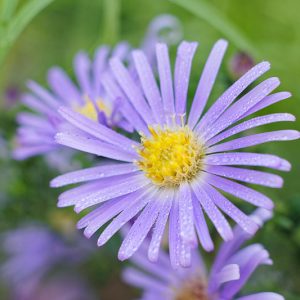
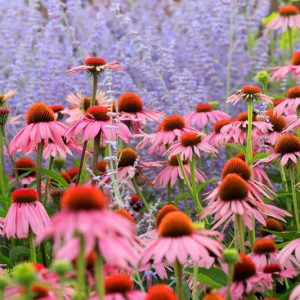
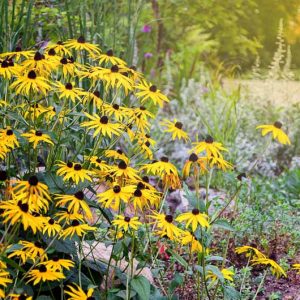
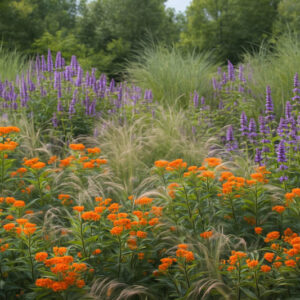
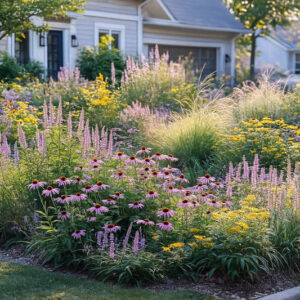
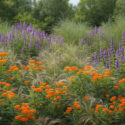
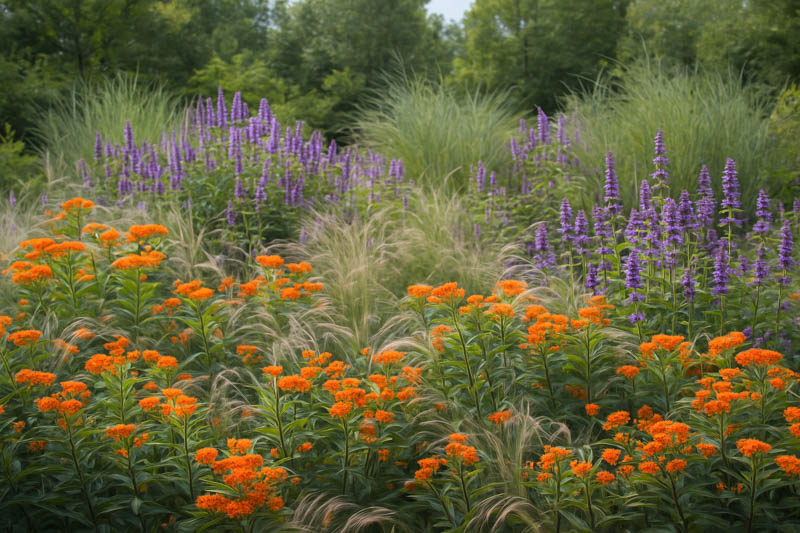
This combination of vertical form and delicate texture makes Panicum virgatum a natural companion for coneflowers, asters, goldenrods, and other prairie perennials.
Panicum virgatum tolerates both cold winters and hot summers when given its preferred light and soil conditions. It is well suited to regions with:
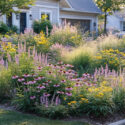
Switchgrass is remarkably versatile and easy to place in both contemporary and naturalistic designs.
While switchgrass is wind pollinated and not a major nectar plant, it plays a crucial role in wildlife friendly landscapes.
Panicum virgatum is generally considered deer resistant. The foliage is not a favorite food, so it is often left untouched when more palatable plants are available. In areas with heavy browsing, pair switchgrass with other selections from tough, low care plant guides to build resilient plantings.
Once established, switchgrass develops a deep root system that helps it tolerate dry spells and low irrigation. It is a strong candidate for:
In gardens, Panicum virgatum is typically a well behaved native grass. It can self seed modestly and expand by short rhizomes, but it rarely becomes aggressively invasive in well managed plantings. Allow seedlings in naturalistic meadows where a tapestry effect is desired, or remove extras in more formal borders.
Switchgrass care focuses on sun, appropriate moisture, and minimal disturbance.
Plant Panicum virgatum where it receives:
Switchgrass adapts to many soil types as long as extremes are avoided.
Fertilizing is generally unnecessary.
Mulch helps preserve moisture and suppress weeds while plants establish.
Panicum virgatum maintenance is minimal.
In suitable conditions, Panicum virgatum is a low maintenance, long lived grass with few serious problems.
Panicum virgatum, commonly called switchgrass, is a warm season perennial grass native to North America. It forms upright clumps of narrow leaves topped with airy flower panicles from late summer into fall. It is widely used as an ornamental grass, a wildlife plant, and a component of prairie and meadow restorations.
Panicum virgatum is a true perennial grass. The foliage and stems die back to the ground in winter, and new shoots emerge from the crown in spring. With suitable sun and soil, clumps can live and perform well for many years.
Most forms of Panicum virgatum reach about 3 to 6 ft tall (90 to 180 cm) in flower and 2 to 3 ft wide (60 to 90 cm). Some compact cultivars stay shorter, while others can grow taller in rich, moist soil.
Switchgrass grows best in full sun, with at least six hours of direct light per day. It tolerates light part shade but may lean or flop if shade is too deep or prolonged.
Panicum virgatum prefers average, dry to moist, well drained soil but is remarkably adaptable. It can grow in sandy, loamy, or clay soils and even handles periodically wet conditions, which is why it appears in many rain garden and wet soil plant lists.
Yes. Once established, switchgrass is considered highly drought tolerant, making it a strong choice for low water landscapes and plantings guided by drought tolerant plant collections. It still benefits from occasional deep watering in extended droughts, especially in very hot climates.
Switchgrass is excellent for wildlife. Its seed heads feed songbirds, while the dense clumps provide cover for birds and small animals. When combined with flowering species from wildlife friendly plant guides, it helps create rich habitat in home gardens.
Panicum virgatum is generally considered deer resistant. While no plant is completely deer proof, switchgrass is usually not a preferred food, especially compared with more tender perennials and shrubs.
Updated: November 2025 • Reviewed by Gardenia Editors
| Hardiness |
5 - 9 |
|---|---|
| Heat Zones |
1 - 11 |
| Climate Zones | 1, 1A, 1B, 2, 2A, 2B, 3, 3A, 3B, 4, 5, 6, 7, 8, 9, 10, 11, 14, 15, 16, 17, 18, 19, 20, 21, 22, 23 |
| Plant Type | Ornamental Grasses |
| Plant Family | Poaceae |
| Genus | Panicum |
| Common names | Switchgrass |
| Exposure | Full Sun, Partial Sun |
| Season of Interest | Summer (Mid, Late), Fall, Winter |
| Height | 3' - 6' (90cm - 180cm) |
| Spread | 2' - 3' (60cm - 90cm) |
| Spacing | 24" - 36" (60cm - 90cm) |
| Maintenance | Low |
| Water Needs | Average |
| Soil Type | Chalk, Clay, Loam, Sand |
| Soil pH | Acid, Alkaline, Neutral |
| Soil Drainage | Moist but Well-Drained, Well-Drained |
| Characteristics | Showy |
| Native Plants | United States, Pennsylvania, Rhode Island, Vermont, Connecticut, Delaware, Maine, Massachusetts, Maryland, New Hampshire, New Jersey, New York, Northeast, Midwest, Pacific Northwest, Southeast, Southwest, Rocky Mountains, Illinois, Indiana, Iowa, Kansas, Michigan, Minnesota, Missouri, Nebraska, North Dakota, Ohio, South Dakota, Wisconsin, Idaho, Louisiana, Mississippi, North Carolina, South Carolina, Tennessee, Virginia, West Virginia, Alabama, Arkansas, Florida, Georgia, Kentucky, Texas, Arizona, Nevada, New Mexico, Oklahoma, Colorado, Montana, Utah, Wyoming |
| Tolerances | Drought, Deer, Dry Soil, Wet Soil, Heat, Wind, Black Walnut, Erosion |
| Attracts | Birds, Butterflies |
| Garden Uses | Beds And Borders, Bog Gardens, Hedges And Screens, Ponds And Streams, Rain Gardens |
| Garden Styles | Informal and Cottage, Prairie and Meadow |
| Toxic to Humans | No known toxicity |
| Toxic to Cats | No known toxicity |
| Toxic to Dogs | No known toxicity |
| Toxic to Horses | No known toxicity |


| Hardiness |
5 - 9 |
|---|---|
| Heat Zones |
1 - 11 |
| Climate Zones | 1, 1A, 1B, 2, 2A, 2B, 3, 3A, 3B, 4, 5, 6, 7, 8, 9, 10, 11, 14, 15, 16, 17, 18, 19, 20, 21, 22, 23 |
| Plant Type | Ornamental Grasses |
| Plant Family | Poaceae |
| Genus | Panicum |
| Common names | Switchgrass |
| Exposure | Full Sun, Partial Sun |
| Season of Interest | Summer (Mid, Late), Fall, Winter |
| Height | 3' - 6' (90cm - 180cm) |
| Spread | 2' - 3' (60cm - 90cm) |
| Spacing | 24" - 36" (60cm - 90cm) |
| Maintenance | Low |
| Water Needs | Average |
| Soil Type | Chalk, Clay, Loam, Sand |
| Soil pH | Acid, Alkaline, Neutral |
| Soil Drainage | Moist but Well-Drained, Well-Drained |
| Characteristics | Showy |
| Native Plants | United States, Pennsylvania, Rhode Island, Vermont, Connecticut, Delaware, Maine, Massachusetts, Maryland, New Hampshire, New Jersey, New York, Northeast, Midwest, Pacific Northwest, Southeast, Southwest, Rocky Mountains, Illinois, Indiana, Iowa, Kansas, Michigan, Minnesota, Missouri, Nebraska, North Dakota, Ohio, South Dakota, Wisconsin, Idaho, Louisiana, Mississippi, North Carolina, South Carolina, Tennessee, Virginia, West Virginia, Alabama, Arkansas, Florida, Georgia, Kentucky, Texas, Arizona, Nevada, New Mexico, Oklahoma, Colorado, Montana, Utah, Wyoming |
| Tolerances | Drought, Deer, Dry Soil, Wet Soil, Heat, Wind, Black Walnut, Erosion |
| Attracts | Birds, Butterflies |
| Garden Uses | Beds And Borders, Bog Gardens, Hedges And Screens, Ponds And Streams, Rain Gardens |
| Garden Styles | Informal and Cottage, Prairie and Meadow |
| Toxic to Humans | No known toxicity |
| Toxic to Cats | No known toxicity |
| Toxic to Dogs | No known toxicity |
| Toxic to Horses | No known toxicity |
How many Panicum virgatum (Switchgrass) do I need for my garden?
| Plant | Quantity | |
|---|---|---|
| Panicum virgatum (Switchgrass) | N/A | Buy Plants |
Create a membership account to save your garden designs and to view them on any device.
Becoming a contributing member of Gardenia is easy and can be done in just a few minutes. If you provide us with your name, email address and the payment of a modest $25 annual membership fee, you will become a full member, enabling you to design and save up to 25 of your garden design ideas.
Join now and start creating your dream garden!
Create a membership account to save your garden designs and to view them on any device.
Becoming a contributing member of Gardenia is easy and can be done in just a few minutes. If you provide us with your name, email address and the payment of a modest $25 annual membership fee, you will become a full member, enabling you to design and save up to 25 of your garden design ideas.
Join now and start creating your dream garden!