Black Cherry, Wild Black Cherry, Rum Cherry, Mountain Black Cherry, Wild Cherry
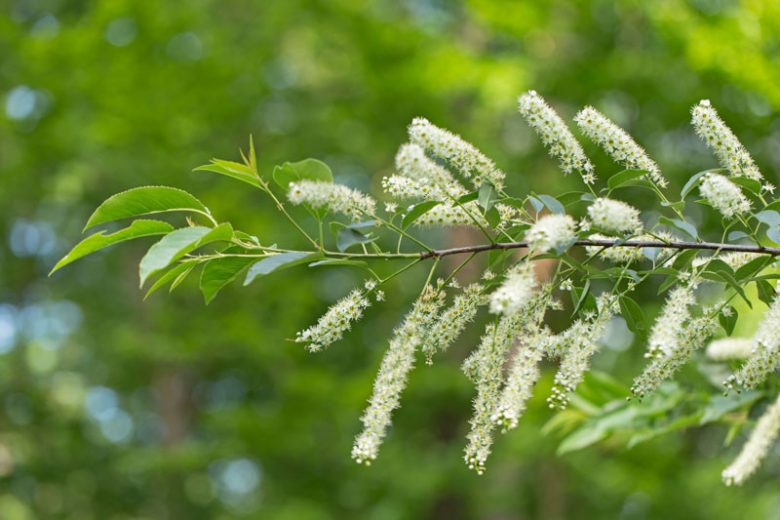
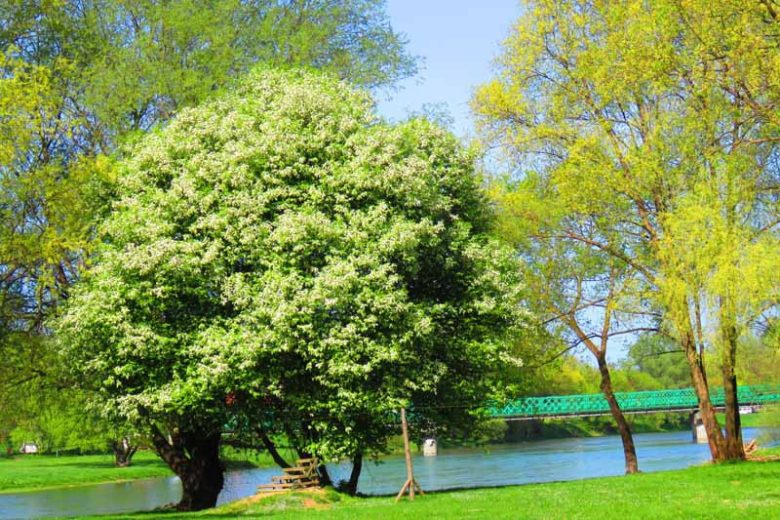
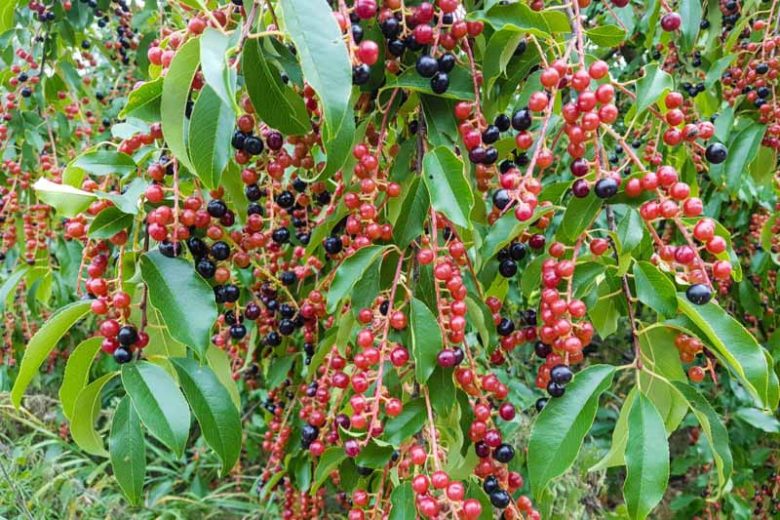


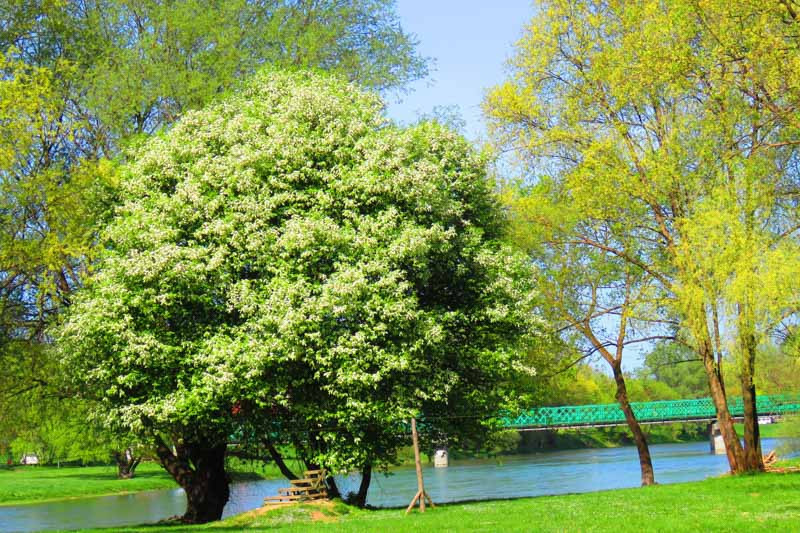
Summary: North American native hardwood with fragrant late spring blossoms, small bitter-edible fruit for preserves, and highly valued timber. Excellent wildlife tree.
USDA Zones: 3 to 9
Height x Spread: 50 to 80 ft tall x 30 to 60 ft wide at maturity
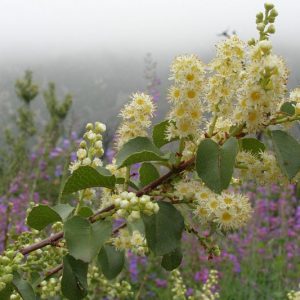
Flower and Fruit: Late spring white racemes 4 to 6 in long; late summer purple-black drupes
Pollination: Insect-pollinated; typically self-incompatible in wild stands
Best Uses: Large landscapes, restoration, wildlife value, shade, premium timber
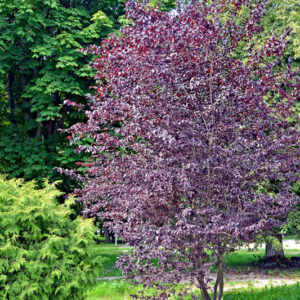
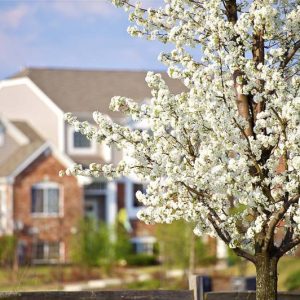
Prunus serotina, commonly known as Black Cherry, is a large, fast-growing deciduous tree native to North America. Valued for fine wood, wildlife benefits, and small edible fruits, it offers four-season appeal. In late spring it bears fragrant, lace-like racemes, followed by glossy green summer foliage, vibrant fall color, and ornamental drupes that birds relish. In open landscapes it forms a handsome shade tree with a broad crown and dark, textured bark that becomes beautifully scaly with age.
Black Cherry is widespread across North America, from Nova Scotia and New Brunswick west to southern Quebec, Ontario, Michigan, and eastern Minnesota. Its range extends south through Iowa, eastern Nebraska, Oklahoma, and Texas, and reaches central Florida. It thrives in full sun with well-drained soils and is adaptable in forest margins, secondary woodlands, disturbed sites, and old fields. Black Cherry is closely related to Chokecherry (Prunus virginiana), a smaller species with less glossy leaves. Best Native Plants for Texas – Trees, Shrubs, Flowers and Grasses
Black Cherry is a medium to large deciduous tree with a straight trunk and oval to pyramidal crown. In dense forests it grows tall and columnar. In open sites it develops a broader canopy suitable for shade.
Mature trees typically reach 50 to 80 ft tall (15 to 24 m) with a 30 to 60 ft spread (9 to 18 m). Young trees grow quickly – often up to 3 ft per year under good conditions.
Typical lifespan is about 100 years, with some specimens living 200 years or more in favorable conditions.
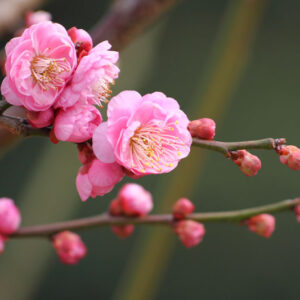
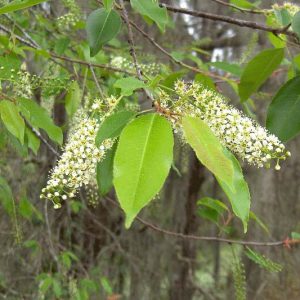
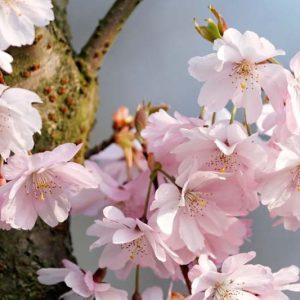
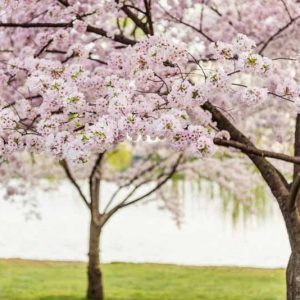
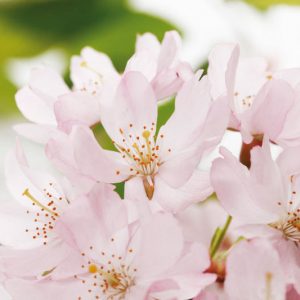
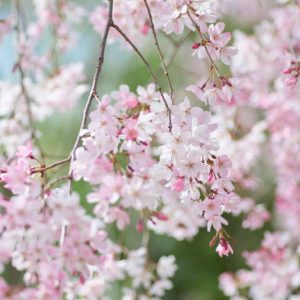
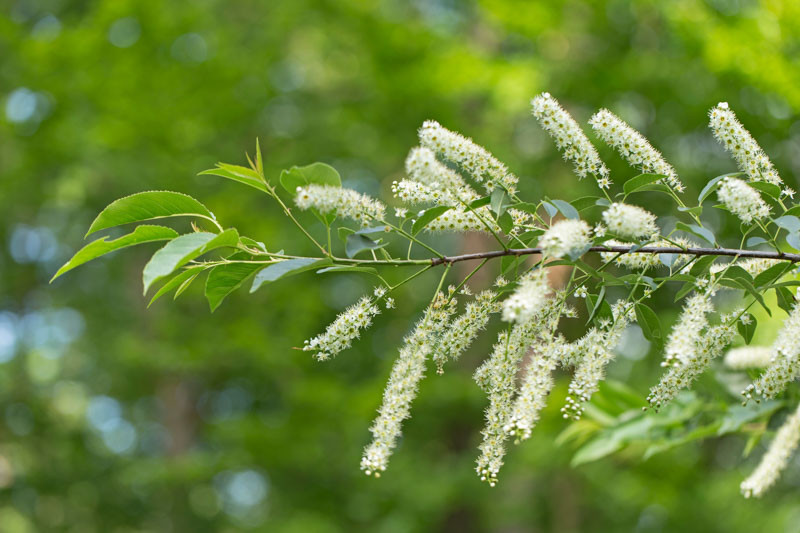
Fragrant, white flowers appear in late spring on drooping racemes. The nectar-rich bloom attracts bees, flies, and other pollinators. Texas Fragrant Plants: Top Picks for Yards, Patios, and Porches
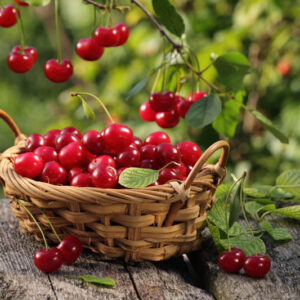
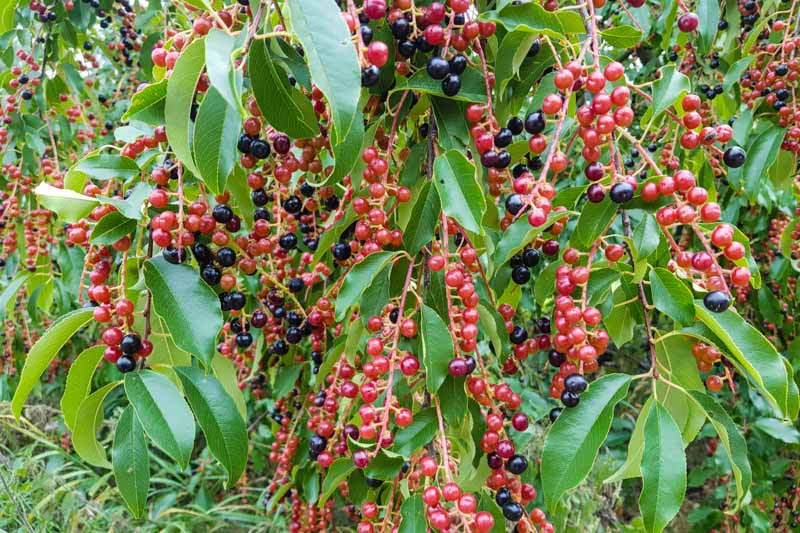
Small drupes ripen to purple-black in late summer. Flavor is bitter to astringent when raw but excellent for jam, jelly, syrups, and traditional beverages like cherry bounce. Fruits are an important food for birds and mammals.
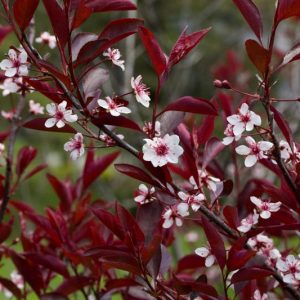
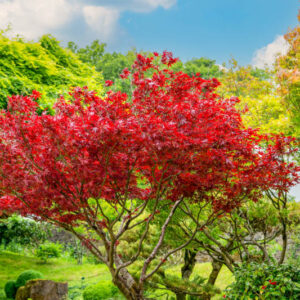
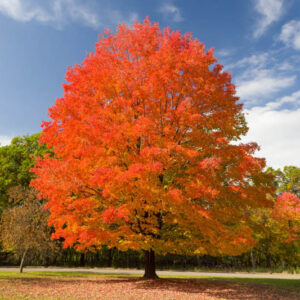
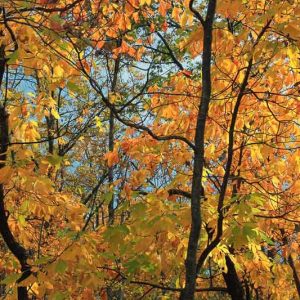
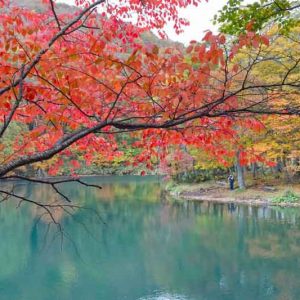
Leaves are glossy, finely toothed, and elegant through summer. Autumn color ranges from golden yellow to reddish tones, adding seasonal interest.
Young bark is dark gray with lenticels. Mature bark becomes dark brown to black and flakes in plates. This distinct texture is a reliable field mark.
Black Cherry grows in USDA zones 3 to 9 and tolerates a wide range of conditions provided drainage is good.
Prunus species support hundreds of butterfly and moth species. Black Cherry offers nectar for pollinators, fruit for birds and mammals, and cover for wildlife.
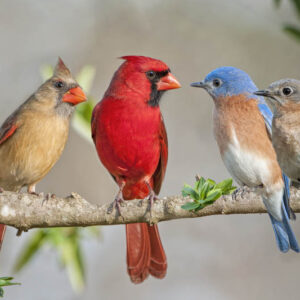
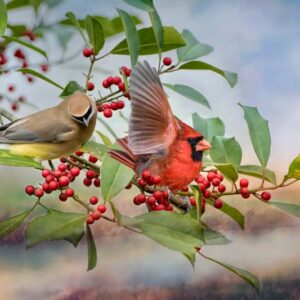
Birds: Robins, cedar waxwings, woodpeckers, wild turkeys, quail, thrushes, and many other birds feed on the fruit and spread seed.
Mammals: Red foxes, black bears, raccoons, opossums, squirrels, rabbits, white-tailed deer, and small mammals utilize the fruit and habitat.
Pollinators: The nectar-rich flowers attract bees, butterflies, and other beneficial insects.
Butterflies and Moths: Larval host plant for species including Eastern Tiger Swallowtail (Papilio glaucus), Cherry Gall Azure (Celastrina serotina), Coral Hairstreak (Satyrium titus), Spring Azure (Celastrina ladon), Viceroy (Limenitis archippus), and Red-Spotted Purple (Limenitis arthemis astyanax).
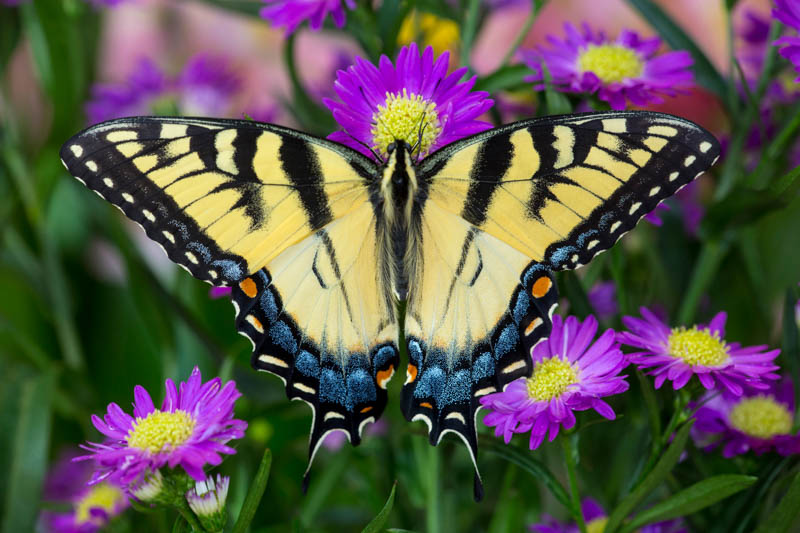 Eastern Tiger Swallowtail Butterfly
While deer may browse young saplings, mature trees are typically less affected.
Leaves, bark, and seeds contain cyanogenic glycosides that can release hydrogen cyanide. Ripe fruit flesh is edible in moderation, but pits should not be crushed or chewed. Wilted leaves increase risk for livestock. If ingestion is suspected, contact Poison Control or a veterinarian promptly. See pet guidance from the ASPCA.
Black Cherry is native to North America but invasive in parts of northern and central Europe. Its rapid growth, shade tolerance, and prolific seeding allow it to outcompete native vegetation and form dense thickets. Where introduced, control may involve mechanical removal and targeted herbicide. Persistence is necessary because of seed banks.
Prefers full sun for best flower and fruit, but tolerates light shade.
Best in well-drained, fertile loam. Avoid poorly drained or chronically dry sites. Mulch to conserve moisture.
Water regularly the first season to establish roots. Once established, provide deep watering during extended dry periods.
In early spring, a light application of balanced organic fertilizer is usually sufficient. Do not over-fertilize. Excess nitrogen can encourage soft, pest-prone growth.
Prune during the dormant season in dry weather to remove dead, diseased, or crossing wood and to shape young trees. Avoid large cuts in wet conditions to reduce canker risk.
Like most cherries, Black Cherry can host a range of insect pests and fungal diseases. Good airflow, sanitation, and timely pruning help reduce issues.
A fast-growing North American native hardwood tree valued for fragrant spring flowers, small edible fruits when cooked, and premium timber.
Young trees can add up to 2 to 3 ft per year under good conditions.
Dark brown to black and scaly on mature trees, often compared to burnt potato chips. Young bark is dark gray with horizontal lenticels.
Fragrant white racemes in late spring; small drupes ripen from red to purple-black in late summer.
The ripe flesh is edible and best cooked for jams, jellies, or syrups. Do not chew or crush the pits.
Yes. Leaves, bark, and seeds contain cyanogenic glycosides. Wilted leaves are especially dangerous to horses and cattle.
Full sun with well-drained soil. Give it room to reach full size and avoid high-traffic hardscapes that could be stained by fallen fruit.
Regular water the first year to establish. After that, deep watering during prolonged dry spells is sufficient.
It is insect-pollinated and commonly cross-pollinated in the landscape. One tree can set fruit where pollinators are active and nearby Prunus are present.
Prune in late winter during dry weather to remove dead, diseased, or crossing wood and to shape young trees. Avoid large cuts in wet conditions.
Fruit drop can stain pavement and attract wildlife. Plant away from patios, cars, and sidewalks if mess is a concern.
Yellow to orange-red tones, often attractive but variable by site and weather.
Updated: October 2025 • Reviewed by Gardenia Editors
| Hardiness |
3 - 9 |
|---|---|
| Heat Zones |
1 - 8 |
| Plant Type | Trees |
| Plant Family | Rosaceae |
| Genus | Prunus - Flowering Cherry Tree |
| Common names | Black Cherry |
| Exposure | Full Sun, Partial Sun |
| Season of Interest | Spring (Mid, Late), Summer (Early, Mid, Late), Fall |
| Height | 50' - 80' (15.2m - 24.4m) |
| Spread | 30' - 60' (9.1m - 18.3m) |
| Maintenance | Low |
| Water Needs | Average |
| Soil Type | Clay, Loam, Sand |
| Soil pH | Acid, Alkaline, Neutral |
| Soil Drainage | Moist but Well-Drained, Well-Drained |
| Characteristics | Fragrant, Showy, Fruit & Berries |
| Native Plants | United States, Pennsylvania, Rhode Island, Vermont, Connecticut, Delaware, Maine, Massachusetts, Maryland, New Hampshire, New Jersey, New York, Northeast, Midwest, Southeast, Southwest, Illinois, Indiana, Iowa, Kansas, Michigan, Minnesota, Missouri, Nebraska, North Dakota, Ohio, Wisconsin, Louisiana, Mississippi, North Carolina, South Carolina, Tennessee, Virginia, West Virginia, Alabama, Arkansas, Florida, Georgia, Kentucky, Texas, Arizona, New Mexico, Oklahoma |
| Tolerances | Deer, Heat, Fire |
| Attracts | Bees, Butterflies, Birds |
| Garden Styles | Prairie and Meadow |
| Toxic to Humans | Medium severity |
| Toxic to Cats | Toxic |
| Toxic to Dogs | Toxic |
| Toxic to Horses | Toxic |


| Hardiness |
3 - 9 |
|---|---|
| Heat Zones |
1 - 8 |
| Plant Type | Trees |
| Plant Family | Rosaceae |
| Genus | Prunus - Flowering Cherry Tree |
| Common names | Black Cherry |
| Exposure | Full Sun, Partial Sun |
| Season of Interest | Spring (Mid, Late), Summer (Early, Mid, Late), Fall |
| Height | 50' - 80' (15.2m - 24.4m) |
| Spread | 30' - 60' (9.1m - 18.3m) |
| Maintenance | Low |
| Water Needs | Average |
| Soil Type | Clay, Loam, Sand |
| Soil pH | Acid, Alkaline, Neutral |
| Soil Drainage | Moist but Well-Drained, Well-Drained |
| Characteristics | Fragrant, Showy, Fruit & Berries |
| Native Plants | United States, Pennsylvania, Rhode Island, Vermont, Connecticut, Delaware, Maine, Massachusetts, Maryland, New Hampshire, New Jersey, New York, Northeast, Midwest, Southeast, Southwest, Illinois, Indiana, Iowa, Kansas, Michigan, Minnesota, Missouri, Nebraska, North Dakota, Ohio, Wisconsin, Louisiana, Mississippi, North Carolina, South Carolina, Tennessee, Virginia, West Virginia, Alabama, Arkansas, Florida, Georgia, Kentucky, Texas, Arizona, New Mexico, Oklahoma |
| Tolerances | Deer, Heat, Fire |
| Attracts | Bees, Butterflies, Birds |
| Garden Styles | Prairie and Meadow |
| Toxic to Humans | Medium severity |
| Toxic to Cats | Toxic |
| Toxic to Dogs | Toxic |
| Toxic to Horses | Toxic |
How many Prunus serotina (Black Cherry) do I need for my garden?
| Plant | Quantity | |
|---|---|---|
| Prunus serotina (Black Cherry) | N/A | Buy Plants |
Create a membership account to save your garden designs and to view them on any device.
Becoming a contributing member of Gardenia is easy and can be done in just a few minutes. If you provide us with your name, email address and the payment of a modest $25 annual membership fee, you will become a full member, enabling you to design and save up to 25 of your garden design ideas.
Join now and start creating your dream garden!
Create a membership account to save your garden designs and to view them on any device.
Becoming a contributing member of Gardenia is easy and can be done in just a few minutes. If you provide us with your name, email address and the payment of a modest $25 annual membership fee, you will become a full member, enabling you to design and save up to 25 of your garden design ideas.
Join now and start creating your dream garden!