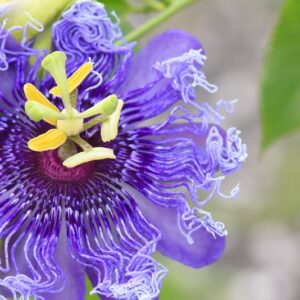
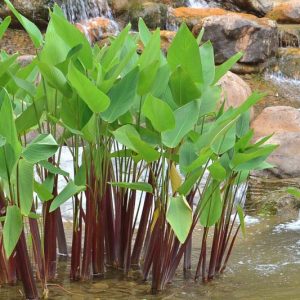
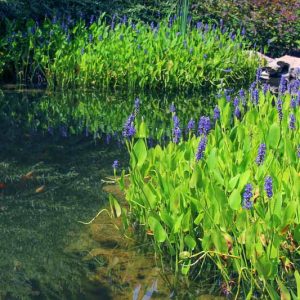
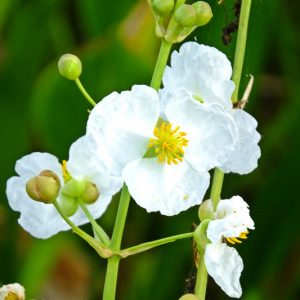
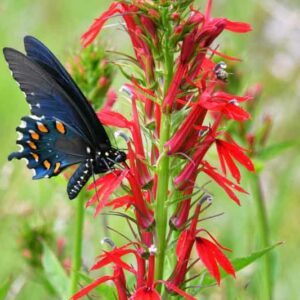
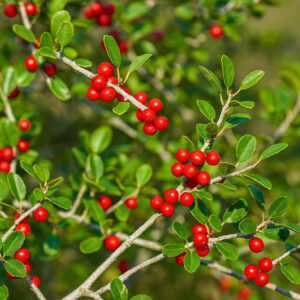
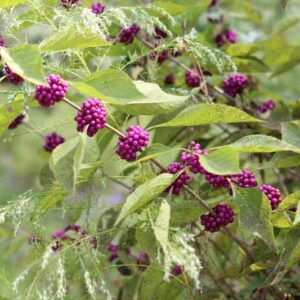
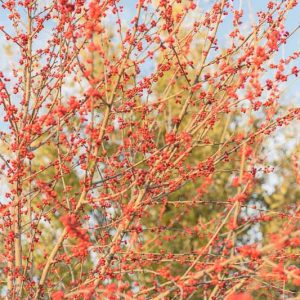
According to the U.S Forest Service, Invasive species have contributed to the decline of 42% of U.S. endangered and threatened species. You can help reverse this trend by planting great native plants in your garden.


Florida is famous for its sunshine, sandy soils, tropical breezes, and lush greenery — but that lushness comes with a catch. Because our climate is so forgiving, it also welcomes a long list of invasive plant species that outgrow, outcompete, and overwhelm native Florida plants. These fast-spreading invaders don’t just look out of place — they alter habitats, reduce biodiversity, drain ecosystems, and cost billions in management each year.
In fact, invasive species contribute to the decline of nearly half of all threatened or endangered species in the United States. When aggressive exotic plants push into natural areas, they compete with native species for sunlight, moisture, nutrients, and space. They can even change soil chemistry, water flow, and fire patterns, creating a cascade of ecological damage.
The good news? Florida gardeners can play a powerful role in reversing this trend. By choosing native Florida plant alternatives, you restore habitat, protect wildlife, and keep your garden both beautiful and ecologically responsible.
If you want the full official list, here is the comprehensive directory of invasive plant species in Florida.
Below, you’ll find a practical, gardener-friendly guide covering many commonly encountered invasive Florida plants — along with the native alternatives that deliver similar beauty or landscape function without the ecological harm.
Because Florida is home to subtropical and tropical climates, high rainfall, and frost-free winters, many introduced ornamentals thrive far beyond what their original planters imagined. Over time, they spread into wetlands, hammocks, pinelands, beaches, and along waterways where they:
Many of these invasive plants were originally introduced intentionally — for landscaping, erosion control, or agriculture — decades before we understood their long-term ecological impact. Today, we know better. Florida’s incredible native plant diversity offers safe, beautiful, low-maintenance alternatives for every yard.
Below, you’ll find:
Use this guide to remove invasive plants already growing in your landscape, or to avoid problematic plants when designing new beds. Each native alternative is well adapted to Florida’s climate, supports pollinators and wildlife, and won’t take over your yard or natural areas.
Albizia julibrissin is a small to medium ornamental tree with silky pink flower clusters and feathery leaves. It is often planted for fast shade and showy summer blooms.
Why it is invasive in Florida: Mimosa trees produce large numbers of seeds that remain viable in the soil for years. Birds, wind, and water spread the seeds into forest edges, roadsides, and riparian areas where seedlings quickly establish and outcompete young native trees and shrubs.
Hand pull or dig small seedlings, making sure to remove the taproot. For larger trees, cut the trunk close to the ground and immediately treat the fresh stump with a labeled brush killer herbicide to prevent resprouting. Bag seed pods and dispose of them in the trash rather than composting, and monitor the site for new seedlings over several seasons.
| Native Plants | United States, Southeast, Florida |
|---|---|
| Toxic to Humans | No known toxicity |
| Toxic to Cats | No known toxicity |
| Toxic to Dogs | No known toxicity |
| Toxic to Horses | No known toxicity |
Coral vine is a fast growing, tendril climbing vine with heart shaped leaves and long sprays of pink flowers that attract butterflies and bees.
Why it is invasive in Florida: In frost free parts of Florida, coral vine grows year round, forming heavy curtains that climb over trees, fences, and shrubs. Underground tubers and abundant seed production allow it to spread quickly and smother native vegetation, especially in coastal and disturbed habitats.
Cut vines at the base and remove as much top growth as possible so it cannot photosynthesize. Carefully dig out the large underground tubers and dispose of them in the trash. Repeat cutting and spot spraying of new shoots with an appropriate systemic herbicide may be necessary for several seasons until the root reserves are exhausted.
Orchid tree is a small ornamental tree with showy purple or pink orchid like blossoms and distinctive two lobed leaves.
Why it is invasive in Florida: In warm regions of Florida, orchid tree readily escapes cultivation. Birds spread the seeds, and seedlings tolerate a variety of soils, allowing the tree to invade hammocks, coastal forests, and disturbed areas where it competes with native canopy and understory species.
Seedlings can be hand pulled when the soil is moist. For established trees, cut them down and immediately treat the stump with a suitable herbicide according to label instructions. Remove seed pods from the site so they do not continue to germinate, and inspect nearby areas periodically for volunteer seedlings.
Sweet autumn clematis is a vigorous, deciduous vine with masses of fragrant white flowers in late summer and fall.
Why it is invasive in Florida: This clematis produces huge numbers of wind dispersed seeds that colonize fence lines, thickets, and woodland edges. Vines climb over shrubs and small trees, shading them out and forming dense tangles that are difficult to manage.
Cut vines back before they set seed to reduce spread. Dig out or pull the crown and root system where practical. For large, woody crowns, cut at ground level and treat the stump with an appropriate herbicide. Monitor for resprouts and remove new seedlings as soon as you see them.
Taro is a large leaved, tropical aquatic or semi aquatic plant often grown as an ornamental around ponds or in wet ditches.
Why it is invasive in Florida: Colocasia forms dense colonies through corms and tubers and spreads along waterways, wetlands, and drainage canals. These dense stands crowd out native emergent and shoreline plants and alter water flow and habitat structure.
In small ponds or ditches, carefully dig or pull entire plants, including underground corms and tubers, and dispose of them in the trash. Do not leave pieces in the water, as they can re root. For large infestations, contact local agencies about approved aquatic herbicides and always follow label directions and local regulations.
Japanese honeysuckle is a twining woody vine with fragrant white to yellow flowers and evergreen leaves in mild winters.
Why it is invasive in Florida: It spreads by seed and stolons, forming dense mats on the ground and climbing into shrubs and trees. These tangles shade out native wildflowers and seedlings and can weigh down or girdle young trees.
Cut vines at the base and remove them from trees and shrubs to prevent further damage. Repeatedly cut or mow ground level stems to exhaust root reserves. In stubborn patches, combine mechanical removal with careful application of systemic herbicides to freshly cut stems following label directions.
Purple loosestrife is a tall wetland perennial with dense spikes of magenta flowers that bloom for much of the summer.
Why it is invasive in Florida: Each plant can produce hundreds of thousands of seeds that float on water or stick to equipment and wildlife. Once established in marshes or along shorelines, it forms nearly pure stands that displace diverse native wetland flora and reduce habitat quality for birds and aquatic life.
Hand pull small, young plants before they flower, making sure to remove all roots. For larger clumps, dig out the root crown or cut and treat stems with an approved aquatic herbicide. Never dump garden clippings into wetlands or drainage ditches, and clean boots and tools after working in infested areas.
Nandina is an evergreen shrub with bamboo like canes, lacy foliage, and clusters of bright red berries that persist into winter.
Why it is invasive in Florida: Birds eat the berries and spread seeds into woodlands, floodplains, and urban natural areas. Seedlings form thickets that shade out native shrubs and wildflowers. The berries also have documented toxicity to some bird species when eaten in quantity.
Dig out small plants and seedlings, removing the entire root crown. For mature clumps, cut stems at or near the ground and either dig out roots or treat freshly cut stumps with a suitable brush control herbicide. Remove berry clusters from plants before they ripen and dispose of them securely so birds cannot spread the seeds.
These aquatic plants have floating, heart shaped leaves and delicate white or yellow flowers. They are often sold for ornamental ponds.
Why they are invasive in Florida: Nymphoides species spread by seed and by fragmentation of stolons and leaf sections. They form thick floating mats on lakes, retention ponds, and canals, blocking light to underwater plants, reducing oxygen levels, and impeding boating and flood control.
In small ponds, repeatedly rake or net out plants, making sure to remove as many roots and fragments as possible. Do not dispose of them in natural waters or storm drains. For large water bodies, work with lake managers or extension agents to select registered aquatic herbicides or other control methods appropriate for your site.
Fountain grass is a clumping ornamental grass with narrow leaves and arching flower spikes that are popular in landscape borders.
Why it is invasive in Florida: The plant produces abundant wind dispersed seed that naturalizes along roadsides, dunes, and disturbed sites. It can form dense stands that displace native grasses and forbs and may increase fire risk in dry seasons.
Dig out clumps, including the entire root mass, and bag and dispose of seed heads before they shatter. For large plantings, cutting followed by spot treatment of regrowth with a grass selective herbicide can help. Replant with native ornamental grasses to quickly fill the space and discourage reinvasion.
Golden bamboo is a tall, running bamboo with yellow green culms that is often planted as a fast screen or hedge.
Why it is invasive in Florida: It spreads through aggressive underground rhizomes that can travel many feet from the original planting. Escaped stands form dense, nearly impenetrable thickets that displace native vegetation and are extremely difficult to remove.
Cut all canes to ground level and repeatedly mow or cut new shoots to deplete rhizome reserves. In smaller areas, carefully dig out rhizomes, removing every segment you can find. In stubborn infestations, combine mechanical control with targeted herbicide applications to regrowth according to label instructions. Do not dump live rhizomes or culms elsewhere.
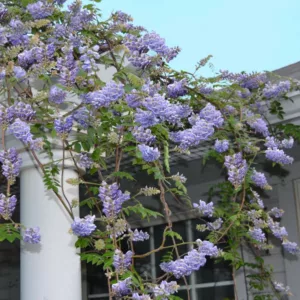
Chinese wisteria is a woody vine with fragrant, pendulous clusters of lilac or purple flowers in spring. It is highly ornamental but very aggressive.
Why it is invasive in Florida: The vine spreads by seed and by long, twining stems that root where they touch the ground. It climbs and girdles trees, smothering canopies and preventing native regeneration along forest edges and old homesites.
Cut all vines at the base and carefully remove them from trees and structures where safe to do so. Repeatedly cut back and dig out new shoots. For persistent root systems, treat freshly cut stems or regrowth with a systemic herbicide labeled for woody vines. Expect to monitor and retreat for several years.
Flowering rush is a marginal aquatic plant with sword like leaves and attractive pink flower clusters held above the water on tall stalks.
Why it is invasive in Florida: It spreads by rhizomes and bulbils, forming dense stands along shallow shorelines and wetlands. These stands displace native emergent plants and can interfere with fish and wildlife habitat.
For small patches, dig plants by hand or with tools, removing the full root and rhizome system. Dispose of all plant material away from water. Larger infestations may need repeated mechanical removal and carefully targeted aquatic herbicides applied by trained professionals.
Camphor tree is an evergreen shade tree with glossy leaves that emit a strong camphor smell when crushed. It was widely planted as a landscape and street tree.
Why it is invasive in Florida: Birds spread the abundant berries into forests, hammocks, and urban woodlands. Seedlings and saplings tolerate shade and form dense stands, suppressing native tree regeneration and altering forest structure.
Pull or dig small seedlings when the soil is moist. Cut larger trees and promptly treat fresh stumps with an appropriate herbicide to prevent resprouting. Remove seedlings that appear afterward and replace camphor with long lived native canopy trees.
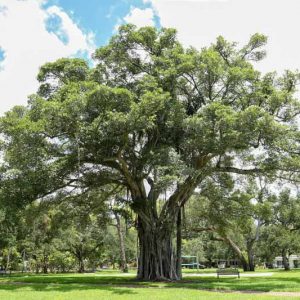
Chinese banyan is a large evergreen fig with an extensive root system and dense canopy, often used as a shade or street tree in warm climates.
Why it is invasive in Florida: Birds disperse its figs into natural areas where seedlings establish in hammocks and coastal forests. It can outcompete native trees and its strong roots can damage infrastructure and alter soil structure.
Due to its size, removal of mature banyan trees usually requires professional arborists. Cut trees should have stumps treated immediately with a systemic herbicide to prevent regrowth. Remove volunteer seedlings promptly from gardens and natural areas before roots become established.
Cogon grass is a perennial grass with sharp, upright leaves and fluffy white seed heads. It forms dense, highly flammable patches.
Why it is invasive in Florida: Cogon grass spreads aggressively by rhizomes and wind dispersed seeds, invading pastures, roadsides, forests, and natural areas. It displaces native grasses and forbs, increases fire intensity, and is considered one of the worst invasive plants in the Southeast.
Because of its extensive rhizome network, cogon grass usually requires a multi year strategy. Repeated mowing or burning alone will not control it. Apply a systemic, grass killing herbicide labeled for cogon grass to actively growing foliage, following all directions, and repeat as needed. Replant treated areas quickly with competitive native grasses to prevent reinvasion.
Common guava is a small tropical fruit tree with smooth bark, glossy leaves, and sweet, aromatic fruit.
Why it is invasive in Florida: In South Florida, guava readily escapes cultivation. Birds and mammals spread the seeds into pine rocklands, hammocks, and disturbed areas where dense thickets form, shading out native shrubs and seedlings.
Pull or dig young seedlings when small. For established trees, cut them as low as possible and treat the stump with a suitable woody plant herbicide to prevent resprouting. Remove and dispose of any remaining fruit so wildlife cannot spread the seeds. Replant with native fruiting shrubs that support local birds.
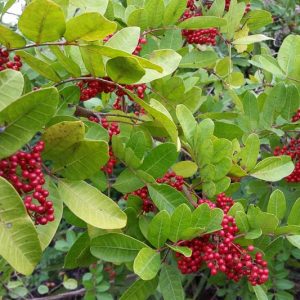
Brazilian peppertree is an evergreen shrub or small tree with glossy compound leaves and clusters of bright red berries. It was introduced as an ornamental and is still sometimes mistaken for a “holiday” shrub because of its festive fruit.
Why it is invasive in Florida: Brazilian peppertree forms dense thickets that shade out native shrubs, tree seedlings, and groundcovers. Birds and other wildlife spread its abundant seeds, allowing it to invade hammocks, mangroves, pinelands, and disturbed sites across millions of acres in peninsular Florida.
Seedlings and small plants can be hand pulled or dug, making sure to remove the root crown. For larger shrubs and small trees, the most reliable method is a cut stump treatment: cut stems close to the ground and immediately paint the fresh stumps with a suitable woody plant herbicide according to the label. Dispose of fruiting branches in the trash so birds do not spread the seeds. Follow up for several years to remove resprouts and new seedlings.
Air potato is a fast-growing twining vine with heart-shaped leaves and aerial tubers (“potatoes”) that form along the stems. It can climb high into trees and quickly cover fences, shrubs, and woodland edges.
Why it is invasive in Florida: Air potato grows and spreads rapidly, forming a solid canopy that blocks sunlight and smothers native vegetation. The vine re-sprouts from underground tubers and the aerial bulbils are easily spread by people, water, and animals, allowing it to dominate natural areas and conservation lands.
Pull or cut vines before they produce many bulbils, and carefully bag and dispose of all “potatoes” in the trash, not in yard waste or compost. Dig out underground tubers where practical. In larger infestations, repeated cutting combined with targeted herbicide applications to regrowth may be needed. In some areas, a biocontrol beetle is used by agencies, but homeowners should still remove vines and bulbils to reduce spread.
Melaleuca is a tall evergreen tree with thick, spongy, peeling bark and narrow gray-green leaves. It was introduced from Australia for landscaping, windbreaks, and swamp “drying.”
Why it is invasive in Florida: Melaleuca invades wetlands, marshes, and Everglades habitats, forming dense, nearly pure stands that displace native sawgrass, slash pine, and cypress. A single mature tree can produce millions of wind-dispersed seeds per year, allowing rapid colonization of large areas and drastically altering fire behavior and hydrology.
Melaleuca removal is usually a job for professionals. On small properties, landowners can cut trees and treat the stumps immediately with an appropriate herbicide labeled for woody plants, following all directions. Seedlings can be hand pulled when soil is moist. In larger wetlands, managers use a combination of herbicide, mechanical removal, and biological control insects. Never plant melaleuca and report wild trees in sensitive natural areas to local agencies.
Old world climbing fern is a perennial vine-like fern with delicate, finely divided fronds that can climb high into tree canopies. Unlike most ferns, its fronds twine and sprawl over other vegetation.
Why it is invasive in Florida: This species is considered one of Florida’s worst natural-area weeds. It blankets shrubs and trees, smothers entire plant communities, and can carry fire into tree canopies and wetlands that historically burned only at ground level. It spreads by millions of wind-dispersed spores, making it very difficult to contain once established.
On small sites, cut vines at ground level and carefully pull fronds off shrubs and trees, then treat the resprouting foliage with a systemic herbicide recommended for climbing ferns. Because spores spread so easily, avoid moving through infested areas and then into uninfested natural areas in the same day. Large infestations in preserves are typically handled by trained crews using carefully applied herbicides and, in some cases, fire as part of an integrated management plan.
Japanese climbing fern is a twining fern with lacy, finely cut fronds that climb along fences, shrubs, and trees. It was introduced as an ornamental and can look deceptively delicate and attractive.
Why it is invasive in Florida: Like old world climbing fern, Japanese climbing fern spreads by tiny wind-borne spores and forms thick mats over native vegetation. It invades pine forests, floodplains, and rights-of-way, reducing plant diversity and altering fire behavior by carrying flames into tree canopies.
Cut back climbing fronds and treat the regrowth or rooted portions with appropriate herbicides (such as glyphosate or other products labeled for use on invasive ferns) following label directions. Control is most effective before the fern produces spores. Avoid moving equipment or clothing from infested sites to uninfested areas without cleaning to prevent spreading spores.
Chinese tallow is a medium-sized deciduous tree with heart-shaped leaves that show good fall color and clusters of white, waxy seeds that resemble popcorn. It was planted for shade, oil production, and ornament.
Why it is invasive in Florida: Chinese tallow produces abundant seeds that are spread by birds and water. Seedlings tolerate shade and a wide range of soils, allowing the tree to form dense stands in floodplains, wetlands, pastures, and upland forests. These monocultures displace native trees and dramatically alter habitat and leaf-litter chemistry.
Pull or dig small seedlings, removing as much root as possible. Cutting larger trees without treatment usually triggers vigorous resprouting, so use a cut-stump method: cut the trunk near ground level and immediately apply an appropriate herbicide to the stump. Remove seed-bearing branches where possible and monitor the area for new seedlings for several years.
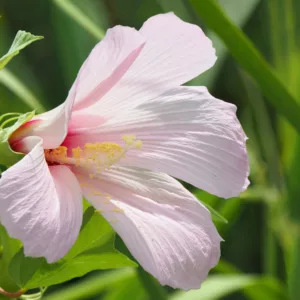
Caesarweed is a tall, shrubby member of the mallow family with lobed leaves and pink hibiscus-like flowers. It can grow head-high or taller and often pops up along edges, pastures, and disturbed sites.
Why it is invasive in Florida: Caesarweed produces spiny, burr-like fruits that stick to clothing, fur, and feathers, allowing it to spread easily. It invades hammocks, roadsides, and lightly managed pastures, forming thickets that outcompete native herbs and seedlings and interfere with recreation and grazing.
Hand pull young plants before they flower, making sure to remove the taproot. Wear gloves and long sleeves to avoid the hooked fruits. Mowing can help prevent seed set but may need to be repeated. Spot treatments with appropriate broadleaf herbicides can be effective in larger patches, applied according to the label. Bag and trash any burr-covered seed heads so they are not spread further.
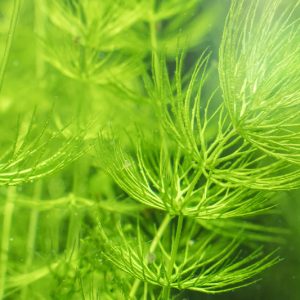
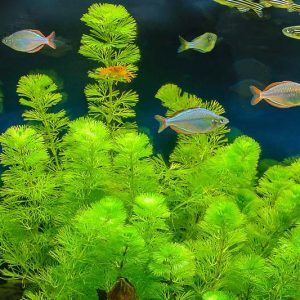
Hydrilla is a submersed aquatic plant with whorled leaves on long stems that can reach the water surface and form dense underwater “forests.” It was introduced as an aquarium plant and is now widespread in Florida lakes and rivers.
Why it is invasive in Florida: Hydrilla grows extremely quickly and can fill water bodies from bottom to surface, blocking boat traffic, clogging intakes, shading out native aquatic plants, and reducing dissolved oxygen. It reproduces from fragments, tubers, and turions, making it very difficult to eradicate once established.
In small ponds, repeated raking or seining can remove a portion of the biomass, but any remaining fragments or tubers can regrow. For most public lakes and canals, hydrilla is managed by state or local agencies using carefully selected aquatic herbicides and, in some cases, biological control. Homeowners should never introduce aquarium plants into natural water bodies and should contact local water managers if hydrilla appears in connected waters.
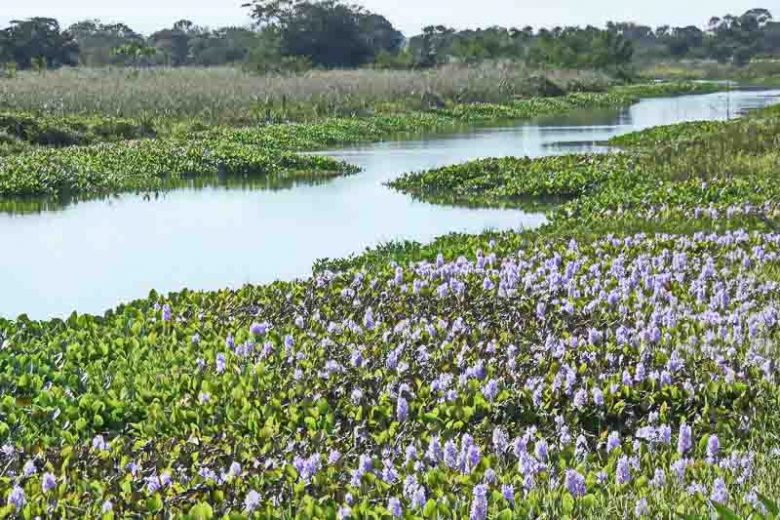
Water hyacinth is a free-floating aquatic plant with glossy, rounded leaves, bulbous spongy petioles, and showy lavender flower spikes. It was once a popular water-garden ornamental.
Why it is invasive in Florida: Water hyacinth has one of the fastest growth rates of any plant. It quickly forms thick floating mats that block sunlight, reduce oxygen, and clog waterways, impairing navigation, recreation, drainage, and habitat for fish and wildlife. It is now illegal to possess or transport this species in Florida without a permit.
For very small ponds, you can hand pull or net water hyacinth plants and drag them well away from the water to dry and decompose, making sure they cannot wash back in. Large infestations in public waters are typically controlled by state or contractor crews using mechanical harvesters and approved aquatic herbicides. Never move or share water hyacinth plants, and do not use them in ornamental ponds connected to natural waterways.
Florida has one of the most extraordinary plant ecosystems in the world — and every gardener can help protect it. By removing invasive species and choosing native Florida alternatives, you create landscapes that are not only beautiful but ecologically resilient, wildlife-friendly, and future-proof.
Your yard becomes part of the solution. And that’s something to feel great about.
Under Florida law, an invasive plant is a naturalized (self-sustaining) plant that disrupts naturally occurring native plant communities. In the broader science and policy world, a plant is considered invasive if it is non-native to the area, was introduced by people (intentionally or accidentally), and causes or is likely to cause environmental, economic, or human health harm.
“Weed” is a loose, informal term for any plant where you do not want it. A “noxious weed” in Florida is a specific legal category: any plant that is a serious threat to agriculture or the environment and is listed by the Florida Department of Agriculture and Consumer Services (FDACS). Those plants are regulated – you generally cannot sell, move, or grow them without a permit. “Invasive plant” is an ecological term that focuses on non-native species that establish and spread in the wild and damage native plant communities. A plant can be invasive without being on the noxious weed list, and some species appear on both.
Several entities contribute to invasive plant lists in Florida. The Florida Invasive Species Council (FISC, formerly the Florida Exotic Pest Plant Council) maintains a non-regulatory list of invasive plants, updated regularly based on ecological research and expert review. FISC divides species into Category I (documented to alter native communities) and Category II (spreading and increasing but not yet shown to cause major ecosystem change). State and federal agencies such as FDACS and USDA maintain separate regulatory lists, including the Florida noxious weed list and federally listed noxious weeds.
t depends on the plant and which list it is on. If a species is on Florida’s noxious weed list or designated as a prohibited or regulated invasive plant by FDACS, it is generally unlawful to introduce, multiply, possess, move, or sell it without a permit. For other plants that appear only on advisory lists (like the FISC list) but are not on a legal prohibited list, planting or selling may not be strictly illegal but is strongly discouraged, and some local governments have additional restrictions. For gardeners, a good rule is: if a plant is listed as invasive by FISC or UF/IFAS, do not plant it even if you see it for sale.
Florida’s warm climate and diverse wetlands, forests, and coastal systems make it especially vulnerable to invasive plants. Non-native invaders can form dense monocultures that displace native plants, reduce food and habitat for wildlife, alter fire regimes, change water flow and nutrient cycles, and lower overall biodiversity. Scientific studies show that invasive plants reduce the abundance and diversity of Florida’s native species and can fundamentally alter ecosystem processes. They also cost taxpayers and landowners millions of dollars each year to manage in conservation lands, waterways, and working forests.
“Worst” depends on the habitat, but several species are widely recognized as high-impact invaders. Examples include Brazilian pepper (Schinus terebinthifolia), air potato (Dioscorea bulbifera), cogongrass (Imperata cylindrica), melaleuca (Melaleuca quinquenervia), old-world climbing fern (Lygodium microphyllum), Japanese climbing fern (Lygodium japonicum), Chinese tallow (Triadica sebifera), Caesarweed (Urena lobata), and aquatic plants such as hydrilla (Hydrilla verticillata), water hyacinth (Eichhornia crassipes), and crested floating heart (Nymphoides cristata). Many of these are listed as Category I on the FISC list and/or appear on the state noxious weed list.
No. Only a small fraction of non-native plants become invasive. Many introduced ornamentals and crops remain confined to cultivation and do not spread into natural areas. A plant is considered invasive when it sustains itself outside cultivation, spreads on its own, and causes documented ecological or economic harm. Most non-native plants do not meet that threshold – but because Florida’s climate is so favorable, more species have the potential to become invasive here than in many other states, which is why careful plant selection matters.
The most reliable approach is to cross-check your plant against official and expert lists. For Florida, the main resources are:
– The Florida Invasive Species Council (FISC) invasive plant list
– FDACS noxious weed and prohibited plant lists
– UF/IFAS Extension publications and the UF/IFAS “Gardening Solutions” website
– Regional lists from local governments or water management districts.
If you are unsure of the plant’s identity, your local UF/IFAS Extension office can help you identify it and tell you whether it is considered invasive in your region.
The standard guidance is “research, remove, and replace.” First, confirm the plant’s identity and check whether it is listed as invasive or regulated. Second, remove it using methods appropriate for that species and site (hand removal, cutting, mulching, or carefully chosen herbicides). Third, replace it with well-adapted native or non-invasive plants so the area does not become reinfested. UF/IFAS emphasizes gradual, safe removal and choosing replacement plants before you start clearing, so that soil is not left bare and erosion and weeds are minimized.
Deplanque Joel, Shutterstock
| Native Plants | United States, Southeast, Florida |
|---|---|
| Toxic to Humans | No known toxicity |
| Toxic to Cats | No known toxicity |
| Toxic to Dogs | No known toxicity |
| Toxic to Horses | No known toxicity |
Create a membership account to save your garden designs and to view them on any device.
Becoming a contributing member of Gardenia is easy and can be done in just a few minutes. If you provide us with your name, email address and the payment of a modest $25 annual membership fee, you will become a full member, enabling you to design and save up to 25 of your garden design ideas.
Join now and start creating your dream garden!
Create a membership account to save your garden designs and to view them on any device.
Becoming a contributing member of Gardenia is easy and can be done in just a few minutes. If you provide us with your name, email address and the payment of a modest $25 annual membership fee, you will become a full member, enabling you to design and save up to 25 of your garden design ideas.
Join now and start creating your dream garden!