Create Your Garden

Native Vines for North Florida

Turn bare fences and sunny mailboxes into wildlife magnets with native vines made for North Florida. Coral honeysuckle, cross vine, maypop, and American wisteria laugh at heat, humidity, and sandy soil while smothering supports in flowers, feeding hummingbirds and butterflies, and stitching your garden into the surrounding landscape with ease.
Native Plants, Native Perennials, Native Vines, Florida Native Plant, Florida Native Perennials, Florida Native Vines

Recommended Native Vines for North Florida – From Beach Dunes to Backyard Pergolas

Want vertical color that actually likes North Florida’s heat, humidity, and sandy soils? Native vines are your secret weapon. From Jacksonville, Tallahassee, and Gainesville to coastal communities along the Panhandle, these native climbers bring flowers, fragrance, hummingbirds, butterflies, and even edible fruit to trellises and fences in USDA zones 8a, 8b, and mild pockets of 9a.

Because they evolved in the same East Gulf and South Atlantic Coastal Plain habitats that surround your neighborhood, Florida native vines know exactly how to handle our hot summers, periodic droughts, and surprise cold snaps. Plant them once, water well during their first year, and most will settle in as long lived, low maintenance members of your landscape.

North Florida Native Vine Quick Start

  • Match vine vigor to your structure – light twining vines are perfect for mailboxes, railings, and small trellises, while stronger, woody vines can cover arbors, fences, and pergolas.
  • Check sun vs shade – trumpet vine, cross vine, and coral honeysuckle love full sun; climbing aster and Virginia creeper tolerate part shade; maypop and American wisteria handle anything from bright shade to strong sun if the soil stays reasonably moist.
  • Know your soil moisture – beach morning glory and railroad vine thrive in very dry, sandy coastal soils; maypop and American wisteria like average to moist garden soil; climbing aster can even handle periodically wet ditch banks.
  • Avoid invasive look alikes – choose native American wisteria instead of Chinese or Japanese wisteria, and native coral honeysuckle instead of Japanese honeysuckle, so your garden supports local ecosystems instead of escaping into them.
  • Give vines something to climb – install sturdy trellises, wires, or fence panels before planting, then gently tie new shoots to their support until they get the idea.

North Florida Vine Habitats at a Glance

North Florida’s mosaic of coastal dunes, pinelands, hammocks, and bottomland forests translates into a wide range of garden conditions. The trick is to match each native vine to the light and soil you already have.

Spend a day watching the sun move across your yard. That hot, bare fence line might be your future hummingbird buffet once a coral honeysuckle or cross vine gets going.

Guide Information

Hardiness 8 - 9
Plant Type Climbers
Native Plants United States, Southeast, Florida

Recommended Native Vines for North Florida

Ampelaster carolinianus (Climbing Aster)
Bignonia capreolata (Crossvine)
Campsis radicans (Trumpet Vine)
Centrosema virginianum (Spurred Butterfly Pea)
Clematis crispa (Viorna Group)
Clematis virginiana (Virgin’s Bower)
Ipomoea imperati (Beach Morning Glory)
Ipomoea pes-caprae (Railroad Vine)
Lonicera sempervirens (Coral Honeysuckle)
Parthenocissus quinquefolia (Virginia Creeper)
Passiflora incarnata (Maypop)
Wisteria frutescens (American Wisteria)

Best Native Vines for North Florida Landscapes

Use this list as a menu of reliable native vines for North Florida gardens. Each has its own personality – some are evergreen, some are fragrant, and many are magnets for butterflies, bees, and birds.

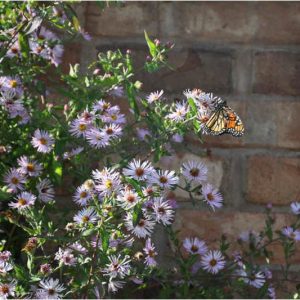
  • Ampelaster carolinianus (Climbing Aster) – a sprawling, semi woody vine or arching subshrub that shines in late summer and fall when clouds of lavender pink daisy flowers open along the stems. Native to moist edges, ditches, and pond banks, climbing aster is a powerhouse nectar source for migrating butterflies and late season pollinators. Give it a fence, rail, or shrub to lean on and be ready for a billowing, informal look.
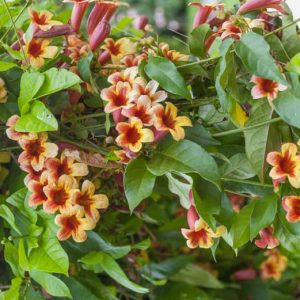
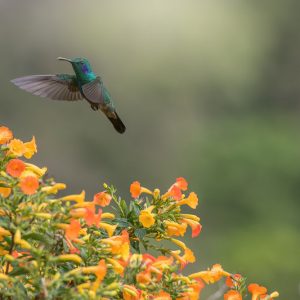
  • Bignonia capreolata (Cross Vine) – one of the best evergreen vines for North Florida pergolas and arbors. Cross vine climbs by tendrils tipped with adhesive pads, so it can cling to sturdy supports without heavy twisting. Spring brings clusters of orange to reddish tubular flowers that hummingbirds cannot resist. It thrives in full sun to bright shade and tolerates a range of soils as long as drainage is good.
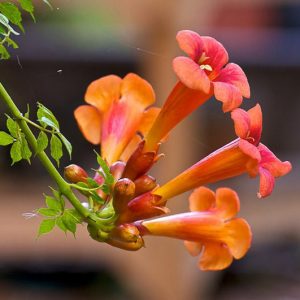
  • Campsis radicans (Trumpet Vine) – a robust, woody vine with large orange red trumpet shaped flowers from late spring into summer. Native trumpet vine is a hummingbird magnet and excellent choice for covering strong structures like old fences, utility poles, or dedicated arbors. It is vigorous and can sucker, so give it room, prune hard in late winter, and avoid planting right next to house foundations or delicate lattice.
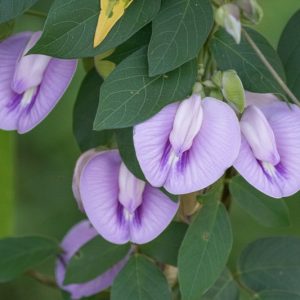
  • Centrosema virginianum (Spurred Butterfly Pea) – a delicate looking but tough twining vine with butterfly shaped purple flowers that dangle along slender stems. It thrives in sandy, well drained soils in sun or light shade and fits beautifully into naturalistic meadows, native borders, and wire fences. As a legume, it can help fix nitrogen in the soil while feeding native bees and butterflies.
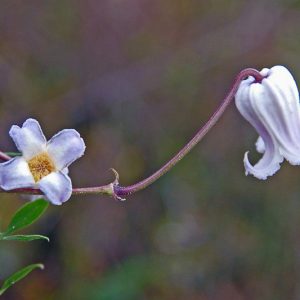
  • Clematis crispa (Viorna Group) – a charming native clematis with nodding, bell shaped flowers whose recurved petals look like little bonnets. The blossoms range from pale lavender to violet and often have a sweet fragrance. Give this vine a sunny to lightly shaded spot with good drainage and cool roots under mulch or low groundcovers. It twines through shrubs and small trees, adding a romantic woodland feel.
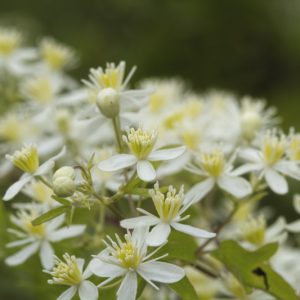
  • Clematis virginiana (Virgin’s Bower) – a fast growing vine cloaked in fragrant white starry flowers in late summer. The bloom show is followed by silvery seed heads that catch the light and add fall interest. Virgin’s bower thrives in moist to average soils along woodland edges, fences, and stream banks. It can grow large, so pair it with sturdy supports or allow it to scramble through trees at the back of a naturalized area.
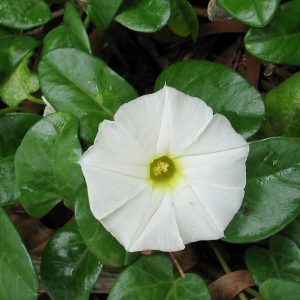
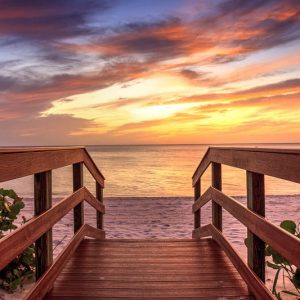
  • Ipomoea imperati (Beach Morning Glory) – a low, trailing morning glory native to Florida beaches where its thick, fleshy leaves and white funnels stabilize dunes and shrug off salt spray. In home landscapes, use it as a groundcover in sandy, very well drained soils and full sun. It is perfect for coastal gardens, dune restoration, or hot slopes where little else wants to grow.
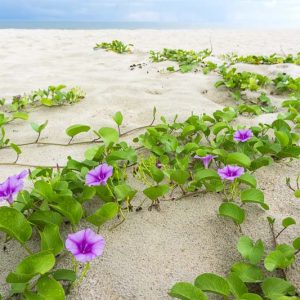
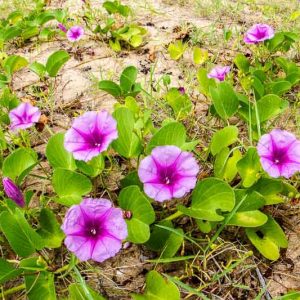
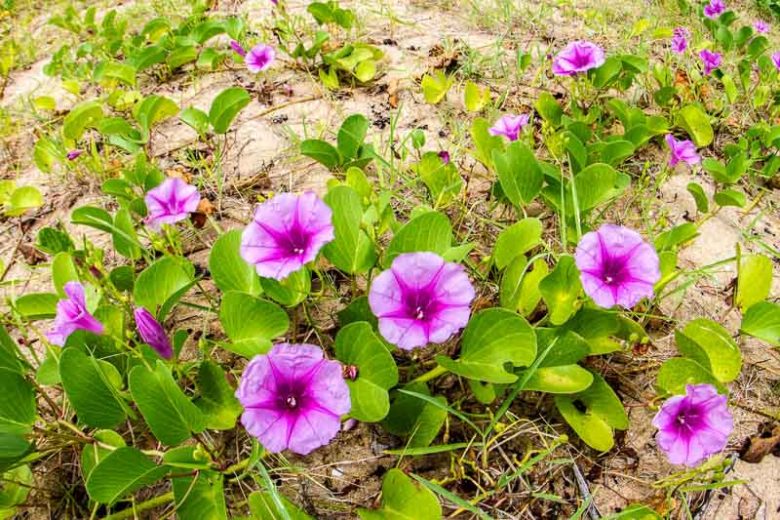
  • Ipomoea pes-caprae (Railroad Vine) – another hardy dune stabilizer, railroad vine sends out long, rope like stems studded with bright pink purple morning glory flowers. The leaves are hoof shaped, giving rise to the species name. It thrives in intense sun, salt, and wind along the Gulf and Atlantic coasts and can be used in large coastal plantings, beach parks, and naturalistic seaside gardens.
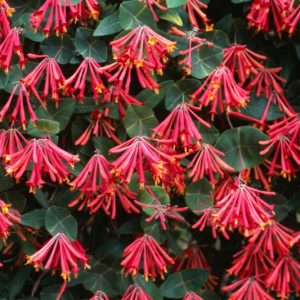
  • Lonicera sempervirens (Coral Honeysuckle) – a well behaved, evergreen to semi evergreen vine with slender, tubular red or coral flowers that bloom over a long season. Native to much of the Southeast, coral honeysuckle is one of the best hummingbird plants for North Florida and also provides red berries for birds in fall. It twines gently around posts and wires, making it ideal for porch columns, mailboxes, and arbors without becoming invasive like Japanese honeysuckle.
  • Parthenocissus quinquefolia (Virginia Creeper) – a native climbing vine with five part leaves that turn brilliant red in fall. It climbs by tendrils with small adhesive pads and is excellent for covering strong fences, old stumps, or steep banks. Virginia creeper provides berries for birds and shelter for wildlife. It tolerates sun or shade and a wide range of soils, but in small gardens you may want to keep it pruned so it does not overrun delicate neighbors.
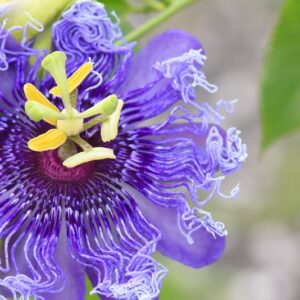
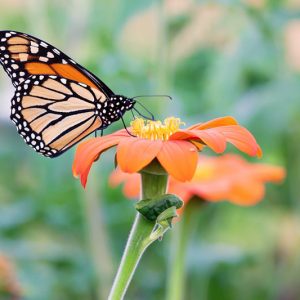
  • Passiflora incarnata (Maypop) – a charismatic, herbaceous passionflower vine with intricate lavender flowers followed by egg sized fruits that literally pop when stepped on. Maypop climbs by tendrils, dies back to the roots after a hard freeze, and resprouts in spring. It thrives in average to moist soils in full sun to light shade. The foliage is the primary host plant for gulf fritillary and zebra longwing butterflies, so expect to share leaves with hungry caterpillars.
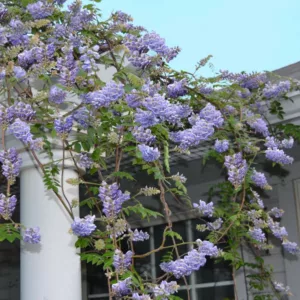
  • Wisteria frutescens (American Wisteria) – the polite cousin of Asian wisterias, American wisteria is a twining, deciduous vine with fragrant lavender flower clusters in late spring and occasional reblooming. It is less aggressive than Chinese or Japanese wisteria and far better suited to native landscapes. Plant it on a strong pergola, arbor, or fence in sun to part shade and give it regular moisture and moderate pruning to maintain shape.

Easy Design Recipes for Native Vines

Hummingbird Pergola: Combine Bignonia capreolata (Cross Vine) and Lonicera sempervirens (Coral Honeysuckle) on opposite posts of a sunny pergola. Cross vine provides evergreen foliage and a huge spring flower show, while coral honeysuckle threads through with blooms from spring into fall. Add containers of native salvias and bee balm below for a multi level pollinator paradise.

Coastal Dune Stabilizer: On beachfront or very sandy exposed sites, plant drifts of Ipomoea imperati (Beach Morning Glory) and Ipomoea pes-caprae (Railroad Vine) to knit the soil together. Let them sprawl naturally across dunes, rock walls, and sandy paths. Their flexible stems move with wind and waves while protecting the sand beneath.

Woodland Edge Butterfly Tunnel: Along a fence at the edge of a wooded area, mix Ampelaster carolinianus (Climbing Aster), Passiflora incarnata (Maypop), and Clematis crispa. The passionflower feeds butterfly larvae, climbing aster fuels fall migrants, and clematis adds mid season color. Interplant native goldenrods and grasses at the base for an informal, wildlife rich border.

Natural Screen for Utility Areas: Use Parthenocissus quinquefolia (Virginia Creeper) or Campsis radicans (Trumpet Vine) on a stout wire fence to soften views of compost bins, sheds, or pool equipment. In sunny spots, trumpet vine brings bold flowers and hummingbirds; in shadier corners, Virginia creeper offers lush green foliage and fiery fall color.

Why Choose Native Vines in North Florida

Exotic vines like Chinese wisteria, Japanese honeysuckle, and air potato may look tempting at the nursery, but many have become invasive across Florida, smothering trees and crowding out native wildflowers. Native vines work with North Florida’s ecosystems instead of against them, giving you beauty plus ecological benefits.

  • Climate adapted – native vines evolved with our hot summers, periodic droughts, and occasional hard freezes, so they typically need less pampering than tropical or temperate exotics.
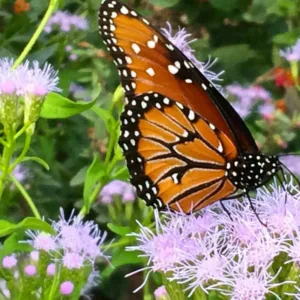
  • Wildlife friendly – tubular flowers of coral honeysuckle, cross vine, and trumpet vine feed hummingbirds; passionflower leaves nourish butterfly caterpillars; berries of Virginia creeper and coral honeysuckle support songbirds.
  • Lower maintenance – once established, most native vines are content with seasonal mulching and occasional pruning. Many are naturally disease and pest resistant in their home range.
  • Soil and slope stabilizing – beach morning glory, railroad vine, and Virginia creeper help hold sand and soil in place on dunes, banks, and embankments.
  • Non invasive choices – planting species like American wisteria instead of Chinese wisteria reduces the risk of escape into natural areas and preserves native plant communities.

Tip: Before planting, remove invasive vines like air potato, cat’s claw vine, or Japanese honeysuckle from the area so your new natives are not immediately swamped. Check with your local UF IFAS Extension office or the Florida Native Plant Society for up to date invasive plant lists.

How to Plant and Care for Native Vines

Most North Florida native vines are straightforward to plant. Follow these steps to help them settle in quickly.

  • Prepare the site – loosen the top 6 to 8 inches of soil in an area at least twice as wide as the pot. Mix in compost or leaf mold if soil is extremely sandy or compacted, especially in urban yards.
  • Set supports first – install trellises, wires, or posts before planting so you do not disturb roots later. Make sure structures that will hold vigorous vines like trumpet vine or American wisteria are sturdy.
  • Plant at the right depth – place the vine so the top of the root ball sits level with or slightly above the surrounding soil. Backfill, firm gently, and water thoroughly to eliminate air pockets.
  • Mulch and water – spread a 2 to 3 inch layer of organic mulch around the base, keeping it a few inches away from the stems. Water deeply once or twice a week during the first growing season, adjusting based on rainfall.
  • Train and prune – gently tie young shoots to supports with soft ties. For strong growers, prune hard in late winter to keep vines in scale with your structure and encourage heavy flowering.

Discover More Florida Native Plants

Florida Native Plant Guides – Design, Soil & Wildlife

Frequently Asked Questions

What are the best native vines for North Florida home gardens?

Dependable, widely used native vines for North Florida include Ampelaster carolinianus (Climbing Aster), Bignonia capreolata (Cross Vine), Campsis radicans (Trumpet Vine), Centrosema virginianum (Spurred Butterfly Pea), Clematis crispa, Clematis virginiana (Virgin’s Bower), Ipomoea imperati (Beach Morning Glory), Ipomoea pes-caprae (Railroad Vine), Lonicera sempervirens (Coral Honeysuckle), Parthenocissus quinquefolia (Virginia Creeper), Passiflora incarnata (Maypop), and Wisteria frutescens (American Wisteria). Together they cover sunny fences, coastal dunes, moist ditches, and woodland edges in USDA zones 8 to 9.

Which native vines attract hummingbirds and butterflies in North Florida?

For hummingbirds, top choices are Bignonia capreolata (Cross Vine), Campsis radicans (Trumpet Vine), and Lonicera sempervirens (Coral Honeysuckle) with their nectar rich tubular blooms. Passiflora incarnata (Maypop) is the primary host plant for gulf fritillary and zebra longwing butterflies, while Ampelaster carolinianus (Climbing Aster), Clematis species, and Centrosema virginianum (Spurred Butterfly Pea) offer nectar to adult butterflies and native bees.

What are good native vines for coastal and beach landscapes in North Florida?

In harsh coastal conditions with salt spray and sandy soil, choose dune stabilizing natives like Ipomoea imperati (Beach Morning Glory) and Ipomoea pes-caprae (Railroad Vine). These low, trailing vines are adapted to intense sun, wind, and salt, making them ideal for dune restoration, beachfront cottages, and seaside parks.

Which native vines are safest to grow on pergolas and arbors near the house?

For pergolas, entry arbors, and porch structures, relatively well behaved choices include Bignonia capreolata (Cross Vine), Lonicera sempervirens (Coral Honeysuckle), and Wisteria frutescens (American Wisteria). They provide lush foliage, seasonal flowers, and wildlife value without the extreme invasiveness of Chinese wisteria or Japanese honeysuckle. Always use sturdy supports and prune annually to keep growth in scale.

Do native vines need fertilizer and regular irrigation in North Florida?

Most established native vines need little or no fertilizer and only supplemental water during prolonged droughts. At planting time, water deeply and continue weekly watering through the first growing season so roots can explore the surrounding soil. After that, a yearly topdressing of compost and a 2 to 3 inch layer of mulch are usually enough. Avoid heavy nitrogen fertilizers, which can encourage excessive leafy growth at the expense of flowers.

How should I control vigorous native vines like trumpet vine or Virginia creeper?

Plant vigorous vines such as Campsis radicans (Trumpet Vine) and Parthenocissus quinquefolia (Virginia Creeper) where they have room to run, such as along long fences, utility corridors, or naturalized woodland edges. Install strong supports, prune hard in late winter to remove unwanted shoots, and periodically dig out suckers that appear away from the main planting. With thoughtful siting and regular pruning, they can be valuable wildlife plants without overwhelming nearby beds.


References

Updated: December 2025 • Reviewed by Gardenia Editors

Recommended Guides

Sun-Loving Native Shrubs for North Florida
Native Aquatic Plants for North Florida
Native Ferns for North Florida
Native Vines for North Florida
Native Grasses for North Florida
Sun-Loving Native Trees for North Florida
Shade-Loving Native Trees for North Florida
Shade-Loving Native Shrubs for North Florida
Native Groundcovers for North Florida
Sun-Loving Native Perennials for North Florida
Shade-Loving Native Perennials for North Florida
Highly Drought Tolerant plants for your Florida Native Garden
Native Plants that Attract Hummingbirds in Florida
Highly Salt Tolerant plants for your Florida Native Garden
Great Pollinator Plants for Florida
Monarch Nectar Plants for Florida
Explore Great Plant Combination Ideas
Coastal South
Guides with
Coastal South Florida
While every effort has been made to describe these plants accurately, please keep in mind that height, bloom time, and color may differ in various climates. The description of these plants has been written based on numerous outside resources.

Guide Information

Hardiness 8 - 9
Plant Type Climbers
Native Plants United States, Southeast, Florida
Explore Great Plant Combination Ideas
Coastal South
Guides with
Coastal South Florida

Related Items

Please Login to Proceed

You Have Reached The Free Limit, Please Subscribe to Proceed

Subscribe to Gardenia

To create additional collections, you must be a paid member of Gardenia
  • Add as many plants as you wish
  • Create and save up to 25 garden collections
Become a Member

Plant Added Successfully

Your garden is taking shape. Unlock full planning.

You’ve reached the free limit. Upgrade for $25/year to add as many plants as you wish and save up to 25 garden collections. Unlock Annual Membership

Update Your Credit
Card Information

Cancel

Create a New Collection

Sign Up to Our Newsletter

    You have been subscribed successfully

    Join Gardenia.net

    Create a membership account to save your garden designs and to view them on any device.

    Becoming a contributing member of Gardenia is easy and can be done in just a few minutes. If you provide us with your name, email address and the payment of a modest $25 annual membership fee, you will become a full member, enabling you to design and save up to 25 of your garden design ideas.

    Join now and start creating your dream garden!

    Join Gardenia.net

    Create a membership account to save your garden designs and to view them on any device.

    Becoming a contributing member of Gardenia is easy and can be done in just a few minutes. If you provide us with your name, email address and the payment of a modest $25 annual membership fee, you will become a full member, enabling you to design and save up to 25 of your garden design ideas.

    Join now and start creating your dream garden!
    Find your Hardiness Zone

    Find your Heat Zone

    Find your Climate Zone