Create Your Garden

Shade-Loving Native Shrubs for Central Florida

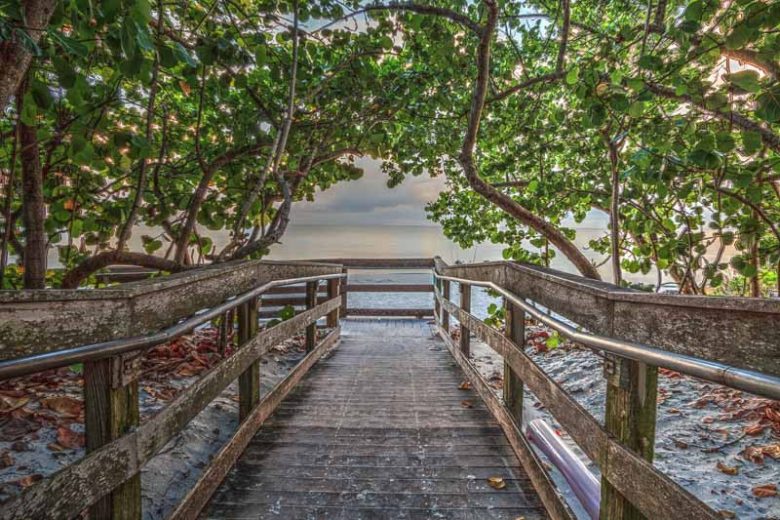
Shade loving native shrubs turn Central Florida’s bare, rooty shade into cool wildlife habitat. Think Wild Coffee, Florida Hobblebush, Sweetspire, and Swamp Azalea for flowers, fragrance, and berries. Once established they sip water, need little fertilizer, and thrive under live oaks and pines, outlasting thirsty exotic shrubs.
Native Plants, Native Shrubs, Native Shade Shrubs, Florida Native Plant, Florida Native Shrubs, Florida Shade Shrubs

Shade Loving Native Shrubs for Central Florida – Best Picks for Woodland Gardens

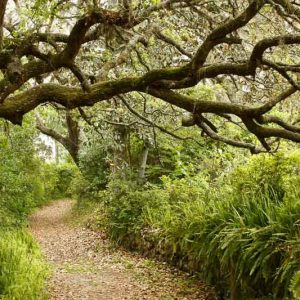
Have shady corners under live oaks, along the north side of the house, or beneath tall pines where grass refuses to grow? In Central Florida, those spots are prime real estate for shade loving native shrubs. From Orlando and Ocala to Tampa, Lakeland, and the Space Coast, these shrubs turn dim, root filled areas into cool, wildlife friendly refuges in USDA zones 9a and 9b.

Central Florida lies within the Florida Peninsula ecoregion, a landscape of pine flatwoods, cypress domes, hardwood hammocks, and countless wetlands. Soils range from deep, fast draining sand to mucky organic pockets along lakes and swales. Rainfall is generous, summers are hot and humid, and winters are usually mild, with only occasional light freezes. Native shrubs that evolved here are perfectly tuned to this mix of heat, humidity, summer downpours, and bright but filtered shade.

Unfortunately, many natural hammocks and wetland edges have been replaced by turf grass, pavement, and non native foundation plantings. Invasive species like coral ardisia, Chinese privet, and nandina slip into the gaps and crowd out local plants. By choosing Central Florida native shrubs for shade in your own yard, you help rebuild habitat, create corridors for birds and pollinators, and keep a bit of the real Florida thriving right outside your door.

Central Florida Shade Shrub Quick Start

  • Know your shade level – bright or dappled shade suits many woodland shrubs, while a few tolerate deep, low light under dense canopies.
  • Match the moisture – some species love consistently moist or swampy soil, others prefer average garden moisture with good drainage.
  • Respect tree roots – plant between roots, not on top of them, and add leaf mulch instead of heavy soil to protect established trees.
  • Layer heights – combine low, arching shrubs with taller, upright species to create a natural understory beneath shade trees.
  • Water to establish – even drought tolerant natives need regular deep watering for the first season. After that, many coast on rainfall except in serious drought.

Central Florida Shade Habitats At A Glance

To choose the best shade loving native shrubs for Central Florida, think about where they grow in the wild. Try to match those conditions at home for easy, low input gardening.

  • Moist hammocks and wetland edges – rich soil, leaf litter, and regular moisture describe the shady margins of cypress domes, stream banks, and lake edges. This is perfect for Agarista populifolia (Florida Hobblebush), Itea virginica (Virginia Sweetspire), and Rhododendron viscosum (Swamp Azalea).
  • Upland oak and pine shade – well drained, often sandy soil with dappled light. Choose adaptable species like Psychotria nervosa (Wild Coffee), Euonymus americanus (American Strawberry Bush), and Ardisia escallonoides (Island Marlberry).
  • Shaded foundations and side yards – bright, indirect light along the north or east side of the house, with irrigation or roof runoff. Many of the shrubs below thrive here, especially Wild Coffee, Bloodberry, and Virginia Sweetspire.
  • Deep shade under evergreens – very little direct sun, dense surface roots, and often dry topsoil. Use tough natives like Florida Hobblebush and Wild Coffee, combined with native groundcovers and plenty of leaf mulch to keep roots cool.
  • Protected courtyards and patios – filtered light, reflected heat from walls, and regular watering make great microclimates for more sensitive species such as Rivina humilis (Bloodberry) and Lindera benzoin (Spicebush).

Spend a sunny day watching how light moves across your yard. What looks like solid shade at noon may receive gentle morning sun or late afternoon rays that shrubs will appreciate. These details help you place each native shade shrub where it can truly shine.

Guide Information

Hardiness 9
Plant Type Shrubs
Exposure Partial Sun, Shade
Native Plants United States, Southeast, Florida

Recommended Shade-Loving Native Shrubs for Central Florida

Agarista populifolia (Florida Hobblebush)
Ardisia escallonioides (Island Marlberry)
Euonymus americanus (American Strawberry Bush)
Hamamelis virginiana (Virginian Witch Hazel)
Itea virginica (Virginia Sweetspire)
Lindera benzoin (Spice Bush)
Psychotria nervosa (Wild Coffee)
Rhododendron viscosum (Swamp Azalea)
Rivina humilis (Bloodberry)

Why Choose Native Shade Shrubs in Central Florida

There are plenty of glossy, store bought shrubs that tolerate shade, but many of them provide little wildlife value or have invasive tendencies. When you choose native shrubs for Central Florida shade gardens, you get beauty, resilience, and ecological benefits in one package.

  • Perfectly adapted – native shrubs evolved right here in Central Florida and nearby regions. They know how to handle sandy soils, summer thunderstorms, humidity, and occasional cold snaps without constant pampering.
  • Lower maintenance – once established, most native shrubs need modest watering, little to no fertilizer, and only periodic pruning to shape. Leaf litter and natural mulch are usually all they ask for.
  • Ideal for tough shady spots – under live oaks, slash pines, sabal palms, and magnolias, turf grass struggles. Native shrubs are built for this filtered light and root competition.
  • Wildlife magnets – flowers provide nectar and pollen for native bees and butterflies, while berries and seeds feed songbirds, turtles, and small mammals. Dense branching offers nesting cover and safe hiding places.
  • Non invasive choices – thoughtfully selected natives are far less likely to escape into nearby natural areas than many popular imports. This helps protect wild hammocks, wetlands, and conservation lands from further invasion.

Tip – whenever possible, buy plants grown from local or regional seed sources. These plants are often better tuned to your exact microclimate and help preserve local genetic diversity within Central Florida.

Best Shade Loving Native Shrubs for Central Florida Gardens

Use this list as a menu of dependable Central Florida native shrubs for shade. Check mature size, moisture needs, and wildlife value, then mix and match to fit your yard.

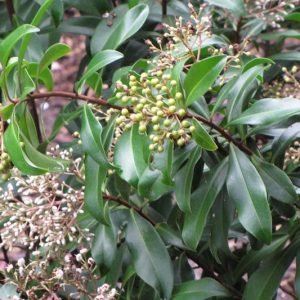
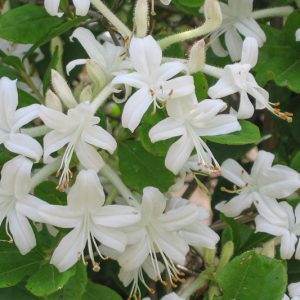
  • Agarista populifolia (Florida Hobblebush) – a graceful, arching shrub with evergreen, glossy leaves and clusters of small white bell shaped flowers that resemble tiny pieris blooms. Florida Hobblebush loves moist to wet, acidic soil in part shade and is often found along swamp and hammock edges. In the garden it makes an excellent backdrop shrub along fences or as a loose, natural hedge. The dense, twiggy growth creates excellent cover for birds and small wildlife.
  • Ardisia escallonoides (Island Marlberry) – not to be confused with invasive coral ardisia, this native marlberry is a refined evergreen shrub for bright shade to filtered sun. Fragrant white flower clusters appear in spring and summer, followed by glossy purple black berries that birds adore. Island Marlberry adapts to a variety of well drained soils and works beautifully near patios, entryways, and shaded courtyards where you can enjoy its scent and fruit display.
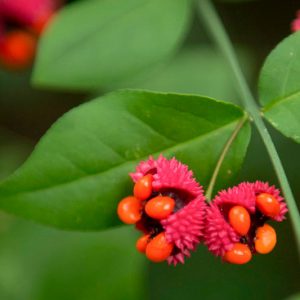
  • Euonymus americanus (American Strawberry Bush) – a charming deciduous to semi evergreen shrub with green stems and delicate leaves. In shade it may stay airy, weaving gently among other plants. The real show comes in fall when strange, warty pink capsules split open to reveal bright orange seeds that resemble tiny strawberries. Birds feast on the fruit, making this a must have for wildlife friendly shade beds with average moisture.
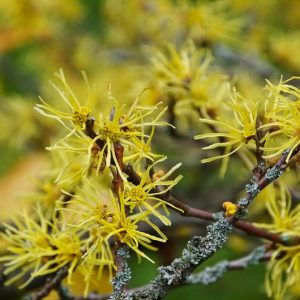
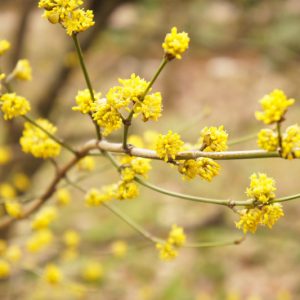
  • Hamamelis virginiana (Virginian Witch Hazel) – this large shrub to small tree offers fragrant, spidery yellow flowers in late fall or winter, often when little else is blooming. Witch Hazel prefers part shade and moist, well drained, slightly acidic soil. In Central Florida, plant it in cooler, protected spots with morning sun and afternoon shade. Its multi season interest makes it a beautiful specimen for a woodland corner or near a path where you can enjoy the unexpected winter flowers.
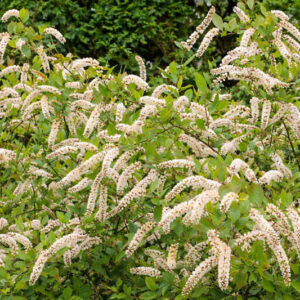
  • Itea virginica (Virginia Sweetspire) – one of the most versatile native shrubs for wet shade. In late spring, Sweetspire dangles long, fragrant white flower spikes that pollinators swarm. In cooler parts of its range it has brilliant red or burgundy fall color. In Central Florida, foliage may simply deepen to rich green, but it still provides a soft, arching texture. This shrub excels in rain gardens, low spots, and along the edges of ponds or drainage swales where soil stays moist.
  • Lindera benzoin (Spicebush) – crush a leaf and you will understand the name. Spicebush carries a clean, spicy citrus fragrance in its leaves and twigs. Tiny yellow flowers appear on bare branches in late winter, followed by glossy red berries on female plants that are important food for birds. It is also a key host plant for spicebush swallowtail butterflies. Give Spicebush rich, moist soil and dappled shade, such as the edge of a woodland bed or a shaded rain garden.
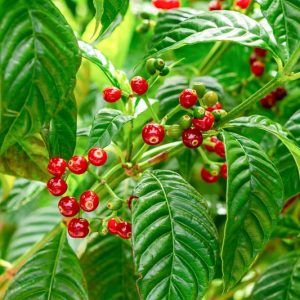
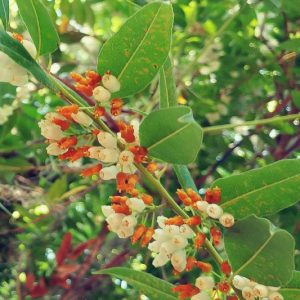
  • Psychotria nervosa (Wild Coffee) – a favorite for Central Florida shade gardens. Wild Coffee is an evergreen shrub with handsome, quilted leaves and clusters of white, starry flowers that attract pollinators. Later, red berries ripen to feed birds, though they are not the same as commercial coffee beans. This shrub thrives in bright to deep shade, tolerates dry spells once established, and is very at home under live oaks and sabal palms. It also looks polished enough for foundation plantings and shaded courtyards.
  • Rhododendron viscosum (Swamp Azalea) – if you love azaleas but want a native, this is your shrub. Swamp Azalea bears fragrant white to blush flowers with long tubes that appear in late spring or early summer, often after the leaves emerge. It prefers moist to wet, acidic soils and part shade, making it ideal for the edges of ponds, low woodland pockets, and rain gardens. The fragrance on warm evenings is unforgettable.
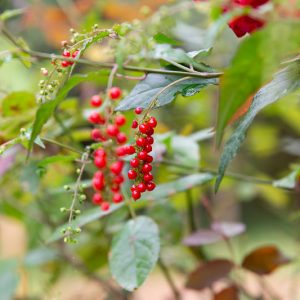
  • Rivina humilis (Bloodberry) – a dainty, small shrub or subshrub that thrives in bright to medium shade. Bloodberry carries airy racemes of pinkish white flowers followed by strings of brilliant red berries that really pop against the foliage. It is excellent for softening the base of taller shrubs, tucking into narrow side yards, or filling gaps along shaded paths. Birds enjoy the fruit, and the plant tends to reseed gently where it is happy.

Easy Design Recipes With Native Shade Shrubs

Cool Hammock Entry Bed – Under high shade near your front walk, combine Psychotria nervosa (Wild Coffee) as a mid height evergreen backbone with a few clumps of Itea virginica (Virginia Sweetspire) toward the front. Tuck Rivina humilis (Bloodberry) at the edge where it can spill over stones or a low border. Add leaf mulch and a handful of shade tolerant wildflowers for seasonal color.

Rain Garden Shrub Swale – In a low spot that collects roof runoff, plant drifts of Agarista populifolia (Florida Hobblebush), Itea virginica (Virginia Sweetspire), and Rhododendron viscosum (Swamp Azalea). Mix in native sedges and moisture loving perennials. The shrubs will slow and filter storm water while birds and pollinators flock to the flowers and berries.

Evergreen Woodland Screen – Along a fence beneath tall pines, mass Psychotria nervosa (Wild Coffee) and Ardisia escallonoides (Island Marlberry) in a loose staggered row. Let leaf litter remain between plants as natural mulch. Over time you will have a living, evergreen privacy screen that provides food and shelter to wildlife without feeling stiff or formal.

Fragrant Shade Corner – In a protected corner with morning sun and afternoon shade, combine Hamamelis virginiana (Virginian Witch Hazel) in the back, Lindera benzoin (Spicebush) to one side, and Rhododendron viscosum (Swamp Azalea) toward the front. This trio offers fragrance from late winter through summer and creates a rich, layered woodland look.

Planting and Caring for Native Shade Shrubs in Central Florida

Most Central Florida native shrubs for shade are forgiving once they settle in, but good preparation at planting time sets them up for long, healthy lives.

  • Prepare the site – remove invasive plants and struggling turf, then loosen the top 4 to 6 inches of soil where you can do so without damaging tree roots. Work in leaf mold, compost, or pine fines if your soil is pure sand. In root crowded areas, plant between major roots and build up soil slightly with organic mulch instead of digging deeply.
  • Check drainage – fill a test hole with water. If it drains within a few hours, most woodland shrubs will be happy. Spots that stay soggy are better for wet loving species like Sweetspire, Swamp Azalea, and Florida Hobblebush.
  • Plant at the right depth – set shrubs so the top of the root ball is level with or slightly above the surrounding soil. Planting too deep is a common cause of decline, especially in heavy or periodically wet soils.
  • Mulch like a forest – spread a 2 to 3 inch layer of shredded leaves, pine straw, or other organic mulch, keeping it a couple of inches away from the stems. This mimics natural leaf litter, moderates soil temperature, and feeds soil life as it breaks down.
  • Water deeply the first year – give new shrubs a slow soak once or twice a week during dry spells. The goal is to moisten the entire root zone, not just the surface. After the first growing season, many woodland species can rely mostly on rainfall, with supplemental water during extended droughts.
  • Go easy on fertilizer – native shrubs are happiest with modest nutrition. Excess fertilizer can push weak, lanky growth and reduce flowering. A yearly topdressing of compost or leaf mold is usually plenty.
  • Prune lightly if needed – most shade shrubs look best with a natural form. Remove dead or crossing stems, lightly thin crowded branches, and tip prune after flowering if you need to shape. Avoid shearing into tight geometric forms, which can remove flower buds and stress the plant.

In late winter or very early spring, walk your shade garden and tidy up fallen branches or damaged stems. Many evergreen shrubs need little else beyond fresh mulch and the occasional deep drink during drought.

Blending Native Shade Shrubs Into Your Landscape Design

Think of shrubs as the backbone of your Central Florida shade garden. They connect the tall canopy of trees with the low carpet of groundcovers and perennials, creating a layered, natural look.

Start by sketching your yard and marking full sun, part shade, and deep shade. Note where water collects after storms and where soil dries quickly. Then plug in the right shrub for each micro habitat:

  • Understory layers – plant Wild Coffee, Island Marlberry, and Florida Hobblebush in broad drifts beneath live oaks, pines, and magnolias so they read as a cohesive understory. Add a few accent shrubs like Swamp Azalea or American Strawberry Bush where you want pops of seasonal color.
  • Path and patio edges – line shady walks with low to medium shrubs such as Bloodberry and Virginia Sweetspire for a soft, inviting edge. Their berries and flowers bring life and motion right where you pass by.
  • Water feature accents – surround ponds, birdbaths, and rain gardens with Swamp Azalea, Sweetspire, Spicebush, and Florida Hobblebush. Their roots help stabilize banks while their flowers and foliage frame the water beautifully.
  • Mixed native beds – weave shrubs between shade tolerant native perennials, ferns, and groundcovers. Wild Coffee pairs well with coontie, beautyberry in brighter pockets, woodland phlox, and native gingers. The contrast of glossy leaves, airy flowers, and berries creates a rich tapestry.
  • Transition zones – use native shrubs to blend the edge of your wooded area into sunnier lawns or beds. Plant taller shrubs like Witch Hazel and Swamp Azalea near the trees, with lower shrubs and perennials stepping down toward open spaces.

Over time, your yard can transform from patchy turf and bare mulch into a layered, living woodland filled with birdsong, butterflies, and the soft rustle of leaves. By planting shade loving native shrubs for Central Florida, you are not just decorating your property – you are helping to restore a small piece of Florida habitat, one shrub at a time.

Discover More Florida Native Plants

Florida Native Plant Guides – Design, Soil and Wildlife

Frequently Asked Questions

What are the best shade-loving native shrubs for Central Florida home gardens?

Some of the most dependable shade-loving native shrubs for Central Florida (USDA zones 9a–9b) include Agarista populifolia (Florida Hobblebush), Ardisia escallonoides (Island Marlberry), Psychotria nervosa (Wild Coffee), Itea virginica (Virginia Sweetspire), Rhododendron viscosum (Swamp Azalea), Euonymus americanus (American Strawberry Bush), Lindera benzoin (Spicebush), Hamamelis virginiana (Virginian Witch Hazel), and Rivina humilis (Bloodberry). Together they cover moist hammocks, rain gardens, upland oak–pine shade, and protected courtyards while providing flowers, berries, and cover for wildlife.

Which native shrubs handle dry or root-filled shade under live oaks and pines?

For dry or intermittently dry shade with heavy root competition, Psychotria nervosa (Wild Coffee) is one of the most reliable choices; it tolerates deep shade, sandy soil, and periodic drought once established. Ardisia escallonoides (Island Marlberry) and Euonymus americanus (American Strawberry Bush) can also perform well in bright to medium shade with well-drained soil and regular leaf mulch, especially under live oaks and pines.

What native shrubs thrive in moist or wet shade, rain gardens, and pond edges in Central Florida?

In consistently moist to wet soil with partial shade, Agarista populifolia (Florida Hobblebush), Itea virginica (Virginia Sweetspire), and Rhododendron viscosum (Swamp Azalea) are excellent choices. They naturally occur along wetland edges, seeps, and low hammocks, so they adapt well to shaded rain gardens, swales that collect roof runoff, and the shaded margins of ponds or lakes in Central Florida landscapes.

Are there evergreen native shrubs for year-round color in Central Florida shade gardens?

Yes. Psychotria nervosa (Wild Coffee), Ardisia escallonoides (Island Marlberry), Agarista populifolia (Florida Hobblebush), and often Rivina humilis (Bloodberry) keep foliage through most or all of the year in Central Florida. These evergreen natives provide structure, screening, and background color beneath live oaks, sabal palms, and pines, and they pair well with deciduous species such as Swamp Azalea and American Strawberry Bush for seasonal contrast.

Which shade-loving native shrubs are best for wildlife and pollinators?

Many Central Florida shade shrubs are highly valuable to wildlife. Wild Coffee, Island Marlberry, Bloodberry, American Strawberry Bush, and Spicebush all produce berries that feed birds and small mammals. Virginia Sweetspire, Swamp Azalea, Witch Hazel, and Florida Hobblebush provide nectar and pollen for native bees, butterflies, and other pollinators, while their dense branches offer nesting cover and shelter.

How much sun do shade-loving native shrubs in Central Florida really need?

Most shade-tolerant native shrubs prefer bright or dappled shade, meaning filtered light under tree canopies or a few hours of gentle morning sun with afternoon shade. A minority, such as Wild Coffee and Florida Hobblebush, tolerate deeper shade, but even they benefit from at least some indirect sky light. Full, dense shade with no sky exposure is usually too dark for flowering and can lead to sparse growth, so matching species to “light shade,” “part shade,” or “deep shade” is important.

What kind of soil and mulch do these native shrubs prefer?

Central Florida shade shrubs generally favor slightly acidic, organic-rich soils similar to natural leaf litter found in hammocks and flatwoods. Most accept sandy or loamy soil as long as it is not compacted; wetland species prefer soil that stays moist but not stagnant, while upland species need good drainage. A 2–3 inch layer of leaf mulch or pine straw, kept a few inches away from the stems, helps conserve moisture, suppress weeds, and gradually improve soil structure without synthetic fertilizers.

References

Updated: November 2025 • Reviewed by Gardenia Editors

Recommended Guides

Shade-Loving Native Shrubs for Central Florida
Sun-Loving Native Trees for Central Florida
Shade-Loving Native Trees for Central Florida
Native Groundcovers for Central Florida
Shade-Loving Native Perennials for Central Florida
Native Aquatic Plants for Central Florida
Native Grasses for Central Florida
Native Ferns for Central Florida
Native Vines for Central Florida
Sun-Loving Native Shrubs for Central Florida
Sun-Loving Native Perennials for Central Florida
Highly Drought Tolerant plants for your Florida Native Garden
Native Plants that Attract Hummingbirds in Florida
Invasive Plant Species in Florida
Highly Salt Tolerant plants for your Florida Native Garden
Great Pollinator Plants for Florida
Monarch Nectar Plants for Florida
Explore Great Plant Combination Ideas
Coastal South
Guides with
Coastal South Florida
While every effort has been made to describe these plants accurately, please keep in mind that height, bloom time, and color may differ in various climates. The description of these plants has been written based on numerous outside resources.

Guide Information

Hardiness 9
Plant Type Shrubs
Exposure Partial Sun, Shade
Native Plants United States, Southeast, Florida
Explore Great Plant Combination Ideas
Coastal South
Guides with
Coastal South Florida

Related Items

Please Login to Proceed

You Have Reached The Free Limit, Please Subscribe to Proceed

Subscribe to Gardenia

To create additional collections, you must be a paid member of Gardenia
  • Add as many plants as you wish
  • Create and save up to 25 garden collections
Become a Member

Plant Added Successfully

Your garden is taking shape. Unlock full planning.

You’ve reached the free limit. Upgrade for $25/year to add as many plants as you wish and save up to 25 garden collections. Unlock Annual Membership

Update Your Credit
Card Information

Cancel

Create a New Collection

Sign Up to Our Newsletter

    You have been subscribed successfully

    Join Gardenia.net

    Create a membership account to save your garden designs and to view them on any device.

    Becoming a contributing member of Gardenia is easy and can be done in just a few minutes. If you provide us with your name, email address and the payment of a modest $25 annual membership fee, you will become a full member, enabling you to design and save up to 25 of your garden design ideas.

    Join now and start creating your dream garden!

    Join Gardenia.net

    Create a membership account to save your garden designs and to view them on any device.

    Becoming a contributing member of Gardenia is easy and can be done in just a few minutes. If you provide us with your name, email address and the payment of a modest $25 annual membership fee, you will become a full member, enabling you to design and save up to 25 of your garden design ideas.

    Join now and start creating your dream garden!
    Find your Hardiness Zone

    Find your Heat Zone

    Find your Climate Zone