Create Your Garden

Native Ferns for Central Florida

Wondering which ferns actually love Central Florida’s heat and shade? Native stars like Southern Wood Fern, Boston Fern, Cinnamon Fern and the Chain Ferns thrive in zones 9a-9b, filling rain gardens, oak hammocks and lake edges with lush, low-care green while supporting local wildlife and staying non-invasive in home gardens.
Native Plants, Native Perennials, Native Ferns, Florida Native Plant, Florida Native Perennials, Florida Native Ferns

Native Ferns for Central Florida – Lush Shade, Low Care

From Orlando, Tampa, and Lakeland to the spring fed rivers and lake country of the interior, Central Florida is a dream home for many native ferns. Warm, humid summers, mild winters, and frequent rain showers create exactly the kind of filtered light and steady moisture that ferns love. If you have a yard full of oak roots, sandy soil, and spots where turf grass fizzles out, you are sitting on prime fern garden real estate.

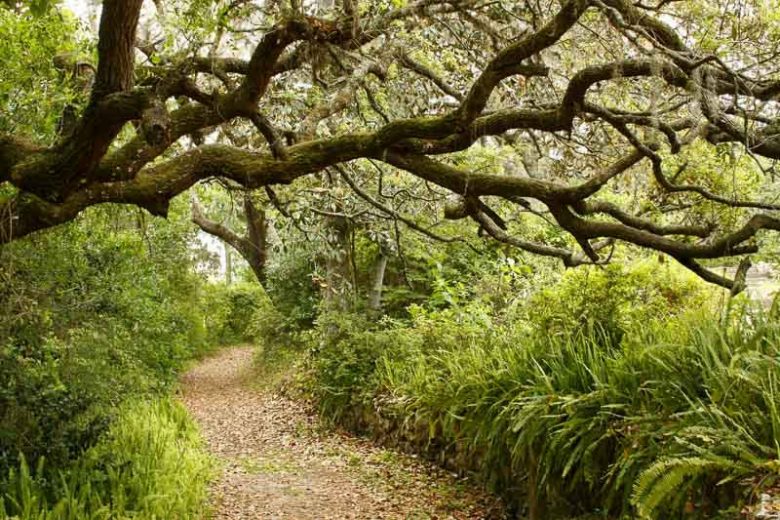
Central Florida lies mostly within the Florida Peninsula ecoregion, in USDA zones 9a and 9b. It bridges temperate and subtropical climates – think coolish winter fronts followed by long stretches of heat, humidity, and afternoon thunderstorms. Lakes, sinkholes, marshes, and forested wetlands are scattered through neighborhoods, right alongside upland sandhills and oak hammocks. That mix of habitats supports an amazing diversity of native Central Florida ferns, each adapted to a particular blend of shade, soil, and moisture.

Sadly, many of these natural fern rich woodlands are disappearing under pavement, drainage projects, and invasive plants. By filling your shady beds, rain gardens, and lake edges with native ferns for Central Florida shade gardens, you help rebuild habitat while creating an easy care, evergreen oasis right outside your door.

Central Florida Native Fern Quick Start

  • Match the shade level – most ferns prefer bright or dappled shade. A few tolerate morning sun if the soil stays moist and the afternoon is shaded.
  • Pay attention to moisture – Central Florida has wet seasons and dry spells. Choose species that match your site – from constantly damp swales to well drained oak roots.
  • Use ferns as living mulch – plant in drifts so fronds overlap. They naturally cool the soil, reduce weeds, and hold moisture after summer thunderstorms.
  • Blend evergreen and deciduous ferns – mix year round workhorses like Southern Wood Fern with dramatic, deciduous bog ferns for seasonal change.
  • Water to establish, then relax – even tough natives need regular deep watering their first year. Once roots are down, many can coast on rainfall except during extended drought.

Why Choose Native Ferns in Central Florida

Ferns instantly give a yard that cool, hammock like feeling – the sense that you have stepped into a quiet green retreat, even when you are only a few steps from the driveway. Choosing native ferns for Central Florida landscapes layers in several extra benefits.

  • Locally adapted – native ferns evolved in the same sandy to loamy soils, high humidity, and intense sun angles as your yard. They cope with summer downpours, short dry spells, and the occasional cold snap better than many imported shade plants.
  • Low maintenance greenery – once established, most native ferns need little more than seasonal cleanup and a fresh sprinkle of leaf mulch. No constant pruning, no heavy feeding, and no fussy pampering.
  • Perfect for problem spots – areas under live oaks, sabal palms, and magnolias, narrow side yards between houses, and the north sides of walls are all ideal places for ferns where turf grass and sun lovers sulk.
  • Wildlife friendly – fern thickets provide shelter for treefrogs, anoles, ground dwelling birds, and beneficial insects. Moist fern beds near water features become mini refuges for dragonflies, butterflies, and pollinators that work the nearby flowering natives.
  • Non invasive choices – carefully selected native ferns are far less likely to jump the fence into natural areas than some popular non native ferns used in Florida landscaping.

Central Florida Fern Habitats At A Glance

To pick the right shade loving native fern, it helps to mimic where it grows in the wild. Central Florida offers everything from soggy cypress domes to dry oak ridges and irrigated foundation beds. Think about your planting area and match it to one of these habitats.

  • Lake margins, swales, and rain gardens – soils that stay moist and are often saturated after storms are perfect for big, bold ferns like Osmunda cinnamomea (Cinnamon Fern), Osmunda regalis (Royal Fern), and Thelypteris palustris (Eastern Marsh Fern). Tuck in Woodwardia virginica (Virginia Chain Fern) where water frequently pools.
  • Wet ditches, seeps, and low woods – shallow moving groundwater and organic rich soils suit Woodwardia areolata (Netted Chain Fern) and fine textured Eastern Marsh Fern. In cooler, well drained pockets with constant moisture, Adiantum capillus-veneris (Southern Maidenhair Fern) can be spectacular.
  • Oak hammocks and mixed shade beds – dappled shade and reasonably well drained soil suit Dryopteris ludoviciana (Southern Wood Fern). It is a backbone plant for many Central Florida shade gardens. In more open spots with a little morning sun, Pteridium aquilinum (Bracken Fern) can form tall, airy colonies.
  • Humid patios, porches, and pool cages – high shade with regular irrigation is the sweet spot for Nephrolepis exaltata (Boston Fern). Southern Maidenhair Fern also thrives in protected courtyards where soil or containers stay evenly moist.
  • Transitional spots between wet and dry – edges of rain gardens, sloped beds below downspouts, and areas that swing from soggy to merely moist are ideal for Cinnamon Fern, Royal Fern, Eastern Marsh Fern, and both Chain Ferns. Their fibrous roots help hold soil and filter runoff.

Spend a sunny day watching how light moves across your yard. Areas that seem dark at midday may get gentle morning or late afternoon sun – perfect for many Central Florida native ferns.

Guide Information

Hardiness 9
Plant Type Ferns
Native Plants United States, Southeast, Florida

Recommended Native Ferns for Central Florida

Adiantum capillus-veneris (Southern Maidenhair Fern)
Dryopteris ludoviciana (Southern Wood Fern)
Nephrolepis exaltata (Boston Fern)
Osmunda cinnamomea (Cinnamon Fern)
Osmunda regalis (Royal Fern)
Pteridium aquilinum (Bracken Fern)
Thelypteris palustris (Eastern Marsh Fern)
Woodwardia areolata (Netted Chain Fern)
Woodwardia virginica (Virginia Chain Fern)

Best Native Ferns for Central Florida Gardens

Use this list as your menu of dependable native ferns for Central Florida. Check height, spread, and moisture needs, then mix and match to fit your site.

  • Adiantum capillus-veneris (Southern Maidenhair Fern) – a delicate, almost lacy fern with shiny black stems and tiny fan shaped leaflets. In Central Florida it thrives in filtered shade where soil never completely dries out – think beside a shaded fountain, tucked into a rock wall near a downspout, or at the edge of a waterfall. It dislikes wind and hot afternoon sun, so give it a sheltered nook with constant moisture and high humidity.
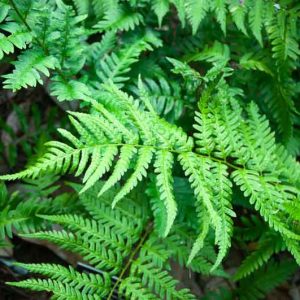
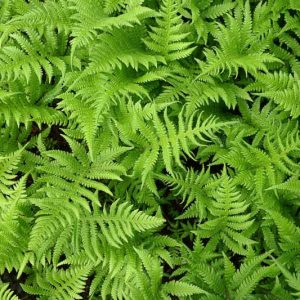
  • Dryopteris ludoviciana (Southern Wood Fern) – a star of the Central Florida shade garden. Semi evergreen to evergreen fronds form tall, upright clumps that stay handsome through much of the year. Southern Wood Fern tolerates average garden soil once established and handles heat surprisingly well if the root zone is mulched. Use it under live oaks, in mixed borders with native shrubs, or as a structural fern in large containers.
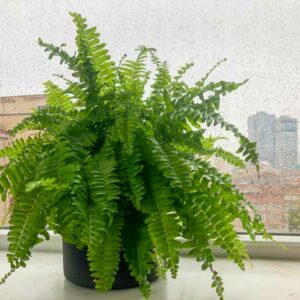
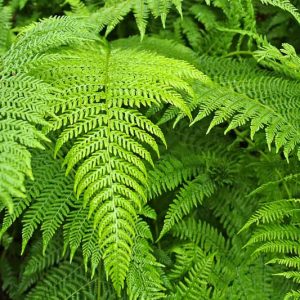
  • Nephrolepis exaltata (Boston Fern) – the classic hanging basket fern that everyone recognizes from porches and patios. In Central Florida, Boston Fern can also be used in shaded ground beds where the soil stays moist and air humidity is high. Its long, arching fronds create a soft, feathery curtain of green around pools, screened rooms, or shady entryways. Protect from rare hard freezes or trim back damaged fronds in late winter.
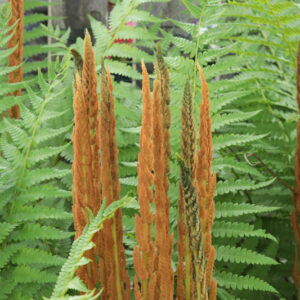
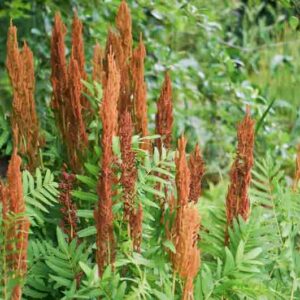
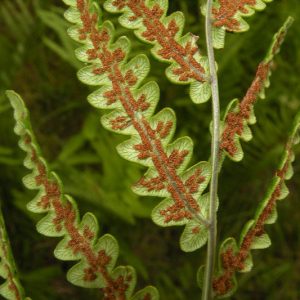
  • Osmunda cinnamomea (Cinnamon Fern) – a dramatic deciduous fern with tall, vase shaped sterile fronds and cinnamon colored fertile spikes in spring. It naturally inhabits bogs, swamp edges, and mucky wetlands. In the home garden, it shines in rain gardens, low swales, and along pond margins where soil is consistently moist but not stagnant. Pair it with native sedges and moisture loving wildflowers for a lush, natural look.
  • Osmunda regalis (Royal Fern) – one of the most majestic ferns you can grow. Royal Fern has coarse, almost shrubby foliage that stands out in any planting. It appreciates a spot with rich, acidic soil and regular moisture – perfect around water features, beside shaded retention ponds, or near the overflow area of a rain barrel.
  • Pteridium aquilinum (Bracken Fern) – a vigorous, sun tolerant fern that forms large colonies in open pine woods and along sandy roadsides. In Central Florida gardens it is best used in naturalistic plantings where there is room for it to spread, or in contained beds where its rhizomes are not free to roam. Bracken is a great choice for restoring a sandy, piney corner that refuses to grow turf.
  • Thelypteris palustris (Eastern Marsh Fern) – a finely textured fern that loves wet feet. It thrives in bog gardens, the edges of rain gardens, and along slow moving drainage swales. Combine Eastern Marsh Fern with native rushes, pickerelweed, and duck potato for a rich wetland planting that looks beautiful while helping manage stormwater.
  • Woodwardia areolata (Netted Chain Fern) – medium sized fronds with an intricate, netted vein pattern give this fern its name. It prefers acidic, consistently moist soils in partial shade and is excellent for massing in low woodland pockets or beneath shrubs near the edge of wetlands. In Central Florida landscapes, Netted Chain Fern helps bridge the transition between open water and drier upland beds.
  • Woodwardia virginica (Virginia Chain Fern) – taller and more boldly textured than Netted Chain Fern, this species is common in wet flatwoods, boggy ditches, and along streams. In the garden it is a natural choice for pond edges, bioswales, and any spot that stays wet much of the year. Use it where you might otherwise plant non native border plants around water features.

Easy Design Recipes With Central Florida Native Ferns

Lake Edge Rain Garden – In a gentle swale that catches roof runoff or along a small lake, create drifts of Osmunda cinnamomea (Cinnamon Fern), Osmunda regalis (Royal Fern), and Thelypteris palustris (Eastern Marsh Fern). Add clumps of Woodwardia virginica (Virginia Chain Fern) where water stands longest. Mix in native irises, pickerelweed, and blue flag for seasonal color. The ferns help slow water, filter nutrients, and provide instant habitat for frogs and dragonflies.

Shady Oak Hammock Entry – Under high live oak or laurel oak canopies, mass Dryopteris ludoviciana (Southern Wood Fern) along your front walk. Tuck Adiantum capillus-veneris (Southern Maidenhair Fern) into moist pockets near a birdbath, small boulder, or downspout splash block. Let leaf litter remain among the clumps as natural mulch. The result is a cool, inviting woodland entry that stays attractive year round.

Pool Cage Fernery – Inside a screened pool or patio with bright shade, group large containers of Nephrolepis exaltata (Boston Fern). Underplant with Southern Maidenhair Fern around a small bubbling fountain or glazed water bowl. The constant humidity and protection from wind create perfect conditions, and the combination reads like a tropical resort – but with native plants.

Piney Sandhill Corner – In a hot, sandy corner with scattered pines, use Pteridium aquilinum (Bracken Fern) in a naturalistic way. Allow it to form airy colonies, then weave in clumps of native grasses, goldenrods, and black eyed Susans at the sunny edges. This planting mimics Florida sandhill habitat and provides shelter and nectar for a wide range of wildlife.

Planting and Caring for Native Ferns in Central Florida

Most Central Florida shade ferns are forgiving once established, but a little prep makes them even easier.

  • Prep the soil – remove invasive plants and struggling turf, then loosen the top 4 to 6 inches of soil. In pure sugar sand, mix in compost, leaf mold, or pine fines to help hold moisture. In mucky low spots, simply remove debris and lightly loosen the surface.
  • Check drainage – fill a test hole with water. Wetland ferns can handle slow drainage and temporary standing water. Woodland ferns prefer soil that drains within a few hours but does not turn to dust between rains.
  • Plant at the right depth – set crowns at or just above the existing soil level. Planting too deep can lead to rot, especially in heavy or frequently flooded soils.
  • Mulch like a forest – spread a 2 to 3 inch layer of shredded leaves, pine straw, or compost around plants, keeping mulch a couple of inches away from crowns. This mimics natural leaf litter, conserves moisture, and slowly feeds the soil.
  • Water deeply during the first year – give new ferns a slow, deep soak once or twice a week during dry spells their first growing season. After that, most woodland species can coast on rainfall, while bog and marsh ferns may appreciate extra water during prolonged drought.
  • Go easy on fertilizer – native ferns are happiest with modest nutrition. A light topdressing of compost or shredded leaves in late winter is usually all they need.

In late winter or early spring, trim away brown or battered fronds on both deciduous and evergreen types. Fresh fronds will unfurl quickly as temperatures warm, especially after a good rain.

Blending Native Ferns Into Your Central Florida Landscape

Think of ferns as the soft green thread that ties together trees, shrubs, and flowers in your yard. They hide bare soil, frame paths, and give your garden that relaxed woodland feel that is so welcome in the Florida heat.

  • Understory layers – sweep ferns in broad bands beneath live oaks, sabal palms, and native shrubs. When planted in masses, ferns read as a cohesive ground layer rather than scattered accents.
  • Path and patio edges – line shady walks with clumps of Southern Wood Fern and Boston Fern for a soft, inviting edge that brushes your ankles as you stroll by.
  • Water feature accents – surround ponds, fountains, and rain gardens with Cinnamon Fern, Royal Fern, Eastern Marsh Fern, and Chain Ferns for a lush, natural look that feels like a slice of wild Florida.
  • Mixed native beds – weave ferns between flowering natives such as oakleaf hydrangea, Virginia sweetspire, firebush in light shade, and shade tolerant groundcovers. The contrast of arching fronds with blooms and berries is striking.

Over time, your Central Florida garden can shift from thirsty turf and bare mulch to a layered, living landscape filled with birdsong, frogs, and the gentle rustle of fern fronds every time the afternoon breeze picks up ahead of a summer storm.

Discover More Florida Native Plants

Florida Native Plant Guides – Design, Soil and Wildlife

Frequently Asked Questions

What are the best native ferns for Central Florida home landscapes?

Dependable native ferns for Central Florida include Adiantum capillus-veneris (Southern Maidenhair Fern), Dryopteris ludoviciana (Southern Wood Fern), Nephrolepis exaltata (Boston Fern), Osmunda cinnamomea (Cinnamon Fern), Osmunda regalis (Royal Fern), Pteridium aquilinum (Bracken Fern), Thelypteris palustris (Eastern Marsh Fern), Woodwardia areolata (Netted Chain Fern), and Woodwardia virginica (Virginia Chain Fern). Together they cover upland oak shade, irrigated beds, rain gardens, and wetland edges in USDA zones 9a and 9b.

Why should I choose native ferns instead of common nursery ferns in Central Florida?

Native ferns are adapted to Central Florida’s heat, humidity, sandy or organic soils, and seasonal drought. They generally need less water and fertilizer, are less likely to become invasive, and provide better habitat for local wildlife. Many non native ferns used in Florida landscapes can escape into natural areas, while well chosen natives help restore real Florida ecosystems in your yard.

Which native ferns handle dry or rooty shade under live oaks and other large trees?

Dryopteris ludoviciana (Southern Wood Fern) is one of the best ferns for dryish, root filled shade in Central Florida. In slightly moister pockets, Nephrolepis exaltata (Boston Fern) can also succeed, especially where roof runoff or irrigation adds water. A thick layer of leaf mulch and occasional deep watering during drought greatly improves performance for both species.

What native ferns thrive in rain gardens, swales, and along pond or lake edges?

For consistently moist to wet soil, choose Osmunda cinnamomea (Cinnamon Fern), Osmunda regalis (Royal Fern), Thelypteris palustris (Eastern Marsh Fern), Woodwardia areolata (Netted Chain Fern), and Woodwardia virginica (Virginia Chain Fern). These species naturally occur in bogs, marshes, and along streams. They tolerate periodic flooding, help filter runoff, and create a lush, natural look around water features.

Are there evergreen native ferns that provide year round color in Central Florida?

Yes. Dryopteris ludoviciana (Southern Wood Fern) is reliably evergreen or semi evergreen across most of Central Florida. Nephrolepis exaltata (Boston Fern) is evergreen in mild winters and in protected sites such as porches and pool cages. In cold snaps, some fronds may burn, but plants typically flush new growth quickly in spring.

Can native ferns grow in full sun in Central Florida?

Most native ferns prefer partial or bright filtered shade, but Pteridium aquilinum (Bracken Fern) can tolerate much more sun than others, especially in sandy, piney sites. Even sun tolerant ferns perform best with at least some afternoon shade and consistent soil moisture. In exposed sites, use deep mulch and regular watering until plants are well established.

Do native ferns need special soil or fertilizer in Central Florida?

Native ferns grow best in slightly acidic, organically enriched soil that mimics forest leaf litter. In very sandy yards, mix compost, pine fines, or leaf mold into the top few inches before planting. Avoid heavy synthetic fertilizers. An annual topdressing of shredded leaves or compost is usually enough to keep native ferns healthy.

How much water do native ferns need in Central Florida’s climate?

All ferns need regular water during their first growing season. After that, woodland species like Southern Wood Fern can often survive on rainfall, especially in shaded, mulched beds. Wetland species such as Cinnamon Fern, Royal Fern, Eastern Marsh Fern, and the Chain Ferns need consistently moist soil and may require supplemental watering during prolonged dry periods or when planted away from natural water sources.

Can I grow Central Florida native ferns in containers or hanging baskets?

Yes. Nephrolepis exaltata (Boston Fern) is a classic hanging basket fern for shaded porches and patios. Adiantum capillus-veneris (Southern Maidenhair Fern) also performs well in containers when given evenly moist, rich soil and high humidity. Use a peat or compost based potting mix, keep pots out of direct afternoon sun, and water deeply whenever the top inch of mix begins to dry.

References

Updated: December 2025 • Reviewed by Gardenia Editors

Recommended Guides

Shade-Loving Native Shrubs for Central Florida
Sun-Loving Native Trees for Central Florida
Shade-Loving Native Trees for Central Florida
Native Groundcovers for Central Florida
Shade-Loving Native Perennials for Central Florida
Native Aquatic Plants for Central Florida
Native Grasses for Central Florida
Native Ferns for Central Florida
Native Vines for Central Florida
Sun-Loving Native Shrubs for Central Florida
Sun-Loving Native Perennials for Central Florida
Highly Drought Tolerant plants for your Florida Native Garden
Native Plants that Attract Hummingbirds in Florida
Invasive Plant Species in Florida
Highly Salt Tolerant plants for your Florida Native Garden
Great Pollinator Plants for Florida
Monarch Nectar Plants for Florida
Explore Great Plant Combination Ideas
Coastal South
Guides with
Coastal South Florida
While every effort has been made to describe these plants accurately, please keep in mind that height, bloom time, and color may differ in various climates. The description of these plants has been written based on numerous outside resources.

Guide Information

Hardiness 9
Plant Type Ferns
Native Plants United States, Southeast, Florida
Explore Great Plant Combination Ideas
Coastal South
Guides with
Coastal South Florida

Related Items

Please Login to Proceed

You Have Reached The Free Limit, Please Subscribe to Proceed

Subscribe to Gardenia

To create additional collections, you must be a paid member of Gardenia
  • Add as many plants as you wish
  • Create and save up to 25 garden collections
Become a Member

Plant Added Successfully

Your garden is taking shape. Unlock full planning.

You’ve reached the free limit. Upgrade for $25/year to add as many plants as you wish and save up to 25 garden collections. Unlock Annual Membership

Update Your Credit
Card Information

Cancel

Create a New Collection

Sign Up to Our Newsletter

    You have been subscribed successfully

    Join Gardenia.net

    Create a membership account to save your garden designs and to view them on any device.

    Becoming a contributing member of Gardenia is easy and can be done in just a few minutes. If you provide us with your name, email address and the payment of a modest $25 annual membership fee, you will become a full member, enabling you to design and save up to 25 of your garden design ideas.

    Join now and start creating your dream garden!

    Join Gardenia.net

    Create a membership account to save your garden designs and to view them on any device.

    Becoming a contributing member of Gardenia is easy and can be done in just a few minutes. If you provide us with your name, email address and the payment of a modest $25 annual membership fee, you will become a full member, enabling you to design and save up to 25 of your garden design ideas.

    Join now and start creating your dream garden!
    Find your Hardiness Zone

    Find your Heat Zone

    Find your Climate Zone