Easy Design Recipes For Native Sun Trees
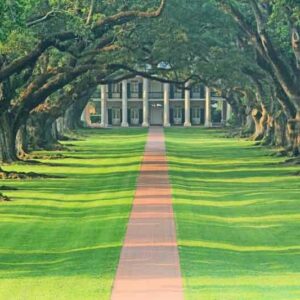
Classic Front Yard Shade Tree: Plant a Quercus virginiana (Live Oak) centered in your front lawn where it can reach its full, spreading canopy. Underneath, use sweeps of native groundcovers and part shade shrubs like Hydrangea quercifolia (Oakleaf Hydrangea) on the east or north side. Over time, you will enjoy a cool green outdoor room.
Sunny Pollinator Grove: In an open area, group Cercis canadensis (Eastern Redbud), Prunus americana (American Plum), and Amelanchier arborea (Downy Serviceberry). All bloom in early spring, feeding native bees and butterflies. Later, fruit and seeds feed birds while foliage provides dappled shade for perennials.
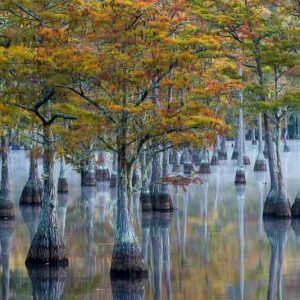
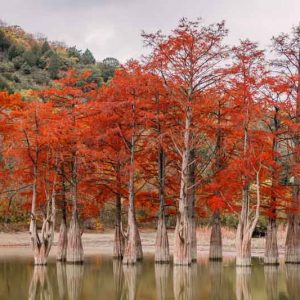
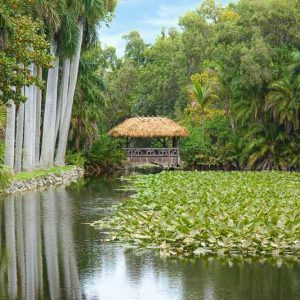
Wet Area Wildlife Corridor: Along a pond, drainage swale, or rain garden, combine Taxodium distichum (Bald Cypress), Taxodium ascendens (Pond Cypress), Ilex cassine (Dahoon Holly), and Betula nigra (River Birch). Their roots tolerate flooding, and trunk textures and knees create habitat for dragonflies, frogs, and wading birds.
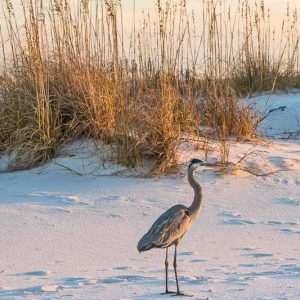
Evergreen Windbreak for Coastal Lots: For windy, sunny edges near the coast, stagger plantings of Pinus elliottii (Slash Pine), Juniperus virginiana (Eastern Red Cedar), Ilex vomitoria (Yaupon Holly), and Magnolia grandiflora (Southern Magnolia). Together they make a living fence that filters wind and salt while hosting nesting birds.
Why Choose Native Sun Trees In North Florida
Non native ornamentals may promise fast shade, but many struggle with pests, storms, and drought or become invasive. Native sun trees grew up with North Florida weather and wildlife. They work with nature, not against it.
- Climate adapted – these trees are tuned to our heat, humidity, and periodic cold snaps. Longleaf pine, live oak, and bald cypress have survived centuries of hurricanes and wildfires in the Southeast.
- Wildlife friendly – oaks alone support hundreds of species of butterflies and moths. Serviceberry, American plum, redcedar, and hollies provide nectar, berries, and nesting sites for songbirds, pollinators, and small mammals.
- Storm smart structure – many natives develop deep, strong root systems and flexible wood. Properly pruned natives are often more wind resistant than shallow rooted exotics.
- Lower maintenance – once established, sun loving native trees need little fertilizer or extra water. Occasional structural pruning and yearly mulching usually keep them healthy.
- Non invasive – native trees are much less likely to escape into nearby natural areas than some fast growing exotic species.
Tip: When planting new trees, remove invasive plants and struggling turf first. Loosen the top 8 to 10 inches of soil, plant slightly above grade, and mulch in a wide ring. Keep mulch a few inches away from the trunk to prevent rot and pest problems.
Recommended Sun-Loving Native Trees For North Florida
Here is a menu of reliable native trees that enjoy full or nearly full sun in North Florida. Check mature size, moisture needs, and whether you want evergreen foliage, flowers, fall color, or wildlife fruit, then mix and match for your site.
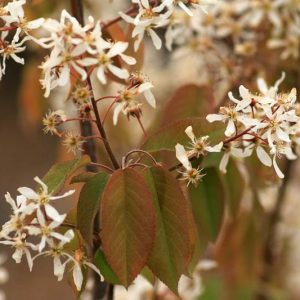
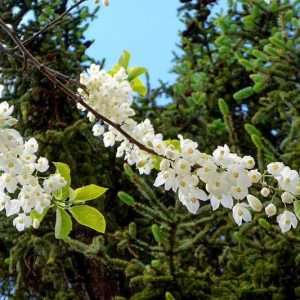
- Amelanchier arborea (Downy Serviceberry) – a graceful small tree with white spring blossoms and edible purple fruits loved by birds. Great for smaller yards and sunny edges where you want early season color.
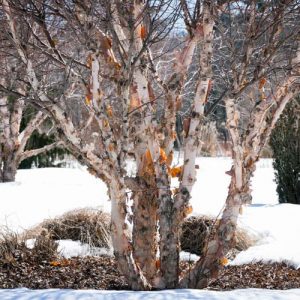
- Betula nigra (River Birch) – fast growing with peeling cinnamon bark and fine textured foliage. Thrives in moist to wet soils in full sun and is excellent near ponds, rain gardens, or low areas that stay damp.
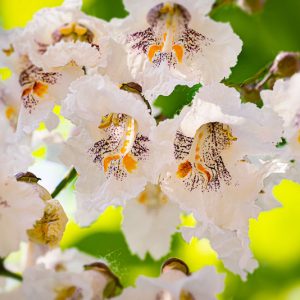
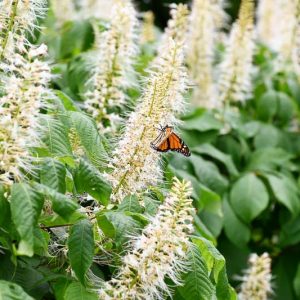
- Catalpa bignonioides (Southern Catalpa) – known for its big heart shaped leaves, showy white flowers, and long seed pods. Good shade and a favorite host tree for catalpa sphinx moth caterpillars, which in turn feed songbirds.
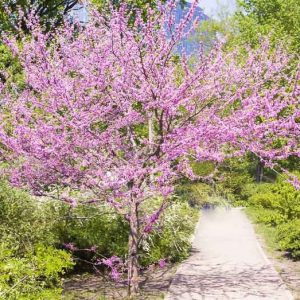
- Cercis canadensis (Eastern Redbud) – one of the earliest bloomers, covering bare branches with pink flowers in late winter to early spring. Tolerates full sun with average moisture and is perfect near patios and front walks.
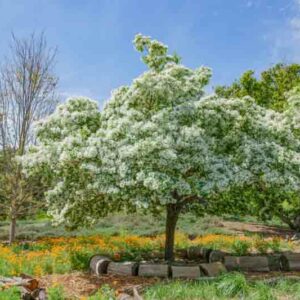
- Chionanthus virginicus (Fringe Tree) – a small tree or large shrub with clouds of fragrant white fringe like flowers in late spring. Likes full sun to light shade and moist, well drained soil.
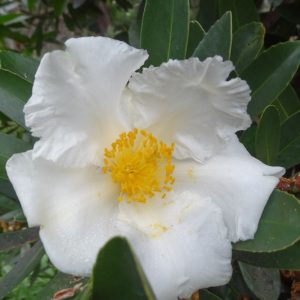
- Gordonia lasianthus (Loblolly Bay) – an elegant, narrow evergreen tree with glossy leaves and large white camellia like flowers. Naturally found in wet, acidic soils and sunny to lightly shaded conditions.
- Halesia diptera Magniflora Group (Two-Wing Silverbell) – a small to medium tree producing dangling white bell shaped flowers in spring. Prefers moist, well drained, slightly acidic soil in sun to light shade.
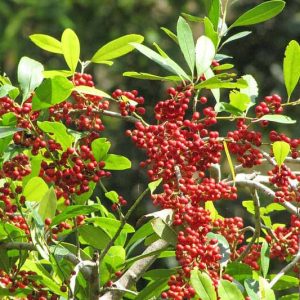
- Ilex cassine (Dahoon Holly) – slender evergreen tree with red berries on female plants. Ideal for wet sites, pond margins, and rain gardens in full sun where many other trees struggle.
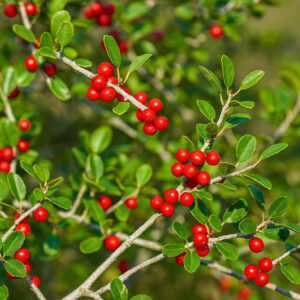
- Ilex vomitoria (Yaupon Holly) – tough, salt tolerant evergreen that can be kept as a small tree or large shrub. Birds flock to the bright red berries, and the fine textured foliage pairs well with stronger shapes like live oaks and magnolias.
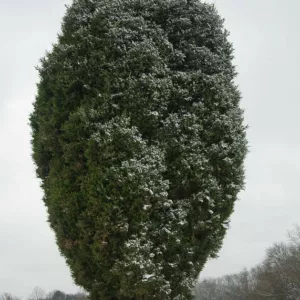
- Juniperus virginiana (Eastern Red Cedar) – dense evergreen with bluish berries that feed cedar waxwings and other birds. Handles drought, wind, and salt spray in full sun and makes an excellent screen or windbreak.
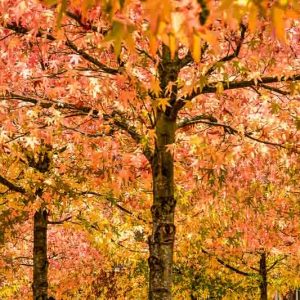
- Liquidambar styraciflua (Sweet Gum) – tall, straight tree valued for its star shaped leaves and brilliant red and purple fall color. Best in full sun and moist, deep soil where it has room to spread.
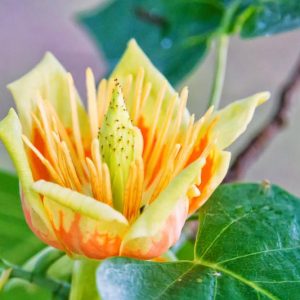
- Liriodendron tulipifera (Tulip Tree) – one of the tallest native trees, with tulip like yellow flowers high in the canopy. Needs full sun and moist, fertile soils, making it a strong choice for larger properties and bottomland sites.
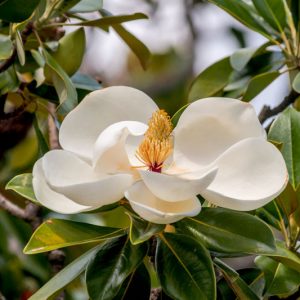
- Magnolia grandiflora (Southern Magnolia) – iconic evergreen with huge, fragrant white flowers and glossy leaves. Grows well in full sun with average moisture and makes a majestic focal point or anchor tree.
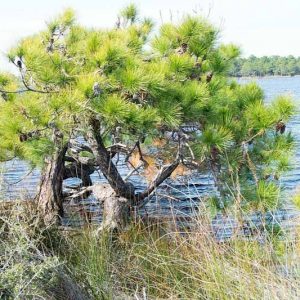
- Pinus elliottii (Slash Pine) – fast growing pine for sunny, moist to moderately dry sites. Works well in windbreaks or mixed native groves with live oak and redcedar.
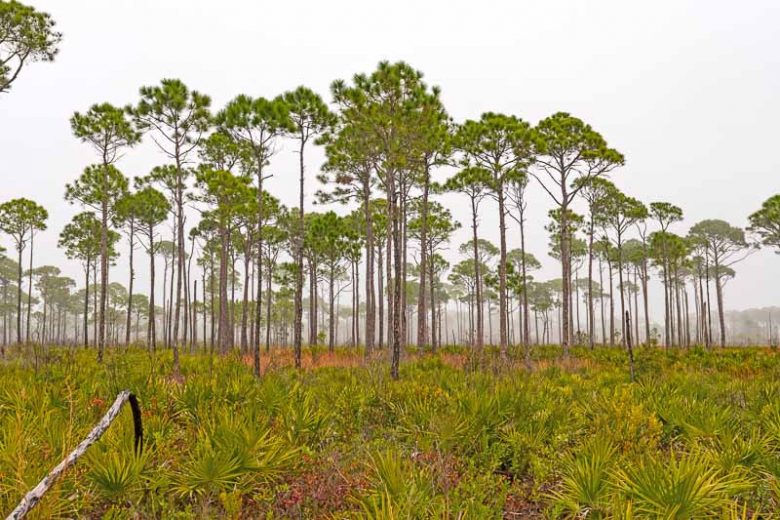
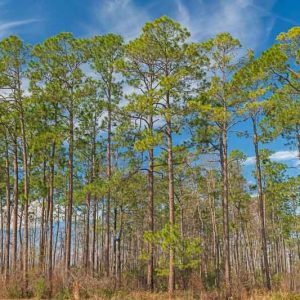
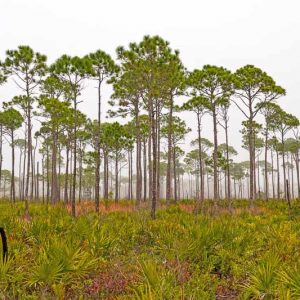
- Pinus palustris (Longleaf Pine) – a keystone of the Southeast and a great long lived shade and habitat tree for sunny, well drained sandhills. The early grass stage and deep taproot make it fire and wind resistant.
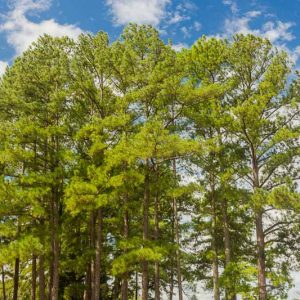
- Pinus taeda (Loblolly Pine) – quick to establish and provide shade. Prefers moist to average soils in full sun and often volunteers on cleared land.
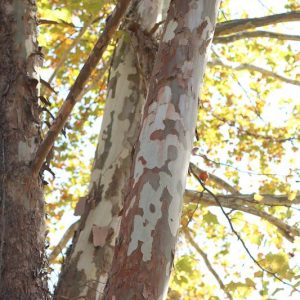
- Platanus occidentalis (American Sycamore) – dramatic white and mottled bark, big leaves, and rapid growth. Best for moist river bottoms, swales, and large yards where it has elbow room.
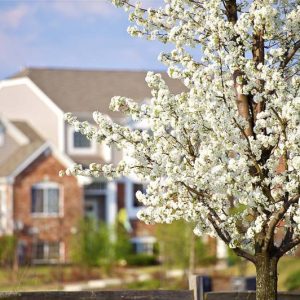
- Prunus americana (American Plum) – a small native plum with fragrant white blossoms and tart fruit enjoyed by wildlife and jam makers. Great in sunny hedgerows or as a specimen tree in smaller gardens.
- Quercus hemisphaerica (Darlington Oak) – semi evergreen, fast growing oak that tolerates a range of soils in full sun. Useful for neighborhoods where you want significant shade fairly quickly.
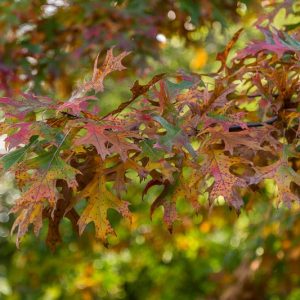
- Quercus shumardii (Shumard Oak) – tall, stately oak with strong central trunk and excellent red fall color. Prefers full sun and deep, moist, well drained soils.
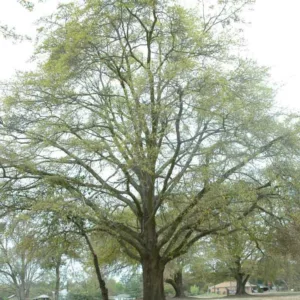
- Quercus virginiana (Live Oak) – the signature tree of coastal North Florida. Massive spreading limbs, durable wood, and outstanding wildlife value. Needs full sun and room to reach majestic proportions.
- Taxodium ascendens (Pond Cypress) – narrower cousin of bald cypress with fine, feathery foliage. Thrives in full sun and wet or fluctuating water levels, ideal for ponds and drainage areas.
- Taxodium distichum (Bald Cypress) – deciduous conifer that grows in standing water or moist soil. Curious knees, buttressed trunks, and coppery fall color make it a showstopper in sunny wet sites.
- Ulmus alata (Winged Elm) – medium sized tree with corky winged twigs and good shade. Handles full sun, drought, and urban conditions better than many elms.
Bringing Sun-Loving Native Trees Into Your Design
Start by sketching your house, driveway, and existing trees. Mark areas of full sun, part shade, and places where you want privacy, cooling shade, or wildlife viewing. Then place your largest native shade trees first – live oak, longleaf pine, bald cypress, or Southern magnolia. These are your long term anchors.
Next, tuck in medium and small sun loving trees like redbud, plum, serviceberry, fringe tree, and yaupon holly closer to patios, windows, and property lines. Think about views from inside your home as well as how you move through the yard. Use sunny edges near woodland beds of shrubs like Virginia sweetspire, Viburnum dentatum (Arrowwood Viburnum), or Stewartia malacodendron (Silky Camellia) to create layered, naturalistic plantings.
Finally, connect everything with generous mulched beds, native grasses, and flowering perennials. Over a few seasons your North Florida property will transform from exposed lawn to a resilient native landscape filled with shade, blossoms, birdsong, and the rustle of leaves in the coastal breeze.
Frequently Asked Questions
What are the best sun loving native shade trees for North Florida home landscapes?
Reliable native shade trees for sunny North Florida yards include Quercus virginiana (Live Oak), Quercus shumardii (Shumard Oak), Quercus hemisphaerica (Darlington Oak), Pinus palustris (Longleaf Pine), Pinus elliottii (Slash Pine), Pinus taeda (Loblolly Pine), Magnolia grandiflora (Southern Magnolia), Taxodium distichum (Bald Cypress), Taxodium ascendens (Pond Cypress), and Platanus occidentalis (American Sycamore). Together they cover dry sandhills, average garden soils, and moist bottomlands in USDA zones 8 to 9.
Which native trees thrive in full sun and wet or periodically flooded soil?
For rain gardens, pond edges, and low lying parts of your yard, choose wet site natives such as Taxodium distichum (Bald Cypress), Taxodium ascendens (Pond Cypress), Betula nigra (River Birch), Ilex cassine (Dahoon Holly), Gordonia lasianthus (Loblolly Bay), Liriodendron tulipifera (Tulip Tree), and Platanus occidentalis (American Sycamore). These species naturally occur in swamps, floodplains, and wet flatwoods and can tolerate standing water during part of the year.
What small or medium native trees work for sunny city and subdivision lots?
In tighter spaces with full sun, look to Amelanchier arborea (Downy Serviceberry), Cercis canadensis (Eastern Redbud), Prunus americana (American Plum), Chionanthus virginicus (Fringe Tree), Ilex vomitoria (Yaupon Holly), and Ulmus alata (Winged Elm). They provide flowers, fruit, and moderate shade without overwhelming small yards or interfering with power lines.
Which sun loving native trees offer the best fall color in North Florida?
For rich autumn color in sunny sites, plant Liquidambar styraciflua (Sweet Gum), Quercus shumardii (Shumard Oak), Quercus hemisphaerica (Darlington Oak), Betula nigra (River Birch), and some selections of Nyssa species where native. Their foliage can turn shades of red, burgundy, orange, or gold, especially after drier late summers.
Do native sun trees support pollinators, birds, and other wildlife?
Yes. Oaks, plums, serviceberries, and redbuds host caterpillars that feed songbirds and provide nectar and pollen for native bees. Hollies, serviceberries, American plum, and Eastern red cedar produce fruits eaten by birds and small mammals. Pines, magnolias, and bald cypress provide cover and nesting sites, especially when combined with native shrubs such as Agarista populifolia (Florida Hobblebush), Illicium floridanum (Florida Anise), and Itea virginica (Virginia Sweetspire).
How should I prepare a sunny site before planting native trees in North Florida?
Remove invasive plants and struggling turf grass, then loosen the top 8 to 10 inches of soil, incorporating compost or leaf mold where soil is extremely sandy or compacted. Dig a wide, shallow planting hole so the root ball sits slightly above the surrounding grade. Backfill with native soil, water deeply to settle roots, and mulch 2 to 3 inches deep out to the drip line. Water weekly during the first growing season, tapering off as the tree establishes.
Can I mix sun loving native trees with existing non native landscape plants?
Absolutely. Many gardeners gradually transition to more native plantings by adding native shade trees, flowering trees, and understory shrubs among existing azaleas or camellias. For example, you might plant a live oak or longleaf pine for high shade, then weave in native shrubs like Hydrangea quercifolia (Oakleaf Hydrangea), Calycanthus floridus (Carolina Allspice), Lindera benzoin (Spice Bush), and Rhododendron viscosum (Swamp Azalea). Over time, you can replace high maintenance or invasive exotics with additional natives.
References
Updated: November 2025 • Reviewed by Gardenia Editors