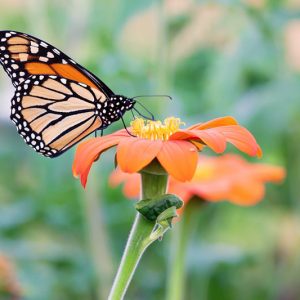
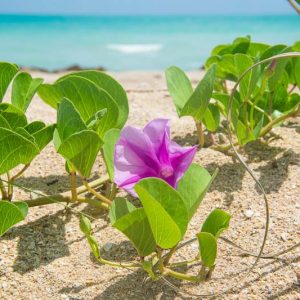
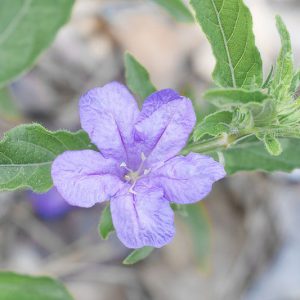
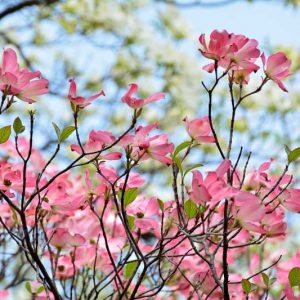
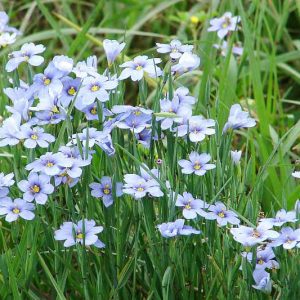
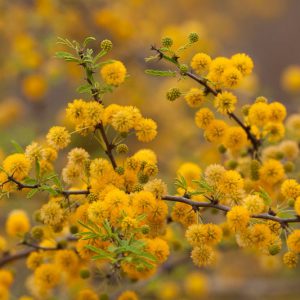
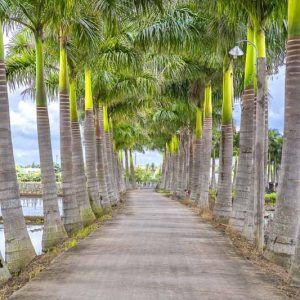
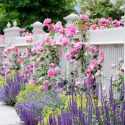
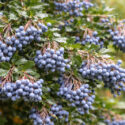
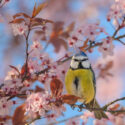
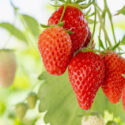
Florida native plants have adapted over time to harsh conditions including heat, humidity, storms, floods, salt spray, and drought.
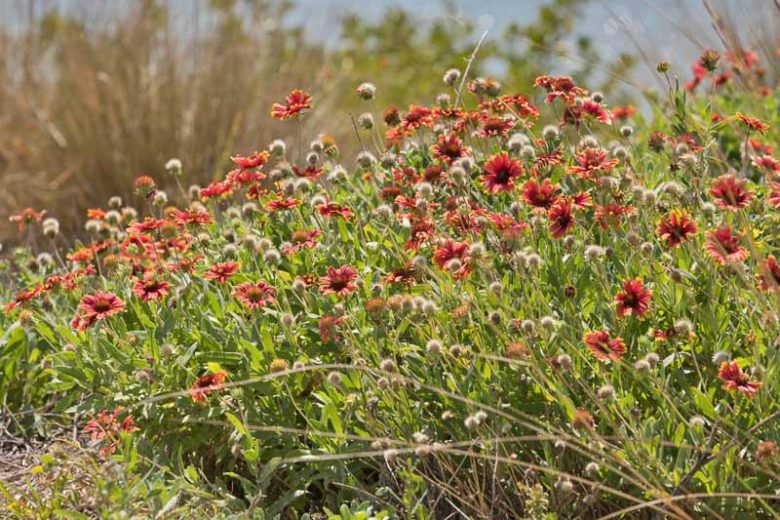


If you garden in Florida, you already know—our sunshine can be relentless, rain can be feast or famine, and sandy soils rarely hold moisture for long. That’s why choosing Florida native plants that are highly tolerant of drought is one of the smartest decisions you can make for a resilient, wildlife-friendly landscape.
From the East Gulf Coastal Plain and South Atlantic Coastal Plain to the Florida Peninsula and the lush, tropical southern tip, native plants have spent thousands of years adapting to Florida’s shifting climate cycles, sandy soils, salt spray, wildfires, and long dry seasons. These plants don’t just survive drought—they’ve evolved to thrive in it.
Unfortunately, many of Florida’s natural ecosystems are threatened by development, hydrology changes, and invasive species. Invasive plants outcompete natives for moisture, sunlight, nutrients, and space—further stressing delicate habitats that wildlife depend on. By planting drought-tolerant Florida natives, you’re restoring balance, conserving water, and re-creating pockets of the real Florida right in your backyard.
Many of Florida’s most iconic landscapes are shaped by long dry spells. Matching plants to your site’s natural conditions makes gardening far easier.
Spend a dry afternoon walking around your yard. Notice where soil dries fastest, where sun lingers longest, and where breezes are strongest. These clues help you choose the perfect drought-proof natives for each microclimate.
| Native Plants | United States, Southeast, Florida |
|---|---|
| Tolerances | Drought |
| Toxic to Humans | No known toxicity |
| Toxic to Cats | No known toxicity |
| Toxic to Dogs | No known toxicity |
| Toxic to Horses | No known toxicity |
Besides being beautiful, drought-tolerant natives offer powerful advantages:
Tip — Whenever possible, purchase plants grown from local or regional seed sources. They are best adapted to your climate and help preserve local genetic diversity.
Use this list as your go-to menu of dependable drought-tolerant Florida native plants. Many are nectar-rich, pollinator-friendly, wildlife-supporting, and stunning year-round.
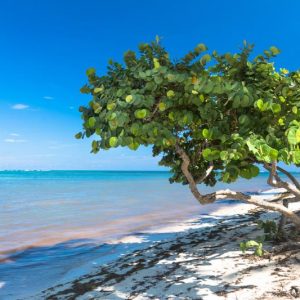
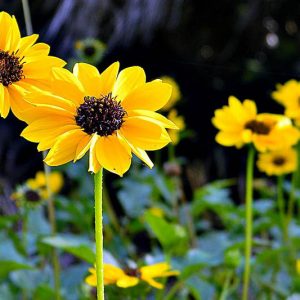
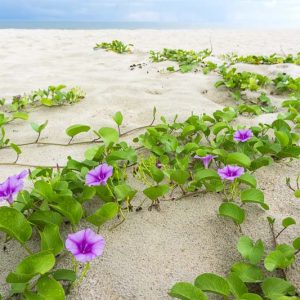
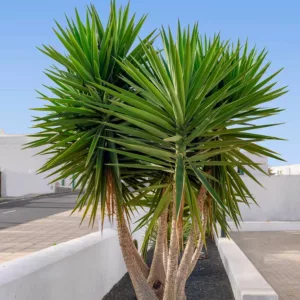
Beachfront or Coastal Xeriscape – Combine Seagrape, Railroad Vine, Beach Sunflower, Yucca aloifolia, and Coco Plum for a wind- and salt-tolerant dune garden that needs almost no irrigation.
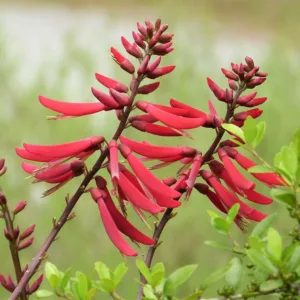
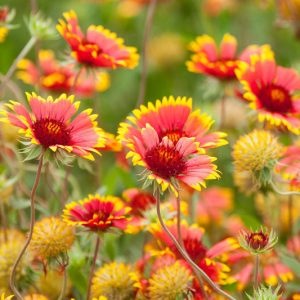
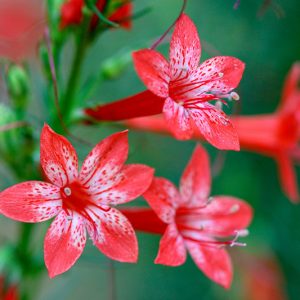
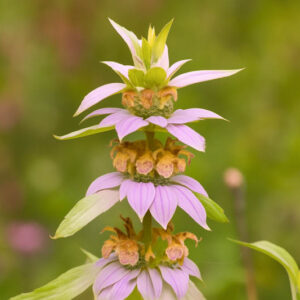
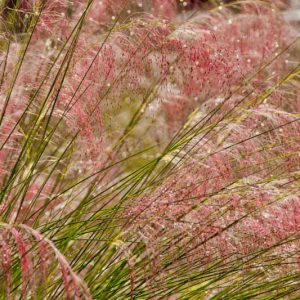
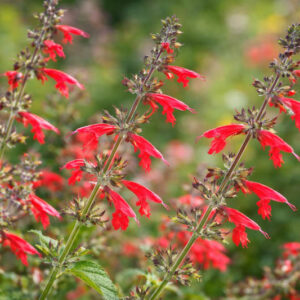
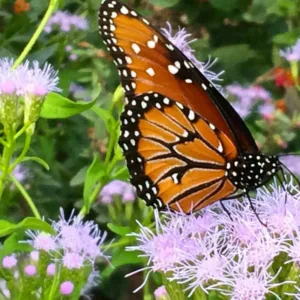
Pollinator Paradise Meadow – Mix drifts of Butterfly Milkweed, Spotted Bee Balm, Firewheel, Scarlet Sage, and Standing Cypress. Add Pink Muhly Grass for height and movement.
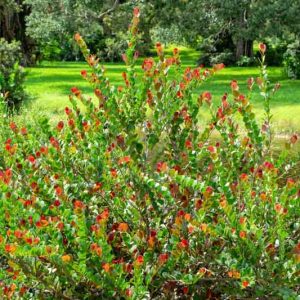
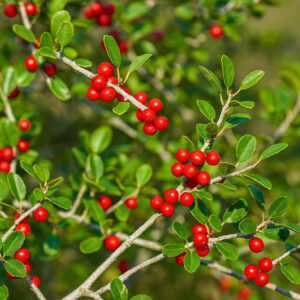
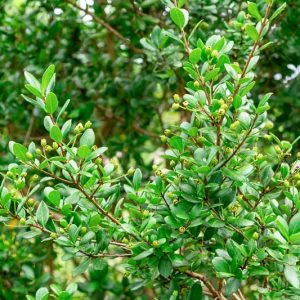
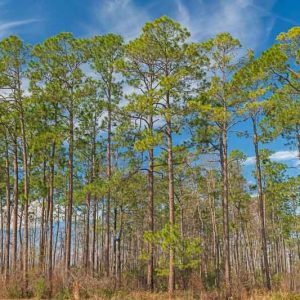
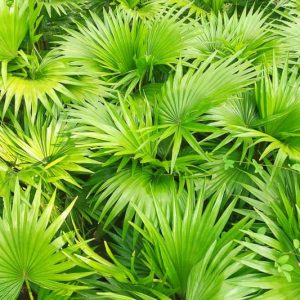
Wildlife-Friendly Dry Forest Edge – Plant Live Oak, Yaupon Holly, Simpson’s Stopper, Saw Palmetto, and Longleaf Pine for structure and habitat. Underplant with sages and porterweed for nectar.
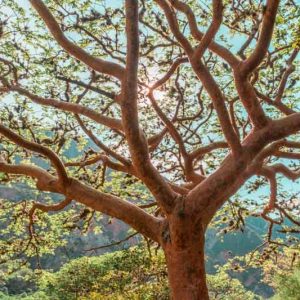
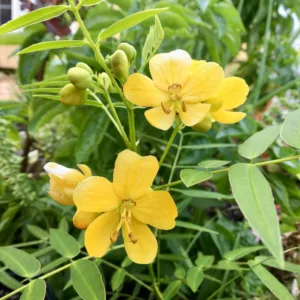
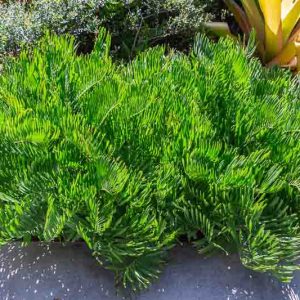
Tropical Rockland Garden – Use Gumbo Limbo, Coontie, Privet Senna, and Fragrant Sumac in thin soils over limestone for an authentic South Florida look.
Think of these drought-tolerant natives as the backbone of your Florida xeriscape. They add structure, color, habitat, and seasonal interest—while dramatically reducing water use.
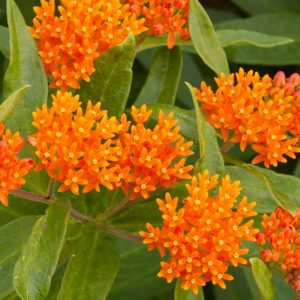
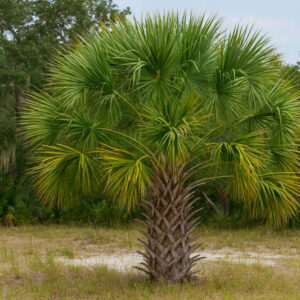
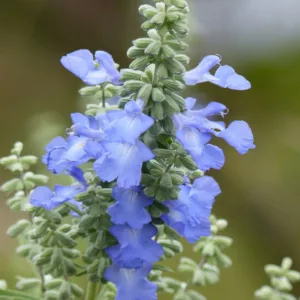
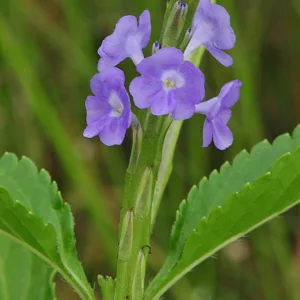
Some of the most reliable drought-tolerant Florida natives include: Asclepias tuberosa (Butterfly Milkweed), Gaillardia pulchella (Firewheel), Helianthus debilis (Beach Sunflower), Muhlenbergia capillaris (Pink Muhly Grass), Monarda punctata (Spotted Bee Balm), Serenoa repens (Saw Palmetto), Rhus aromatica (Fragrant Sumac), Stachytarpheta jamaicensis (Blue Porterweed), Yucca aloifolia (Spanish Bayonet), Coccoloba uvifera (Seagrape), Ilex vomitoria (Yaupon Holly), and Zamia pumila (Coontie). These species evolved in dry, sandy, or coastal habitats and can survive with minimal supplemental watering once established in suitable sites.
A plant is considered drought tolerant in Florida if, after a proper establishment period, it can maintain acceptable health and appearance during extended dry spells using normal rainfall and no more than occasional deep irrigation. True drought-tolerant natives typically have traits such as deep or extensive root systems, small or thick leaves, waxy or hairy foliage, or natural occurrence in sandhills, scrub, coastal dunes, or other dry ecosystems.
Yes. Even the toughest native plants need regular watering during their establishment period. For the first 3 to 6 months after planting—sometimes up to the first full growing season—new plants should be watered deeply when rainfall is insufficient, usually once or twice a week in well-drained soil. After roots spread into surrounding soil, irrigation can be reduced or stopped, depending on species and site conditions.
In Florida’s sandy soils, most container-grown shrubs and perennials need about 3 to 6 months to establish, while trees and large palms may need 6 to 12 months. Establishment is faster when plants are installed in the cooler months, mulched, and watered deeply but infrequently to encourage deep rooting. Once established, most drought-tolerant natives can survive extended dry periods with little or no supplemental irrigation.
Some drought-tolerant natives, such as Blue Porterweed, Scarlet Sage, Beach Sunflower, and smaller yuccas, can perform well in containers, but they will always be less drought tolerant in pots than in the ground. Containers dry out quickly in Florida’s sun and wind, so potted plants usually need more frequent irrigation, even if the species is drought tolerant in landscape soils. Using large containers, well-drained potting mix, and mulch on the soil surface helps conserve moisture.
Many drought-tolerant Florida natives are also highly salt tolerant because they evolved in coastal dunes and maritime hammocks. Examples include Seagrape, Coco Plum, Beach Sunflower, Railroad Vine, Spanish Bayonet, Saw Palmetto, and certain live oaks and hollies. These species can tolerate salt spray, sandy soils, and high winds, making them excellent choices for low-maintenance coastal gardens.
Most drought-tolerant native plants do not require regular fertilizer in typical residential soils. They evolved in nutrient-poor sand or rock and can be harmed by excessive nitrogen, which may encourage weak, lush growth that is more susceptible to pests and drought stress. A light application of compost or a slow-release, low-nitrogen fertilizer during establishment is usually sufficient if plants show deficiency symptoms, but many native landscapes perform well with no added fertilizer at all.
It is possible but not ideal. Grouping plants with similar water needs is one of the core principles of water-wise design. If drought-tolerant natives share a bed with thirsty exotics or turf that receives frequent irrigation, the natives may become overwatered and more susceptible to root disease, nutrient imbalances, and weak growth. For best performance, create zones: low-water areas planted with xeric natives and higher-water areas near downspouts, rain gardens, or irrigated beds.
Most drought-tolerant natives will maintain structural integrity and survive, but some may enter partial dormancy: shedding older leaves, slowing growth, or temporarily reducing flowering. This is a natural survival strategy. With the return of rain, healthy plants typically flush new growth and resume blooming. Mulch, proper spacing, and avoiding high-nitrogen fertilizer help plants maintain better appearance during extreme dry periods.
Updated: December 2025 • Reviewed by Gardenia Editors
glenrichardphoto, Shutterstock
| Native Plants | United States, Southeast, Florida |
|---|---|
| Tolerances | Drought |
| Toxic to Humans | No known toxicity |
| Toxic to Cats | No known toxicity |
| Toxic to Dogs | No known toxicity |
| Toxic to Horses | No known toxicity |
Create a membership account to save your garden designs and to view them on any device.
Becoming a contributing member of Gardenia is easy and can be done in just a few minutes. If you provide us with your name, email address and the payment of a modest $25 annual membership fee, you will become a full member, enabling you to design and save up to 25 of your garden design ideas.
Join now and start creating your dream garden!
Create a membership account to save your garden designs and to view them on any device.
Becoming a contributing member of Gardenia is easy and can be done in just a few minutes. If you provide us with your name, email address and the payment of a modest $25 annual membership fee, you will become a full member, enabling you to design and save up to 25 of your garden design ideas.
Join now and start creating your dream garden!