Create Your Garden

Native Vines for South Florida

Turn your South Florida fence, pergola, or balcony into a living curtain of color with native vines. From moonflower’s glowing blooms to dune-tough railroad vine, these resilient climbers handle heat, salt, and storms while feeding butterflies, bees, and birds - all with far less watering, spraying, and fuss for you.
Native Plants, Native Perennials, Native Vines, Florida Native Plant, Florida Native Perennials, Florida Native Vines

Best Native Vines in South Florida – From Patio to Pergola

South Florida really is vine country. Long, bright days, warm nights, salty breezes, sudden summer downpours, and mild winters create the perfect setting for fast growing climbers. When you choose native vines for South Florida instead of random tropical imports, you get lush green walls, flower draped pergolas, and buzzing wildlife habitat with far less work.

Geographically, South Florida sits within Tropical Florida and the southern end of the Florida Peninsula, mostly in USDA zones 10a, 10b, and 11a. Historically, this region was a mosaic of pine rocklands, hardwood hammocks, coastal dunes, mangrove shores, freshwater marshes, and wet prairies. Many of those wild places have been paved or plowed, but the Florida native vines that once wove through them are still fantastic choices for home landscapes.

Unfortunately, habitat loss and invasive plants have pushed quite a few native species and the wildlife that depend on them into serious decline. Planting native vines in South Florida gardens is an easy way to bring some of that wild Florida back to patios, balconies, and backyard fences.

A plant is considered native when it evolved here and arrived on its own, not through human introduction. Native vines come with an impressive list of perks:

  • Climate ready – South Florida natives already know how to handle heat, humidity, sandy or rocky soils, and seasonal drought.
  • Lower maintenance – once established, most native vines need less water, fertilizer, and fuss than many showy exotics.
  • Wildlife friendly – native vines feed and shelter butterflies, moths, birds, and pollinators in ways imported vines often cannot.
  • Less likely to go invasive – properly chosen Florida natives are far less likely to escape into nearby natural areas than aggressive exotics like air potato or peppervine.

Tip – never collect vines from wild hammocks, dunes, or wetlands. Always purchase from reputable nurseries, ideally those that grow stock from local seed or cuttings.

South Florida Native Vine Quick Start

  • Know your support – vines need something to climb. Decide whether you want a fence, trellis, arbor, railing, mailbox, or tree trunk wrapped in greenery.
  • Match sun and moisture – beach morning glory and railroad vine thrive in blazing coastal sun and dry sand, while climbing aster enjoys more moisture along pond edges and rain gardens.
  • Think salt and wind – coastal yards get hammered by wind and salt spray. Choose tough dune natives like Ipomoea imperati and Ipomoea pes caprae for beachside spots.
  • Plan for growth habit – some vines are twining, some are tendril climbers, and some sprawl along the ground. Make sure your structure fits the vine.
  • Water to establish, then relax – even drought tolerant Florida native vines need regular water in their first growing season. After that many are surprisingly self sufficient.

South Florida Native Vine Habitats At A Glance

To pick the best native vines for South Florida, start by thinking about where each species grows in the wild. Mimic that habitat in your yard and you will have healthier vines with far less effort.

  • Beach dunes and coastal yards – blazing sun, sandy soils, high heat, and salt spray. Ideal for low, sprawling vines like Ipomoea imperati (Beach Morning Glory) and Ipomoea pes caprae (Railroad Vine) that naturally stabilize sand and handle salt.
  • Sunny fences, railings, and pergolas – average garden soil, irrigation, and strong light. Perfect for showy bloomers like Ipomoea alba (Moonflower), Jacquemontia pentanthos (Skyblue Clustervine), and Passiflora incarnata (Maypop passionflower).
  • Moist pond edges and rain gardens – periodically wet soils that stay damp through much of the summer. Excellent for Ampelaster carolinianus (Climbing Aster), which scrambles and leans rather than clinging tightly.
  • Woodland edges and part shade – bright shade under trees and along woodland borders. Good locations for Centrosema virginianum (Spurred Butterfly Pea), Mimosa quadrivalvis (Sensitive Briar), and Parthenocissus quinquefolia (Virginia Creeper).
  • Urban and suburban lots – compacted fill over rock, reflected heat from driveways, limited planting strips. Look for tough, adaptable species that handle small planting pockets and trellises by walls or fences.

Spend a sunny day watching how light moves across your space. Areas that feel blazing at noon may get only morning sun and afternoon shade, which opens up more choices for your Florida native vines.

Guide Information

Hardiness 10 - 11
Plant Type Climbers
Native Plants United States, Southeast, Florida

Recommended Native Vines for South Florida

Ampelaster carolinianus (Climbing Aster)
Centrosema virginianum (Spurred Butterfly Pea)
Ipomoea alba (Moonflower)
Ipomoea imperati (Beach Morning Glory)
Ipomoea pes-caprae (Railroad Vine)
Jacquemontia pentanthos (Skyblue Clustervine)
Mimosa quadrivalvis (Sensitive Briar)
Parthenocissus quinquefolia (Virginia Creeper)
Passiflora incarnata (Maypop)

Why Choose Native Vines In South Florida

Adding one or two native vines is great. Building a framework of native climbing plants for South Florida around patios, pergolas, and fences is even better for your yard and the local ecosystem.

  • Built in resilience – many Florida vines have already passed the test of hurricanes, salt spray, and seasonal drought. Beach morning glory and railroad vine shrug off coastal extremes that make imported vines sulk.
  • Pollinator powerhouses – moonflower opens at night for moths, passionflower feeds Gulf fritillary and zebra longwing caterpillars, and climbing aster is a magnet for late season butterflies and bees.
  • Living privacy and shade – covered arbors and fences create cool, leafy walls that cut glare and make outdoor spaces feel private without solid fences.
  • Erosion control – sprawling dunes vines such as railroad vine and beach morning glory help hold loose sand and soil along slopes, swales, and seawalls.
  • Sense of place – a vine draped pergola glowing with native blooms feels like true South Florida, not a generic tropical resort.

Best Native Vines For South Florida Gardens

Use this list as a menu of dependable Florida native vines for trellises, fences, mailboxes, and groundcover in USDA zones 10 to 11. Always double check mature spread and growth habit so you give each species enough room.

  • Ampelaster carolinianus (Climbing Aster) – technically a shrub like vine, this Florida native sends long, arching stems that can be trained onto fences or left to spill gracefully over banks and pond edges. Clusters of soft lavender daisy flowers appear in fall and early winter, just when many other nectar sources slow down, drawing in clouds of butterflies and pollinators. Plant in full sun to light shade with moist soil near rain gardens, canals, or low spots.
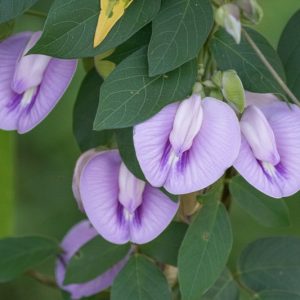
  • Centrosema virginianum (Spurred Butterfly Pea) – a delicate twining vine with butterfly shaped purple flowers and fine foliage. It works beautifully on low trellises, rustic fences, or woven through native shrubs. This species prefers sun to light shade and well drained, sandy soils and is a larval host plant for several skipper butterflies. Let it wander a bit for a soft, natural look.
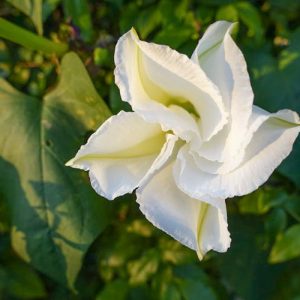
  • Ipomoea alba (Moonflower) – one of the most romantic native flowering vines for South Florida. Huge, fragrant, white trumpets open at dusk and glow in the dark, attracting sphinx moths and other night pollinators. Moonflower is a vigorous twining vine for strong supports like pergolas, railings, and sturdy trellises in full sun and average to moist soil. Combine it with day blooming morning glories or skyblue clustervine for round the clock color.
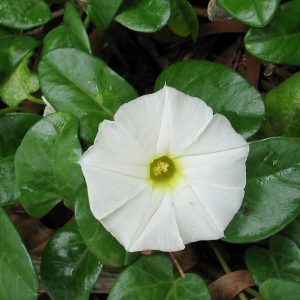
  • Ipomoea imperati (Beach Morning Glory) – a low, sprawling vine that carpets beach dunes and sandy coastal sites with thick, glossy leaves and white to pale lavender flowers. Ideal for seaside landscapes where you want erosion control and a wild, natural look. Use beach morning glory as a groundcover along dunes, seawalls, dry swales, and hot, sunny slopes where turfgrass struggles.
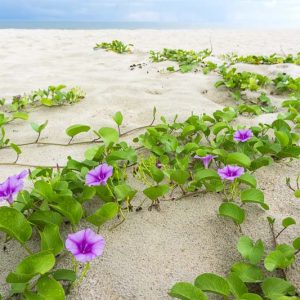
  • Ipomoea pes caprae (Railroad Vine or Bayhops) – another superstar dune stabilizer. Railroad vine forms long, rope like runners with fleshy leaves and showy pink purple morning glory flowers. It thrives in full sun, deep sand, wind, and salt and is one of the best native vines for coastal South Florida. In home landscapes, give it room to sprawl on dunes, sandy berms, and wide, sunny beds.
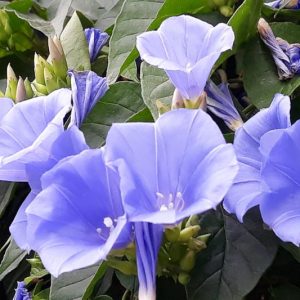
  • Jacquemontia pentanthos (Skyblue Clustervine) – a compact, twining vine covered in sky blue flowers for much of the warm season. Perfect for small arbors, mailbox posts, railings, and fences. Skyblue clustervine likes full sun to light shade and well drained soil and provides reliable nectar for bees and butterflies. Its smaller scale makes it a top choice for townhomes and courtyard gardens.
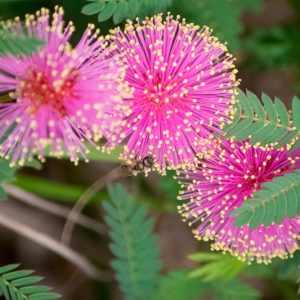
  • Mimosa quadrivalvis (Sensitive Briar) – a quirky ground hugging vine with ferny, touch sensitive foliage that folds when brushed and cheerful pink pom pom flowers. It creeps and clambers through sunny, dry sites and is a natural fit for wildflower meadows, native rock gardens, and informal slopes. Sensitive briar is also a larval host for the little sulphur butterfly and fixes nitrogen in the soil.
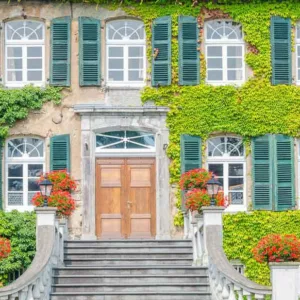
  • Parthenocissus quinquefolia (Virginia Creeper) – a fast growing, tendril climbing vine that clings to fences, walls, and tree trunks with small adhesive pads. In South Florida it provides lush, green coverage and red toned new growth and berries loved by birds. Use it to quickly green up chain link fences, unsightly walls, or large tree trunks in sun or part shade. Just monitor growth so it does not overwhelm small trees or gutters.
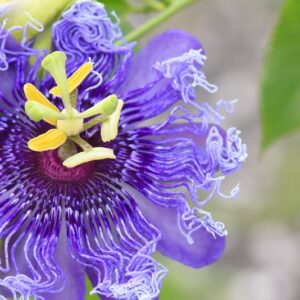
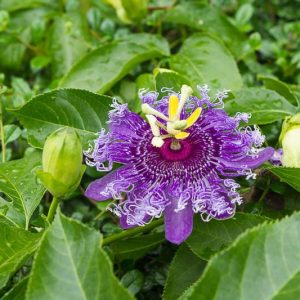
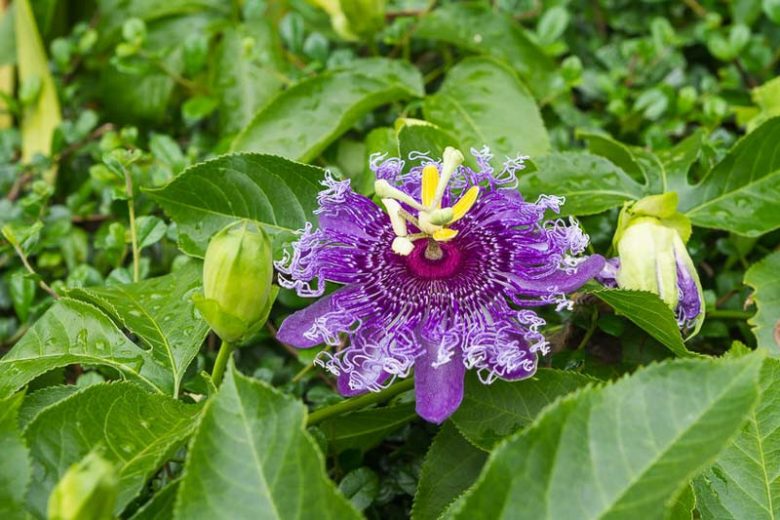
  • Passiflora incarnata (Maypop Passionflower) – one of the best wildlife supporting native vines for South Florida butterflies. Exotic looking purple passionflowers are followed by egg shaped fruits and the foliage is the primary host food for Gulf fritillary, zebra longwing, and other longwing butterflies. Maypop climbs by tendrils and thrives in full sun to light shade with average moisture. Train it on fences, arbors, or obelisks near patios so you can watch butterflies at work.

Easy Design Recipes With Native Vines

Moonlight Pergola – Over a sunny seating area, run sturdy wires or a wooden lattice across a pergola and plant Ipomoea alba (Moonflower) at two or four posts. Combine with Jacquemontia pentanthos (Skyblue Clustervine) for daytime color. By sunset, the pergola glows with white blossoms and perfume while moths and bats swoop through for nectar and insects.

Coastal Sand Stabilizer – On a beachfront lot or sandy berm, mix sprawling strands of Ipomoea imperati (Beach Morning Glory) and Ipomoea pes caprae (Railroad Vine). Their fleshy stems and deep roots weave through the sand, helping hold it in place against wind and waves while providing flowers for pollinators.

Butterfly Fence Line – Along a sunny backyard fence, alternate clumps of Passiflora incarnata (Maypop), Centrosema virginianum (Butterfly Pea), and Ampelaster carolinianus (Climbing Aster). You get early season butterfly pea blooms, summer passionflowers, and late season climbing aster flowers, creating a nearly continuous nectar buffet.

Naturalistic Meadow Edge – In a sunny, dry corner, seed or plant native grasses and wildflowers, then thread in Mimosa quadrivalvis (Sensitive Briar) at the edges. Its fine foliage and whimsical blooms tie the meadow to nearby paths or patios and give kids a fun, touch responsive plant to explore.

Planting And Caring For Native Vines In South Florida

Most South Florida native vines are tough once they settle in, but good planting and early care help them thrive for years.

  • Choose the right site – check each vine’s sun, moisture, and salt needs and match them to your conditions. Sun loving species really do need several hours of direct light.
  • Install supports first – put up trellises, wires, or pergolas before planting so you do not disturb roots later. Make sure supports are sturdy for vigorous climbers like moonflower and Virginia creeper.
  • Prep the planting area – remove invasive vines and tired turf in a broad ring. Loosen the top 6 to 8 inches of soil and mix in a little compost if your soil is extremely poor, avoiding rich, peaty mixes that keep roots too wet.
  • Plant at or slightly above grade – set the root ball so the top is level with surrounding soil or slightly high, especially in heavy soils or spots that hold water.
  • Mulch the root zone – add a 2 to 3 inch layer of shredded leaves, pine straw, or wood chips around the base, keeping mulch a few inches away from stems. Mulch moderates soil temperature and conserves moisture.
  • Water deeply – for the first 3 to 6 months, water slowly and deeply once or twice a week during dry periods. After establishment, many native vines only need irrigation during prolonged drought.
  • Feed lightly if at all – too much fertilizer can push weak, lanky growth. Most native vines perform well with just compost and mulch. If growth is very slow, use a light, slow release fertilizer in spring.
  • Train and prune – gently guide new stems toward supports and secure loosely with soft ties. Prune after the main flowering season to control size and keep vines from blocking gutters, windows, or rooflines.

Check periodically for girdling ties, weeds in the root zone, or damage from string trimmers. Small corrections early keep your Florida native vine garden healthy and attractive.

Blending Native Vines Into Your Landscape Design

Think of native vines for South Florida as the jewelry of your garden. Trees and shrubs provide structure, while vines add movement, color, and seasonal drama.

  • Soften hard edges – cover chain link fences, utility areas, or stark walls with Virginia creeper, skyblue clustervine, or moonflower on trellis panels.
  • Layer vertical interest – combine vines with native shrubs and perennials at their feet so you have color from ground level up to eye level and above.
  • Create wildlife corridors – use vines to connect tree canopies and hedges so birds and insects can move safely through your yard using continuous cover.
  • Mix textures – pair the bold leaves of passionflower with the fine foliage of sensitive briar or the glossy leaves of beach morning glory for eye catching contrast.
  • Blend natives with select ornamentals – you do not have to go 100 percent native overnight. Start by replacing the highest maintenance or invasive climbers with native vines, then gradually shift more of your vertical spaces to Florida species.

Over time, your property can evolve from a simple lawn and fence into a layered, wildlife rich oasis where hummingbirds, butterflies, and songbirds find food and shelter among native South Florida vines.

Discover More Florida Native Plants

Florida Native Plant Guides – Design, Soil And Wildlife

Frequently Asked Questions

What are the best native vines for South Florida home gardens?

Reliable native vines for South Florida include Ampelaster carolinianus (Climbing Aster), Centrosema virginianum (Spurred Butterfly Pea), Ipomoea alba (Moonflower), Ipomoea imperati (Beach Morning Glory), Ipomoea pes caprae (Railroad Vine), Jacquemontia pentanthos (Skyblue Clustervine), Mimosa quadrivalvis (Sensitive Briar), Parthenocissus quinquefolia (Virginia Creeper), and Passiflora incarnata (Maypop passionflower). Together they cover coastal dunes, sunny fences, wet edges, meadows, and woodland borders in USDA zones 10 to 11.

Which native vines handle coastal wind and salt spray best?

For beachfront and near shore landscapes, choose tough dune natives like Ipomoea imperati (Beach Morning Glory) and Ipomoea pes caprae (Railroad Vine). Both are naturally adapted to deep sand, salt spray, and strong wind and help stabilize dunes and sandy slopes while providing colorful flowers for pollinators.

Which native vines are best for butterflies in South Florida?

Passiflora incarnata (Maypop passionflower) is a top host plant for Gulf fritillary, zebra longwing, and other longwing butterflies, while Centrosema virginianum (Spurred Butterfly Pea) and Mimosa quadrivalvis (Sensitive Briar) support several skipper and sulphur butterflies. Ampelaster carolinianus (Climbing Aster) provides abundant nectar in late season for many adult butterflies.

Do native vines damage walls or trees?

Most Florida native vines are less aggressive than some imported climbers, but any vigorous vine can cause problems if allowed to grow unchecked. Tendril climbers like Virginia Creeper can cling to masonry and wood, so they are best directed to trellises or fences rather than house walls. Avoid letting heavy vines completely engulf small trees or shrubs so they are not shaded out.

Do native vines need irrigation or fertilizer once they are established?

Many South Florida native vines are surprisingly drought tolerant once their roots are established. They usually need regular deep watering for the first few months, then far less supplemental irrigation other than during extended dry spells. Most prefer modest nutrition and perform well with an annual layer of organic mulch rather than frequent synthetic fertilizer applications.

Can I mix native vines with existing tropical ornamentals in my yard?

Absolutely. Many gardeners begin by weaving native vines into existing landscapes filled with palms, hibiscus, bougainvillea, and other ornamentals. Over time, you can rely more on native vines to provide structure, shade, and wildlife value while gradually replacing any high maintenance or invasive climbers with additional Florida natives.

References

Updated: December 2025 • Reviewed by Gardenia Editors

Recommended Guides

Native Vines for South Florida
Native Ferns for South Florida
Native Grasses for South Florida
Native Aquatic Plants for South Florida
Shade-Loving Native Shrubs for South Florida
Sun-Loving Trees for South Florida
Shade-Loving Native Trees for South Florida
Shade-Loving Native Perennials for South Florida
Sun-Loving Native Perennials for South Florida
Native Groundcovers for South Florida
Sun-Loving Native Shrubs for South Florida
Highly Drought Tolerant plants for your Florida Native Garden
Native Plants that Attract Hummingbirds in Florida
Invasive Plant Species in Florida
Highly Salt Tolerant plants for your Florida Native Garden
Great Pollinator Plants for Florida
Monarch Nectar Plants for Florida
Explore Great Plant Combination Ideas
Tropical South
Guides with
Tropical South Florida
While every effort has been made to describe these plants accurately, please keep in mind that height, bloom time, and color may differ in various climates. The description of these plants has been written based on numerous outside resources.

Guide Information

Hardiness 10 - 11
Plant Type Climbers
Native Plants United States, Southeast, Florida
Explore Great Plant Combination Ideas
Tropical South
Guides with
Tropical South Florida

Related Items

Please Login to Proceed

You Have Reached The Free Limit, Please Subscribe to Proceed

Subscribe to Gardenia

To create additional collections, you must be a paid member of Gardenia
  • Add as many plants as you wish
  • Create and save up to 25 garden collections
Become a Member

Plant Added Successfully

Your garden is taking shape. Unlock full planning.

You’ve reached the free limit. Upgrade for $25/year to add as many plants as you wish and save up to 25 garden collections. Unlock Annual Membership

Update Your Credit
Card Information

Cancel

Create a New Collection

Sign Up to Our Newsletter

    You have been subscribed successfully

    Join Gardenia.net

    Create a membership account to save your garden designs and to view them on any device.

    Becoming a contributing member of Gardenia is easy and can be done in just a few minutes. If you provide us with your name, email address and the payment of a modest $25 annual membership fee, you will become a full member, enabling you to design and save up to 25 of your garden design ideas.

    Join now and start creating your dream garden!

    Join Gardenia.net

    Create a membership account to save your garden designs and to view them on any device.

    Becoming a contributing member of Gardenia is easy and can be done in just a few minutes. If you provide us with your name, email address and the payment of a modest $25 annual membership fee, you will become a full member, enabling you to design and save up to 25 of your garden design ideas.

    Join now and start creating your dream garden!
    Find your Hardiness Zone

    Find your Heat Zone

    Find your Climate Zone