Create Your Garden

Highly Salt Tolerant plants for your Florida Native Garden

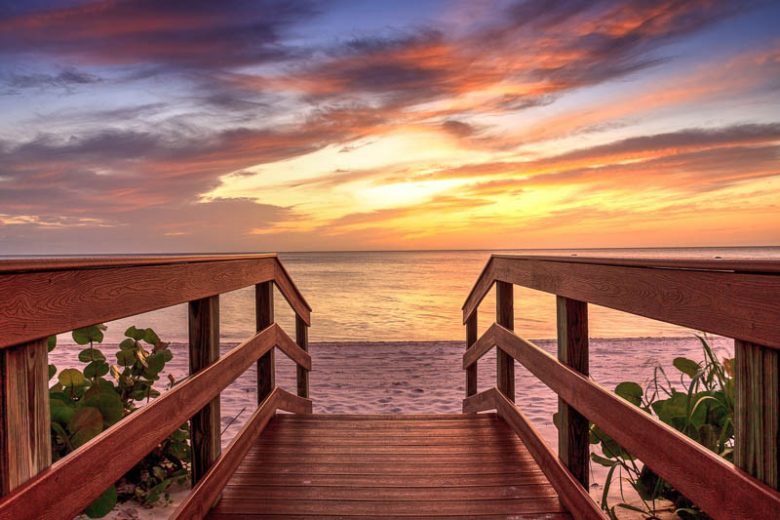
Dreaming of a beach garden that laughs at salty wind and sea spray? Plant Florida natives like sea oats, beach sunflower, seagrape, necklace pod, bay cedar, and sea purslane. These coastal workhorses anchor sand, feed wildlife, and stay gorgeous when fussy imports turn brown and crispy after every storm.
Native Plants, Native Perennials, Native Vines, Florida Native Plant, Salt Tolerant Plants,  Salt Tolerant perennials,  Salt Tolerant shrubs,  Salt Tolerant Trees

Highly Salt-Tolerant Florida Native Plants for Your Coastal Garden

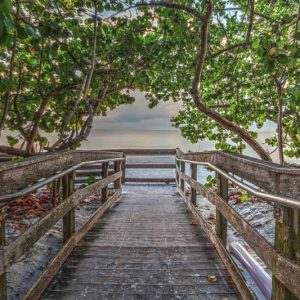
Live near the beach and tired of watching landscape plants crisp in salty wind and salt spray? Florida native coastal plants are built for exactly that. From dunes and mangroves to seaside cottage gardens, these salt-tolerant species handle ocean breezes, sandy soil, and hurricane weather while feeding birds, bees, and butterflies.

Florida Coastal Native Quick Start

  • Identify your salt zone – plants right on the dune or bayfront must tolerate direct salt spray; a block or two inland can use “salt tolerant” rather than “salt proof” species.
  • Know your moisture – dune plants like dry sand, marsh grasses and mangroves like tidal flooding, and many shrubs prefer the shell-and-sand mix of slightly inland lots.
  • Plant in groups – clusters of three, five, or more shrubs, grasses, and groundcovers create windbreaks, stabilize sand, and look more natural than single specimens.
  • Use layers – combine deep-rooted grasses, low groundcovers, mid-size shrubs, and wind-tough small trees such as buttonwood, bay cedar, and seagrape.
  • Water to establish – even beach natives need regular deep watering for the first season; once rooted, many can rely mostly on rainfall and sea breezes.

Coastal Florida Habitats At A Glance

Florida shorelines span dunes, salt marsh, mangrove forest, and windswept neighborhoods just inland. Matching plants to each micro-habitat is the key to success.

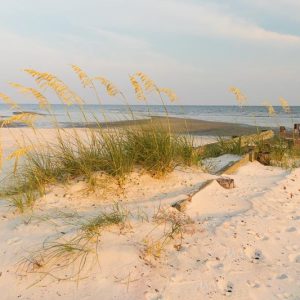
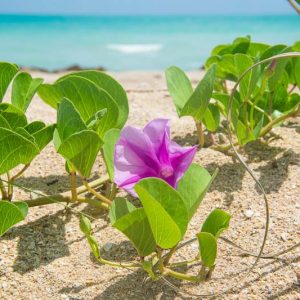
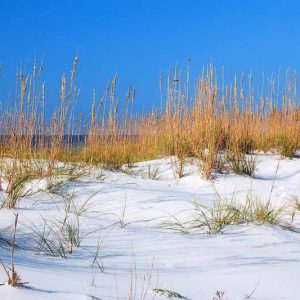
  • Upper beach and dunes – blazing sun, fast-draining sand, extreme wind, and direct salt spray. Choose sea oats, beach sunflower, sea purslane, beach morning glory, railroad vine, bay bean, and beach verbena.
  • Salt marsh and tidal flats – saturated soil, daily or occasional flooding with brackish to salty water. Plant smooth cordgrass, saltmeadow cordgrass, salt heliotrope, and sea ox-eye.
  • Mangrove edges and lagoons – warm frost-protected shorelines flooded by tides; ideal for red mangrove, black mangrove, buttonwood, and pond apple.
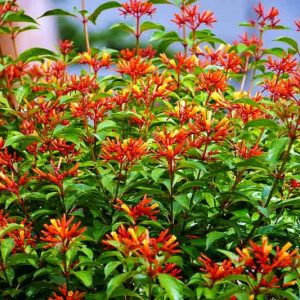
  • Exposed coastal yards – shell or sandy soil, high wind, and occasional salt spray but not tidal flooding. Here, seagrape, bay cedar, necklace pod, eastern red cedar, Florida silver palm, Christmas berry, and firewheel thrive.

Walk your site after a storm. If leaves show salt burn, think dune-grade plants. If only the first row of plants suffers, use the toughest species as a “salt shield” in front and somewhat less tolerant species behind them.

Best Highly Salt-Tolerant Florida Native Plants

Use this menu of Florida native trees, shrubs, grasses, and groundcovers to design a coastal landscape that can shrug off salty wind, sea spray, and sandy soil while supporting wildlife.

Guide Information

Native Plants United States, Southeast, Florida
Tolerance Salt

Florida Native Plants that are highly tolerant of salty wind and salt spray

Acacia farnesiana (Sweet Acacia)
Acrostichum danaeifolium (Giant Leather Fern)
Annona glabra (Pond Apple)
Avicennia germinans (Black Mangrove)
Borrichia frutescens (Sea Ox-Eye)
Canavalia rosea (Bay Bean)
Clethra alnifolia (Summersweet)
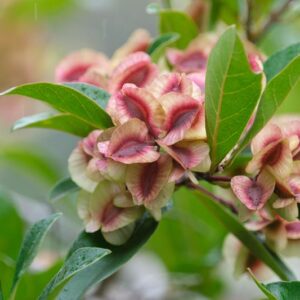
Coccoloba uvifera (Seagrape)
Coccothrinax argentata (Florida Silver Palm)
Conocarpus erectus (Buttonwood)
Dodonaea viscosa (Florida Hopbush)
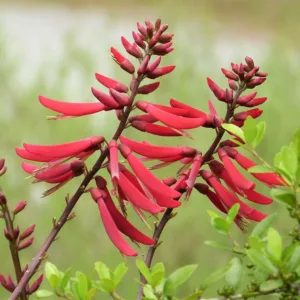
Erythrina herbacea (Coralbean)
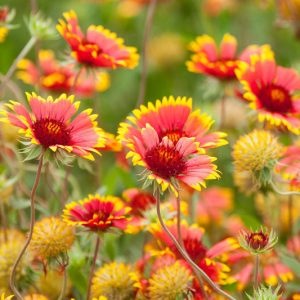
Gaillardia pulchella (Firewheel)
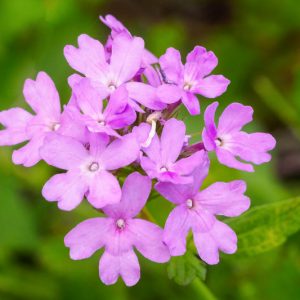
Glandularia maritima (Beach Verbena)
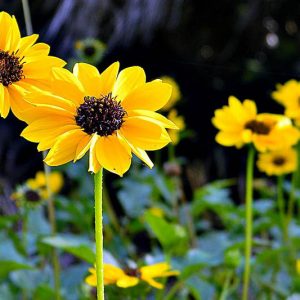
Helianthus debilis (Beach Sunflower)
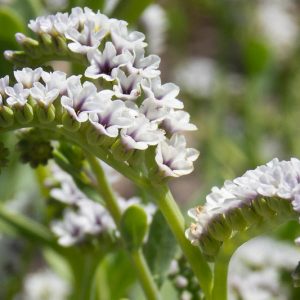
Heliotropium curassavicum (Salt Heliotrope)
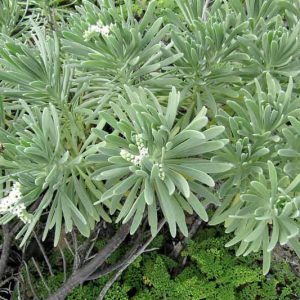
Heliotropium gnaphalodes (Sea Lavender)
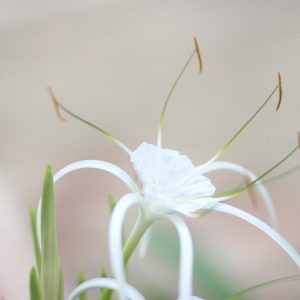
Hymenocallis latifolia (Perfumed Spider Lily)
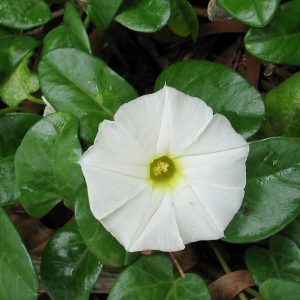
Ipomoea imperati (Beach Morning Glory)
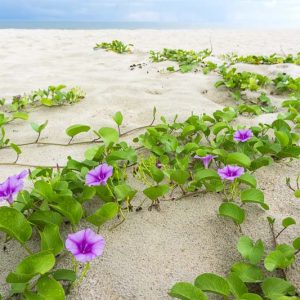
Ipomoea pes-caprae (Railroad Vine)
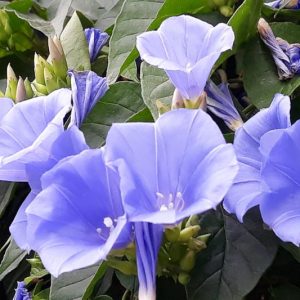
Jacquemontia pentanthos (Skyblue Clustervine)
Juniperus virginiana (Eastern Red Cedar)
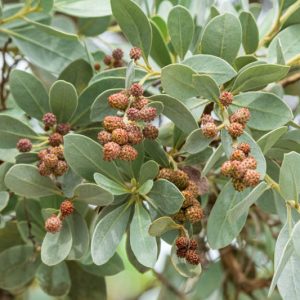
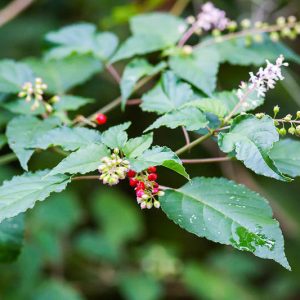
Lycium carolinianum (Christmas Berry)
Rhizophora mangle (Red Mangrove)
Sesuvium portulacastrum (Sea Purslane)
Sophora tomentosa (Necklace Pod)
Spartina alterniflora (Smooth Cordgrass)
Spartina patens (Saltmeadow Cordgrass)
Suriana maritima (Bay Cedar)
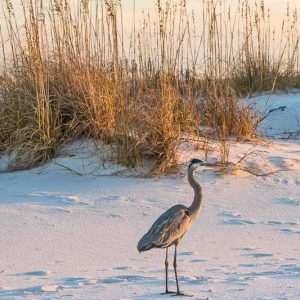
Uniola paniculata (Sea Oats)

Easy Salt-Tough Planting Recipes

Dune Stabilizer Strip: Combine Uniola paniculata (Sea Oats), Spartina patens (Saltmeadow Cordgrass), Helianthus debilis (Beach Sunflower), and creepers like Ipomoea imperati (Beach Morning Glory) and Ipomoea pes-caprae (Railroad Vine). Together they knit sand, slow erosion, and create a living dune fence.

Salty Front-Yard Pollinator Garden: Mix Gaillardia pulchella (Firewheel), Glandularia maritima (Beach Verbena), Borrichia frutescens (Sea Ox-Eye), and Jacquemontia pentanthos (Skyblue Clustervine). This blend gives nonstop nectar for bees and butterflies in full coastal sun.

Beachfront Shrub and Small-Tree Screen: Use Coccoloba uvifera (Seagrape), Suriana maritima (Bay Cedar), Sophora tomentosa (Necklace Pod), Lycium carolinianum (Christmas Berry), and Juniperus virginiana (Eastern Red Cedar). Plant them in staggered rows to create a wind-filtering hedge that still lets ocean views peek through.

Salt Marsh and Shoreline Buffer: Along estuaries and tidal creeks, group Spartina alterniflora (Smooth Cordgrass), Spartina patens, Heliotropium curassavicum (Salt Heliotrope), and Rhizophora mangle (Red Mangrove) or Avicennia germinans (Black Mangrove) where frost allows. These natives slow waves, capture sediment, and provide nursery habitat for fish and crabs.

Why Choose Salt-Tolerant Florida Natives?

Planting non-native shrubs right on the beach is a recipe for heartbreak and brown foliage. Salt-tolerant Florida natives evolved on dunes, barrier islands, and tidal marshes, so they naturally handle salty wind, sandy soil, and storms.

  • Storm-smart landscaping – deep roots and flexible stems hold dunes and shorelines together, protecting buildings and walkways.
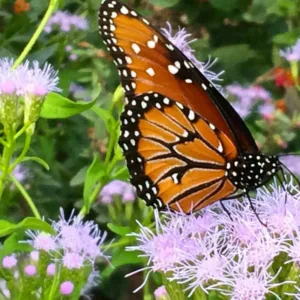
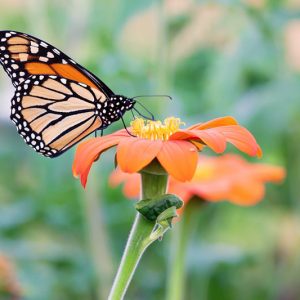
  • Wildlife support – berries, flowers, and cover from mangroves, seagrape, necklace pod, and beach sunflower feed coastal birds, pollinators, and migrating butterflies.
  • Lower maintenance – once established, most salt-tolerant natives need minimal fertilizer, reduced irrigation, and less pruning than typical ornamental imports.
  • Non invasive choices – using regionally native plants helps protect nearby dunes, marshes, and mangrove forests from aggressive exotics.

Tip: Plant in fall through early spring so roots grow before peak summer heat. Mulch with shells or coarse bark instead of fine mulch, which can blow away in coastal wind.

Recommended Salt-Tolerant Florida Native Plants

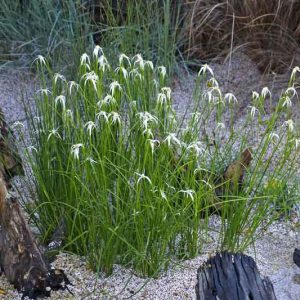
  • Uniola paniculata (Sea Oats) – iconic dune grass with tall, arching seed heads that trap blowing sand and stabilize dunes; extremely tolerant of salt spray and wind.
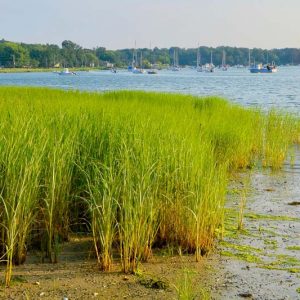
  • Spartina alterniflora (Smooth Cordgrass) – foundation grass of salt marsh edges; thrives in tidal flooding and forms dense stands that shelter fish and shorebirds.
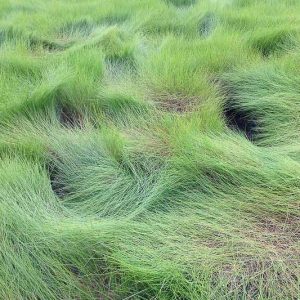
  • Spartina patens (Saltmeadow Cordgrass) – shorter, tufted grass for higher marsh and upper dune zones; excellent transition between lawn and marsh.
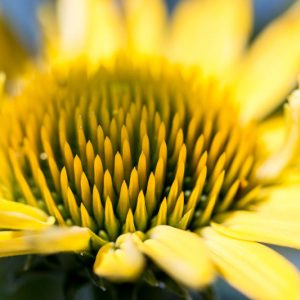
  • Helianthus debilis (Beach Sunflower) – sprawling perennial with cheerful yellow blooms nearly year-round in warm coastal climates; ideal groundcover for roadsides and dunes.
  • Glandularia maritima (Beach Verbena) – low, mounding native with lavender-purple flowers that attract butterflies and tolerate strong salt wind.
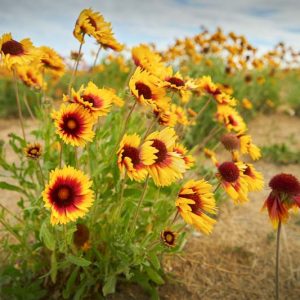
  • Gaillardia pulchella (Firewheel) – red and yellow “blanketflower” that reseeds in sunny sand, providing long-season color and nectar for pollinators.
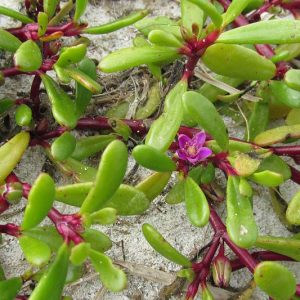
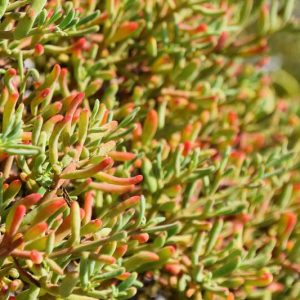
  • Sesuvium portulacastrum (Sea Purslane) – succulent groundcover that hugs the sand, roots at nodes, and withstands salt spray and even brief inundation.
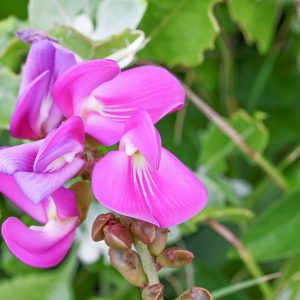
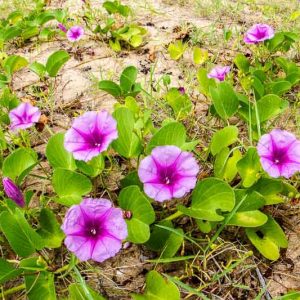
  • Canavalia rosea (Bay Bean) – vigorous dune vine with thick leaves and pink flowers; excellent for rapid sand stabilization on exposed sites.
  • Ipomoea imperati (Beach Morning Glory) and Ipomoea pes-caprae (Railroad Vine) – fast-spreading morning glories that knit loose sand and tolerate direct salt spray along the upper beach.
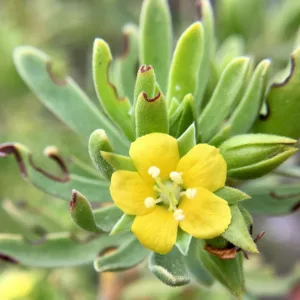
  • Borrichia frutescens (Sea Ox-Eye) – compact shrub with fleshy leaves and yellow daisies; thrives on dunes, roadsides, and marsh edges.
  • Heliotropium curassavicum (Salt Heliotrope) and Heliotropium gnaphalodes (Sea Lavender) – low, salt-loving perennials with clusters of white to lavender flowers, good for high marsh and dunes.
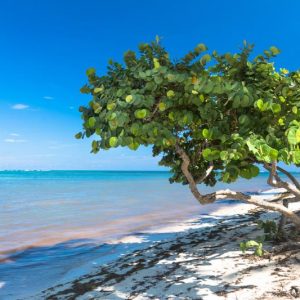
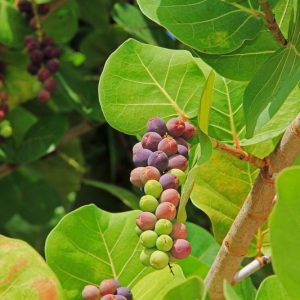
  • Coccoloba uvifera (Seagrape) – large-leaved coastal shrub or small tree that forms excellent windbreaks; purple “grapes” feed birds and can be used in jams.
  • Suriana maritima (Bay Cedar) – dense, fine-textured shrub ideal for pruning into informal hedges or used as a wind filter along exposed coasts.
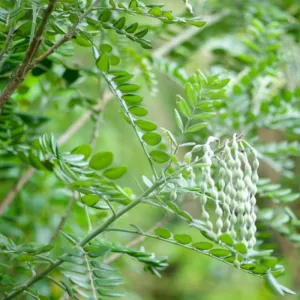
  • Sophora tomentosa (Necklace Pod) – silvery foliage and yellow flower spikes followed by beadlike pods; highly salt-tolerant, great for hummingbirds and butterflies.
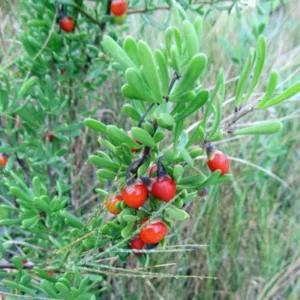
  • Lycium carolinianum (Christmas Berry) – open shrub with purple flowers and bright red berries that ripen near the holidays and attract songbirds.
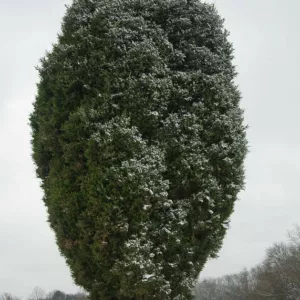
  • Juniperus virginiana (Eastern Red Cedar) – hardy evergreen that tolerates coastal conditions, providing year-round screening and blue berries for wildlife.
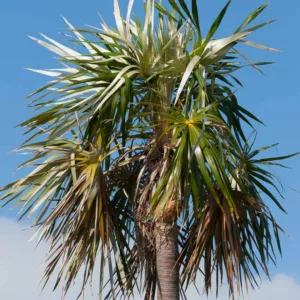
  • Coccothrinax argentata (Florida Silver Palm) – slow-growing, shimmering palm with silver-backed fronds; excellent focal point for coastal gardens with high salt exposure.
  • Conocarpus erectus (Buttonwood) – versatile small tree or large shrub for brackish shorelines and exposed yards; available in green and silver forms, both wind and salt hardy.
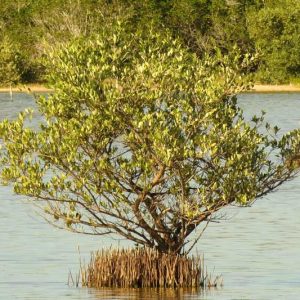
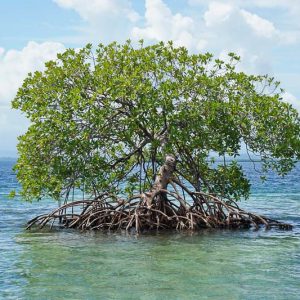
  • Avicennia germinans (Black Mangrove) and Rhizophora mangle (Red Mangrove) – keystone shoreline trees in frost-free zones; stabilize mudflats, reduce wave energy, and serve as nurseries for marine life.
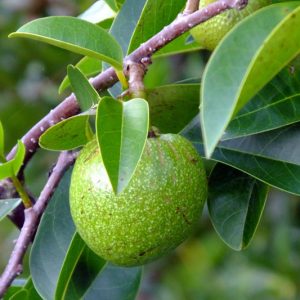
  • Annona glabra (Pond Apple) – wetland tree for brackish edges and back-bay swamps; tolerant of occasional saltwater flooding.
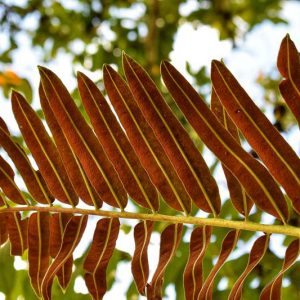
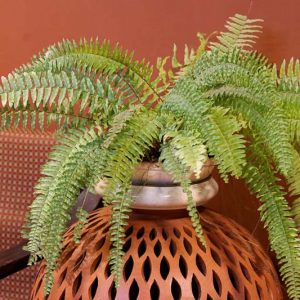
  • Acrostichum danaeifolium (Giant Leather Fern) – dramatic fern reaching shrub size in brackish wetlands; handles salt spray and tidal flooding in sheltered coves.
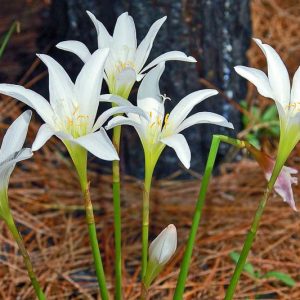
  • Hymenocallis latifolia (Perfumed Spider Lily) – fragrant white flowers and straplike leaves; thrives in sandy coastal soil with good drainage and some salt exposure.
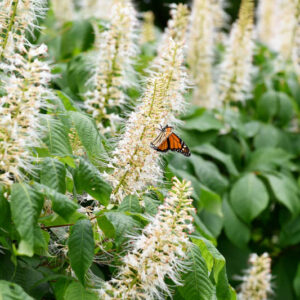
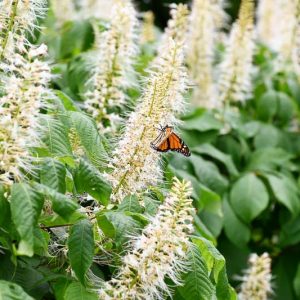
  • Clethra alnifolia (Summersweet) – more tolerant of wind and light salt than many shrubs; fragrant summer blooms beloved by pollinators, best slightly inland from direct spray.
  • Erythrina herbacea (Coralbean) – hummingbird magnet with bright red flower spikes; tolerates sandy, dry coastal soils behind primary dunes.
  • Dodonaea viscosa (Florida Hopbush) – tough evergreen shrub used as a windbreak or screen in harsh coastal sites, tolerating salt, drought, and pruning.
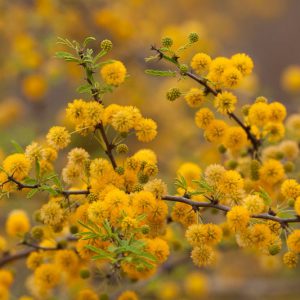
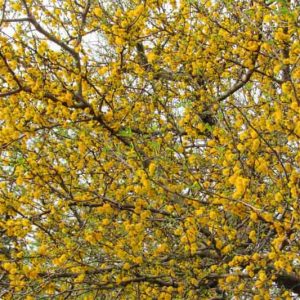
  • Acacia farnesiana (Sweet Acacia) – thorny, fragrant-flowered shrub or small tree that handles sandy, alkaline, and somewhat salty sites; best for wildlife hedgerows inland of the first dune line.

Bringing Salt-Tolerant Natives Into Your Coastal Design

Start by sketching your lot from the waterline inward. Place dune grasses and vines closest to direct spray, then layer in shrubs like sea ox-eye, bay cedar, and necklace pod, and finally taller screens of seagrape, buttonwood, or eastern red cedar. Fill gaps with beach sunflower, beach verbena, and sea purslane for year-round color.

With the right mix of highly salt-tolerant Florida native plants, your coastal garden can stay green through storms, shelter wildlife, and look beautifully “of the place” every day you step outside.

Frequently Asked Questions

What are the best highly salt-tolerant native plants for coastal Florida?

Top salt-tolerant Florida natives include sea oats, seagrape, bay cedar, black mangrove, red mangrove, sea purslane, beach sunflower, beach verbena, beach morning glory, railroad vine, saltmeadow cordgrass, smooth cordgrass, necklace pod, buttonwood, Florida silver palm, and bay bean. These species thrive in high wind, salt spray, sandy soils, and dune exposure.

Which Florida native shrubs tolerate direct salt spray?

Shrubs with strong salt tolerance include seagrape (Coccoloba uvifera), bay cedar (Suriana maritima), necklace pod (Sophora tomentosa), buttonwood (Conocarpus erectus), Christmas berry (Lycium carolinianum), and Florida silver palm (Coccothrinax argentata). These species naturally grow on dunes, maritime hammocks, and coastal edges exposed to salt-laden wind.

What native groundcovers work best right on the dunes?

Sea purslane, railroad vine, beach morning glory, bay bean, beach sunflower, and beach verbena are excellent dune stabilizers. They spread quickly, tolerate sand burial, hold erosion-prone slopes, and withstand both direct salt spray and extreme heat.

Which Florida native trees are highly tolerant of salt and coastal storms?

Salt-tolerant coastal trees include seagrape, buttonwood, black mangrove, red mangrove, pond apple, and Eastern red cedar. These species endure high salinity, shifting sand, and hurricane-force winds, making them reliable choices for coastal windbreaks and habitat restoration.

Are there native perennials or wildflowers that thrive in salty, windy conditions?

Yes. Beach sunflower, firewheel (Gaillardia pulchella), salt heliotrope, sea lavender, coralbean, giant leather fern, and perfumed spider lily tolerate salt spray and sandy soils while providing nectar for pollinators.

What grasses are best for stabilizing dunes or beachfront areas?

Sea oats, smooth cordgrass, and saltmeadow cordgrass are the top native dune and shoreline grasses. Their deep, fibrous root systems trap blowing sand, reduce erosion, and rebuild dunes naturally.

Can highly salt-tolerant natives grow inland?

Most can. While adapted to coastal extremes, species such as seagrape, necklace pod, beach sunflower, and buttonwood grow well inland when given full sun and well-drained sandy soil. Mangroves, however, require consistently wet, brackish to saline conditions.

Do salt-tolerant natives support wildlife?

Absolutely. Mangroves support fish nurseries, shorebirds, and invertebrates. Seagrape, beach sunflower, and bay cedar provide nectar, berries, and cover for pollinators, birds, and small mammals. Dune vines offer forage and nesting habitat for coastal wildlife.

How should I prepare a site for salt-tolerant native plants?

Remove invasive species, loosen compacted sand, and avoid heavy fertilizers. Plant during the warm rainy season. Choose species with the same exposure tolerance—plants adapted to direct spray must be placed ocean-side, while moderate-tolerance shrubs can be used behind dunes or near structures.

References

Great Pollinator Plants for Florida
Invasive Plant Species in Florida
Monarch Nectar Plants for Florida
Native Vines for Central Florida
Shade-Loving Native Perennials for South Florida
Shade-Loving Native Trees for Central Florida
Sun-Loving Native Perennials for North Florida
Sun-Loving Native Shrubs for North Florida
Sun-Loving Trees for South Florida
Shade-Loving Native Trees for North Florida
Sun-Loving Native Trees for North Florida
Native Aquatic Plants for North Florida
Shade-Loving Native Perennials for North Florida
Shade-Loving Native Shrubs for North Florida
Native Grasses for North Florida
Native Ferns for North Florida
Native Vines for North Florida
Shade-Loving Native Perennials for Central Florida
Sun-Loving Native Perennials for Central Florida
Sun-Loving Native Shrubs for Central Florida
Native Aquatic Plants for Central Florida
Native Grasses for Central Florida
Native Ferns for Central Florida
Native Vines for South Florida
Native Groundcovers for South Florida
Native Groundcovers for North Florida
Sun-Loving Native Trees for Central Florida
Shade-Loving Native Shrubs for Central Florida
Native Ferns for South Florida
Sun-Loving Native Shrubs for South Florida
Sun-Loving Native Perennials for South Florida
Native Aquatic Plants for South Florida
Native Grasses for South Florida
Shade-Loving Native Shrubs for South Florida
Explore Great Plant Combination Ideas
Coastal South Tropical South
While every effort has been made to describe these plants accurately, please keep in mind that height, bloom time, and color may differ in various climates. The description of these plants has been written based on numerous outside resources.

Guide Information

Native Plants United States, Southeast, Florida
Tolerance Salt
Explore Great Plant Combination Ideas
Coastal South Tropical South

Related Items

Please Login to Proceed

You Have Reached The Free Limit, Please Subscribe to Proceed

Subscribe to Gardenia

To create additional collections, you must be a paid member of Gardenia
  • Add as many plants as you wish
  • Create and save up to 25 garden collections
Become a Member

Plant Added Successfully

Your garden is taking shape. Unlock full planning.

You’ve reached the free limit. Upgrade for $25/year to add as many plants as you wish and save up to 25 garden collections. Unlock Annual Membership

Update Your Credit
Card Information

Cancel

Create a New Collection

Sign Up to Our Newsletter

    You have been subscribed successfully

    Join Gardenia.net

    Create a membership account to save your garden designs and to view them on any device.

    Becoming a contributing member of Gardenia is easy and can be done in just a few minutes. If you provide us with your name, email address and the payment of a modest $25 annual membership fee, you will become a full member, enabling you to design and save up to 25 of your garden design ideas.

    Join now and start creating your dream garden!

    Join Gardenia.net

    Create a membership account to save your garden designs and to view them on any device.

    Becoming a contributing member of Gardenia is easy and can be done in just a few minutes. If you provide us with your name, email address and the payment of a modest $25 annual membership fee, you will become a full member, enabling you to design and save up to 25 of your garden design ideas.

    Join now and start creating your dream garden!
    Find your Hardiness Zone

    Find your Heat Zone

    Find your Climate Zone