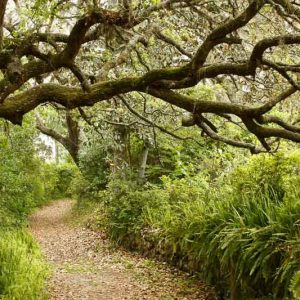
Shade loving native trees bring the cool, wild beauty of Central Florida’s forests right into your backyard. From Sweetbay Magnolia to Red Buckeye and Dahoon Holly, these resilient natives thrive where turf fails, enrich wildlife habitat, and create lush, living shade that feels refreshingly natural, low maintenance, and authentically Florida.
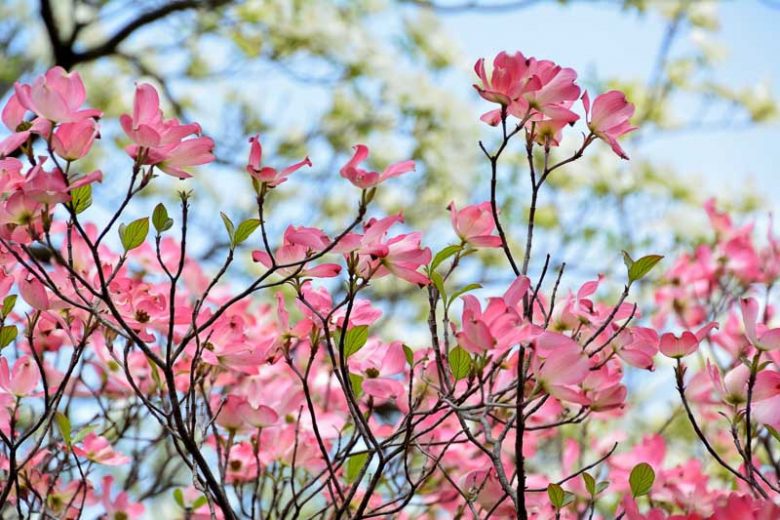


If you garden in Central Florida, you already know the challenge – plenty of sunshine in open yards, yet surprisingly deep pockets of shade under established oaks, pines, and magnolias. These shady spaces can feel peaceful and inviting, but choosing the right plants for them is not always simple. Luckily, Central Florida is home to a remarkable lineup of shade loving native trees that thrive in the region’s heat, humidity, and sandy to loamy soils.
Sitting in USDA zones 9a and 9b, the Central Florida Peninsula stretches from the temperate north to the subtropical south. Its patchwork of hardwood hammocks, pine flatwoods, forest wetlands, and lake rich uplands gives rise to incredible biodiversity. In fact, Florida ranks among the top states in the U.S. for rare and endangered species. That makes choosing native plants not only a garden smart decision but also an ecological one.
Unfortunately, these natural systems are increasingly pressured by habitat loss and invasive species, which compete with native trees for moisture, sunlight, and nutrients. By planting native shade trees, you help restore habitat, support pollinators and wildlife, and maintain the authentic character of the Central Florida landscape.
Choosing the right shade loving native tree means thinking about where it grows naturally. Each native species reflects the light, soil, and moisture conditions of Florida’s diverse ecosystems.
Spend a day watching how sunlight moves across your yard. Areas that look deeply shaded may still enjoy bright morning sun or soft evening light – perfect conditions for many native shade trees.
| Hardiness |
9 |
|---|---|
| Plant Type | Trees |
| Exposure | Partial Sun, Shade |
| Native Plants | United States, Southeast, Florida |
| Toxic to Humans | No known toxicity |
| Toxic to Cats | No known toxicity |
| Toxic to Dogs | No known toxicity |
| Toxic to Horses | No known toxicity |
Native trees do far more than fill empty corners of your landscape. When you plant a tree that evolved in Florida’s climate, you gain resilience, beauty, and ecological value.
Tip – whenever possible, buy plants grown from local seed sources. These preserve regional genetics and are even better adapted to Central Florida’s micro climates.
Use this list like a menu of Florida friendly, shade tolerant trees. These species are widely used in woodland gardens, naturalistic landscapes, rain gardens, shady borders, and understory plantings across USDA zones 9a and 9b.
Woodland Entry Grove – Combine Carpinus caroliniana with Aesculus pavia and Ilex opaca along a shady front walk. Add evergreen ferns and native groundcovers for a cool, layered entry garden.
Rain Garden Canopy – For low, moist areas, plant Ilex cassine, Cornus foemina, and Magnolia virginiana. Their roots slow storm water, improve habitat, and create a lush microclimate for songbirds and pollinators.
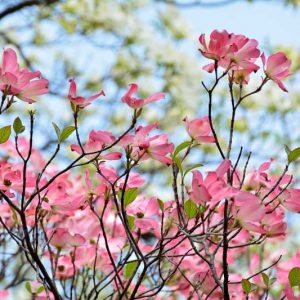
Shaded Wildlife Corridor – Under established live oaks, weave in Ptelea trifoliata, Acer saccharum, and Cornus florida. Add berry producing hollies for winter food sources and layered visual interest.
Courtayard Evergreen Screen – Create year round privacy with Ilex opaca and compact forms of Magnolia grandiflora. Mix in Sweetbay Magnolia for soft fragrance and seasonal interest.
Most native shade trees are forgiving once they are established, but thoughtful planting sets them up for decades of success.
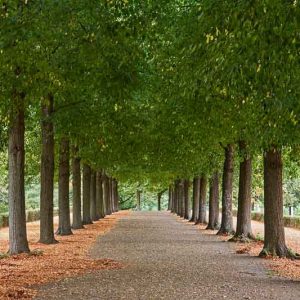
Think of native shade trees as the backbone of a Florida friendly landscape. They anchor beds, cool your home, create bird rich canopies, and soften hard architectural lines.
Over time, your garden transforms from patchy shade and bare mulch into a thriving, multi layered woodland that supports birds, butterflies, and the quiet rustle of leaves in the breeze.
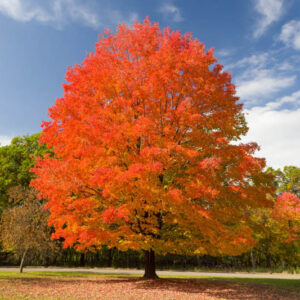
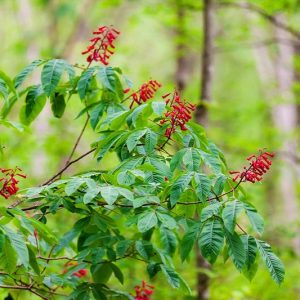
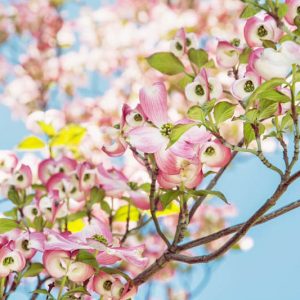
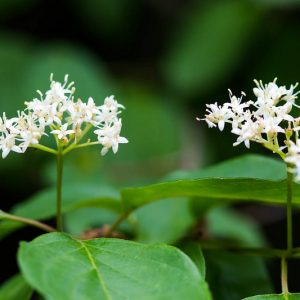
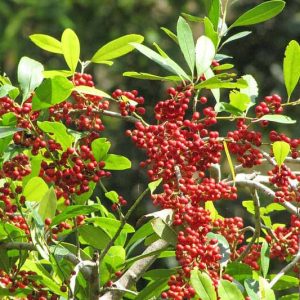
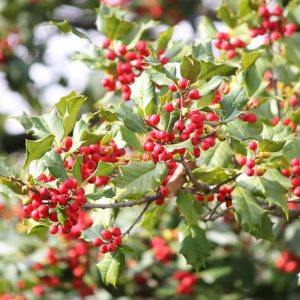
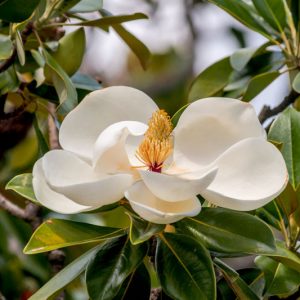
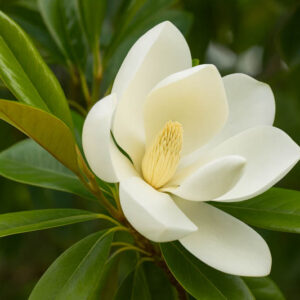
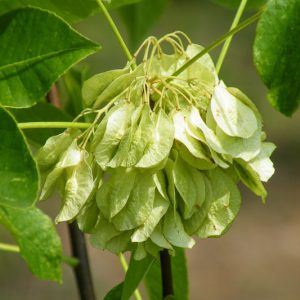
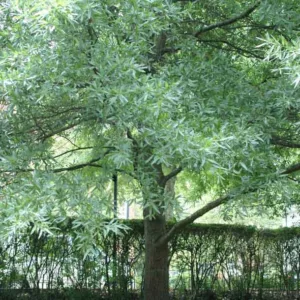
Top performers include Acer saccharum (Florida Maple), Carpinus caroliniana (American Hornbeam), Magnolia virginiana (Sweetbay Magnolia), Aesculus pavia (Red Buckeye), Cornus florida (Flowering Dogwood), Ilex cassine (Dahoon Holly), Ilex opaca (American Holly), Magnolia grandiflora (Southern Magnolia), Ptelea trifoliata (Hop Tree), Quercus laurifolia (Laurel Oak), and Tilia americana (American Basswood). These species thrive in USDA zones 9a and 9b.
American Hornbeam, Red Buckeye, and Sweetbay Magnolia excel in deep or filtered shade. American Holly also performs well in darker understory areas with good soil moisture.
Swamp Dogwood, Dahoon Holly, Sweetbay Magnolia, and Florida Maple love moist conditions. They are ideal for rain gardens, pond edges, and low spots that stay damp after storms.
Yes. Southern Magnolia, American Holly, and Sweetbay Magnolia (semi evergreen) provide year round foliage, structure, and wildlife benefits in part shade.
Most Central Florida native trees require little to no fertilizer. They thrive in soils enriched with natural leaf litter or compost. Avoid heavy synthetic fertilizers, which can harm beneficial soil organisms.
Absolutely. Native understory trees mix beautifully with hydrangeas, camellias, gingers, and tropical foliage plants. Over time, you can shift toward a more native centered design if you choose.
Updated: December 2025 • Reviewed by Gardenia Editors
High Mountain, Shutterstock
| Hardiness |
9 |
|---|---|
| Plant Type | Trees |
| Exposure | Partial Sun, Shade |
| Native Plants | United States, Southeast, Florida |
| Toxic to Humans | No known toxicity |
| Toxic to Cats | No known toxicity |
| Toxic to Dogs | No known toxicity |
| Toxic to Horses | No known toxicity |
Create a membership account to save your garden designs and to view them on any device.
Becoming a contributing member of Gardenia is easy and can be done in just a few minutes. If you provide us with your name, email address and the payment of a modest $25 annual membership fee, you will become a full member, enabling you to design and save up to 25 of your garden design ideas.
Join now and start creating your dream garden!
Create a membership account to save your garden designs and to view them on any device.
Becoming a contributing member of Gardenia is easy and can be done in just a few minutes. If you provide us with your name, email address and the payment of a modest $25 annual membership fee, you will become a full member, enabling you to design and save up to 25 of your garden design ideas.
Join now and start creating your dream garden!