Fill your Central Florida yard with sun-loving native perennials that actually enjoy our heat. From blazing star and black-eyed Susan to swamp sunflower and Texas star hibiscus, these wildflowers deliver nonstop color, feed butterflies and hummingbirds, and thrive in sandy soil, rain gardens, and low-maintenance pollinator beds all year long.
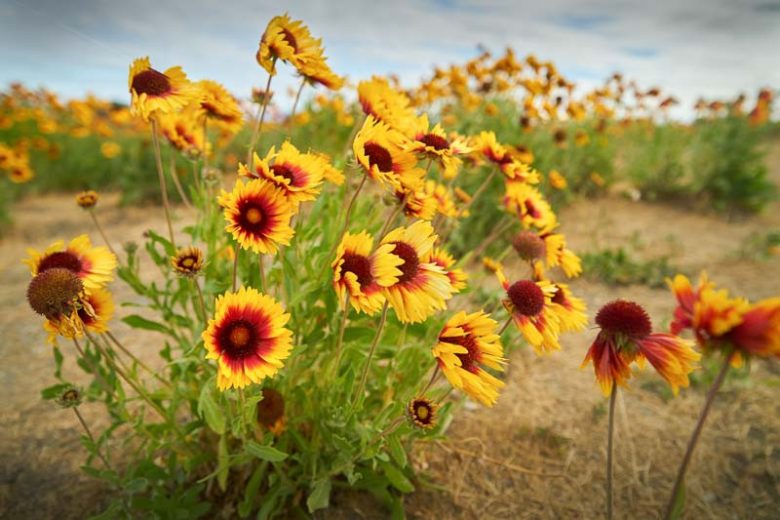


Want flowers that love Central Florida sun instead of collapsing by July? Native perennials give Orlando, Tampa Bay, and the Space Coast months of blooms, butterflies, and seed for birds while shrugging off heat, humidity, and sandy soil. This guide highlights durable, sun-loving native perennials that thrive in USDA zones 9a and 9b.
Most of Central Florida falls in USDA zones 9a and 9b, with long, hot summers, a distinct rainy season, and mild winters that may briefly dip below freezing.
Most of the perennials below overlap several of these site types, but checking your light, drainage, and seasonal moisture will help you pick the best native perennial for each planting area.
Use this list as a menu of Central Florida native perennials that handle full sun while feeding butterflies, bees, and songbirds. Combine long-blooming workhorses with tall late-season flowers and wetland specialists for a vibrant, wildlife-friendly landscape.
| Hardiness |
9 |
|---|---|
| Plant Type | Perennials |
| Exposure | Full Sun |
| Native Plants | United States, Southeast, Florida |
| Toxic to Humans | No known toxicity |
| Toxic to Cats | No known toxicity |
| Toxic to Dogs | No known toxicity |
| Toxic to Horses | No known toxicity |
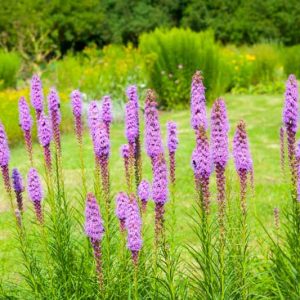
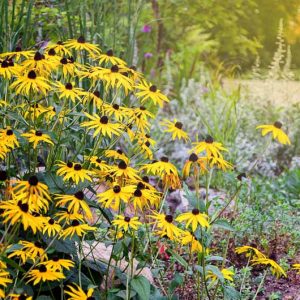
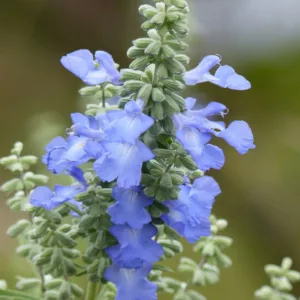
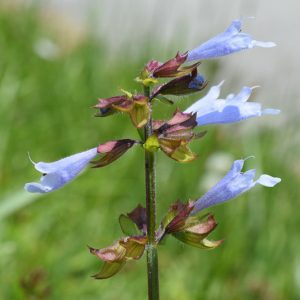
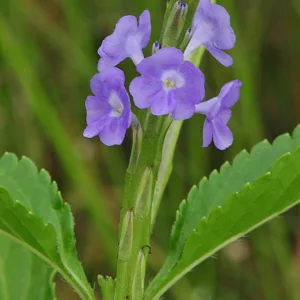
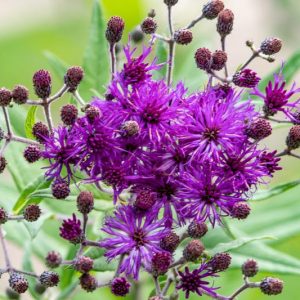
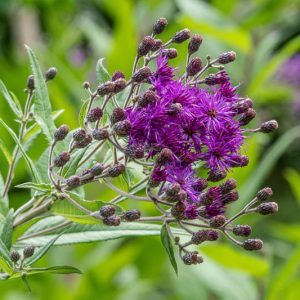
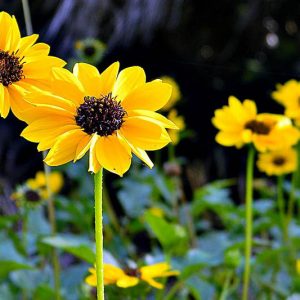
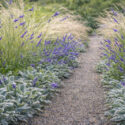
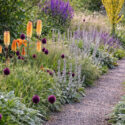
Dry Sandhill Butterfly Border: Mix Liatris spicata (Blazing Star), Rudbeckia hirta (Black-Eyed Susan), Salvia azurea (Blue Sage), and Stachytarpheta jamaicensis (Blue Porterweed) for a sun-drenched strip of purple, gold, and blue that butterflies and native bees swarm from spring through fall.
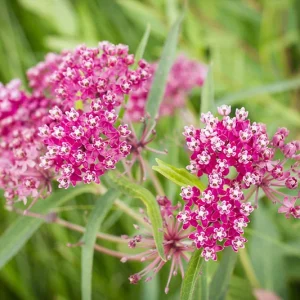
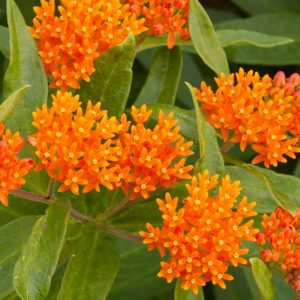
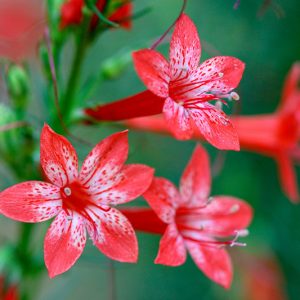
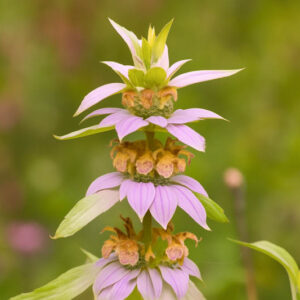
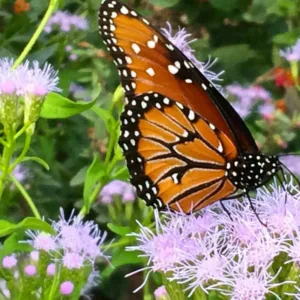
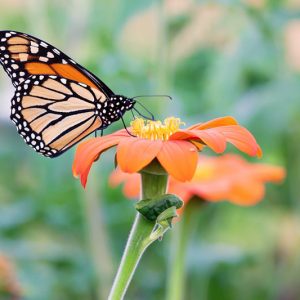
Central Florida Monarch and Hummingbird Bed: Combine Asclepias tuberosa (Butterfly Milkweed), Asclepias incarnata (Swamp Milkweed), Ipomopsis rubra (Standing Cypress), and Monarda punctata (Spotted Bee Balm). The milkweeds host monarch and queen caterpillars, while standing cypress and bee balm pour out nectar for hummingbirds and beneficial wasps.
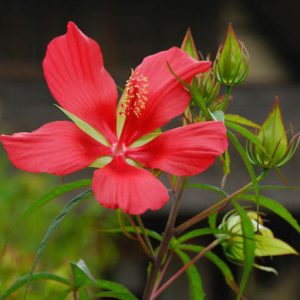
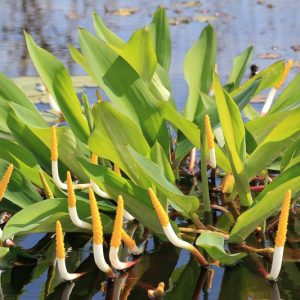
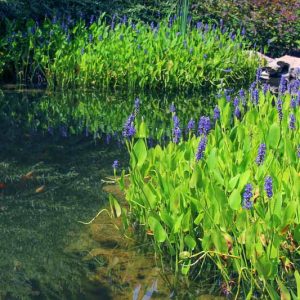
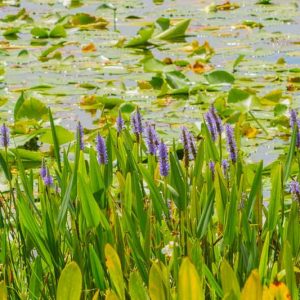
Rain Garden and Pond-Edge Mix: In low, sunny spots, plant Pontederia cordata (Pickerelweed), Orontium aquaticum (Golden Club), Hibiscus coccineus (Texas Star Hibiscus), and Helianthus angustifolius (Swamp Sunflower) for bold foliage, dramatic flowers, and fall color in wet soils.
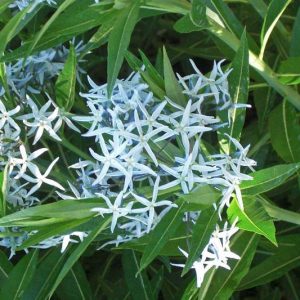
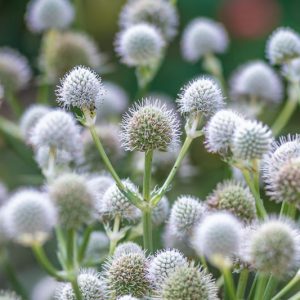
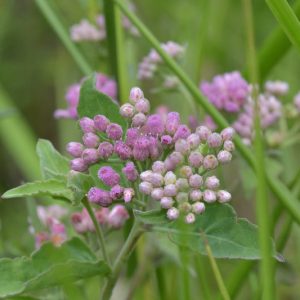
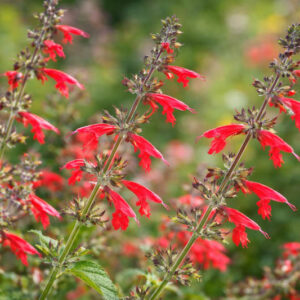
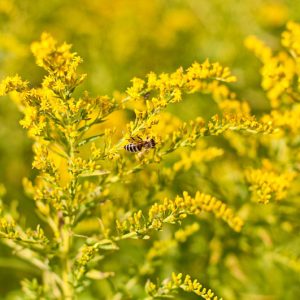
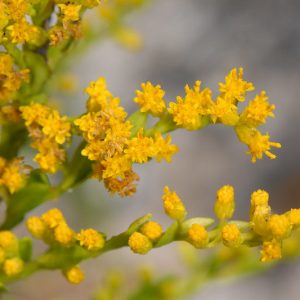
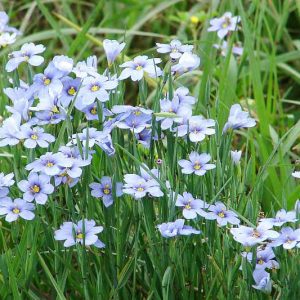
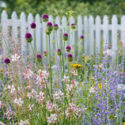
Wild Meadow Pollinator Strip: Blend Amsonia ciliata (Fringed Bluestar), Helenium flexuosum (Purple-head Sneezeweed), Salvia coccinea (Scarlet Sage), Salvia lyrata (Lyreleaf Sage), and Solidago odora (Sweet Goldenrod) to mimic a Central Florida wildflower meadow that supports butterflies, moths, native bees, and beneficial insects.
Many common bedding plants are short-lived imports that demand constant irrigation and fertilizer. Sun-loving native perennials are adapted to Central Florida’s heat, sandy soils, and seasonal rainfall, so they work with the climate instead of against it.
Tip: Prepare beds by removing lawn and invasive weeds first, then plant nursery-grown Florida natives in groups of three or more for a natural look and stronger visual impact.
Start by sketching where you have full sun, part shade, dry sand, or seasonally wet soil. Then plug native perennials from this list into each zone for low, mid, and tall layers. When you swap thirsty annuals for Central Florida native perennials, your garden will use less water and fertilizer while buzzing with life from spring through fall.
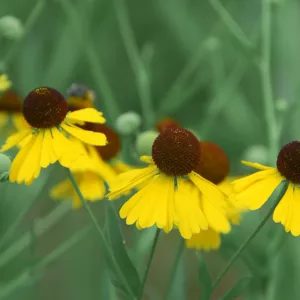
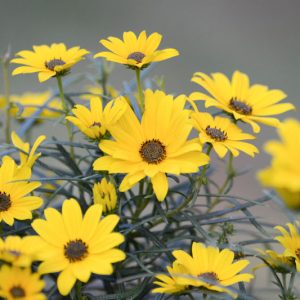
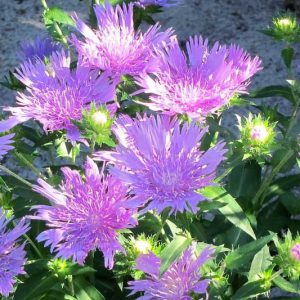
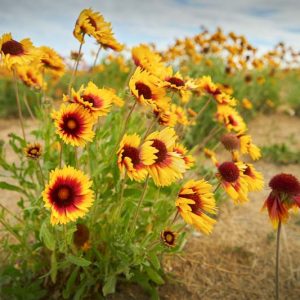
Top-performing species include Helianthus angustifolius (swamp sunflower), Rudbeckia hirta (black-eyed Susan), Liatris spicata (blazing star), Salvia coccinea (scarlet sage), Stokesia laevis (Stokes’ aster), and Stachytarpheta jamaicensis (blue porterweed). These perennials tolerate intense sun, sandy soil, and periodic drought.
Scarlet sage, blue porterweed, beach sunflower, and swamp sunflower offer long bloom seasons. Liatris species and goldenrods add strong late-summer and fall color. Texas star hibiscus and standing cypress provide vivid midsummer flowers attractive to pollinators.
Blazing star, scarlet sage, blue porterweed, butterfly milkweed, and standing cypress are highly attractive to bees, butterflies, and hummingbirds. These plants produce nectar-rich blooms and are noted by UF/IFAS and FNPS as reliable pollinator-support species.
Drought-tolerant natives include Stokes’ aster, black-eyed Susan, blazing star, blue sage (Salvia azurea), and goldenrods such as Solidago odora. These species evolved in Florida’s scrub and sandhill habitats and perform well in fast-draining soils.
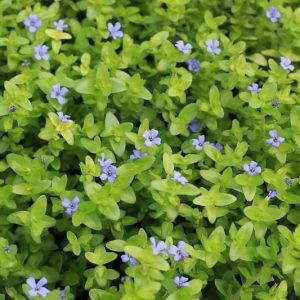
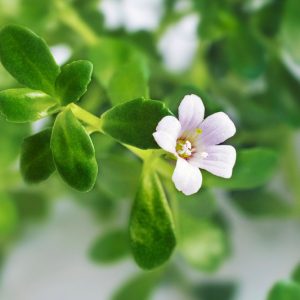
Pickerelweed (Pontederia cordata), golden club (Orontium aquaticum), lemon bacopa, swamp milkweed, and Texas star hibiscus tolerate saturated soils and are suitable for pond edges, ditches, and rain gardens.
Many are moderately deer-resistant, including swamp sunflower, blazing star, Stokes’ aster, blue sage, and black-eyed Susan. While no plant is fully deer-proof, these species are less frequently browsed.
Beach sunflower, scarlet sage, and blue porterweed spread rapidly through reseeding or creeping stems. These plants are commonly used as low-maintenance fillers in sunny Florida landscapes.
Yes. Many native perennials such as black-eyed Susan, swamp sunflower, and scarlet sage provide continuous color with less irrigation, fertilizer, or replanting compared to non-native annuals or tropical ornamentals.
Yes. Sunflowers and coneflowers provide seeds for birds, milkweeds support monarch larvae, and dense perennial plantings offer habitat for beneficial insects, lizards, and small birds.
Max Lindenthaler, Shutterstock
| Hardiness |
9 |
|---|---|
| Plant Type | Perennials |
| Exposure | Full Sun |
| Native Plants | United States, Southeast, Florida |
| Toxic to Humans | No known toxicity |
| Toxic to Cats | No known toxicity |
| Toxic to Dogs | No known toxicity |
| Toxic to Horses | No known toxicity |
Create a membership account to save your garden designs and to view them on any device.
Becoming a contributing member of Gardenia is easy and can be done in just a few minutes. If you provide us with your name, email address and the payment of a modest $25 annual membership fee, you will become a full member, enabling you to design and save up to 25 of your garden design ideas.
Join now and start creating your dream garden!
Create a membership account to save your garden designs and to view them on any device.
Becoming a contributing member of Gardenia is easy and can be done in just a few minutes. If you provide us with your name, email address and the payment of a modest $25 annual membership fee, you will become a full member, enabling you to design and save up to 25 of your garden design ideas.
Join now and start creating your dream garden!